
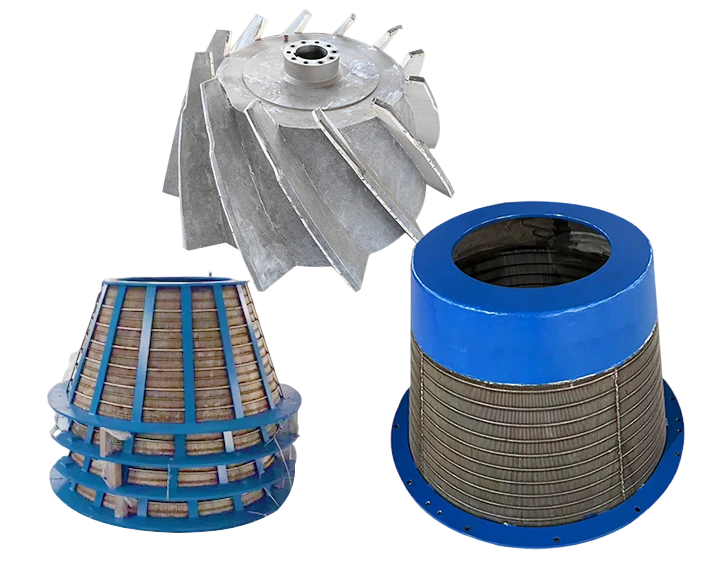
High Efficiency Industrial Solutions from Wedge Wire Screen Factory
Selecting the right filtration equipment for heavy-duty industrial processes requires a deep understanding of material flow and structural integrity. Sieve bend screens, often referred to as DSM screens, are critical components in mining and wastewater treatment, designed to separate coarse solids from liquids with high efficiency. These specialized systems rely on precise slot geometry to prevent clogging while maximizing throughput, making the choice of a reliable wedge wire screen factory a decisive factor in operational uptime.
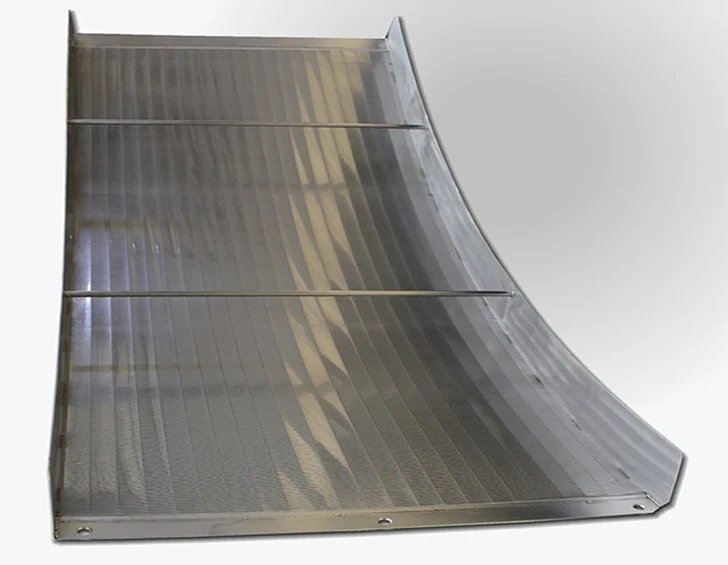
For engineers managing pulp and paper production or mineral processing, the primary challenge is balancing wear resistance with hydraulic performance. The trapezoidal cross-section of the wire ensures that particles cannot become wedged in the slots, facilitating a self-cleaning effect. By integrating customized angles and radii, these screens can be tailored to specific material densities and flow rates, ensuring that the filtration process remains stable even under extreme load capacities.

Technical Architecture of Trapezoidal Wire Filtration Systems
The efficiency of a sieve bend screen is rooted in its unique V-shaped wire profile. Unlike standard perforated plates, the trapezoidal cross-section creates a progressive opening. This geometry is essential for "wedge" action, where the gap narrows toward the interior, effectively preventing blinding. This design allows the system to handle a diverse spectrum of materials, ranging from fine powders in chemical processing to coarse aggregates in quarrying operations.
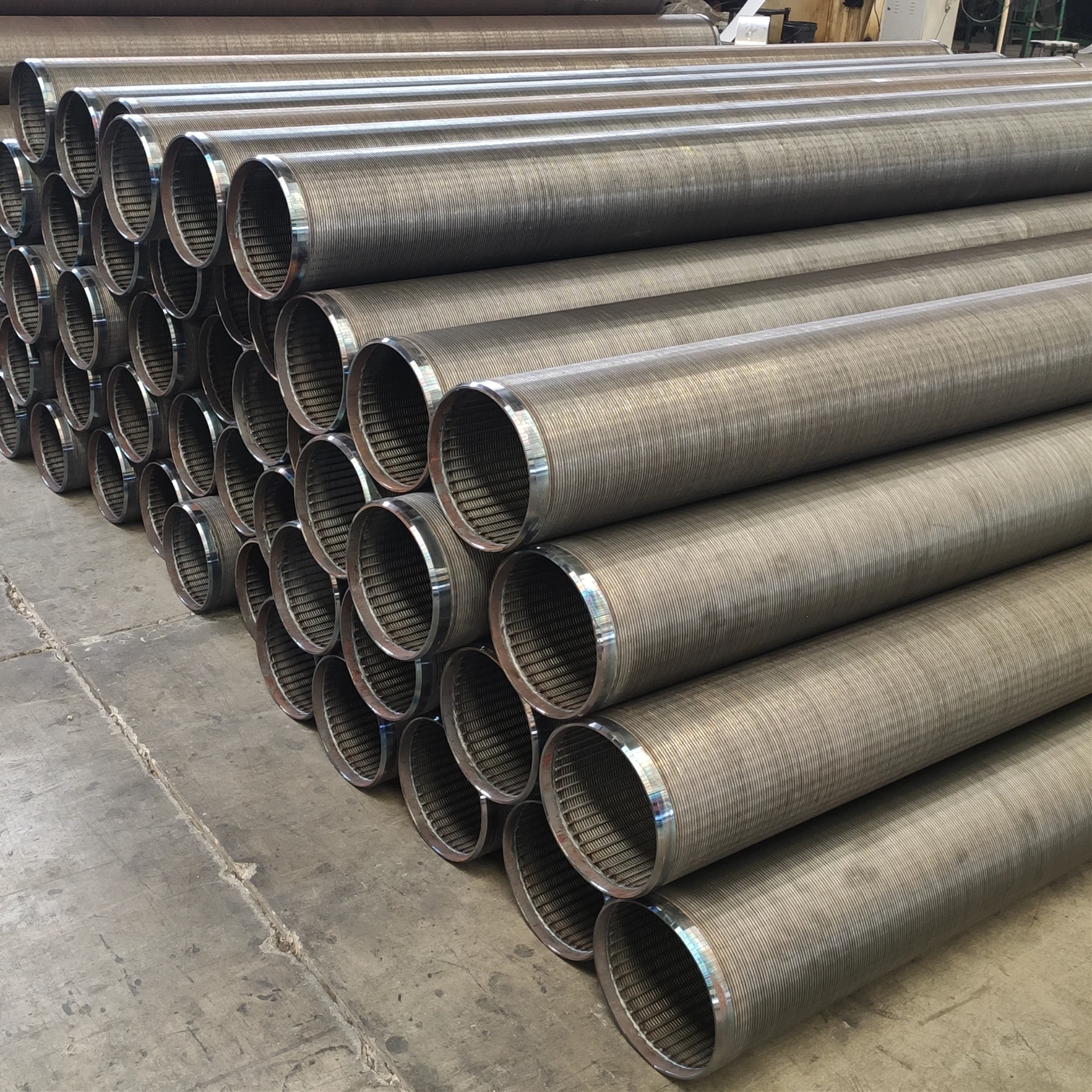
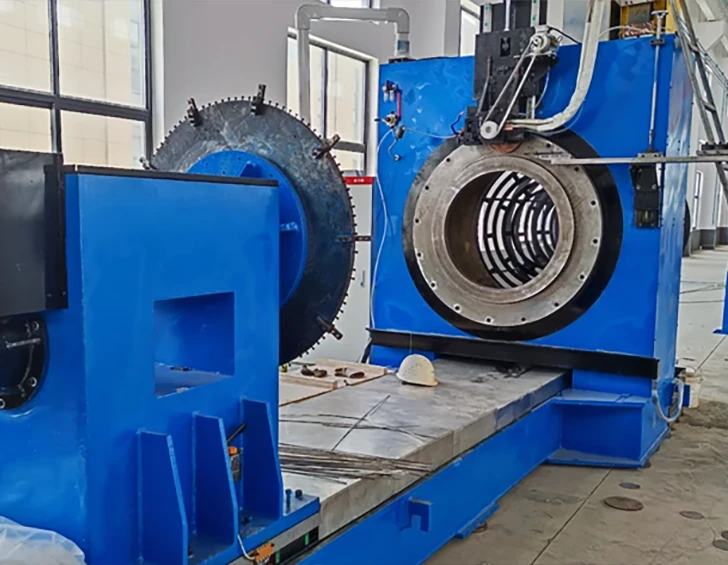
Construction involves advanced wire processing techniques including drawing, precise cutting, and specialized welding. To ensure structural stability, the wires are welded to support profiles with high precision, ensuring an even gap across the entire surface. This stability is critical for maintaining the screening effect under high pressure. Furthermore, the use of stainless steel and other high-grade synthetic materials ensures that these filters can withstand corrosive environments, such as those found in sea water desalination or chemical acid liquid filtration.
From an engineering perspective, the open area is maximized to reduce the energy required for fluid passage, thereby decreasing the risk of hydraulic surges. The ability to customize the frame structure and slot size (ranging from 0.25mm to 1mm) allows these screens to be integrated into existing hydraulic grids or designed as standalone inclined screens for specific gravity-fed separation processes.

Industrial Applications and Material Suitability
The versatility of these screening solutions makes them indispensable across multiple sectors. In wastewater treatment and water softening, they serve as the primary stage for removing debris, protecting downstream membranes and pumps. In the petroleum industry, they provide terminal filtration for petroleum products, ensuring that impurities are removed before final processing.
Other critical application scenarios include:
- Mining and Quarrying: Efficiently separating minerals from slurry using curved and inclined screen configurations.
- Food Processing: Ensuring hygienic separation of organic materials using corrosion-resistant stainless steel.
- Textile Factories: Filtering process liquids to prevent fiber contamination in production lines.
- Chemical Processing: Handling soda liquids and organic solvents where chemical stability is paramount.
The ability of the screen to be manufactured in various shapes—including curved, slotted, and hydraulic grid formats—means it can be adapted to the specific geometry of the piping system. This flexibility reduces the need for complex piping redirects and optimizes the overall footprint of the filtration plant.
Engineering Considerations for Custom Screen Design
When specifying a screen for a new project, the relationship between the arc length, radius, and angle is fundamental to the separation efficiency. A 45° angle might be suitable for lighter materials, whereas a 120° configuration is often required for heavier solids that need a more aggressive slide. The radius, typically ranging from 1018mm to 2036mm, determines the flow velocity and the contact time of the material with the screen surface.
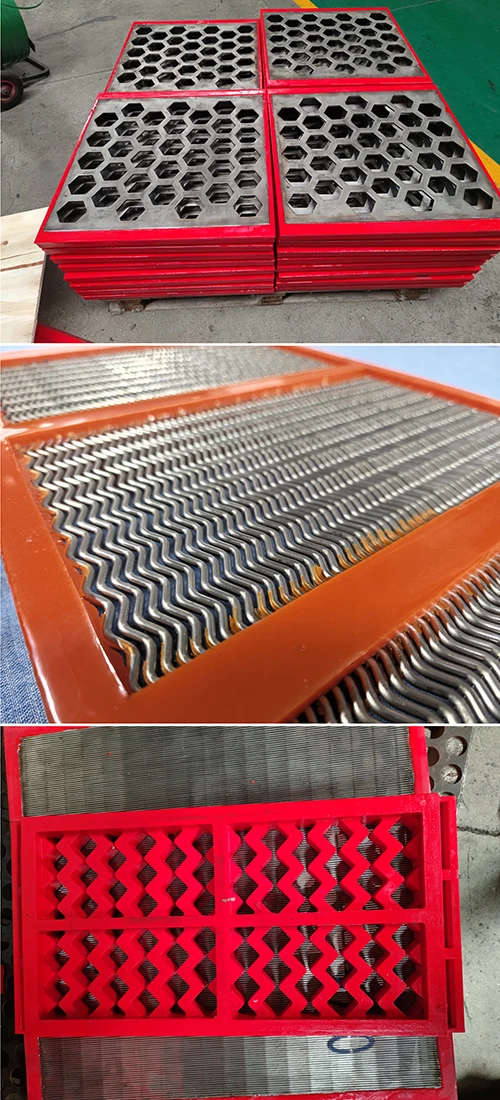
Material selection is another critical variable. While stainless steel is the industry standard for corrosion resistance, synthetic materials or specialized plastics may be utilized depending on the pH levels of the processed liquid. The assembly process is where quality is truly determined; removing all foreign bodies, such as cotton wool or screws, is mandatory to prevent premature failure or contamination of the filtered product.
For those researching wedge wire screen factory capabilities, it is important to evaluate the provider's ability to perform feasibility analysis and process design. A comprehensive service includes not just the fabrication of the screen, but also the installation, commissioning, and the provision of a structured maintenance training program for on-site staff.
Technical Specification and Configuration Guide
| Design Parameter | Standard Range | Customization Option | Performance Impact |
|---|---|---|---|
| Slot Size | 0.25mm - 1.0mm | Application-specific | Determines particle cutoff point |
| Screen Angles | 45°, 60°, 120° | Custom degrees available | Affects flow velocity and slide |
| Radius Range | 1018mm - 2036mm | Tailored to pipe diameter | Influences hydraulic residence time |
| Width Range | 600mm - 3000mm | Based on volume needs | Controls total throughput capacity |
| Material Type | Stainless Steel / Synthetic | Based on chemical exposure | Determines corrosion/wear life |
Quality Assurance and Manufacturing Standards
Ensuring the longevity of an industrial filter requires a rigorous quality control framework. The manufacturing process must include testing at every stage—from the initial drawing of the wire to the final assembly. Precise control of individual component sizes is the only way to guarantee that the slot gaps remain consistent across the entire surface area, as even a slight deviation can lead to leakage or localized clogging.
A professional manufacturer integrates smart technology into the production line, utilizing patents in welding equipment to ensure a stable and strong bond between the wedge wire and the support frames. This high strength and load capacity are essential for screens operating in high-pressure hydraulic environments. After production, screens should be placed in a designated testing area to verify functional integrity and dimensional accuracy before being packed for shipment.
Post-purchase support is equally critical. A comprehensive warranty, typically ranging from 3 to 12 months for screens and one year for machinery, provides a safety net for the operator. Additionally, the availability of spare parts and on-site diagnostic services ensures that complex problems are resolved quickly, minimizing costly production downtime.
Procurement Strategies for Industrial Screening Equipment
When evaluating a supplier for industrial sieves, buyers should look beyond the initial price and focus on the total cost of ownership. This includes the frequency of replacement, the ease of cleaning, and the level of technical support provided. A supplier that offers project consultancy and feasibility analysis is generally more valuable than a simple parts manufacturer, as they can optimize the equipment model selection based on the actual material characteristics.
Key procurement criteria should include:
- R&D Capability: Check for technology patents and "High-Tech Enterprise" certifications to ensure the supplier is using modern manufacturing methods.
- Customization Range: Ensure the factory can handle specific requirements for arc length and frame structures.
- Service Network: Evaluate the provider's ability to offer on-site installation and commissioning, especially for major equipment.
- Material Verification: Confirm that the materials used are suitable for the specific corrosive agents present in the application.
Ultimately, the goal is to establish a partnership with a solution provider who can guide the process from design to training. This holistic approach ensures that the filtration system is not only installed correctly but is operated and maintained at peak efficiency throughout its lifecycle.
Frequently Asked Questions About Wedge Wire Screens
What is the primary advantage of the trapezoidal wire profile?
The trapezoidal profile creates a V-shaped opening that prevents particles from becoming lodged in the slot. This self-cleaning mechanism significantly reduces blinding and ensures a consistent flow rate compared to traditional perforated screens.
Can these screens be customized for specific chemical environments?
Yes, materials can be selected based on the application. While stainless steel is common for general corrosion resistance, synthetic materials and plastics are available for environments involving highly aggressive acids or organic solvents.
How do I choose the correct angle for a sieve bend screen?
The angle depends on the material density and required flow velocity. Common angles are 45°, 60°, and 120°. Heavier solids typically require a steeper angle to facilitate sliding and prevent accumulation on the screen surface.
What is the typical slot size range available for these filters?
Standard slot sizes generally range from 0.25mm to 1mm. However, these can be customized to meet the specific particle size distribution of the material being screened.
What maintenance is required to ensure a long service life?
Regular inspection for wear and periodic cleaning of the surface are essential. It is also recommended to follow the manufacturer's training on proper operation to avoid overloading the screen, which could compromise the structural integrity of the welds.
What support does a professional manufacturer provide after installation?
A full-service provider typically offers a warranty (3-12 months for screens), technical guidance, spare parts supply, and on-site diagnostic and repair services for major equipment issues.
Technical References and Industry Standards
- Fundamentals of Wire Mesh Screening Technology
- ISO Standards for Industrial Filtration Equipment
- ASTM Materials Specifications for Stainless Steel Wire
- Wastewater Treatment Filtration Guidelines
Finding a reliable partner for your filtration needs ensures that your operation remains efficient and durable. Whether you require a standard DSM screen or a fully customized hydraulic grid, focusing on material quality and engineering precision is the key to long-term success.
Related Articles