
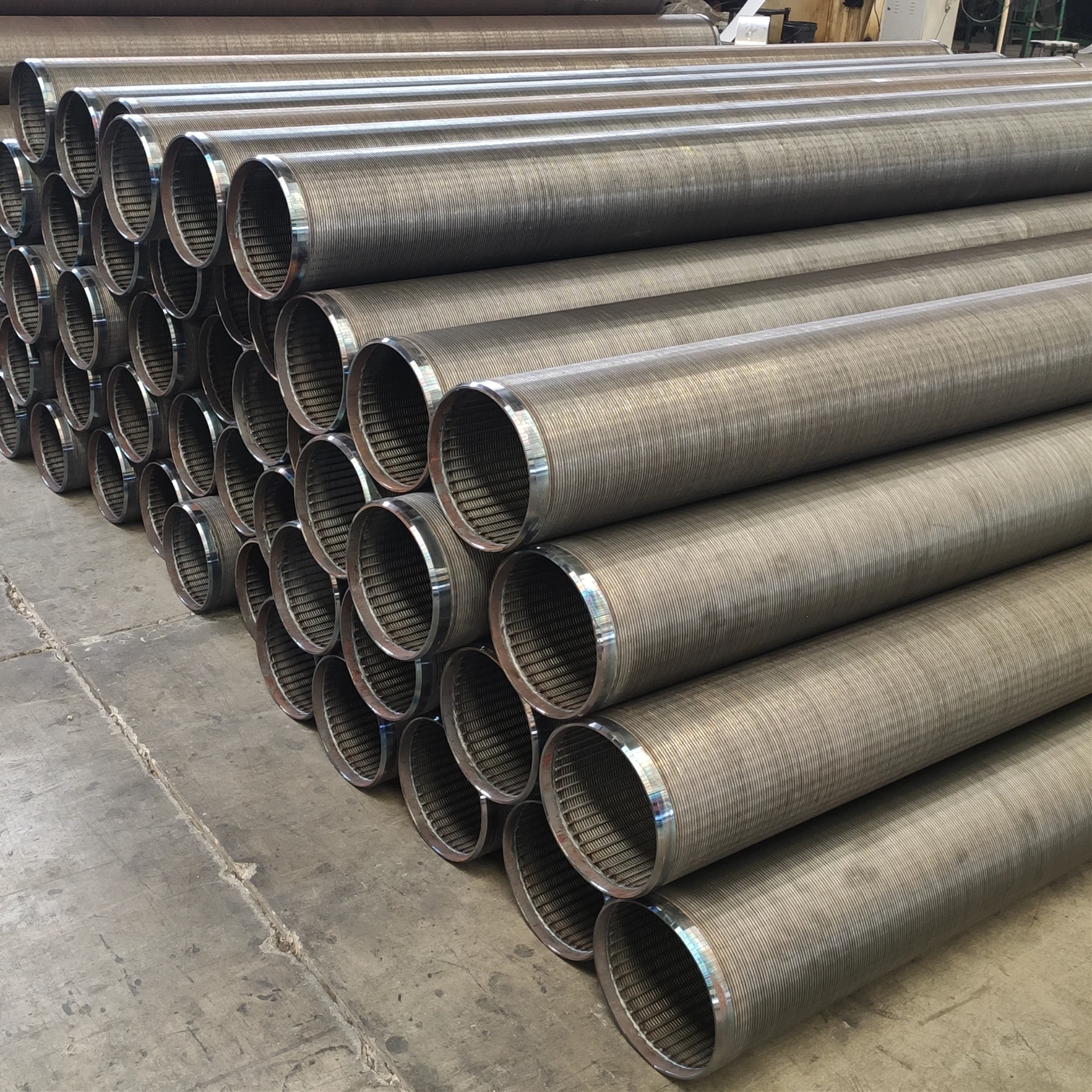
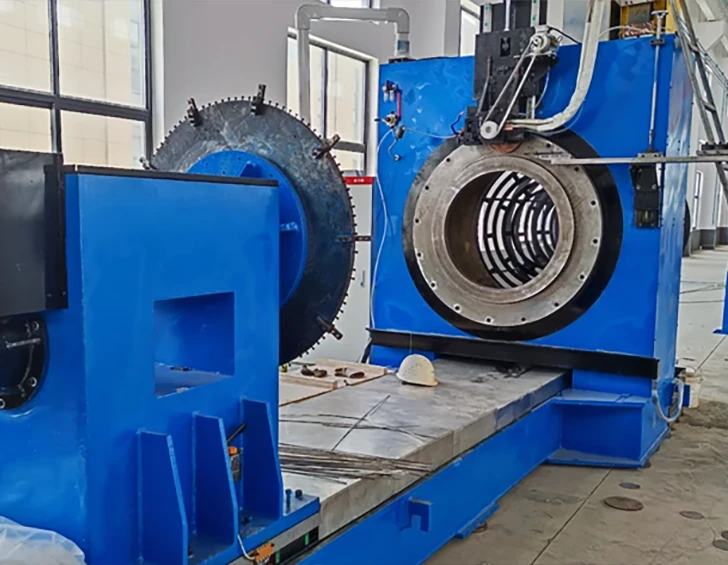
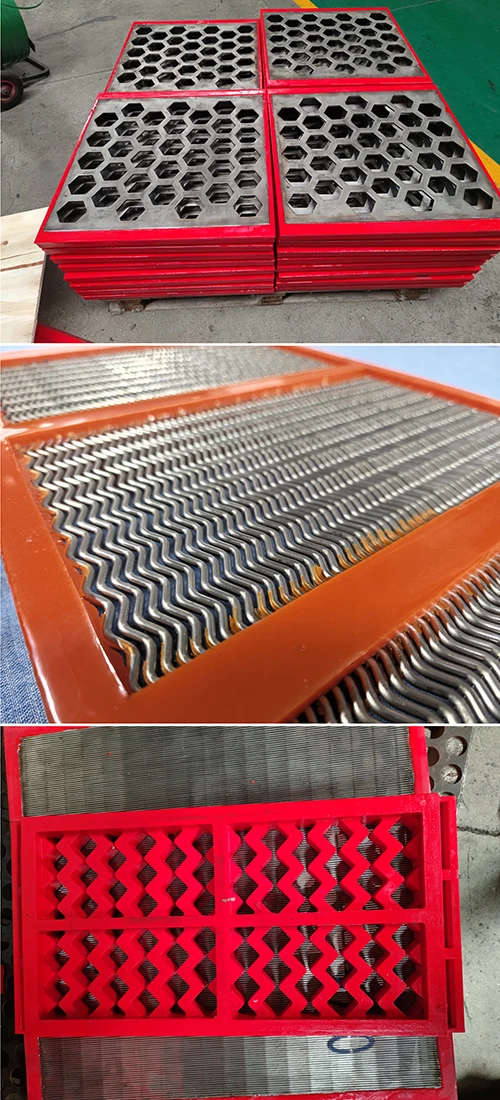
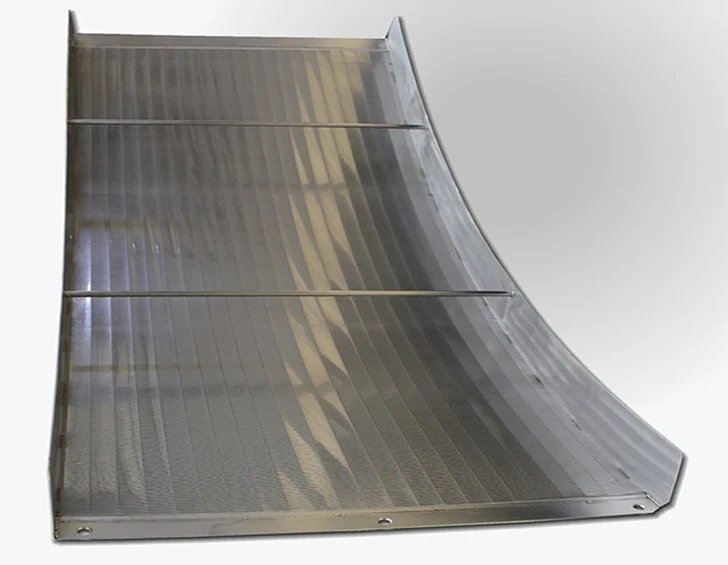
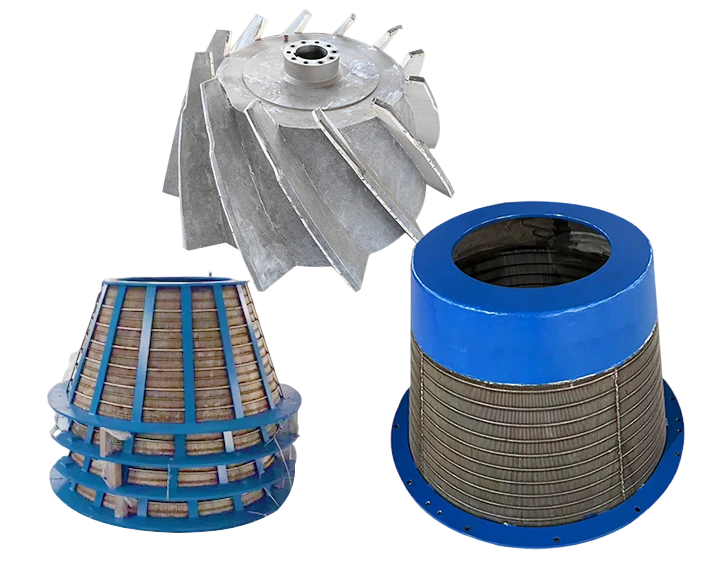
High Performance Polyurethane Scrapers and Water Well Screen Suppliers
Maintaining the integrity of conveyor systems in heavy-industrial environments requires more than just standard maintenance; it demands high-performance components that can withstand extreme abrasion. Polyurethane conveyor belt scrapers are engineered specifically to solve the persistent problem of material carry-back, where ore particles, dust, and debris adhere to the belt, leading to significant waste and potential equipment damage. By leveraging the unique elasticity and wear resistance of high-strength polyurethane, these cleaning systems ensure that belts remain clear, reducing downtime and operational costs.
For operators in mining, port logistics, and chemical processing, the selection of a cleaning mechanism is critical. The effectiveness of a scraper depends on its ability to maintain consistent pressure and flexibility against the belt profile without causing premature wear to the belt carcass, particularly in the case of expensive steel cord belts. Understanding the balance between stiffness and flexibility is the key to maximizing the lifespan of both the scraper and the conveyor system.

Engineering the Mechanics of High-Efficiency Belt Cleaning Systems
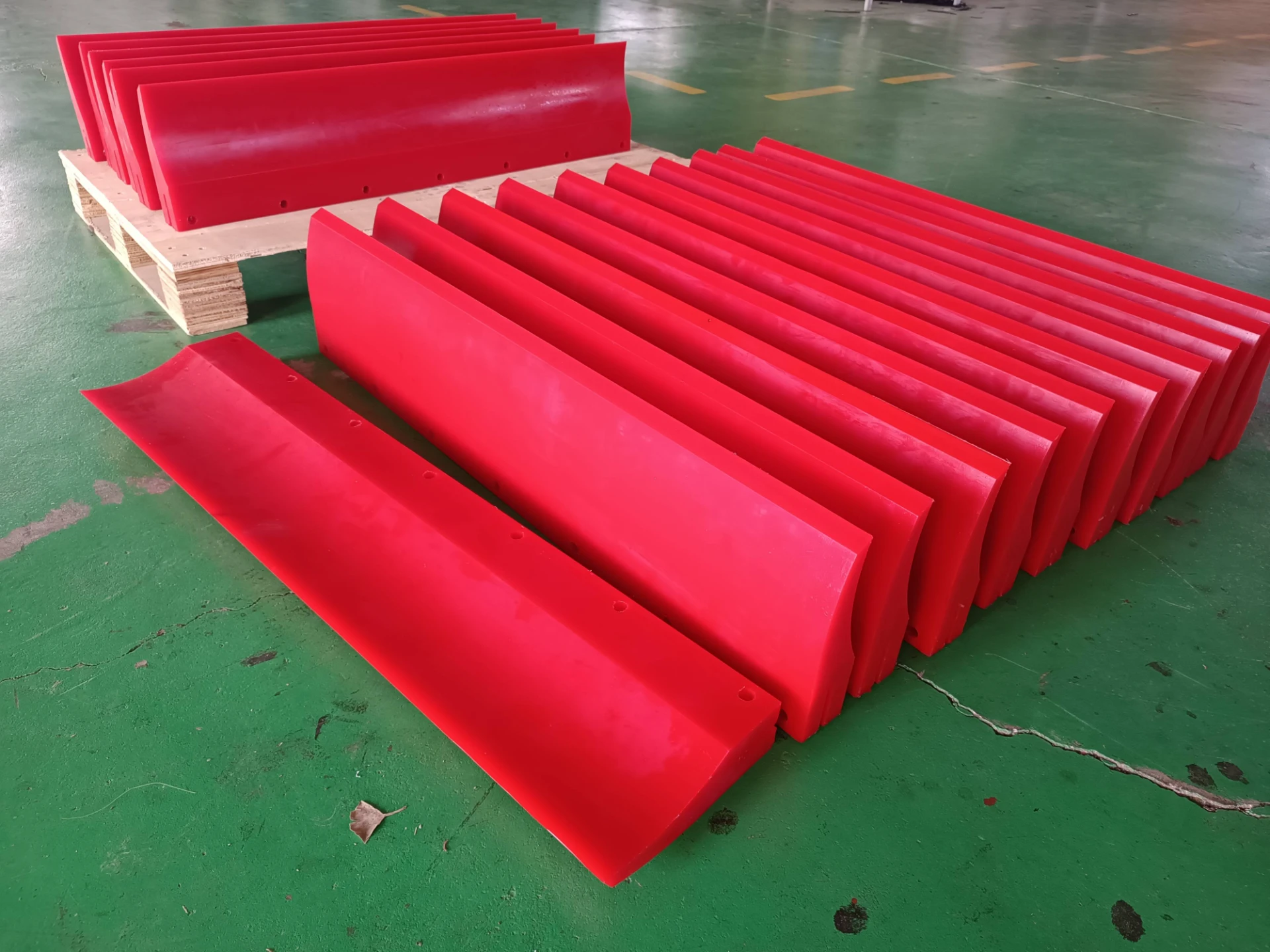
A professional-grade polyurethane conveyor belt scraper is a precision-engineered assembly consisting of several critical components: the scraper blade, the support bracket, and a regulating mechanism. The blade is the primary contact point, manufactured from advanced polyurethane that offers a superior balance of oil resistance and hardness. Unlike rigid metal scrapers, polyurethane adapts to the minute irregularities of the belt surface, ensuring a continuous seal that prevents material from escaping underneath the blade.
The support and regulating mechanisms are what transform a simple blade into a dynamic cleaning tool. The bracket ensures the scraper remains centered and stable under heavy loads, while the adjusting mechanism allows technicians to fine-tune the pressure and distance between the blade and the belt. This adaptability is essential because material characteristics change—moisture levels in ore or the viscosity of chemical residues can alter how material sticks to the belt, requiring real-time adjustments to maintain optimal cleaning efficiency.
- Polyurethane Blade: High-strength material designed for extreme wear and corrosion resistance.
- Support Bracket: Rigid structural component that maintains alignment during operation.
- Regulating Mechanism: Adjustable system for precise pressure control across different belt profiles.

Technical Advantages of Polyurethane Over Traditional Materials
The transition from rubber or steel scrapers to polyurethane is driven by the material's inherent physical properties. One of the most significant advantages is the low friction coefficient, which allows the scraper to glide across the belt surface effectively while still exerting enough force to remove adhered debris. This reduces the parasitic load on the conveyor motor, contributing to overall energy efficiency and reducing the thermal stress on the belt.
Furthermore, polyurethane's ability to be formulated for specific environments makes it versatile. For the mining industry, fire retardant and anti-static properties are integrated to meet stringent safety standards in underground operations. In food processing, food-grade polyurethane ensures that the conveyor remains contaminant-free. For those utilizing steel cord belts, the flexibility of the polyurethane blade prevents the "cutting" effect often seen with harder materials, thereby extending the life of the most expensive part of the conveyor system.
The addition of pre-slotted mounting holes is a practical engineering improvement that directly impacts the bottom line by reducing installation time and minimizing the risk of injury during maintenance cycles. This focus on "install-and-run" efficiency is a hallmark of modern industrial screen and filter equipment design.
Application Scenarios Across Heavy Industry and Logistics
In the mining sector, the primary challenge is the abrasive nature of ore particles. Polyurethane scrapers are deployed at discharge points to remove heavy ore fragments and fine dust. This prevents the accumulation of material on return idlers, which can cause belt misalignment and premature bearing failure. The stiffness of the polyurethane is calibrated to handle the weight of the ore while remaining flexible enough to follow the belt's natural curvature.
Port and dock operations face different challenges, such as salt-air corrosion and the handling of diverse bulk cargoes. Here, the corrosion resistance of polyurethane is paramount. Scrapers are used to clear debris from cabins and docks, ensuring that the loading and unloading process remains unobstructed. The ability to handle varying material sizes makes these scrapers ideal for the heterogeneous loads typically found in maritime logistics.
In the chemical industry, the focus shifts to adhesion and chemical compatibility. Residues from pipes and equipment surfaces can be incredibly sticky. Polyurethane's oil and chemical resistance prevent the scraper from degrading when exposed to solvents or hydrocarbons. By maintaining a clean belt, chemical plants can prevent cross-contamination between different batches of materials, ensuring higher product purity and safety.
Comparison of Scraper Material Performance Factors
| Performance Metric | Polyurethane | Natural Rubber | Hardened Steel | Tungsten Carbide |
|---|---|---|---|---|
| Wear Resistance | High | Medium | Very High | Extreme |
| Belt Compatibility | Universal/Safe | Safe | Abrasive | Highly Abrasive |
| Corrosion Resistance | Excellent | Medium | Low | Medium |
| Flexibility | High | Very High | None | None |
| Maintenance Frequency | Low | High | Medium | Low |
Procurement Considerations for Industrial Cleaning Solutions
When evaluating potential water well screen suppliers or industrial cleaning component manufacturers, procurement managers must look beyond the initial price point and focus on the Total Cost of Ownership (TCO). A cheaper scraper that wears out in three months and damages a steel cord belt is significantly more expensive than a premium polyurethane solution with a longer lifecycle. The key is to verify the manufacturer's ability to customize the hardness (Durometer) of the polyurethane to match the specific material being conveyed.
Reliability in the supply chain is another critical factor. For large-scale operations, the availability of spare parts and technical support for installation is vital. A supplier that provides comprehensive services—including process design, equipment selection, and on-site commissioning—offers a significant advantage. This holistic approach ensures that the scraper is not just a part, but a functioning solution integrated into the wider filtration and screening process of the plant.
Future Trends in Belt Cleaning and Material Science
The industry is moving toward "smart cleaning" systems where sensors monitor the wear of the scraper blade in real-time, alerting maintenance teams before a failure occurs. This shift from reactive to predictive maintenance is being supported by the development of hybrid materials—polyurethane composites reinforced with specialized fibers to further increase lifespan without sacrificing the flexibility needed to protect the belt.
Sustainability is also becoming a driver in material selection. The move toward longer-lasting, recyclable polyurethane compounds reduces the volume of waste generated by frequent blade replacements. As industrial standards for environmental impact tighten, the ability to maintain high efficiency with lower material turnover will become a competitive necessity for operators in the mining and chemical sectors.
Frequently Asked Questions on Conveyor Belt Scrapers
How often should polyurethane scraper blades be replaced?
Replacement intervals depend on the abrasiveness of the material and the belt speed. Typically, polyurethane blades last significantly longer than rubber, but they should be inspected monthly for wear patterns and adjusted using the regulating mechanism to ensure consistent contact.
Can these scrapers be used on steel cord conveyor belts?
Yes, polyurethane is specifically recommended for steel cord belts because its elasticity allows it to clean the surface without causing the abrasive wear or "cutting" that occurs with metal or carbide scrapers.
What is the advantage of a regulating mechanism over a fixed mount?
A regulating mechanism allows the operator to adjust the pressure of the blade against the belt. This is crucial for adapting to different material moisture levels and belt profiles, ensuring maximum cleaning with minimum friction.
Are there food-grade options available for polyurethane scrapers?
Yes, polyurethane can be manufactured to meet food-grade requirements, making these scrapers suitable for food conveyor belts where hygiene and non-toxicity are mandatory.
How does anti-static polyurethane benefit the mining industry?
In mining environments, the friction between the belt and the scraper can generate static electricity. Anti-static properties prevent spark discharges, which is a critical safety requirement in potentially explosive underground atmospheres.
What should I check when choosing a supplier for these components?
Verify the supplier's manufacturing capabilities, their ability to provide customized material hardness, and their after-sales support, including warranties and technical guidance for installation and commissioning.
Technical References and Industry Standards
- ISO Standards for Industrial Conveyor Components
- American Society of Testing and Materials - Polyurethane Properties
- OSHA Guidelines for Conveyor Safety and Maintenance
- Mining Technology - Bulk Material Handling Trends
Choosing the right cleaning solution is an investment in the longevity of your entire conveyor system. By selecting high-performance polyurethane scrapers, operators can ensure cleaner operations, reduced waste, and a significant decrease in unexpected downtime.