

Wedge wire technology represents a critical advancement in industrial filtration and separation, utilizing a V-shaped profile to create precise slot openings. This design prevents clogging and ensures a high open area, making it indispensable for mineral processing, chemical plants, and food production. This article provides a comprehensive technical analysis of how these systems function and how to select the right configurations for specific industrial challenges.
In the context of high-demand B2B operations, the efficiency of a filtration system often depends on the synergy between material science and mechanical precision. Whether dealing with abrasive mining slurries or corrosive chemical agents, the choice of a specialized solution provider—such as those among the wedge wire manufacturers—can determine the total cost of ownership and the recovery rate of the final product.
Readers will explore the essential engineering criteria for wedge wire screens, from the selection of stainless steel and alloys to the implementation of automated welding machinery. By understanding the relationship between slot geometry, flow dynamics, and structural integrity, procurement officers and engineers can make informed decisions that optimize plant throughput and minimize downtime.
Technical Foundations of Wedge Wire Systems
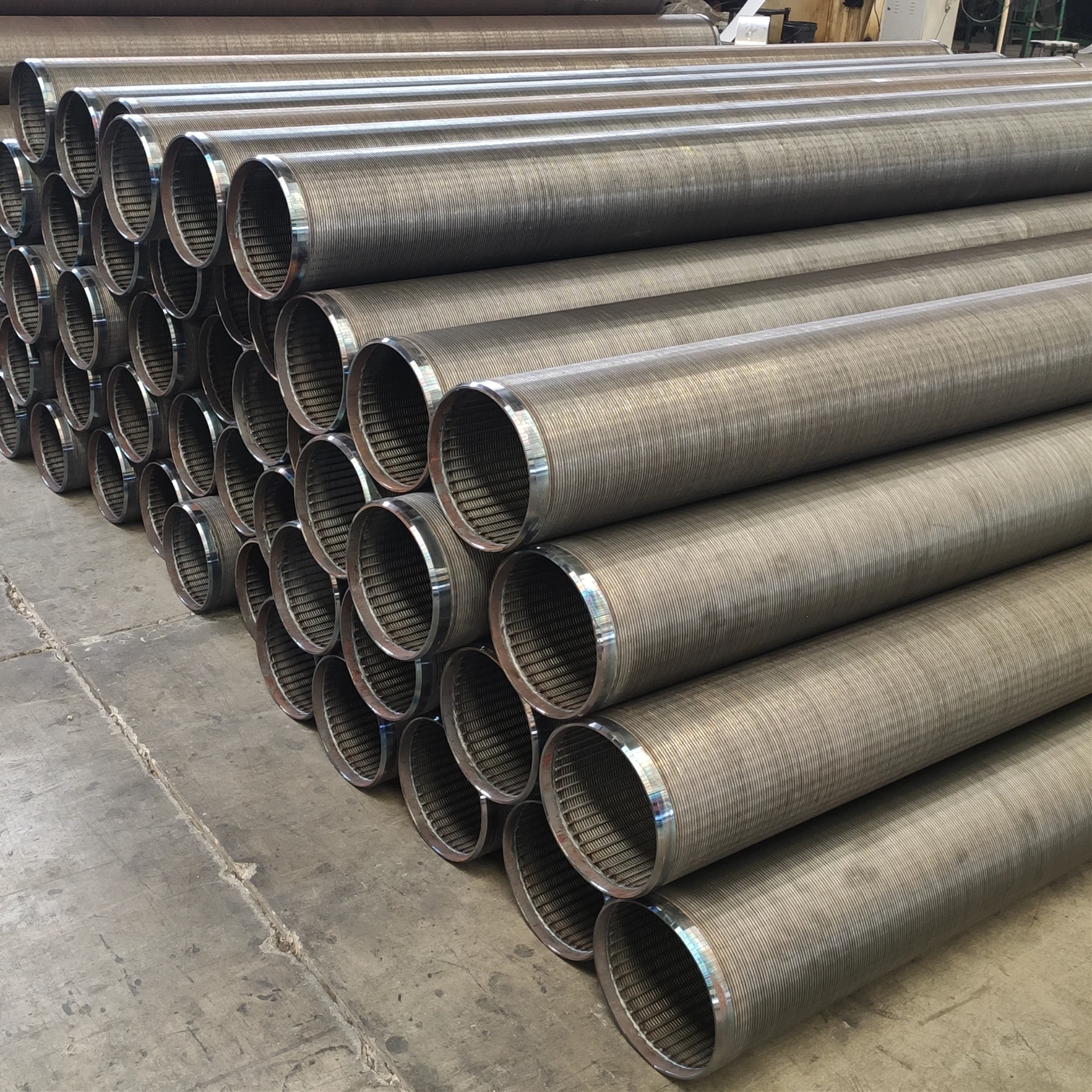
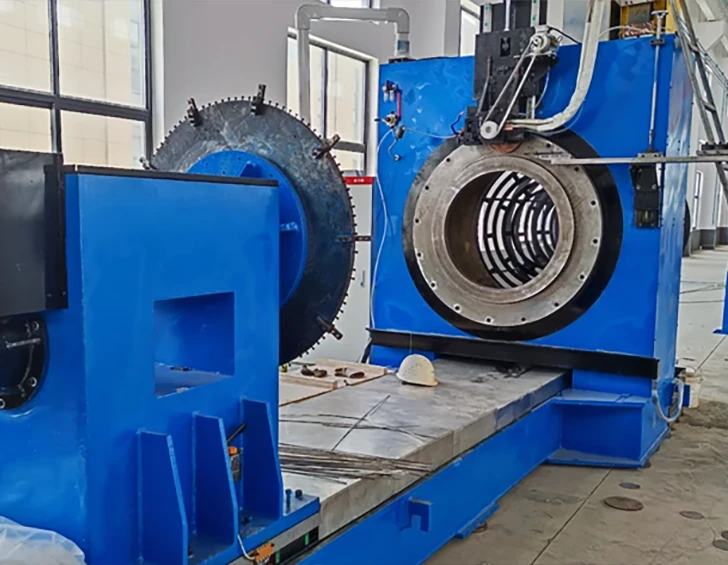
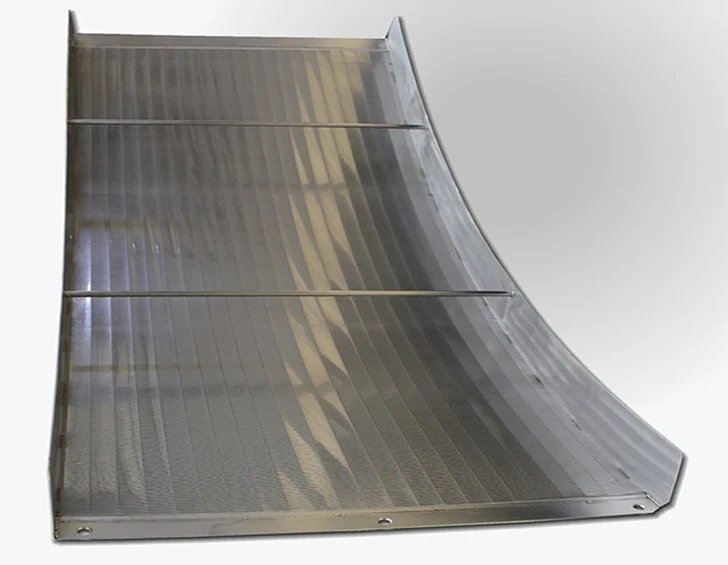
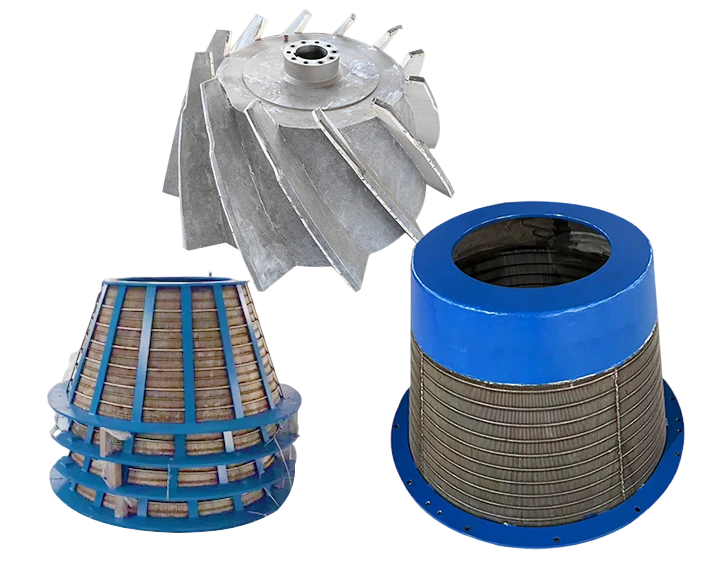
The fundamental mechanism of wedge wire involves the cold-forming of wires into a triangular or trapezoidal cross-section, which are then precisely welded to supporting profiles. Unlike traditional woven mesh, the wedge profile creates a "non-blinding" effect; particles that are smaller than the slot width pass through, while larger particles are swept away by the flow rather than becoming wedged. This geometric advantage is particularly vital in jigging screen plates and filtration nozzles where high flow rates and heavy solids are present. The structural rigidity provided by the support frame, often welded with high-strength steel, ensures that the screen maintains its aperture precision even under extreme hydraulic pressure. Furthermore, the integration of advanced welding technology allows for the creation of complex shapes, such as bend sieve screens, which are essential for optimizing the trajectory of materials in centrifugal or vibrating separators.
Industrial Procurement and Implementation Guide
Transitioning from a theoretical design to a functional industrial installation requires a detailed evaluation of operational variables. The following sections analyze the key dimensions of wedge wire implementation, focusing on the technical trade-offs between material durability, precision, and long-term maintenance.
Precision Engineering Principles
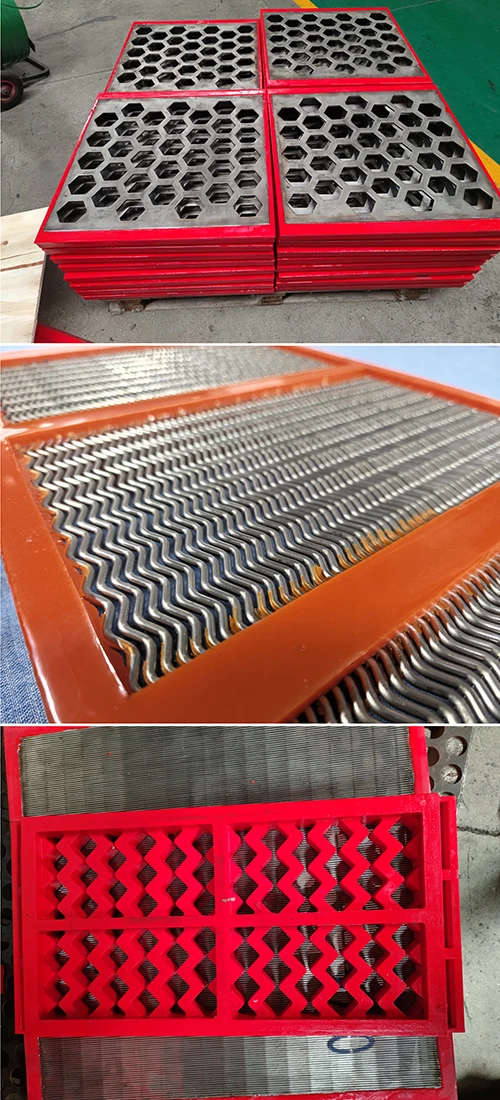
The performance of a filtration screen is defined by its slot accuracy. Precise control over the wire drawing and welding process ensures that the aperture remains consistent across the entire surface. This consistency is critical for grading and dehydration processes in mineral processing to ensure product quality. For specialized components like jigging screen plates, the stability of the overall structure depends on the welding strength between the screen and its support frame.
| Technical Parameter | Critical Requirement | Impact on Performance | Buyer Check-point |
|---|---|---|---|
| Slot Width | ±0.01mm Tolerance | Particle Cut-off Precision | Calibration Certificates |
| Open Area % | Maximum Flow Ratio | Throughput Capacity | Flow Simulation Data |
| Surface Finish | Low Roughness (Ra) | Clogging Resistance | Electropolishing Options |
| Weld Integrity | Full Penetration | Structural Stability | X-Ray/Ultrasonic Testing |
| Profile Angle | Consistent V-Shape | Self-Cleaning Ability | Cross-section Analysis |
| Frame Rigidity | High-Strength Steel | Deformation Resistance | Load-Bearing Specs |
Material Selection for Harsh Environments
Material choice is governed by the chemistry of the fluid and the abrasiveness of the solids. While standard stainless steel is common, specialized alloys are required for highly corrosive environments. The use of synthetic materials or plastics is often an alternative for specific food-grade or low-pressure applications. For heavy-duty mining, wear-resistant alloys are employed to extend the replacement cycle of the screen plates, directly reducing operational expenditure.
Customization and Design Flexibility
B2B requirements rarely fit a standard catalog. Customization involves adjusting the wire profile, slot size, and the overall geometry of the screen. MUTO specializes in providing complete services from project consultancy and feasibility analysis to process design and equipment model selection. This ensures that the screen is not just a component, but a tailored filtration solution that fits the specific hydraulic and mechanical constraints of the client's facility.
Integration into Solid-Liquid Separation
In applications such as coal processing or the chemical industry, wedge wire screens are integrated into larger systems for screening, grading, and dehydration. The goal is to maximize the recovery rate of the target product. The integration process requires careful consideration of the drive device and the support frame to ensure that vibration or flow pressure does not lead to premature fatigue failure of the welded joints.
Quality Assurance and Testing Protocols
Quality control must be embedded in every stage of manufacturing. This includes the testing of raw metal wires, monitoring the drawing and bending process, and rigorous inspection during assembly. A key step is the removal of foreign bodies and impurities before the product enters the special testing area. For machinery, such as wedge wire screen filter welding equipment, a comprehensive one-year warranty typically indicates the manufacturer's confidence in the build quality.
Maintenance and Operational Lifecycle
The lifecycle of a wedge wire screen is extended through proper installation and routine maintenance. Technical support services, including on-site diagnosis and repair by professional technicians, are essential for complex installations. Providing an adequate supply of spare parts and offering free maintenance training ensures that the operator can handle minor issues without halting production, thereby optimizing the total lifecycle value of the equipment.
Supplier Evaluation Criteria
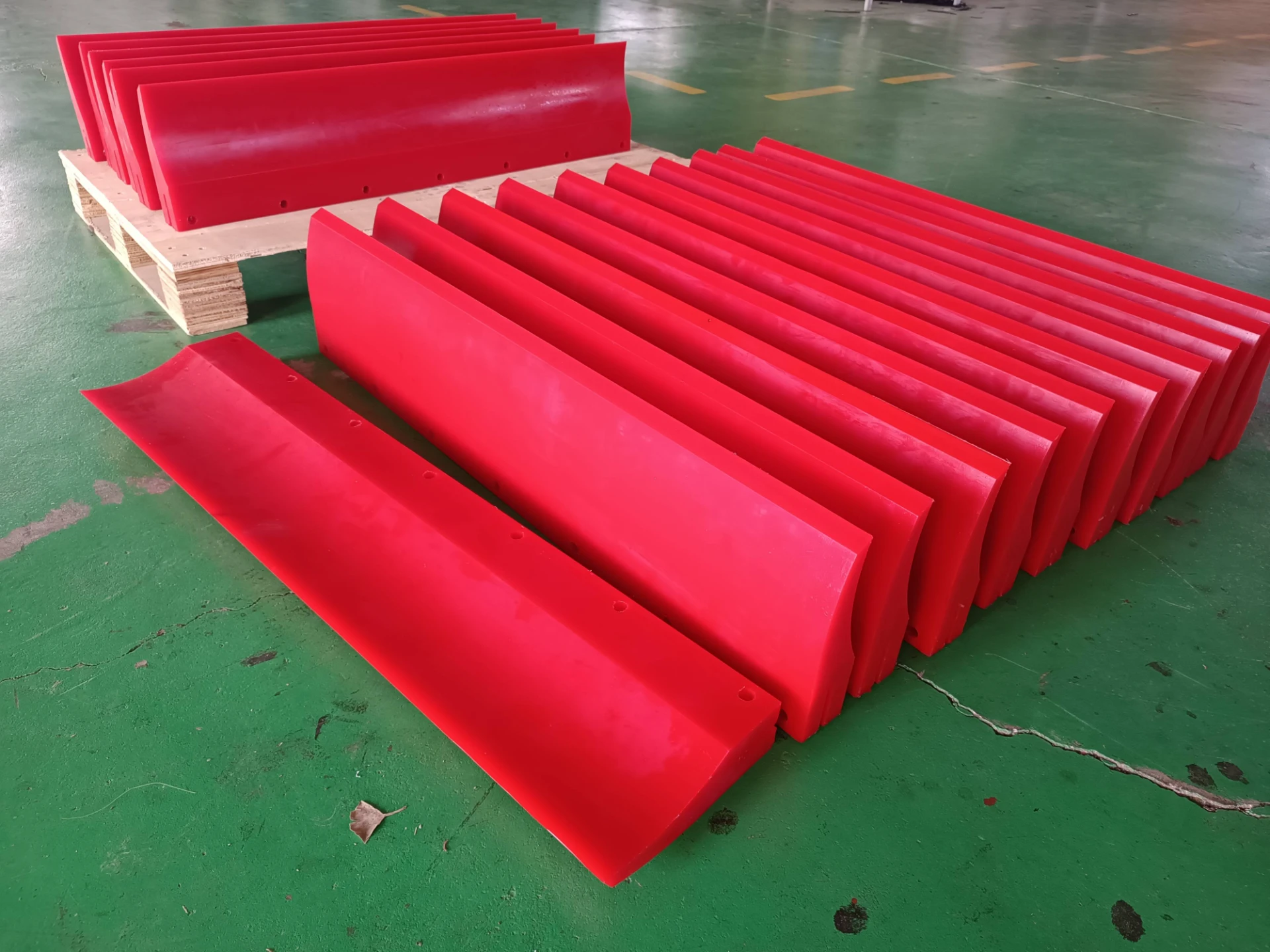
When evaluating a partner, buyers should look beyond the price per unit. Key indicators of a reliable supplier include the possession of technology patents, a proven track record of international exports (e.g., to over 40 countries), and the capacity to provide a full range of products from modular polyurethane sieves to perforated sheets. A "High-Tech Enterprise" rating often signals a commitment to R&D and a capacity for handling complex engineering requests.
FAQ
What is the primary advantage of wedge wire over woven mesh?
The primary advantage is the V-shaped slot profile, which prevents particles from becoming wedged in the opening. This "non-blinding" characteristic allows for higher flow rates and reduces the frequency of cleaning cycles compared to woven mesh, where particles often get trapped in the weave intersections.
How do I choose the correct material for a wedge wire screen?
Material selection depends on the medium's corrosivity and the solid's abrasiveness. Stainless steel is standard for general corrosion resistance, but specialized alloys are required for acidic or highly alkaline environments. For abrasive minerals, high-strength wear-resistant alloys are recommended to prolong the service life of the screen.
What should be checked during the assembly of industrial screens?
Assembly requires precise control over the size and material of individual components. Crucially, all foreign bodies, cotton wool, and screws must be thoroughly removed to ensure the screening effect is not compromised. The final product should be verified in a dedicated testing area before packing and loading.
Can wedge wire screens be customized for specific geometries?
Yes, wedge wire systems can be manufactured as flat panels, cylinders, or bend sieve screens. Customization includes adjusting the slot width, the angle of the wedge, and the overall frame dimensions to match the specific process design and equipment model selection of the client.
What typical warranties are offered for these industrial products?
Warranties vary by product type and material. Screens typically carry a warranty ranging from 3 to 12 months, depending on the material and application. Manufacturing machinery, such as welding equipment, usually comes with a standard one-year warranty.
How do I evaluate a supplier's technical capability?
Evaluate the supplier based on their R&D investment, number of technology patents, and the breadth of their production facilities. A company with dedicated workshops for both screen manufacturing and welding machinery, along with a history of exporting to multiple continents, generally demonstrates the capacity to handle complex industrial projects.
References and further reading
- Industrial Filtration Standards for Mineral Processing and Solid-Liquid Separation.
- Comparative Analysis of Wedge Wire vs. Perforated Plate in High-Pressure Environments.
- Material Science Handbook: Corrosion Resistance of Stainless Steel Alloys in Chemical Applications.