

When procuring components for groundwater extraction or industrial filtration, understanding the variables that dictate stainless steel well screen price is essential for project budgeting and long-term operational efficiency. These specialized components act as the primary interface between the aquifer and the pumping system, making their quality critical to preventing sand ingress and maintaining high flow rates.
The cost of these systems is rarely a fixed commodity price; instead, it is a reflection of metallurgical specifications, slot precision, and the specific environmental challenges of the installation site. From high-salinity coastal environments requiring superior corrosion resistance to deep-well mining applications demanding extreme structural strength, the engineering requirements directly correlate with the investment needed for the hardware.
This guide provides a technical analysis of the cost drivers and selection criteria for industrial screens. By analyzing the relationship between material grades, manufacturing tolerances, and supplier capabilities, project managers and engineers can make informed decisions that balance initial procurement costs with the total cost of ownership over the well's lifecycle.
Commercial Drivers of Well Screen Costs
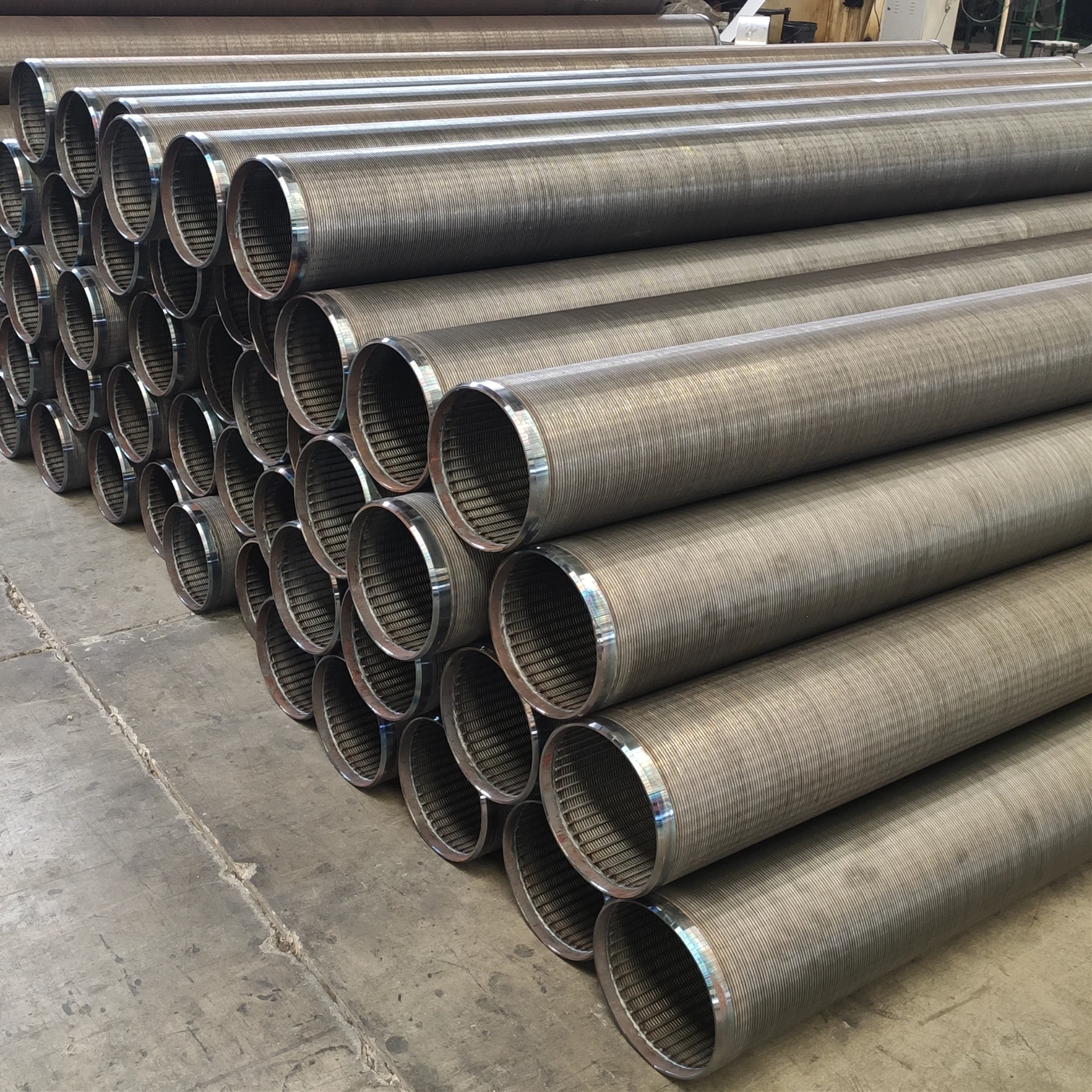
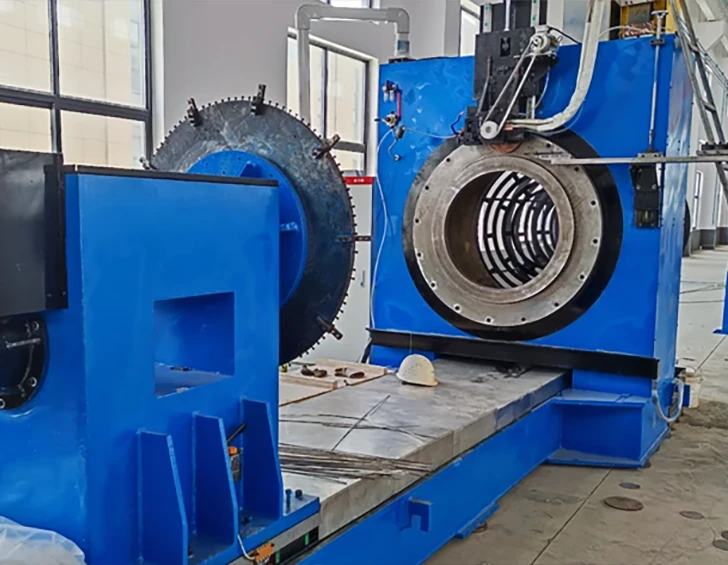
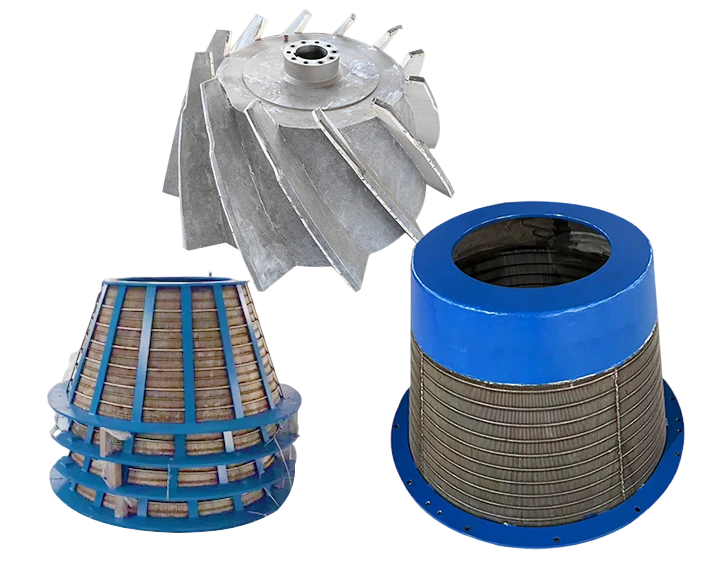
The pricing of stainless steel filtration systems is primarily driven by the volatility of raw material markets and the precision of the manufacturing process. Nickel and chromium content in the alloy significantly impact the base cost, but the added value lies in the fabrication. High-precision wedge wire screens, for example, require advanced drawing and welding technologies to ensure that slot widths remain consistent across the entire length of the screen. Any deviation in slot size can lead to premature well failure or reduced yield. Furthermore, the industrial scale of production—ranging from standard dimensions to fully customized arc or bend screens—influences the unit price. Companies that integrate R&D with manufacturing, such as those holding patents in screen welding equipment, can often optimize the balance between structural rigidity and material usage, providing a more cost-effective solution without compromising the filtration efficiency or the longevity of the equipment in aggressive subterranean environments.
Technical Selection and Value Analysis
Evaluating the value of a screen requires a shift from looking at the sticker price to analyzing performance metrics. The following dimensions outline how technical specifications translate into commercial value and operational risk.
Material Grade Influence
The choice between SUS304, 316, or 316L depends on the chemistry of the fluid being filtered. While 304 is sufficient for many freshwater applications, 316L is mandatory for corrosive environments due to its molybdenum content. This material upgrade increases the cost but prevents catastrophic pitting corrosion, which would otherwise require an expensive well redesign and replacement.
| Material Grade | Corrosion Resistance | Typical Application | Value Driver |
|---|---|---|---|
| SUS304 | Moderate | Freshwater Wells | Cost-efficiency |
| SUS304L | Low-Carbon | Welded Assemblies | Intergranular Stability |
| SUS316 | High | Brackish Water | Chloride Resistance |
| SUS316L | Maximum | Industrial/Chemical | Longevity in Acids |
| Special Alloys | Extreme | Deep Sea/Mining | Extreme Durability |
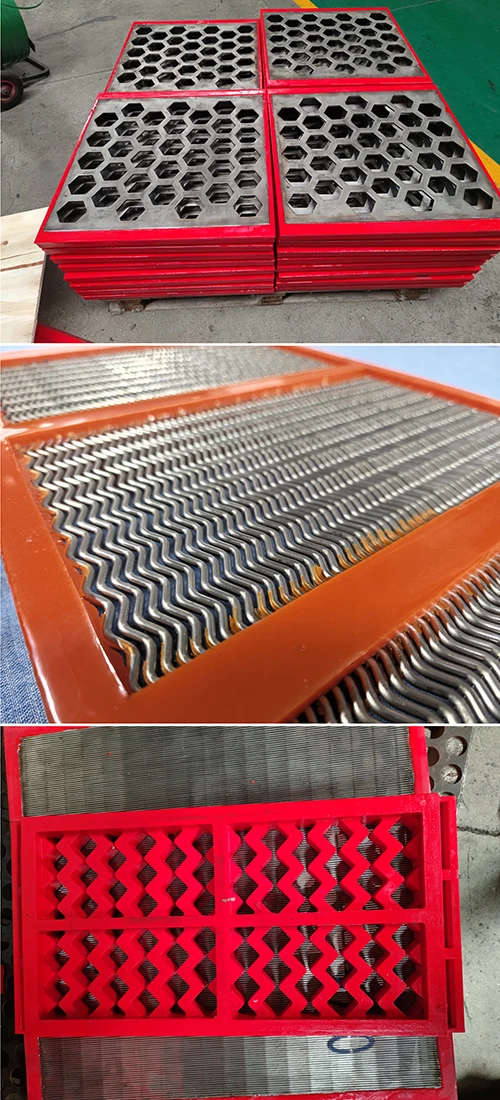
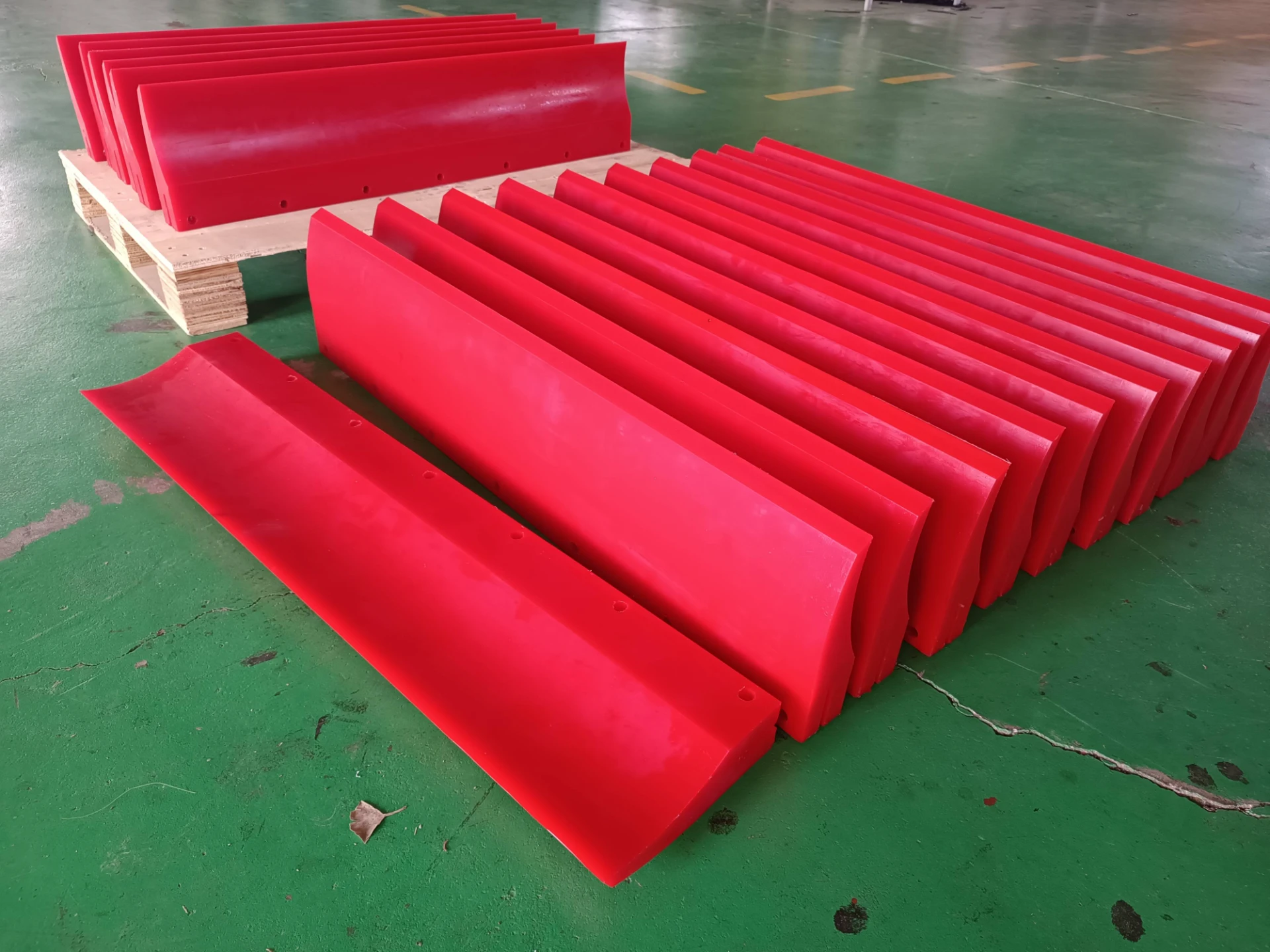
| Polyurethane | Chemical | Mining Slurry | Abrasion Resistance |
Slot Precision and Tolerance
Slot size (e.g., 50um to 200um) must be precisely matched to the grain size of the surrounding formation. High-precision manufacturing ensures a uniform open area, which reduces the entrance velocity of the water and minimizes the risk of "sand pumping." Precision-engineered slots reduce the total energy required for pumping, thereby lowering long-term electricity costs.
Manufacturing Complexity
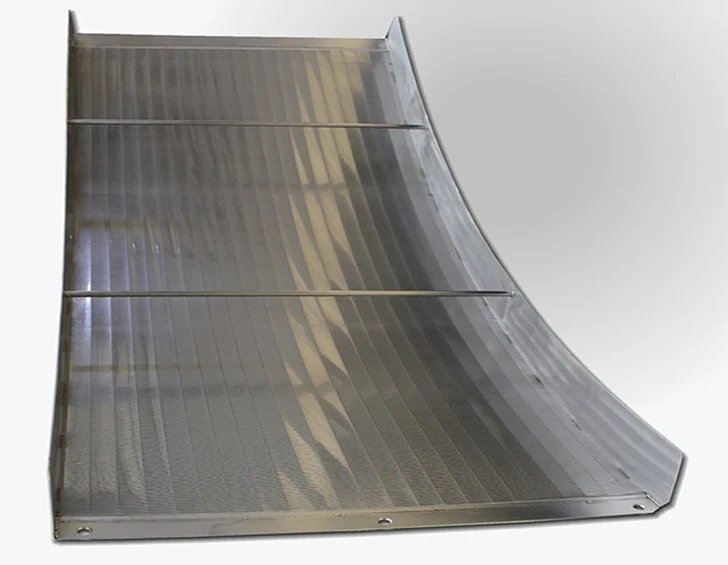
The fabrication process—including drawing, cutting, bending, and welding—determines the screen's reliability. For instance, pressure arc screens with specific arc angles (e.g., 120°) require specialized tooling. The ability of a manufacturer to produce highly polished finishes ensures smoothness and evenness, preventing the buildup of scale and biofouling on the screen surface.
Structural Integrity and Durability
A screen must withstand significant collapse pressure from the surrounding earth. The use of reinforced wedge wire or specialized support rods increases the structural load capacity. Investing in a higher-strength screen prevents the collapse of the filter during pressure fluctuations, avoiding the massive cost of well abandonment.
Customization Requirements
Bespoke dimensions in width and length, or customized slot geometries, typically increase lead times and costs. However, a customized fit ensures optimal contact with the filter pack, reducing turbulence and improving the overall efficiency of the filtration system compared to using "near-fit" standard sizes.
Installation and Lifecycle Value
The true cost of a screen includes its installation and maintenance. Screens with superior wear resistance and sharp edges for efficient separation last longer in abrasive environments. Evaluating the warranty period (often ranging from 3 to 12 months for screens) provides a benchmark for the manufacturer's confidence in the product's fatigue life.
Supplier Technical Support
A manufacturer that offers project consultancy, feasibility analysis, and on-site commissioning adds significant value. Technical guidance on equipment model selection and material matching prevents costly procurement errors, ensuring that the chosen screen is technically compatible with the specific hydrogeological conditions of the site.
FAQ
What are the primary factors that affect the cost of stainless steel well screens?
The cost is primarily driven by the grade of stainless steel used (e.g., 304 vs 316L), the precision of the slot size, the overall dimensions, and the complexity of the geometry (such as arc or bend screens). Additionally, the manufacturing tolerances and the quality of the surface finish play significant roles in the final pricing.
How do I choose between SUS304 and SUS316 for my well screen?
SUS304 is generally suitable for standard freshwater applications where corrosion is not a primary concern. SUS316, however, contains molybdenum, which provides superior resistance to chlorides and acids, making it the necessary choice for brackish water, coastal areas, or industrial chemical filtration to prevent pitting.
Why is slot precision so important in industrial screens?
Precise slotting ensures that the screen effectively blocks sediment while allowing maximum water flow. If slots are too wide, sand ingress will damage the pump; if they are too narrow, the well's yield will drop, and the screen may clog more quickly. Consistent tolerances across the screen length are critical for uniform flow.
Can custom dimensions significantly increase the procurement price?
Yes, customization typically requires specialized tooling and a break from standardized production runs, which increases the cost. However, this is often offset by the increased efficiency and longevity of a screen that is perfectly engineered for the specific well diameter and aquifer characteristics.
What maintenance should be considered for stainless steel screens?
Maintenance primarily involves monitoring the flow rate and pressure drop. If clogging occurs, chemical cleaning or mechanical surging may be required. Choosing a screen with a high-quality, polished finish can reduce the rate of biofouling and mineral scaling, extending the time between maintenance cycles.
What should I look for in a screen manufacturer?
Look for suppliers who provide complete services including feasibility analysis, process design, and technical support. Verification of patents in screen welding and quality control testing during assembly ensures that the product will perform as specified under high-pressure subterranean conditions.
References and further reading
- Industrial Filtration Standards for Wedge Wire Technology.
- Metallurgical Analysis of SUS316L in Saline Groundwater Environments.
- Principles of Hydrogeological Screen Selection and Slot Sizing.