Advanced borehole screen Solutions for New Zealand Water Management

High-precision filtration and groundwater extraction engineering tailored for Oceania's diverse geological strata.

Advanced borehole screen Solutions for New Zealand Water Management

Our cutting-edge wire-wound filtration systems ensure maximum flow rates and minimal sand ingress for critical New Zealand infrastructure.

New Zealand's Groundwater Infrastructure Status

Analyzing the demand for high-performance filtration in the Oceania region.

New Zealand's unique geography, characterized by volcanic aquifers in the North Island and glacial deposits in the South Island, creates a complex environment for water extraction. The reliance on well screens is paramount for supporting the nation's massive dairy and viticulture sectors, where water security is tied directly to economic output.

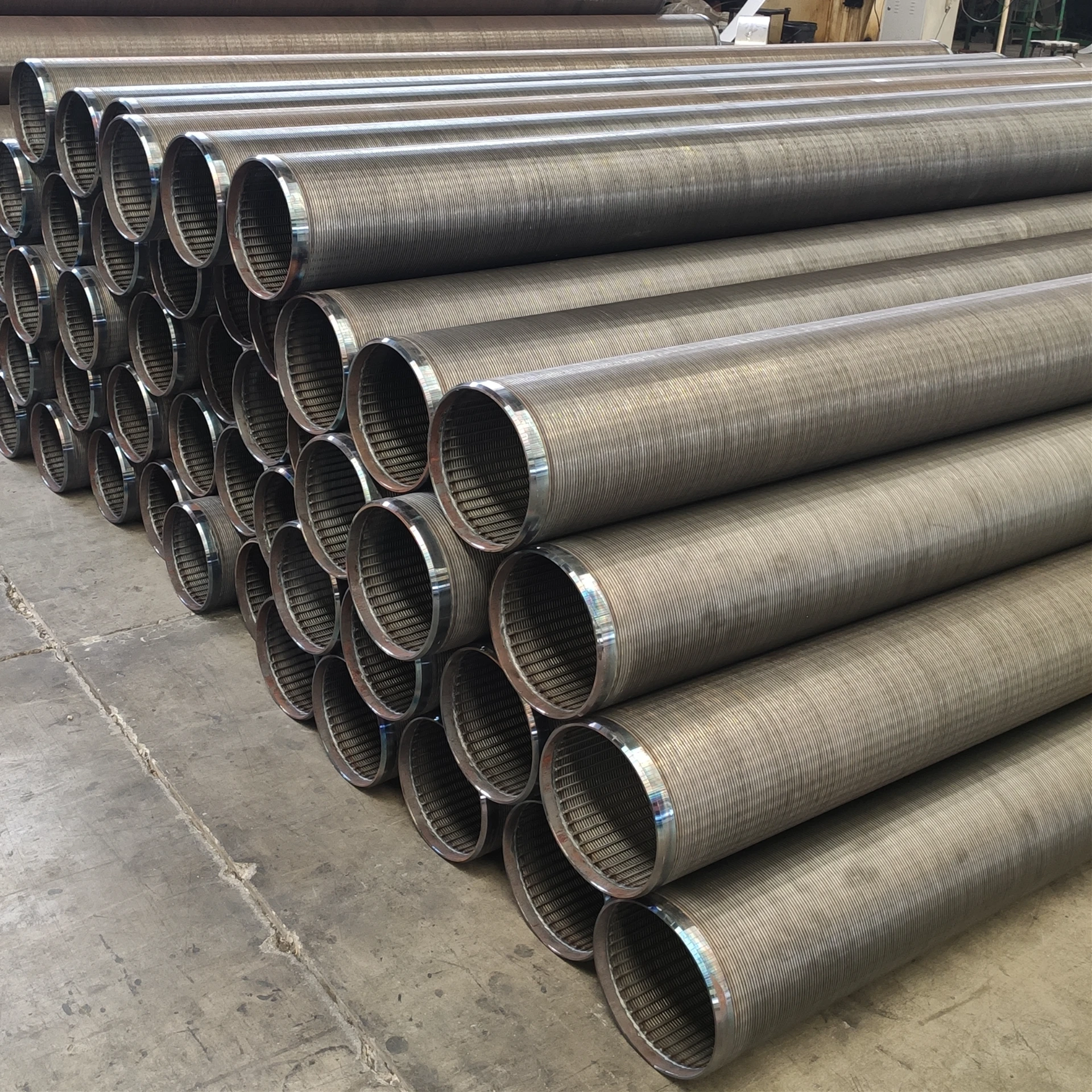
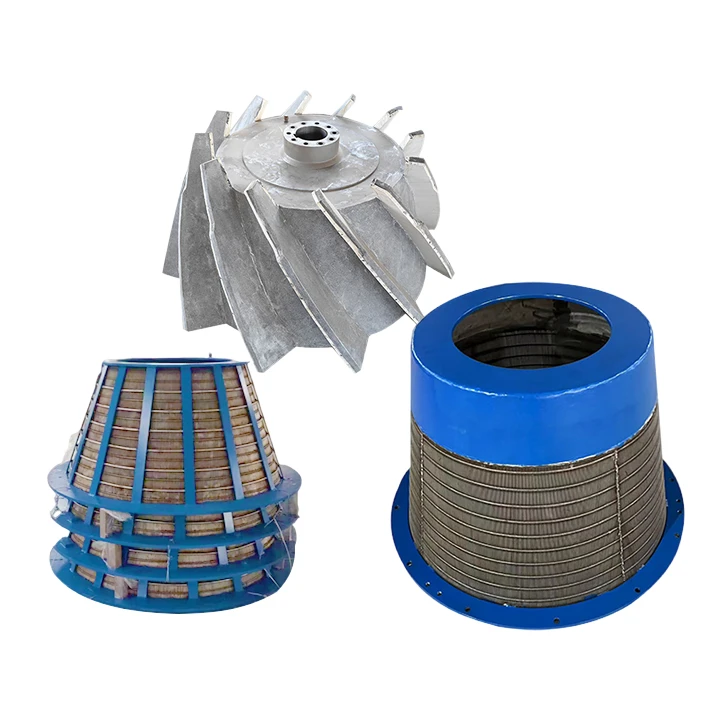
Current market conditions show a transition from traditional perforated pipes to high-efficiency wedge wire screen pipe. This shift is driven by the need to reduce pump wear and increase the lifespan of municipal boreholes across regional councils, especially in areas prone to seismic shifts.

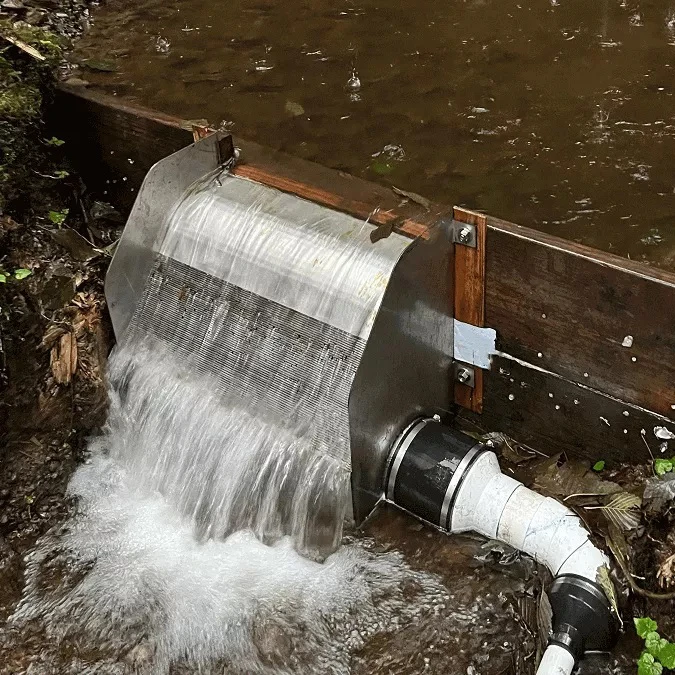
Moreover, the coastal regions of New Zealand face increasing salinity intrusion. This has spiked the demand for specialized seawater intake screen systems that can withstand corrosive environments while protecting marine biota, adhering to strict environmental regulations.
Evolution of Filtration Technology in Oceania

From basic gravel packing to precision wedge-wire engineering.

Market Development History

In the early 20th century, New Zealand primarily utilized basic slotted pipes. However, by the 1970s, the introduction of rudimentary well pump screen designs allowed for deeper extraction, supporting the growth of intensive farming.

The 1990s marked a technical pivot toward stainless steel alloys. The adoption of V-wire technology significantly improved the "open area" ratio, allowing for higher yield with lower entrance velocities, which reduced the risk of well sanding.

From 2010 to the present, the focus has shifted toward hydraulic optimization. Modern installations now utilize computer-modeled slot sizes tailored to specific grain-size distribution analysis of the local New Zealand soil.

Future Development Trends

Smart Monitoring Integration

Integrating IoT sensors within the screen assembly to monitor real-time corrosion and flow efficiency.

Advanced Metallurgy

The rise of Super Duplex steels to extend the lifecycle of screens in highly aggressive coastal saltwater environments.

Eco-Centric Design

Developing intake systems that minimize impingement and entrainment of indigenous aquatic species.

Industry Outlook and Future Projections

Strategic forecasting for the metal wire mesh industry in the next 3-5 years.

Precision Slot Engineering
Moving toward micron-level accuracy to match New Zealand's specific aquifer sediment profiles.
Sustainable Material Sourcing
Increasing use of recycled high-grade stainless steel to meet Oceania's green building standards.
Corrosion Resistance
Development of nano-coatings to prevent bio-fouling in seawater intake applications.
Automated Fabrication
Implementing AI-driven welding and winding to ensure zero-defect seamless joints.

Industry Outlook

Google search trends indicate a rising interest in "sustainable groundwater management" and "long-term borehole efficiency" within New Zealand. This suggests a market shift from lowest-cost procurement to Life Cycle Cost (LCC) analysis, where higher initial investment in quality screens reduces maintenance downtime.

We predict a 15% increase in the adoption of customized wedge-wire systems as New Zealand's regional councils tighten regulations on aquifer drawdown and water quality preservation.

Localized Application Scenarios in New Zealand

Real-world implementations of metal wire screening in diverse NZ environments.

01. Waikato Dairy Farm Irrigation

Deployment of high-flow well screens to provide consistent water supply for large-scale cattle farming, preventing sand infiltration during peak summer demand.

02. Auckland Municipal Water Boreholes

Installation of precision-engineered borehole screen units in urban aquifers to ensure potable water quality and structural stability of the well.

03. Canterbury Plains Agricultural Wells

Use of wedge wire screen pipe in deep alluvial aquifers to maximize the yield of groundwater for crop irrigation while minimizing pump cavitation.

04. Coastal Industrial Cooling Intakes

Application of corrosion-resistant seawater intake screen systems for coastal processing plants to ensure efficient cooling water flow without damaging marine larvae.

05. Geothermal Energy Extraction

Customized well pump screen designs capable of withstanding high-temperature and chemically aggressive fluids in the Taupo Volcanic Zone.

Brand Story

Global Development History of Hebei Mutu Metal Products Co., Ltd.

Foundational Excellence

Established as a specialized manufacturer focused on the core principles of precision metallurgy and durable wire weaving.

Technological Breakthrough

Perfected the V-wire winding process, enabling the production of screens with unmatched structural integrity and hydraulic efficiency.

Market Expansion

Expanded operations into the Oceania market, tailoring engineering standards to meet the rigorous environmental laws of New Zealand.

Innovation Leadership

Invested in R&D for Super Duplex alloys, solving the critical pain point of screen corrosion in seawater environments.

Global Sustainability Goal

Committed to producing eco-friendly filtration solutions that protect global groundwater resources for future generations.

Complete Filtration Portfolio for New Zealand

Our comprehensive range of metal wire products designed for Oceania's geological diversity.

New Zealand Water Screen FAQ

Technical answers for the most common borehole and intake challenges.

How to choose the right slot size for borehole screen in sandy aquifers?

Selection should be based on a sieve analysis of the formation sand. Typically, the slot width is chosen to retain 90% of the medium to coarse sand, ensuring minimal seepage while maximizing flow.

What are the advantages of wedge wire screen pipe over slotted PVC?

Wedge wire offers significantly higher open areas, superior structural strength against collapse, and far better corrosion resistance in aggressive groundwater.

Can well pump screen designs be customized for geothermal wells?

Yes, we use high-temperature alloys and specialized welding techniques to ensure screens remain stable under the extreme thermal expansion found in New Zealand's geothermal zones.

How does a seawater intake screen prevent bio-fouling?

By utilizing a V-shaped wire profile, these screens minimize the accumulation of organic matter and can be easily cleaned through back-flushing mechanisms.

What is the expected lifespan of stainless steel well screens?

Depending on the grade (e.g., 304, 316L, or Duplex), a properly installed screen in New Zealand conditions can last between 25 to 50 years.

Which material is best for highly acidic groundwater?

For highly acidic or saline environments, we recommend Super Duplex stainless steel or high-nickel alloys to prevent pitting and stress corrosion cracking.

Request a Technical Consultation

Get expert engineering support for your water extraction project in New Zealand.

Contact Us Now

If you are interested in our products, you can choose to leave your information here, and we will be in touch with you shortly.