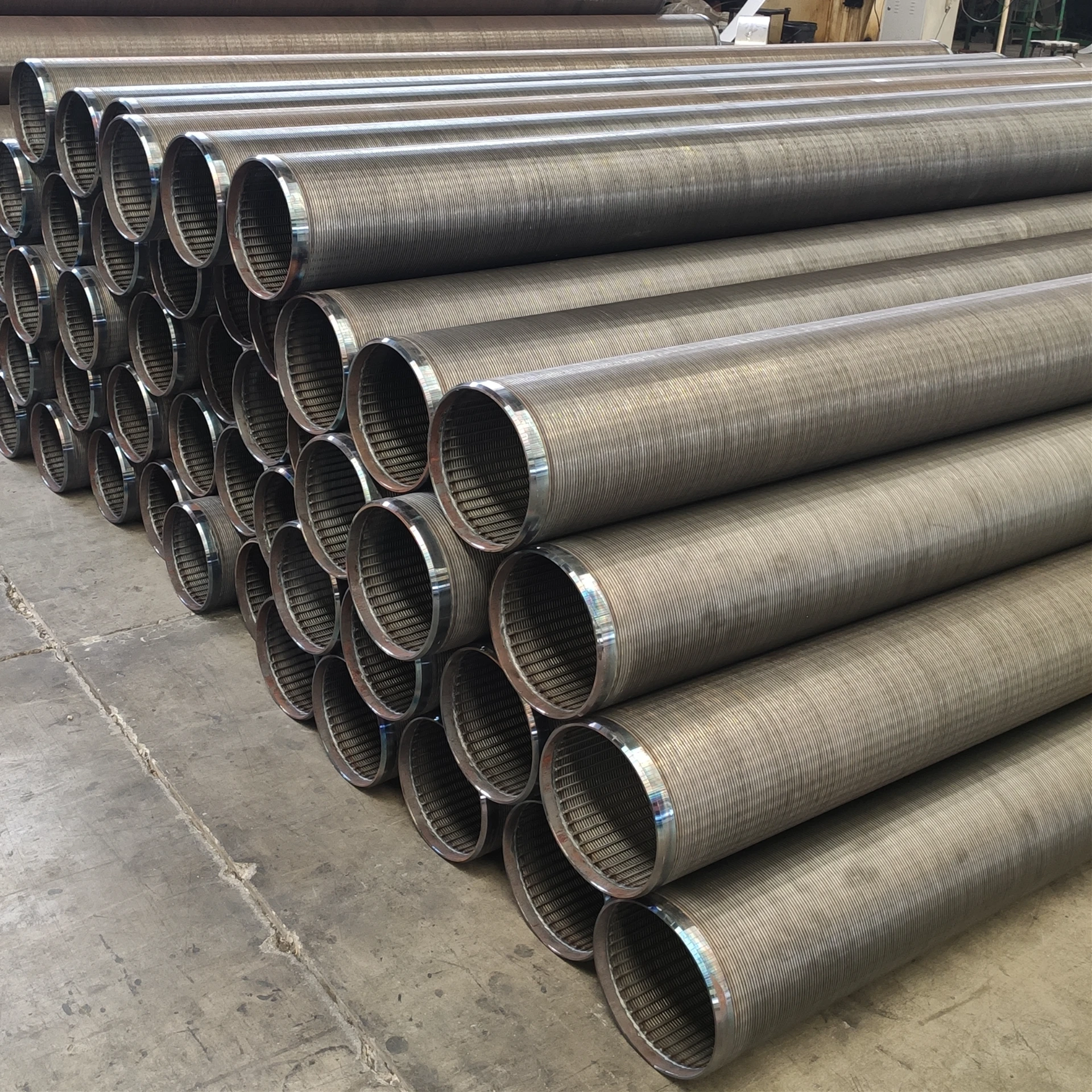
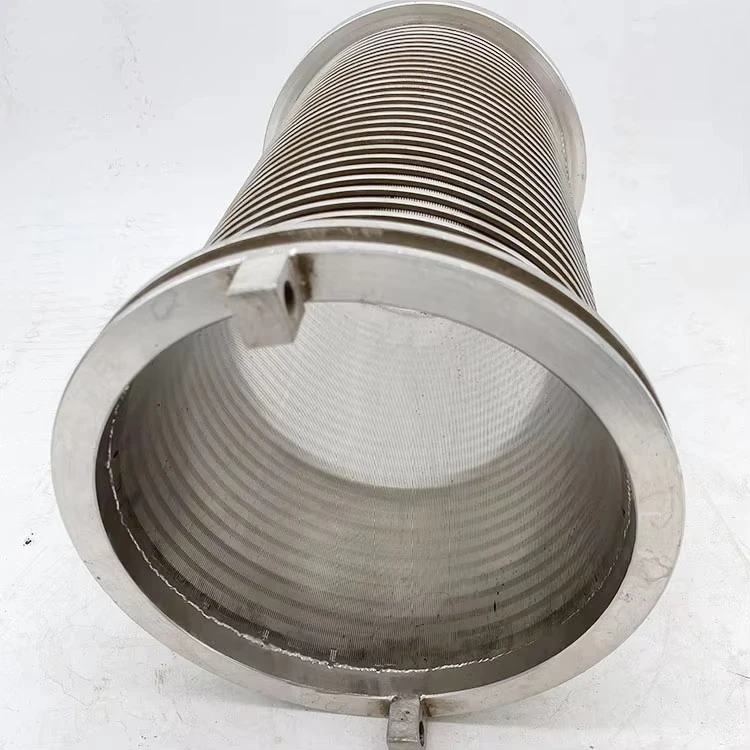
Advanced wedge wire screen pipe Solutions for Norway's Water Infrastructure

Engineered for extreme Nordic environments, delivering high-precision filtration and structural integrity for critical groundwater and seawater applications.

Advanced wedge wire screen pipe Solutions for Norway's Water Infrastructure

Providing high-performance filtration technology tailored for the challenging geological conditions of the Norwegian peninsula, ensuring sustainable water extraction and protection.

The Landscape of Filtration Engineering in Norway

Addressing the intersection of crystalline bedrock and corrosive marine environments.

Norway's unique geography, characterized by hard igneous rock and deep fjords, presents a significant challenge for water extraction. The demand for high-strength borehole screen systems is driven by the need to penetrate dense geological layers while maintaining an open flow area that prevents clogging from glacial silt.

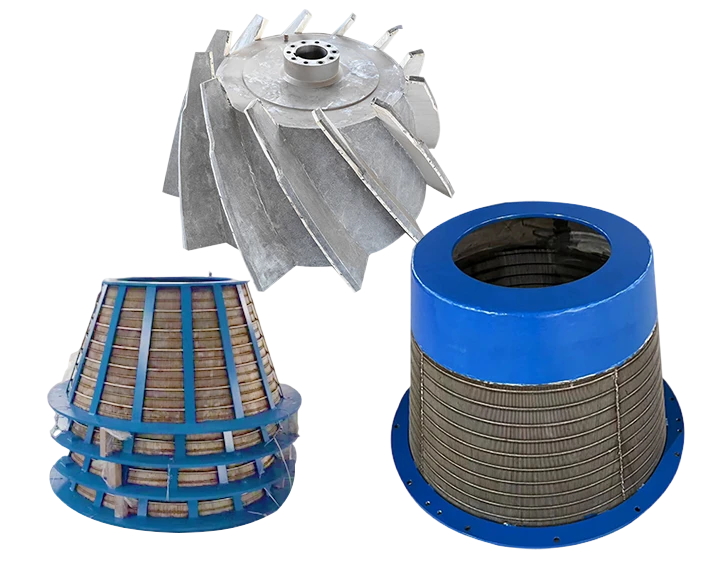
In coastal regions, the prevalence of high-salinity waters necessitates the use of super-duplex stainless steels. The implementation of seawater intake screen technology is critical for Norway's aquaculture and desalination plants, where biofilm control and corrosion resistance are paramount to operational longevity.

Currently, the Norwegian market is shifting toward "Low-Impact Extraction," prioritizing precision-engineered well screens that minimize drawdown and prevent sand ingress, aligning with the country's strict environmental regulations regarding groundwater protection.
Evolution of Subsurface Filtration in Scandinavia

From traditional perforated pipes to high-precision wedge wire technology.

Market Development History

In the mid-20th century, Norway relied heavily on simple slotted pipes and gravel packs. However, these systems suffered from low efficiency and frequent failures due to the high pressure of deep-well applications in the Nordic terrain.

By the 1990s, there was a transition toward standardized well pump screen components. The introduction of early stainless steel alloys allowed for deeper borehole penetration, though the "slotting" method still limited the effective open area.

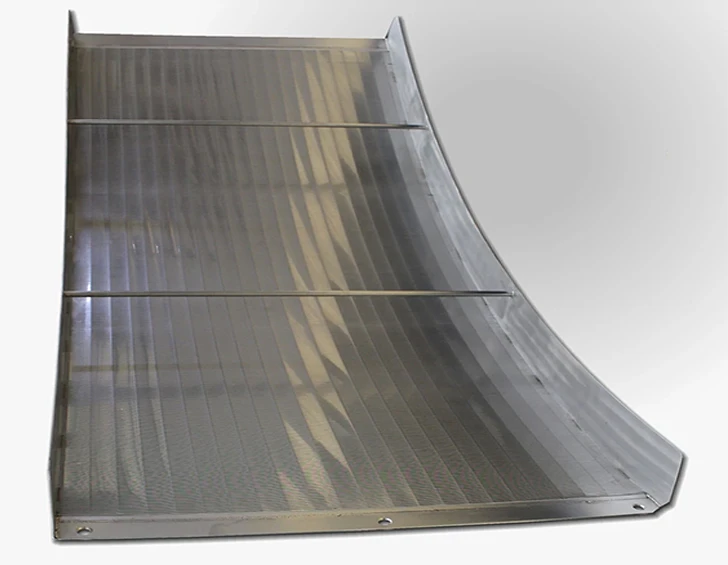
From 2010 to the present, the adoption of V-wire technology has revolutionized the industry. The shift to precision-rolled wedge wire has enabled the creation of customized apertures that exactly match the grain size distribution of Norwegian aquifers.

Future Development Trends

Smart Monitoring Integration

Integration of IoT sensors within the screen structure to monitor real-time flow rates and corrosion levels in deep-well installations.

Advanced Metallurgy

Development of titanium-grade alloys for seawater intake screen systems to further combat the aggressive chloride environments of the North Sea.

Sustainable Bio-Coatings

Applying nanostructured coatings to reduce biofouling in aquaculture intake systems, reducing the need for chemical cleaning.

Industry Outlook and Future Projections

Analyzing the trajectory of metallic water filtration in Northern Europe.

Precision Hydraulic Design
Moving toward CFD-optimized slot profiles to reduce turbulence and energy loss in water extraction.
Corrosion Resilience
Adopting high-nickel alloys to withstand the specific mineral compositions of Nordic groundwater.
Eco-centric Manufacturing
Implementing zero-waste production cycles for all stainless steel components to meet EU Green Deal standards.
Modular Installation
Developing rapid-deploy modular screen sections to reduce installation time in remote Arctic regions.

Industry Outlook

Based on current Google search trends for "sustainable water management" and "industrial filtration Norway," we anticipate a 15% increase in demand for customized wedge wire systems over the next 3-5 years. This is driven by the expansion of land-based aquaculture and the modernization of municipal water systems.

The convergence of materials science and digital monitoring will likely lead to "Self-Cleaning" screen pipes, which utilize ultrasonic vibrations to clear deposits, significantly reducing the maintenance costs for Norwegian operators.

Localized Application Scenarios in Norway

Real-world implementation of filtration technology across diverse Norwegian sectors.

1. Salmon Farming Intake Systems

Using seawater intake screen units to provide filtered oxygenated water for land-based salmon hatcheries, preventing organic debris from entering pumping systems.

2. Glacial Aquifer Extraction

Implementing high-slot-precision well screens in the Hardangervidda plateau to secure clean drinking water while filtering out fine glacial flour.

3. Deep-Rock Geothermal Energy

Applying specialized borehole screen components in geothermal heat extraction wells, designed to withstand high thermal expansion and contraction.

4. Municipal Water Utility Modernization

Replacing outdated perforated pipes with wedge wire screen pipe in Oslo's water network to increase yield and extend the life of municipal wells.

5. Industrial Pumping Stations

Integrating heavy-duty well pump screen assemblies in mining operations in Kiruna/Northern Norway to manage high-volume wastewater filtration.

Brand Story

Global Development History of Hebei Mutu Metal Products Co., Ltd.

Foundational Engineering

Established with a focus on precision metal forming, we began by solving basic filtration gaps in the industrial wire mesh sector.

Technological Leap

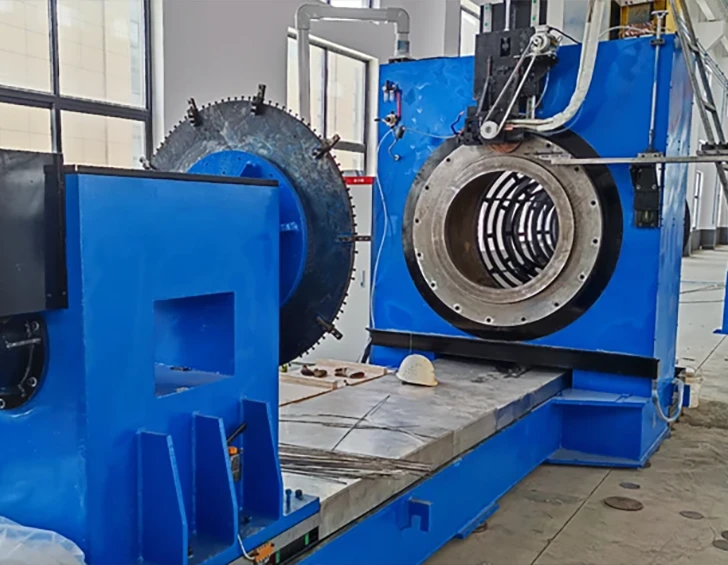
Invested in advanced V-wire rolling machinery, allowing us to transition from standard mesh to high-performance wedge wire systems.

Global Quality Certification

Achieved international ISO and material certifications, enabling us to enter the rigorous European and North American markets.

Strategic Nordic Expansion

Developed a dedicated product line for cold-climate and high-salinity environments, specifically targeting the Norwegian infrastructure market.

Sustainable Future

Our mission is now focused on "Zero-Fail Filtration," ensuring that every screen we produce protects the planet's most precious resource: water.

Complete Filtration Portfolio for Norway

A comprehensive range of wedge wire and borehole solutions for every Nordic application.

Frequently Asked Questions in Norway

Technical insights for the Norwegian water industry.

Which material is best for seawater intake screen systems in the North Sea?

For high-chloride environments like the North Sea, we recommend Super Duplex Stainless Steel (2507) or Titanium alloys to prevent pitting and crevice corrosion.

How do I choose the correct slot size for a borehole screen in glacial till?

Slot size should be determined based on a sieve analysis of the aquifer material, typically selecting a size that retains 90% of the formation sand.

Can wedge wire screen pipe be customized for non-standard diameters?

Yes, our manufacturing process allows for complete customization of diameter, slot width, and overall length to meet specific project requirements.

What is the lifespan of a well pump screen in acidic groundwater?

Using high-grade 316L or Duplex steel can extend the lifespan to over 25 years, provided that the material is matched to the groundwater pH levels.

How does a V-wire well screen differ from a perforated pipe?

V-wire screens offer a much larger open area and a "self-cleaning" effect where particles cannot wedge into the slot, unlike perforated pipes.

Are your screens compliant with EU environmental directives?

Yes, all our products are manufactured using certified sustainable processes and materials that comply with EU REACH and RoHS standards.

Get Expert Engineering Support

Consult with our specialists to optimize your water filtration projects in Norway. We provide tailored technical drawings and material selection.

Contact Us Now

If you are interested in our products, you can choose to leave your information here, and we will be in touch with you shortly.