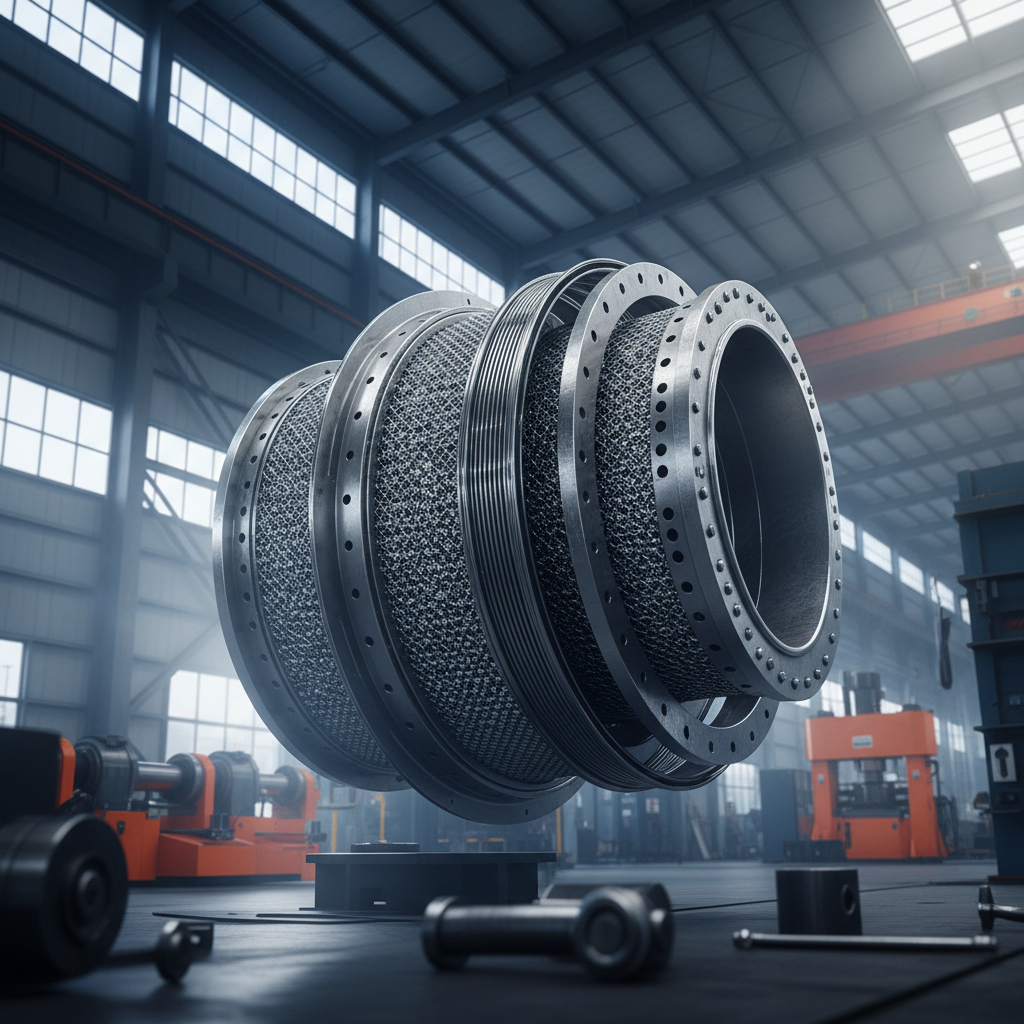
The implementation of a 4 water well screen system represents a critical intersection of geological engineering and sustainable resource management. In an era where groundwater scarcity is becoming a global crisis, the precision of the filtration interface determines not only the volume of water recovered but also the longevity of the borehole itself. Understanding the technical nuances of these screens is essential for ensuring a consistent water supply for agriculture, industry, and municipal needs.
Across the globe, the demand for high-efficiency filtration in groundwater extraction has surged. From the arid regions of Sub-Saharan Africa to the industrial hubs of Southeast Asia, the 4 water well screen serves as the primary defense against sand infiltration and borehole collapse. By utilizing advanced wedge wire technology, these screens optimize the flow of water while maintaining the structural integrity of the surrounding aquifer.
Integrating a high-quality 4 water well screen into a well design is not merely a technical choice but an economic investment. Poorly selected screening leads to pump wear, frequent maintenance, and premature well failure. Conversely, a scientifically engineered screen ensures maximum specific capacity and minimal drawdown, providing a reliable lifeline for communities and businesses relying on subterranean water sources.
Global Relevance and Industry Context of 4 Water Well Screen
The global water crisis has pushed the engineering community to seek more durable and efficient extraction methods. According to data aligned with UN Water goals, billions of people still lack access to safe drinking water, making the efficiency of a 4 water well screen a matter of humanitarian urgency. The ability to filter out fine sediments while allowing maximum water influx is the difference between a productive well and a failed project.
In the industrial sector, particularly in mining and metal processing, the precision of these screens prevents the contamination of water used in cooling and processing. The shift toward stainless steel and specialty alloys in the manufacturing of the 4 water well screen reflects a broader industry trend toward corrosion resistance and extreme durability in harsh subterranean environments.
Defining the Technical Mechanism of 4 Water Well Screen
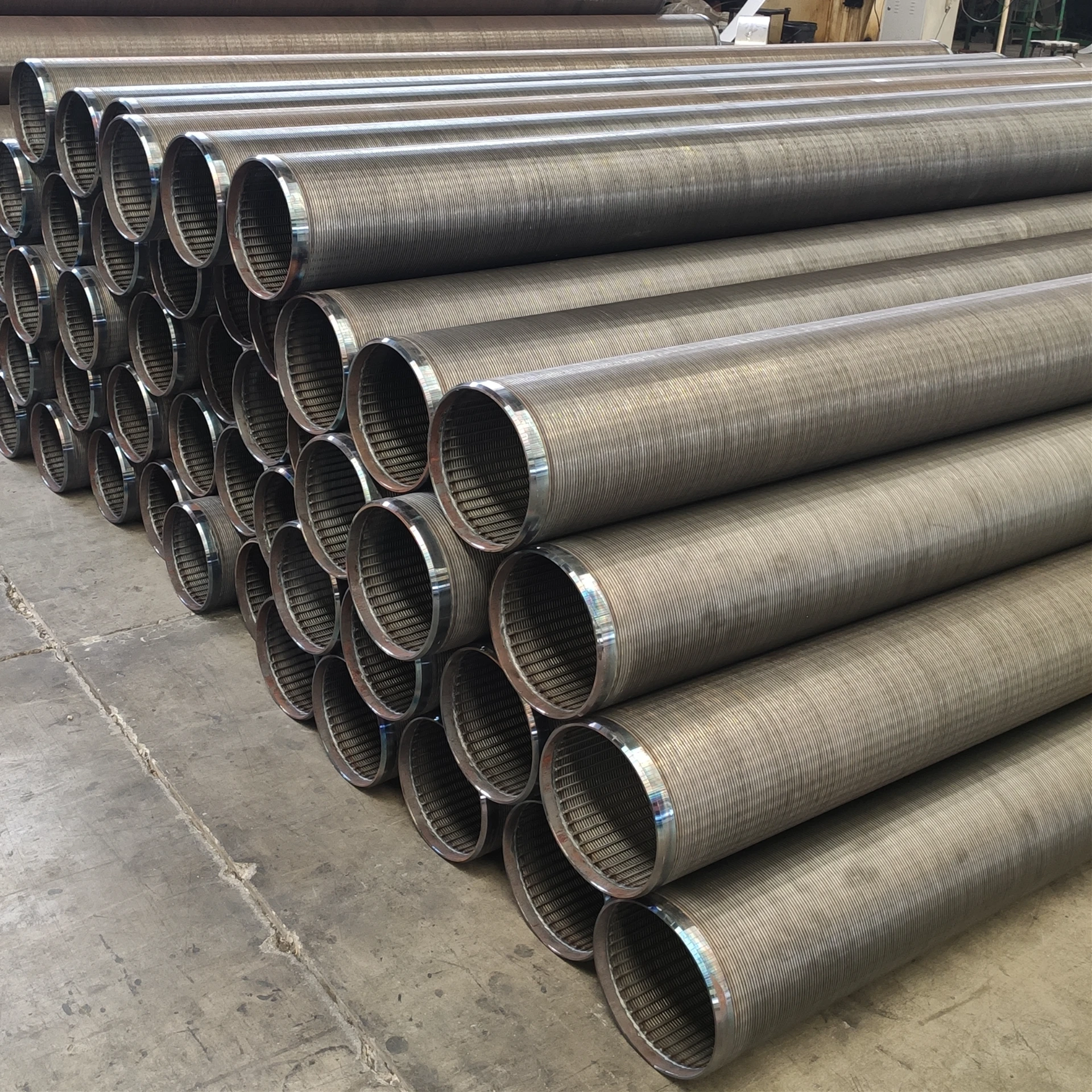
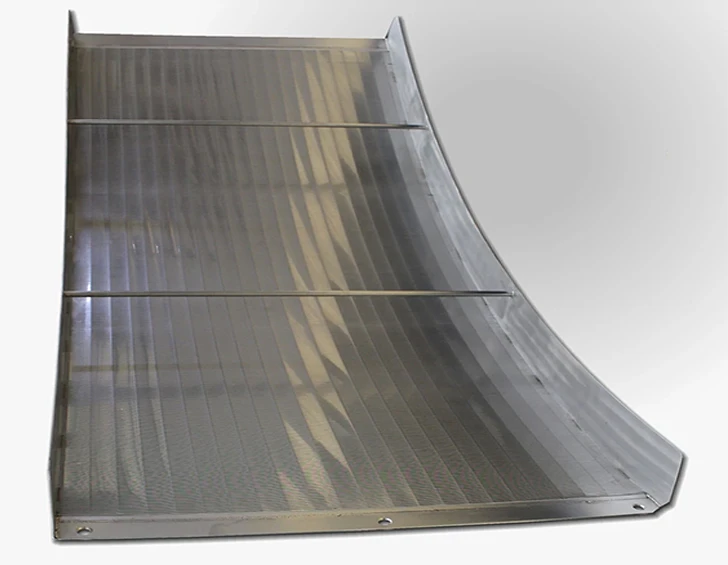
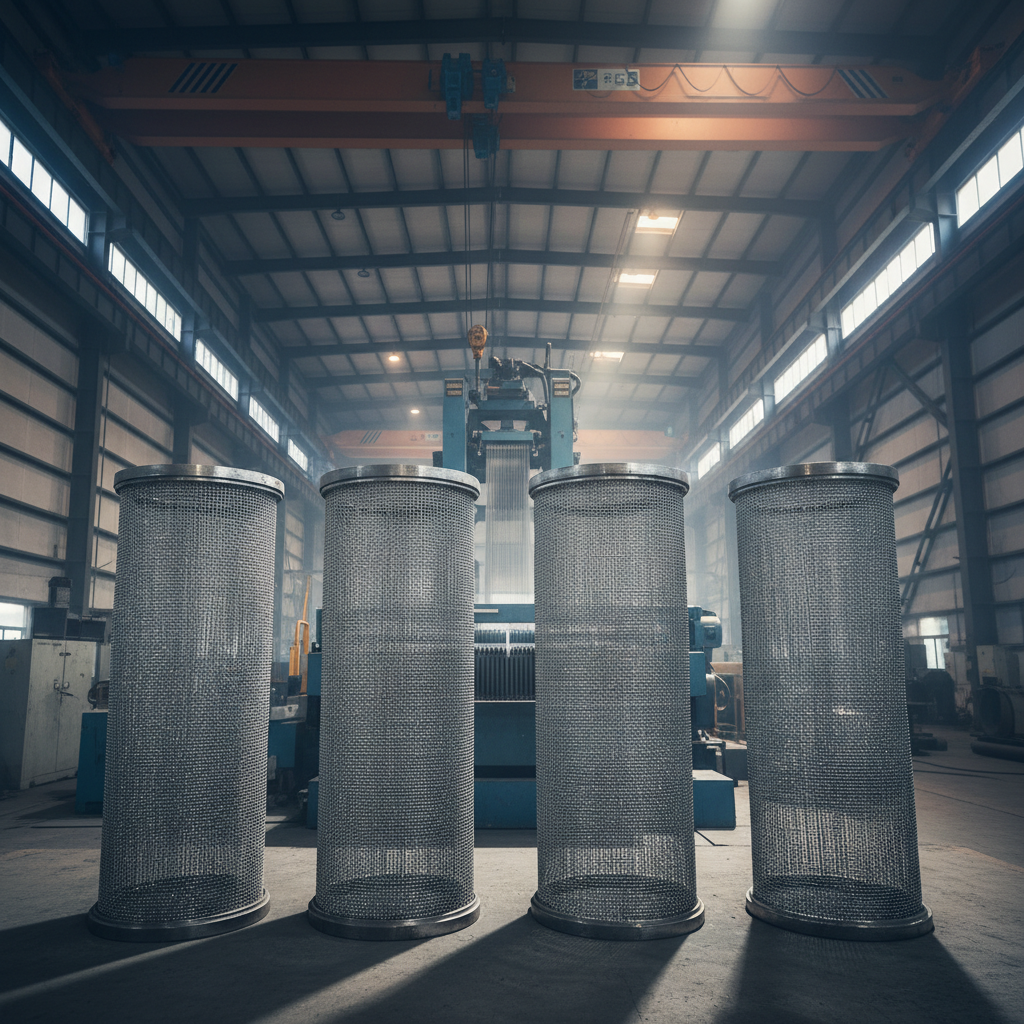
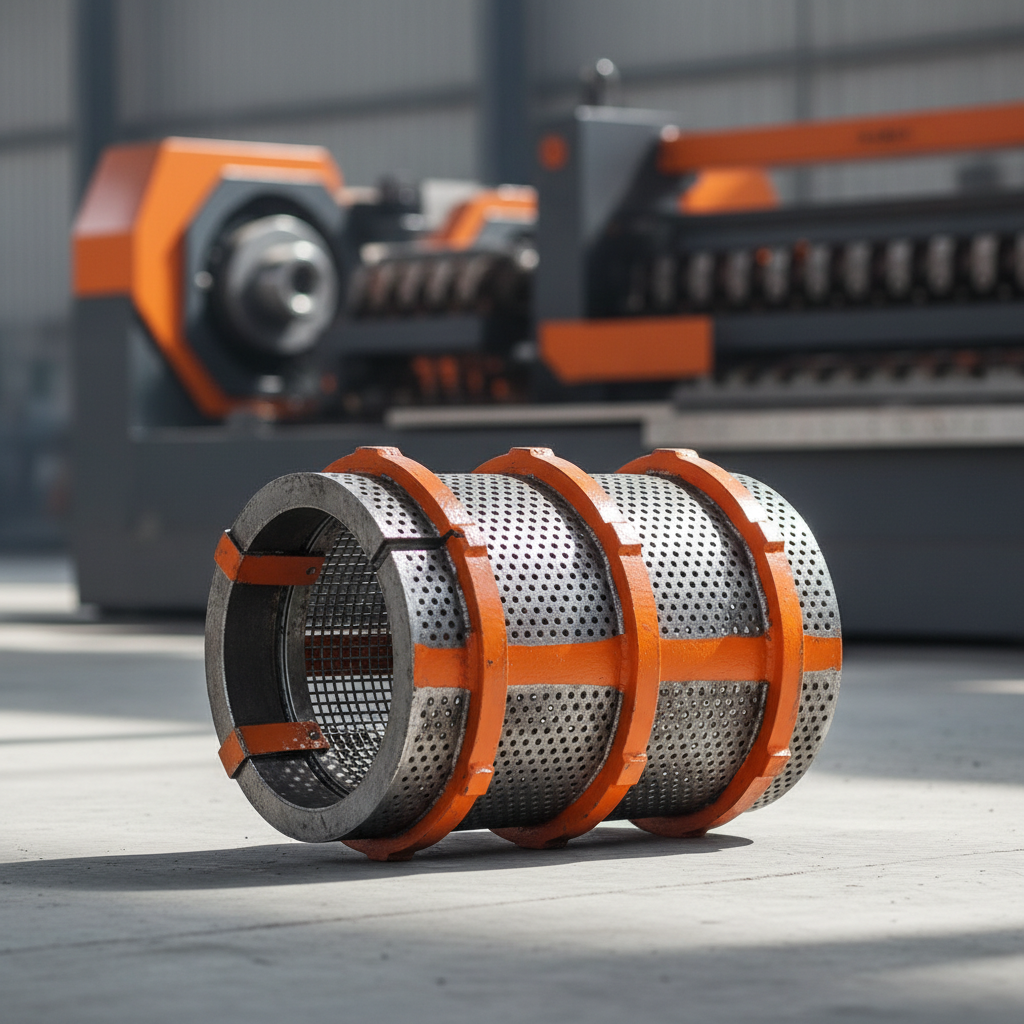
At its core, a 4 water well screen is a specialized filtration device installed at the bottom of a borehole to allow water to enter the well while keeping aquifer sand and gravel outside. Unlike traditional slotted pipes, the modern wedge-wire design creates a "V-shaped" opening. This geometry is crucial because it prevents particles from becoming wedged (plugged) in the slot, ensuring a consistent flow rate over the lifespan of the well.
The synergy between the screen and the gravel pack is where the true efficiency lies. The 4 water well screen acts as the final barrier in a multi-stage filtration process. By precisely matching the slot width to the grain size of the surrounding formation, engineers can minimize "sand pumping," which otherwise destroys submersible pumps and reduces the well's hydraulic conductivity.
From a humanitarian perspective, this technology allows for the creation of deep-bore wells in regions with unstable soil. The structural rigidity of the 4 water well screen prevents the borehole from collapsing under lithostatic pressure, ensuring that communities have a permanent and reliable source of water regardless of the geological volatility of the area.
Core Components and Design Factors of 4 Water Well Screen
The durability of a 4 water well screen depends heavily on the material selection. High-grade stainless steel (such as 304 or 316L) is typically employed to resist the corrosive effects of mineral-heavy groundwater and saline environments. The metallurgical composition ensures that the screen does not succumb to pitting or stress-corrosion cracking over decades of service.
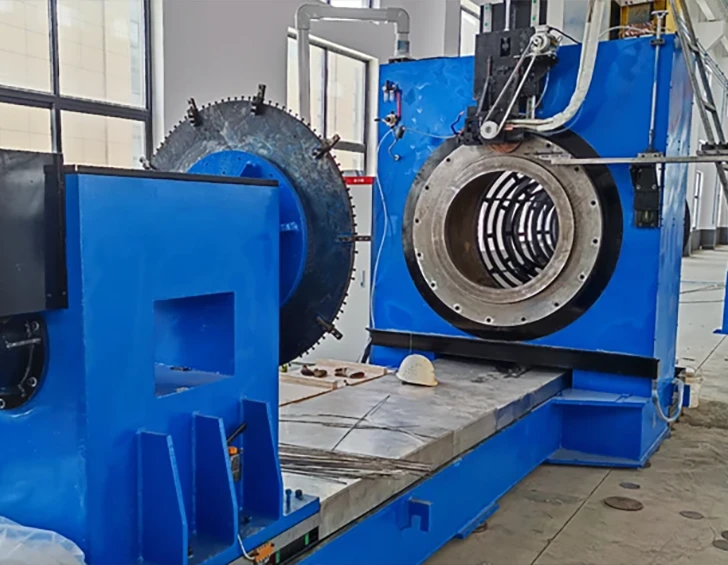
Slot precision is the most critical design factor for any 4 water well screen. Even a deviation of a few microns in the slot width can lead to either excessive sand infiltration or an undue restriction of water flow. Advanced CNC welding and precision drawing processes are used to maintain strict tolerances, ensuring the screen performs exactly as modeled in the hydraulic simulations.
Scalability and adaptability also play a role in modern well design. A 4 water well screen must be available in various diameters and lengths to fit the specific borehole requirements. Whether it is a shallow domestic well or a deep industrial aquifer, the ability to customize the open area percentage allows engineers to optimize the entrance velocity of the water, reducing the risk of turbulence and encrustation.
Performance Metrics and Efficiency of 4 Water Well Screen
Evaluating the efficiency of a 4 water well screen requires a look at the "Open Area" ratio. The higher the open area, the lower the entrance velocity of the water, which significantly reduces the likelihood of chemical precipitation and biological fouling. This ensures that the well maintains its high yield without requiring frequent chemical treatments or mechanical surging.
Furthermore, the structural load-bearing capacity is a key metric. A 4 water well screen must withstand the external pressure of the earth and the internal suction created by high-capacity pumps. The balance between permeability and strength is what distinguishes professional-grade screens from low-cost alternatives.
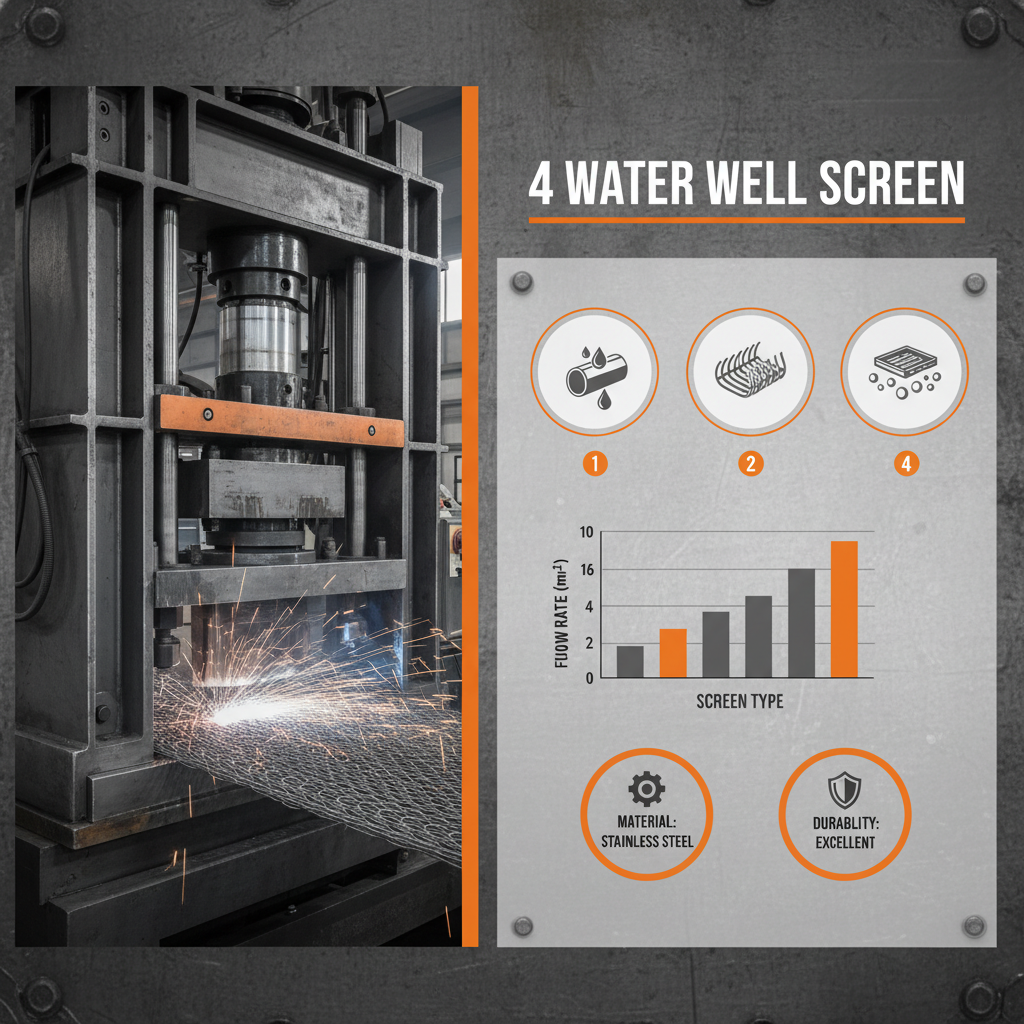
Performance Comparison of 4 Water Well Screen Variants
Global Applications and Strategic Use Cases
In remote industrial zones, such as lithium mining sites in South America, the 4 water well screen is indispensable for brine extraction. These environments are characterized by extremely corrosive salts and high pressures, where only the most robust wedge-wire screens can survive and maintain the required flow rates for industrial processing.
Similarly, in post-disaster relief operations, the rapid deployment of water wells is critical. The use of standardized 4 water well screen components allows NGOs and government agencies to establish clean water access points quickly. By reducing the risk of siltation, these screens ensure that temporary water solutions become long-term assets for the recovering community.
Long-term Value and Sustainability Benefits
The long-term value of investing in a premium 4 water well screen is seen in the drastic reduction of operational expenditure (OPEX). When a well is screened correctly, the pump operates with minimal friction and resistance, leading to lower energy consumption and a longer motor lifespan. This energy efficiency is a key component of sustainable groundwater management.
From a social perspective, the reliability of a 4 water well screen provides dignity and stability. In rural agricultural zones, the failure of a single well can jeopardize an entire season's harvest. A high-performance screen ensures that the water supply is not just available, but dependable, fostering economic growth and food security in vulnerable regions.
Environmental sustainability is also enhanced. By preventing the migration of fines and the collapse of the aquifer structure, the 4 water well screen protects the geological integrity of the underground reservoir. This prevents land subsidence and ensures that the aquifer can be recharged naturally over time, preserving the resource for future generations.
Future Innovations in 4 Water Well Screen Technology
The next frontier for the 4 water well screen lies in the integration of "Smart Well" technologies. We are seeing the development of screens embedded with fiber-optic sensors that can monitor flow rates and pressure changes in real-time. This allows operators to detect clogging or structural fatigue before a total failure occurs, enabling predictive maintenance.
Material science is also evolving. The exploration of composite alloys and nano-coatings is aimed at making the 4 water well screen virtually immune to bio-fouling and chemical scaling. These "self-cleaning" surfaces could eliminate the need for harsh chemical acidizing, making water extraction even more eco-friendly.
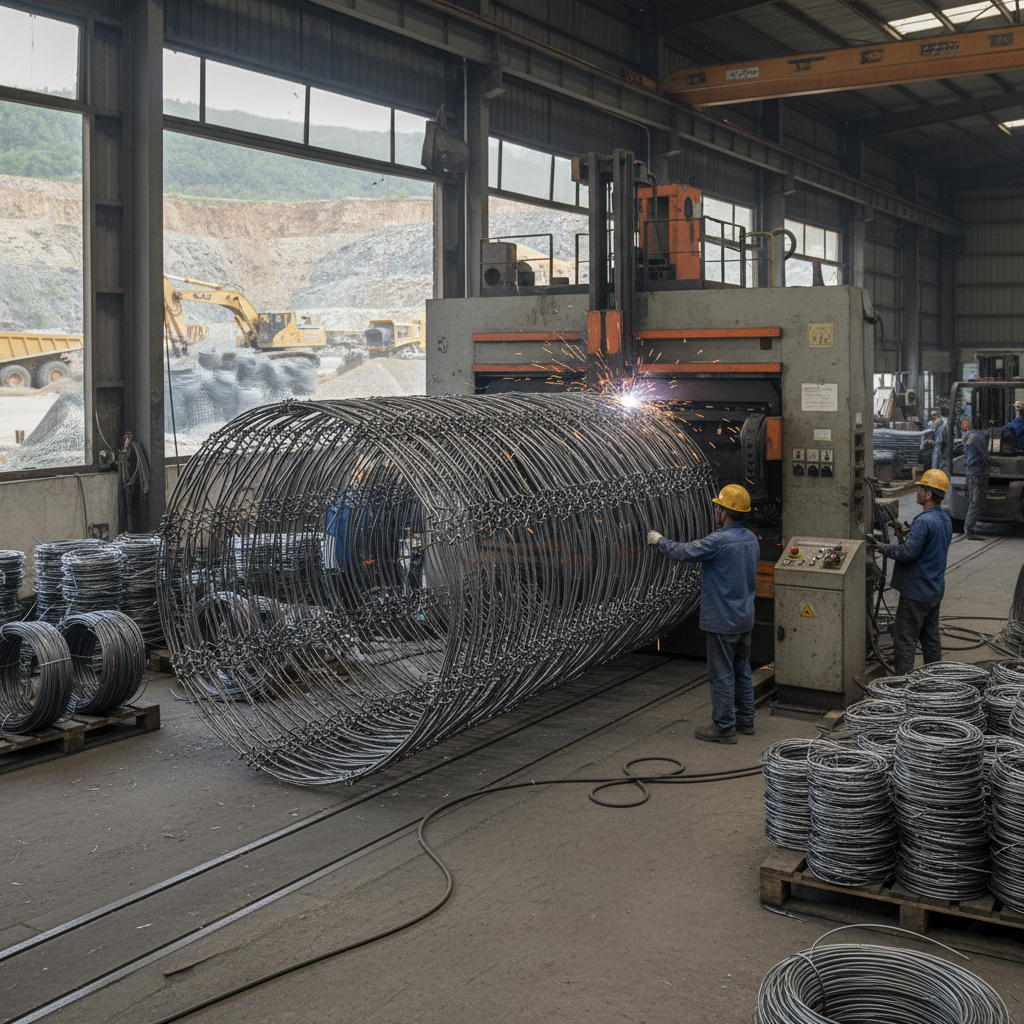
Furthermore, the push toward automation in the manufacturing of 4 water well screen is reducing human error and increasing the consistency of slot widths. Digital twin modeling now allows engineers to simulate the exact interaction between the screen and the specific geology of a site before the first piece of steel is even cut.
Technical Analysis and Comparison of 4 Water Well Screen Configurations
| Configuration Type |
Filtration Efficiency |
Corrosion Resistance |
Installation Cost |
| Standard Wedge Wire |
High (9.5/10) |
Excellent |
Moderate |
| Premium Alloy Screen |
Very High (9.8/10) |
Supreme |
High |
| Slotted Stainless Steel |
Medium (6.0/10) |
Good |
Low |
| Hybrid Composite |
High (8.5/10) |
Excellent |
Moderate |
| Perforated Carbon Steel |
Low (4.0/10) |
Poor |
Very Low |
| Custom Precision Mesh |
Very High (9.2/10) |
Good |
High |
FAQS
The primary advantage is the V-shaped slot geometry. Unlike slotted pipes, where particles can get stuck and plug the opening, the wedge-wire design allows particles to pass through if they are smaller than the slot, or be blocked cleanly if they are larger. This significantly reduces the risk of plugging and increases the open area for water flow, leading to higher efficiency and a longer well lifespan.
Slot size selection is based on a detailed sieve analysis of the aquifer's natural sand or the selected gravel pack. Typically, the slot width is chosen to retain a certain percentage (e.g., 90%) of the medium-to-coarse grains. Consulting a hydrogeologist is recommended to ensure the slot size balances the need for maximum water flow with the necessity of preventing sand infiltration.
Yes, although prevention is better. Clogged screens can be rehabilitated using chemical treatments (like acidizing to remove mineral scales) or mechanical methods such as brush scrubbing and high-pressure jetting. The high-grade stainless steel used in professional screens is specifically chosen to withstand these rehabilitation processes without degrading.
When properly designed and installed, a high-quality stainless steel screen can last 30 to 50 years. The lifespan depends on the aggressiveness of the water chemistry and the stability of the surrounding formation. Using 316L stainless steel in saline or corrosive environments is the best way to maximize the long-term durability of the investment.
Yes, provided that a corrosion-resistant material like Stainless Steel 316L or Duplex steel is used. These materials are specifically engineered to resist chloride-induced pitting and stress corrosion, making them ideal for coastal aquifers or brine extraction wells where standard carbon steel would fail rapidly.
In most cases, yes. While the screen provides the final filtration, a gravel pack acts as a primary filter that stabilizes the borehole wall and distributes the incoming water flow. The combination of a precisely sized gravel pack and a matching 4 water well screen ensures the highest possible efficiency and prevents the "piping" of fine sands into the well.
Conclusion
The selection and implementation of a high-performance 4 water well screen are fundamental to the success of any groundwater extraction project. From the critical importance of slot precision and material durability to the long-term benefits of energy efficiency and aquifer protection, every technical detail contributes to the reliability of the water supply. By bridging the gap between geological necessity and precision engineering, these screens ensure that water—our most precious resource—is extracted sustainably and efficiently.
As we look toward the future, the integration of smart sensing and advanced metallurgy will continue to elevate the standards of well construction. For engineers, developers, and community leaders, prioritizing quality over short-term cost in screening is the only viable path toward water security. To ensure your projects are built on a foundation of excellence, we invite you to explore our professional solutions. Visit our website: www.mutoscreen.com