High-Efficiency borehole screen Solutions for Egypt's Water Infrastructure

Advanced filtration technology engineered to optimize groundwater extraction and seawater intake across the Egyptian landscape.

High-Efficiency borehole screen Solutions for Egypt's Water Infrastructure

Providing Egypt with precision-engineered filtration systems designed to maximize yield and ensure long-term well stability in diverse geological strata.

Water Resource Management Landscape in Egypt

Analyzing the intersection of geological challenges and filtration requirements in the Nile Delta and Western Desert.

Egypt's reliance on groundwater is critical for agricultural expansion in the New Valley and various desert reclamation projects. The presence of fine sands and varying salinity levels requires highly specific well screens to prevent sand infiltration and pump wear.

In coastal regions, the struggle against saltwater intrusion and the need for industrial cooling water have increased the demand for durable seawater intake screen systems that can withstand high chloride concentrations and biofouling.

The current market is shifting away from traditional slotted pipes toward high-open-area designs. This transition is driven by the need to reduce entrance velocity, thereby minimizing the risk of well sanding and increasing the efficiency of well pump screen installations.
Evolution of Filtration Technology in Egypt

From rudimentary gravel packs to precision wedge wire engineering.

Market Development History

Between 1990 and 2010, the Egyptian market primarily relied on perforated pipes and basic wire-wrapped screens. While functional for shallow aquifers, these systems suffered from high clogging rates in the fine alluvial soils of the Nile Delta.

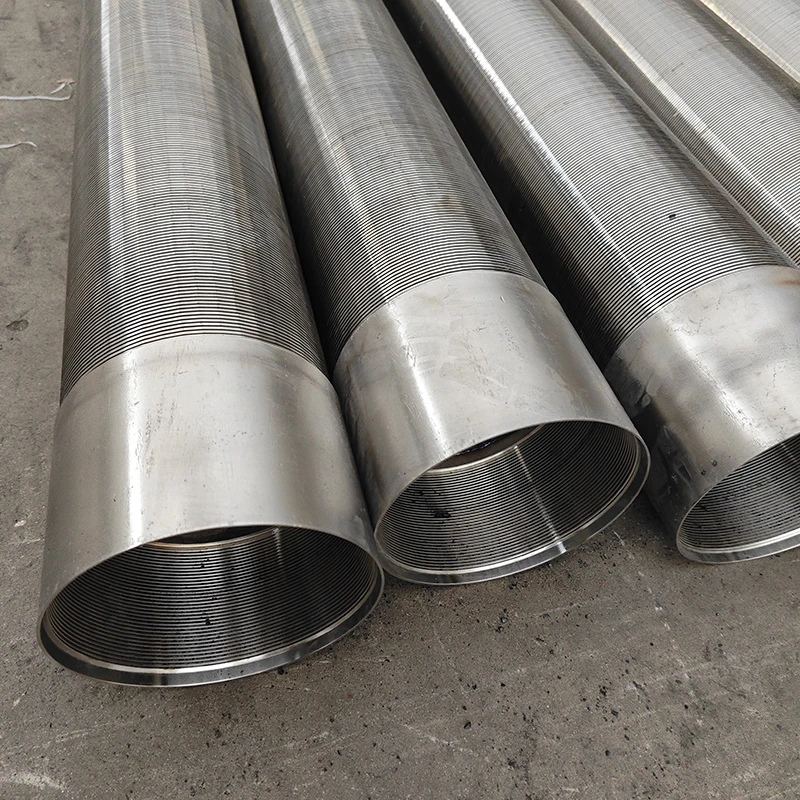
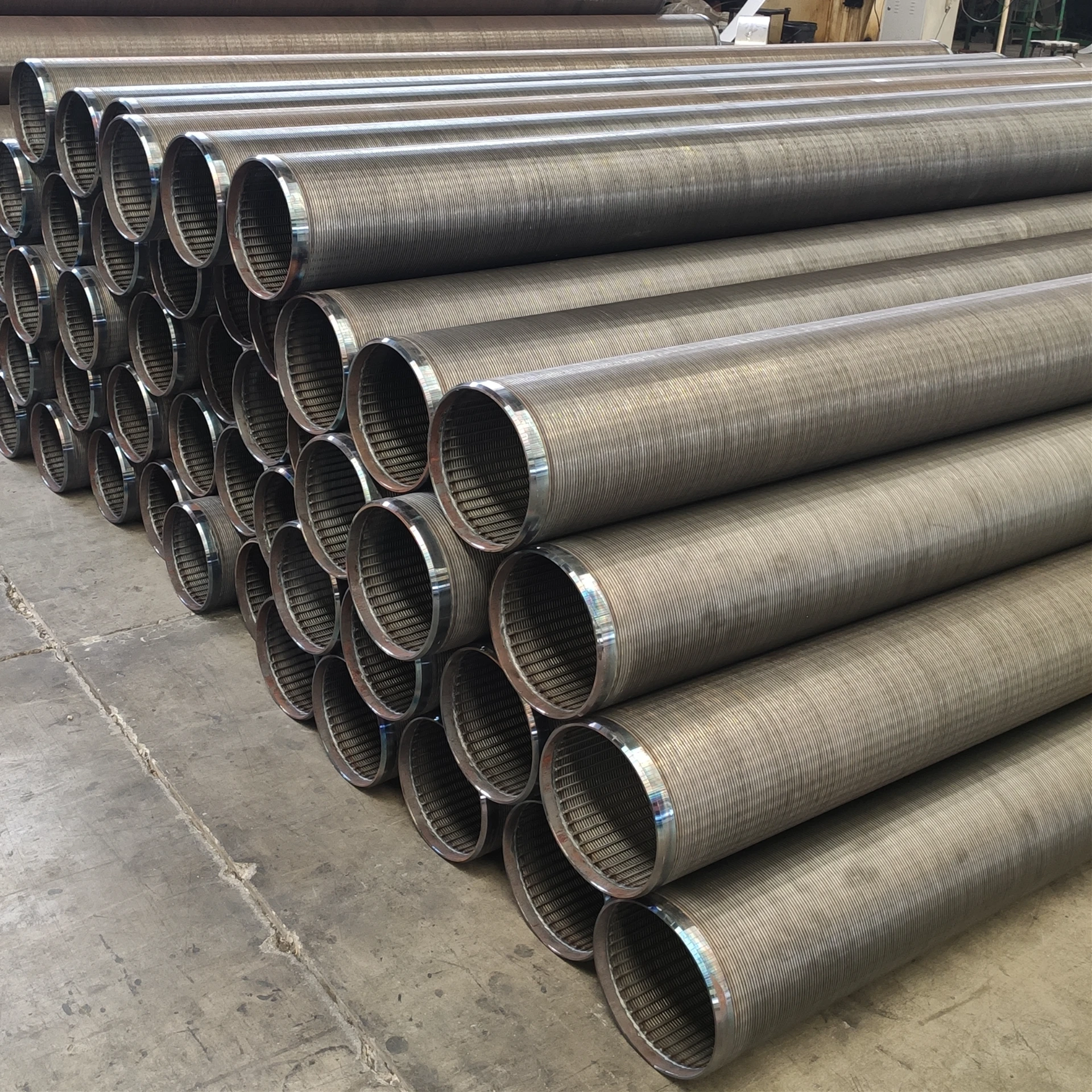
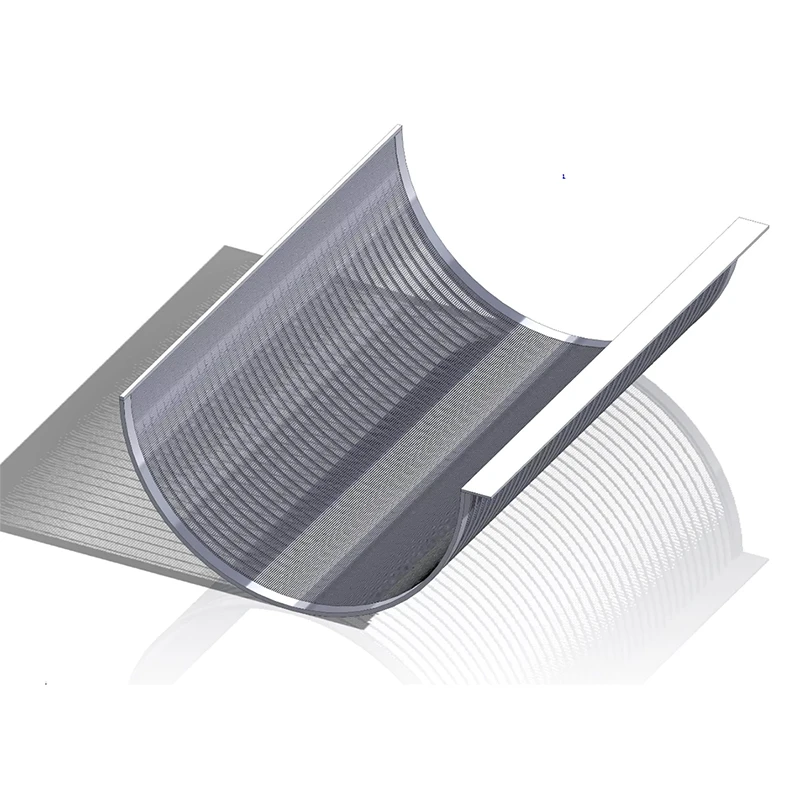
From 2011 to 2020, the introduction of the wedge wire screen pipe revolutionized the sector. The V-shaped wire profile allowed for a "self-cleaning" effect, significantly reducing maintenance costs for large-scale irrigation projects.

Since 2021, the focus has shifted toward material science, with a surge in the adoption of Super Duplex stainless steels to combat the aggressive corrosion found in deep saline aquifers and Mediterranean coastal zones.

Future Development Trends

Intelligent Slot Optimization

Utilization of geological data to customize slot widths for each specific aquifer layer, maximizing the specific capacity of the borehole.

Anti-Corrosion Hybrid Coatings

Integration of advanced polymer coatings over stainless steel to further extend the lifespan of screens in hyper-saline environments.

Sustainable Intake Systems

Developing passive seawater intake screen designs that protect marine larvae while maintaining high flow rates for desalination plants.

Industry Outlook & Technological Trajectory

Forecasting the next 3-5 years of metal filtration advancements in the North African region.

Precision Slot Engineering
Shift toward micron-level tolerance in wedge wire production to target specific sand grain sizes in Egypt's aquifers.
Material Upgrading
Increased adoption of Titanium and High-Nickel alloys for extreme seawater intake environments to eliminate corrosion.
Hydraulic Optimization
Integration of CFD (Computational Fluid Dynamics) to design screen profiles that minimize turbulence and pressure loss.
Modular Installation
Rapid-deployment modular screen systems for emergency water supply projects in remote Egyptian governorates.

Industry Outlook

Google search trends indicate a growing demand for "sustainable water extraction" and "desalination efficiency" in North Africa. This suggests that the market for high-performance filtration will move toward systems that combine durability with ecological sensitivity.

The future lies in the synergy between geological surveying and bespoke metal fabrication. Egypt's vision for 2030 will likely drive massive investments in wastewater treatment and seawater desalination, creating a sustainable boom for advanced wedge wire technology.

Localized Application Scenarios in Egypt

Practical implementation of filtration technology across Egypt's diverse geographical zones.

01. Nile Delta Agricultural Irrigation

Implementation of precision well screens in the Delta region to filter fine silts, ensuring that irrigation pumps operate without abrasive wear.

02. Western Desert Deep Well Extraction

Utilizing heavy-duty wedge wire screen pipe for deep aquifer access in the Nubian Sandstone Aquifer System to support new agricultural settlements.

03. Mediterranean Desalination Plants

Deployment of specialized seawater intake screen systems to provide clean raw water for desalination, preventing debris from entering the RO membranes.

04. Cairo Industrial Cooling Systems

Installation of high-flow well pump screen components for industrial heat exchange systems in the Cairo metropolitan area.

05. Red Sea Tourism Water Supply

Using corrosion-resistant borehole screen solutions for resort water supply systems to withstand high salinity and varying water tables.

Brand Story

Global Development History of Hebei Mutu Metal Products Co., Ltd.

Foundational Excellence

Established with a commitment to solving the "sand-clogging" crisis in industrial filtration, we focused on perfecting the wedge wire drawing process.

Technological Breakthrough

Developed proprietary welding techniques that ensure the structural integrity of screens under extreme hydrostatic pressure.

Global Expansion

Expanded our footprint into the African market, specifically Egypt, adapting our designs to meet the unique challenges of desert aquifers.

Certification & Quality

Achieved international quality certifications, ensuring every screen meets global standards for corrosion resistance and flow efficiency.

Vision for Tomorrow

Dedicated to creating a world with sustainable water access through continuous innovation in metal wire mesh and screen technology.

Complete Filtration Portfolio for Egypt

Integrated solutions covering groundwater, seawater, and industrial water requirements.

Common Questions Regarding Water Screens in Egypt

Expert answers to technical challenges faced by Egyptian drilling and engineering firms.

How to choose the right slot size for borehole screen in the Nile Delta?

Slot size should be determined by a sieve analysis of the aquifer material. In the Nile Delta, we typically recommend a slot size that retains 90% of the formation sand to prevent piping and internal clogging.

Which material is best for seawater intake screen in Alexandria's coastal areas?

For the high-salinity Mediterranean environment, Super Duplex Stainless Steel (2507) or Titanium is recommended due to their superior resistance to pitting and crevice corrosion.

Can wedge wire screen pipe be cleaned after clogging in desert wells?

Yes, wedge wire screens can be chemically treated or mechanically brushed. The V-profile allows for easier removal of precipitates compared to traditional slotted pipes.

What is the lifespan of a well pump screen in saline Egyptian aquifers?

Depending on the material, a high-grade stainless steel screen can last 20-30 years. We recommend selecting alloys based on the specific chloride levels of the local groundwater.

How does entrance velocity affect the performance of well screens?

Lower entrance velocity reduces the migration of fines into the well. High-open-area screens allow for more water entry points, keeping the velocity low and the well stable.

Are customized lengths available for borehole screen projects in Egypt?

Yes, we provide full customization of lengths, diameters, and slot patterns to fit the exact stratigraphic requirements of your drilling project.

Secure Your Water Future Today

Our engineering team is ready to support your infrastructure projects in Egypt with the world's most durable filtration systems.

Contact Us Now

If you are interested in our products, you can choose to leave your information here, and we will be in touch with you shortly.