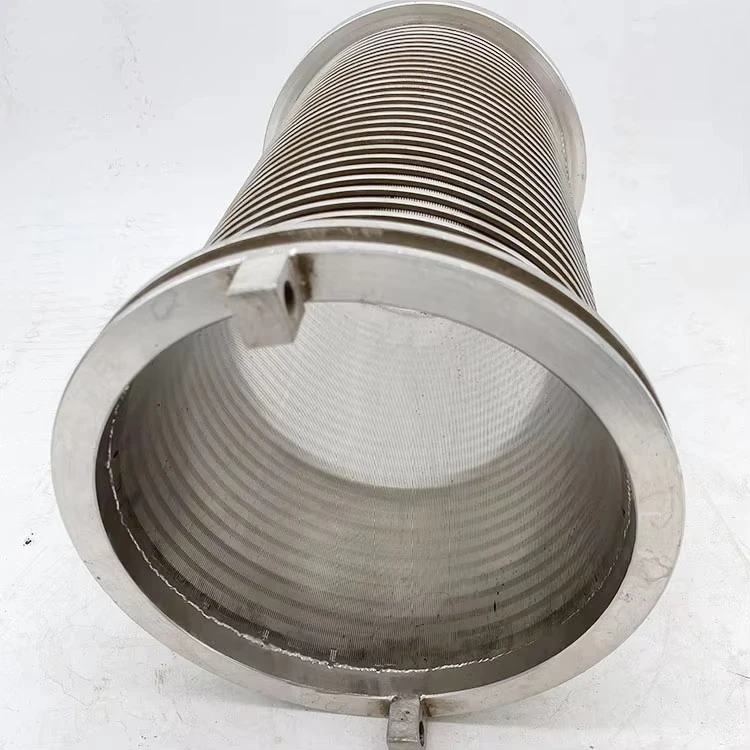
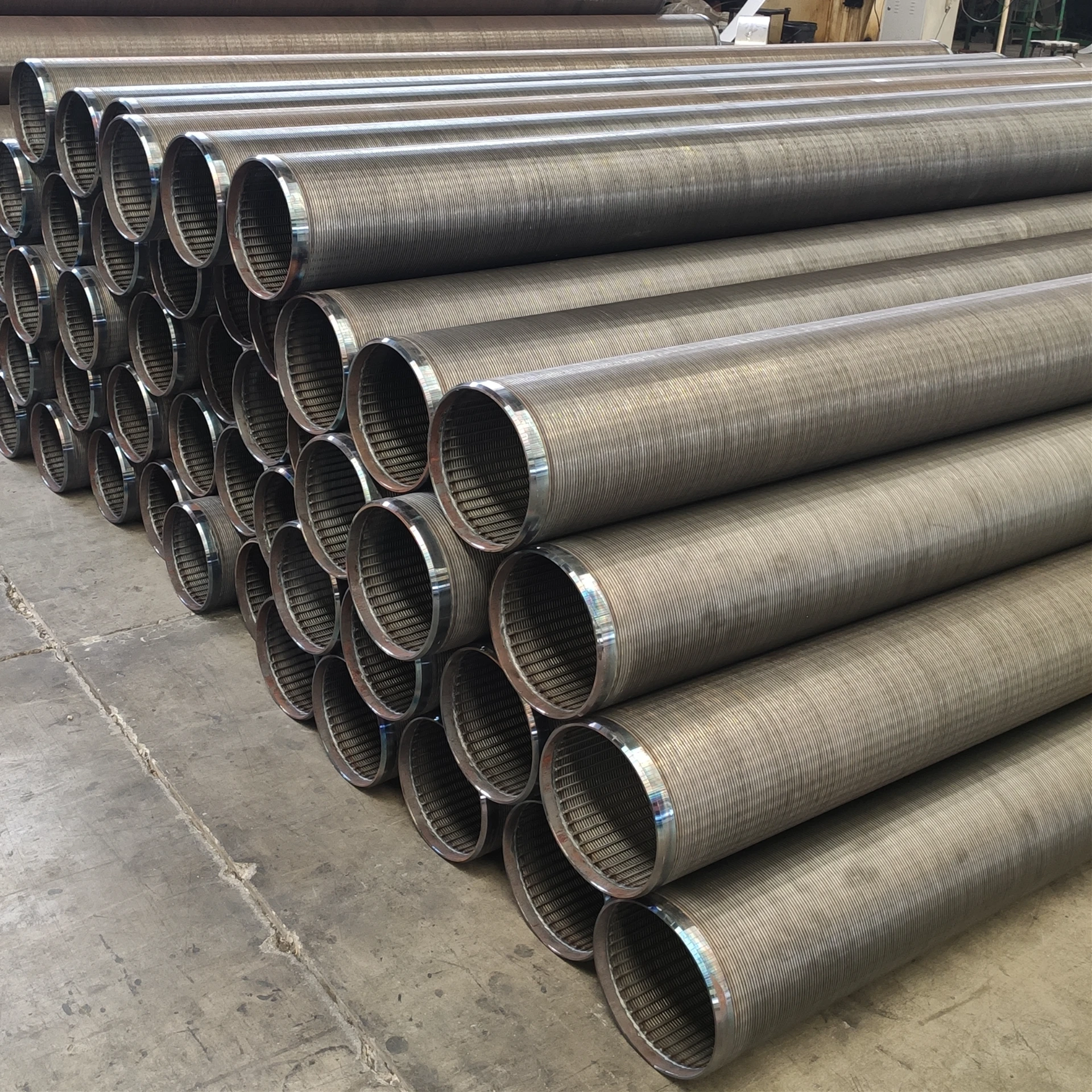
High-Performance wedge wire screen pipe Solutions for Canada's Water Infrastructure

Engineered for the rigorous geological conditions of North America, providing sustainable filtration and groundwater management for Canadian industrial and municipal projects.

High-Performance wedge wire screen pipe Solutions for Canada's Water Infrastructure

Our advanced filtration systems are designed to optimize water yield and prevent sand infiltration in Canada's diverse aquifers, from the Canadian Shield to the sedimentary plains.

The Current Landscape of Groundwater Filtration in Canada

Adapting to the unique hydrogeological challenges of the North American region.

Canada's vast geography presents unique challenges for water extraction. In the Arctic and northern territories, permafrost and freezing cycles demand that well screens be manufactured from materials with exceptional thermal stability and corrosion resistance to prevent structural failure during extreme temperature fluctuations.

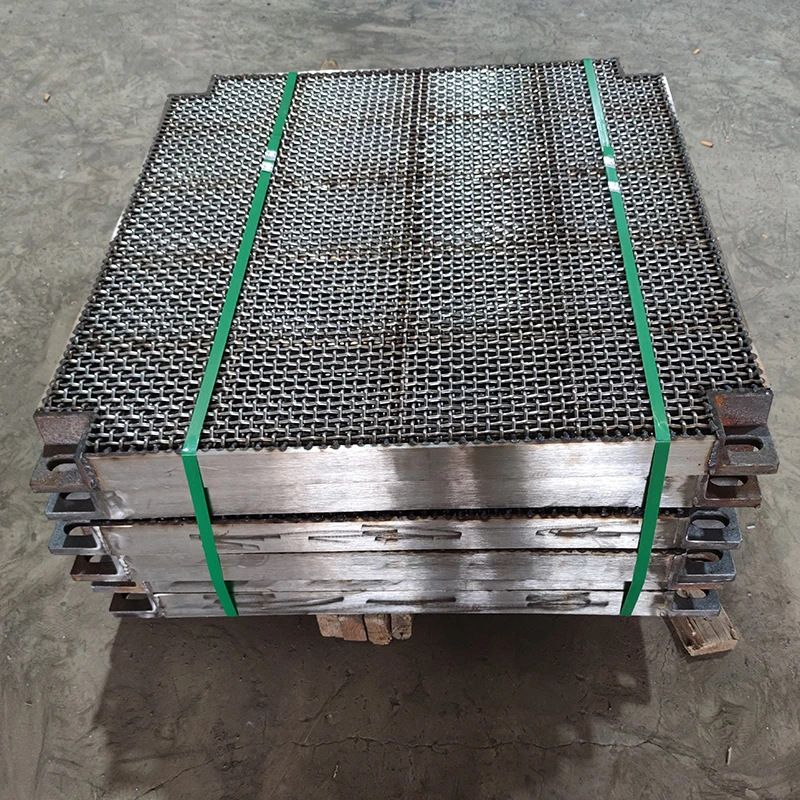
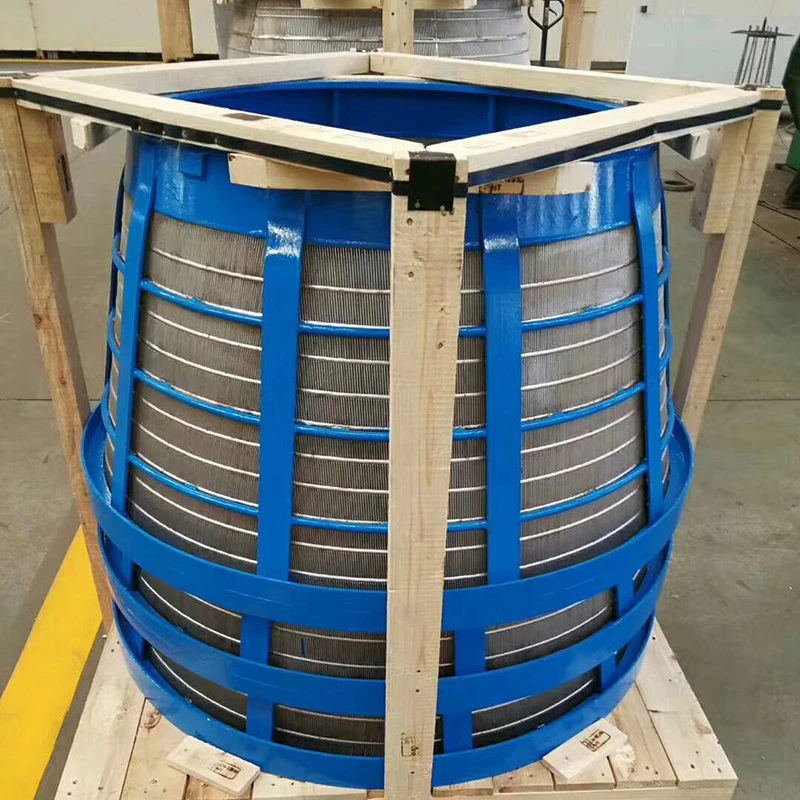
In the industrial heartlands of Ontario and Quebec, the demand for high-capacity borehole screen systems has increased due to expanded mining and agricultural activities. The prevalence of glacial till and variable grain sizes in these regions requires precision-engineered slot widths to maximize flow while minimizing turbidity.

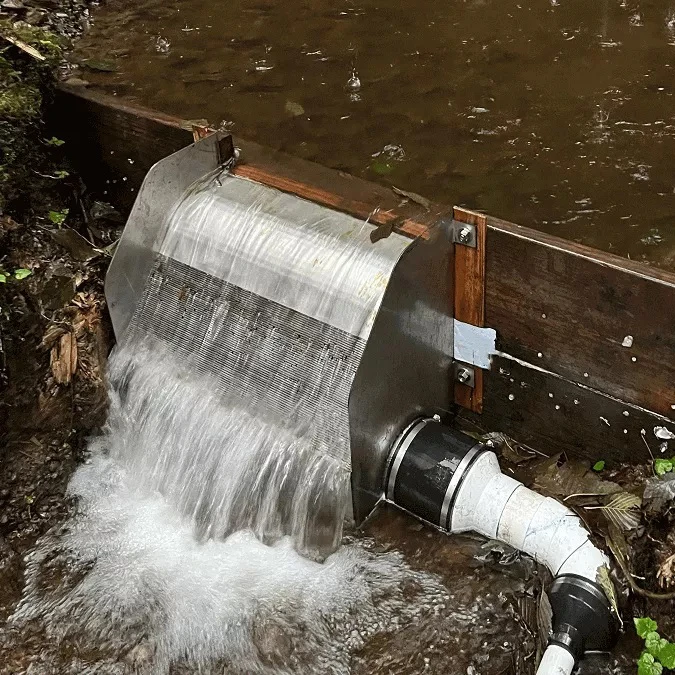
Furthermore, Canada's extensive coastline necessitates specialized seawater intake screen systems. With a strong emphasis on environmental protection and the prevention of fish impingement, the industry is shifting toward low-velocity intake designs that comply with strict federal environmental regulations.
Evolution and Trajectory of Filtration Technology

From basic perforated pipes to precision-engineered wedge wire systems.

Market Development History

During the early 20th century, Canadian water wells primarily relied on simple perforated steel pipes. However, these suffered from rapid clogging and low efficiency, often failing within a decade due to the abrasive nature of Canadian sands.

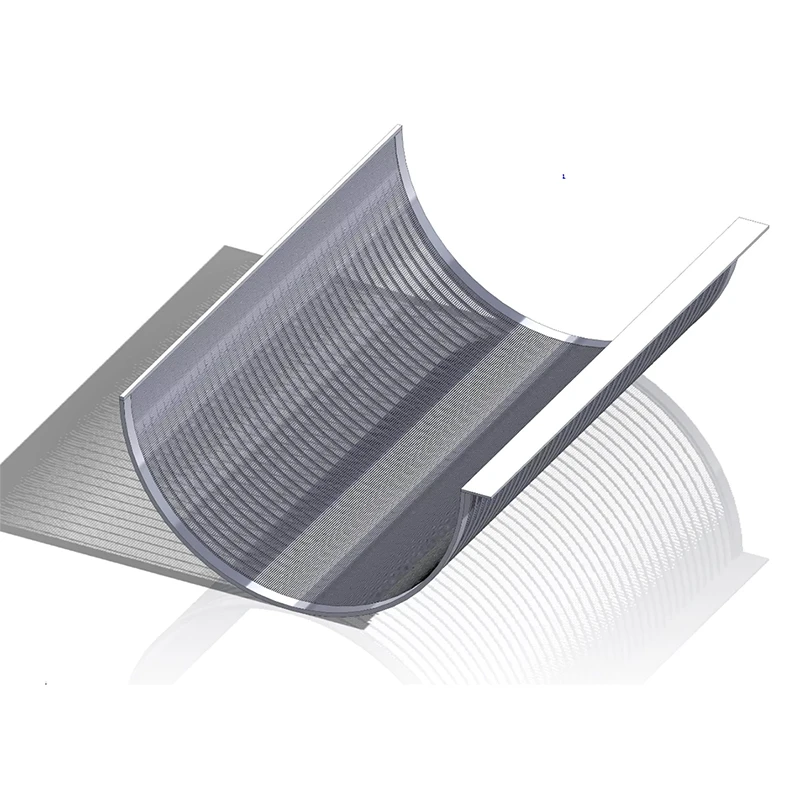
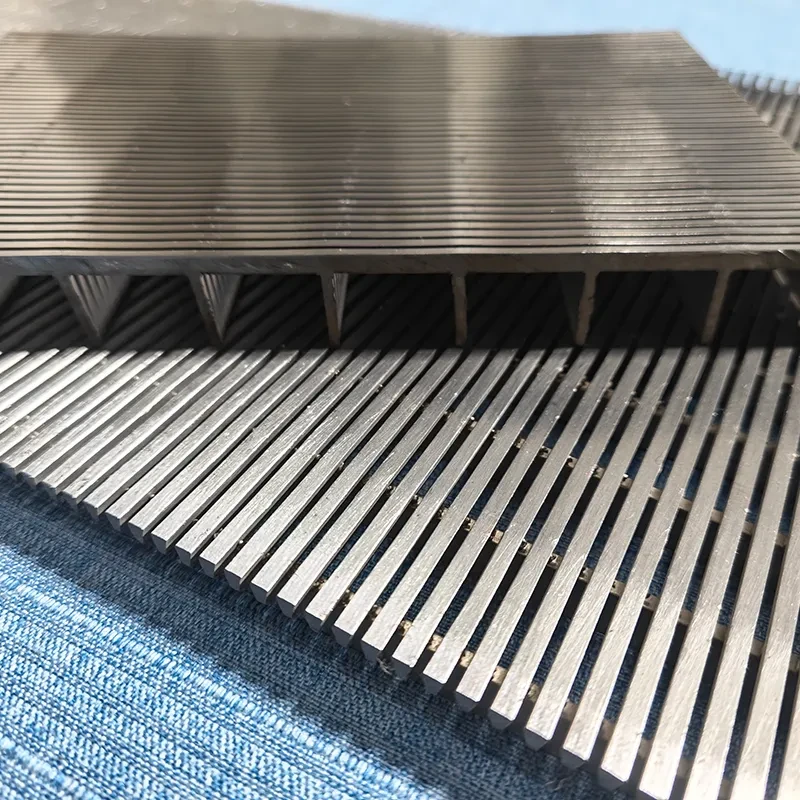
By the 1980s, the introduction of stainless steel well pump screen technology marked a pivotal shift. The industry transitioned toward V-wire designs, which offered superior open areas and a "self-cleaning" effect, significantly extending the lifespan of municipal wells across the Prairies.

In the last decade, the integration of CAD/CAM precision manufacturing has allowed for customized slot geometries. This evolution has enabled the development of hybrid systems that can handle the complex stratification found in North American deep-well drilling.

Future Development Trends

Smart Monitoring Integration

Future systems will likely incorporate IoT sensors within the screen structure to monitor real-time pressure drops and corrosion levels, reducing maintenance costs for remote Canadian installations.

Advanced Super-Alloys

To combat the hypersaline environments of coastal Canada, there is a growing trend toward using Duplex and Super Duplex stainless steels to enhance the durability of seawater intake systems.

Eco-Centric Design

The focus is shifting toward "bio-friendly" slot profiles that minimize the impact on aquatic microorganisms, aligning with Canada's commitment to biodiversity and sustainable resource management.

Industry Trends and Future Outlook

Analyzing the shift toward sustainability and precision in metal wire products.

Material Optimization
Transitioning to high-grade alloys to withstand Canada's corrosive soil and saline waters.
Precision Slotting
Implementing laser-measured tolerances to reduce friction loss and increase flow rates.
Energy Efficiency
Reducing the power required for pumping by minimizing entrance velocity losses.
Sustainable Sourcing
Utilizing recycled stainless steels and green manufacturing to meet ESG goals.

Industry Outlook

According to recent Google search trends in North America, there is a significant spike in queries related to "sustainable water management" and "long-term aquifer protection." This indicates that Canadian municipalities are moving away from short-term fixes toward high-investment, high-durability infrastructure.

The future will be defined by a synergy between material science and digital monitoring. We expect a 20% increase in the adoption of high-precision wedge wire systems in Canada as the need for drought-resistant water sources grows in the western provinces.

Local Application Scenarios in Canada

Practical implementations of our filtration technology across the Canadian landscape.

1. Alberta Oil Sands Water Treatment

Utilizing high-strength wedge wire screen pipe to filter process water and tailings, ensuring that abrasive particulates are removed without compromising flow rate in heavy industrial environments.

2. British Columbia Coastal Desalination

Installation of custom seawater intake screen units for desalination plants, specifically designed to prevent the intake of marine life while resisting the corrosive effects of the Pacific Ocean.

3. Ontario Municipal Groundwater Wells

Implementing precision well screens in urban areas to provide clean, sand-free drinking water for growing populations, reducing the frequency of pump replacements.

4. Quebec Hydroelectric Cooling Systems

Integrating large-scale borehole filtration to manage cooling water for power plants, ensuring that sediment from the Canadian Shield does not damage turbines.

5. Saskatchewan Agricultural Irrigation

Deploying durable well pump screen systems in deep aquifers to support large-scale farming operations during drought seasons in the Prairie provinces.

Brand Story

Global Development Journey of Hebei Mutu Metal Products Co., Ltd.

Industrial Foundation

Established as a specialist in metal wire products, we focused on solving the fundamental problem of clogging in traditional filtration systems.

Technical Breakthrough

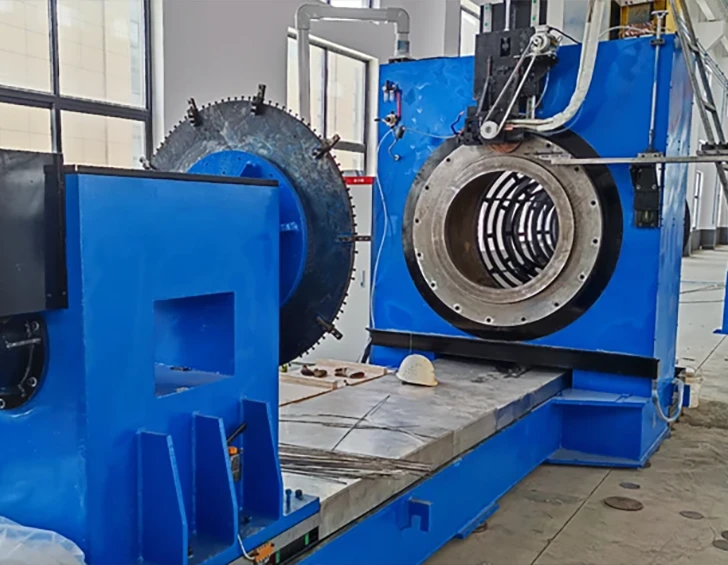
Developed the proprietary V-wedge winding process, allowing for micron-level precision in slot widths and significantly higher open areas.

Global Expansion

Expanded our footprint into North America, tailoring our engineering standards to meet the rigorous ASTM and CSA requirements of the Canadian market.

Quality Certification

Achieved international quality certifications, ensuring every screen produced is tested for structural integrity and corrosion resistance.

Future Vision

Our mission is to be the global leader in sustainable water filtration, solving the world's water scarcity through precision engineering.

Comprehensive Filtration Portfolio for Canada

A complete range of wedge wire solutions designed for North American geological standards.

Common Questions on Canadian Well Filtration

Expert answers to the most frequent technical queries from our Canadian clients.

How do I choose the correct slot size for borehole screen installations in Canada?

Selection should be based on a detailed sieve analysis of the aquifer material. In Canada, we typically recommend a slot size that retains 90% of the formation sand to balance flow rate and stability.

What is the best material for seawater intake screen systems in Atlantic Canada?

For the high salinity and oxygen levels of the Atlantic coast, we recommend Super Duplex stainless steel or Titanium alloys to prevent pitting and crevice corrosion.

Can wedge wire screen pipe be used in permafrost regions?

Yes, provided the material is rated for low-temperature impact toughness. We use specific alloys that maintain ductility at sub-zero temperatures to prevent cracking during freeze-thaw cycles.

How does a well pump screen differ from a standard well screen?

A well pump screen is specifically designed to protect the pump intake from debris and sand, often featuring a finer filtration profile and reinforced structural support to handle higher localized velocities.

What is the expected lifespan of a stainless steel well screen in Canadian soil?

With proper material selection (such as 304 or 316L stainless steel) and professional installation, our screens typically last 30 to 50 years, significantly outperforming carbon steel alternatives.

Do your screens comply with North American environmental regulations?

Yes, our designs for seawater and river intake systems focus on low-velocity intake to comply with Fisheries and Oceans Canada (DFO) guidelines regarding aquatic life protection.

Get Expert Consultation for Your Water Project

Our engineering team is ready to help you optimize your water infrastructure across Canada. Contact us for custom technical specifications.

Contact Us Now

If you are interested in our products, you can choose to leave your information here, and we will be in touch with you shortly.