Securing a reliable estimate for a wedge wire screen price often involves more than comparing a few quotes; it requires an understanding of the mechanical stresses and material grades necessary for specific downhole or industrial environments.
In the extraction of oil, gas, and water, the cost of a screen is secondary to its failure rate. A low-cost component that collapses under pressure or allows sand ingress can lead to catastrophic well failure, making the total cost of ownership the primary metric for procurement managers.
This analysis examines the technical variables that drive pricing and how to evaluate the value proposition of precision-engineered wedge wire solutions to ensure operational longevity.

Mechanical Foundations of Wedge Wire Design

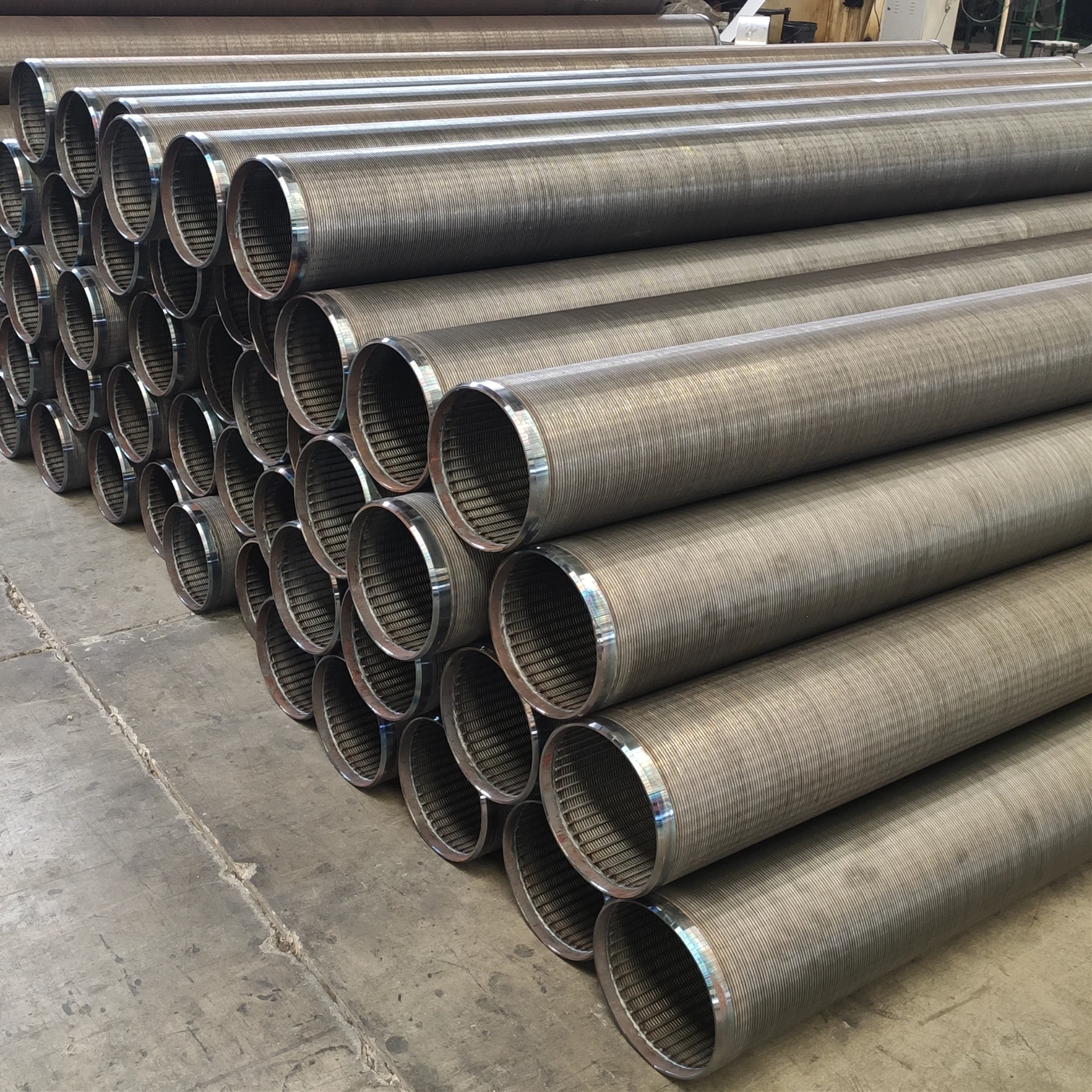
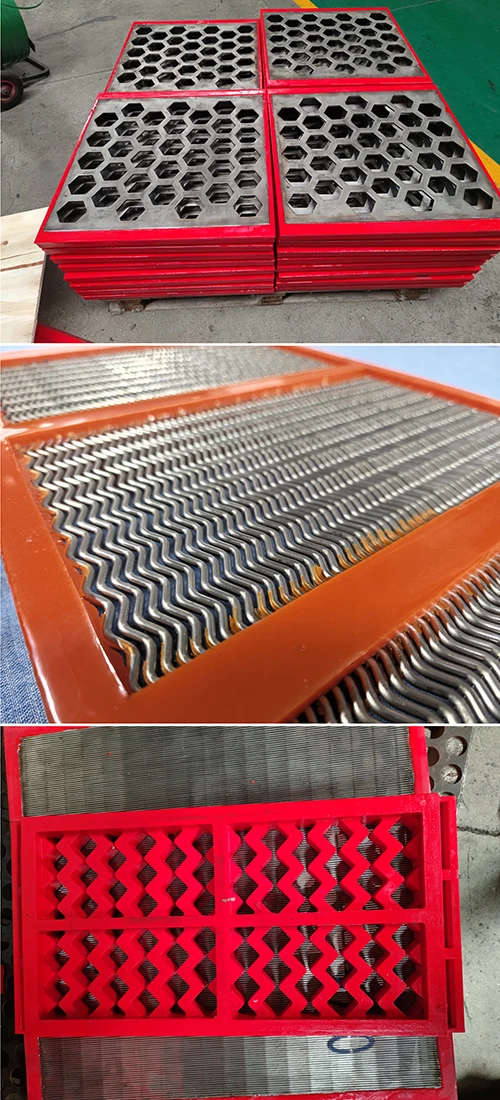
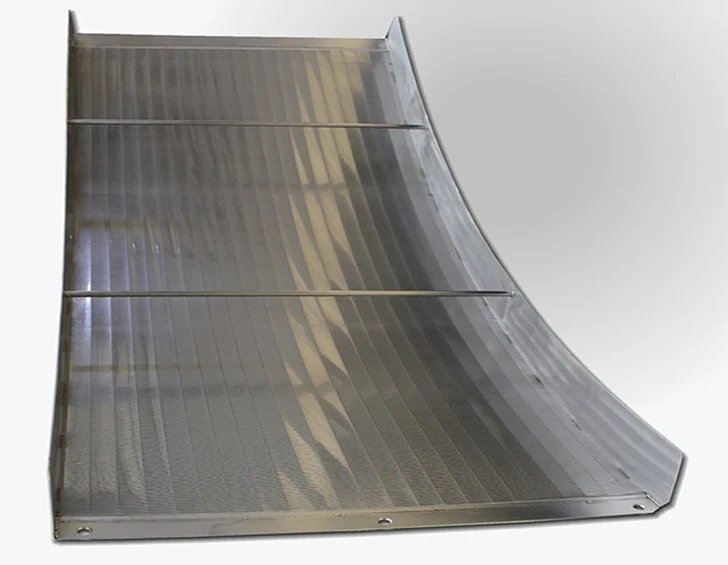
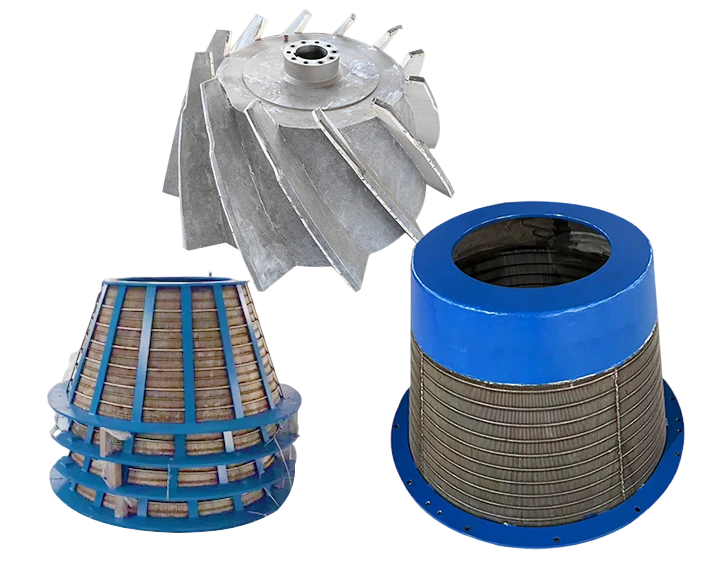
Wedge wire screens operate on the principle of mechanical separation, utilizing V-shaped wires welded to support rods to create a robust, slotted structure. Unlike woven mesh, the wedge profile allows particles larger than the slot width to pass through without becoming embedded, significantly reducing the risk of blinding.
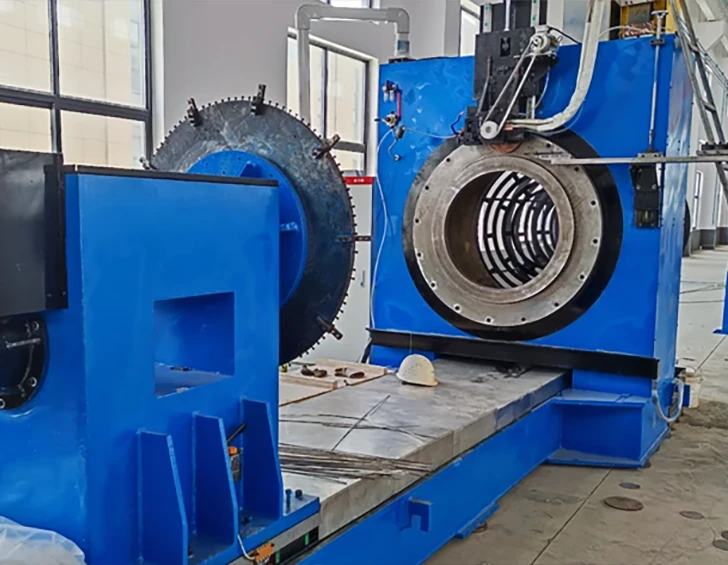
This structural integrity is achieved through precision welding, where the wrap wire is fused to support rods at exact intervals. For manufacturers like MUTO, this process requires rigorous control over the welding machinery to maintain slot consistency across lengths that can exceed several meters.
Critical Engineering Parameters Affecting Cost
When analyzing the cost of a wedge wire system, the primary driver is the precision of the slot size. Narrower slots require higher manufacturing tolerances and more stringent quality testing, which increases the overall production cost. For instance, a shift from a 1.0mm slot to a 0.75mm slot may seem marginal but requires higher precision in the drawing and welding phases.
Another critical factor is the collapse strength. In deep-well applications, screens must withstand immense external pressure. Increasing the collapse strength from 28 Bar to over 100 Bar involves increasing the diameter and thickness of the support rods and the wrap wire, directly impacting the amount of raw material used and the complexity of the weld.
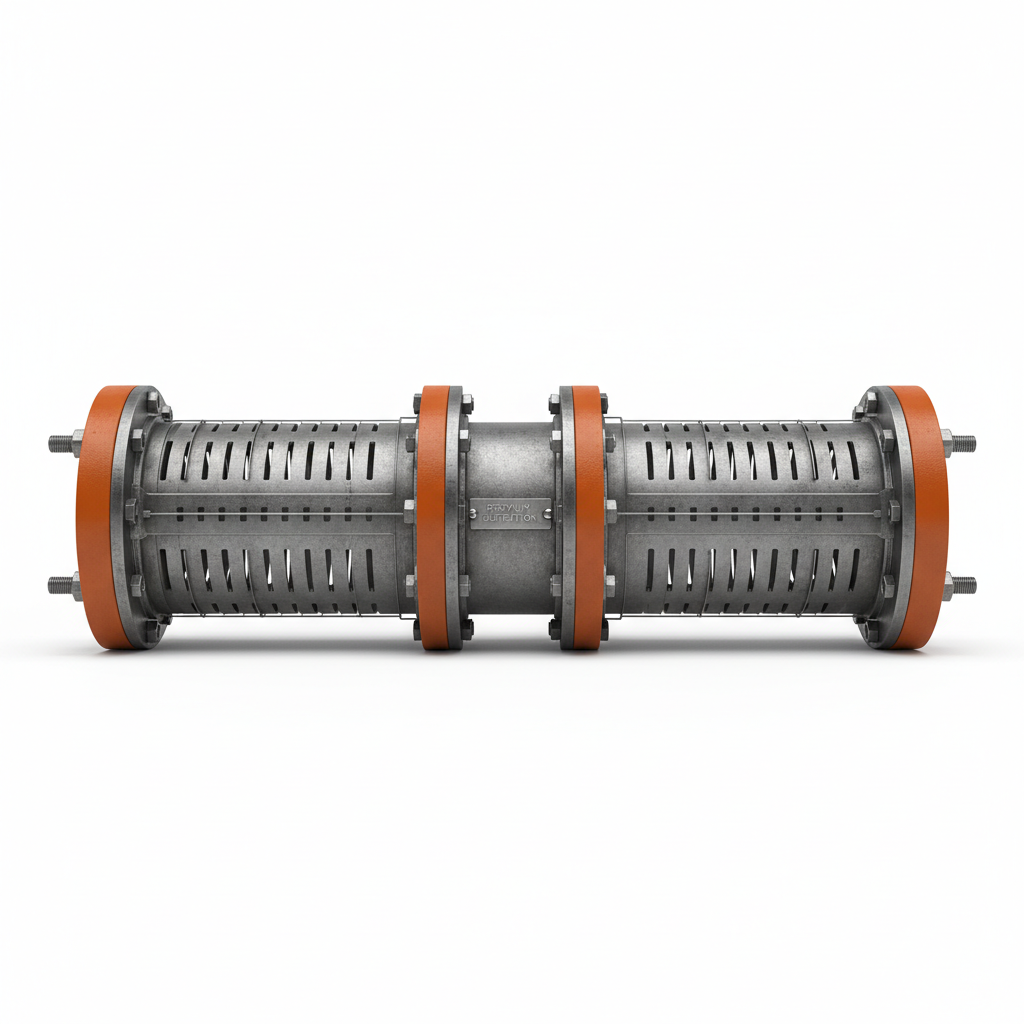
Finally, end connections—whether they are beveled ends for welding, thread couplings (STC, LTC, BTC), or flanges—add a layer of machining complexity. Specialized couplings for oil and gas production are often manufactured to strict API standards, which adds to the final procurement price.
Material Science and Durability Trade-offs
The choice between stainless steel and carbon steel is not merely a matter of budget but of chemical compatibility with the produced fluids. Stainless steel is the standard for corrosive environments, providing an oxide layer that prevents pitting and stress corrosion cracking in saline water or acidic oil fields.
The value of a wedge wire screen is measured by its resistance to erosion and collapse over time; utilizing high-strength alloys reduces the frequency of costly well interventions and extends the operational lifecycle of the extraction site.
Beyond basic material choice, the processing techniques—including drawing, bending, and precision welding—determine how the material performs under stress. Inconsistent welds can become failure points under tensile load, making the quality of the welding workshop a decisive factor in the product's reliability.
Quantifying Performance Value
Evaluating the cost-effectiveness of these screens requires a qualitative index that balances initial investment against performance metrics. Factors such as open area percentage, tensile strength, and slot precision create a value matrix. A screen with a higher collapse strength may have a higher initial price but offers a lower risk profile for high-pressure zones.
By analyzing the relationship between specifications (like O.D. and slot size) and their corresponding strength values, operators can determine the "sweet spot" where performance meets budget without compromising well integrity.
Figure 2. Performance-to-Cost Value Index
Deployment Scenarios and Operational Needs
In oil and gas production, whether onshore or offshore, these screens are deployed to manage sand production. In these settings, the primary goal is to protect downhole equipment from abrasive particulates, which can erode pumps and valves. The selection of slot size is based on the grain size distribution of the formation sand to ensure maximum flow while maintaining total sand control.
Conversely, in artesian wells or water injection reservoirs, the focus shifts to preventing clogging and maintaining well integrity over decades. Here, a balance between open area for high flow rates and structural strength to prevent collapse is the priority. The a-priori technical analysis of the reservoir is what ultimately dictates the specification and the resulting wedge wire screen price.
Evolution of Filtration Precision
The industry is moving toward higher precision and smarter manufacturing. The transition from basic manual welding to the use of advanced wedge wire screen welding machinery allows for tighter tolerances and better repeatability. This technological shift reduces the variance in slot size, which is critical for high-specification filtration.
Moreover, the integration of high-tech materials, such as specialized duplex stainless steels, allows screens to operate in increasingly harsh chemical environments. These advancements mean that modern screens can be lighter yet stronger, optimizing the weight-to-strength ratio for deep-sea deployments.
Future trends suggest a move toward "smart screens" that may eventually incorporate sensors to monitor flow and clogging in real-time, shifting the value proposition from a passive mechanical filter to an active monitoring component.
Selection Framework for Industrial Buyers
Choosing the right screen involves a trade-off between hydraulic efficiency and structural stability. A larger slot increases flow but allows more sand through; a thicker support rod increases strength but reduces the open area. Buyers must align these variables with their specific geological data.
Comparing different manufacturers requires a look beyond the quote. Evaluating the assembly process—specifically how impurities are removed and how the final product is tested—provides a better indication of long-term reliability than the initial price tag.
The following framework illustrates how typical specifications impact the relative suitability for different industrial applications.
| Parameter | Low Pressure/Clean Water | Standard Oil/Gas Well | High-Pressure Deep Well | Corrosive Environment |
|---|---|---|---|---|
| Material | Carbon Steel | Stainless Steel 304 | Stainless Steel 316L | Duplex/Super Alloy |
| Slot Size | Large (1.0mm+) | Medium (0.75-1.0mm) | Precise (0.5-0.75mm) | Variable/Precise |
| Collapse Strength | Low ( | Medium (30-60 Bar) | High (>100 Bar) | High |
| End Connection | Flange | Thread Coupling | BTC/LTC Premium | Specialized Weld |
| Primary Goal | Cost Efficiency | Sand Control | Structural Integrity | Chemical Stability |
| Value Driver | Unit Price | Flow Rate | Longevity | Failure Prevention |
Questions & Answers
The price is primarily driven by material grade (e.g., 316L vs. 304 stainless steel), the precision of the slot width, and the required collapse strength. Higher strength requires thicker support rods and more material, while tighter slots require more precise manufacturing and testing, increasing the labor and machinery costs.
Slot size selection should be based on a sieve analysis of the formation sand. The goal is to select a size that prevents the majority of the sand from entering the wellbore while maximizing the open area for fluid flow. Using a slot that is too large leads to sand production, while one that is too small causes plugging and reduced productivity.
In deep-well extraction, the external pressure from the earth and fluids can crush a screen if it lacks sufficient structural integrity. Collapse strength (measured in Bar) indicates the maximum pressure the screen can withstand before failing. A failure here typically requires an expensive well workover, making it a high-priority specification.
Carbon steel is cost-effective and strong but susceptible to corrosion and rust, making it suitable only for non-corrosive water wells. Stainless steel provides essential corrosion resistance for oil, gas, and saltwater environments, ensuring the screen does not degrade over years of exposure to harsh downhole fluids.
Yes, industrial manufacturers typically offer customization for length, outer diameter (O.D.), and end connections. Common connections include beveled ends for direct welding or various thread couplings like STC, LTC, and BTC to ensure a secure, leak-proof fit within the well casing.
The weld is the only point of connection between the wrap wire and the support rod. If the welding is inconsistent or contains impurities, the screen may lose its structural integrity under tensile or compressive loads. High-quality manufacturing ensures a clean, full-fusion weld that maintains slot precision and prevents wire detachment.
Final Thoughts
Evaluating a wedge wire screen price should never be a exercise in finding the lowest number, but rather in identifying the lowest risk. The intersection of material science, precise welding, and accurate slot sizing determines whether a screen will perform for decades or fail in months.
By focusing on a performance-based selection framework—prioritizing collapse strength and corrosion resistance based on actual geological data—operators can ensure that their investment protects their infrastructure and maximizes the productivity of the resource.