
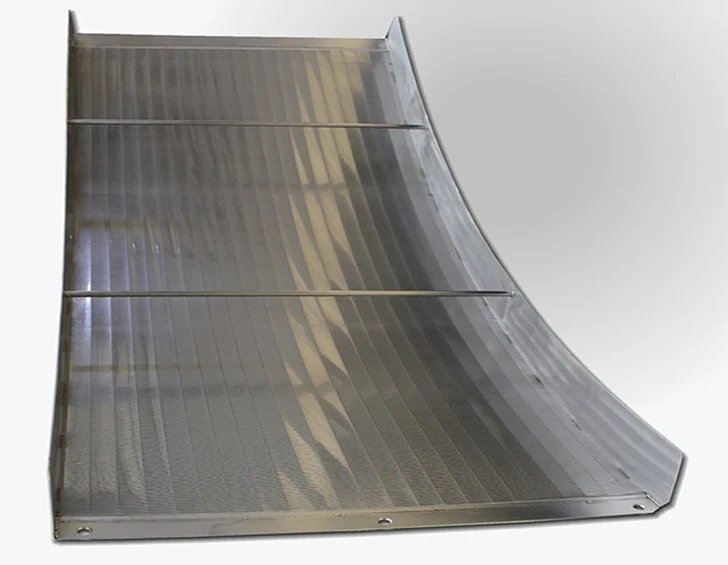
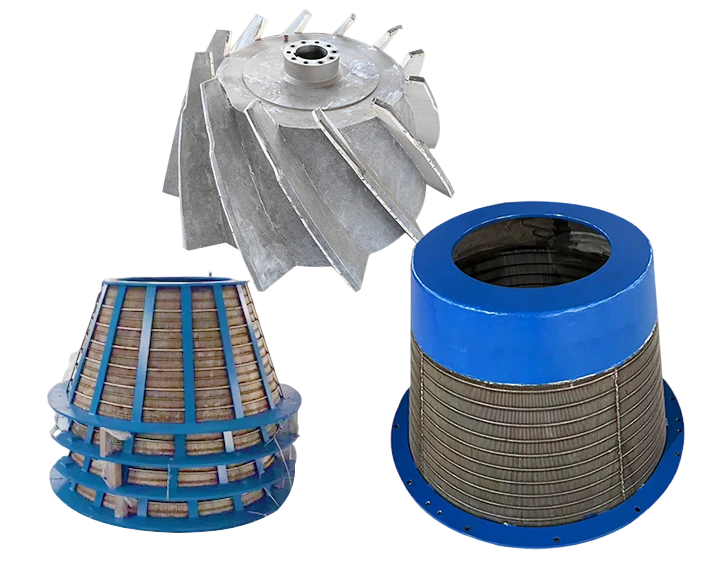
Top Coanda Screen Manufacturers for Centrifugal Solids Discharge
Managing the discharge of separated materials in centrifugal separation processes often presents a significant operational challenge, particularly when dealing with dense solids that tend to accumulate. The scraper centrifuge unloader is specifically engineered to address this by providing a mechanical means of continuous solids removal, ensuring that centrifugal machines, such as cyclones or centrifuges, operate at peak efficiency without frequent interruptions. By integrating a precise scraping mechanism, this equipment prevents clogging and facilitates a streamlined transition of separated materials from the bowl to the discharge outlet.
For industries relying on precise density-based separation, the choice of coanda screen manufacturers and associated unloading equipment is critical. Whether applied in gold mining, wastewater treatment, or chemical manufacturing, the ability to maintain a continuous flow of clarified liquid while efficiently removing settled solids directly impacts production uptime and maintenance costs. Understanding the synergy between sedimentation and centrifugal force is key to optimizing these industrial filtration and separation systems.

The Mechanical Logic of Centrifugal Solids Discharge
The primary objective of a scraper centrifuge unloader is to automate the removal of accumulated solids from the periphery of a centrifugal bowl. In typical separation processes, centrifugal force drives denser particles toward the bowl wall, where they form a cake or sediment layer. If left unattended, this layer restricts the volume of the bowl and interferes with the flow of the clarified liquid, eventually leading to system failure or required downtime for manual cleaning.
The unloader solves this through a mechanical scraper mechanism that continuously traverses the inner wall of the bowl. As the scraper moves, it shears the settled solids and directs them toward a dedicated discharge port. This process occurs while the machine is in operation, allowing for continuous processing rather than batch-mode operation. This is particularly vital in mineral extraction, where the volume of processed slurry is high and any stop in production results in significant economic loss.
From a technical standpoint, the efficiency of the unloader depends on the precision of the scraper's contact with the bowl wall. Any gap can lead to material buildup, while excessive pressure can cause premature wear on the stainless steel surfaces. Engineering these components requires a deep understanding of material friction and the rheological properties of the separated solids, ensuring that the mechanism can handle everything from fine gold concentrates to coarse chemical precipitates.

Material Integrity and Corrosion Resistance in Separation Equipment
Given that centrifuge unloaders are frequently deployed in harsh environments—such as the acidic conditions of chemical plants or the abrasive slurries of gold mining—material selection is the cornerstone of equipment longevity. Most high-performance unloaders are constructed from stainless steel (SS304 or SS316). These materials provide the necessary corrosion resistance to prevent oxidation and contamination of the processed materials, ensuring that the equipment survives years of exposure to moisture and corrosive agents.
The durability of the scraping blade is particularly important. Because it is in constant contact with the bowl wall, the blade must possess a balance of hardness and flexibility. In highly abrasive applications, specialized alloys or coatings may be applied to the contact edges to reduce wear rates. This focus on material science ensures that the equipment maintains its precise tolerances over time, preventing the "leakage" of solids back into the clarified liquid stream.
Beyond the materials, the assembly process is a critical quality control point. To maintain the screening and separation effect, all foreign bodies, such as screws or cotton wool from the manufacturing process, must be thoroughly removed. Precision control over the size and fit of individual components during assembly ensures that the mechanical scraper operates smoothly without vibration, which could otherwise lead to structural fatigue of the centrifuge bowl.
Industrial Application Scenarios and Process Integration
The versatility of the scraper centrifuge unloader makes it indispensable across several heavy-industry sectors. In mineral extraction and gold mining, it is used to handle the heavy concentrates separated from the ore slurry. The continuous discharge capability allows mining operations to process thousands of tons of material without stopping for bowl cleaning, significantly increasing the daily yield.
In wastewater treatment and food processing, the focus shifts toward purity and hygiene. Here, the unloader manages the removal of organic sludge or separated food particles. The use of high-grade stainless steel ensures compliance with sanitary standards, while the automated discharge minimizes human contact with the waste material, improving overall plant safety and hygiene.
Integrating an unloader into an existing process requires a careful analysis of the solids' characteristics. For instance, if the separated material is highly viscous, the scraper mechanism may need a higher torque motor to ensure effective removal. Conversely, for very fine particles, the overflow weir for liquid discharge must be precisely adjusted to prevent "carry-over," where solids are accidentally discharged along with the clarified liquid. This level of customization is why partnering with experienced coanda screen manufacturers and filtration solution providers is essential for operational success.
Technical Specification and Selection Framework
| Specification Parameter | Typical Range / Material | Operational Impact | Selection Priority |
|---|---|---|---|
| Bowl Diameter | 300 mm to 1200 mm+ | Determines processing volume | High (Capacity based) |
| Construction Material | SS304 / SS316 Stainless Steel | Corrosion and wear resistance | Critical (Chemical based) |
| Solids Removal Method | Mechanical Scraper Mechanism | Prevents clogging/downtime | Essential for Continuous Ops |
| Liquid Discharge | Overflow Weir / Adj. Outlet | Controls liquid clarity | Medium (Process based) |
| Operational Mode | Continuous Sedimentation | Maximizes throughput | High (Efficiency based) |
Evaluating Supplier Capabilities for Separation Systems
When procuring centrifuge unloading equipment, buyers must look beyond the basic specifications and evaluate the manufacturer's end-to-end solution capability. A qualified supplier should not only be an equipment manufacturer but a filtration solution provider capable of project consultancy and feasibility analysis. This ensures that the equipment model selected is perfectly matched to the specific density and volume of the materials being processed.
Key indicators of a reliable manufacturer include their R&D capacity and patent portfolio. For example, companies that hold patents in screen welding and filtration technology are more likely to produce equipment with superior structural integrity. The welding process, in particular, is a critical point of failure; precise welding ensures that the bowl and scraper assembly can withstand the immense centrifugal forces without developing stress cracks.
Furthermore, the availability of comprehensive after-sales support is a decisive factor. Industrial equipment in mining or chemical plants operates 24/7, meaning that any part failure can be catastrophic. Suppliers providing a structured warranty (typically ranging from 3 to 12 months for screens and one year for machinery), along with on-site diagnosis and spare parts supply, offer the security required for large-scale industrial investments.
Future Trends in Automated Solids Handling
The industry is moving toward "smart" filtration and separation, where sensor integration allows for real-time monitoring of solids accumulation. Future iterations of scraper unloaders are likely to incorporate torque sensors that can detect the thickness of the sediment layer and automatically adjust the scraper speed. This "demand-based" scraping reduces unnecessary wear on the bowl wall and optimizes energy consumption.
Additionally, there is a growing trend toward the use of advanced synthetic materials and plastics in non-corrosive, low-abrasion environments to reduce the overall weight of the equipment and lower costs. However, for the majority of heavy-industrial applications, the reliance on precision-engineered stainless steel remains the gold standard due to its unmatched durability and structural stability.
For procurement managers, the goal is to transition from simply buying a "part" to investing in a "process." This means selecting equipment that can be easily integrated into an automated PLC (Programmable Logic Controller) system, allowing the centrifuge unloader to communicate with other stages of the production line. This systemic approach reduces human error and ensures that the separation process remains optimized regardless of fluctuations in raw material quality.
Frequently Asked Questions About Centrifuge Unloaders
What is the primary purpose of a scraper centrifuge unloader?
Its primary function is to efficiently discharge settled solids from centrifugal machines like cyclones or centrifuges. It uses a mechanical scraper to prevent material buildup on the bowl walls, which minimizes downtime caused by clogging and ensures continuous operation.
Which materials are most suitable for these unloaders?
Stainless steel, specifically grades SS304 and SS316, is most commonly used due to its excellent corrosion resistance and durability. In some specialized cases, synthetic materials or plastics may be used depending on the chemical nature of the processed material.
In which industries are these unloading systems typically used?
They are widely utilized in gold mining, coal preparation, and other mineral extraction processes. They are also essential in wastewater treatment, food processing, and chemical manufacturing where density-based separation is required.
How does the unloader affect the clarified liquid discharge?
The unloader ensures that solids do not obstruct the liquid flow. Clarified liquid is discharged continuously through an overflow weir or an adjustable outlet, while the scraper handles the solids, keeping the two streams separate and efficient.
What should I consider when choosing a manufacturer for this equipment?
Look for a provider that offers complete services including project consultancy, process design, and equipment model selection. Check for their manufacturing expertise in precision welding and their ability to provide on-site technical support and spare parts.
Can the bowl diameter be customized for specific needs?
Yes, bowl diameters typically range from 300 mm to 1200 mm or more. The size is selected based on the required processing volume and the specific application requirements of the facility.
Technical References
- Industrial Centrifuge Unloader Technical Guide
- Principles of Industrial Screening and Separation
- Research on Centrifugal Sedimentation Dynamics
- International Standards for Pressure Vessel and Centrifuge Design
Selecting the right discharge system is critical to maintaining the efficiency of your separation process. By focusing on material quality, precise mechanical engineering, and comprehensive supplier support, you can ensure maximum uptime and optimal solids recovery for your industrial operations.
Related Articles