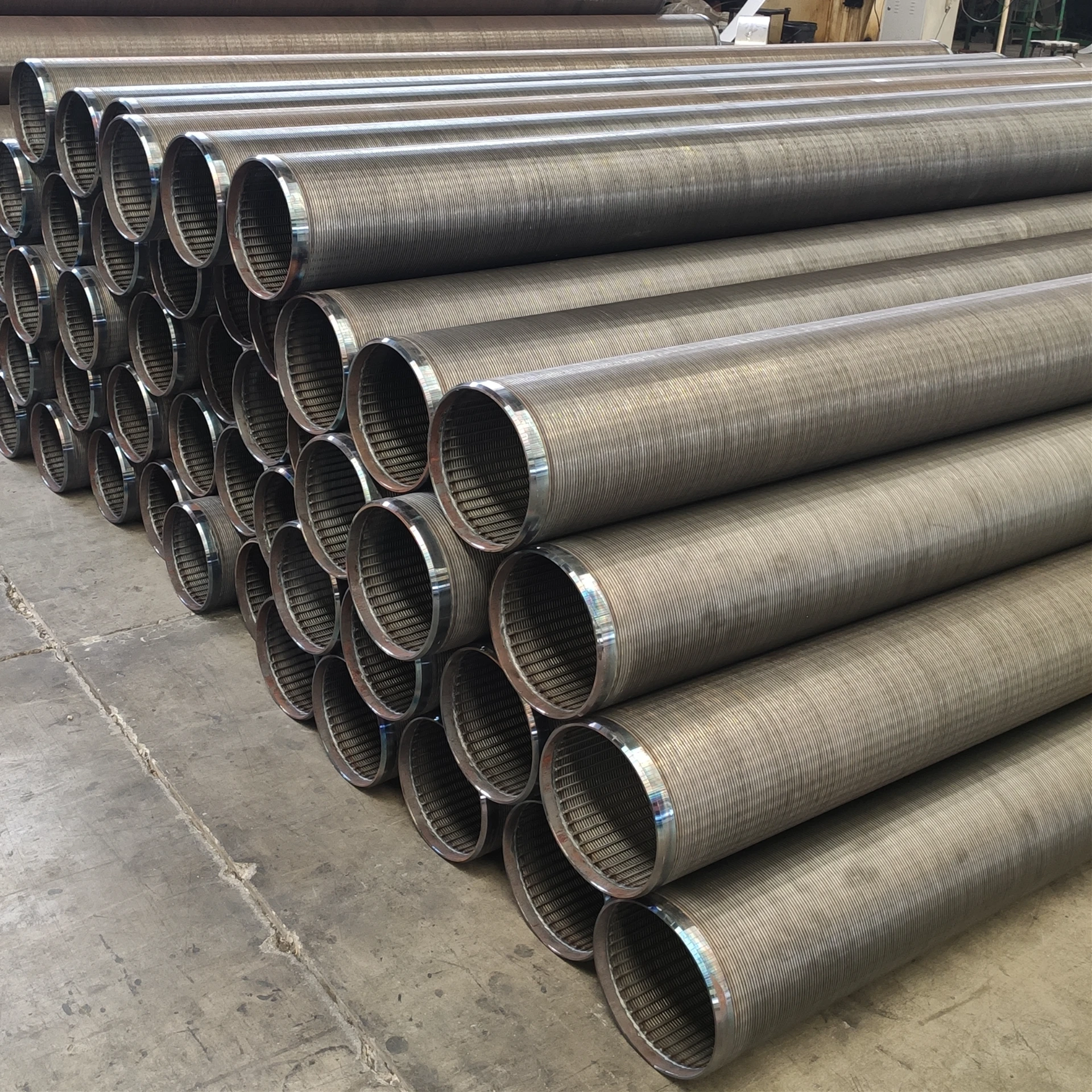
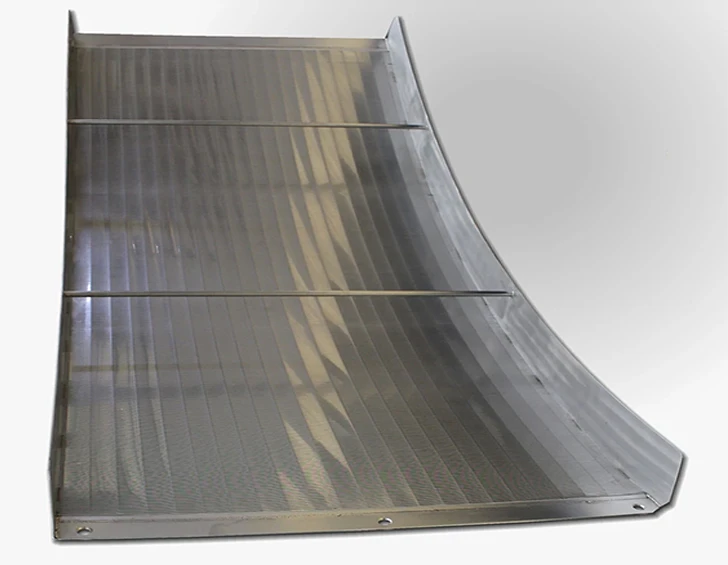
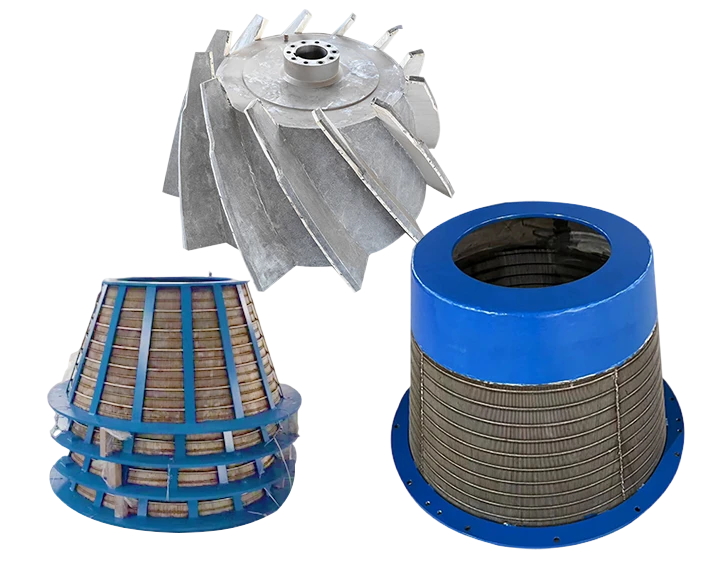
Cylindrical wedge wire screens represent a crucial component in numerous industrial and environmental applications globally. Their unique design—a series of V-shaped wires wrapped around a cylindrical form—provides unparalleled strength, precision, and flow characteristics. This makes them ideal for filtering, separation, and support in diverse fields ranging from water well construction and beverage processing to oil and gas extraction and even architectural applications. Understanding the intricacies of these screens is paramount for engineers, environmental scientists, and industry professionals seeking optimized performance and cost-effective solutions.
The global demand for efficient and reliable filtration and separation technologies is continually increasing, driven by factors such as growing populations, stricter environmental regulations, and the need for resource optimization. Cylindrical wedge wire screens directly address these challenges by offering a robust and adaptable solution. They have become indispensable in processes requiring high flow rates, minimal plugging, and long-term durability. cylindrical wedge wire screens are not merely a product, but an enabling technology for sustainable industrial practices.
The increasing need for sustainable water management and efficient resource recovery further underscores the importance of cylindrical wedge wire screens. They are integral to the development of innovative technologies, contributing to a more sustainable and resource-conscious future, and playing an important role in various industries.
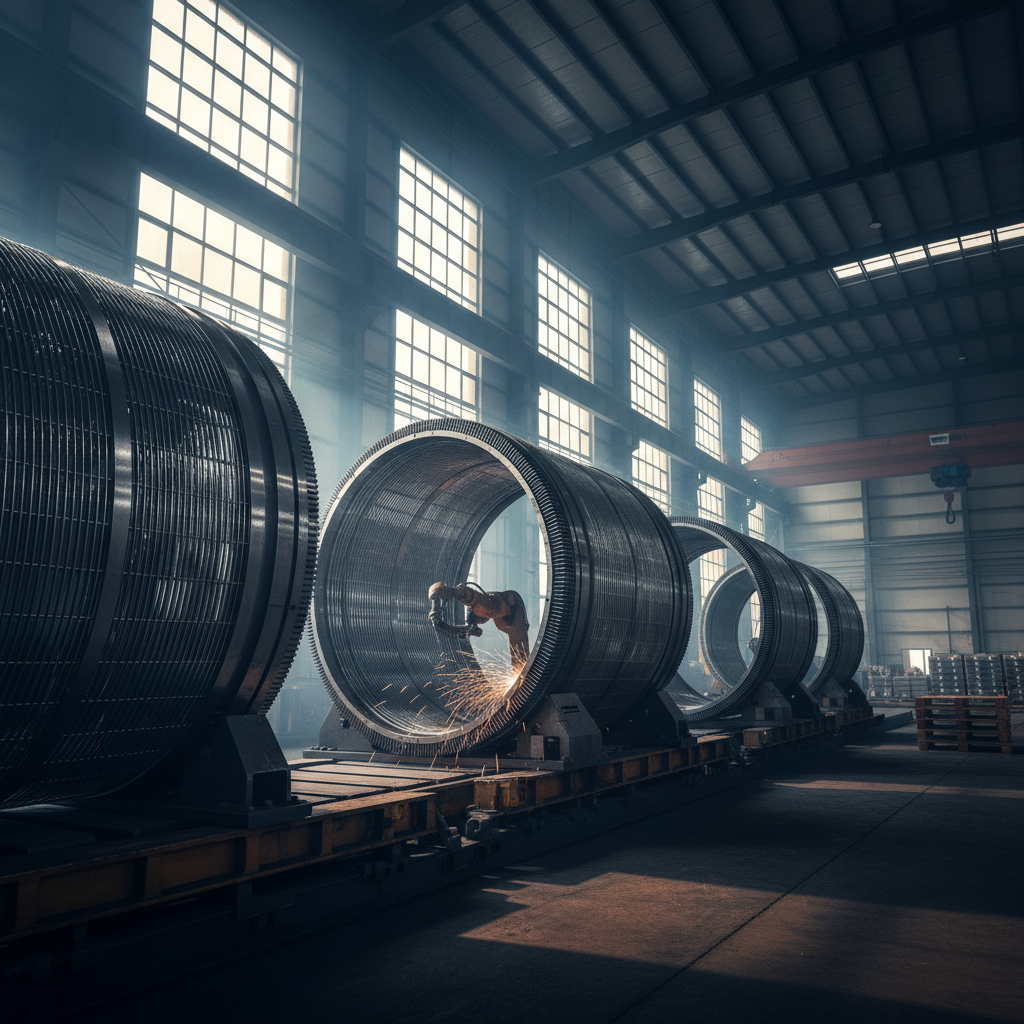
Introduction to Cylindrical Wedge Wire Screens
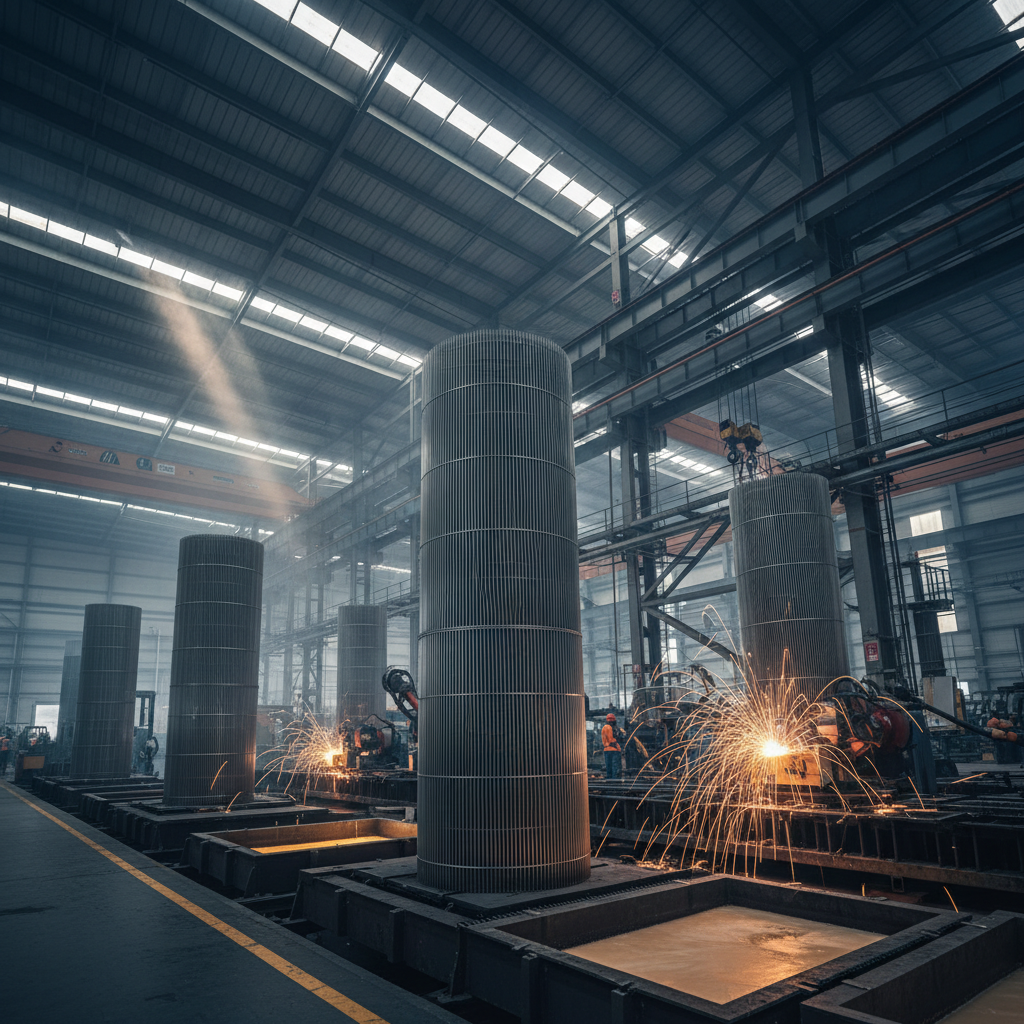
Cylindrical wedge wire screens are a critical filtration and separation solution employed across a diverse range of industries. Their construction involves precisely angled wires that create a continuous slot opening, ensuring consistent and reliable performance. These screens are preferred over woven mesh alternatives due to their non-clogging nature and ability to handle high volumes of fluid or particulate matter. cylindrical wedge wire screens are engineered for longevity and efficiency.
The demand for these screens is particularly high in applications where maintaining process integrity and minimizing downtime are paramount. From large-scale water treatment facilities to specialized industrial processes, the ability of cylindrical wedge wire screens to consistently deliver reliable separation makes them an invaluable asset for operations worldwide.
FAQS
Cylindrical wedge wire screens are predominantly constructed from 304 and 316L stainless steel due to their excellent corrosion resistance, strength, and durability. However, other materials like Hastelloy, Monel, and titanium are employed for highly corrosive environments or specialized applications requiring unique properties. Material selection depends on the fluid being filtered, temperature, and pressure conditions.
Determining the correct slot size is crucial for optimal performance. It depends on the particle size distribution of the solids you're separating. The slot size should be slightly smaller than the smallest particle you want to retain, while still allowing for sufficient flow. Particle size analysis, along with consideration of fluid viscosity and pressure drop, are essential for accurate selection. Consulting with a screen manufacturer is highly recommended.
The lifespan of a cylindrical wedge wire screen varies significantly based on the application, operating conditions, and maintenance practices. Generally, they can last for 5-15 years or even longer with proper care. Regular cleaning, inspection for wear and tear, and timely replacement of damaged components are key to maximizing lifespan. Harsh environments will shorten the lifespan.
Yes, most cylindrical wedge wire screens are designed to be cleaned in place (CIP) using various cleaning agents and techniques. This minimizes downtime and reduces the need for manual cleaning. However, the compatibility of the cleaning agent with the screen material must be verified to prevent corrosion or damage. CIP procedures should follow manufacturer guidelines.
Wedge wire screens offer several advantages over woven mesh. They have a continuous, V-shaped slot opening that resists clogging, providing higher flow rates and more consistent performance. Woven mesh screens have individual wire intersections that can trap particles. Wedge wire screens are also generally more durable and can handle higher pressures. However, woven mesh may be more cost-effective for certain basic filtration applications.
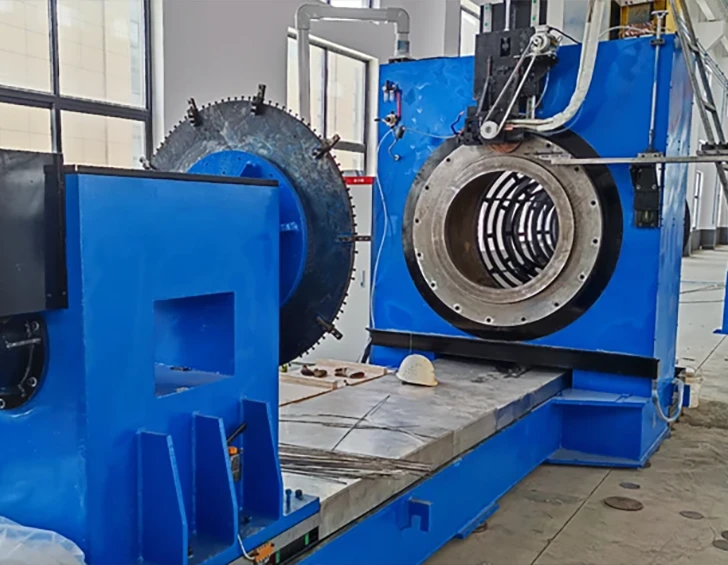
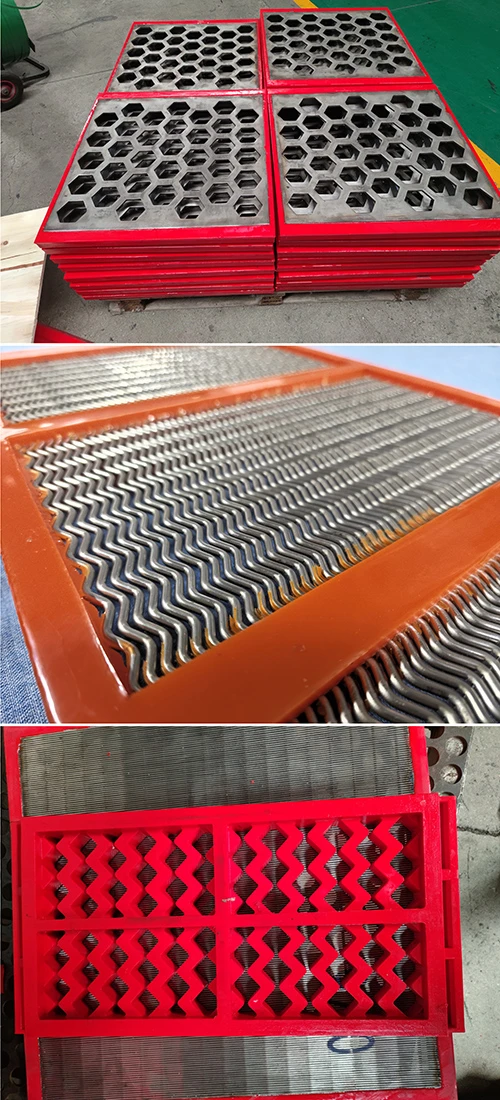
Cylindrical wedge wire screens can be highly customized to meet specific application requirements. Customization options include slot size, wire profile, screen diameter, length, material, and end connections. Manufacturers can also fabricate screens with specialized features like support rods, cages, or integrated cleaning systems. These screens can be tailored to integrate seamlessly into existing systems.
Conclusion
Cylindrical wedge wire screens represent a critical technology for diverse industrial and environmental applications. Their durability, efficiency, and customization options make them an invaluable asset for filtering, separating, and supporting processes worldwide. Understanding their characteristics and applications is crucial for engineers, scientists, and professionals seeking optimized solutions.
Looking ahead, continued innovation in materials, manufacturing, and monitoring technologies will further enhance the performance and sustainability of these screens. Investing in quality cylindrical wedge wire screens ensures long-term reliability, reduced operational costs, and a commitment to environmental responsibility. For advanced filtration solutions, visit our website: https://www.mutoscreen.com.
Related Posts
-
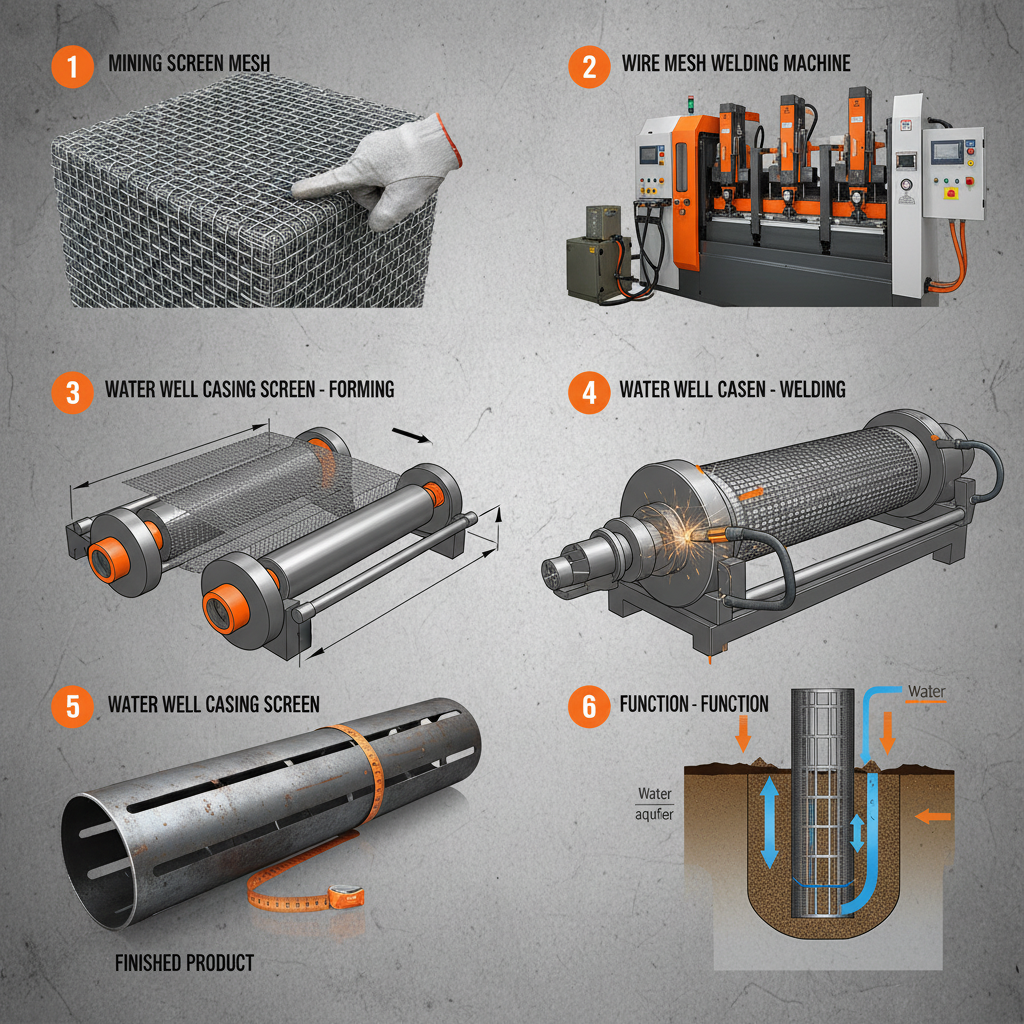
The Importance of a Quality Water Well Casing Screen for Reliable Water Sources
-
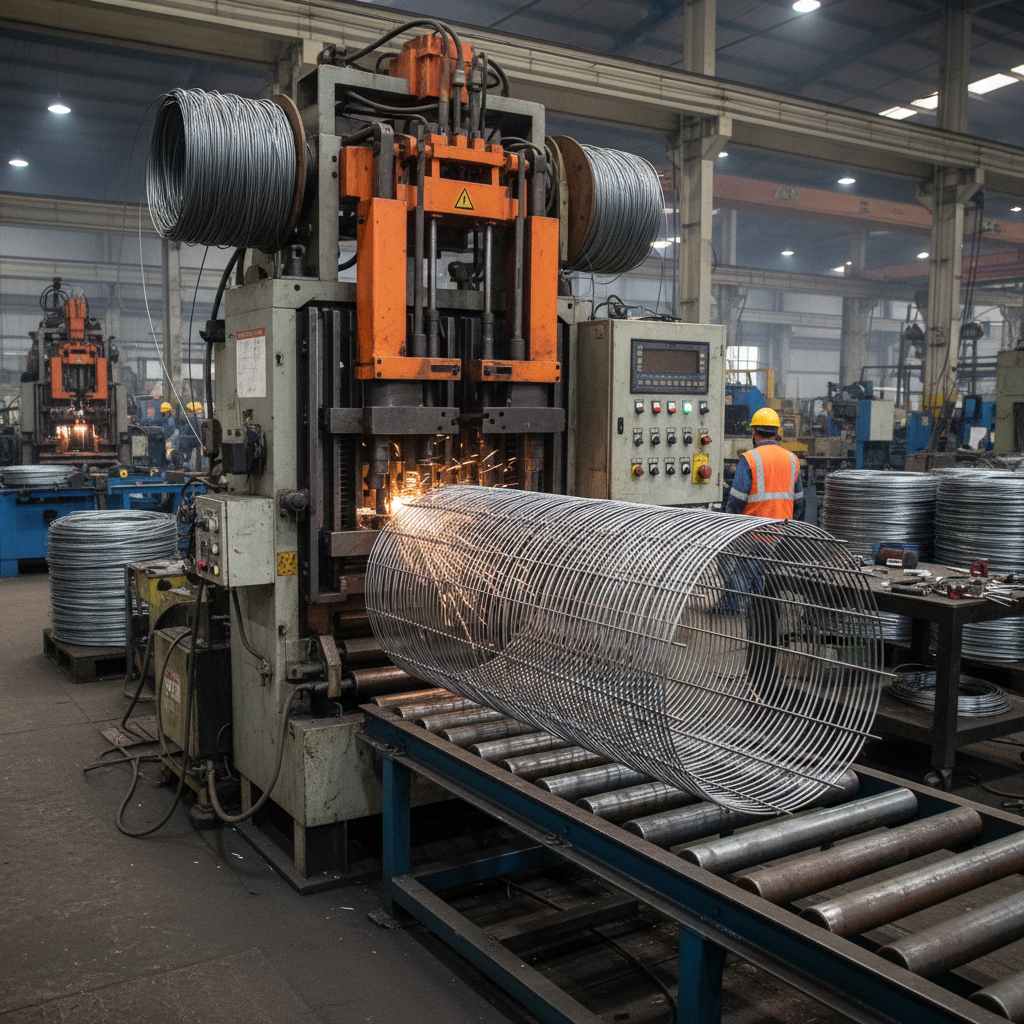
High Performance 1 1 4 well screen for Groundwater Extraction
-
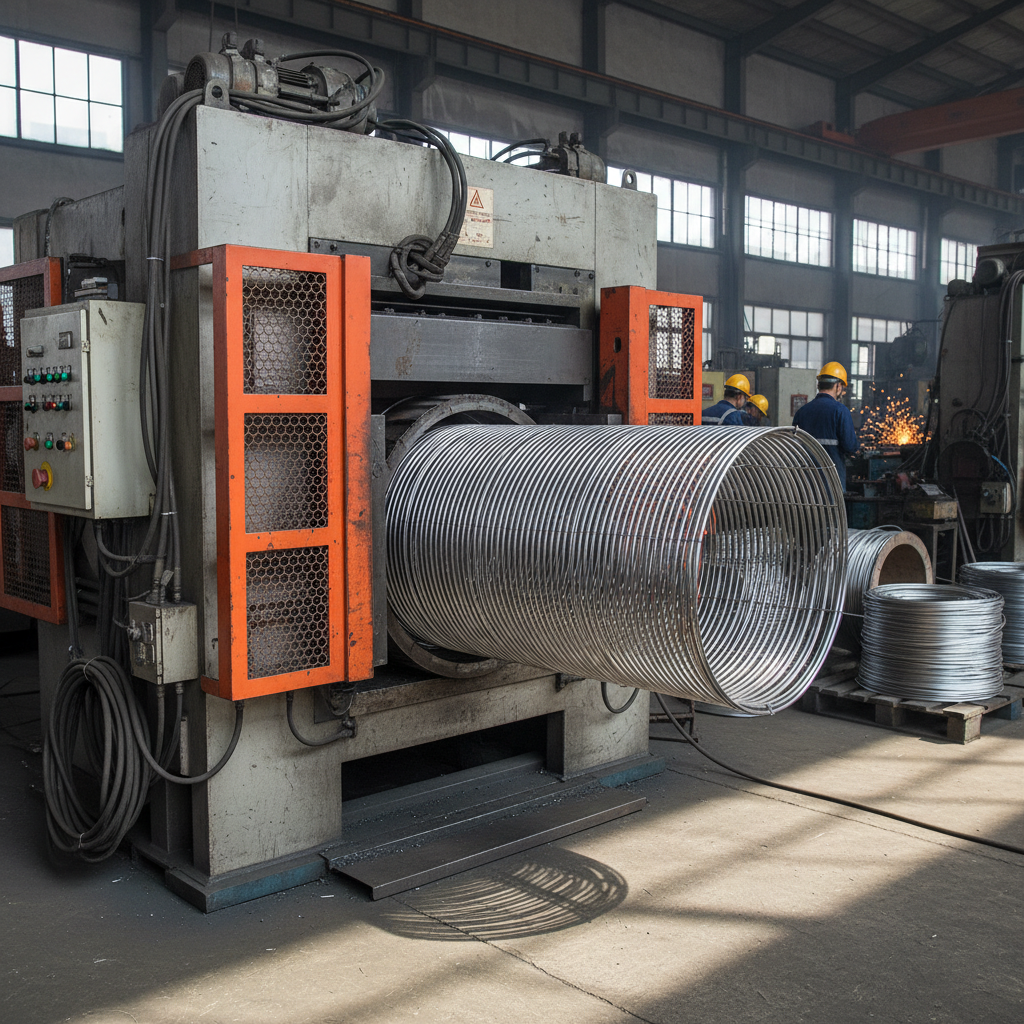
Optimizing Water Extraction with High Performance Stainless Steel Well Screen Solutions
-
Leading Wedge Wire Screen Manufacturers for Efficient Filtration Solutions