Look, after years spent knee-deep in mud and dust on construction sites, you learn what really matters. And when it comes to water wells, that's the screen. It's not glamorous, it's not the fancy pump, but a quality water well casing screen is the backbone of a reliable water source. We're talking about protecting your investment, ensuring clean water, and avoiding headaches down the road. It’s the one thing you don’t want to cut corners on. Too many times, I've seen projects delayed, budgets blown, and water quality compromised because someone skimped on the screen. It's the silent workhorse, doing its job under the surface.
It's also a surprisingly complex piece of engineering. It's not just about throwing some metal in a hole. We're talking about pore size, open area, structural integrity, and material compatibility. Different geological formations demand different screen designs. And knowing what works, and why it works, can mean the difference between a well that lasts for decades and one that clogs up in a few years. I’ve seen projects where the wrong screen was used, and sand started flowing in, reducing pump efficiency and contaminating the water. It’s a costly lesson.
What I’ve found is that people don’t always understand the long-term implications of their choices. They see the upfront cost of a water well casing screen and think they can save money with a cheaper option. But the cost of repairs, downtime, and potential water contamination far outweighs the initial savings. That’s why I’m always pushing for quality, even if it means a little more upfront investment.
The Critical Role of water well casing screen
You see it all the time – a new well drilled, a pump installed, but the long-term performance is totally dependent on that water well casing screen. It's the barrier between your clean water source and the surrounding soil and gravel. Without a properly designed and installed screen, you're asking for trouble. From sediment intrusion to well collapse, the consequences can be severe and expensive to fix.
I've learned the hard way that a little extra time and money spent on the screen upfront can save a whole lot of headaches down the line. It’s about preventing problems before they start. That's the philosophy I bring to every site, and it’s why I always recommend a thorough assessment of the geological conditions and a careful selection of the appropriate screen design.
Understanding Water Well Casing Screen
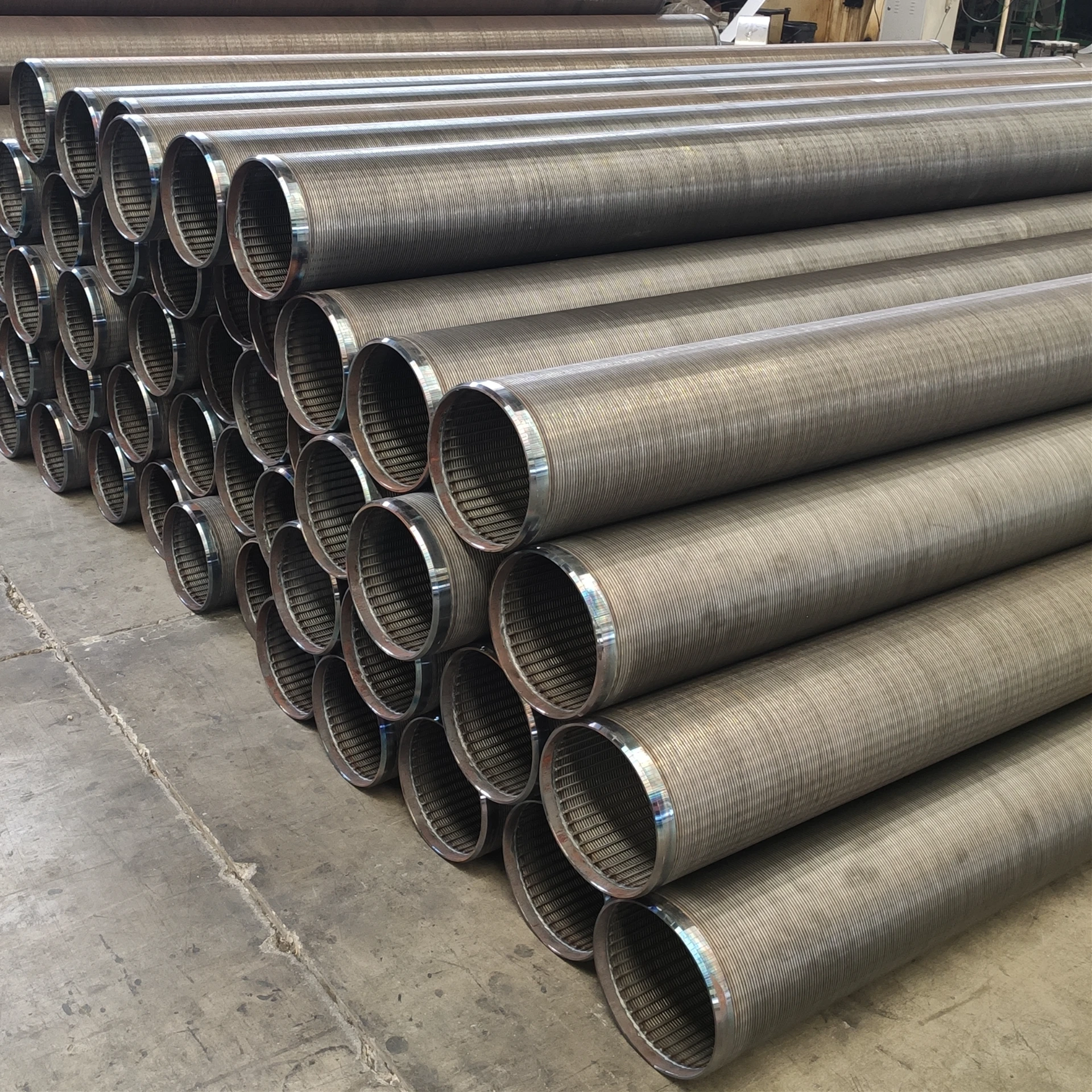
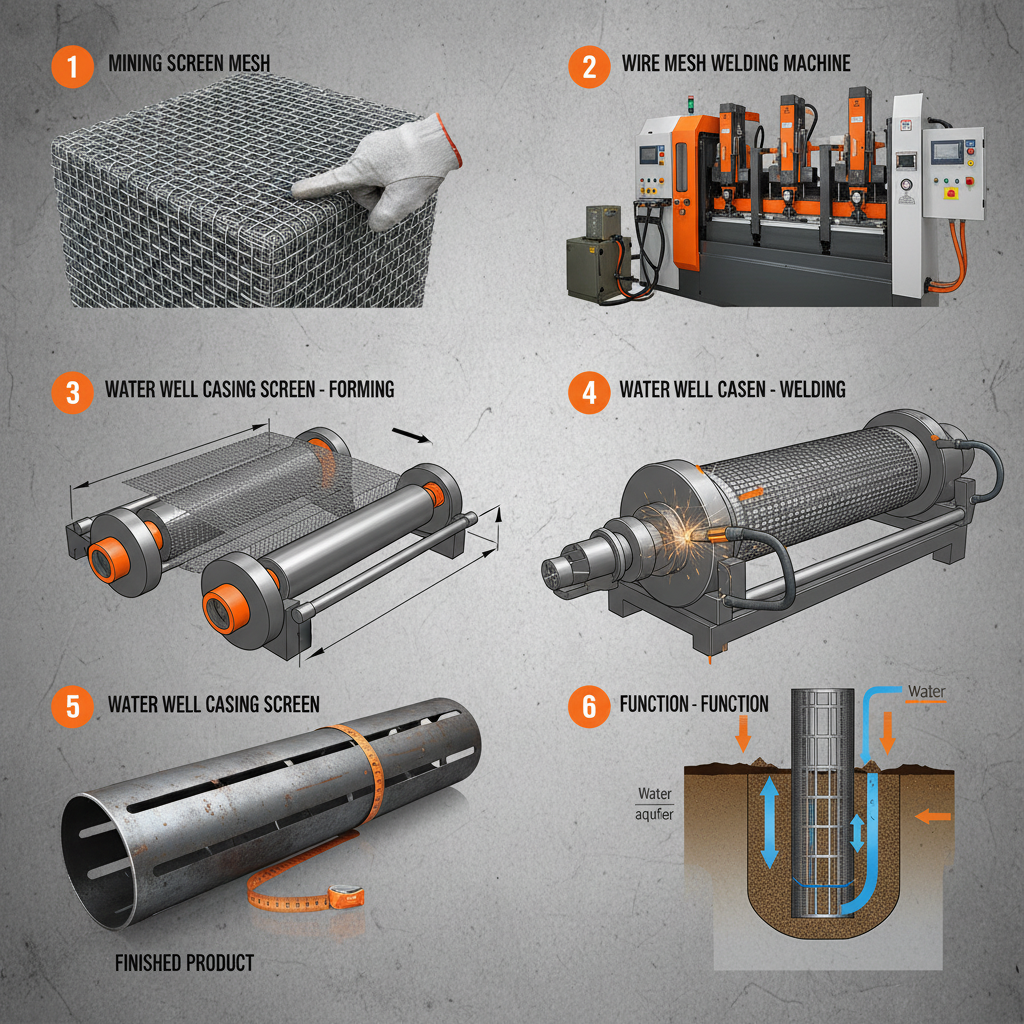
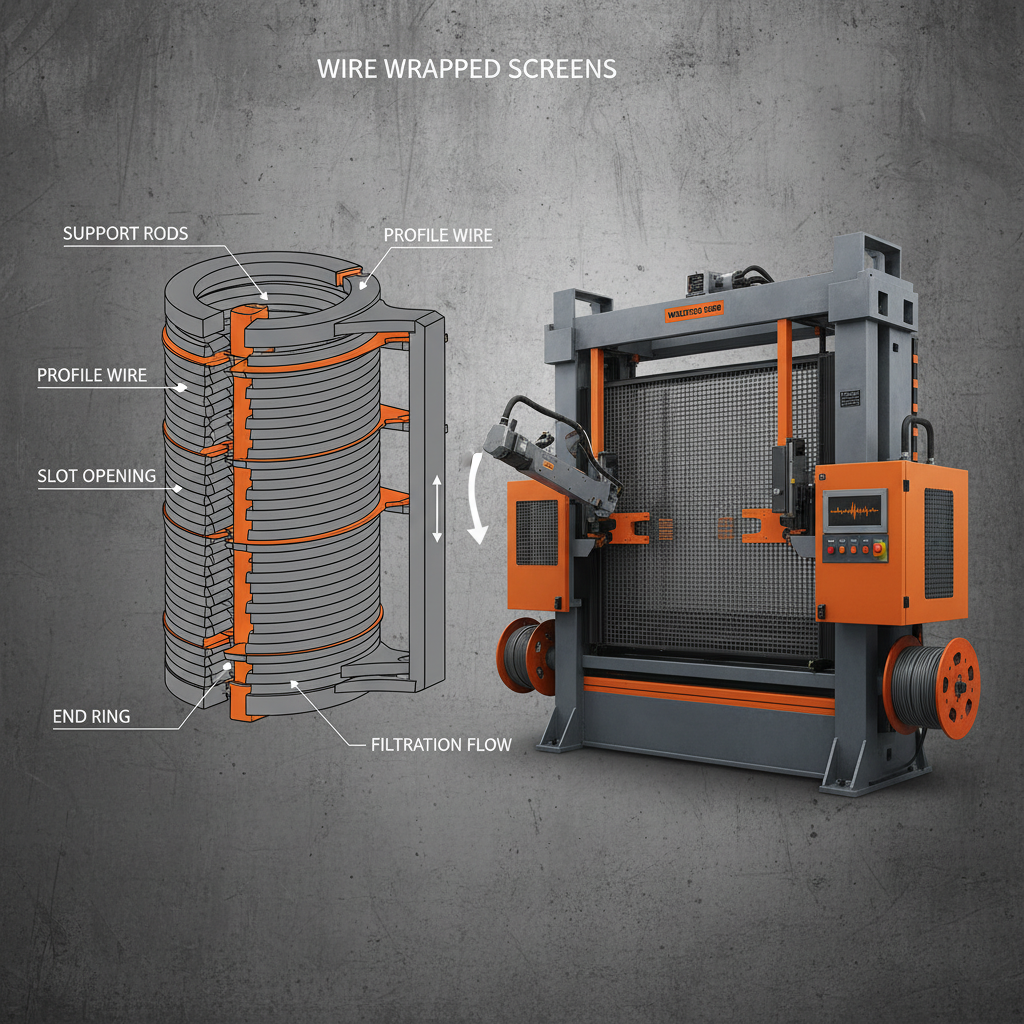
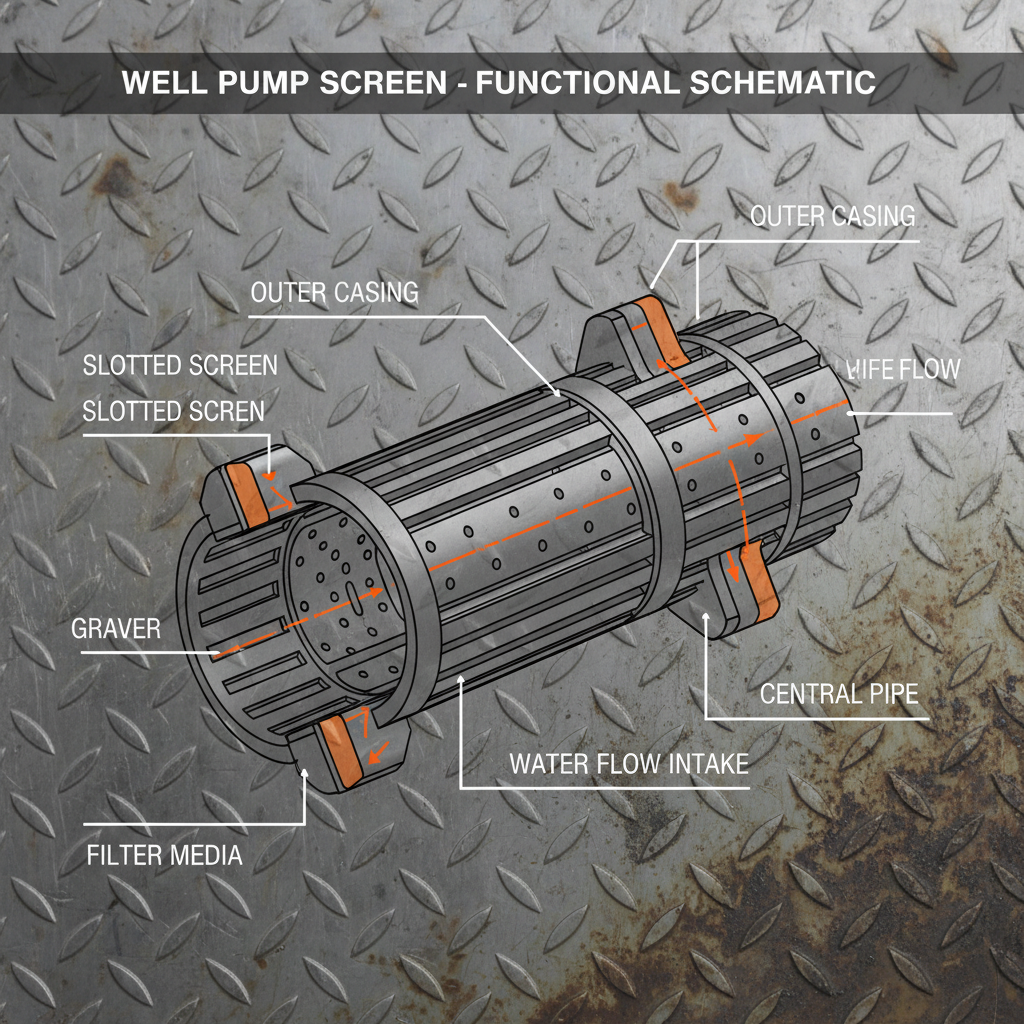
Simply put, a water well casing screen is a filter installed around the well casing. It's designed to allow water to enter the well while keeping out sand, gravel, and other debris. It’s a relatively simple concept, but the execution is where things get tricky. It’s about finding the right balance between allowing sufficient water flow and preventing sediment from entering the well.
The screen is crucial for maintaining water quality and preventing damage to the pump. A clogged screen leads to reduced well yield, increased pumping costs, and potentially premature pump failure. It’s a vital component of a sustainable water supply, especially in areas with challenging geological conditions.
From a practical standpoint, think of it like this: the screen is the gatekeeper of your well. It’s the first line of defense against anything that could compromise the quality and longevity of your water source. And just like any gatekeeper, it needs to be strong, reliable, and well-suited to the environment it’s protecting.
Key Factors in Water Well Casing Screen Design
Durability is paramount. These screens are subjected to constant pressure, corrosion, and abrasion. That's why material selection is so critical. Stainless steel is the go-to for most applications, but even within stainless steel, there are different grades with varying levels of corrosion resistance. I’ve seen galvanized steel screens corrode within a few years, creating a mess and requiring costly replacements.
Pore size is another huge factor. Too large, and you'll get sand and sediment flowing into the well. Too small, and the screen will clog up quickly, reducing well yield. The ideal pore size depends on the grain size distribution of the surrounding aquifer. It's a delicate balance that requires careful analysis. We do sieve analysis of the formation samples to get the right slot size.
Open area is also vital. The more open area the screen has, the less friction there will be to water flow. This translates to lower pumping costs and a more efficient well. But increasing open area can also reduce the structural integrity of the screen, so it's another trade-off that needs to be carefully considered. It’s all about maximizing efficiency without compromising strength.
Global Applications of Water Well Casing Screen
You’ll find water well casing screen in use practically everywhere there’s a need for groundwater. In arid regions of Africa and the Middle East, they're essential for providing access to safe drinking water. I’ve worked on projects in remote villages where a reliable well is literally the difference between life and death.
In agricultural areas like California's Central Valley, they are used to irrigate crops and support large-scale farming operations. The demand is high, and the screens need to be robust enough to handle constant use and varying water qualities.
And it’s not just developing countries. Even here in the States, we're using them for everything from municipal water supplies to private residential wells. From the plains of Kansas to the mountains of Colorado, a well-designed screen is critical for accessing this vital resource.
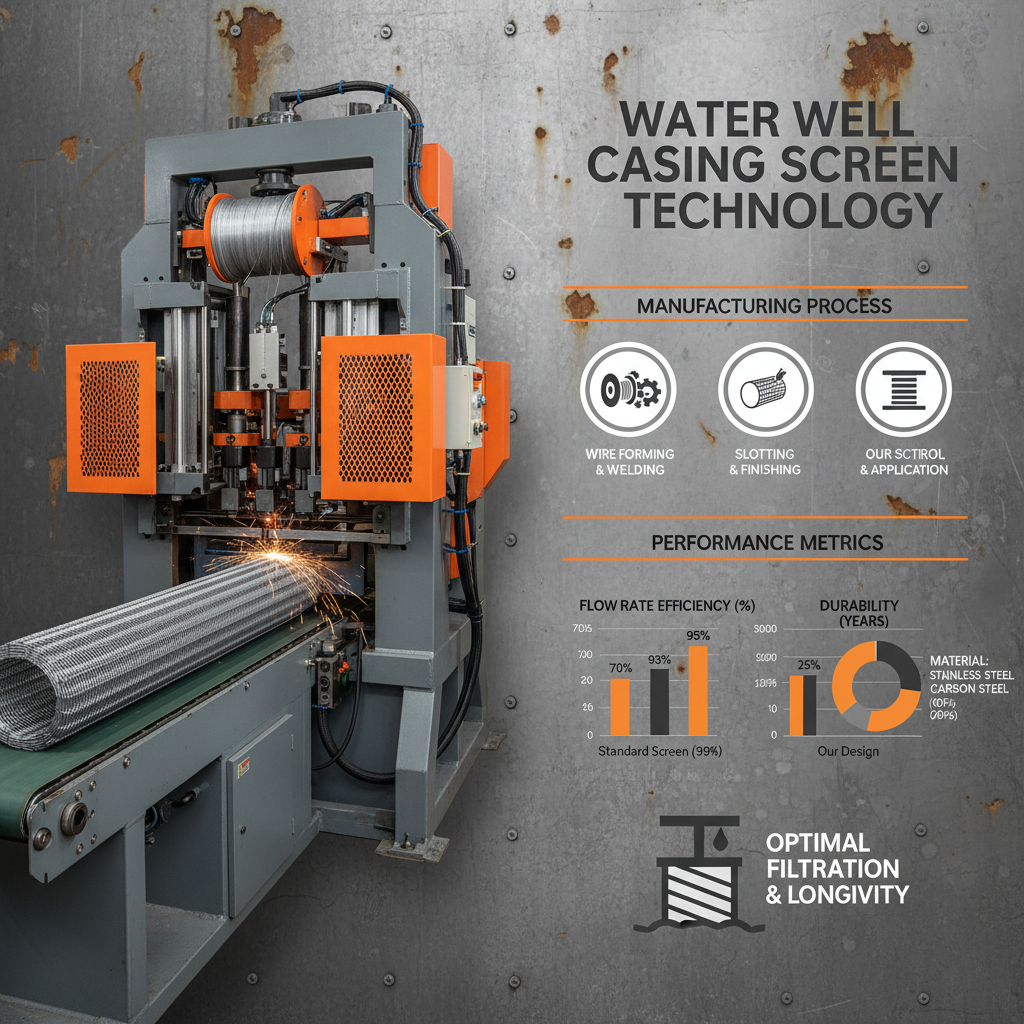
Water Well Casing Screen Performance Comparison
Advantages and Long-Term Value
The biggest advantage? Peace of mind. Knowing you’ve got a robust, reliable screen in place means you can focus on other things. It translates to lower maintenance costs, reduced downtime, and a consistent water supply. These are things that directly impact the bottom line.
Beyond the financial benefits, there’s the social impact. Access to clean water is a fundamental human right, and a well-functioning well with a quality water well casing screen contributes to the health and well-being of communities. It’s something you can be proud of.
Future Trends in Water Well Casing Screen Technology
We’re seeing a move towards more sustainable materials and manufacturing processes. There’s a lot of interest in using recycled plastics and bio-based polymers in screen construction. It’s not quite mainstream yet, but the demand is growing.
Another trend is the development of self-cleaning screens. These screens are designed to prevent clogging by automatically removing sediment buildup. It’s a game-changer for wells in areas with high sediment loads.
Challenges and Solutions in Water Well Casing Screen Implementation
One of the biggest challenges is dealing with complex geological formations. Sometimes you encounter layers of sand, gravel, and clay, and designing a screen that can effectively filter water in those conditions is tricky. It requires a thorough understanding of the hydrogeology.
Another challenge is installation. A poorly installed screen is just as bad as a poorly designed one. That’s why it’s important to work with experienced contractors who understand the nuances of well construction. We’ve seen issues with screens being damaged during installation, which compromises their performance.
The solution? More collaboration. Engineers, geologists, and contractors need to work together to ensure that the screen is properly designed, manufactured, and installed. It’s a team effort, and communication is key.
Summary of Common Water Well Casing Screen Challenges and Solutions
| Challenge |
Impact on Well Performance |
Recommended Solution |
Cost Estimate (USD) |
| Sediment Intrusion |
Reduced pump life, decreased water quality |
Utilize a screen with appropriate slot size |
$50 - $200 |
| Screen Clogging |
Reduced well yield, increased pumping costs |
Implement pre-filtration or self-cleaning screen |
$100 - $500 |
| Corrosion |
Screen failure, water contamination |
Use corrosion-resistant materials (stainless steel) |
$300 - $1000 |
| Structural Failure |
Well collapse, complete loss of water source |
Select a screen with adequate strength and support |
$500 - $2000 |
| Improper Installation |
Damaged screen, reduced effectiveness |
Hire experienced well installation contractors |
$100 - $300 |
| Incompatible Materials |
Screen degradation, reduced lifespan |
Ensure material compatibility with well water chemistry |
$200 - $700 |
FAQS
That really depends on the water quality, geological conditions, and the material the screen is made from. A stainless steel screen in a relatively clean aquifer could easily last 50 years or more. However, in corrosive environments or with high sediment loads, a screen might need to be replaced every 10-20 years. Regular inspections are key to identifying potential issues before they become major problems.
This is crucial. You need to perform a sieve analysis on a sample of the aquifer material to determine the grain size distribution. The screen slot size should be smaller than the 75% passing sieve size. This ensures that you keep out the majority of the formation particles while still allowing water to flow freely. Ignoring this step can lead to sand pumping and well failure.
Sometimes. Minor damage, like small tears, can sometimes be patched. However, extensive damage usually requires replacing the entire screen. Attempting to repair a severely damaged screen can be risky and may not be a long-term solution. It’s generally best to consult with a well professional to assess the damage and recommend the best course of action.
V-wire screens offer a continuous slot opening, which reduces the risk of clogging and provides consistent water flow. They’re also incredibly strong and durable, making them ideal for challenging well conditions. The V-shaped profile helps to prevent debris from building up and hindering water intake, offering a superior performance compared to other screen designs.
Water quality plays a huge role. Corrosive water, high in iron or sulfur, can accelerate the degradation of the screen material. High sediment loads can lead to clogging and reduced well yield. Regularly testing your water and implementing appropriate water treatment solutions can significantly extend the life of your well screen and maintain optimal performance.
Yes, there is. Factory cut screens are manufactured with precise slot openings and offer consistent performance. Field cut screens, which are cut to size on-site, can be more prone to irregularities and potential clogging. While field cutting can be necessary in certain situations, it’s generally recommended to use factory cut screens whenever possible for optimal reliability.
Conclusion
Ultimately, a water well casing screen isn’t a detail to overlook – it’s the foundation of a dependable, long-lasting water source. From material selection to proper installation, getting it right impacts everything from water quality and pump efficiency to overall project costs and community health. Investing in quality and expertise upfront is always the smart move.
Looking ahead, continued innovation in materials and screen designs will be crucial to addressing the growing global demand for clean water. By embracing sustainable practices and prioritizing long-term performance, we can ensure that future generations have access to this vital resource. If you’re planning a new well, or facing issues with an existing one, don’t hesitate to reach out to the experts.