
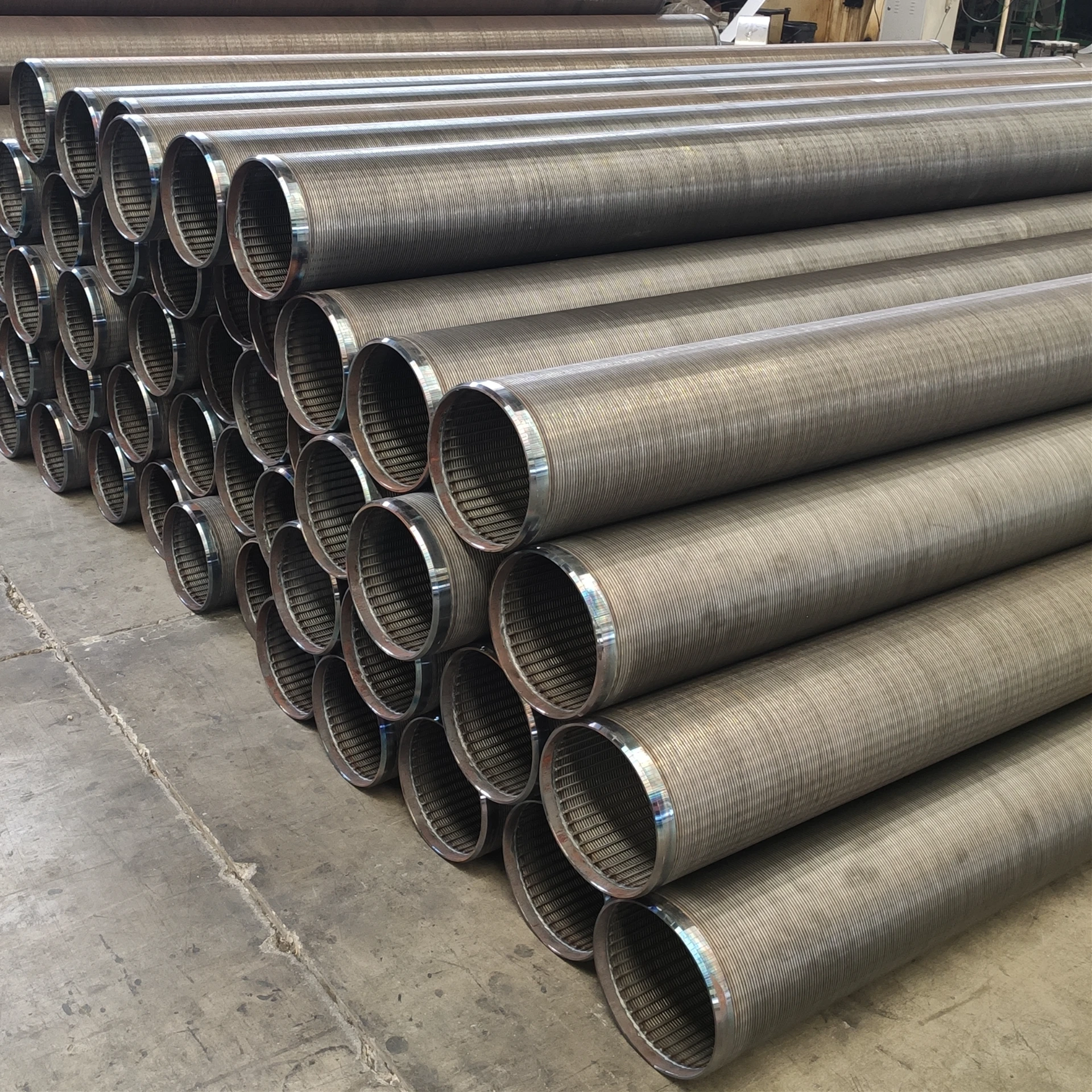
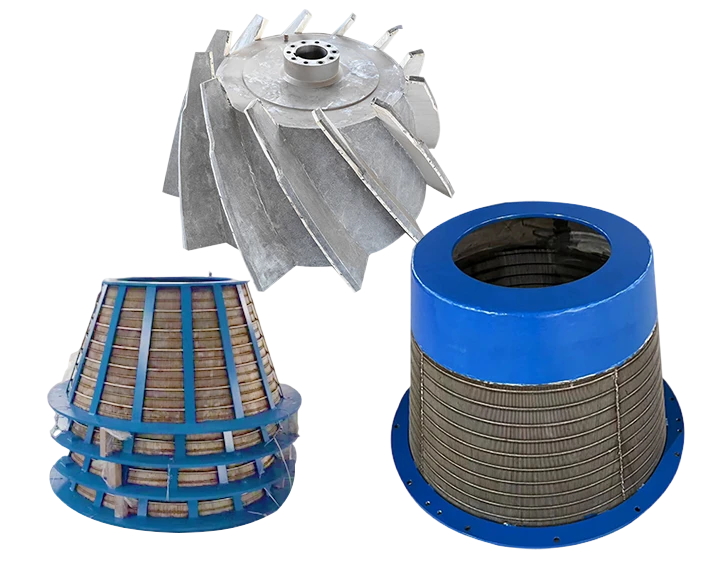
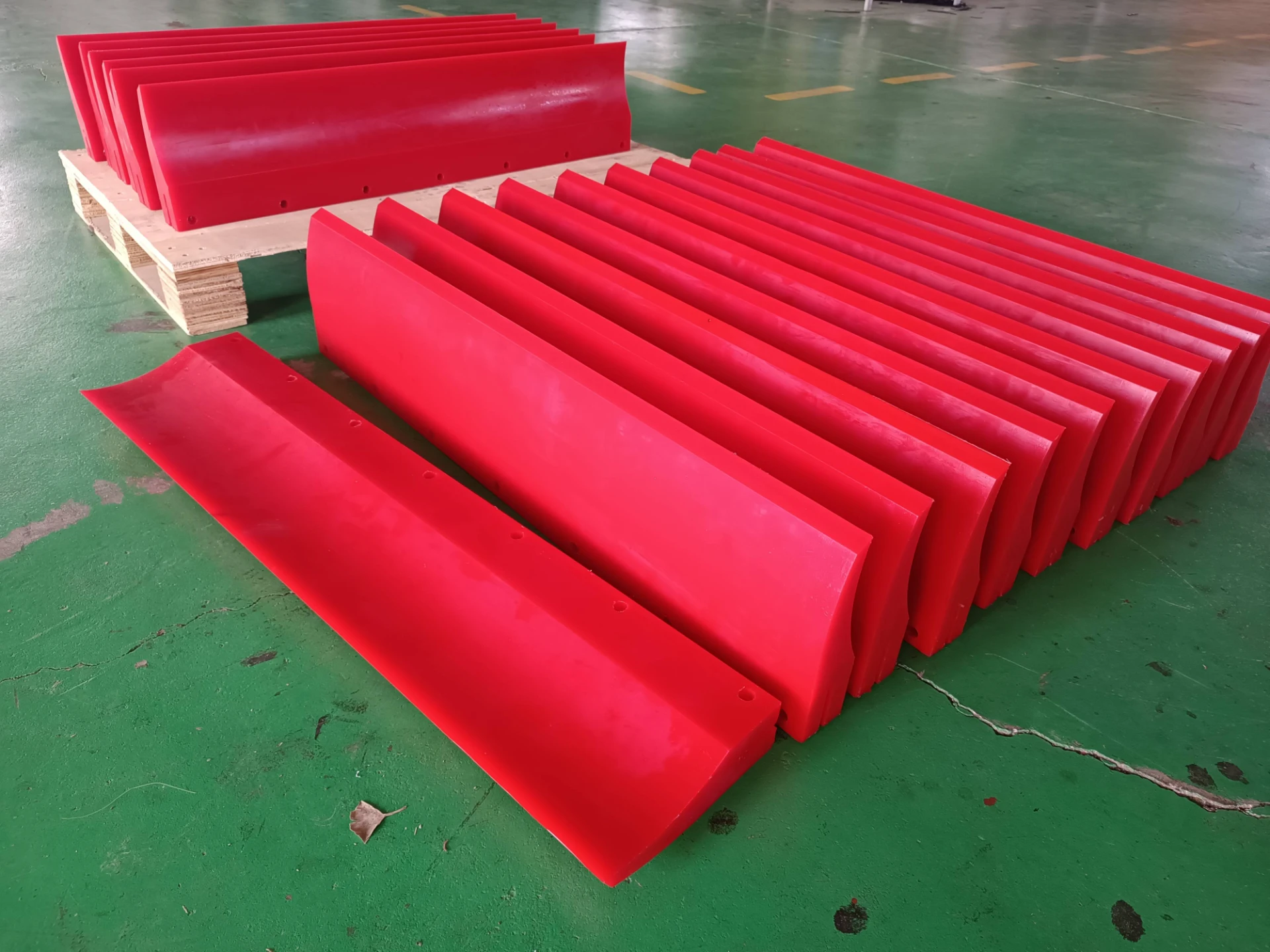
Seawater intake screen systems are a cornerstone of countless coastal operations, from power plants and desalination facilities to aquaculture and industrial cooling. The demand for reliable and efficient methods of drawing in seawater is steadily increasing alongside global population growth and the escalating need for sustainable water resources. Understanding the nuances of these systems – their design, materials, and maintenance – is critical for engineers, facility managers, and anyone involved in marine infrastructure. A properly designed seawater intake screen doesn’t just protect equipment; it safeguards the environment and ensures operational continuity.
The challenge lies in balancing intake needs with ecological responsibility. Traditional intake structures often posed significant threats to marine life, with entrainment and impingement being major concerns. Modern seawater intake screen technology focuses heavily on mitigating these impacts, utilizing advanced filtration techniques and carefully engineered designs to minimize harm to aquatic ecosystems. We're seeing a shift towards systems that prioritize both performance and environmental stewardship.
It’s not just about keeping the water flowing, it's about keeping the whole operation flowing. A clogged intake screen can halt production, damage expensive equipment, and lead to costly downtime. The cost of not investing in a robust and well-maintained system quickly adds up. That's why focusing on long-term reliability and ease of maintenance are paramount considerations in modern seawater intake screen design.
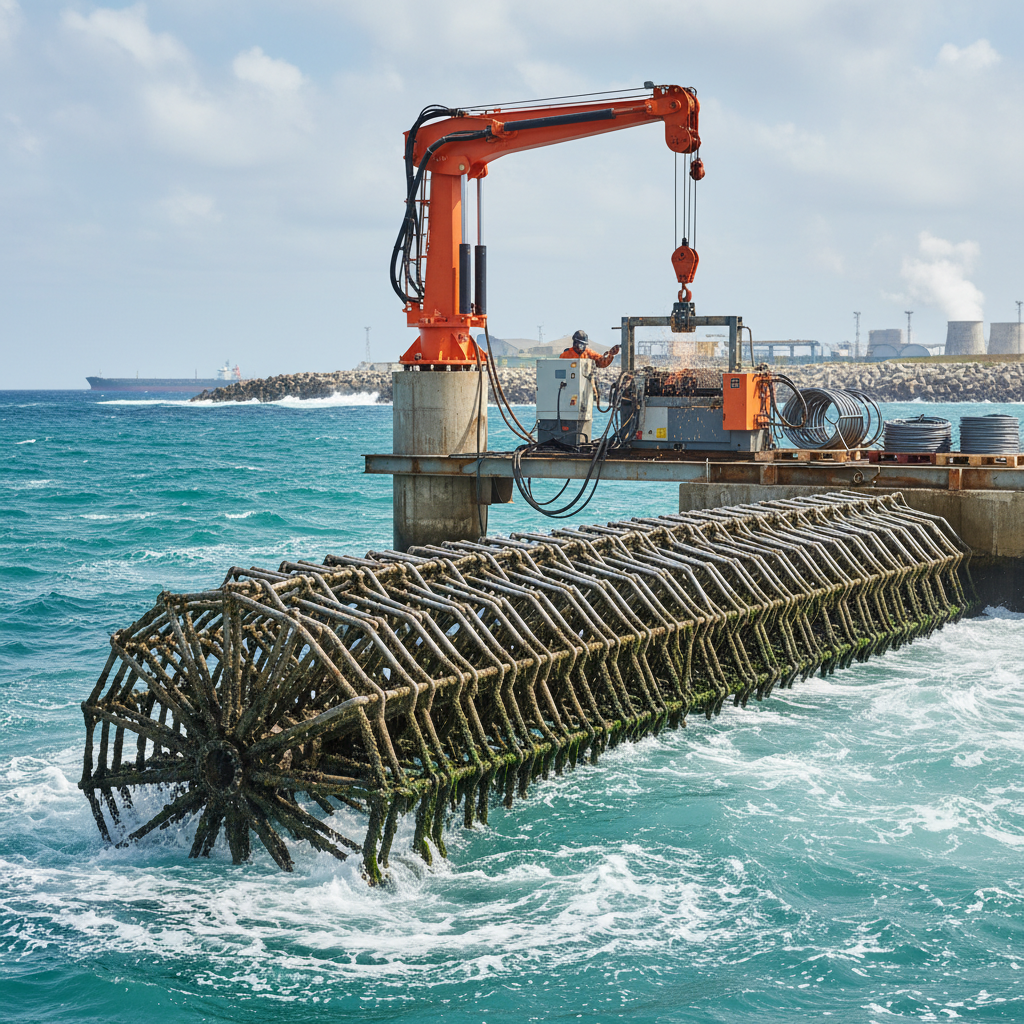
The Importance of seawater intake screen in Coastal Operations
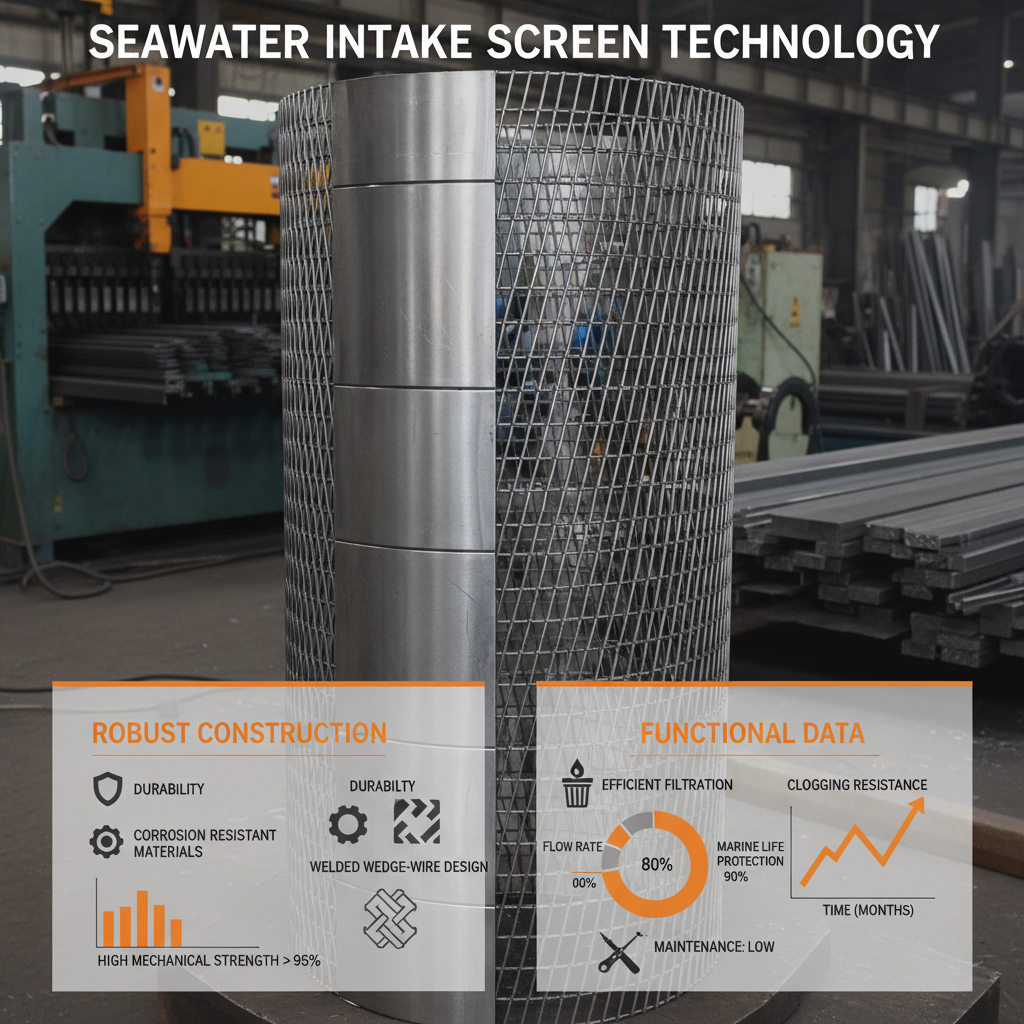
You spend enough time on a construction site, and you quickly realize everything boils down to keeping things flowing. With seawater intake, that’s literal. Coastal power plants, desalination facilities, and large-scale industrial operations need a consistent supply of seawater. A reliable seawater intake screen isn’t a luxury; it’s the foundation of their operations. A failure there means downtime, repairs, and potentially significant environmental issues.
The UN estimates that by 2050, nearly 70% of the world’s population will live in coastal areas, intensifying the demand for seawater utilization. The World Bank has also highlighted the importance of efficient water management in achieving sustainable development goals. This translates to increased pressure on existing infrastructure and a greater need for robust and environmentally responsible seawater intake systems.
FAQS
The lifespan of a seawater intake screen can vary significantly, from 10 to 30+ years, depending on materials, environmental conditions, and maintenance practices. Screens made of high-quality materials like titanium or stainless steel, combined with regular cleaning and inspection, will naturally last longer. We always recommend a lifecycle cost analysis to determine the optimal balance between upfront investment and long-term durability.
Cleaning frequency depends on the level of biofouling and debris accumulation in your specific location. A visual inspection should be performed monthly, with cleaning scheduled as needed. In areas with high biofouling rates, weekly or even daily cleaning may be necessary. Automated self-cleaning systems can significantly reduce the need for manual intervention.
Minimizing impingement and entrainment of marine organisms is crucial. Low-approach velocity screens, fish bypass systems, and carefully designed screen geometries are essential. Consider the potential impact on sensitive habitats and ensure compliance with all relevant environmental regulations. We prioritize systems that minimize ecological disturbance.
While seawater intake screen systems are primarily designed for seawater, they can sometimes be adapted for use with other water sources, such as brackish water or even treated effluent. However, careful consideration must be given to the water chemistry and potential for fouling. Modifications may be required to ensure optimal performance and prevent corrosion.
Installation typically involves site preparation, screen assembly, connection to the intake pipeline, and thorough testing. Depending on the size and complexity of the system, it may require specialized equipment and experienced personnel. It's essential to follow all manufacturer’s instructions and local regulations during installation.
Mesh size is a critical parameter that depends on the specific application and the type of debris you need to exclude. Finer mesh provides better filtration but can also increase pressure drop and fouling. Coarser mesh allows for higher flow rates but may not effectively remove smaller particles. The goal is to find the optimal balance between filtration efficiency and operational performance.
Conclusion
In conclusion, seawater intake screen systems are vital components of sustainable coastal infrastructure. Their effective design, construction, and maintenance are essential for ensuring reliable water supply, protecting marine environments, and optimizing operational efficiency. Investing in high-quality systems and adopting best practices for monitoring and maintenance will pay dividends in the long run.
Looking ahead, innovation in materials, automation, and predictive maintenance will continue to drive improvements in seawater intake screen technology. By embracing these advancements and prioritizing sustainability, we can ensure that these systems continue to meet the evolving needs of a growing global population. For reliable and cutting-edge solutions, visit our website: www.mutoscreen.com
Related Posts
-
Optimizing Water Well Systems with Durable Submersible Well Pump Screen Solutions
-
Advanced Wedge Wire Screen Pipe Solutions for Industrial Filtration and Separation
-
Leading Wedge Wire Screen Manufacturers for Efficient Filtration Solutions
-
High Quality Stainless Steel Water Well Screens for Sustainable Water Extraction