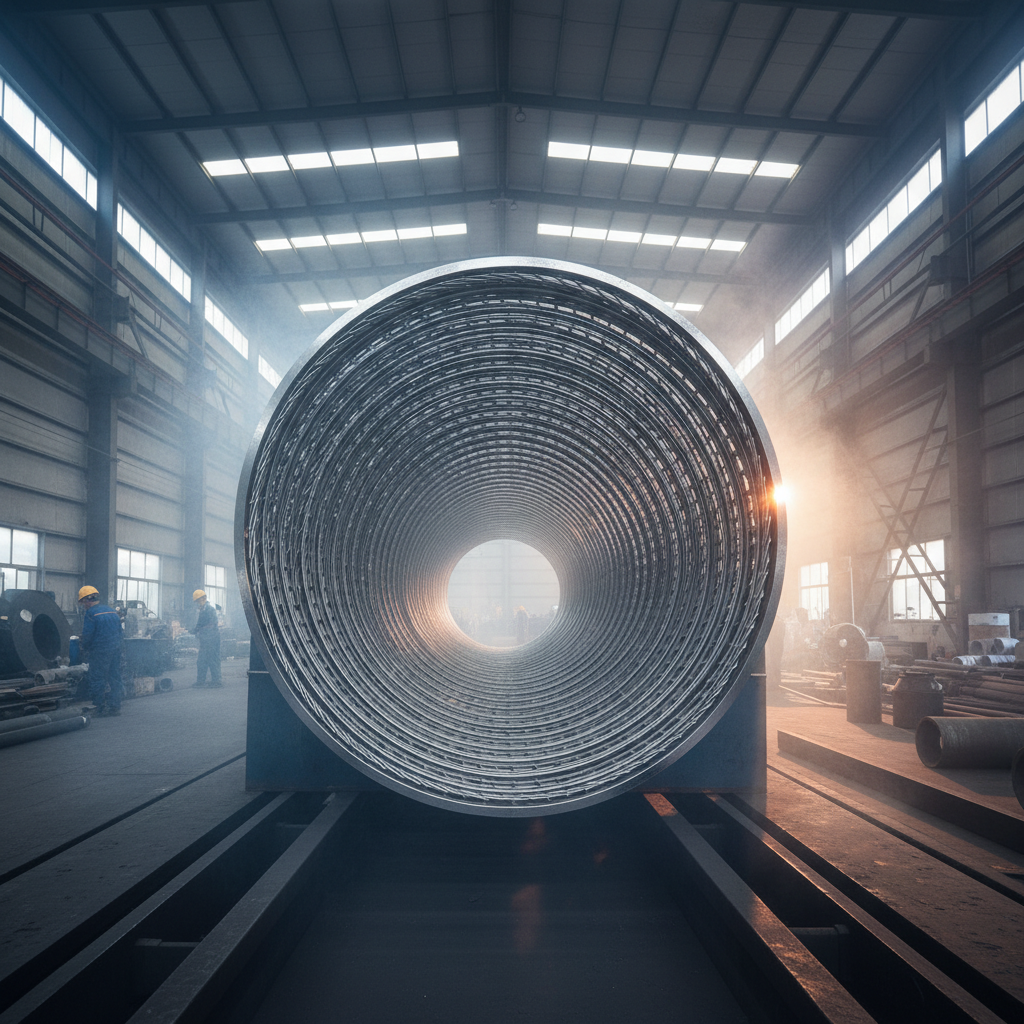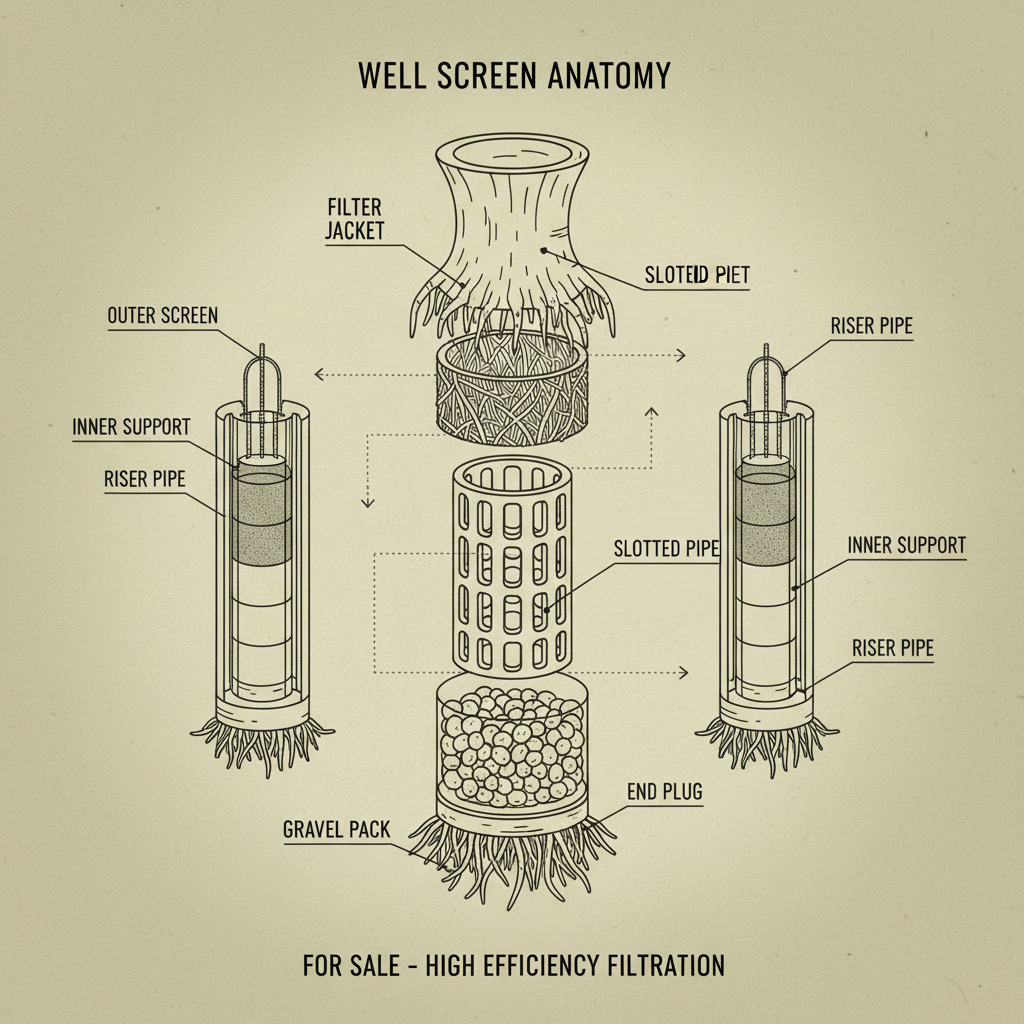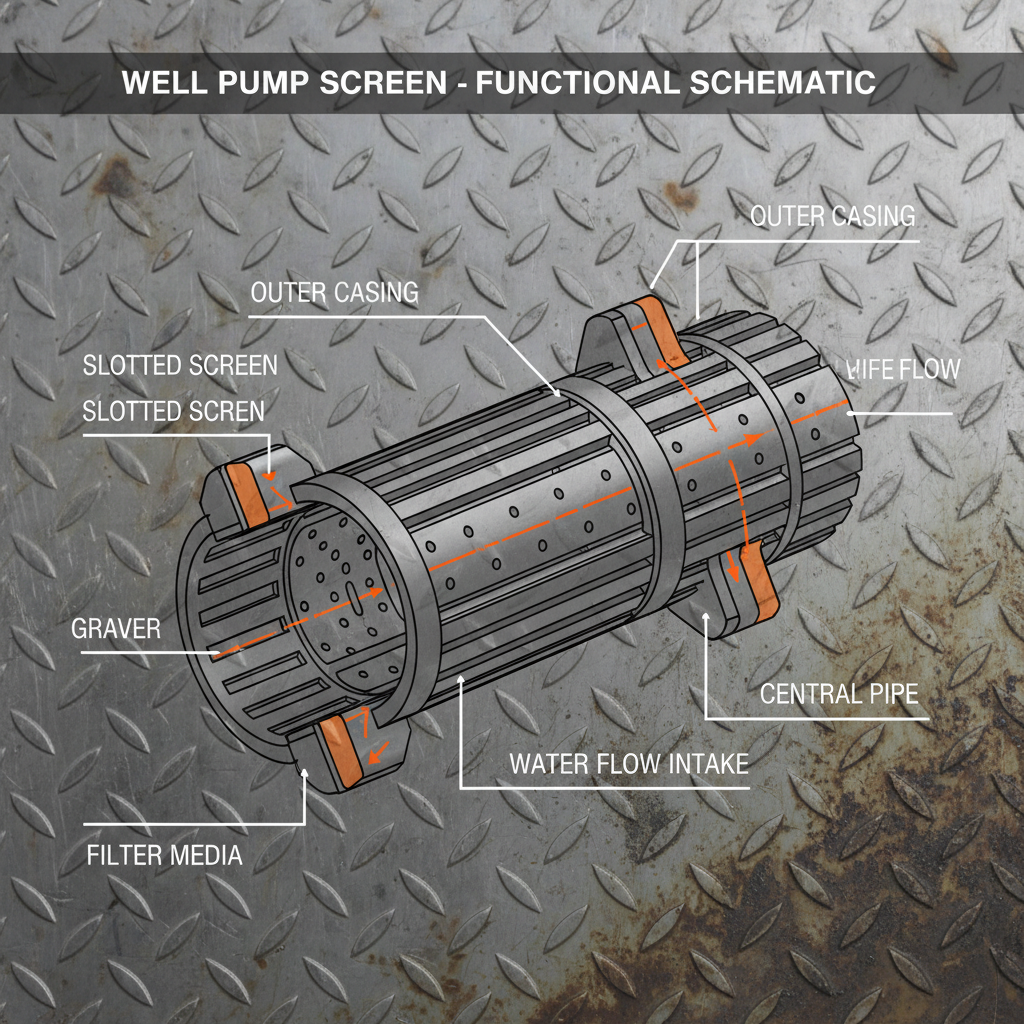
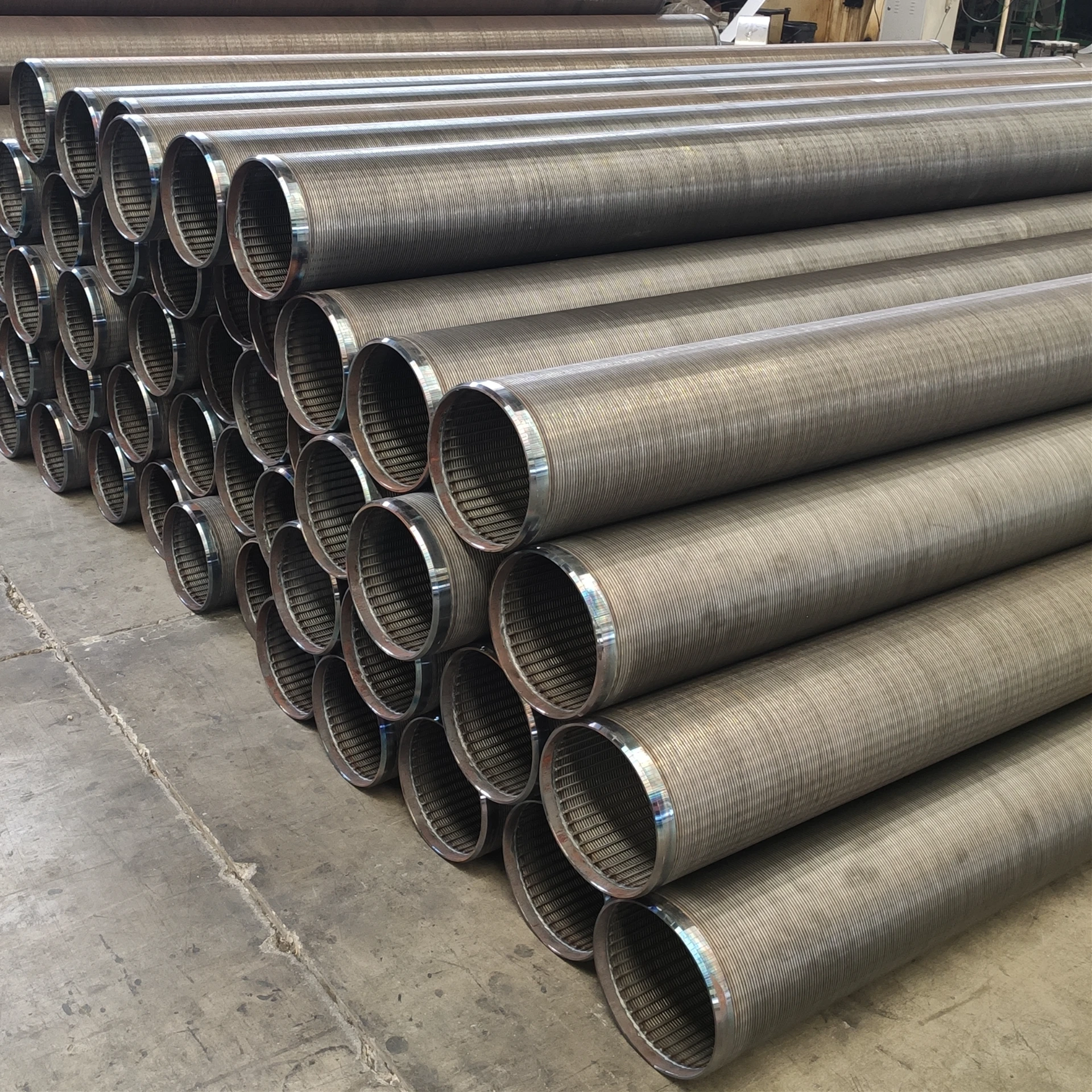
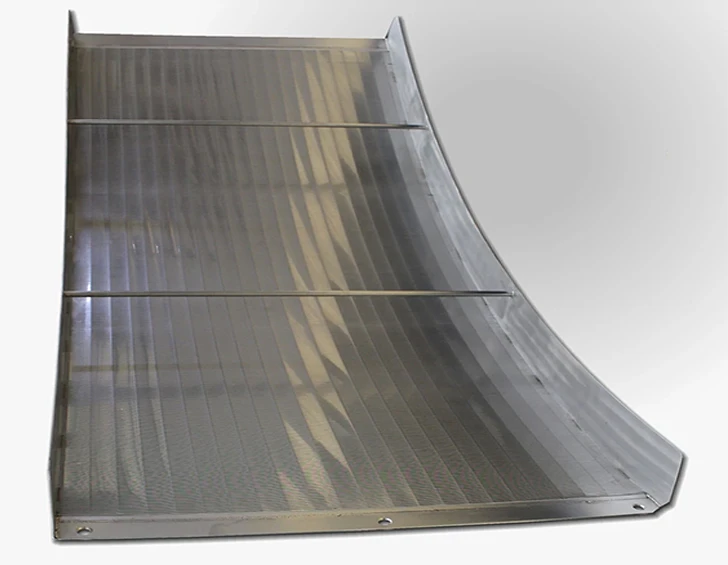
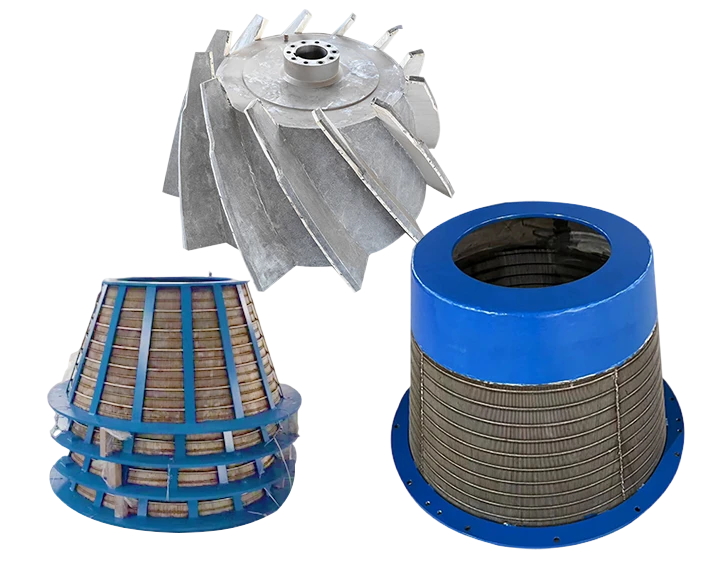
Wedge wire screen pipe is a crucial component in a diverse range of industrial applications, offering unparalleled performance in filtration, separation, and support. Its unique construction, featuring v-shaped wires that create a continuous slot, provides high flow rates and resistance to clogging, making it ideal for demanding environments. Understanding the nuances of wedge wire screen pipe is paramount for engineers, project managers, and operators seeking efficient and reliable solutions across sectors like water treatment, oil & gas, and chemical processing. wedge wire screen pipe plays a vital role in improving process efficiency and reducing operational costs.
Globally, the demand for efficient filtration and separation technologies is increasing, driven by stringent environmental regulations and a growing need for resource optimization. The United Nations estimates that billions lack access to clean water, necessitating advanced filtration systems, where wedge wire screen pipe can be instrumental. The World Bank highlights the importance of sustainable water management, and wedge wire screen technology offers a durable and efficient option. This demand is projected to continue its upward trend, making wedge wire screen pipe a strategically important material.
The challenge lies in selecting the right screen configuration for specific applications, balancing factors like slot size, wire profile, and material compatibility. Inefficiencies in filtration can lead to costly downtime, product loss, and environmental concerns. Effective utilization of wedge wire screen pipe requires a thorough understanding of its capabilities and limitations, as well as the ability to customize designs to meet unique operational requirements.
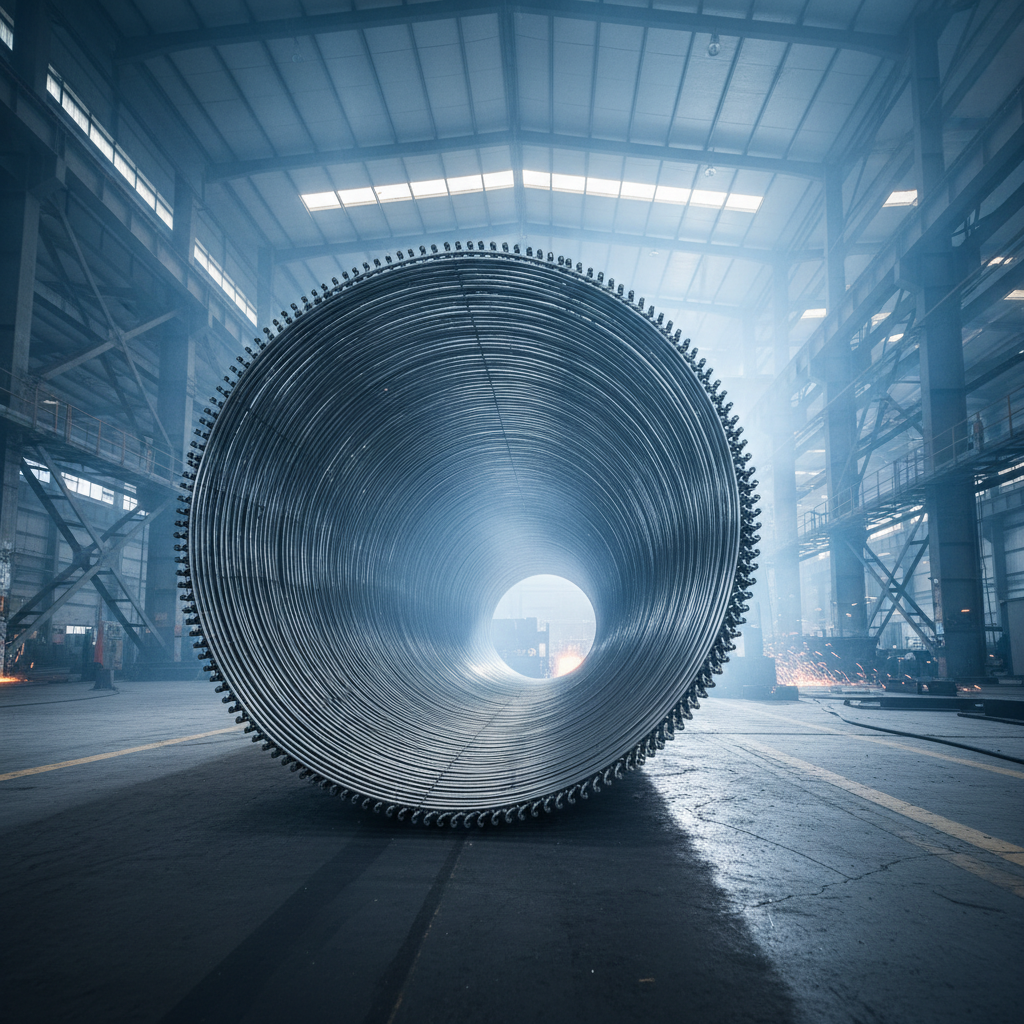
Introduction to Wedge Wire Screen Pipe
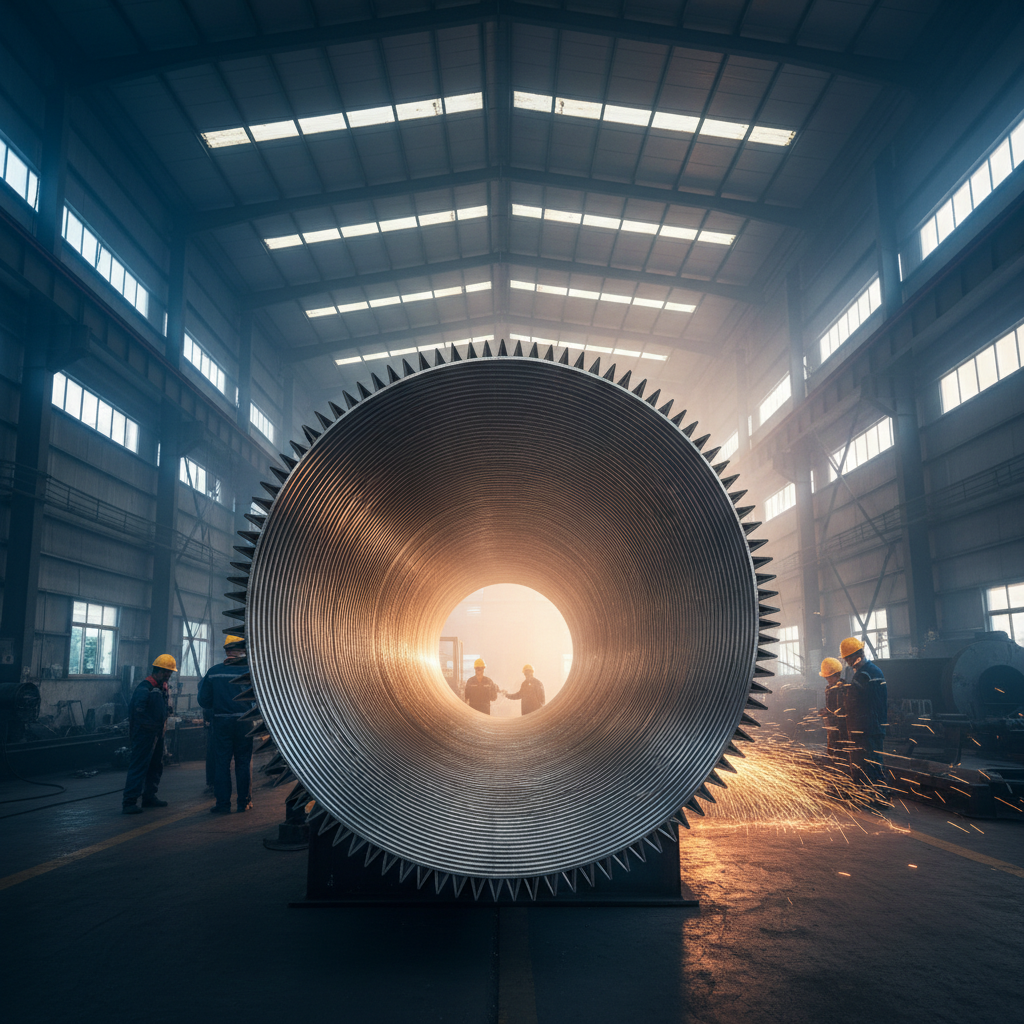
Wedge wire screen pipe isn’t simply a filtration device; it's an engineered solution built for longevity and performance. The design prioritizes continuous slot openings, providing a non-clogging surface critical for applications dealing with high solids content. This minimizes pressure drop and ensures consistent flow rates, crucial in many industrial processes.
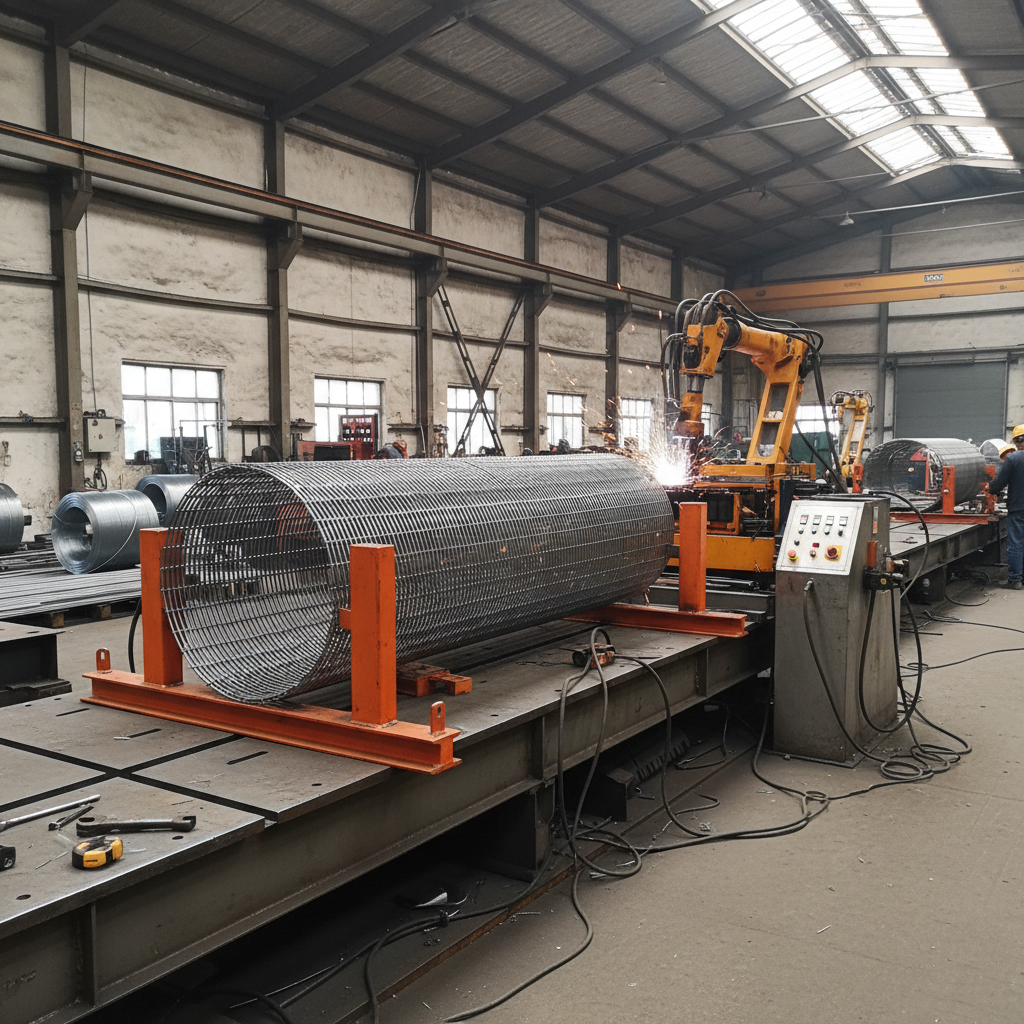
Its robust construction, typically employing stainless steel alloys, ensures durability even in harsh environments, resisting corrosion and mechanical stress. The precision manufacturing processes guarantee consistent slot dimensions and uniform distribution of support rods, maximizing screen stability and extending service life.
FAQS
Wedge wire screen pipe offers several advantages over woven mesh, including a non-clogging design due to its continuous slot openings, higher flow rates, superior strength and durability, and reduced maintenance requirements. Woven mesh screens have discrete openings that easily become blocked, leading to reduced flow and increased pressure drop. The robust construction of wedge wire makes it ideal for demanding applications with high solids content or corrosive environments.
Selecting the correct slot size is crucial for optimal performance. This requires a thorough analysis of the fluid being filtered and the size of the particles you need to separate. A pilot test with representative fluid samples is highly recommended. Factors to consider include particle size distribution, solids content, and desired filtration efficiency. Consulting with a wedge wire screen pipe specialist can help you determine the most suitable slot size for your application.
Wedge wire screen pipe is commonly manufactured from stainless steel alloys, such as 304, 316, and 316L. These alloys offer excellent corrosion resistance and mechanical strength. Other materials, like Hastelloy and titanium, are used for highly corrosive environments. The choice of material depends on the specific fluid being filtered and the operating conditions.
The lifespan of wedge wire screen pipe is highly dependent on the application and operating conditions. However, with proper maintenance and selection of appropriate materials, it can last for decades. The robust construction and corrosion resistance contribute to its longevity. Regular inspection and cleaning can further extend its lifespan.
Routine maintenance typically involves visual inspection for damage, cleaning to remove accumulated solids, and periodic backwashing to clear any potential blockages. The frequency of maintenance depends on the fluid being filtered and the operating conditions. Preventative maintenance, such as applying protective coatings, can also extend the screen's lifespan.
Yes, wedge wire screen pipe is highly customizable. Slot sizes, wire profiles, support rod spacing, and overall dimensions can be tailored to meet specific application needs. Custom designs can be created to address unique challenges, such as handling abrasive particles or operating in extreme temperatures. This flexibility makes it a versatile solution for a wide range of industries.
Conclusion
In conclusion, wedge wire screen pipe represents a significant advancement in filtration and separation technology. Its unique design, robust construction, and customizable nature offer unparalleled performance, durability, and cost-effectiveness across diverse industries. Understanding its key characteristics and applications is crucial for optimizing operational efficiency and achieving sustainable results.
Looking ahead, continued innovation in materials science and manufacturing processes will further enhance the capabilities of wedge wire screen pipe. Embracing these advancements will be critical for addressing emerging challenges in water treatment, resource management, and industrial processing. For more information and to explore tailored solutions for your specific needs, visit our website: www.mutoscreen.com.