0%

Table of Contents

Well screens suppliers play a critical role in ensuring access to clean and sustainable water resources globally. These specialized manufacturers provide the vital components needed for constructing wells that tap into aquifers, serving a diverse range of industries including agriculture, municipal water supply, and oil & gas extraction. The quality and reliability of well screens directly impact the efficiency and longevity of a well, making the selection of a reputable supplier paramount. This extends beyond simply providing a product; it encompasses expertise in material science, well construction methodologies, and understanding regional geological conditions.

The global demand for well screens is continuously growing, driven by increasing populations, urbanization, and the escalating need for water security. According to the UN, billions lack access to safe water, and sustainable groundwater management is crucial to meet future demands. The World Bank estimates significant investments are needed in water infrastructure, with well construction representing a substantial portion. Effective well screens are essential to maximizing well yield, minimizing maintenance, and protecting groundwater resources from contamination.

Choosing the right well screens suppliers isn't just a procurement decision; it's an investment in long-term sustainability, efficient resource management, and public health. The complexity of well construction necessitates working with suppliers who offer not only quality products but also comprehensive support and technical expertise. This includes guidance on screen selection based on specific well conditions, installation best practices, and ongoing maintenance recommendations.
Comprehensive Guide to Well Screens Suppliers and Sustainable Water Solutions

Introduction: Global or Industry Context
Comprehensive Guide to Well Screens Suppliers and Sustainable Water Solutions

The landscape of well screens suppliers is intrinsically linked to global water management strategies. The ISO standards for water quality and well construction (ISO 14001 and ISO 9906) directly influence the quality expectations of these suppliers. With increasing pressures on freshwater reserves, the role of well screens suppliers is becoming even more critical. They are tasked with not just providing materials, but also with contributing to sustainable water extraction practices and protecting valuable aquifers.

The industry is seeing a shift towards more specialized solutions catering to diverse geological conditions and water chemistries. Previously, generic screen designs were common, but now suppliers are offering customized options, incorporating materials like titanium, stainless steel alloys, and specialized polymers to resist corrosion and scaling. well screens suppliers are increasingly focused on providing solutions optimized for longevity and minimal environmental impact.

Definition & Meaning

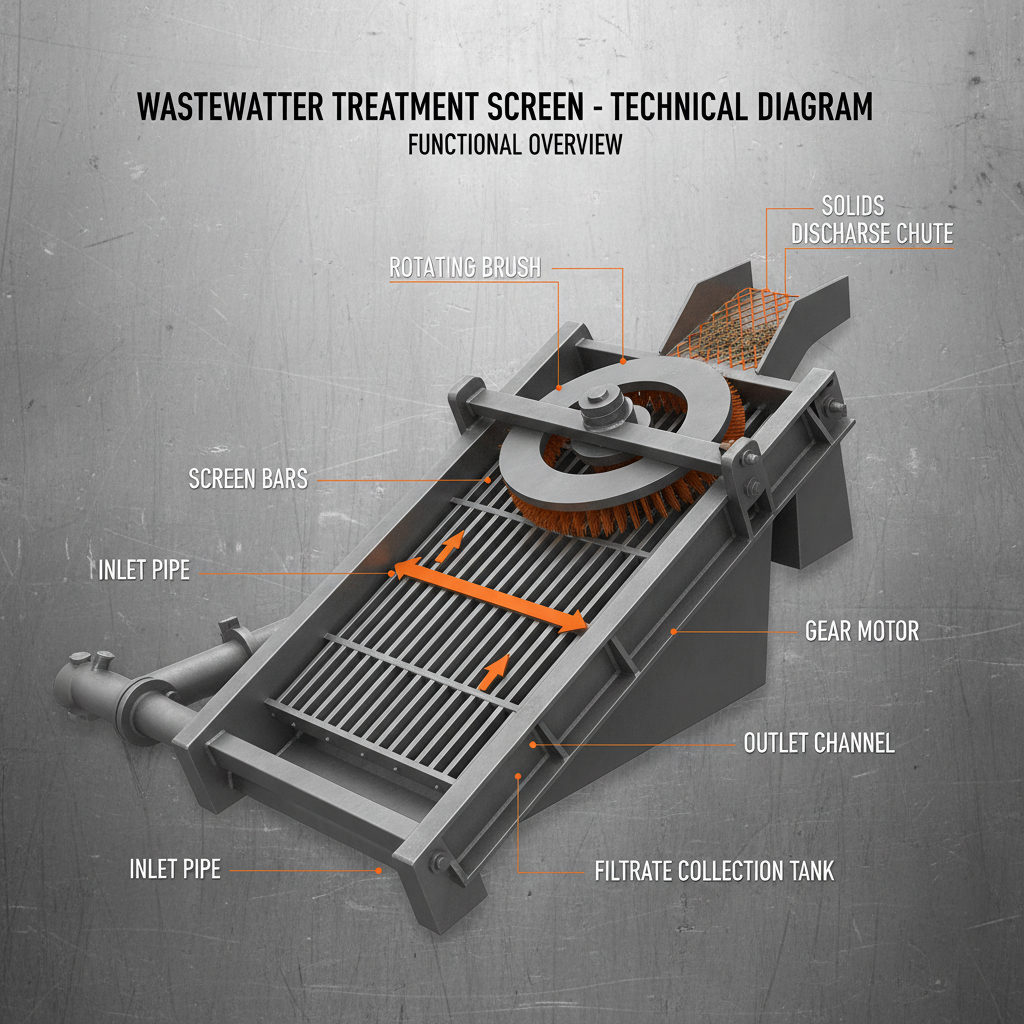
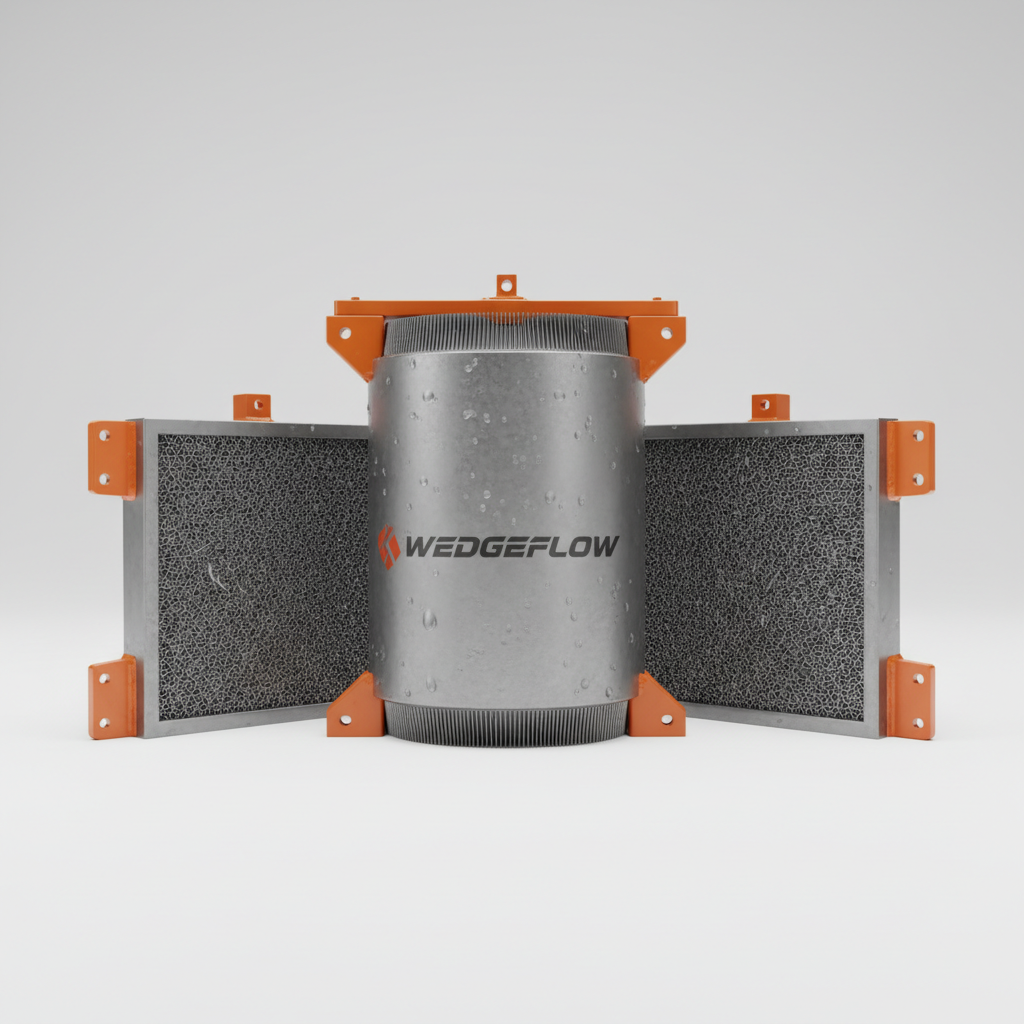
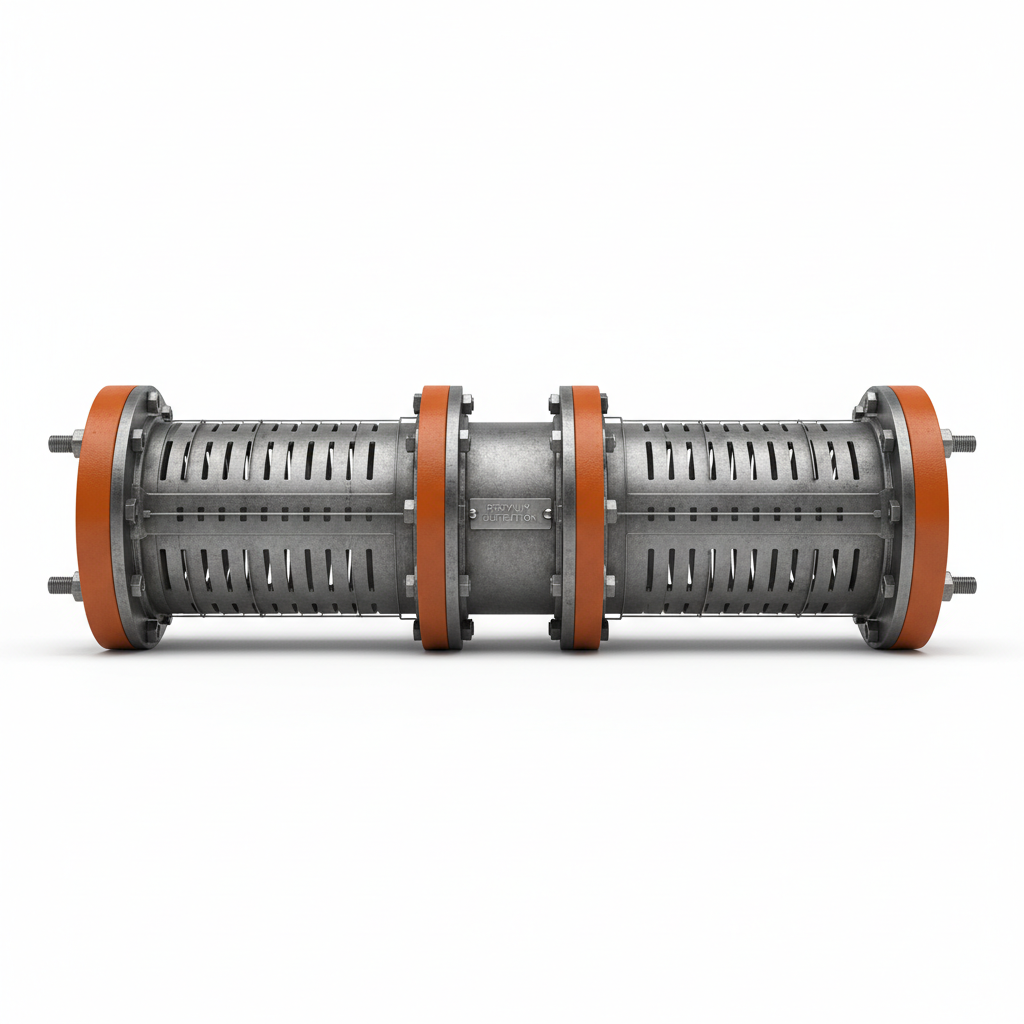
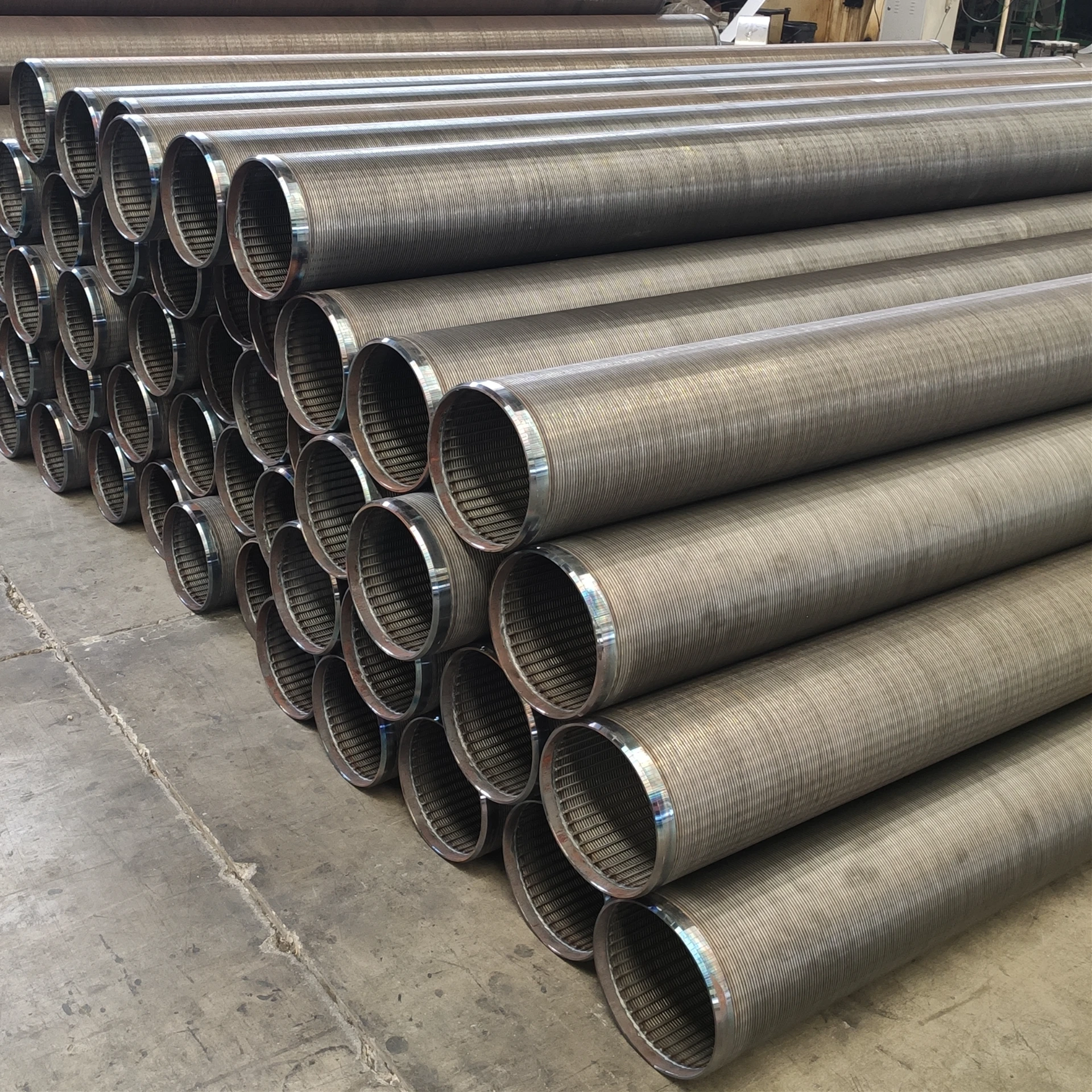
Well screens suppliers are companies specializing in the design, manufacturing, and distribution of well screen components. These components, typically constructed from metal or plastic, are essential for filtering sand, gravel, and other particulate matter while allowing water to flow freely into a well. They act as a crucial barrier, preventing the well from becoming clogged and ensuring consistent water production.

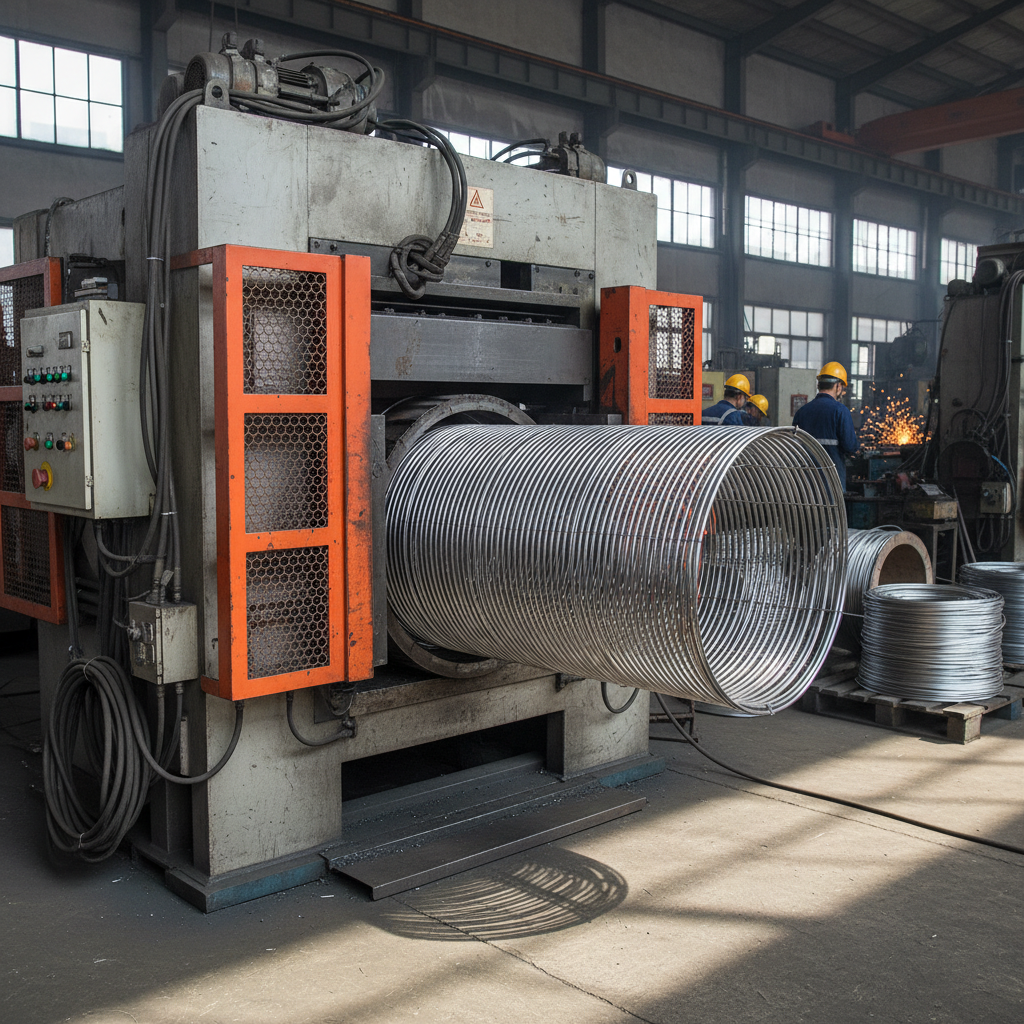
Beyond the physical product, these suppliers offer a range of services, including well screen selection guidance, custom fabrication, installation support, and technical expertise. Their contribution extends to modern industry by enabling efficient resource extraction in sectors like oil and gas, mining, and geothermal energy.

In humanitarian contexts, reliable well screens are essential for providing clean water access to communities in need. Effective well screens contribute directly to public health, reducing waterborne diseases and improving overall quality of life. Well screens suppliers are vital partners in ensuring the success of water well projects aimed at addressing global water scarcity.

Key Factors or Core Components

Durability: Well screens must withstand harsh subsurface conditions, including high pressures, corrosive water chemistry, and abrasive materials. The quality of materials used (stainless steel, titanium, etc.) and the manufacturing process are critical factors determining a screen's lifespan.

Open Area Ratio: This refers to the percentage of the screen surface area that is open for water flow. A higher open area ratio minimizes friction loss and maximizes well yield. Suppliers optimize this ratio based on the grain size distribution of the surrounding aquifer materials.

Slot Size: The slot size is the width of the openings in the screen. It must be carefully selected to prevent the passage of formation particles while allowing water to flow freely. Well screens suppliers use detailed analyses of aquifer samples to determine the optimal slot size.

Global Applications & Use Cases

Well screens are fundamental in agricultural irrigation, particularly in regions facing water scarcity. Suppliers cater to this market by providing screens designed for high-volume water extraction and resistance to agricultural chemicals. In post-disaster relief operations, portable and rapidly deployable well screens are critical for providing emergency water supplies to affected communities.

The oil and gas industry relies heavily on well screens for completion and production wells. These screens prevent sand production, ensuring efficient oil and gas flow and protecting downhole equipment. In remote industrial zones, where access to municipal water supplies is limited, well screens are used to establish reliable water sources for operations and personnel.

Across Africa, well screens suppliers are actively involved in numerous water well projects funded by NGOs and international organizations, improving access to safe drinking water in rural communities. Similarly, in arid regions of the Middle East, specialized well screens are deployed in desalination projects to pre-filter seawater before processing.

Well Screens Suppliers Performance Metrics


Advantages & Long-Term Value

Investing in high-quality well screens from reputable suppliers translates to substantial cost savings over the life of a well. Reduced maintenance requirements, minimized downtime, and extended well lifespan all contribute to a lower total cost of ownership. Beyond economics, the sustainability aspect is paramount, ensuring responsible water resource utilization.

Reliable well screens enhance water security, providing a consistent and safe water supply. This fosters community resilience, particularly in regions prone to drought or water contamination. The peace of mind that comes with a well constructed with dependable components is immeasurable, creating trust and improving public health.

Future Trends & Innovations

The industry is witnessing a surge in the development of "smart" well screens, incorporating sensors and data analytics to monitor well performance, predict maintenance needs, and optimize water extraction rates. These technologies leverage digital transformation and the Internet of Things (IoT) to enhance efficiency and reduce operational costs.

Advanced materials research is leading to the creation of more durable and corrosion-resistant well screens. The use of graphene and other nanomaterials is being explored to improve screen strength and reduce biofouling. The integration of sustainable manufacturing practices and the use of recycled materials are also gaining prominence.

Challenges & Solutions

A significant challenge for well screens suppliers is adapting to increasingly complex subsurface conditions, including highly abrasive formations and aggressive water chemistries. Solutions involve developing customized screen designs and employing advanced materials tailored to specific environments.

Supply chain disruptions and fluctuating material costs also present challenges. Suppliers are mitigating these risks by diversifying their sourcing strategies and establishing long-term relationships with key material providers. Well screens suppliers are investing in local manufacturing capabilities to reduce lead times and transportation costs.

Ensuring consistent quality control and adherence to industry standards is another ongoing challenge. Rigorous testing protocols, independent certifications, and transparent manufacturing processes are essential for building trust and delivering reliable products.

Summary of Solutions to Common Well Screen Challenges

Challenge Solution Type Implementation Cost (1-10) Long-Term Impact (1-10)
Corrosion in Aggressive Waters Material Upgrade (Titanium Alloys) 8 10
Sand Production Optimized Slot Size & Screen Design 5 9
Biofouling & Scaling Anti-Fouling Coatings & Screen Materials 6 7
Supply Chain Disruptions Diversified Sourcing & Local Manufacturing 7 8
Inconsistent Quality Rigorous Testing & Certification 4 9
High Installation Costs Pre-Assembled Screen Sections & Installation Support 3 6

FAQS

What materials are well screens typically made from?

Well screens are commonly constructed from stainless steel (304, 316L) due to its corrosion resistance and strength. Other materials include carbon steel with protective coatings, fiberglass, and increasingly, titanium for highly corrosive environments. The optimal material depends on the well's depth, water chemistry, and expected lifespan. Choosing the right material is crucial for long-term performance and minimizing maintenance costs.

How do I determine the correct slot size for my well screen?

Determining the correct slot size requires a thorough understanding of the aquifer's grain size distribution. Well screens suppliers typically recommend performing a particle size analysis on samples collected from the well site. The slot size should be slightly smaller than the smallest grain size to prevent sand pumping, but large enough to allow water to flow freely without excessive pressure drop.

What is the importance of the open area ratio?

The open area ratio (OAR) is a critical factor influencing well yield and efficiency. A higher OAR means a larger percentage of the screen’s surface area is open for water flow, reducing friction loss and maximizing water intake. Generally, an OAR of 20-30% is considered optimal, but it can vary depending on the aquifer’s permeability and the well’s design.

How can I prevent corrosion of my well screen?

Preventing corrosion involves selecting corrosion-resistant materials like stainless steel (316L is superior to 304) or titanium. Protective coatings can also be applied to carbon steel screens. Regular water quality testing and implementing corrosion control measures, such as pH adjustment, are also essential. Proper screen installation and avoiding galvanic corrosion are important preventive steps.

What maintenance is required for well screens?

Regular well screen maintenance includes periodic inspection for corrosion, scaling, and biofouling. Well development and periodic cleaning can help remove accumulated sediments and restore well yield. Monitoring water quality parameters and implementing appropriate treatment measures can prevent issues like scaling and corrosion. Promptly addressing any signs of damage or deterioration is crucial.

How do I choose a reliable well screens supplier?

Look for suppliers with a proven track record, strong quality control processes, and industry certifications. Check their experience with similar projects and their ability to provide technical support and customization options. Request references and case studies, and prioritize suppliers who offer transparent pricing and reliable delivery schedules. Well screens suppliers with a commitment to sustainability and ethical sourcing are also preferred.

Conclusion

In conclusion, well screens suppliers are essential enablers of sustainable water resource management, serving a diverse array of industries and communities globally. The selection of the right supplier and well screen components is critical for ensuring long-term well performance, minimizing environmental impact, and securing access to clean and reliable water supplies. Prioritizing durability, optimal design, and ongoing maintenance is key to maximizing the value of this crucial infrastructure.

Looking ahead, innovations in materials science, smart technologies, and sustainable manufacturing practices will continue to shape the well screens industry. Investing in research and development, fostering collaboration between suppliers and end-users, and embracing digital transformation will be crucial for addressing the evolving challenges of water scarcity and ensuring a secure water future for all.

Robert Miller

Robert Miller

Robert Miller is the Lead Process Engineer at MUTO Wire Screen Co., Ltd. With over 15 years of experience in industrial filtration and separation technologies, Robert specializes in the design and optimization of wedge wire screen systems. He holds a Master’s degree in Chemical Engineering and is instrumental in ensuring
Previous Essential Guide to Selecting a Reliable Well Screen Manufacturer
Next Advanced Wedge Wire Screen Pipe Solutions for Industrial Filtration and Separation