
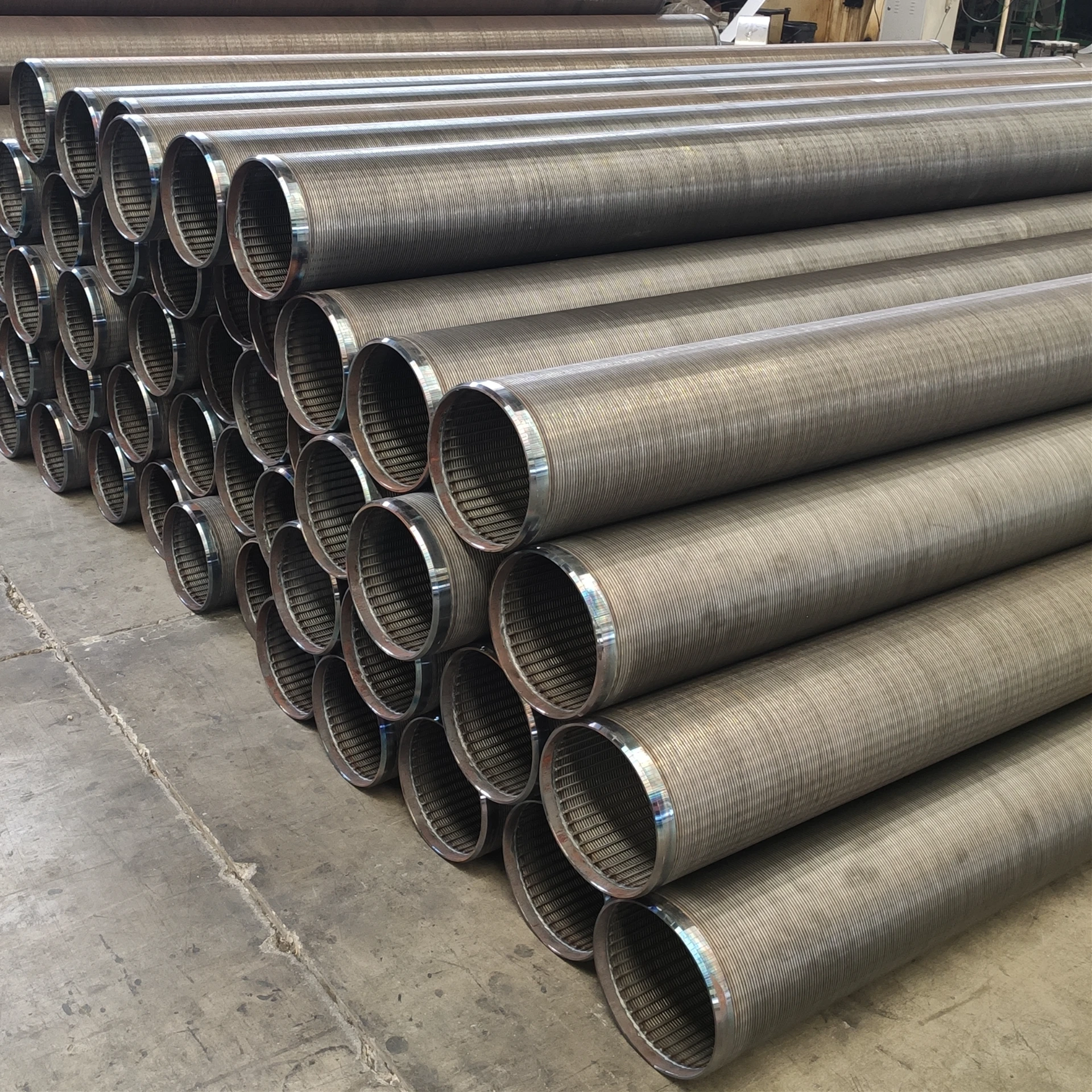
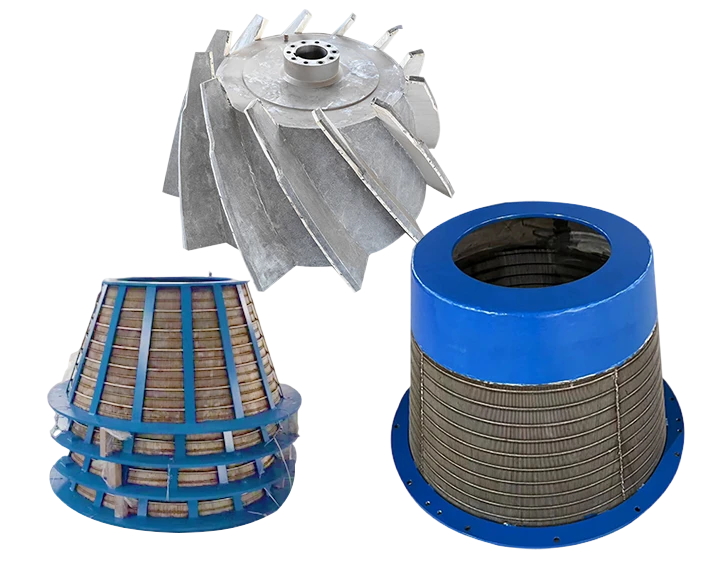
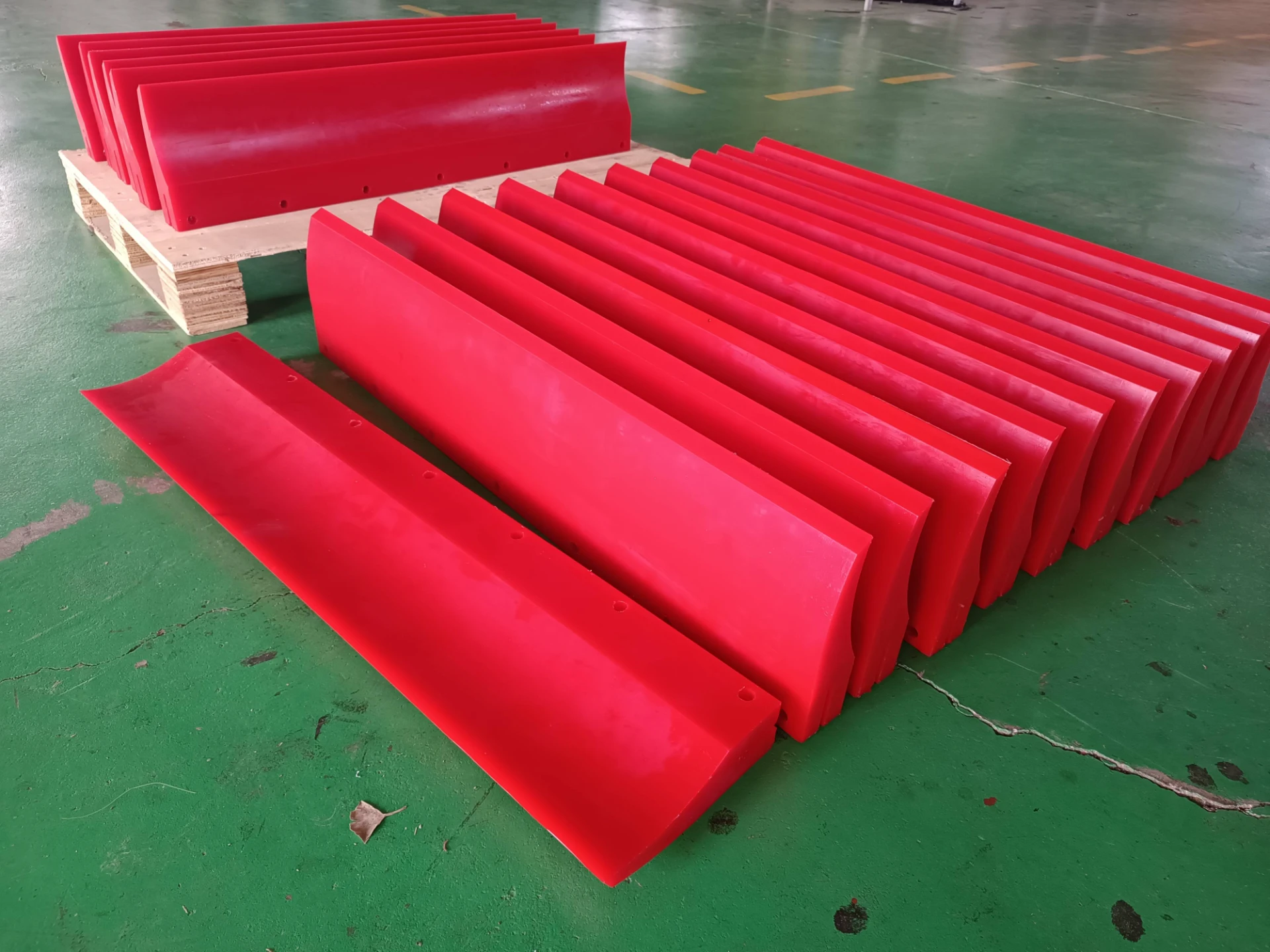
Well screen manufacturers play a critical role in accessing vital groundwater resources worldwide. These specialized companies design and produce screens that filter sediment and debris, ensuring clean water flow into wells for diverse applications ranging from municipal water supplies to agricultural irrigation and industrial processes. The quality and performance of these screens directly impact the efficiency and longevity of a well, making the selection of a reputable well screen manufacturer paramount.
The global demand for clean water continues to rise, driven by population growth, industrial expansion, and the impacts of climate change. Consequently, the well screen manufacturing industry is experiencing steady growth, with innovations focused on enhancing screen durability, increasing flow rates, and reducing maintenance requirements. According to the UN, billions lack access to safe water, emphasizing the essential function of companies dedicated to efficient water extraction solutions.
Selecting the right well screen from a trusted well screen manufacturer isn’t merely a technical choice; it’s an investment in sustainability and public health. Effective well screens safeguard water sources from contamination, reduce pumping costs, and contribute to the long-term availability of this precious resource, ensuring the delivery of clean water for communities and industries alike.
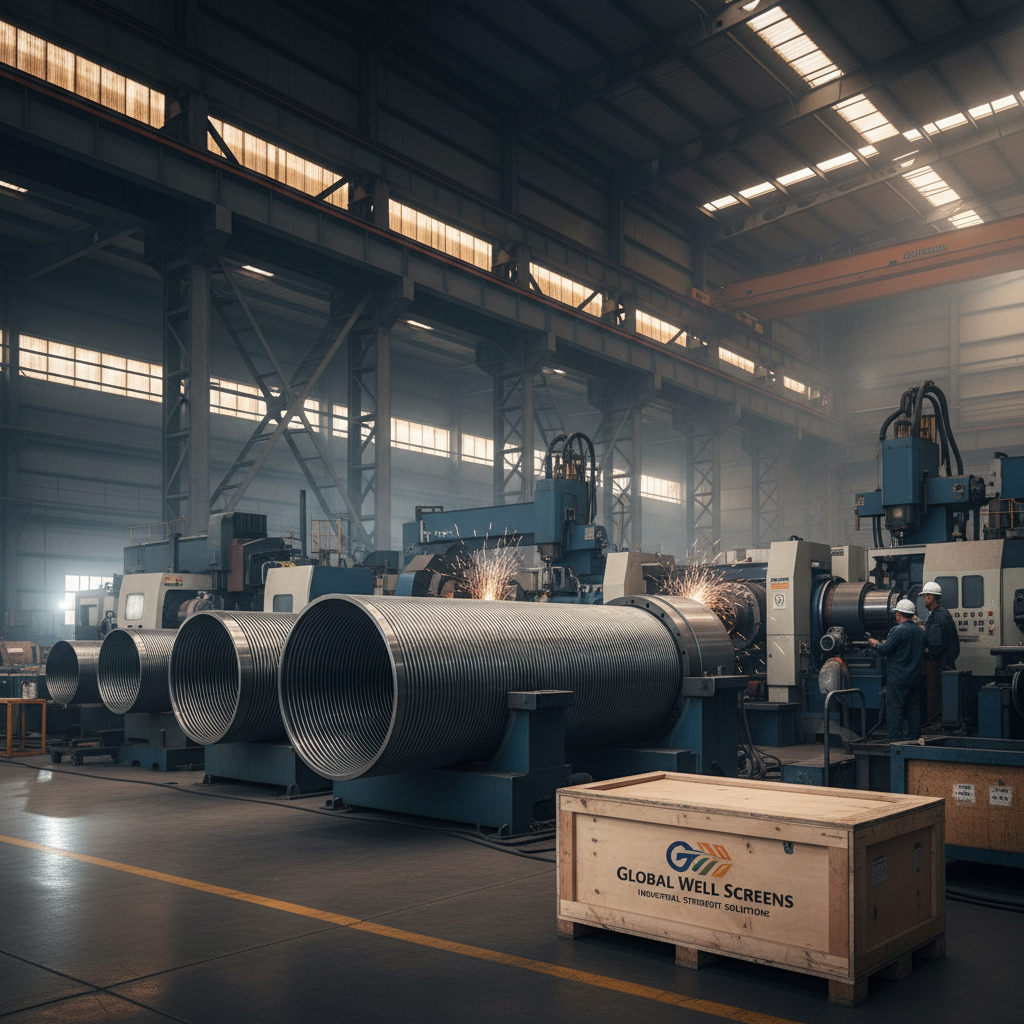
The Importance of Well Screen Manufacturers
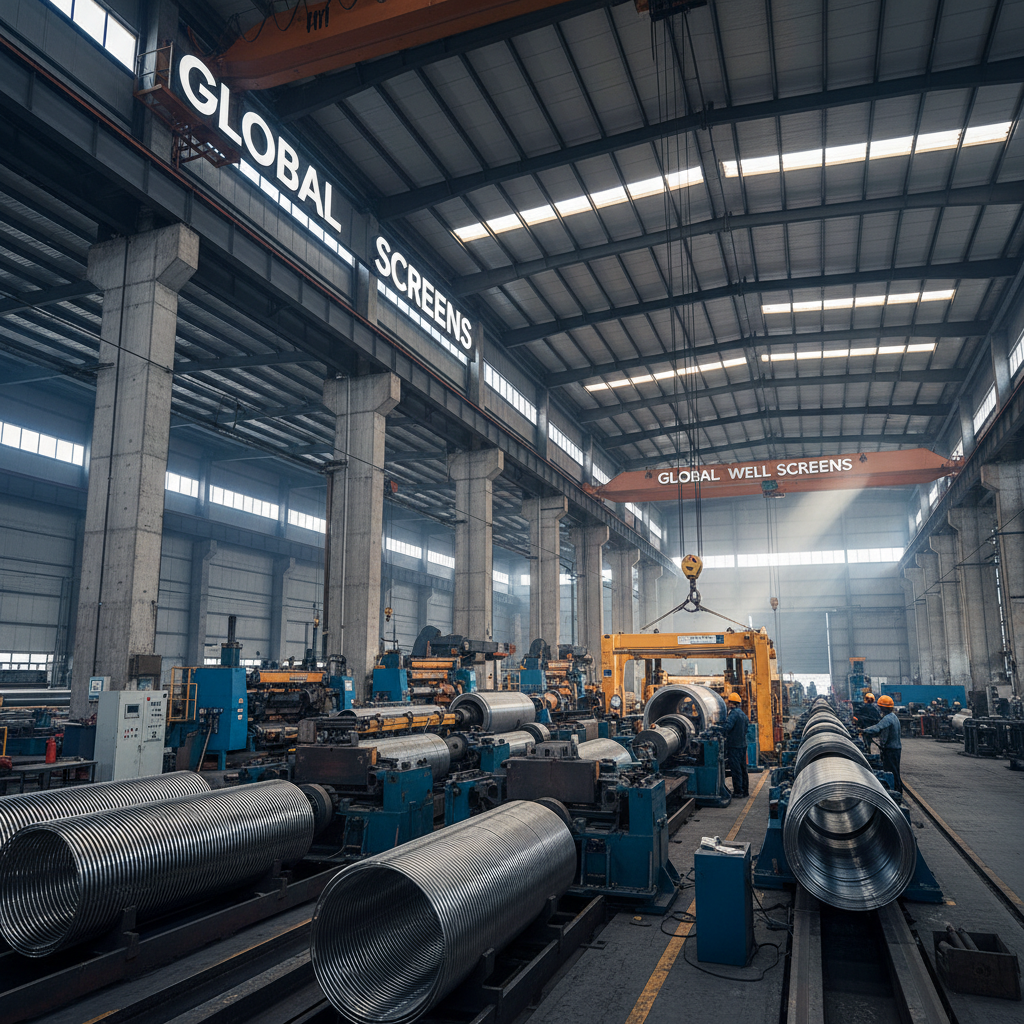
The role of a well screen manufacturer extends far beyond simply creating a filtration device. They are critical partners in ensuring sustainable water access, particularly in regions facing water scarcity. Effective well screens minimize the risk of well failure, reducing the need for costly repairs and ensuring a consistent water supply for communities and industries.
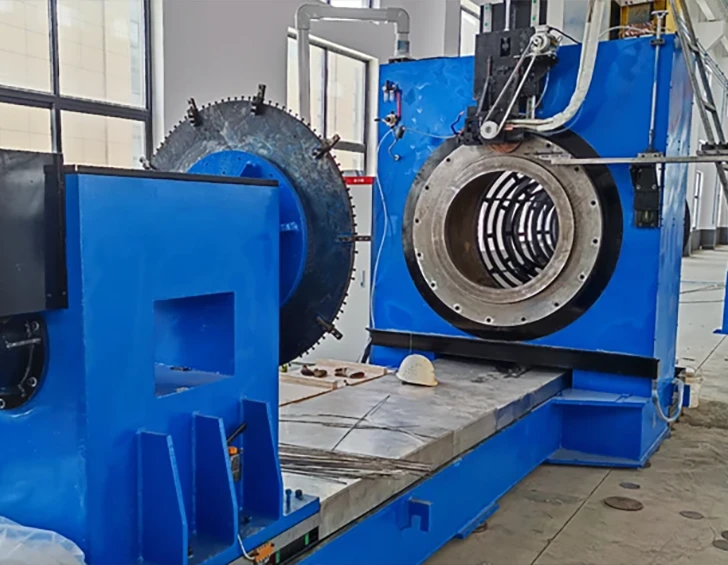
A reputable manufacturer will prioritize material quality, precise engineering, and adherence to industry standards. This dedication directly translates to enhanced well performance, reduced maintenance, and prolonged operational life, all crucial factors in long-term water resource management.
FAQS
When selecting a well screen manufacturer, prioritize experience, material quality, adherence to industry standards (like ASTM), customization capabilities, and customer support. A strong reputation for reliability and a commitment to innovation are also crucial indicators of a dependable partner. Consider their experience with your specific geological conditions and water quality challenges.
Slot size is critical. Too large, and sediment enters the well, reducing efficiency and potentially damaging the pump. Too small, and the screen clogs, restricting water flow. A reputable well screen manufacturer will help you determine the optimal slot size based on the aquifer’s grain size distribution to maximize both water quality and flow rate.
Stainless steel (grades 304, 316, and 316L) is the most common material due to its strength and corrosion resistance. Other options include carbon steel (with coatings), high-strength polymers, and titanium alloys, depending on the specific application and water chemistry. A well screen manufacturer will advise on the best material for your needs.
Proper installation is as important as the quality of the screen. This includes correct centering within the well casing, appropriate gravel packing (if required), and secure connections. Many well screen manufacturers offer installation guidance or partner with experienced well developers to ensure optimal performance.
The lifespan varies depending on material quality, water chemistry, and installation practices, but a well-maintained screen from a reputable well screen manufacturer can last 20-30 years or more. Regular inspections and maintenance can significantly extend its operational life.
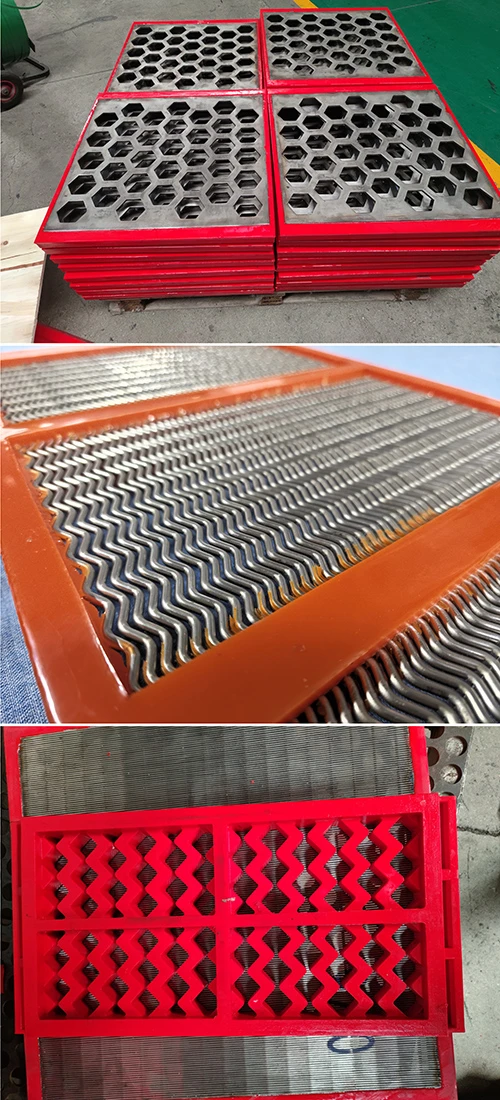
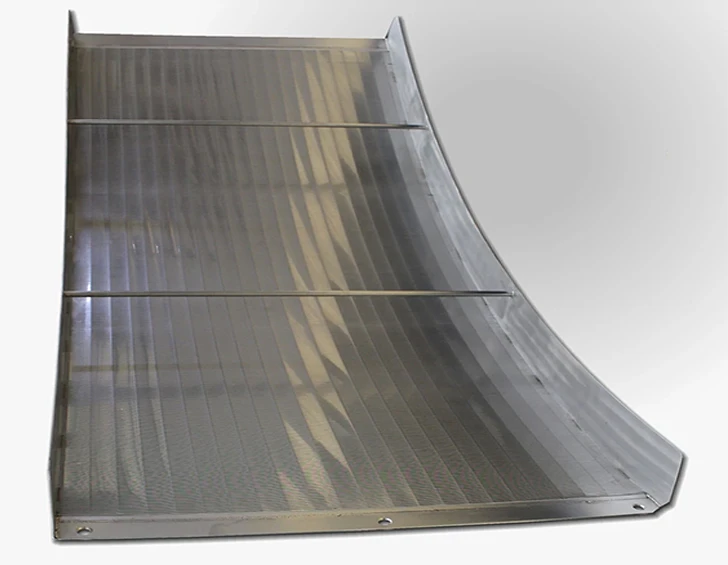
Yes, many manufacturers offer customization options. This includes varying slot sizes, screen diameters, materials, and even specialized designs to address unique geological challenges or water quality concerns. Working with a well screen manufacturer capable of customization ensures a perfectly tailored solution.
Conclusion
In conclusion, selecting a reliable well screen manufacturer is a fundamental step towards ensuring sustainable access to clean water. The combination of durable materials, precise engineering, and customization capabilities offered by leading manufacturers directly impacts the efficiency, longevity, and cost-effectiveness of well systems across diverse industries and applications.
Looking ahead, continued innovation in materials science, manufacturing processes, and smart technologies will further enhance the performance and sustainability of well screens. By prioritizing quality, collaboration, and a commitment to responsible water resource management, we can secure a vital resource for generations to come. Visit our website at www.mutoscreen.com to learn more about our comprehensive well screen solutions.
Related Posts
-
Advancements in Efficient Resource Management with 4 well screen Technology
-
Optimizing Construction Efficiency with Durable Static Wedge Wire Screen Solutions
-
Optimizing Water Extraction with High Performance Stainless Steel Well Screen Solutions
-
Optimizing Water Well Systems with Advanced Well Water Screen Technology