
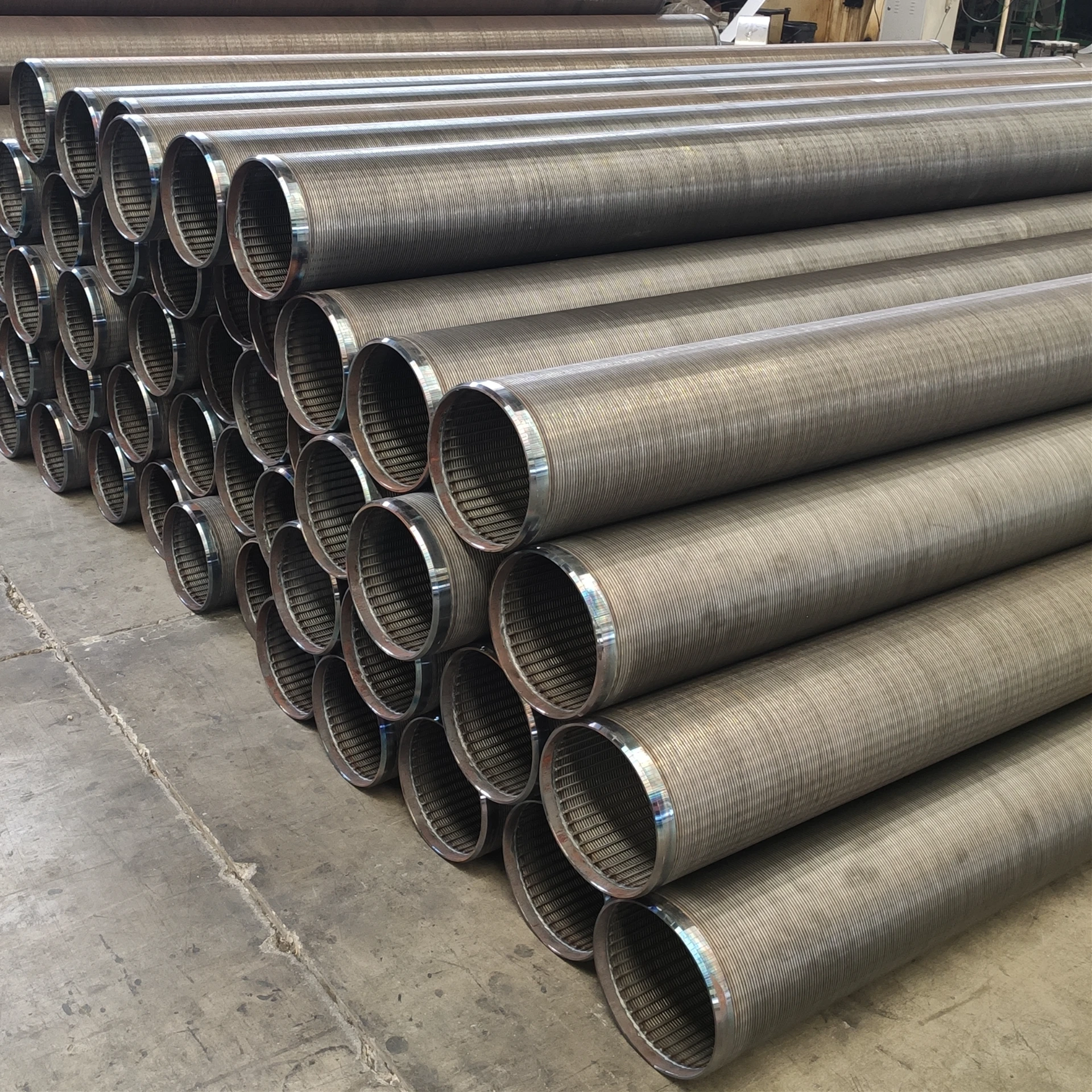
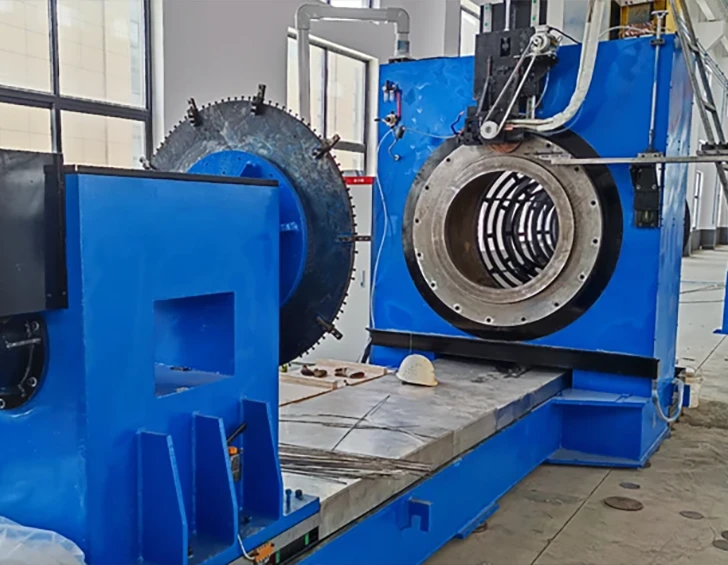
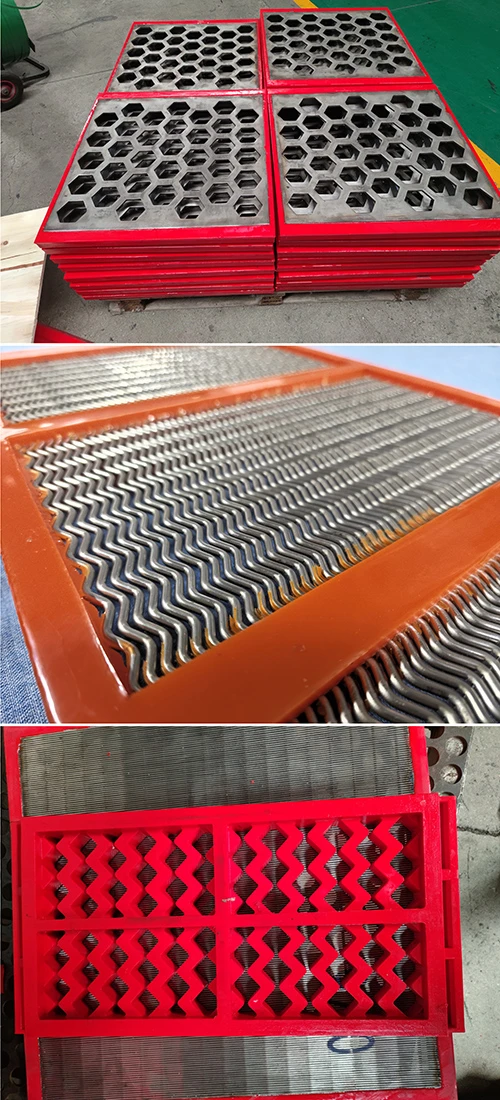
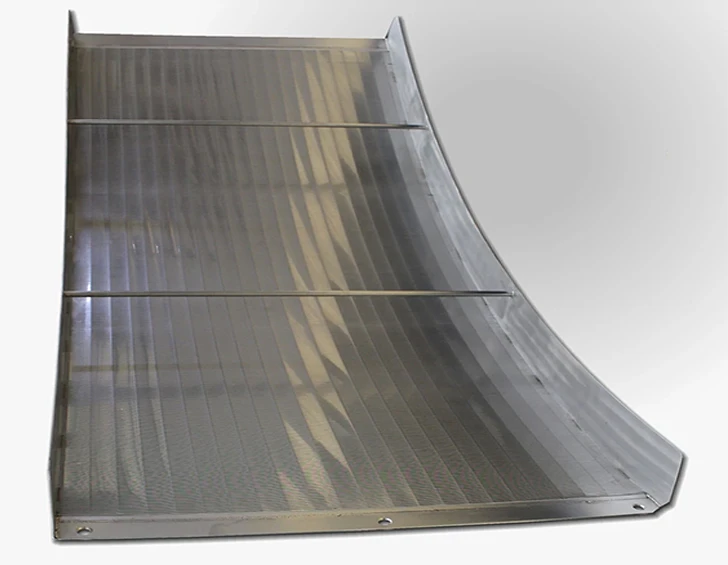
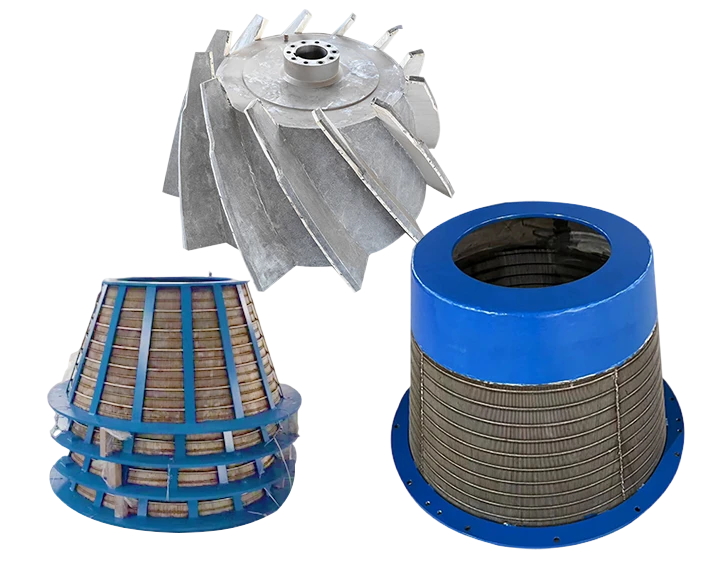
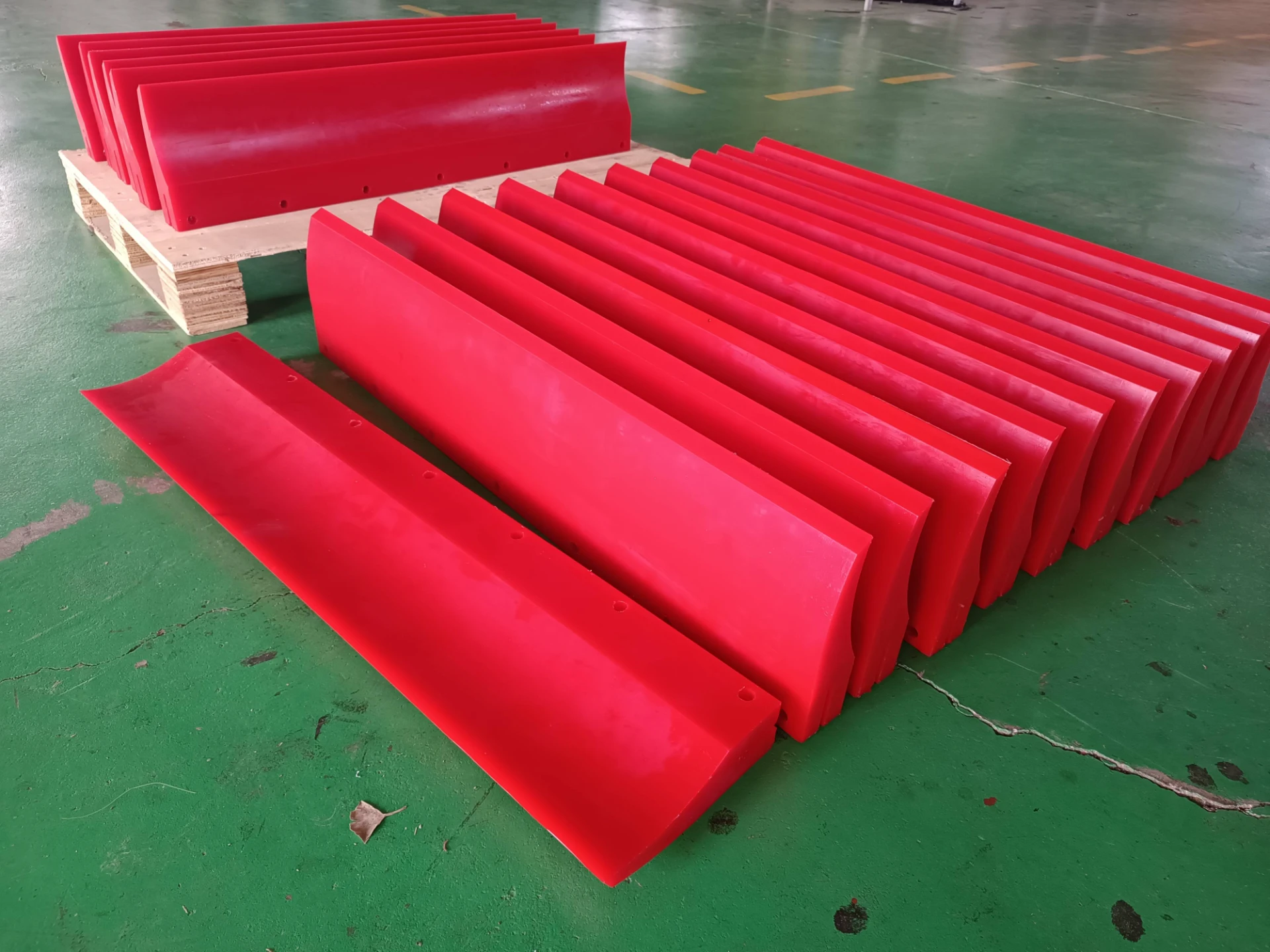
Wedge wire screen manufacturers play a critical, yet often unseen, role in numerous industries globally. These manufacturers specialize in creating highly durable and efficient filtration and separation solutions used in sectors ranging from water treatment and food processing to oil & gas and architectural applications. Understanding the nuances of wedge wire technology – its construction, materials, and application-specific designs – is crucial for optimizing processes and ensuring long-term performance. The increasing demand for efficient resource management and high-quality end products directly fuels the growth and innovation within this specialized manufacturing sector.
The global market for filtration systems, of which wedge wire screens are a significant component, is experiencing substantial growth. According to market research reports, the global water and wastewater treatment market is projected to reach hundreds of billions of dollars in the coming years, driven by factors like population growth, increasing industrialization, and stricter environmental regulations. wedge wire screen manufacturers are at the forefront of this trend, providing solutions for water purification, desalination, and industrial effluent treatment. This demand extends beyond water; industries requiring precise separation of solids and liquids are also increasingly reliant on the specialized capabilities of wedge wire technology.
A key challenge facing many industries is the need for robust and reliable filtration systems that can withstand harsh operating conditions. Traditional screen technologies often suffer from issues like clogging, low flow rates, and short lifespans. Wedge wire screens, designed with a V-shaped profile, offer superior non-clogging characteristics and enhanced structural integrity, addressing these limitations. As industries seek to improve efficiency, reduce downtime, and minimize maintenance costs, wedge wire screen manufacturers are positioned to provide innovative and cost-effective solutions.
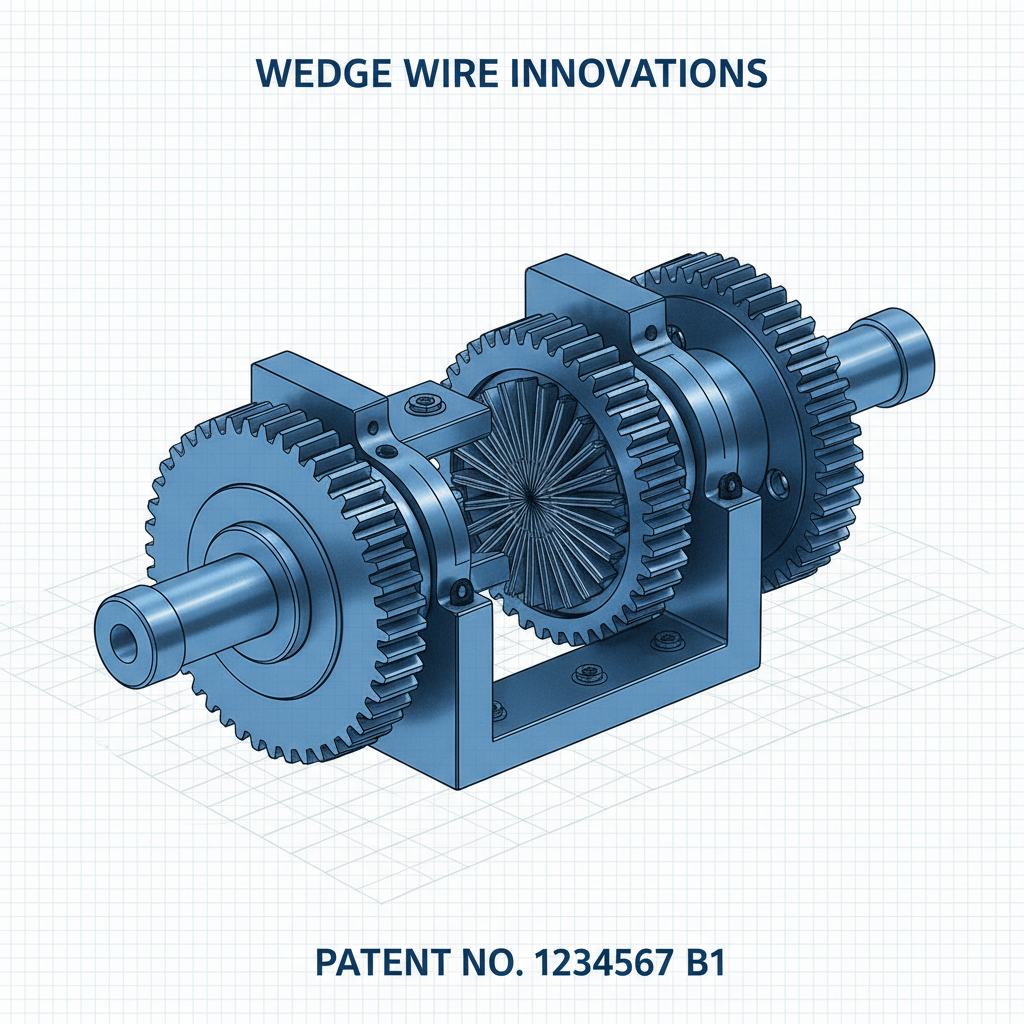
The Significance of Wedge Wire Screen Manufacturing
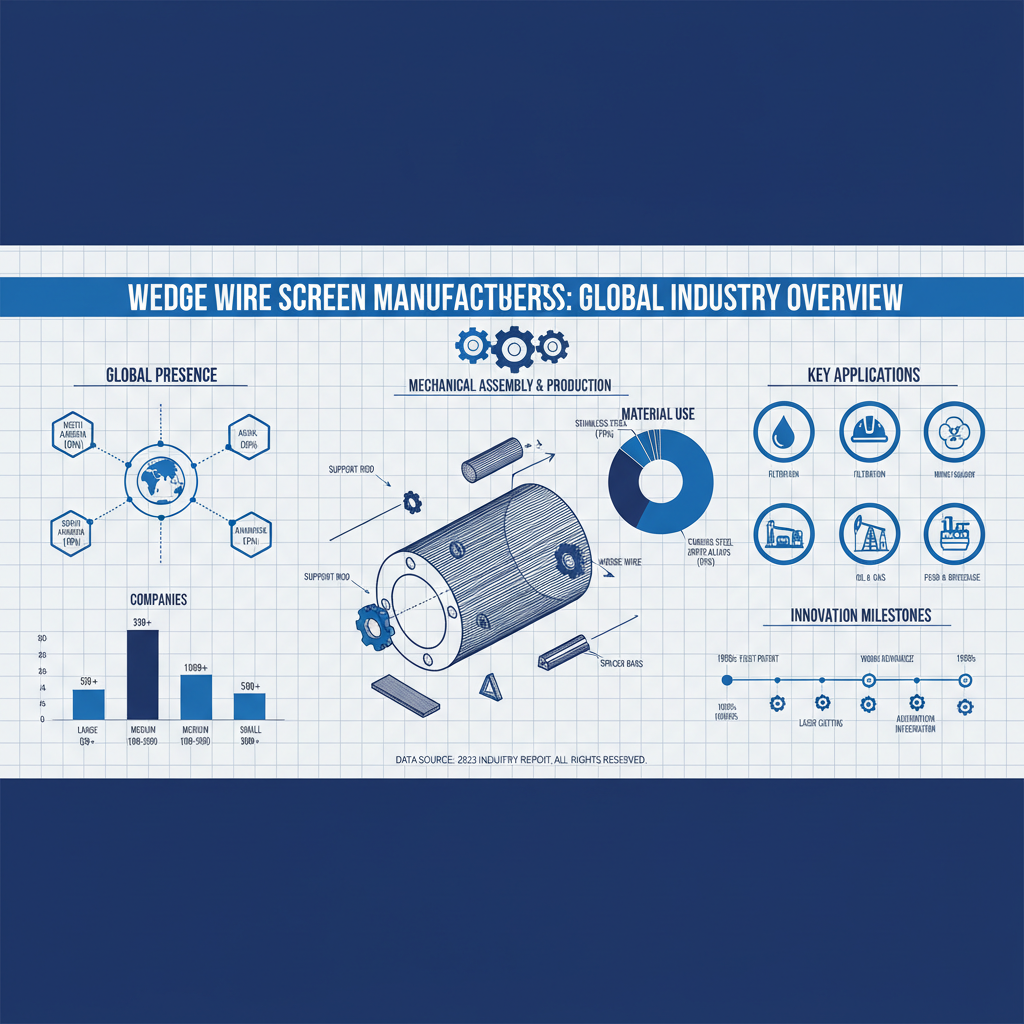
Wedge wire screen manufacturing isn’t merely about producing metal structures; it’s about delivering tailored filtration solutions. The ability to precisely control slot size, wire profile, and material composition allows manufacturers to meet the demanding requirements of diverse applications. The quality of these screens directly impacts the efficiency and reliability of larger systems, influencing everything from water purity to process throughput. Wedge wire screen manufacturers who prioritize precision and quality control are therefore instrumental in supporting critical infrastructure and industrial operations.
The demand for these specialized manufacturers is increasing due to stricter environmental regulations and a growing awareness of the importance of resource conservation. Industries are actively seeking ways to optimize water usage, reduce waste, and improve product quality, all of which require advanced filtration technologies. Furthermore, the growing trend towards automation and continuous processing necessitates robust and low-maintenance filtration systems, making wedge wire screen manufacturers invaluable partners for businesses seeking to enhance their operational efficiency.
FAQS
Wedge wire screens are critical in various sectors including water & wastewater treatment, oil & gas, food & beverage processing, chemical processing, pulp & paper, and architectural applications. These industries utilize the screens for filtration, separation, and support applications due to their durability, high flow rates, and resistance to clogging. Specifically, manufacturers supporting water purification and resource recovery are seeing increased demand.
The V-shaped wire profile creates a continuous, narrow slot that minimizes the surface area available for solids to adhere, dramatically reducing clogging. This design facilitates a self-cleaning effect, maintaining high flow rates and reducing the need for frequent maintenance. The continuous slot also provides more open area compared to woven mesh, enhancing filtration capacity.
Stainless steel (304, 316, 316L) is the most common material due to its excellent corrosion resistance and durability. However, other materials like Duplex stainless steel, Hastelloy, and titanium are used for highly corrosive or high-temperature applications. Material selection is crucial and depends on the specific operating environment and fluid composition.
Lead times for custom orders vary depending on the complexity of the design, material availability, and current production workload. Generally, a standard custom order can take between 4-8 weeks. Complex designs or orders requiring specialized materials may require longer lead times. It is best to contact the manufacturer directly for a precise quote and delivery schedule.
While the initial cost of wedge wire screens is often higher than woven mesh, the total cost of ownership is typically lower. This is due to their superior durability, longer lifespan, reduced maintenance requirements, and improved filtration efficiency. The reduced downtime and increased throughput often offset the initial price difference.
Reputable manufacturers employ stringent quality control measures, including material certification, dimensional inspections, non-destructive testing (NDT) such as radiographic testing, and hydrotesting to ensure structural integrity. They often adhere to ISO 9001 quality management standards and provide detailed documentation for each product.
Conclusion
In summary, wedge wire screen manufacturers are pivotal in delivering critical filtration solutions across a diverse range of industries. Their ability to provide durable, efficient, and customized screens directly contributes to improved operational performance, reduced costs, and enhanced sustainability. Understanding the core attributes of these manufacturers—from material selection to quality control—is essential for making informed decisions and maximizing the benefits of this technology.
Looking ahead, the continued innovation in materials, automation, and digitalization will further enhance the capabilities of wedge wire screens. The growing demand for clean water, efficient resource management, and sustainable industrial practices will undoubtedly drive the continued growth and evolution of this vital manufacturing sector. We encourage you to explore our website at www.mutoscreen.com to learn more about our comprehensive range of wedge wire screen solutions and how we can help you optimize your filtration processes.
Related Posts
-
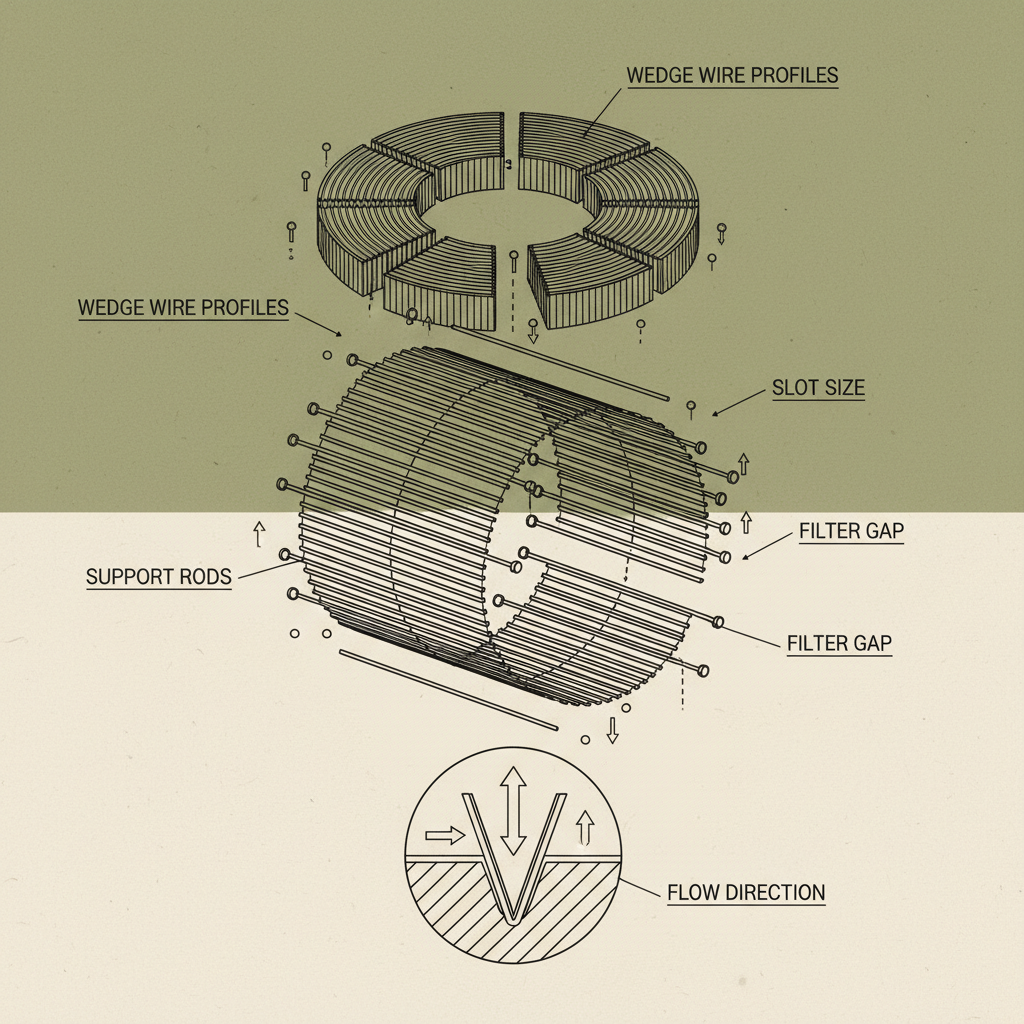
The Critical Role of Wedge Wire Screens in Modern Construction and Filtration
-
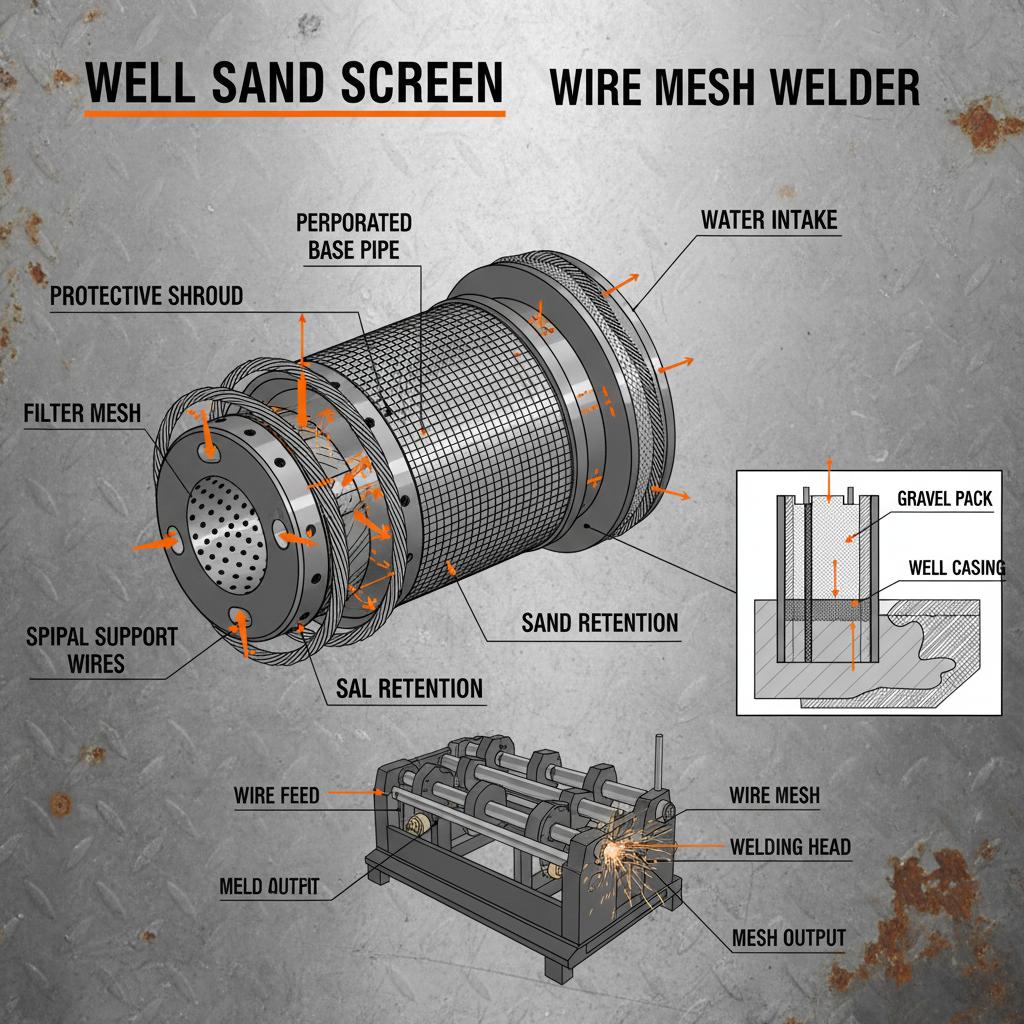
Protecting Critical Equipment with High Performance Well Sand Screen Solutions
-
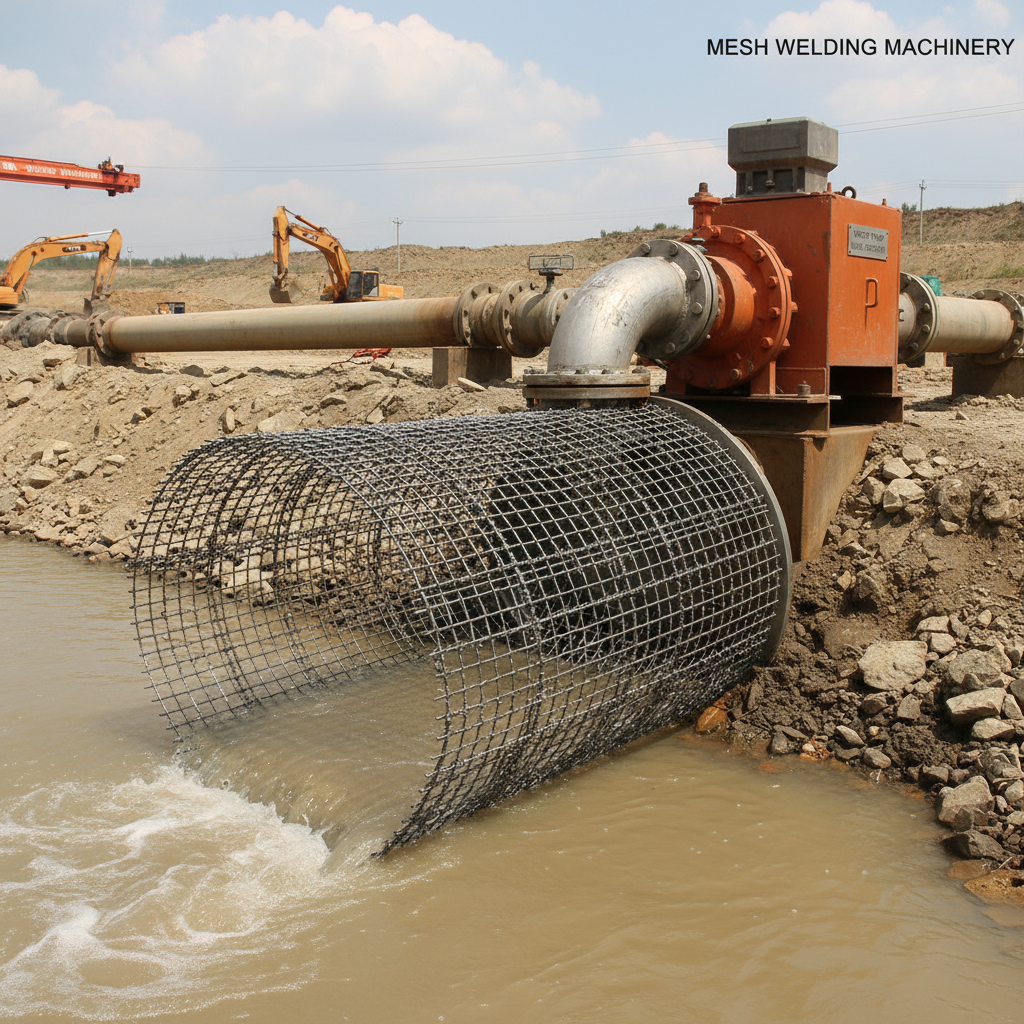
Protecting Water Systems with Effective Water Pump Intake Screen Solutions
-
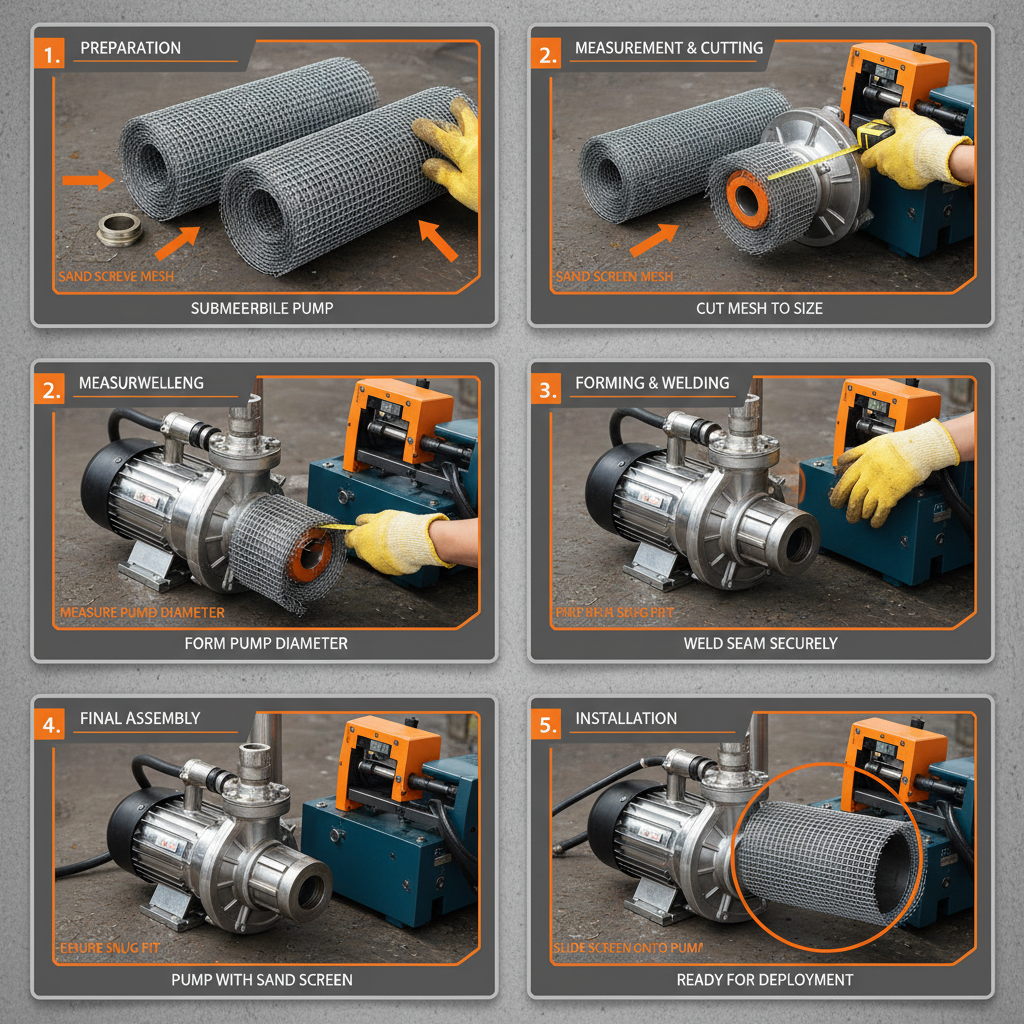
Comprehensive Guide to Submersible Well Pump Sand Screen Technology and Applications