
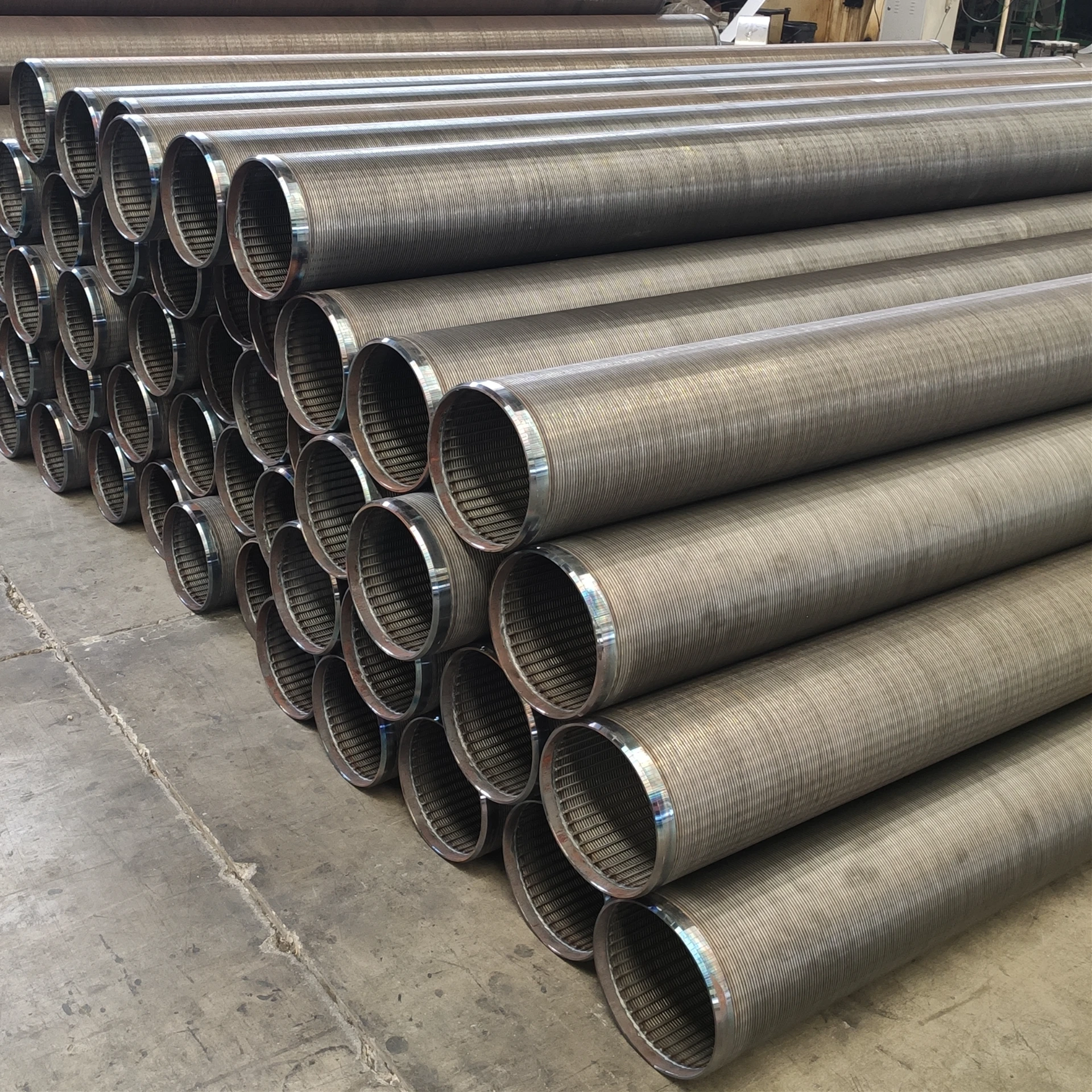
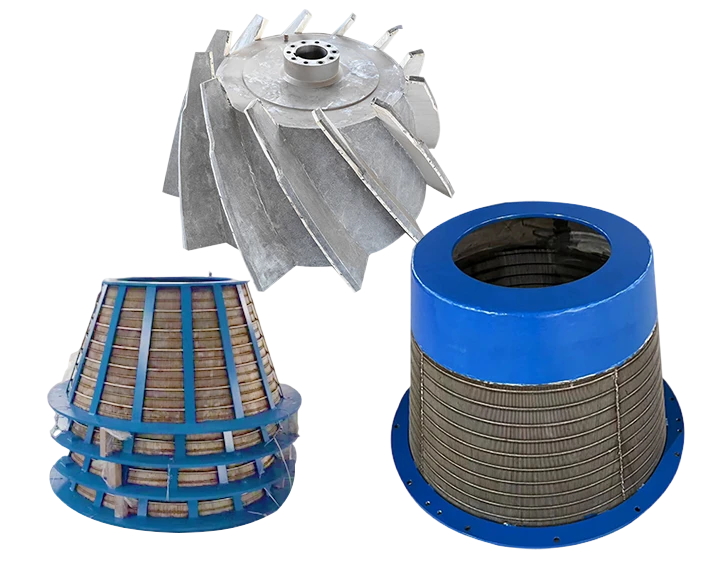
Look, I’ve spent the last fifteen years knee-deep in dust and concrete, watching projects come together – and sometimes fall apart. And I can tell you, one of the biggest headaches we consistently face isn’t the design, it’s managing the sand. Specifically, keeping it out of our critical equipment. That’s where a good well sand screen comes in. It's not just about protecting pumps; it's about keeping schedules, budgets, and reputations intact. We’re talking about minimizing downtime and maximizing efficiency, which in this business, translates directly to profit.
It's a deceptively simple piece of kit, but the impact is huge. I’ve seen projects delayed for days, even weeks, because of sand intrusion. The cost of pulling pumps, cleaning impellers, and dealing with the ripple effect is staggering. A quality well sand screen isn’t an expense, it's an insurance policy. It prevents far more costly repairs and keeps things moving. The constant struggle against abrasive particles wearing down essential components… trust me, you want to avoid that.
I’ve tested a lot of different options over the years. Cheaper screens might look good on paper, but they’ll clog faster, wear out quicker, and ultimately cost you more in the long run. It's about finding the balance between upfront cost and long-term reliability. And honestly, when you’re dealing with the kind of pressures we are – tight deadlines, demanding clients – you can’t afford to gamble on inferior equipment.
The Importance of Well Sand Screen in Construction
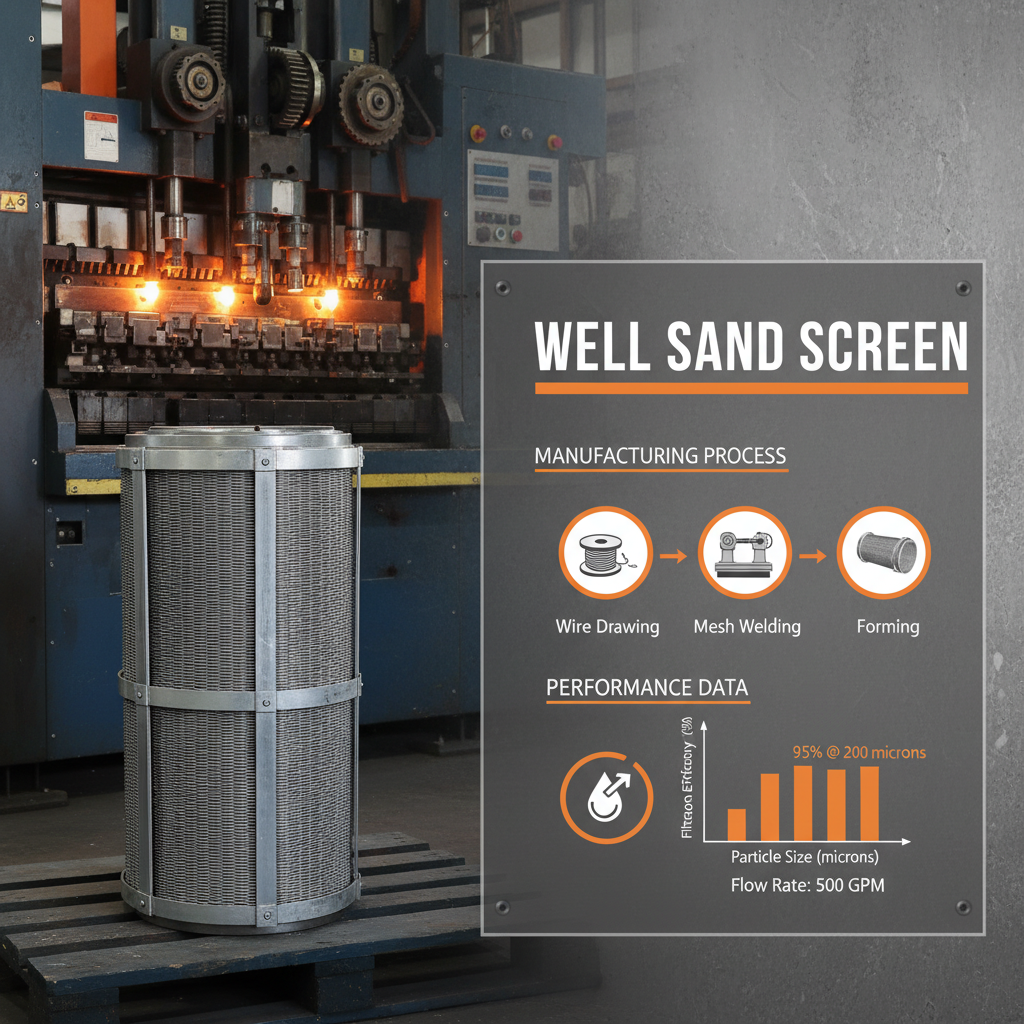
Let's be real – construction sites are messy. Sand, silt, gravel… it gets everywhere. And when that abrasive material gets into your pumps, pipelines, or other critical equipment, you're looking at a world of trouble. A well sand screen isn't a luxury; it's a necessity for protecting your investment. We're talking about preventing premature wear, reducing maintenance costs, and minimizing downtime on projects where every hour counts.
I’ve seen firsthand the devastating effects of sand intrusion. Pump failures, clogged lines, and even structural damage. It’s not just the immediate repair costs, it’s the delays, the frustrated crews, and the potential for safety hazards. A robust well sand screen is a proactive measure that can save you a significant amount of money and headaches in the long run.
FAQS
Determining the right mesh size depends on the size of the sand particles in your water source. Generally, a smaller mesh size offers better filtration but can clog more easily. I recommend getting a sand analysis done to determine the particle distribution and then choosing a mesh size that effectively removes the majority of the particles without restricting flow too much. It’s better to err on the side of slightly larger mesh to avoid frequent cleaning.
Cleaning frequency depends on the water quality and the screen material. As a general rule, inspect the screen every month and clean it if you notice a significant pressure drop or reduced flow rate. Stainless steel screens typically require less frequent cleaning than nylon or polypropylene screens. Replace the screen if it becomes damaged or corroded. Preventative maintenance is key.
Common materials include stainless steel (304, 316), nylon, and polypropylene. Stainless steel 316 offers the best corrosion resistance and durability, making it ideal for harsh environments. Nylon and polypropylene are more affordable but less durable. The “best” material depends on your specific application and budget. For saltwater or aggressive fluids, always go with 316 stainless steel.
Yes, but you must use a corrosion-resistant material like stainless steel 316. Regular steel will corrode rapidly in saltwater, leading to premature failure. Saltwater is especially abrasive, so durability is critical. Regularly inspect the screen for signs of corrosion and replace it as needed.
Proper installation is crucial for preventing bypass and ensuring optimal filtration. Ensure the screen fits snugly around the pump intake and is securely fastened. Use appropriate sealing materials to prevent sand from circumventing the screen. If you're not comfortable with the installation, hire a qualified professional. A poor installation can render the screen ineffective.
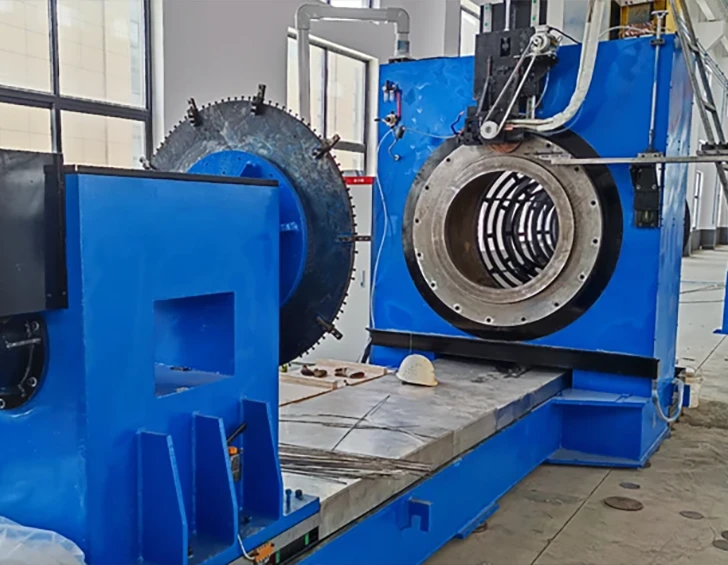
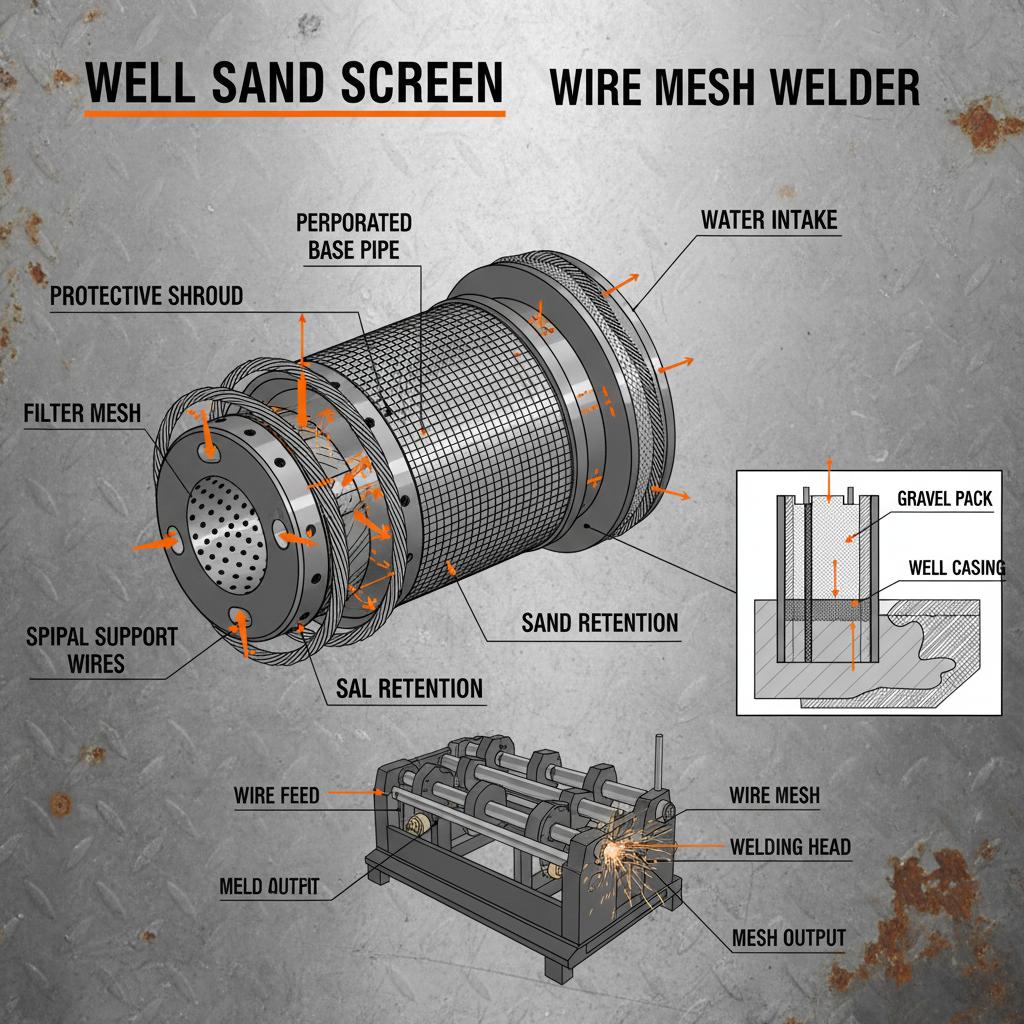
Slotted screens have longitudinal slots cut into a metal tube, while wire-wrapped screens have a continuous wire wrapped around a core. Wire-wrapped screens generally offer better strength and resistance to deformation. Slotted screens are often more cost-effective but may be less durable. The choice depends on the specific application and the type of sand being filtered.
Conclusion
Look, well sand screen aren’t glamorous, but they’re absolutely essential for keeping projects on track and protecting your investment. They’re a small price to pay for preventing costly downtime, extending equipment life, and ensuring overall project success. It’s a lesson I’ve learned the hard way over the years, and one I wish more people understood upfront.
Don’t treat it as an afterthought. Invest in a quality screen, install it properly, and maintain it regularly. Consider exploring the newer technologies like self-cleaning screens and remote monitoring systems. And when in doubt, consult with experienced professionals. Because in this business, preventing problems is always cheaper – and less stressful – than fixing them. Visit our website at www.mutoscreen.com to learn more about our solutions.
Related Posts
-
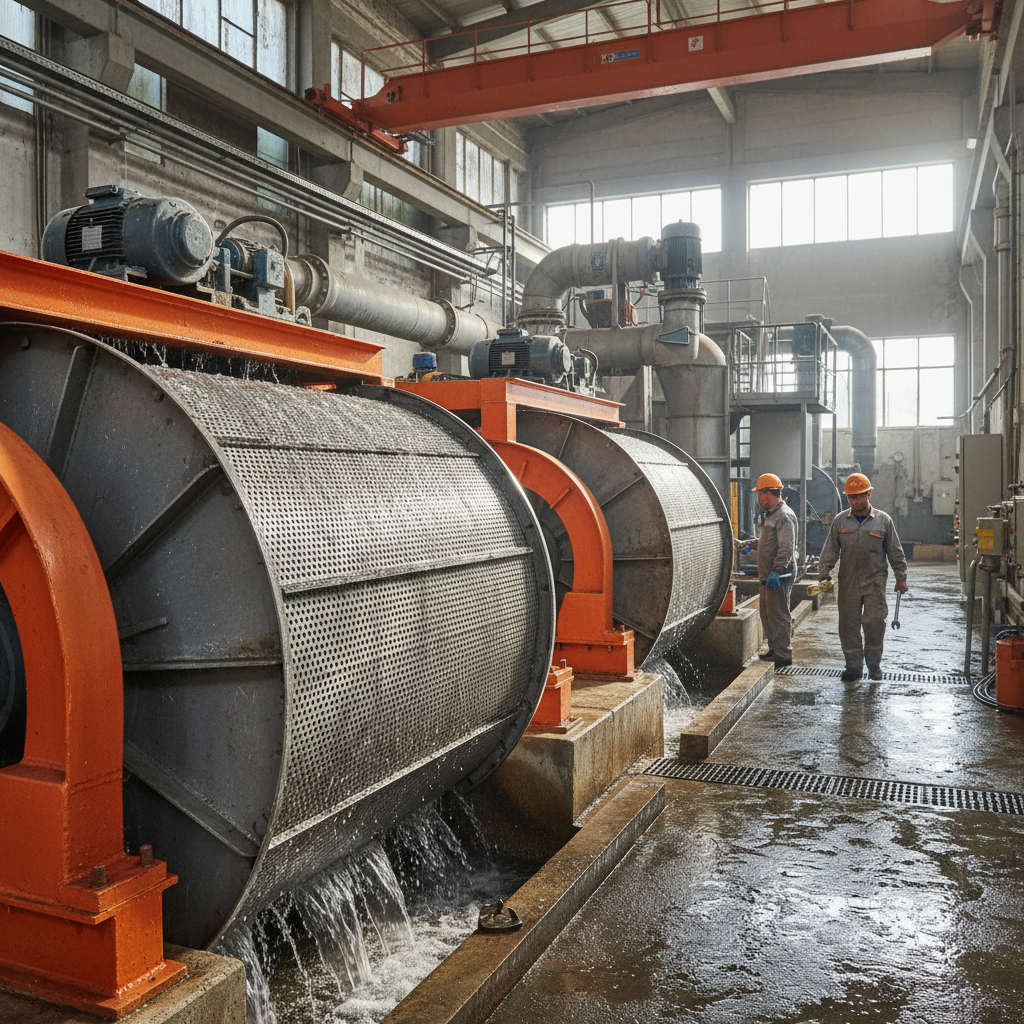
Advancements in Water Treatment Screens for Global Clean Water Solutions
-
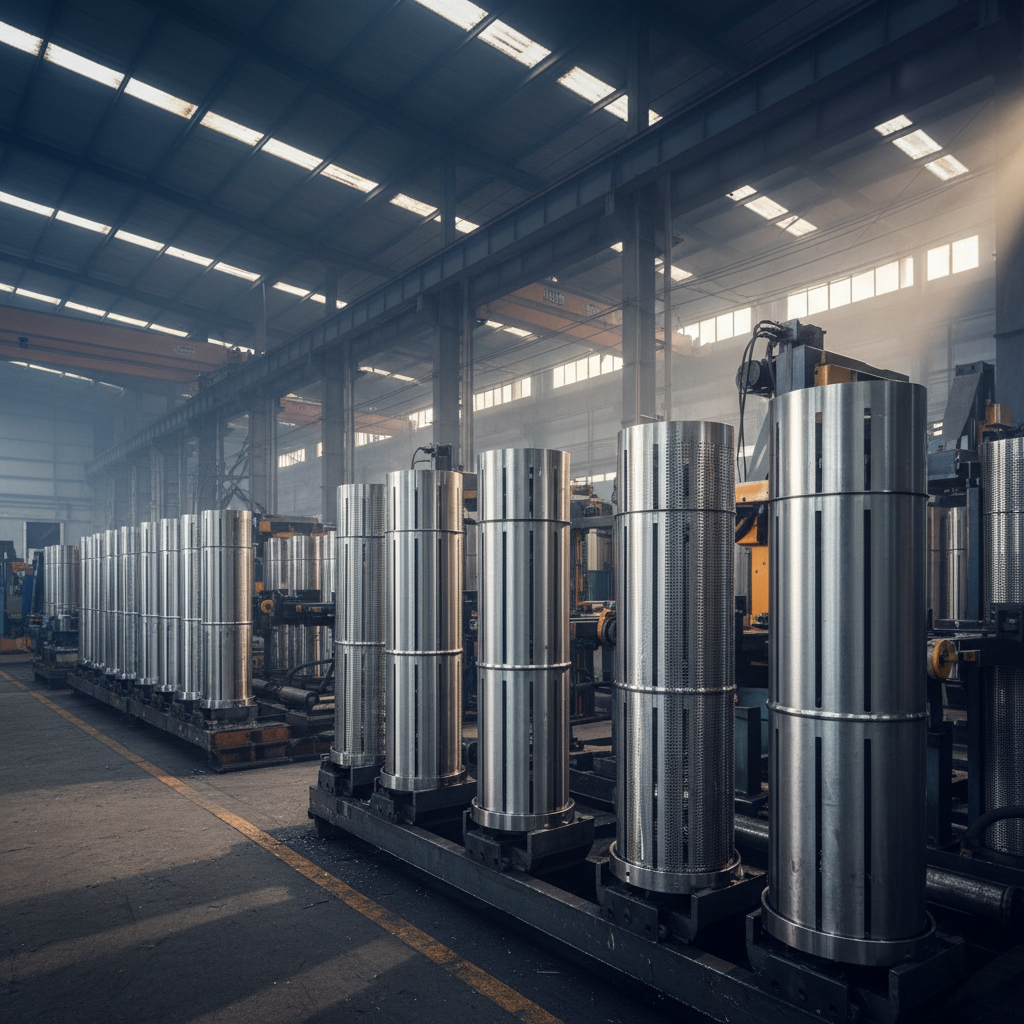
High Quality Stainless Steel Water Well Screens for Sustainable Water Extraction
-
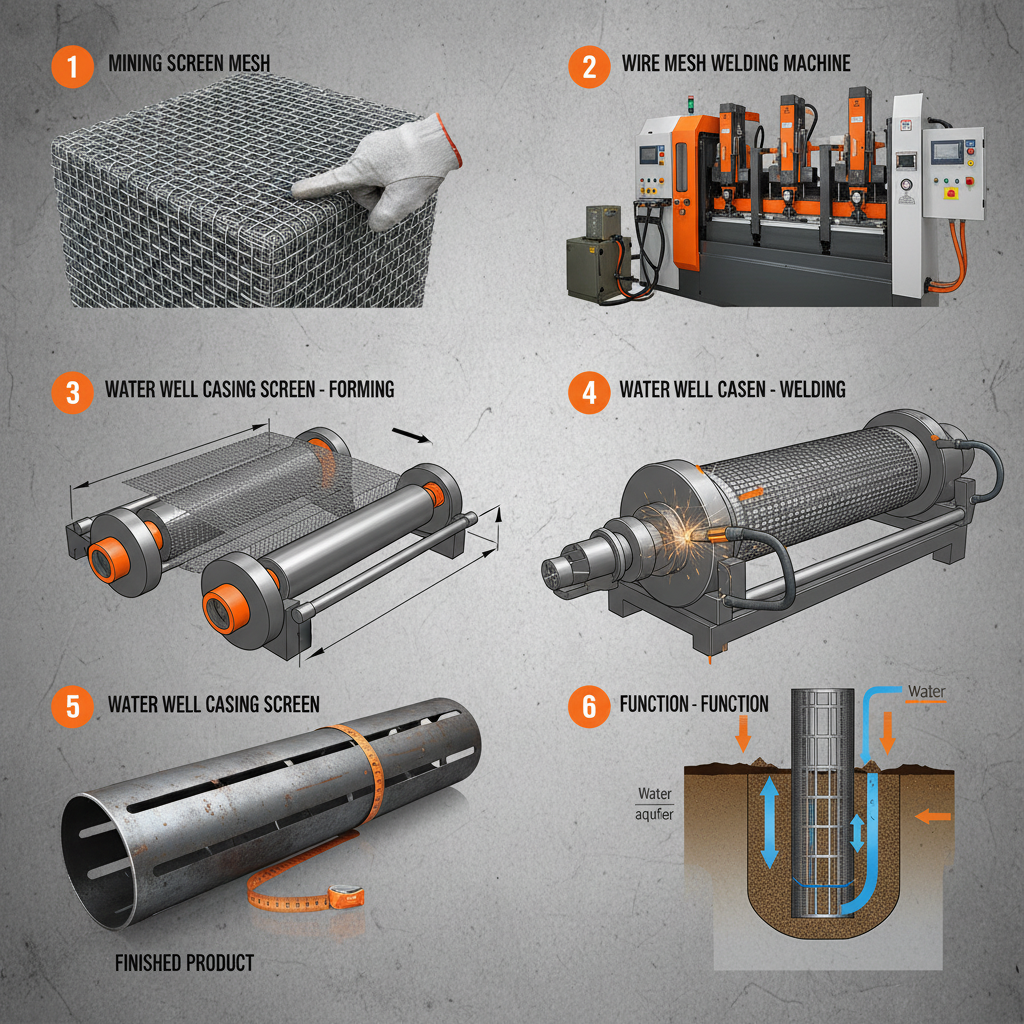
The Importance of a Quality Water Well Casing Screen for Reliable Water Sources
-
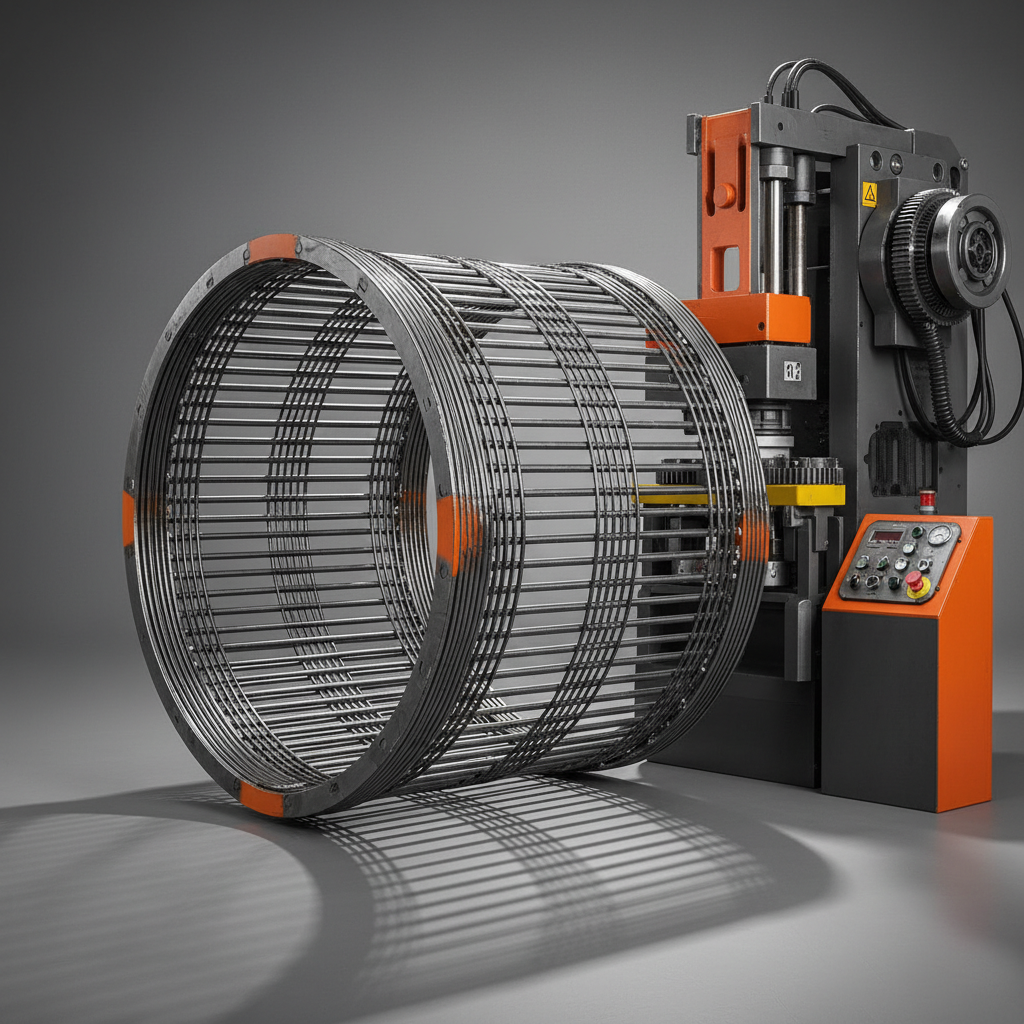
Optimizing Water Well Systems with Advanced Well Water Screen Technology