Well water screens are critical components in water well construction, serving as a barrier against sand, gravel, and other sediments while allowing water to flow freely into the well. Their importance extends globally, as they are fundamental to providing clean and sustainable water sources for drinking, irrigation, and industrial use. The demand for effective well water screens is driven by increasing global population, diminishing freshwater resources, and a growing awareness of water quality concerns. Understanding well water screen technology is vital for ensuring long-term access to safe and reliable water supplies.
The significance of well water screen technology isn’t limited to providing potable water. These screens play a crucial role in environmental remediation projects, groundwater monitoring, and industrial processes that require filtered water. Advancements in materials and manufacturing techniques have led to more durable, efficient, and cost-effective well water screens, making them accessible to a wider range of applications and regions. Investing in high-quality well water screens is an investment in public health and environmental sustainability.
Properly designed and installed well water screen systems significantly reduce well maintenance, extend well lifespan, and improve water quality, ultimately lowering the long-term costs associated with water extraction and treatment.
The Importance of Well Water Screen Technology
The global need for sustainable and reliable water sources is paramount. Well water screens, as a foundational element of well construction, directly contribute to achieving this goal. They are not merely filtration devices but integral parts of a comprehensive water management system, preventing pump damage and ensuring consistent water yield. Without effective well water screens, wells can become clogged, requiring costly repairs or even abandonment, ultimately impacting water availability for communities and industries.
According to the World Bank, approximately 2.2 billion people lack access to safely managed drinking water services. Investing in robust well water screen technology is a proactive step towards addressing this challenge, especially in regions with limited infrastructure and vulnerable water resources. The implementation of durable, high-performance well water screen solutions can significantly improve water access and quality, fostering healthier and more resilient communities.
Defining Well Water Screens
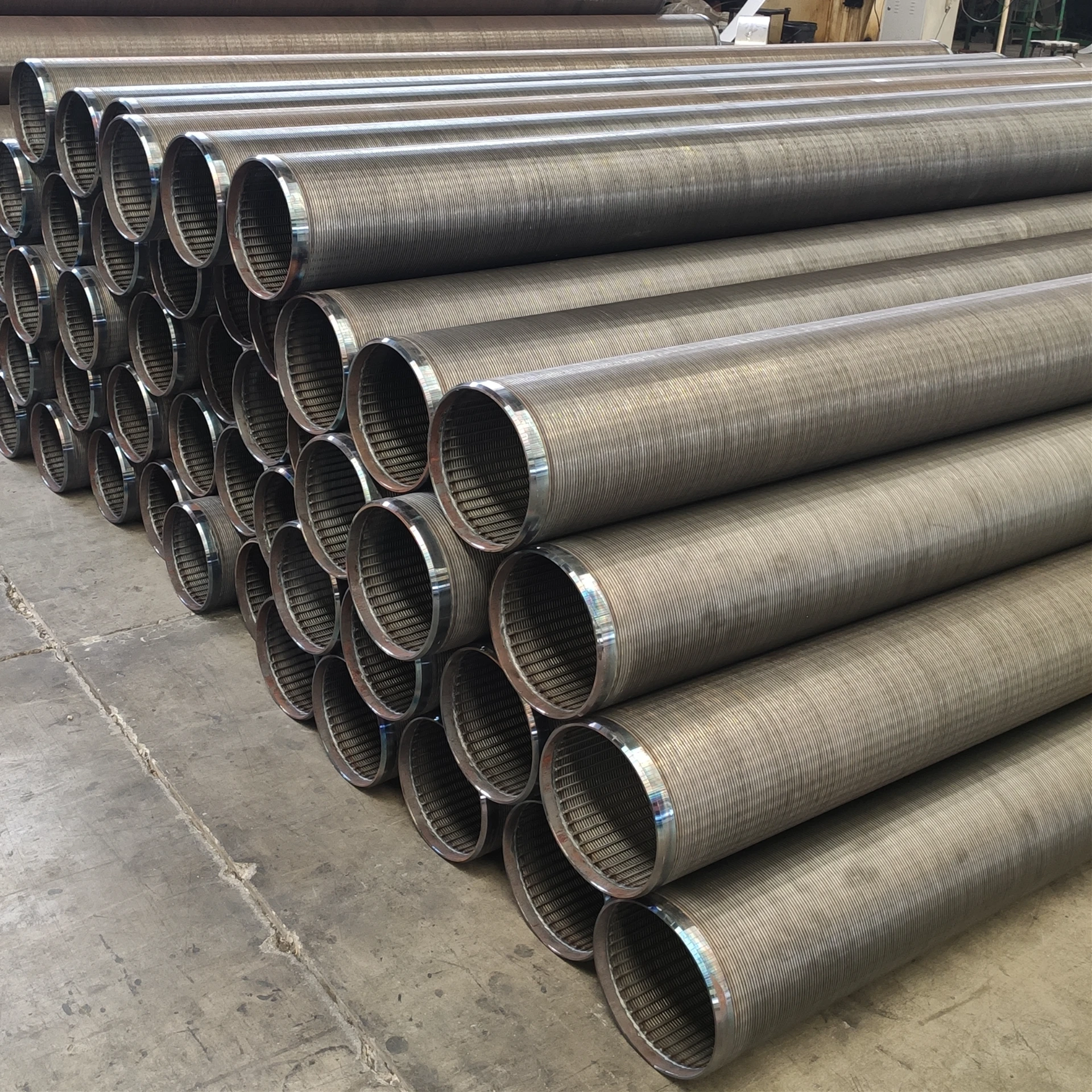
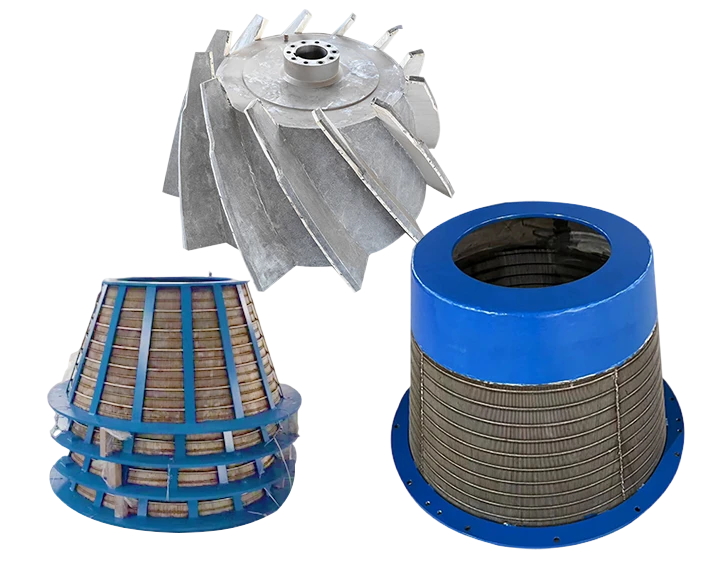
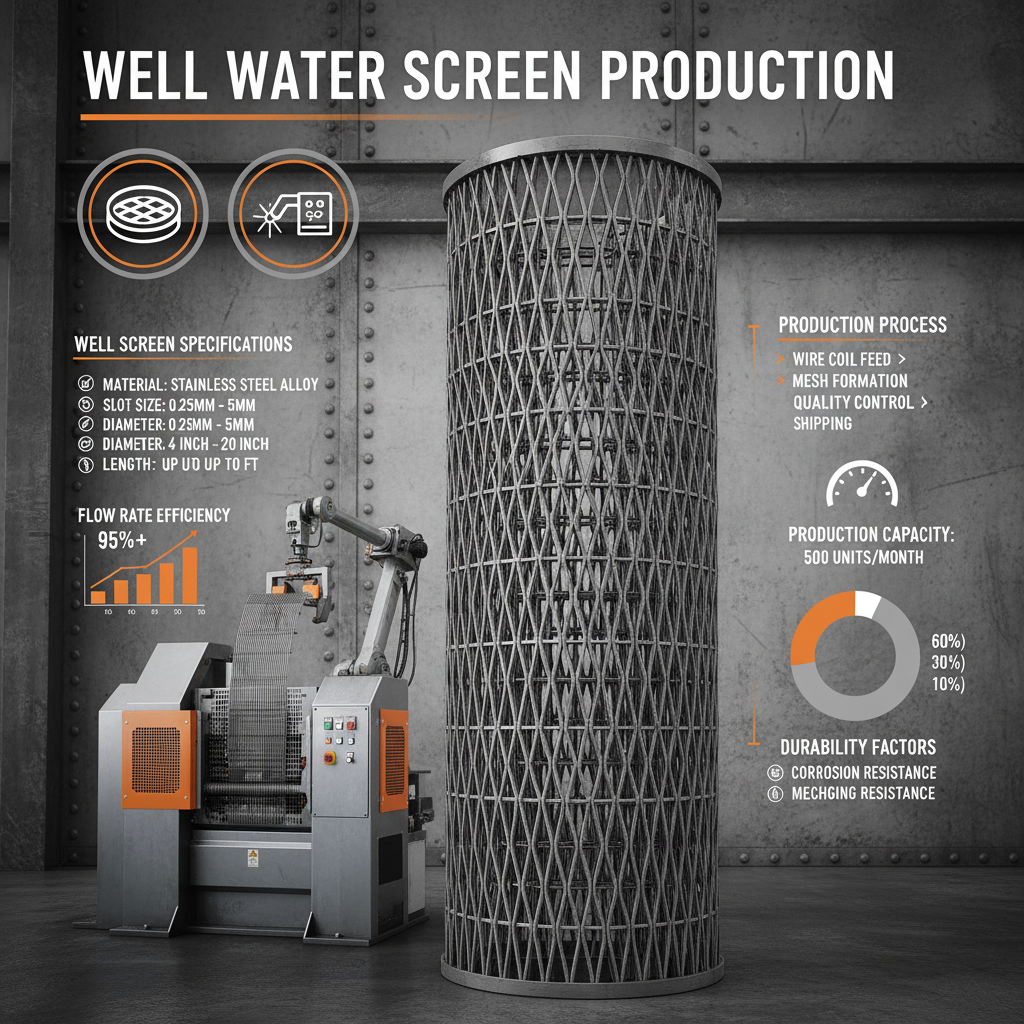
A well water screen is a specialized filtration device designed to prevent sand, gravel, and other particulate matter from entering a water well. Its primary function is to allow water to flow into the well casing while simultaneously blocking sediment that could damage pumps, reduce well efficiency, or contaminate the water supply. These screens are typically constructed from materials like stainless steel, plastic, or a combination thereof, chosen for their corrosion resistance, durability, and compatibility with various geological conditions.
Unlike simple strainers, well water screens are engineered with specific slot sizes and open areas to optimize water flow and minimize head loss. The design principles behind a well water screen are rooted in both hydraulic engineering and geological understanding. Selecting the correct screen type and slot size is crucial for maximizing well performance and extending its operational lifespan.
In the context of modern industry and humanitarian needs, well water screens are an essential component in ensuring access to clean water. They’re not just for rural wells; they’re also used in industrial water intake structures, groundwater remediation sites, and monitoring wells, playing a vital role in environmental protection and resource management.
Core Components and Characteristics
Several key aspects define the quality and performance of a well water screen. Firstly, the material composition significantly impacts its longevity and resistance to corrosion. Stainless steel, particularly 304 and 316 grades, is a common choice due to its durability and compatibility with various water chemistries. Secondly, the slot size dictates the level of filtration, preventing the ingress of particles while maximizing water flow. Appropriate slot size selection is critical and dependent on the characteristics of the surrounding aquifer.
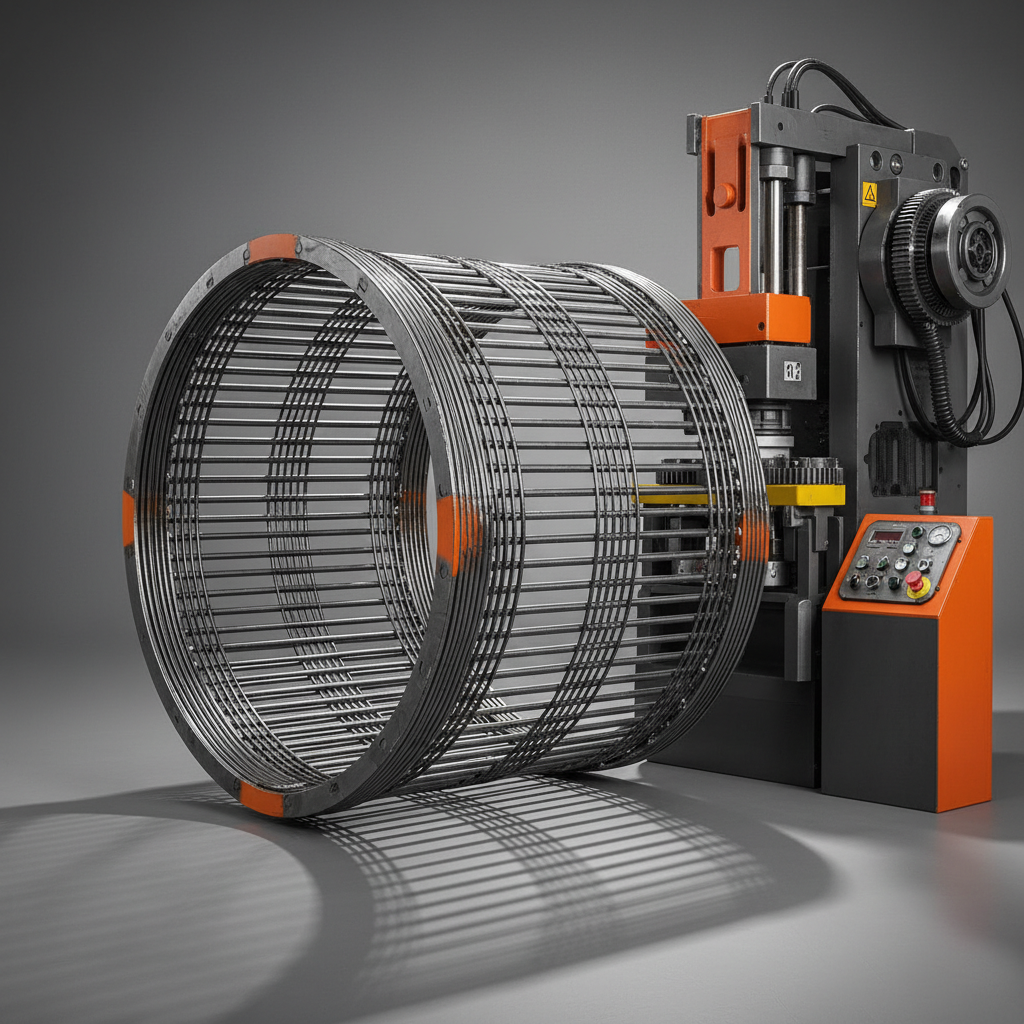
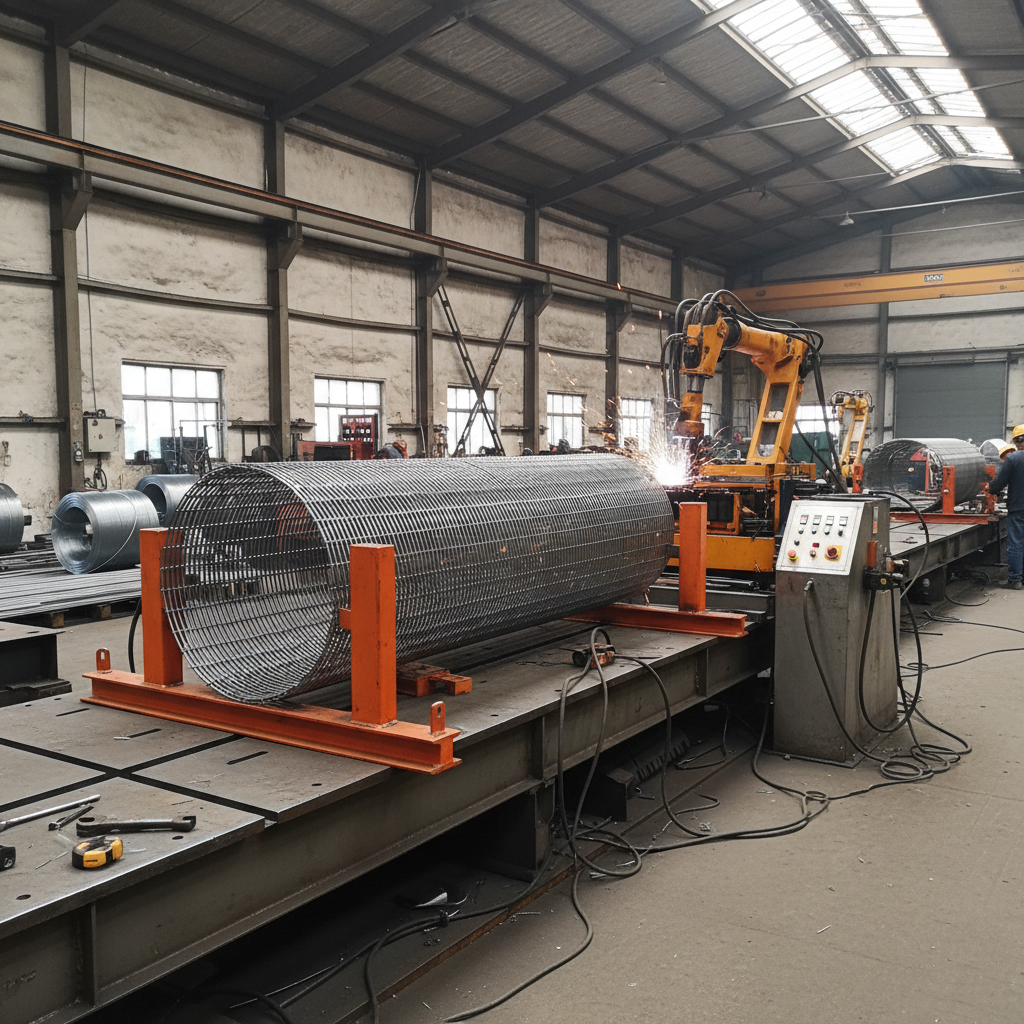
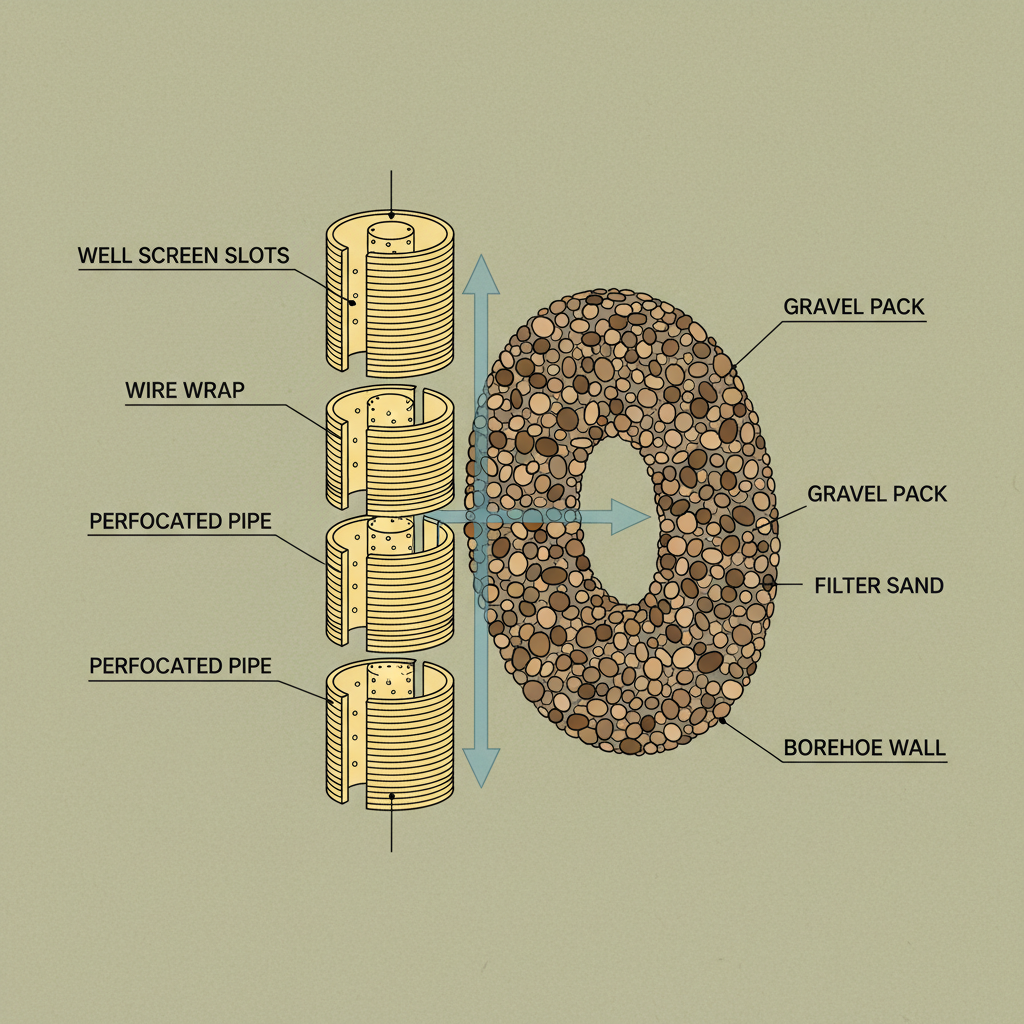
Thirdly, the open area of the screen refers to the percentage of the screen surface that allows water to pass through. A higher open area generally results in lower head loss and increased well yield. Fourthly, the screen construction—whether it’s a continuous slot, welded wire, or perforated pipe—affects its structural integrity and ability to withstand well development and operational stresses. Finally, the connection method to the well casing must be secure and watertight to prevent bypass of unfiltered water.
These core characteristics are intrinsically linked to the practical application of the well water screen. For example, in areas with highly abrasive sand, a robust, welded wire screen with a smaller slot size may be preferred, while in a clean sand and gravel aquifer, a continuous slot screen with a larger open area could be more efficient. Well water screen quality is paramount.
Key Factors Influencing Well Water Screen Performance
The effectiveness of a well water screen isn’t solely determined by its construction. Several external factors play a critical role. Aquifer characteristics, including grain size distribution and sediment concentration, directly impact slot size selection. Water chemistry, particularly pH and salinity, can affect material corrosion rates and screen lifespan. The well development process, if not properly executed, can damage the screen or introduce sediment that compromises its performance.
Furthermore, installation techniques are crucial. Improper screen placement or inadequate sealing can lead to bypass of unfiltered water. The pumping rate also influences screen performance; exceeding the screen's capacity can lead to increased head loss and reduced well yield. Monitoring these factors and implementing appropriate maintenance practices are essential for optimizing well water screen longevity and efficiency.
Well Water Screen Performance Metrics
Global Applications and Industries Served
Well water screen technology finds application across a diverse range of industries and geographic locations. In agriculture, they are essential for irrigation wells, providing a reliable water source for crop production. In municipal water supply, they ensure the delivery of clean drinking water to communities. Industrial applications include water intake for power plants, manufacturing facilities, and mining operations.
Geographically, demand is particularly high in arid and semi-arid regions, where groundwater is a primary source of water. Countries in the Middle East, Africa, and parts of Asia rely heavily on well water screens for sustainable water management. Furthermore, in post-disaster relief operations, well water screens are crucial for establishing emergency water supplies in areas where surface water sources are contaminated or inaccessible. They also play a role in environmental remediation projects, particularly in groundwater cleanup efforts.
Advantages and Long-Term Value Proposition
The advantages of investing in high-quality well water screen systems are multifaceted. Firstly, they significantly reduce well maintenance costs by preventing pump damage and clogging. Secondly, they enhance water quality, minimizing the need for expensive water treatment processes. Thirdly, they extend well lifespan, providing a long-term, sustainable water source. These tangible benefits translate into substantial cost savings and improved operational efficiency.
Beyond the economic advantages, well water screens contribute to environmental sustainability by minimizing water waste and reducing the energy consumption associated with pumping and treatment. From a social perspective, they provide access to safe and reliable water, improving public health and overall quality of life. The trust and reliability that comes from a well-maintained and efficient water supply are invaluable.
Future Trends and Innovations in Well Water Screen Technology
The future of well water screen technology is focused on sustainability, efficiency, and integration with smart water management systems. Ongoing research and development efforts are centered on new materials with enhanced corrosion resistance and biofouling prevention properties. Advancements in screen design aim to maximize open area while maintaining structural integrity, further reducing head loss and improving well yield.
The integration of sensors and data analytics is also emerging as a key trend, allowing for real-time monitoring of screen performance and proactive maintenance. These "smart screens" can provide valuable insights into aquifer conditions, identify potential problems, and optimize pumping schedules. The move towards more eco-friendly manufacturing processes and the use of recycled materials are also gaining momentum, contributing to a more sustainable lifecycle for these critical components.
Furthermore, the rise of digital twin technology offers the potential to create virtual models of well systems, allowing engineers to simulate different operating scenarios and optimize screen design and placement.
FAQS
The lifespan of a well water screen varies depending on several factors, including the screen material, water chemistry, aquifer conditions, and maintenance practices. Generally, a stainless steel well water screen can last 20-50 years with proper installation and minimal corrosion. Regular inspection and cleaning can significantly extend its lifespan. Choosing the right material for your specific water conditions is crucial for longevity.
Determining the correct slot size requires a thorough understanding of the aquifer's grain size distribution. It's generally recommended to select a slot size that is approximately 25-50% smaller than the median grain size of the aquifer material. This prevents excessive sand pumping while allowing for optimal water flow. A professional hydrogeologist can provide a detailed assessment and recommend the appropriate slot size for your specific well.
Common causes of well water screen failure include corrosion, abrasion, clogging, and mechanical damage. Corrosion is often caused by aggressive water chemistry, while abrasion is due to the presence of abrasive particles in the water. Clogging can occur if the slot size is too small or if the well isn't properly developed. Mechanical damage can result from improper installation or well development practices. Regular inspections and preventative maintenance can help mitigate these risks.
In many cases, a clogged well water screen can be cleaned. Cleaning methods include backwashing, jetting, and chemical treatments. Backwashing involves reversing the flow of water to dislodge debris. Jetting uses high-pressure water to remove sediment. Chemical treatments can dissolve mineral buildup. However, the effectiveness of cleaning depends on the severity of the clogging and the type of debris present. In some cases, screen replacement may be necessary.
Well water screens are commonly made from stainless steel (grades 304 and 316 are most prevalent), plastic (PVC, nylon), and sometimes a combination of both. Stainless steel offers excellent corrosion resistance and durability, making it suitable for a wide range of applications. Plastic screens are lightweight and cost-effective but may be less durable in abrasive environments. The choice of material depends on the specific water chemistry, aquifer conditions, and budget constraints.
Water quality significantly impacts well water screen performance and longevity. High levels of acidity, salinity, or iron can accelerate corrosion, reducing the screen's lifespan. The presence of abrasive particles, such as sand and silt, can cause abrasion and clogging. Biological growth, such as biofilm, can also reduce flow capacity. Regularly monitoring water quality and implementing appropriate treatment measures can help mitigate these effects and extend the screen's lifespan.
Conclusion
In conclusion, well water screen technology is an indispensable element of sustainable water management, providing a vital link between groundwater resources and human needs. Their importance extends far beyond simple filtration, encompassing economic benefits, environmental sustainability, and public health considerations. Understanding the core principles of well water screen design, installation, and maintenance is crucial for optimizing their performance and maximizing their long-term value.
As we face increasing global water challenges, continued innovation in well water screen technology will be essential. Investing in research and development, embracing smart monitoring systems, and promoting sustainable manufacturing practices will pave the way for a future where clean and reliable water is accessible to all. Visit our website at www.mutoscreen.com to learn more about our cutting-edge well water screen solutions and how we can help you meet your water management needs.