0%

Table of Contents

Well screen casing is a critical component in a vast range of applications, from water well construction and groundwater monitoring to oil and gas extraction and environmental remediation. Its primary function is to prevent sand and other particulate matter from entering a well, ensuring efficient and long-lasting operation. Globally, the demand for reliable and durable well screen casing is steadily increasing due to growing populations, expanding industrial activities, and a heightened focus on sustainable water resource management. This demand necessitates advancements in materials, manufacturing techniques, and installation methods to meet evolving industry standards and environmental regulations.

The significance of well screen casing extends beyond mere functionality. Improperly designed or installed casing can lead to well failure, reduced water quality, and costly repairs. Consequently, selecting the appropriate well screen casing, based on factors like formation characteristics, fluid properties, and anticipated operating conditions, is paramount. A well-engineered system ensures a sustainable supply of clean water, minimizes environmental impact, and optimizes resource utilization. This makes understanding the nuances of well screen casing not just a technical concern, but a crucial element of responsible resource management.

The increasing frequency of extreme weather events and the subsequent need for resilient infrastructure further amplifies the importance of high-quality well screen casing. Investing in robust and reliable systems contributes to long-term water security and reduces the vulnerability of communities to disruptions in water supply.
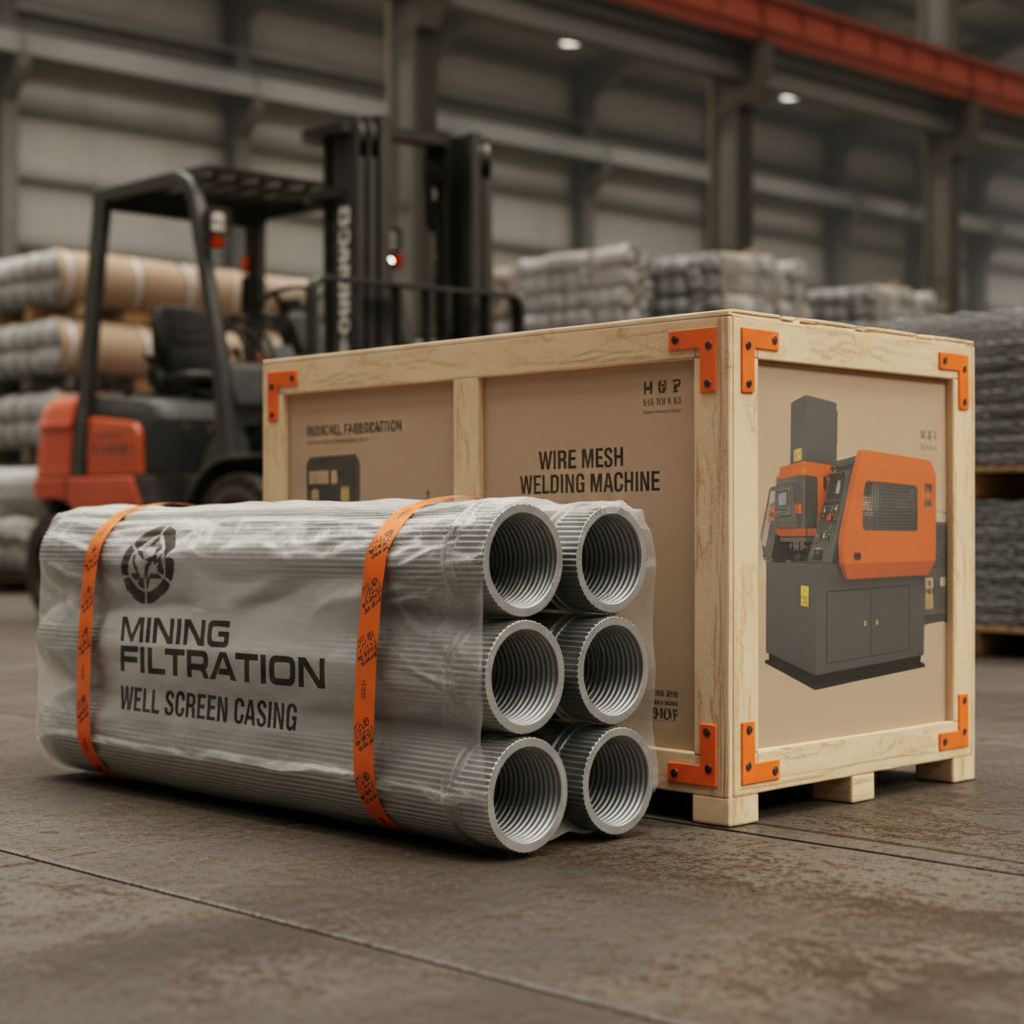
Optimizing Well Performance with Advanced Well Screen Casing Solutions

The Importance of Well Screen Casing

Optimizing Well Performance with Advanced Well Screen Casing Solutions

Well screen casing plays a fundamental role in the long-term efficiency and sustainability of wells. It acts as a crucial filter, preventing the ingress of sand, gravel, and other formation materials that can obstruct flow pathways and damage pumping equipment. The selection of appropriate well screen casing directly impacts the well's yield, water quality, and operational lifespan, making it a core consideration in well development projects.

Without effective well screen casing, wells are susceptible to reduced capacity, increased maintenance costs, and premature failure. This can have significant economic and environmental consequences, particularly in regions reliant on groundwater resources for drinking water, irrigation, or industrial processes.

Defining Well Screen Casing

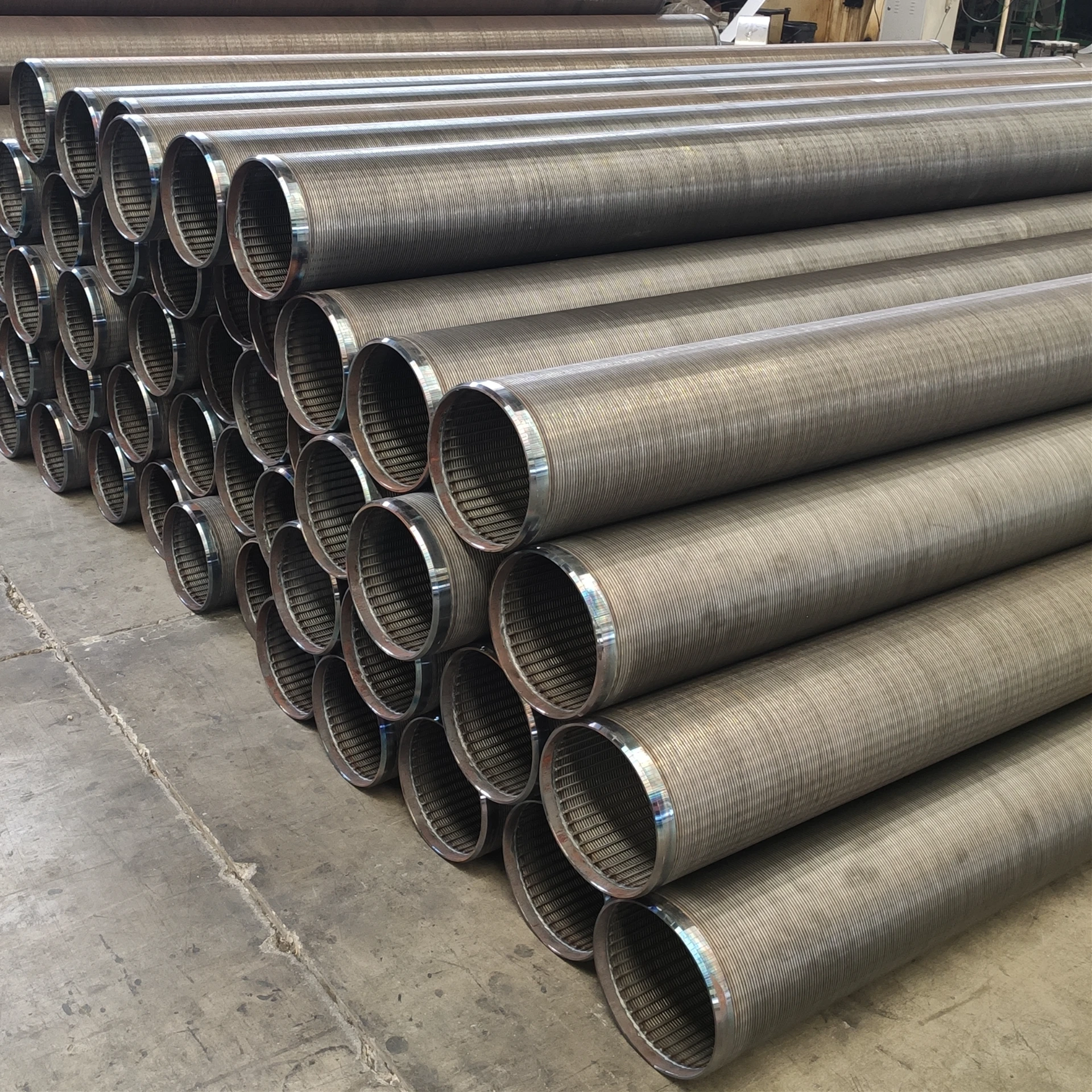
Well screen casing, also known as well screens or filter packs, are specialized components installed within a wellbore to prevent the migration of formation materials while allowing water or other fluids to enter the well freely. They are typically constructed from materials like stainless steel, carbon steel, or plastics, and are designed with specific slot sizes or mesh openings to effectively filter out particulate matter.

These casings are integral to modern water management and resource extraction, supporting the vital function of accessing subsurface fluids without compromising the well’s integrity. The effectiveness of a well screen casing is directly linked to the specific geological conditions and fluid properties of the well environment.

In essence, well screen casing represents a critical interface between the wellbore and the surrounding aquifer or reservoir, facilitating sustainable resource utilization while protecting the well's operational efficiency.

Key Factors in Well Screen Casing Design

Several critical factors influence the design and selection of well screen casing. Firstly, formation characteristics such as grain size distribution, permeability, and clay content dictate the appropriate slot size or mesh opening to prevent particle migration. Secondly, fluid properties, including viscosity, corrosivity, and sediment load, must be considered to ensure material compatibility and prevent clogging.

Thirdly, well depth and diameter influence the structural integrity and hydraulic performance of the casing. Deeper wells require casings with greater tensile strength to withstand the hydrostatic pressure, while wider diameter wells require casings that can effectively distribute the flow of fluids. Fourthly, anticipated flow rates and well yields dictate the necessary open area of the casing to minimize friction loss and maximize efficiency.

Finally, regulatory requirements and environmental considerations often influence material selection and design specifications. Choosing a casing that meets both operational needs and environmental standards is crucial for responsible well development. Proper consideration of these factors ensures optimal performance and longevity of the well system.

Global Applications of Well Screen Casing

The applications of well screen casing are remarkably diverse and span across numerous industries and geographical locations. In municipal water supply, well screen casing ensures the delivery of clean and safe drinking water to communities worldwide. In agriculture, they are critical for irrigation wells, supporting crop production and food security.

The oil and gas industry extensively utilizes well screen casing for sand control in production wells, maximizing hydrocarbon recovery and preventing damage to equipment. In environmental remediation, well screen casing is employed in groundwater monitoring wells and pump-and-treat systems to assess and mitigate contamination.

From remote desert regions reliant on groundwater to densely populated urban areas, well screen casing provides a reliable solution for accessing and managing vital water resources. In post-disaster relief operations, quickly deployable wells with appropriate casing are essential for providing emergency water supplies to affected populations.

Comparative Analysis of Well Screen Casing Methods


Advantages and Long-Term Value

Investing in high-quality well screen casing offers significant long-term advantages. Reduced maintenance and repair costs are a direct result of durable construction and effective filtration. Enhanced well yield and water quality translate into increased operational efficiency and reduced pumping energy consumption, leading to substantial cost savings.

Moreover, the sustainable nature of well-designed systems minimizes environmental impact and promotes responsible resource management. This contributes to a positive public image and demonstrates a commitment to environmental stewardship. Choosing the right well screen casing provides peace of mind, knowing your well system is reliable, efficient, and environmentally sound.

Future Trends and Innovations

The future of well screen casing is poised for significant innovation. Advancements in materials science are leading to the development of more corrosion-resistant, high-strength alloys and polymers. Smart well screen casings, equipped with sensors and data analytics capabilities, are emerging, enabling real-time monitoring of well performance and early detection of potential issues.

Digitalization and automation are also transforming the industry, with automated manufacturing processes improving precision and reducing production costs. A growing focus on sustainability is driving the development of eco-friendly casing materials and manufacturing techniques, reducing the environmental footprint of well construction.

Challenges and Solutions

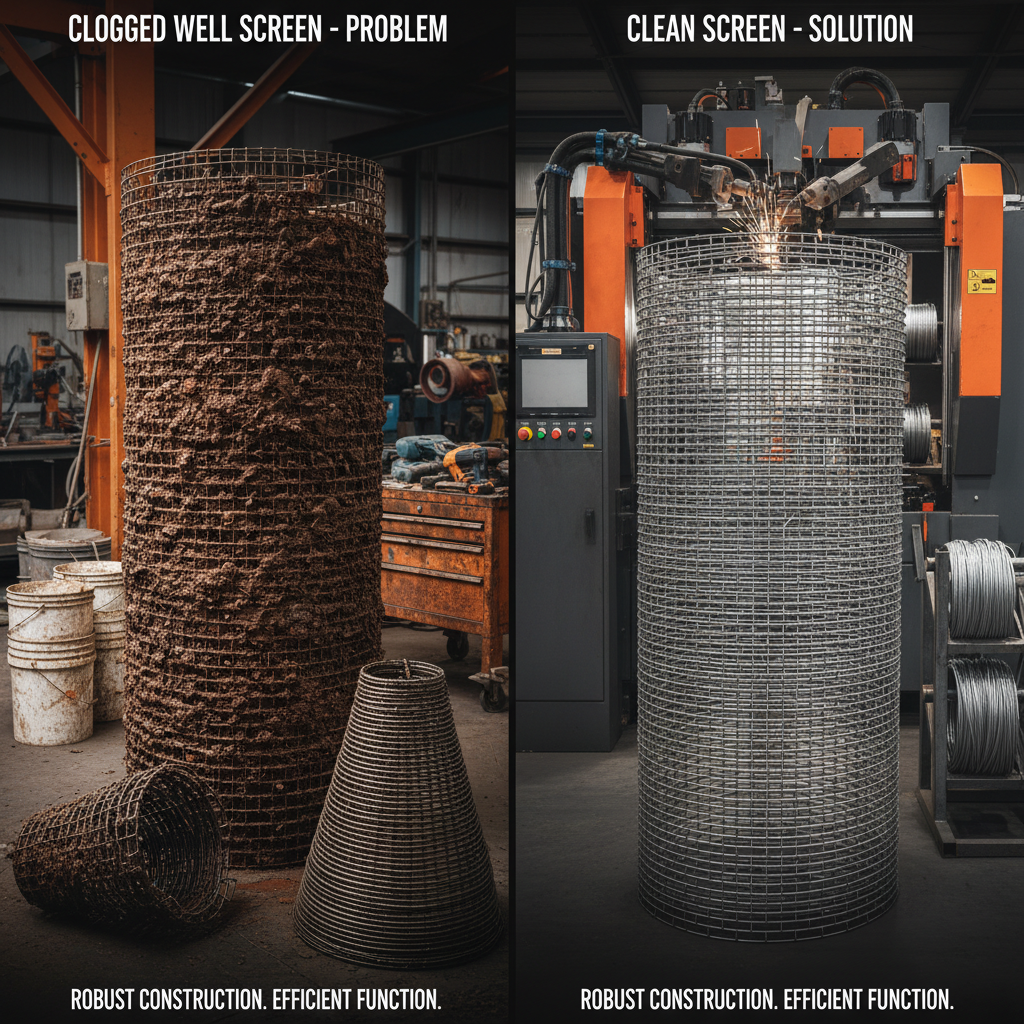
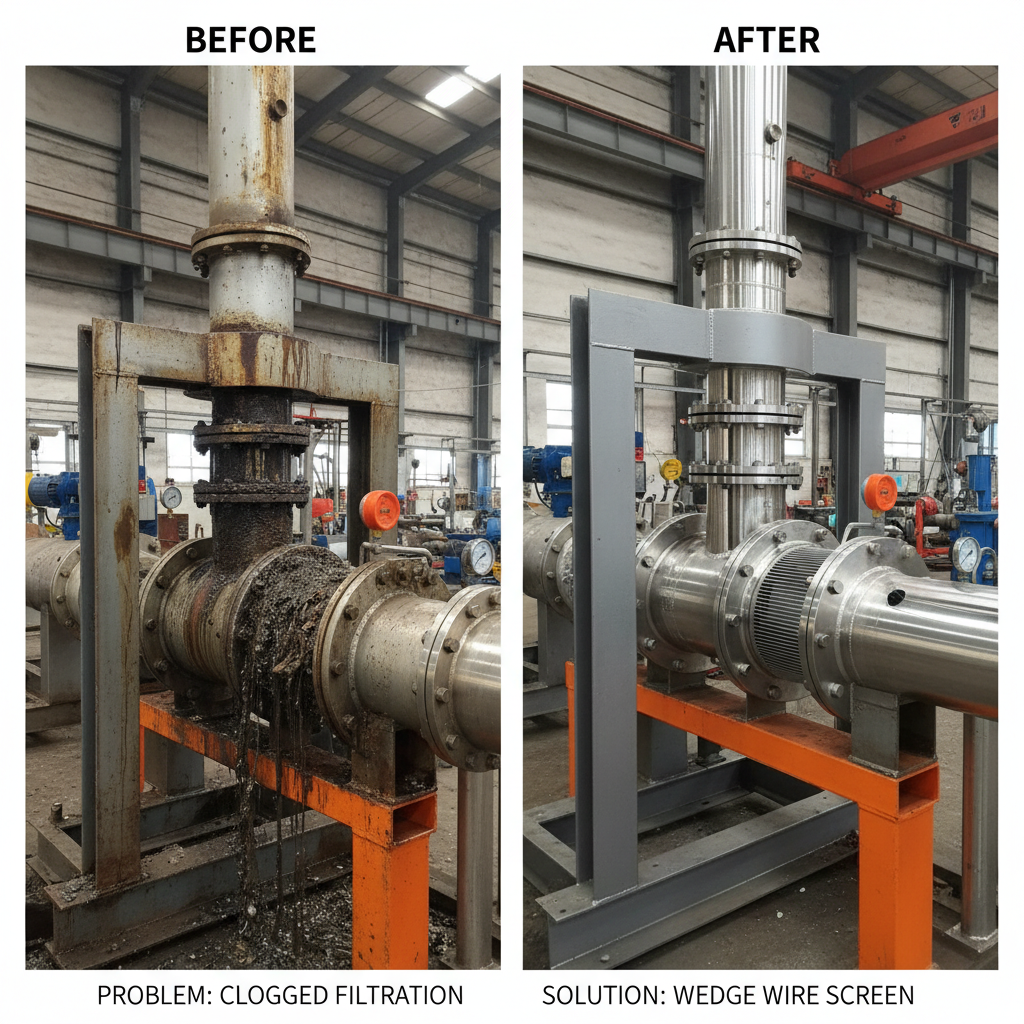
Despite advancements, several challenges remain in well screen casing technology. Clogging, particularly in high-sediment environments, can reduce well yield and necessitate frequent cleaning or replacement. Corrosion, especially in aggressive chemical environments, can compromise the structural integrity of the casing.

Solutions include utilizing finer slot sizes or incorporating self-cleaning mechanisms to prevent clogging, employing corrosion-resistant materials or protective coatings to mitigate corrosion, and implementing regular monitoring and maintenance programs to detect and address potential issues before they escalate.

Furthermore, sophisticated modeling and simulation tools can assist in optimizing casing design and predicting performance under various operating conditions, ensuring long-term reliability and efficiency.

Summary of Well Screen Casing Performance Factors

Material Type Corrosion Resistance (1-10) Flow Rate Capacity (1-10) Cost-Effectiveness (1-10)
Stainless Steel 316 9 8 7
Carbon Steel (Coated) 6 7 9
PVC 7 5 8
Titanium Alloy 10 9 4
High-Density Polyethylene (HDPE) 8 6 7
Duplex Stainless Steel 9 8 6

FAQS

What are the primary benefits of using stainless steel well screen casing?

Stainless steel well screen casing offers exceptional corrosion resistance, making it ideal for aggressive environments. It also boasts high tensile strength, ensuring durability and longevity. While typically more expensive than other materials, its long-term performance and reduced maintenance costs often justify the initial investment. Stainless steel also minimizes the risk of contamination, ensuring water quality remains high.

How do I determine the correct slot size for my well screen casing?

Selecting the appropriate slot size is crucial to prevent formation particles from entering the well. It’s determined by analyzing the grain size distribution of the aquifer material. Generally, the slot size should be approximately two to three times the diameter of the largest particle in the formation. Consulting with a qualified well drilling professional or a well screen casing manufacturer is highly recommended.

Is PVC well screen casing suitable for all applications?

PVC well screen casing is cost-effective and corrosion-resistant, making it suitable for many applications, particularly in non-aggressive groundwater environments. However, PVC has lower tensile strength and temperature resistance compared to stainless steel or carbon steel. It's generally not recommended for deep wells or environments with high pressures or corrosive fluids.

What maintenance is required for well screen casing?

Regular monitoring of well performance is key. Periodic well inspections can identify potential issues like clogging or corrosion. Well development after installation helps remove fines and debris. In some cases, chemical treatments may be necessary to prevent biofouling or mineral scaling. Addressing issues promptly can prevent costly repairs and extend the lifespan of the well.

How does well screen casing impact water quality?

Properly designed and installed well screen casing prevents sand and sediment from entering the well, ensuring cleaner water. The material used also plays a role; stainless steel minimizes the risk of leaching contaminants into the water supply. A well-maintained casing also reduces the potential for bacterial growth, further safeguarding water quality.

What are the emerging trends in well screen casing materials?

There's a growing trend toward using more sustainable and environmentally friendly materials, such as bio-based polymers and recycled plastics. Research is also focusing on developing self-cleaning casing designs and incorporating smart sensors for real-time monitoring. The use of advanced alloys with enhanced corrosion resistance and higher strength is also gaining traction.

Conclusion

In conclusion, well screen casing is a foundational element of sustainable water resource management and responsible resource extraction. Understanding its importance, key design factors, and long-term benefits is crucial for ensuring reliable access to clean water and maximizing the efficiency of well systems globally. By prioritizing quality materials, appropriate design, and regular maintenance, we can safeguard these vital resources for future generations.

Looking ahead, continued innovation in materials science and smart technologies promises to further enhance the performance and sustainability of well screen casing. Embracing these advancements will be essential to address the growing challenges of water scarcity and environmental protection. For reliable well screen casing solutions, visit our website today!

Michael Evans

Michael Evans

Michael Evans serves as the Senior Welding Engineer at MUTO Wire Screen, specializing in the precision welding of wedge wire screens and filter elements. He has a long history of expertise in automated and manual welding techniques. He’s responsible for developing and implementing welding procedures that guarantee the structural integrity
Previous Optimizing Water Well Systems with Advanced Well Water Screen Technology
Next Protecting Critical Equipment with High Performance Well Sand Screen Solutions