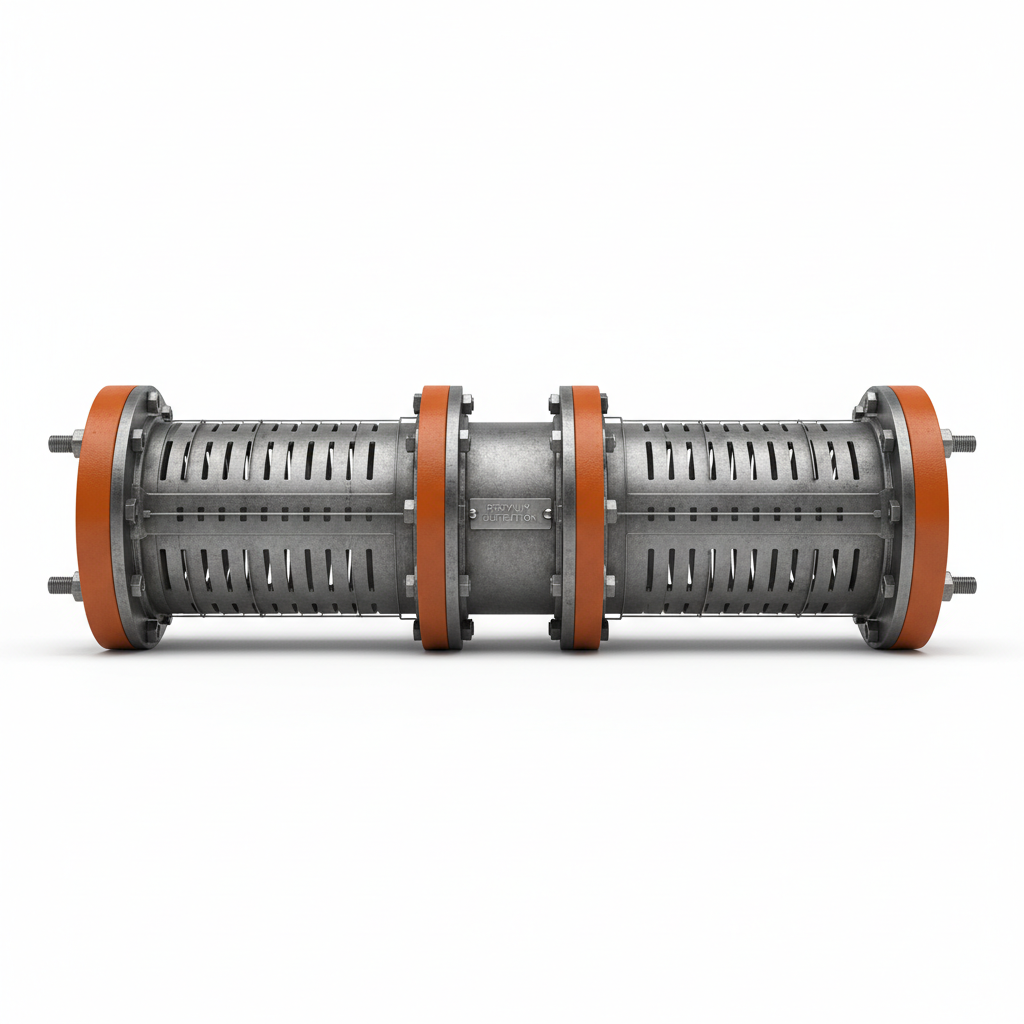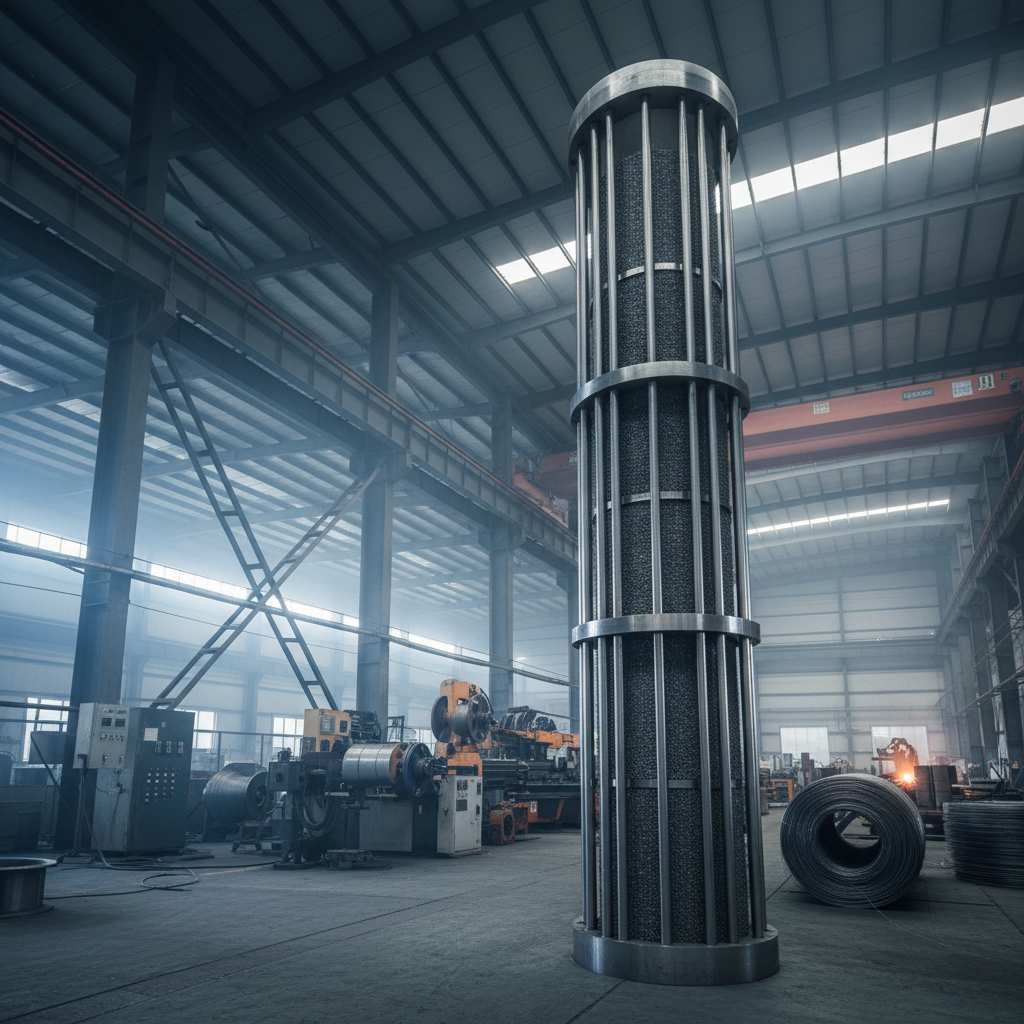
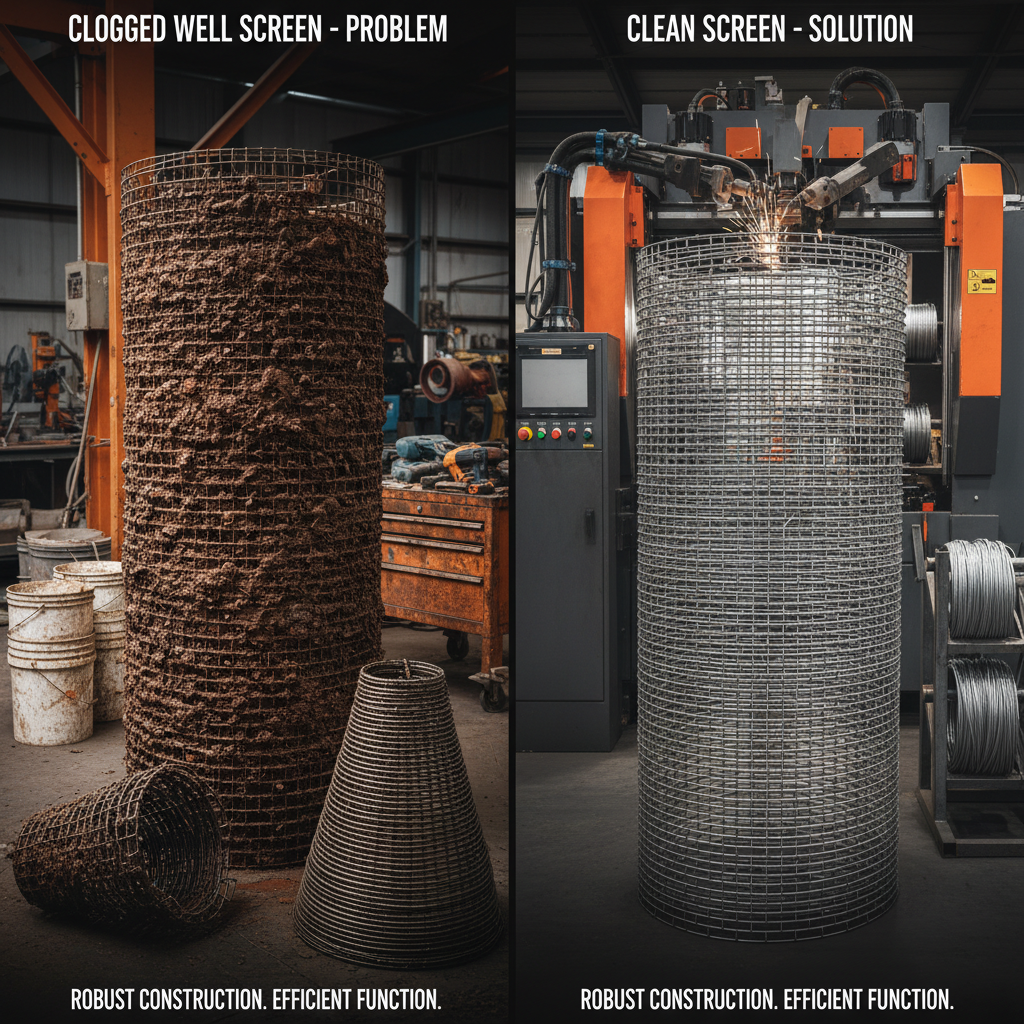
A clogged well screen represents a critical issue in water sourcing, impacting communities and industries globally. The efficiency of water wells is directly tied to the performance of their screens, which prevent sediment and debris from entering the well. When these screens become clogged, water flow is restricted, leading to reduced water availability, increased energy consumption for pumping, and potentially complete well failure. Understanding the causes, prevention, and remediation of a clogged well screen is, therefore, paramount for sustainable water management.
The prevalence of clogged well screens isn't limited to developing nations; it affects agricultural operations, municipal water supplies, and industrial processes worldwide. According to the World Bank, approximately 2.2 billion people lack access to safely managed drinking water services. While not solely attributable to well screen issues, these problems highlight the importance of reliable water sources. The consequences of reduced well performance extend beyond inconvenience; they can impact public health, economic productivity, and environmental sustainability.
Addressing a clogged well screen proactively offers significant benefits, including reduced operational costs, extended well lifespan, and consistent water supply. Investing in preventative measures and effective cleaning technologies translates to long-term savings and enhanced resource security, making this a key consideration for water well operators across diverse sectors.
Introduction to Clogged Well Screens
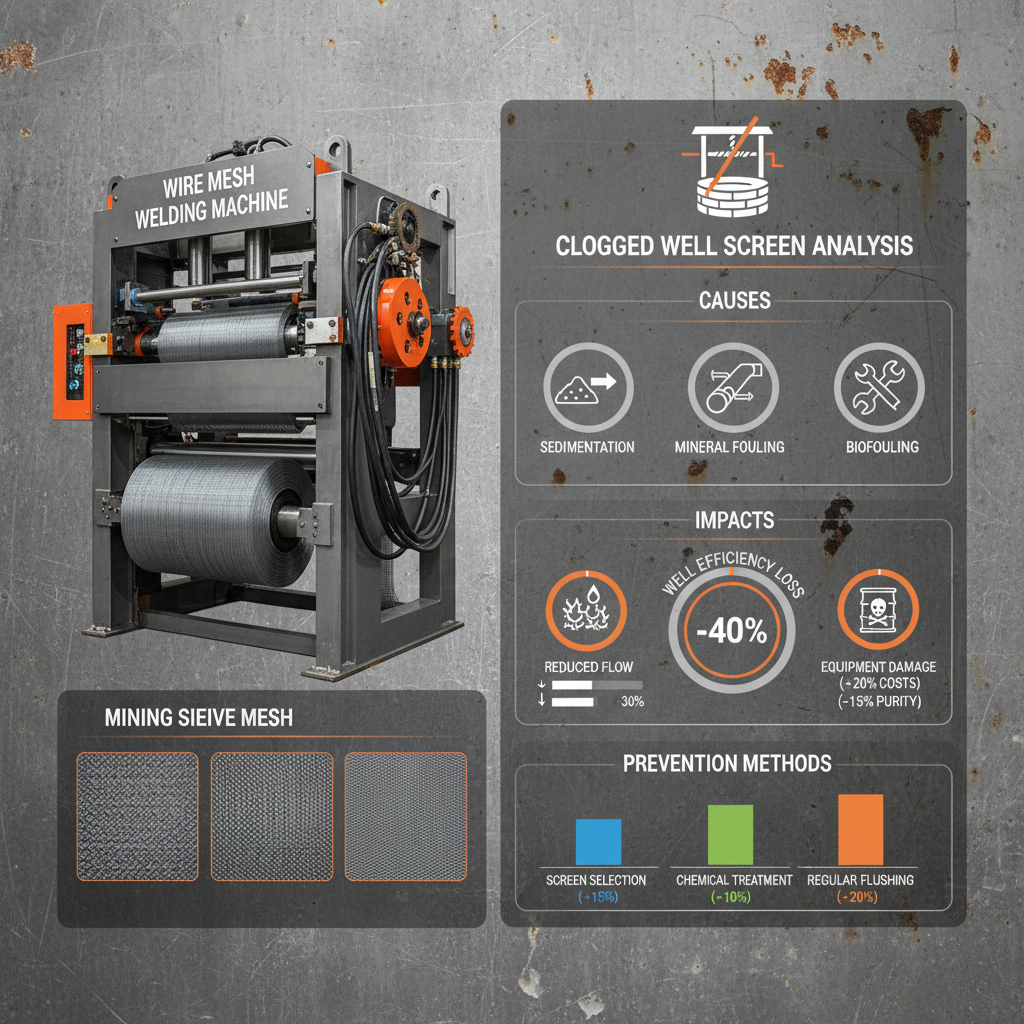
A clogged well screen is a common, yet often overlooked, problem in water well systems. It occurs when the fine openings of the well screen – designed to filter out sand, silt, and other particulate matter – become obstructed. This obstruction reduces the well’s yield, increasing pumping costs and potentially leading to well failure. Proper understanding of the causes and mitigation strategies is essential for sustainable water management.
The implications extend beyond simple inconvenience. Reduced water availability can significantly impact agricultural productivity, industrial operations, and even access to potable water for communities. Ignoring a clogged well screen can lead to escalating costs associated with well rehabilitation or even replacement, making preventative maintenance a crucial aspect of responsible well management.
FAQS
Reduced water flow is the most common initial symptom of a clogged well screen. Other indicators include increased pumping time, a drop in water pressure, and increased energy consumption for pumping. A change in water quality, such as increased sediment or discoloration, can also be a sign. Regular monitoring of these parameters is crucial for early detection and proactive maintenance, preventing further degradation of well performance and minimizing costly repairs.
The frequency of inspection depends on various factors, including the aquifer's geology, pumping rate, and water quality. Generally, an annual inspection is recommended, but in areas with known high sediment levels or frequent biofilm formation, more frequent checks—every six months—may be necessary. Proactive inspections help identify potential issues before they escalate into major problems, ensuring consistent water supply and optimizing well performance.
The “best” method depends on the nature and severity of the clogging. Mechanical brushing and air jetting are often effective for removing loose sediment, while chemical cleaning can dissolve mineral deposits and biofilms. For severe clogs, screen replacement might be necessary. A thorough assessment of the clogging material is crucial for selecting the most appropriate cleaning method.
Absolutely! Installing a pre-filter upstream of the well screen can remove sediment before it reaches the screen, significantly reducing clogging potential. Maintaining a proper well annulus configuration, optimizing pumping rates, and periodically disinfecting the well can also help prevent biofilm formation. Proactive measures are generally more cost-effective than reactive cleaning or replacement.
Chemical cleaning can introduce potentially harmful substances into the groundwater if not performed carefully. It’s vital to use environmentally friendly cleaning agents and follow proper disposal procedures. Consider bioremediation techniques as a more sustainable alternative whenever feasible. Always adhere to local regulations and best practices to minimize environmental impact.
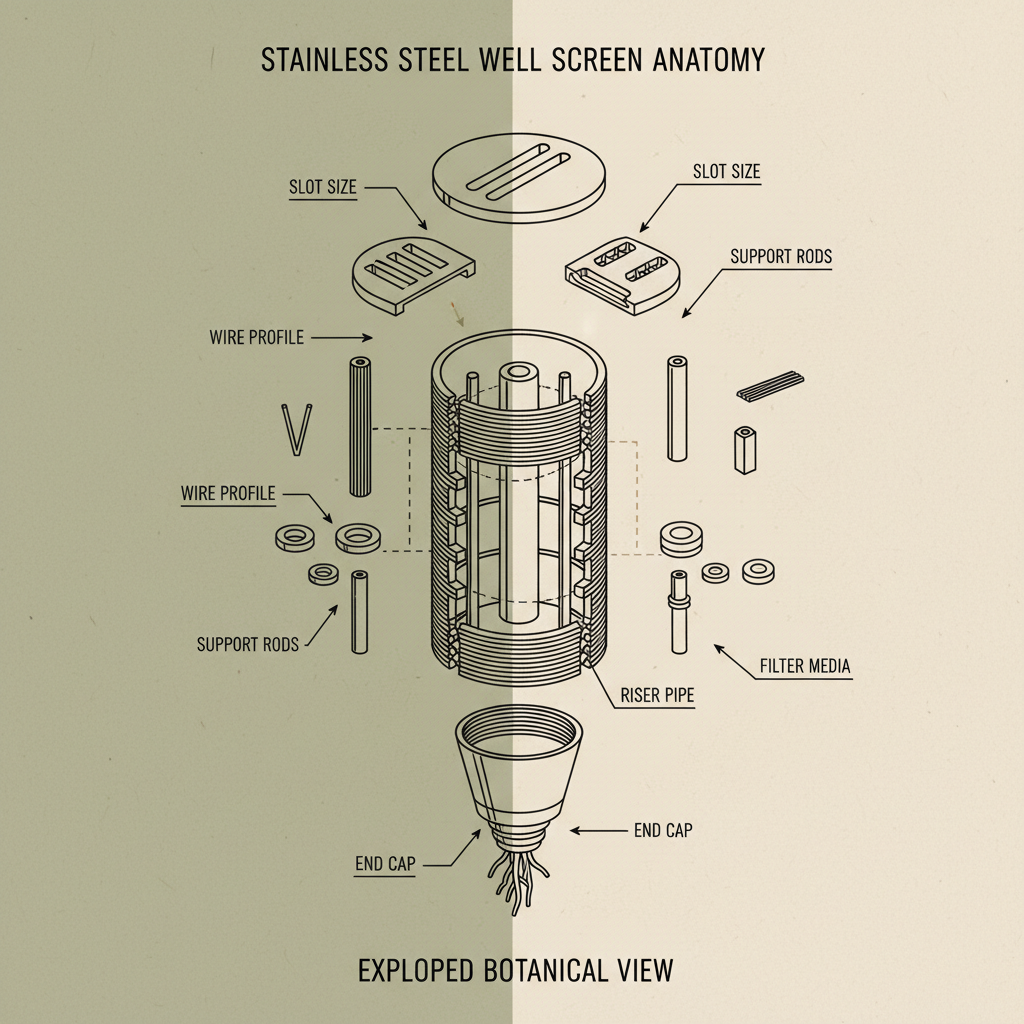
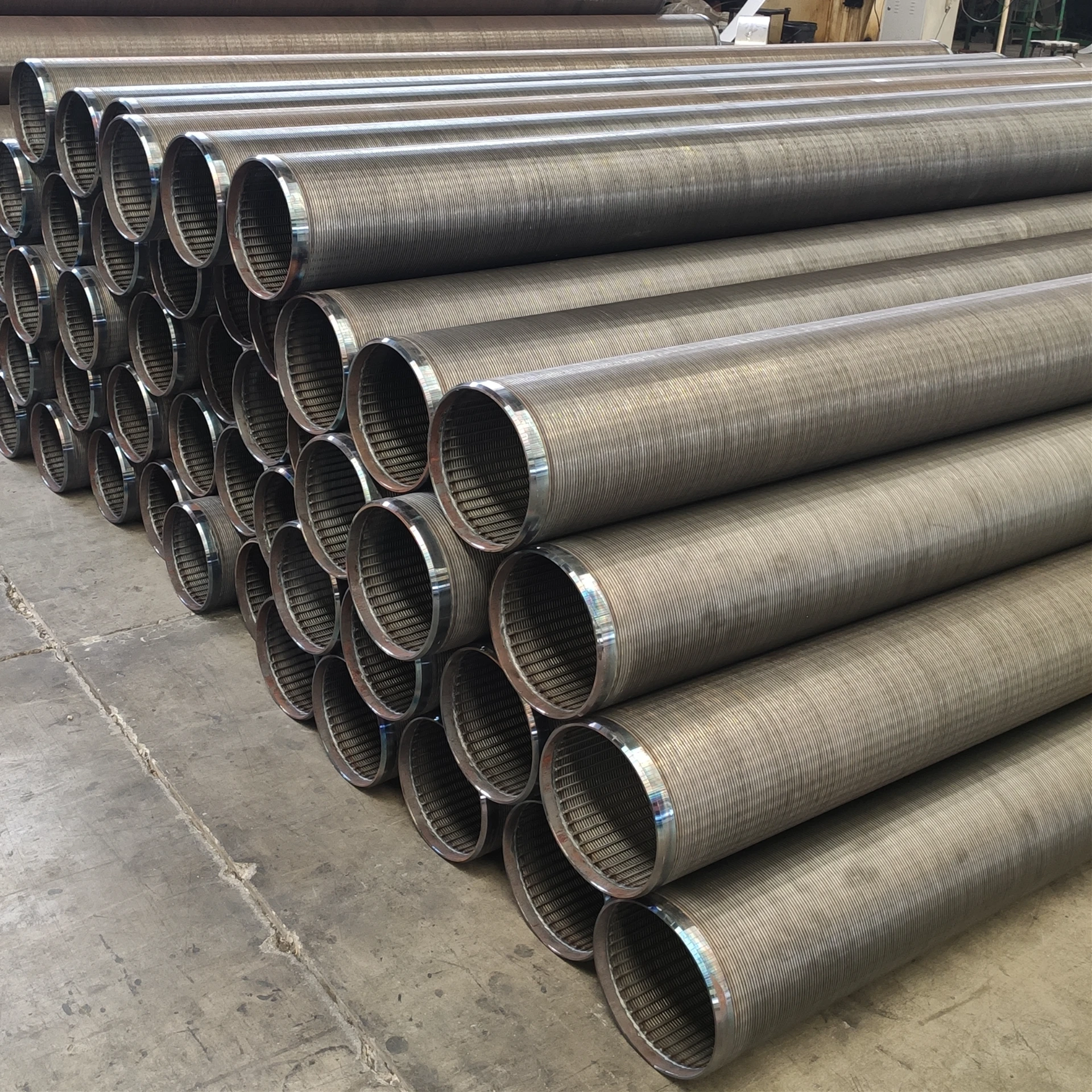
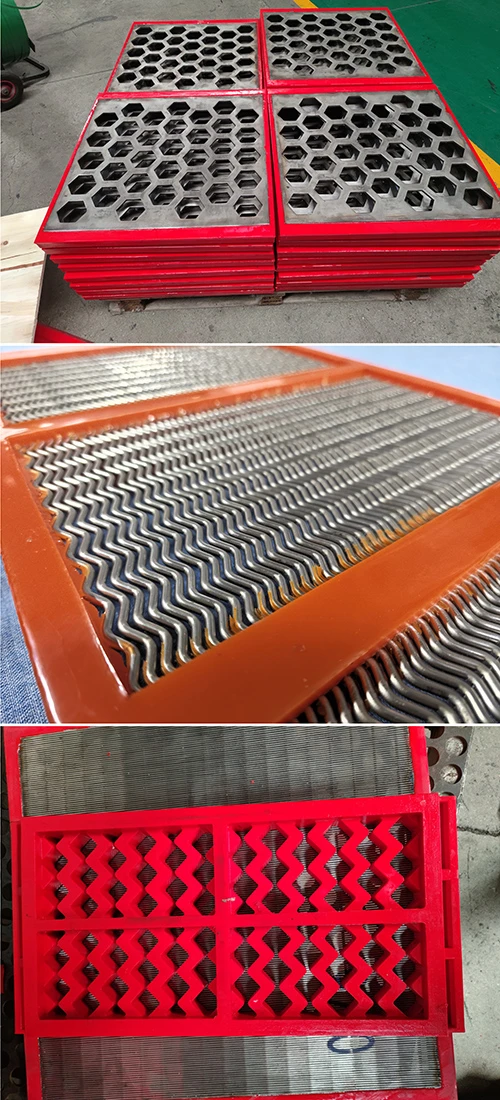
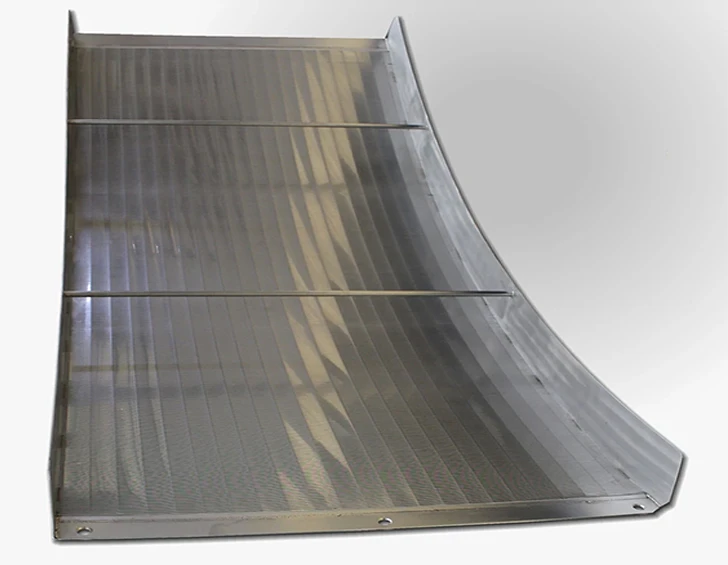
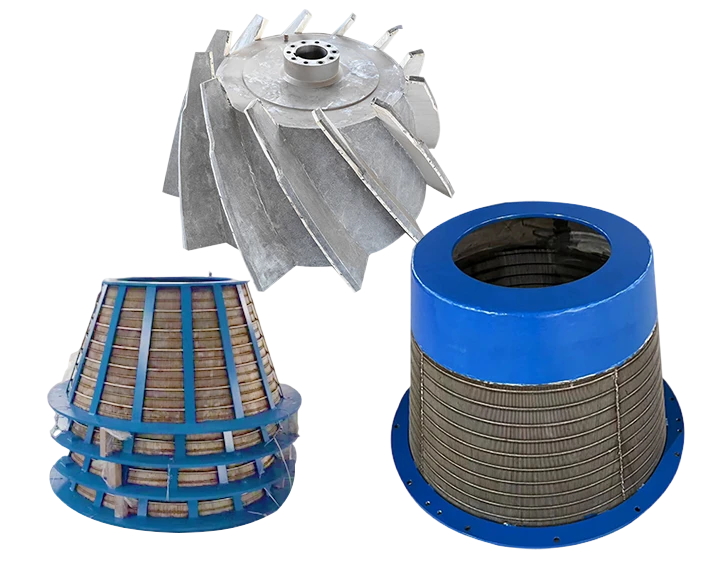
Well screen design is critical. Smaller screen openings provide finer filtration but are more prone to clogging, while larger openings allow more sediment to pass through. The slot size should be carefully selected based on the aquifer’s grain size distribution. Utilizing screen designs with larger open areas, like V-shaped wire screens, can improve flow capacity and reduce clogging susceptibility. Proper screen installation, ensuring a tight fit against the borehole wall, is also crucial.
Conclusion
Addressing a clogged well screen is not merely a technical issue, but a critical aspect of sustainable water resource management. From minimizing operational costs and extending well lifespan to ensuring reliable access to clean water for communities and industries, the benefits are far-reaching. By understanding the causes, implementing preventative measures, and utilizing innovative cleaning technologies, we can safeguard this vital resource.
Looking ahead, continued investment in research and development is crucial for creating more resilient well screen designs and environmentally friendly cleaning solutions. Embracing digital technologies for remote monitoring and data analytics will further enhance our ability to proactively manage well performance and prevent costly disruptions. Visit our website at www.mutoscreen.com to learn more about our solutions for clogged well screens and sustainable water management.