0%

Table of Contents

Well casing screens are essential components in the construction and operation of water wells, oil wells, and gas wells. They act as a crucial filter, preventing sand, gravel, and other particulate matter from entering the wellbore while allowing water, oil, or gas to flow freely. The global demand for efficient and reliable well completion technologies is continuously increasing, driven by growing populations, industrial expansion, and the need for sustainable resource management. Understanding the intricacies of well casing screen design, materials, and installation is paramount for maximizing well productivity and minimizing operational costs.

The importance of well casing screens extends beyond resource extraction. They play a vital role in safeguarding groundwater quality by preventing the migration of contaminants into aquifers. With increasing concerns about water scarcity and pollution, the need for effective well construction practices, including the use of appropriate well casing screens, is more critical than ever. Globally, organizations like the World Bank and the UN are promoting sustainable water management practices that rely heavily on robust well infrastructure.

Investing in high-quality well casing screen solutions contributes to long-term well performance, reduces maintenance requirements, and protects valuable natural resources. The benefits ripple across industries, from agriculture and municipal water supply to energy production and environmental remediation.
Optimizing Well Productivity with Advanced Well Casing Screen Technologies

Introduction to Well Casing Screens

Optimizing Well Productivity with Advanced Well Casing Screen Technologies

The effective function of a well casing screen fundamentally relies on its ability to maintain consistent permeability while preventing the ingress of formation material. The careful selection of well casing screen type, slot size, and material is crucial for optimizing well performance and ensuring its longevity. This is especially vital in challenging geological formations.

Modern well casing screens are engineered using advanced materials and manufacturing techniques to withstand harsh downhole conditions, including high pressures, corrosive fluids, and abrasive particles. Understanding these conditions is central to the overall success of any well project.

Defining Well Casing Screens

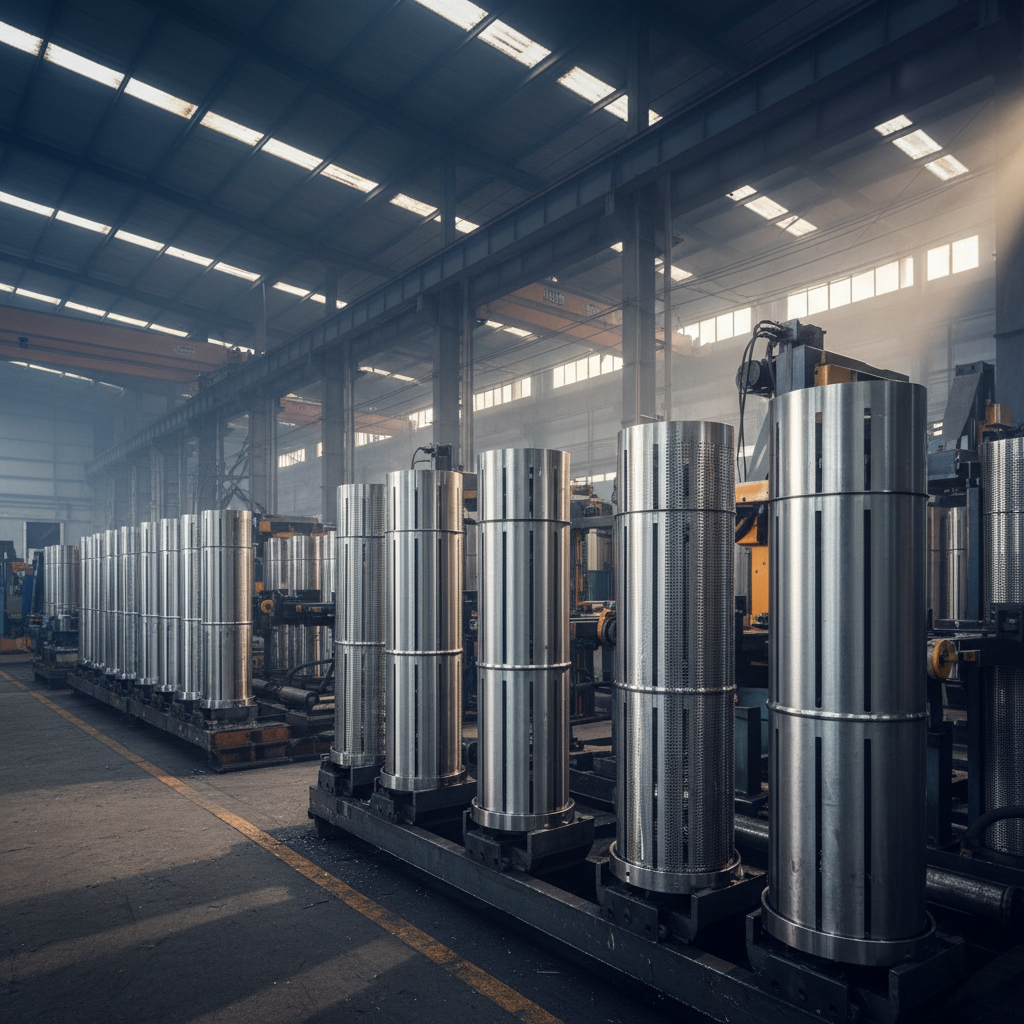
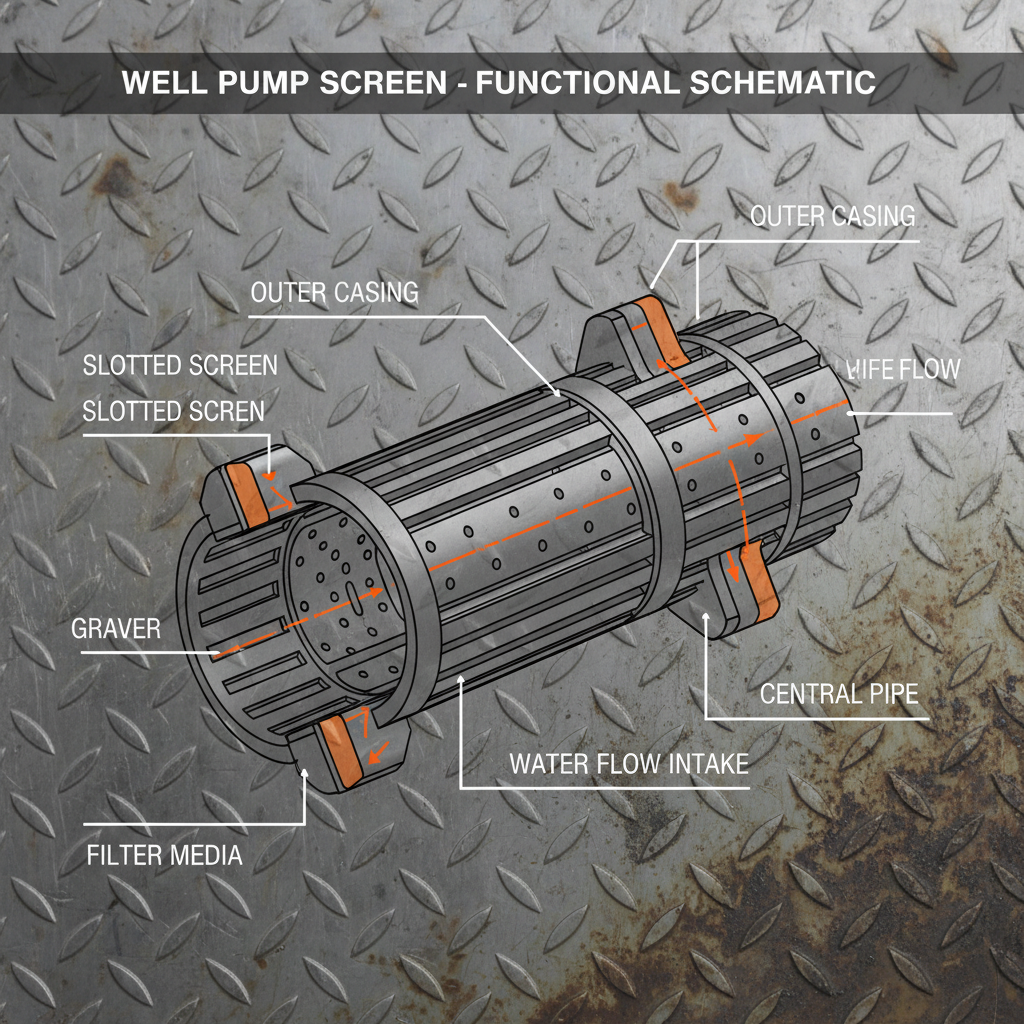
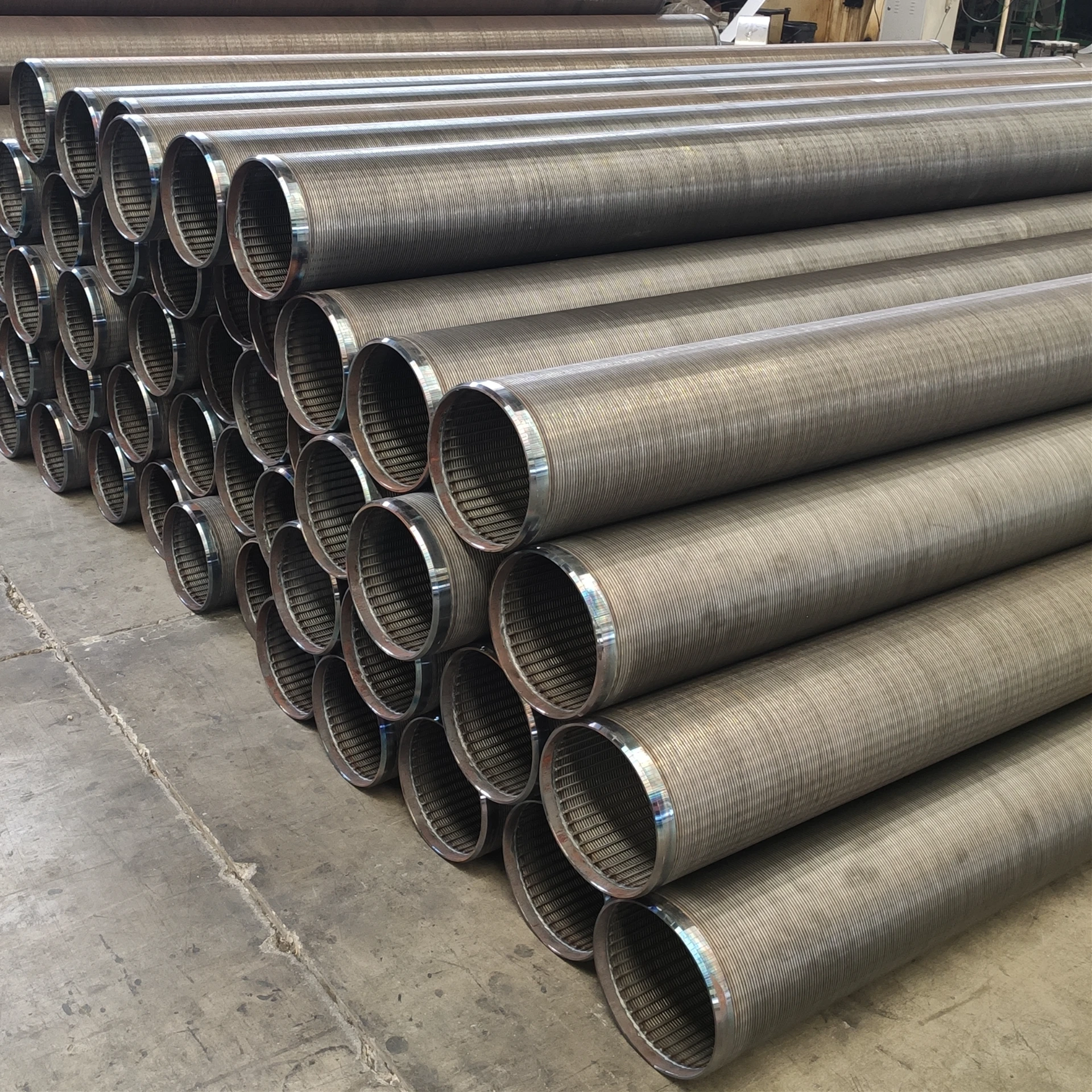
A well casing screen is a filtering device installed inside a well casing to prevent sand, gravel, and other formation particles from entering the wellbore. It is typically constructed from a perforated or woven metal mesh and designed to allow fluids (water, oil, or gas) to flow into the well while retaining solids. These screens are vital components in both water wells and oil/gas wells.

The primary purpose of a well casing screen is to maintain well productivity and prevent damage to the well pump or other downhole equipment. Without a properly functioning screen, the well can become clogged with sediment, reducing its flow rate and potentially requiring costly repairs.

The functionality of the well casing screen is deeply connected to modern resource management. Sustainable extraction of groundwater and hydrocarbons relies on maintaining the integrity of wells over extended periods, and a quality well casing screen is essential for achieving this goal.

Key Factors in Well Casing Screen Selection

Selecting the right well casing screen involves considering several key factors. Firstly, Material Compatibility is crucial. The screen material must be resistant to corrosion and degradation from the fluids present in the well. Stainless steel, Hastelloy, and other alloy materials are commonly used for their durability.

Secondly, Slot Size is paramount. The slot size must be small enough to prevent the passage of formation particles, but large enough to allow efficient fluid flow. Determining the appropriate slot size requires a thorough understanding of the grain size distribution of the surrounding formation.

Thirdly, Open Area Ratio significantly impacts well productivity. A higher open area ratio allows for greater fluid flow, reducing drawdown and increasing well efficiency. However, a very high open area ratio may compromise the screen's ability to effectively retain formation particles. Fourthly, Strength and Durability are vital for withstanding downhole pressures and stresses. The screen must be able to resist collapse, deformation, and fatigue over the lifespan of the well. Finally, Screen Type - whether it’s a continuous slot, wire-wrapped, or perforated – affects the screen’s suitability for specific geological conditions and well applications.

Global Applications of Well Casing Screens

Well casing screens find widespread application across diverse industries and geographic locations. In the agricultural sector, they are essential for irrigation wells, providing a reliable source of water for crop production. Across arid regions, such as parts of Africa and the Middle East, well casing screen technology ensures sustainable access to groundwater for farming communities.

In the oil and gas industry, well casing screens are critical for completing producing wells, preventing sand production, and maximizing hydrocarbon recovery. These screens are used extensively in offshore oil fields in the Gulf of Mexico, the North Sea, and Southeast Asia. In post-disaster relief operations, providing safe drinking water is essential; well casing screens contribute to the creation of clean and reliable water sources.

Furthermore, well casing screens are employed in environmental remediation projects, such as groundwater monitoring wells and pump-and-treat systems. They play a vital role in protecting groundwater resources from contamination and ensuring water quality standards are met.

Well Casing Screen Performance Metrics


Advantages and Long-Term Value

Investing in high-quality well casing screens offers substantial long-term benefits. The most tangible is cost reduction through minimized well maintenance and repairs. Preventing sand production and equipment damage significantly lowers operational expenses. Beyond immediate cost savings, a reliable well casing screen contributes to environmental sustainability by protecting groundwater resources.

The reliability of a well is paramount, and a properly installed and maintained screen ensures a consistent and predictable water or hydrocarbon flow rate. This contributes to the safety and stability of water supplies and energy production. Furthermore, the durability and long lifespan of modern screens instill trust in well operators and end-users alike.

Future Trends and Innovations

The future of well casing screen technology is focused on enhanced performance, sustainability, and automation. Innovations in materials science are leading to the development of new alloys with improved corrosion resistance and strength. Digital technologies, such as real-time monitoring and predictive maintenance systems, are being integrated with well casing screen installations to optimize performance and prevent failures.

There's also a growing emphasis on environmentally friendly materials and manufacturing processes. Bio-based polymers and recycled materials are being explored as alternatives to traditional metals. These advancements align with the broader global trend towards green energy and sustainable resource management.

Challenges and Solutions in Well Casing Screen Implementation

Despite advancements, challenges remain in the effective implementation of well casing screen technologies. One common issue is dealing with highly abrasive formations that can quickly wear down even the most durable screens. Proper well development techniques and the use of specialized screen designs can mitigate this risk.

Another challenge is the accurate determination of formation particle size distribution. Inaccurate assessments can lead to the selection of an inappropriate slot size, resulting in either excessive particle entry or reduced fluid flow. Employing advanced logging tools and laboratory analyses can improve the accuracy of these assessments.

Finally, ensuring proper screen installation is crucial. Incorrect installation can compromise the screen's integrity and performance. Employing experienced well construction professionals and adhering to best practices are essential for a successful installation.

Summary of Well Casing Screen Performance Characteristics

Screen Type Formation Compatibility Flow Rate Potential Cost Effectiveness
Continuous Slot High (Wide range of formations) 8/10 7/10
Wire-Wrapped Medium (Best for gravel packs) 9/10 8/10
Perforated Low (Specific formation types) 6/10 9/10
Sand Screen High (Sandy formations) 7/10 7/10
Johnson Screen Medium (Versatile) 8/10 7/10
Stainless Steel Screen High (Corrosive environments) 9/10 6/10

FAQS

What are the primary benefits of using a stainless steel well casing screen?

Stainless steel well casing screens offer exceptional corrosion resistance, making them ideal for use in highly corrosive environments, such as saltwater or acidic formations. They also possess high strength and durability, ensuring a long operational life. While generally more expensive upfront, the reduced maintenance and replacement costs often make them a cost-effective choice in the long run, contributing to sustained well performance and reliability.

How do I determine the appropriate slot size for my well casing screen?

Determining the correct slot size requires a thorough analysis of the formation’s grain size distribution. You need to select a slot size that effectively prevents the passage of formation particles while minimizing flow restriction. Typically, this involves conducting sieve analysis on formation samples and using established guidelines based on the D10 (10th percentile grain size) of the formation. Consulting with a well casing screen specialist is highly recommended for accurate assessment.

What is the difference between continuous slot and wire-wrapped well casing screens?

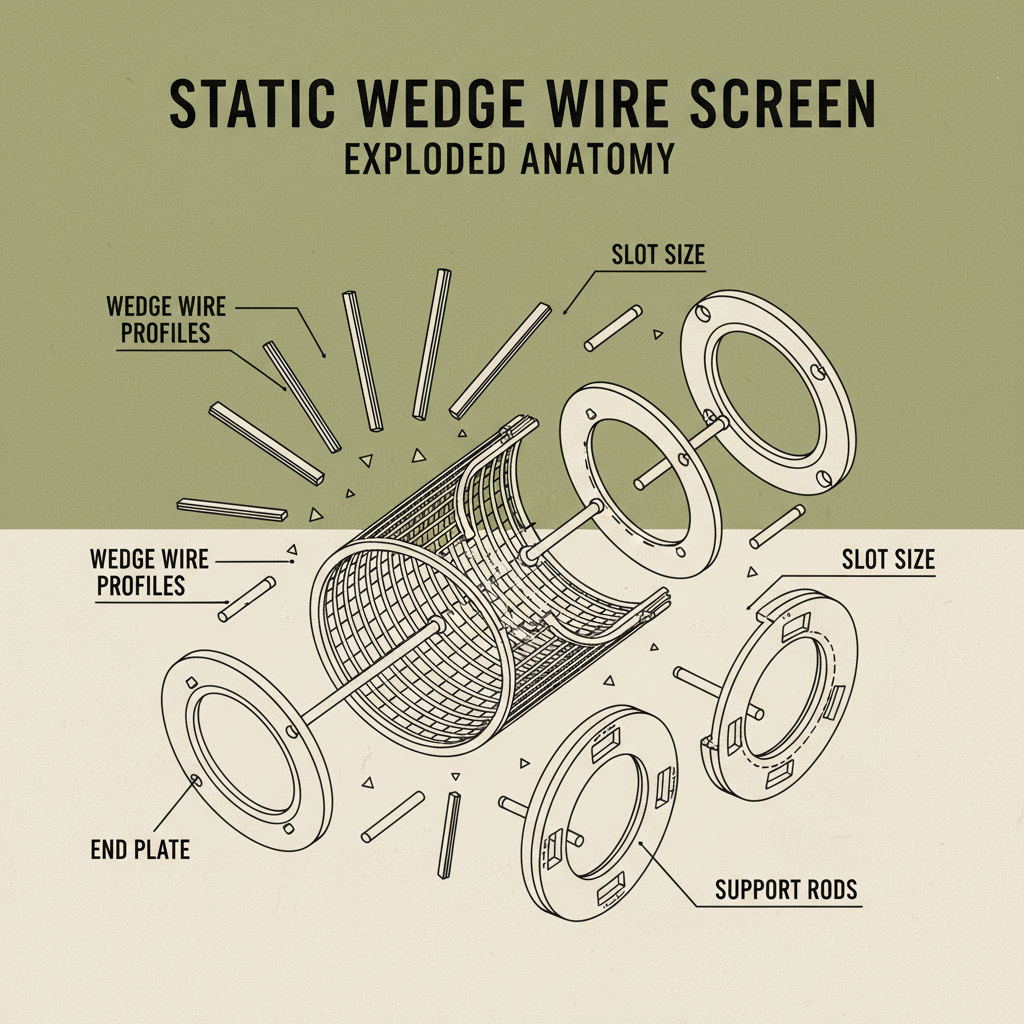
Continuous slot screens feature a single, continuous opening around the entire circumference of the screen, providing uniform filtration. Wire-wrapped screens, on the other hand, utilize V-shaped or U-shaped wires wrapped around support rods. Wire-wrapped screens are particularly effective in gravel-packed wells, offering enhanced structural integrity and preventing screen clogging. The choice depends on the specific well conditions and completion strategy.

How often should I inspect my well casing screen for damage or clogging?

Regular inspection is crucial for maintaining well performance. The frequency depends on well conditions and production rates, but a visual inspection during routine well maintenance (at least annually) is recommended. Look for signs of corrosion, damage to the screen, or reduced flow rates. Downhole camera inspections can provide a more detailed assessment of screen condition without requiring well intervention.

What are the key considerations for installing a well casing screen in a gravel-packed well?

When installing a well casing screen in a gravel-packed well, it's vital to ensure proper gravel pack placement and avoid bridge formation. The gravel pack should completely fill the annulus between the screen and the wellbore wall. Careful monitoring of gravel pack density and fluid levels during installation is essential. The screen should also be compatible with the gravel pack material to prevent abrasion and clogging.

How can I prevent corrosion of my well casing screen?

Preventing corrosion involves selecting corrosion-resistant materials (like stainless steel or special alloys) and employing corrosion inhibitors. Proper well water chemistry management is also crucial. Regularly monitor and adjust pH levels and eliminate corrosive agents like hydrogen sulfide. Applying protective coatings to the screen surface can provide an additional layer of defense against corrosion. Consistent monitoring helps proactively address corrosion issues before they escalate.

Conclusion

In conclusion, well casing screens are indispensable components in ensuring the sustainable and efficient extraction of water, oil, and gas. From safeguarding groundwater quality to maximizing well productivity, their proper selection, installation, and maintenance are critical for long-term success. The continuous advancements in materials science and digital technologies are driving innovation in this field, paving the way for even more reliable and effective well completion solutions.

Looking ahead, a proactive approach to well casing screen technology – embracing new materials, advanced monitoring systems, and best practices – will be essential for meeting the growing global demand for resources while minimizing environmental impact. To learn more about optimizing your well completion strategy with high-quality well casing screen solutions, visit our website today.

David Chen

David Chen

David Chen is the Quality Control Manager at MUTO Wire Screen, responsible for upholding our rigorous quality standards throughout the entire manufacturing process. He brings a decade of experience in materials science and non-destructive testing. David oversees all testing procedures, from raw material inspection of stainless steel wire and synthetic
Previous Addressing the Global Challenge of a Clogged Well Screen for Sustainable Water Access
Next Optimizing Water Well Systems with Durable Submersible Well Pump Screen Solutions