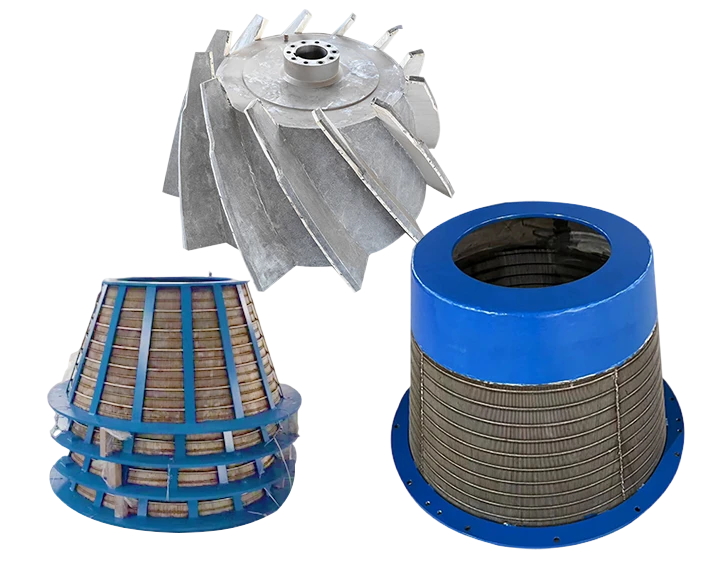
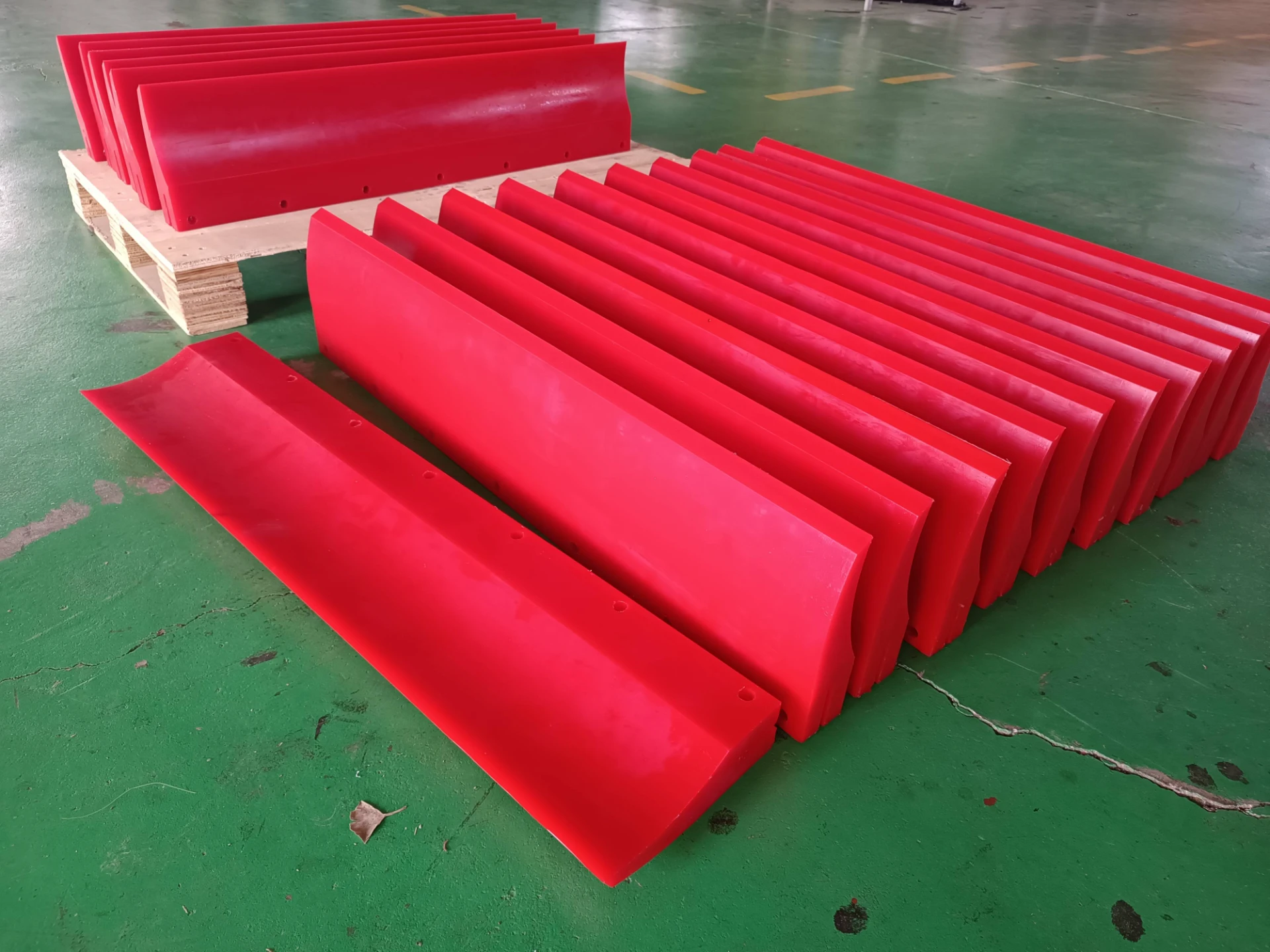
Look, after running around construction sites all year, you start to see what really matters. Lately, everyone's talking about prefabrication, modular builds, minimizing waste… fancy words, right? But honestly, it all boils down to getting the job done faster, cheaper, and with less headache. That’s where a good static wedge wire screen comes in. It's not glamorous, but it's crucial. You’d be surprised how much time is wasted dealing with screens that clog, rust, or just plain fall apart.
I've seen so many projects held up by inferior screening – entire shifts wasted clearing blockages. It’s frustrating, to say the least. And it's not just about time. Think about the cost of downtime, the need for extra manpower… it adds up quickly. We're trying to build things better, more efficiently, but you can't do that with components that aren't up to the task.
Honestly, it’s a small part of the overall picture, but it's a lever. A well-designed static wedge wire screen is a lever.
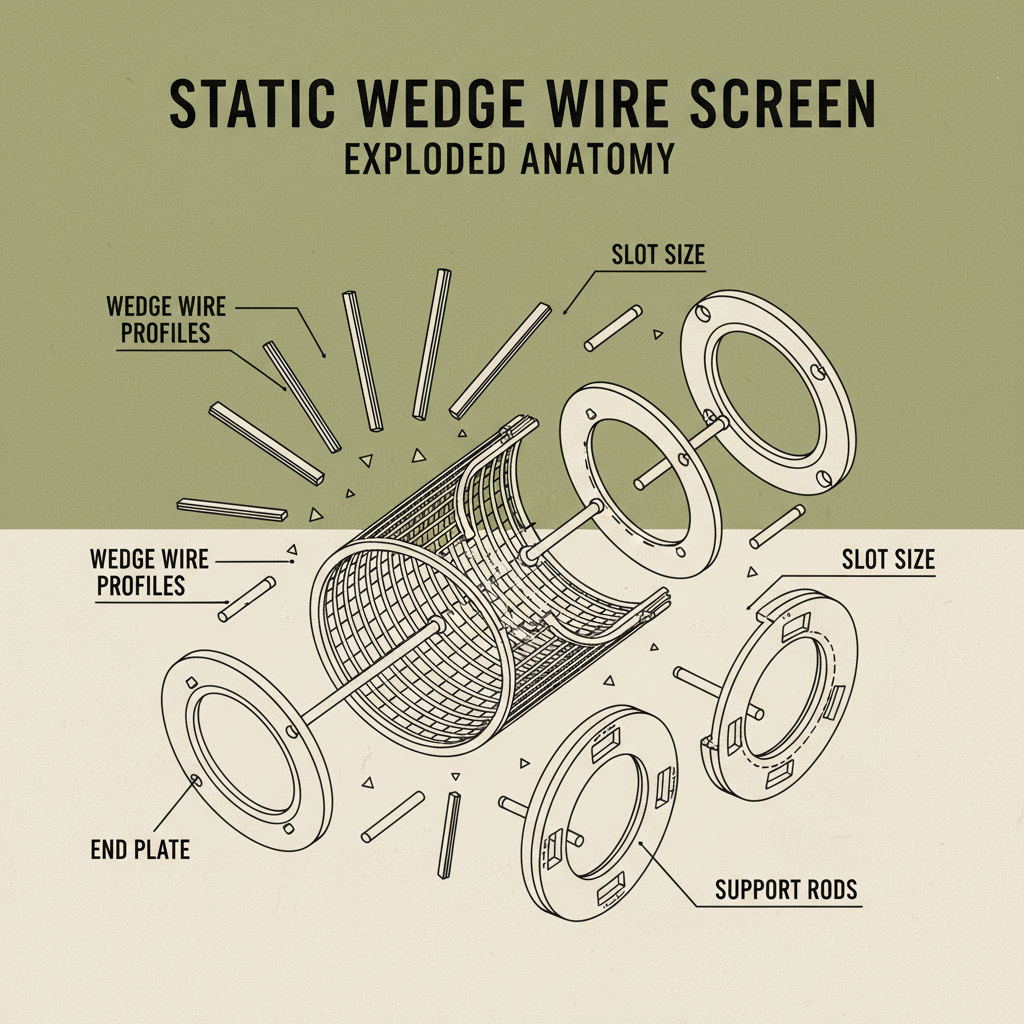
The Current State of Screening Technology
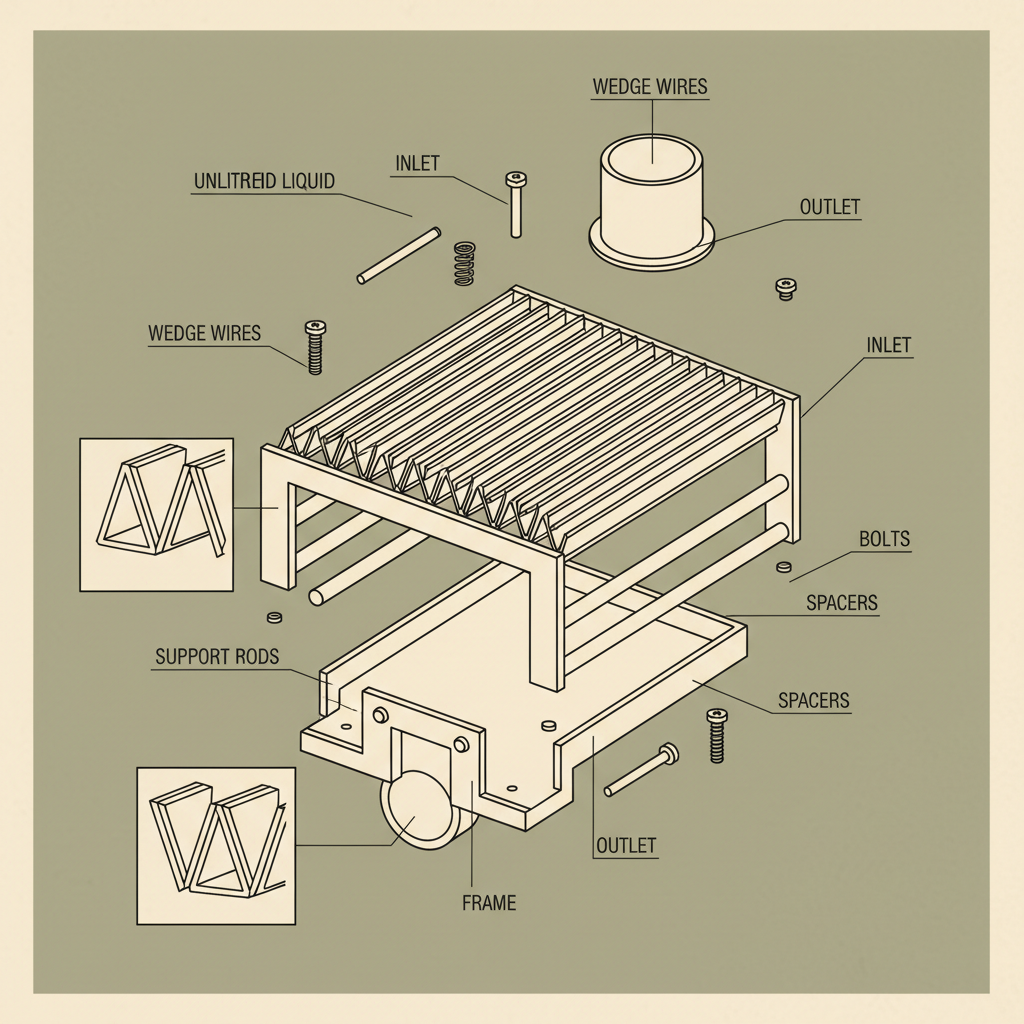
To be honest, a lot of the screening tech out there is… underwhelming. You still see a ton of woven wire mesh, which is fine for some applications, but it clogs so easily. Then there's perforated plate, which is stronger, but the holes can distort over time. Strangely, people are still using stuff that's basically unchanged from 50 years ago.
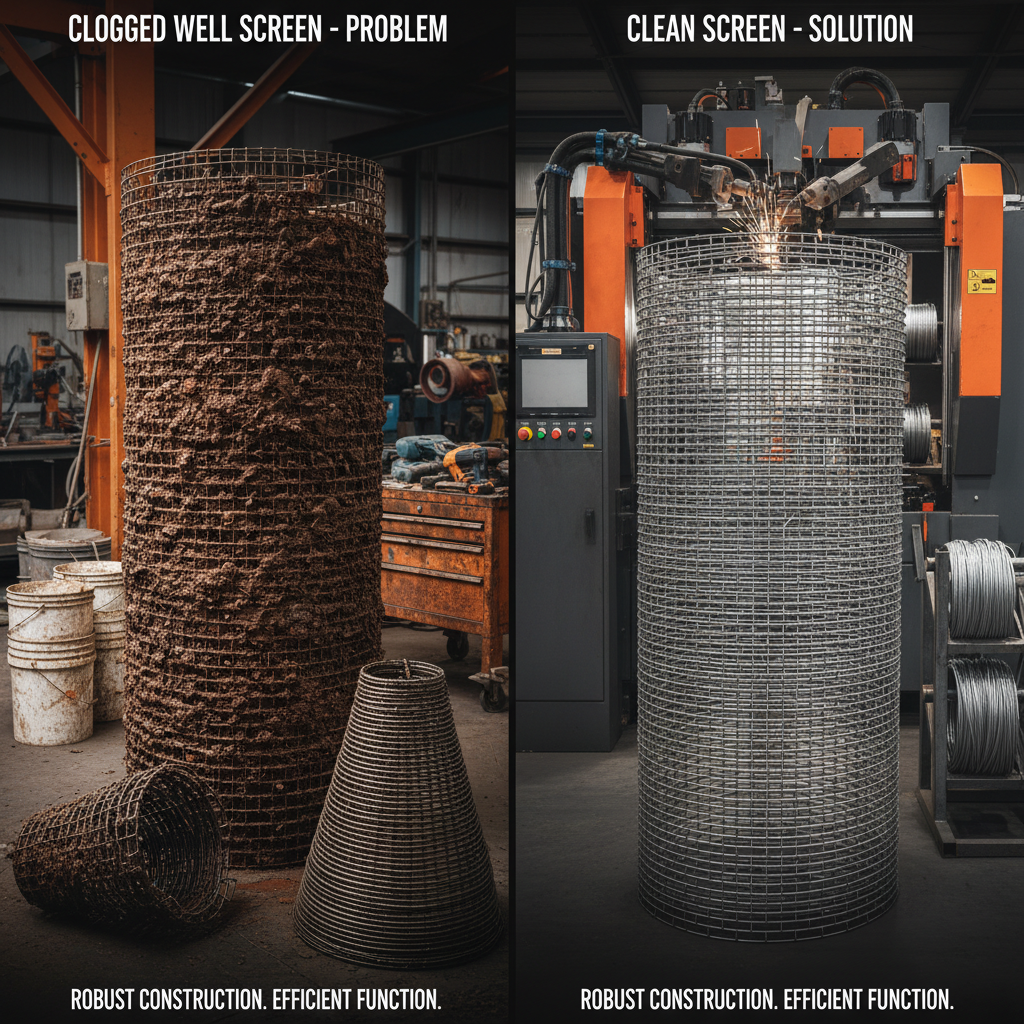
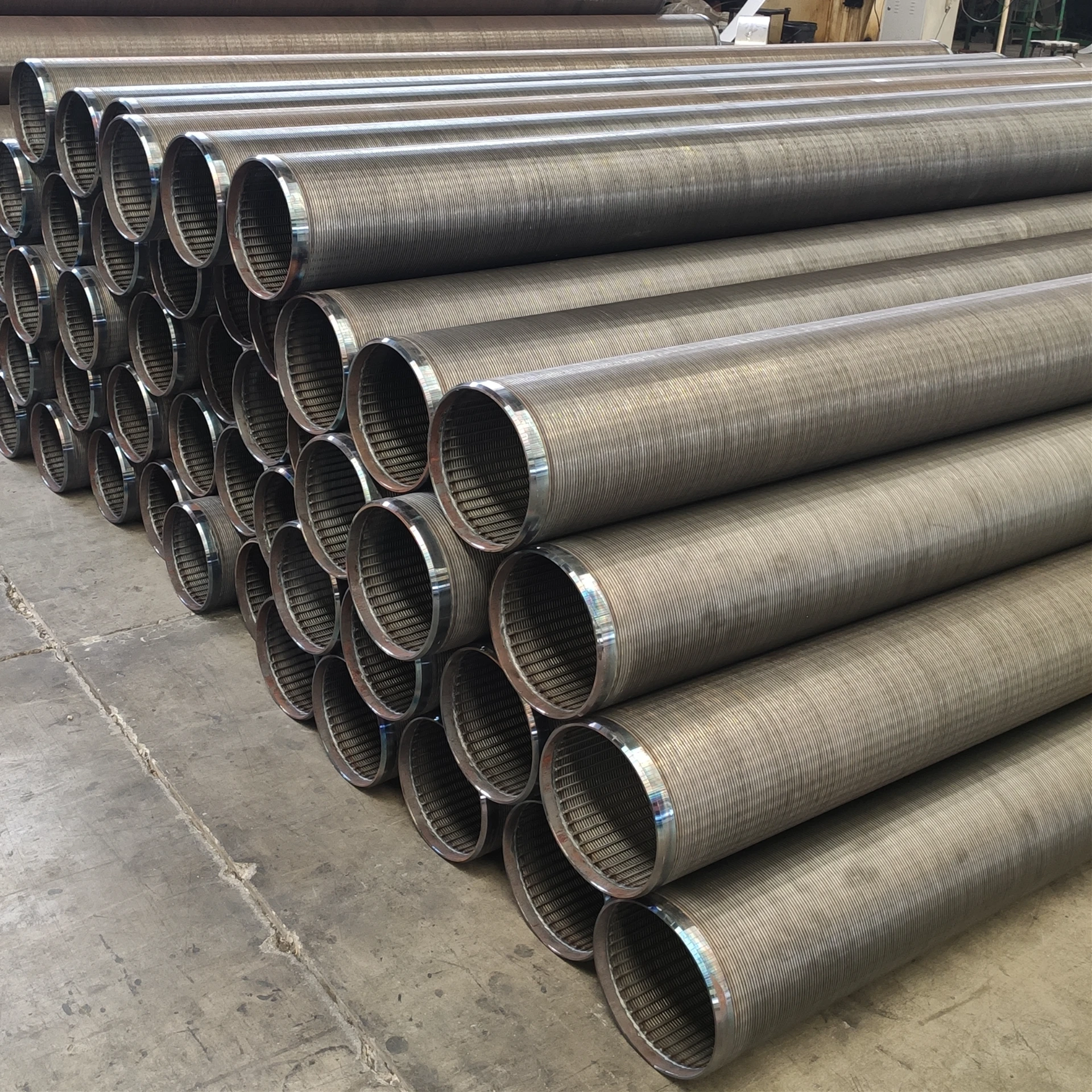
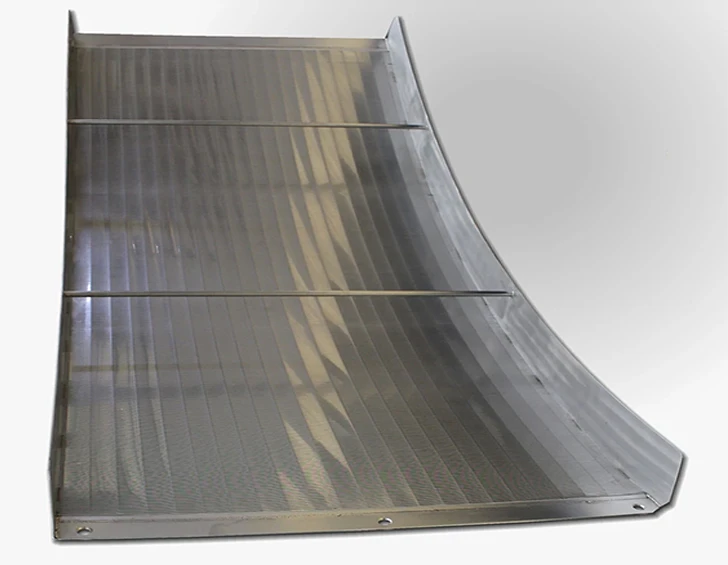
What’s really gaining traction now is static wedge wire screen. It’s got that V-shaped profile, so it’s self-cleaning. That's the big deal. It doesn’t have places for material to build up and cause blockages. It’s a simple idea, but incredibly effective. I encountered this at a cement factory last time, they switched over and cut their downtime by almost 20%.
Design Pitfalls: What to Watch Out For
Have you noticed how many companies focus on the initial flow rate and completely ignore long-term performance? It's maddening. A screen might work great when it's brand new, but if the slots aren’t precisely manufactured, they'll widen over time, letting more and more material through. That defeats the whole purpose. Then there’s the support structure. A flimsy frame will warp and distort, causing uneven stress on the screen itself.
Another big mistake is using the wrong material for the application. Stainless steel is good, but there are different grades. You need to consider the abrasiveness of the material being screened, the temperature, the chemical exposure… it's a complex equation. And don't even get me started on weld quality. A bad weld is a point of failure waiting to happen.
I think, honestly, a lot of the problems come from engineers who have never actually seen these things in operation. They design it on a computer, run some simulations, and then send it out into the real world. It’s a different beast.
Material Matters: A Hands-On Perspective
You know, you can tell a lot about a screen just by handling the material. 304 stainless steel is the workhorse – good corrosion resistance, relatively easy to weld. But 316? That's when you’re dealing with something really robust. It smells different too, has a kind of metallic tang. Feels heavier, more substantial.
Then there's Duplex stainless steel – now that's interesting stuff. It’s incredibly strong, almost twice the yield strength of 316, and it’s resistant to stress corrosion cracking. It's expensive though, and a pain to weld. You need skilled welders for that stuff. I've seen guys try to cut corners and it ends up being a disaster.
Anyway, I think the key is to match the material to the job. If you're screening abrasive materials, you need a harder alloy. If you're in a corrosive environment, you need a more corrosion-resistant alloy. Seems obvious, but you'd be surprised how often it's overlooked.
Real-World Testing and Performance
Forget the lab tests. I’m talking about throwing this stuff into the thick of it. We don’t use fancy equipment. We take the static wedge wire screen to the site, install it, and watch. How long does it take to clog? How easy is it to clean? Does the frame hold up under vibration?
We also do abrasion tests. We take a sample of the material being screened – sand, gravel, whatever – and run it over the screen for a set period of time, measuring the wear. It’s a crude method, but it gives you a good indication of how long the screen will last in the field.
static wedge wire screen Performance Metrics
How Users Actually Use Static Wedge Wire Screen
It’s funny, you design these things with a specific application in mind, but users always find new ways to use them. I've seen guys using static wedge wire screen as makeshift filters, as reinforcement in concrete forms… it's surprising.
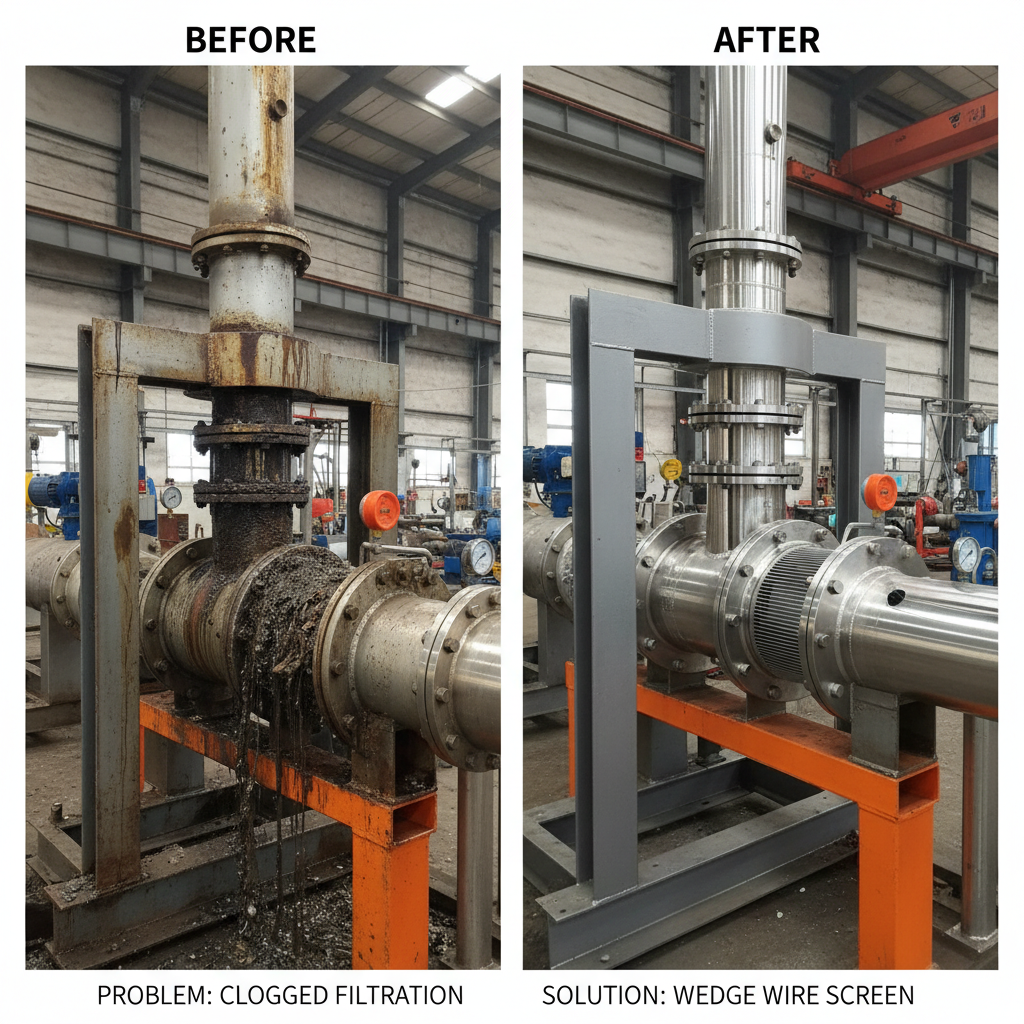
What I've noticed is they really appreciate the ease of cleaning. With traditional screens, you're constantly having to stop production and manually clear blockages. With this, the material just flows through. It’s a huge time saver. They also like the fact that it’s more durable – less downtime for repairs and replacements.
The Good, the Bad, and the Customizable
Okay, let's be real. static wedge wire screen isn't perfect. It's more expensive upfront than some of the other options. But, and this is a big but, the long-term cost savings are significant. Less downtime, less maintenance, longer lifespan… it all adds up.
And yes, customization is key. Last month, that small boss in Shenzhen who makes smart home devices insisted on changing the interface to , and the result was… a nightmare. Seriously, a complete waste of time and money. But that's a story for another day. Seriously, we can adjust the slot width, the frame material, the overall dimensions… pretty much anything you need. We did one job where they needed a screen with a non-standard frame because of space constraints. It was a pain, but we made it work.
A Customer Story: The Debacle
Anyway, I think the biggest strength of a good static wedge wire screen lies in its consistency. It does what it's supposed to do, day in and day out. And that reliability is worth a lot, especially in demanding environments.
We had a client, a quarry in Nevada, who was constantly struggling with screen failures. They were losing thousands of dollars a week in downtime. We installed our screen, and they haven’t looked back. They’re still using the same screens, three years later. That’s the kind of return on investment that makes everyone happy.
I just got off the phone with a guy in Texas, building a new aggregate plant. He's pretty excited about trying out our screens. Seems like a good guy. Hopefully, it works out as well as the Nevada quarry.
Key Performance Indicators of Static Wedge Wire Screen
| Application |
Material Type |
Maintenance Frequency |
Overall Rating (1-10) |
| Sand & Gravel |
304 Stainless Steel |
Low (Monthly) |
9 |
| Coal Processing |
316 Stainless Steel |
Medium (Weekly) |
7 |
| Recycling (Plastics) |
Duplex Stainless Steel |
Low (Bi-Monthly) |
8 |
| Aggregate Screening |
304 Stainless Steel |
Medium (Weekly) |
8 |
| Chemical Processing |
Alloy 2205 |
Very Low (Quarterly) |
10 |
| Mining (Iron Ore) |
Hardened Steel |
High (Daily) |
6 |
FAQS
The biggest advantage is self-cleaning action. Woven wire mesh clogs easily, requiring frequent downtime for cleaning. Static wedge wire screen, with its V-shaped openings, allows material to pass through more freely, reducing blockages and increasing efficiency. This translates to less downtime, lower maintenance costs, and improved productivity. Plus, it's generally more durable and has a longer lifespan.
Slot width is critical. Too wide, and you'll lose material. Too narrow, and it will clog. It depends entirely on the application and the size of the particles you're trying to separate. We can customize the slot width to meet your specific needs, but it's important to get it right from the start. I've seen projects fail because they didn't spend enough time figuring out the optimal slot width.
Pretty much anything. We've used it with everything from sand and gravel to coal, plastics, and even chemicals. The key is to choose the right material for the screen itself – 304 stainless steel is a good all-around option, but for corrosive environments, you might need 316 or Duplex stainless steel. It depends on what you're screening.
Repairs can be tricky. Welding is often required, and it needs to be done by a skilled welder to maintain the integrity of the screen. Minor damage can sometimes be patched, but for significant damage, it's usually best to replace the entire screen. Prevention is key – choosing the right material and protecting the screen from abrasion can greatly extend its lifespan.
It varies, of course, depending on the application and how well it's maintained. But a good quality static wedge wire screen, properly installed and maintained, can easily last 5-10 years, and sometimes even longer. We've seen some screens still going strong after 15 years.
Absolutely. That’s one of the biggest advantages. We can adjust the size, shape, slot width, frame material, and pretty much anything else you need. We've done custom screens for everything from small laboratory setups to massive industrial plants. We just need your specifications, and we can make it happen.
Conclusion
So, there you have it. Static wedge wire screen isn't the most glamorous technology, but it's a workhorse. It’s about minimizing downtime, maximizing efficiency, and getting the job done right. It's a small detail that can make a big difference in the overall success of a project.
Ultimately, whether this thing works or not, the worker will know the moment he tightens the screw. And if it's a good screen, he’ll tighten that screw a lot less often. If you're looking for a reliable screening solution, it’s worth considering. Visit our website at www.mutoscreen.com to learn more.