0%

Table of Contents

You know, lately everyone's talking about modularity. Prefabrication, everything coming in pieces. It’s not exactly new, we’ve seen bits and pieces for years, but now it’s like, everyone wants it. Makes sense, right? Labor costs are insane, schedules are tighter than ever. To be honest, it’s a scramble just to get skilled hands on site. They’re all chasing efficiency. But... and this is a big but... sometimes this modular push leads to designs that are… well, over-engineered. I saw a set of plans last week, almost comical. So many custom brackets, so many moving parts. You look at it and think, “This will take longer to assemble than it would have to build it from scratch!”

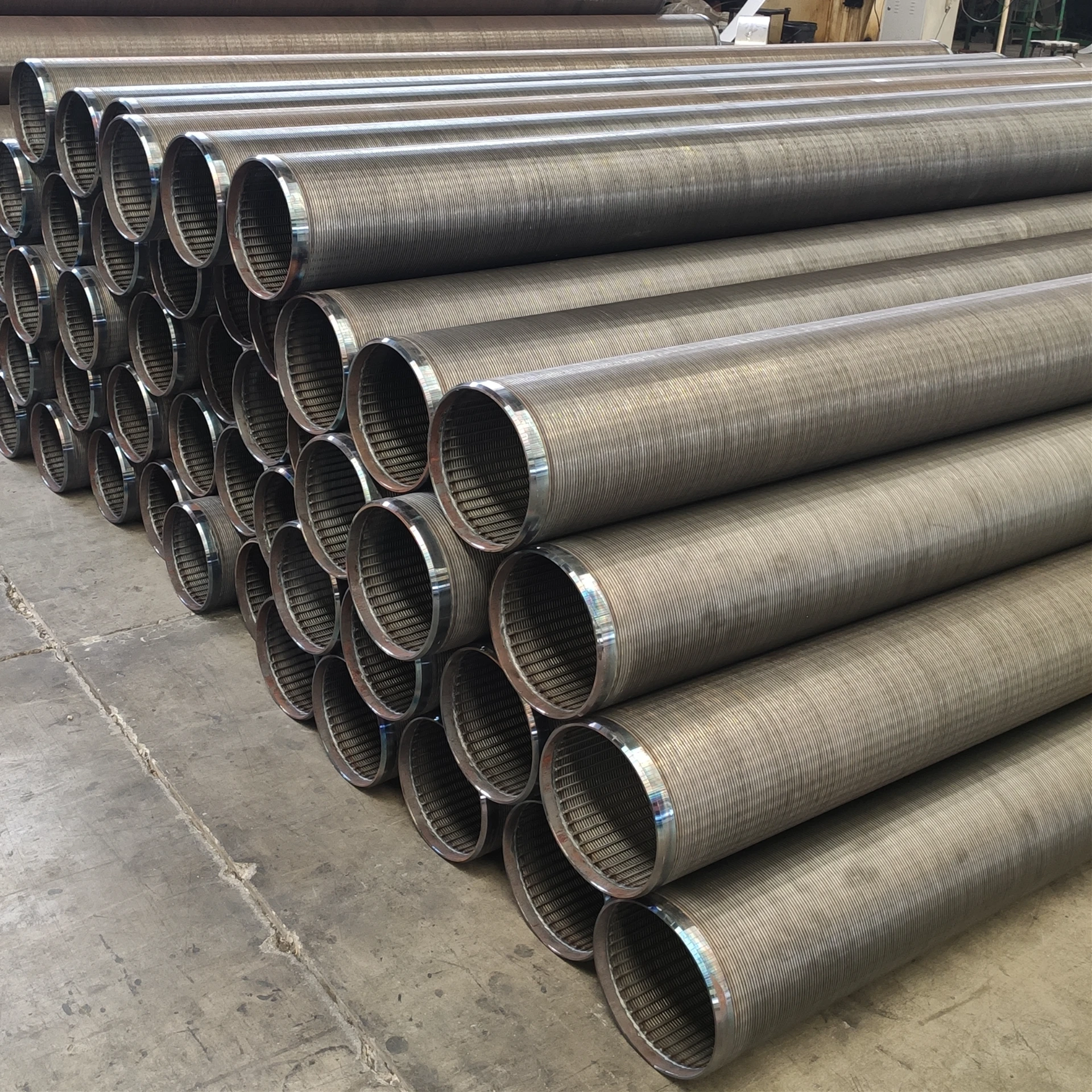
I’ve been doing this for… well, let’s just say a long time. And have you noticed, the simplest things are often the trickiest? Take wedge wire screens. Sounds easy, right? Just some wires, woven together. But get the wedge angle wrong, or the wire material, and you’ve got a clogged mess on your hands. I encountered this at a wastewater treatment plant in Chongqing last time; the whole system seized up because someone went cheap on the steel. Corrosion, you know? It's not glamorous, but it's reality.

We use a lot of 304 and 316L stainless steel, mostly. Feels solid, cold. You can smell the machining oil on some batches, tells you it's been properly finished. Sometimes we get requests for titanium, especially in marine applications. It's pricey, obviously, but worth it if you need that extra corrosion resistance. The welding is critical, too. Gotta have certified welders, and non-destructive testing… radiography, dye penetrant checks. Strangely, I’ve seen more failures due to bad welds than material defects.
Optimizing Industrial Processes with Self Cleaning Wedge Wire Screen Technology

The Current Landscape of self cleaning wedge wire screen
Optimizing Industrial Processes with Self Cleaning Wedge Wire Screen Technology

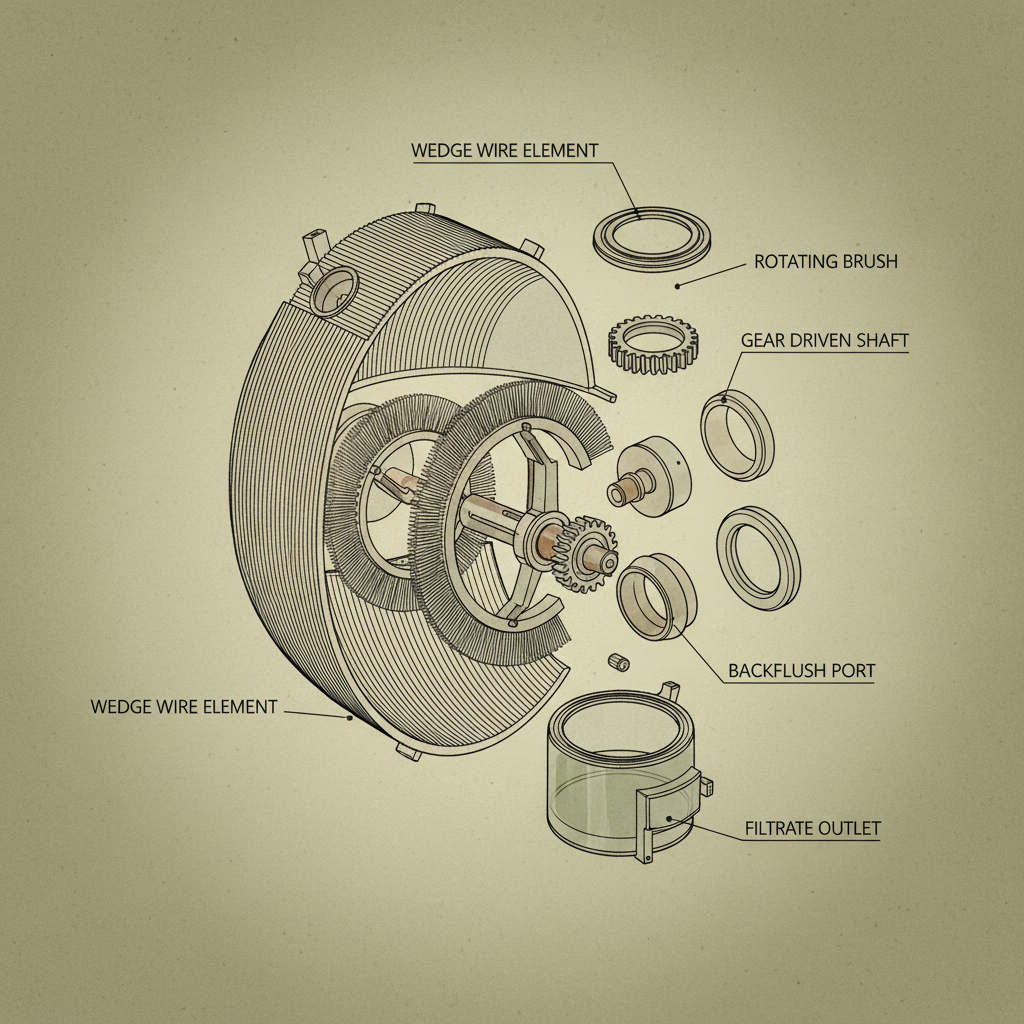
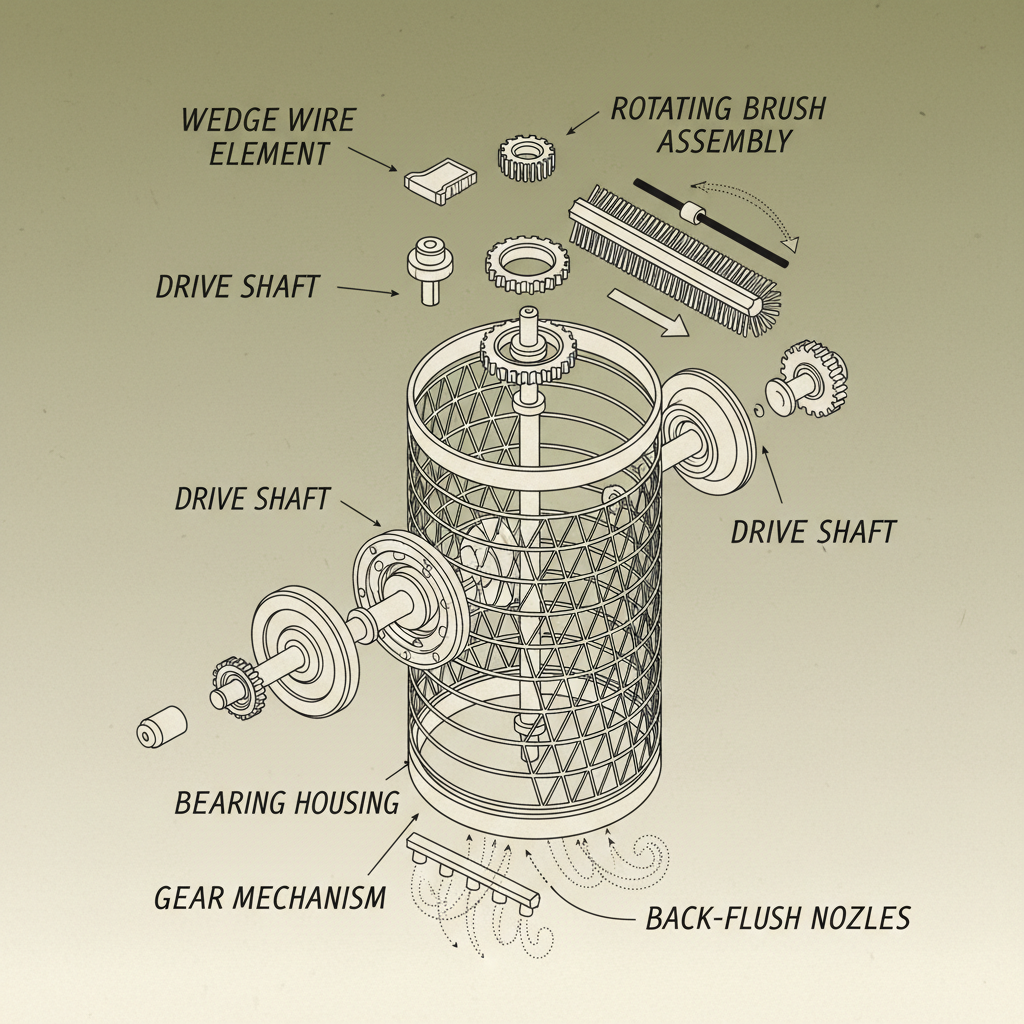
These days, it's all about efficiency and minimizing downtime. That's driving the demand for self cleaning wedge wire screen – everything from water filtration to chemical processing. People are tired of constant backwashing and maintenance. It used to be, you’d just accept the clogging, plan for the cleaning schedule. Now they want it done for them. It's a shift. It’s especially big in industries dealing with viscous fluids or materials that tend to build up quickly.

Anyway, I think the biggest trend is moving away from traditional woven wire mesh. It’s just… inadequate. Too much maintenance. Self-cleaning profiles, where the V-shaped wires create a continuous slot and allow solids to pass through, are taking over. It’s not a groundbreaking invention, been around for ages, but the manufacturing tolerances are getting tighter, the materials are getting better. And honestly, people are finally realizing the long-term cost savings.

Design Pitfalls in self cleaning wedge wire screen Applications

Look, I’ve seen a lot of engineers design themselves into corners with these things. The biggest mistake? Undersizing the slots. They want maximum flow rate, so they make the openings too big, then wonder why everything’s passing through. Or, they specify a wire profile that’s just not suitable for the application. I once had a guy trying to use a fine-slot screen for gravel – gravel! It clogged instantly, naturally. Then he wanted me to fix it.

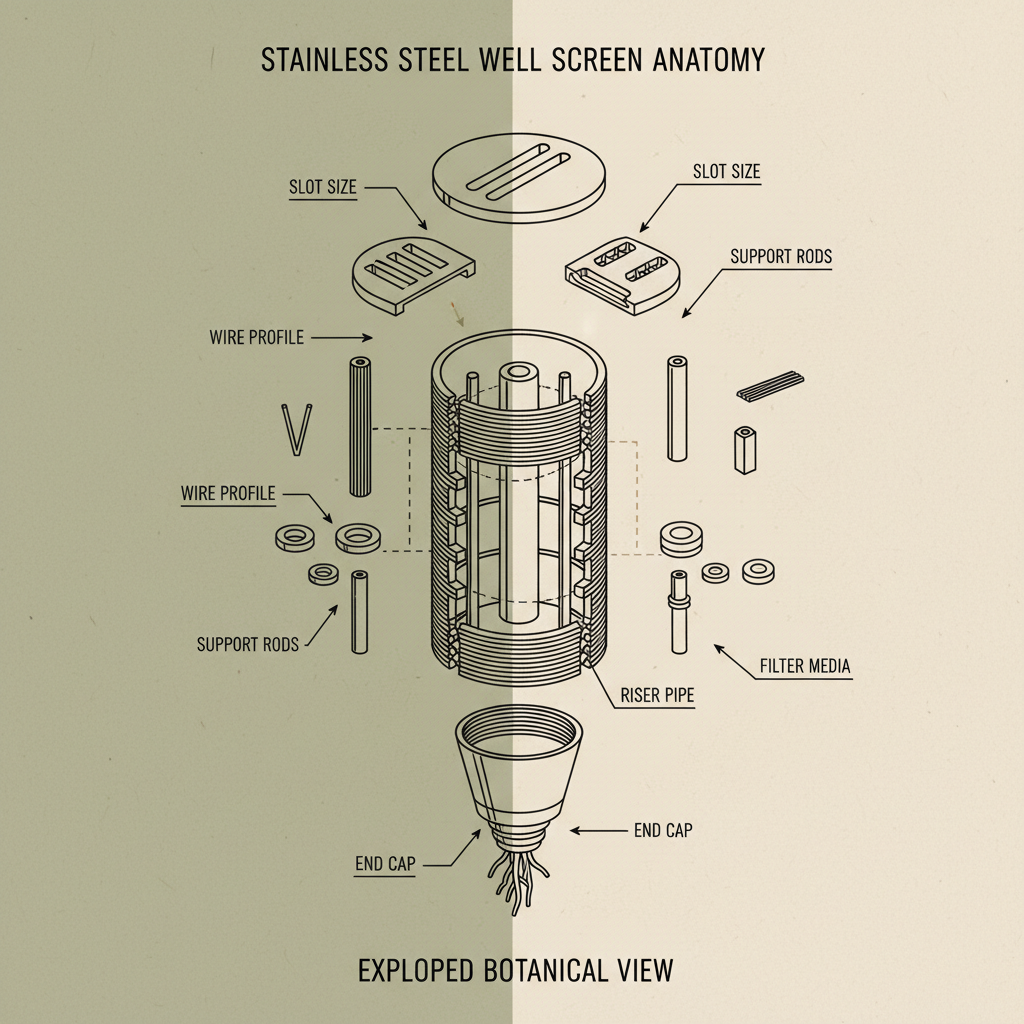
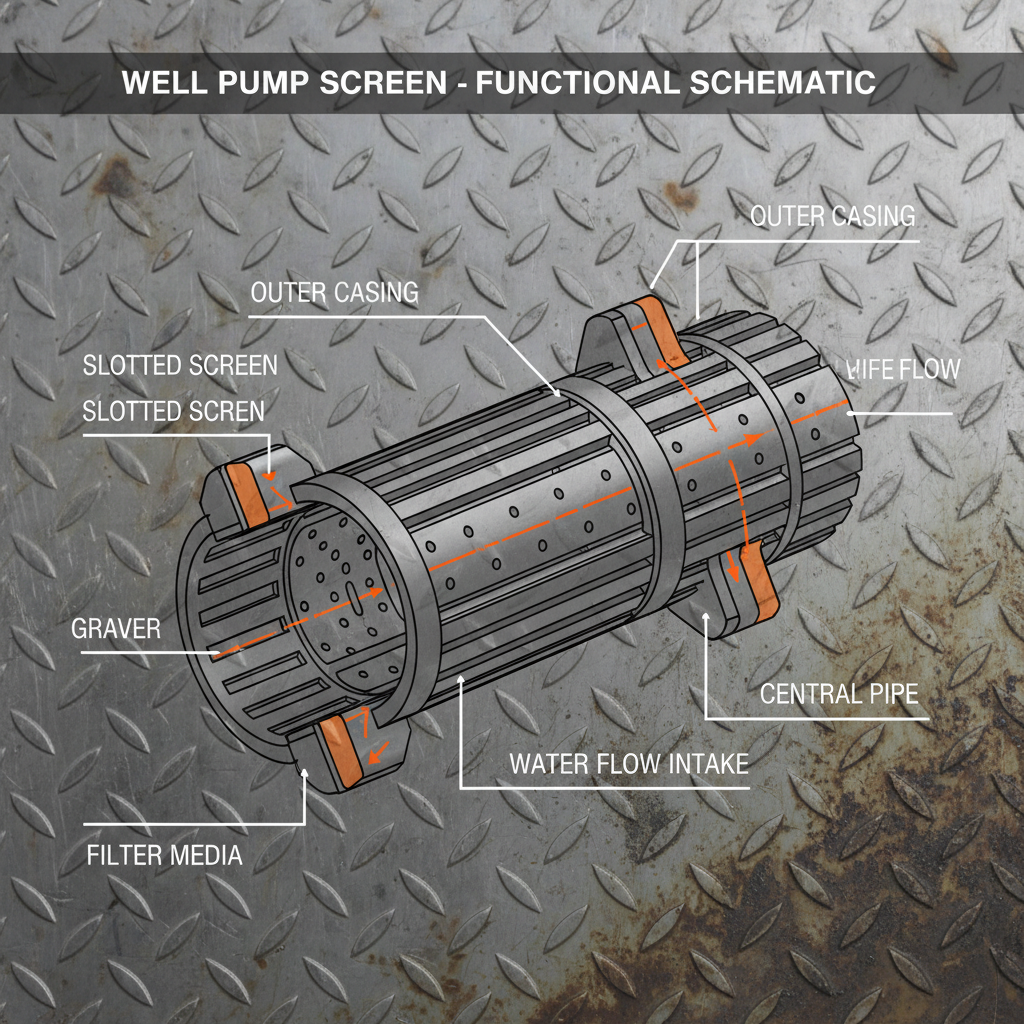
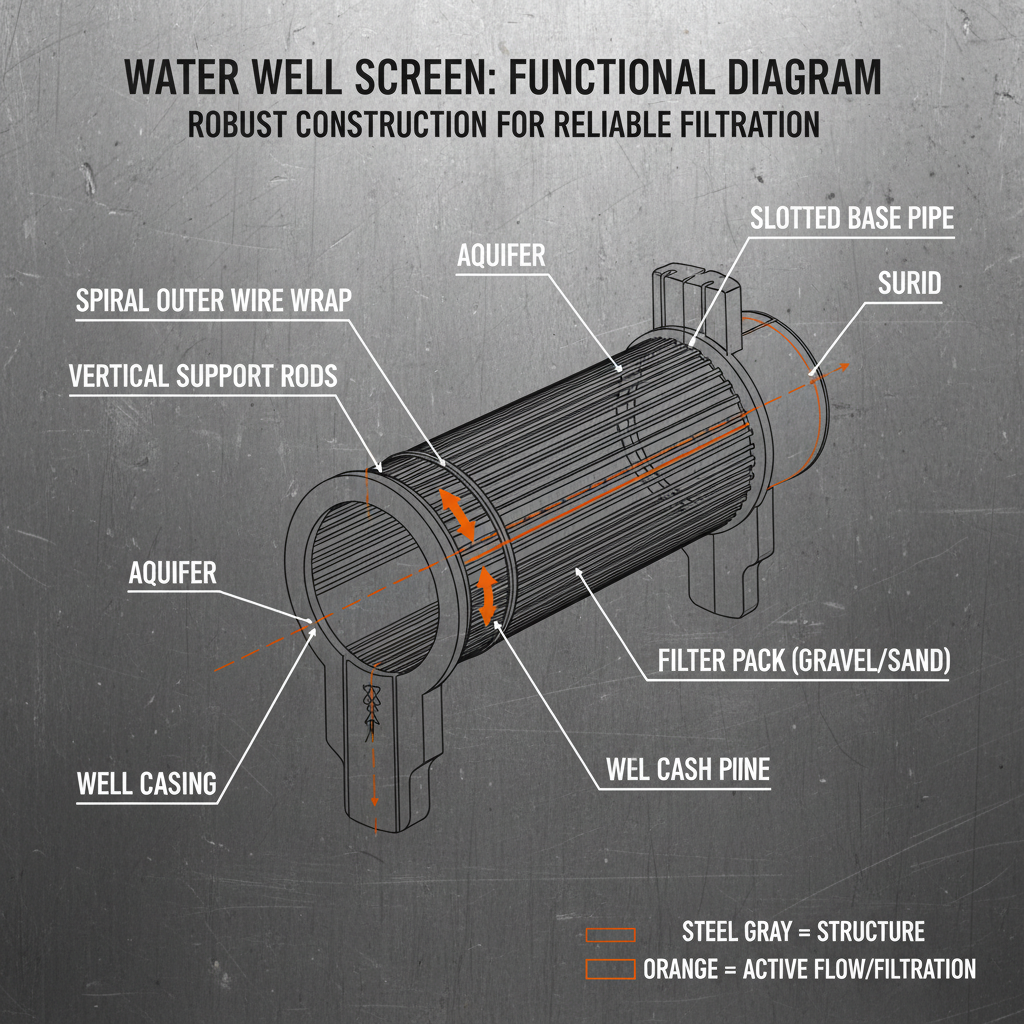
Another common issue is not accounting for the fluid dynamics. The way the fluid flows across the screen, the velocity, the turbulence… it all matters. You need to model it properly, not just guess. I've also noticed that many overlook the importance of proper support structures. You can’t just hang a large screen element in mid-air; it needs to be well-supported to prevent distortion and premature failure.

And don’t even get me started on the flanges and connections. A poorly designed connection point can lead to leaks, bypass, and all sorts of headaches. People often focus so much on the screen itself that they forget about the rest of the system.

Material Selection and Handling for self cleaning wedge wire screen

The stainless steel grades are your workhorses: 304 for general applications, 316L for corrosive environments. 316L’s got that extra molybdenum, makes it much more resistant to pitting and crevice corrosion. You can feel the difference, almost. It’s a little smoother, a little heavier. Titanium, like I said, is for when you really need the ultimate in corrosion resistance, but it’s expensive and harder to work with.

Handling the material is surprisingly important. You scratch the wire during fabrication, you create stress points. Those stress points can lead to cracks, especially in corrosive environments. We’re meticulous about our handling procedures. Everything’s stored properly, protected from damage. And when we’re welding, we use specific techniques to minimize heat distortion. It's the small things, really.

I also steer clear of any supplier that doesn’t provide detailed material certifications. You need to know exactly what you’re getting. Traceability is key. I encountered a batch of 304 that was significantly under spec at a pump manufacturer in Jiangsu province. Total nightmare. Took weeks to sort out.

Real-World Testing of self cleaning wedge wire screen

Lab tests are fine, I guess, but they don’t tell the whole story. I’ve seen screens pass all the lab tests and fail miserably in the field. You need to simulate real-world conditions. We do a lot of pilot testing, setting up small-scale systems on-site to see how the screen performs under actual operating conditions. It’s messy, it’s time-consuming, but it’s worth it.

We also subject the screens to accelerated life testing. We’ll run them with highly abrasive fluids, expose them to extreme temperatures, and cycle them through repeated cleaning cycles. We’re looking for signs of wear, corrosion, and deformation. It’s not perfect, but it gives us a good indication of how long the screen will last in service.

self cleaning wedge wire screen Performance Metrics


User Application and Behavior with self cleaning wedge wire screen

You know what’s funny? Users don’t always use things the way we intend them to. I’ve seen operators try to force materials through screens that are clearly too small, just to avoid having to clean them. It seems counterintuitive, but they’re prioritizing short-term convenience over long-term performance.

I've also noticed that a lot of people underestimate the importance of regular inspection. They assume that because it’s a “self-cleaning” screen, it requires no maintenance. That’s just not true. You still need to check for wear and tear, corrosion, and any signs of blockage.

Advantages and Disadvantages of self cleaning wedge wire screen

Okay, the pros are obvious. Reduced maintenance, increased flow rates, lower operating costs. They're also generally more durable than traditional woven wire. But, and this is a big but, they're more expensive upfront. Significantly more. It’s a capital investment.

And they’re not perfect for every application. For very fine particulate removal, you might still need a different technology. Plus, if the fluid contains extremely abrasive materials, the screen can still wear down relatively quickly. It’s about finding the right balance between cost, performance, and durability.

Last month, that small boss in Shenzhen who makes smart home devices insisted on changing the interface to on a filtration system we designed for his factory. He said it was more “modern.” It ended up causing a grounding issue and fried the whole thing. Modern doesn't always mean better, you know?

Customization Options for self cleaning wedge wire screen

We do a ton of customization. Slot width, wire profile, material grade, flange connections... you name it. One client, a chemical processing plant in Germany, needed a screen with a very specific slot width to separate a catalyst from a reaction mixture. They wanted it to be as precise as possible, so we had to use a laser cutting process to create the slots. It was expensive, but it solved their problem.

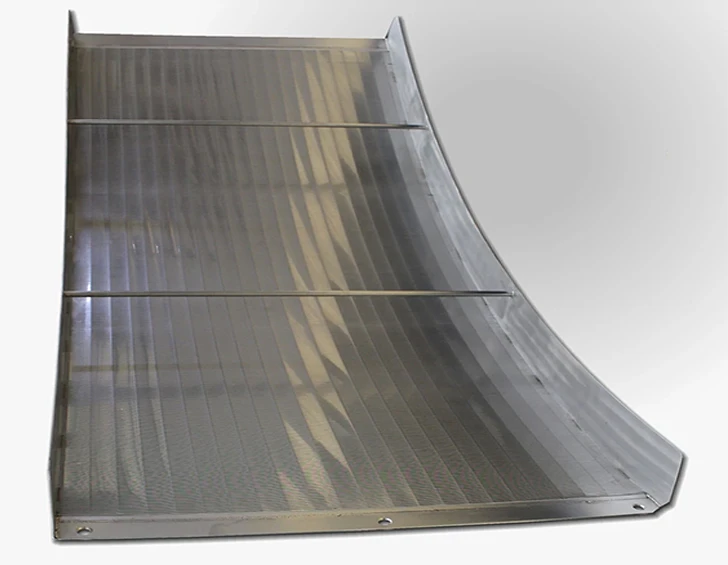
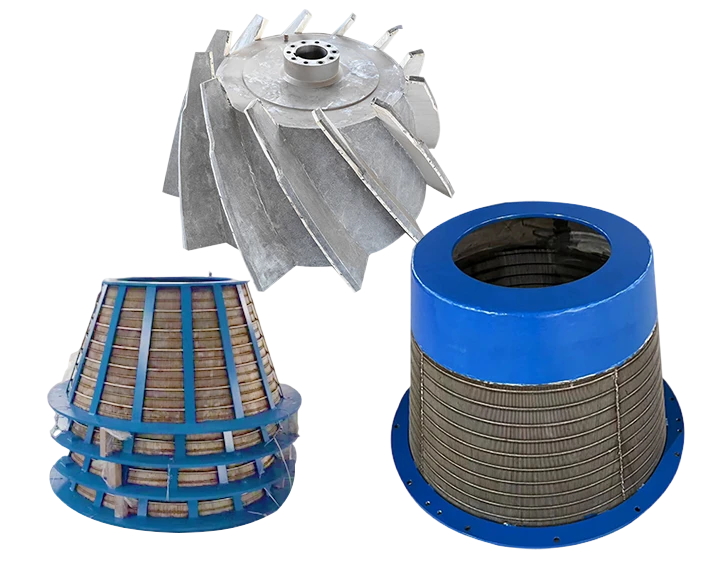
We can also customize the screen’s geometry. We can make them flat, curved, conical… whatever shape you need. And we can add features like support rods, cleaning nozzles, and access ports. It's always a trade-off, though. More customization means higher cost and longer lead times.

Summary of Key Customization Parameters for self cleaning wedge wire screen

Parameter Typical Range Impact on Performance Cost Impact
Slot Width 0.05mm - 5mm Determines particle retention size & flow rate Low
Wire Profile V-Shape, U-Shape, Flat Affects self-cleaning efficiency & structural integrity Medium
Material Grade 304, 316L, Titanium Dictates corrosion resistance & operating temperature High
Flange Connection Welded, Bolted, Flanged Influences ease of installation & maintenance Low to Medium
Screen Geometry Flat, Curved, Conical Impacts fluid distribution and overall system design Medium to High
Support Structure Support Rods, Frames Provides structural stability and prevents deformation Low to Medium

FAQS

What’s the typical lifespan of a self cleaning wedge wire screen in a wastewater treatment plant?

It really depends on the influent characteristics, but generally you’re looking at 5-10 years. High solids loading, abrasive materials, and inconsistent cleaning can significantly shorten that lifespan. Regular inspections are critical. We always recommend a preventative maintenance schedule, including ultrasonic thickness testing to monitor for corrosion. It’s cheaper to replace a screen proactively than to deal with a catastrophic failure that shuts down your entire plant.

Can self cleaning wedge wire screens handle highly viscous fluids?

They can, but it's not always ideal. The viscosity needs to be considered during the design phase. We may need to increase the slot width or use a different wire profile to ensure adequate flow and prevent clogging. We also recommend considering pre-treatment options to reduce the viscosity before it reaches the screen. It’s not a one-size-fits-all solution, and proper engineering analysis is essential.

What are the common causes of clogging in self cleaning wedge wire screens?

Typically, it’s a combination of factors. Solids buildup, oil and grease accumulation, and biological growth are all common culprits. Sometimes, the fluid dynamics aren’t optimal, creating dead zones where solids can settle. And, frankly, sometimes it’s just a poorly designed system. Regular cleaning, proper pre-treatment, and optimized flow rates are the best ways to prevent clogging.

How does the V-shaped wire profile contribute to self-cleaning?

The V-shape creates a continuous slot, which minimizes the areas where solids can accumulate. The angled wires also promote turbulence, which helps to dislodge particles. It's a simple but effective design. The key is getting the angle right – too shallow and it won't self-clean effectively, too steep and it can create excessive pressure drop. It’s a balancing act, really.

Is titanium always necessary for saltwater applications?

Not necessarily. 316L stainless steel can often perform adequately in saltwater environments, if it's properly maintained. However, titanium offers superior corrosion resistance, especially in harsh conditions with high chloride concentrations or the presence of other corrosive agents. It's a trade-off between cost and longevity. For critical applications, titanium is usually the best choice.

Can you customize the screen to fit an existing system?

Absolutely. We do a lot of retrofit work. We'll take precise measurements of your existing system and fabricate a screen that fits perfectly. It's often more cost-effective than replacing the entire system. However, it’s important to ensure that the existing support structure is adequate to handle the new screen. We’ll need to assess that as part of the design process.

Conclusion

So, yeah, self cleaning wedge wire screen isn't a magic bullet. It's a tool. A really good tool, when applied correctly. It's about understanding the application, choosing the right materials, and paying attention to the details. It's not just about the wire itself; it's about the whole system. It’s about minimizing downtime, reducing maintenance costs, and improving overall efficiency.

Ultimately, whether this thing works or not, the worker will know the moment he tightens the screw. If it's solid, if it fits right, if it feels good… you know you’ve got something that's going to last. And that, in the end, is what matters most. If you’re looking for a reliable self cleaning wedge wire screen solution, check out Mutoscreen.

William Johnson

William Johnson

William Johnson is the Project Manager at MUTO Wire Screen, overseeing the entire lifecycle of customer projects – from initial consultation and feasibility studies to equipment installation and commissioning. With a background in mechanical engineering and project management, William ensures projects are delivered on time and within budget. He acts
Previous Optimizing Construction Efficiency with Durable Static Wedge Wire Screen Solutions
Next The Critical Role of Wedge Wire Screens in Modern Construction and Filtration