0%

Table of Contents

Honestly, the whole industry's been buzzing about modular construction lately. Prefabrication, you know? Everything’s gotta be faster, cheaper, and…well, less messy. Used to be, you’d walk onto a site and smell the sawdust and concrete dust for weeks. Now, it's more like assembling Lego. Seems good on paper, right? But it’s rarely that simple.

Have you noticed how everyone's obsessed with 'smart' everything? ‘Smart’ well screens… sounds a bit silly, doesn’t it? But it’s where things are going. Sensors, remote monitoring, data analytics… they all want to stick a chip in everything. Problem is, most of those sensors fail within a year when exposed to the actual conditions downhole. It's a good idea, in theory, but the reality… is often disappointing.

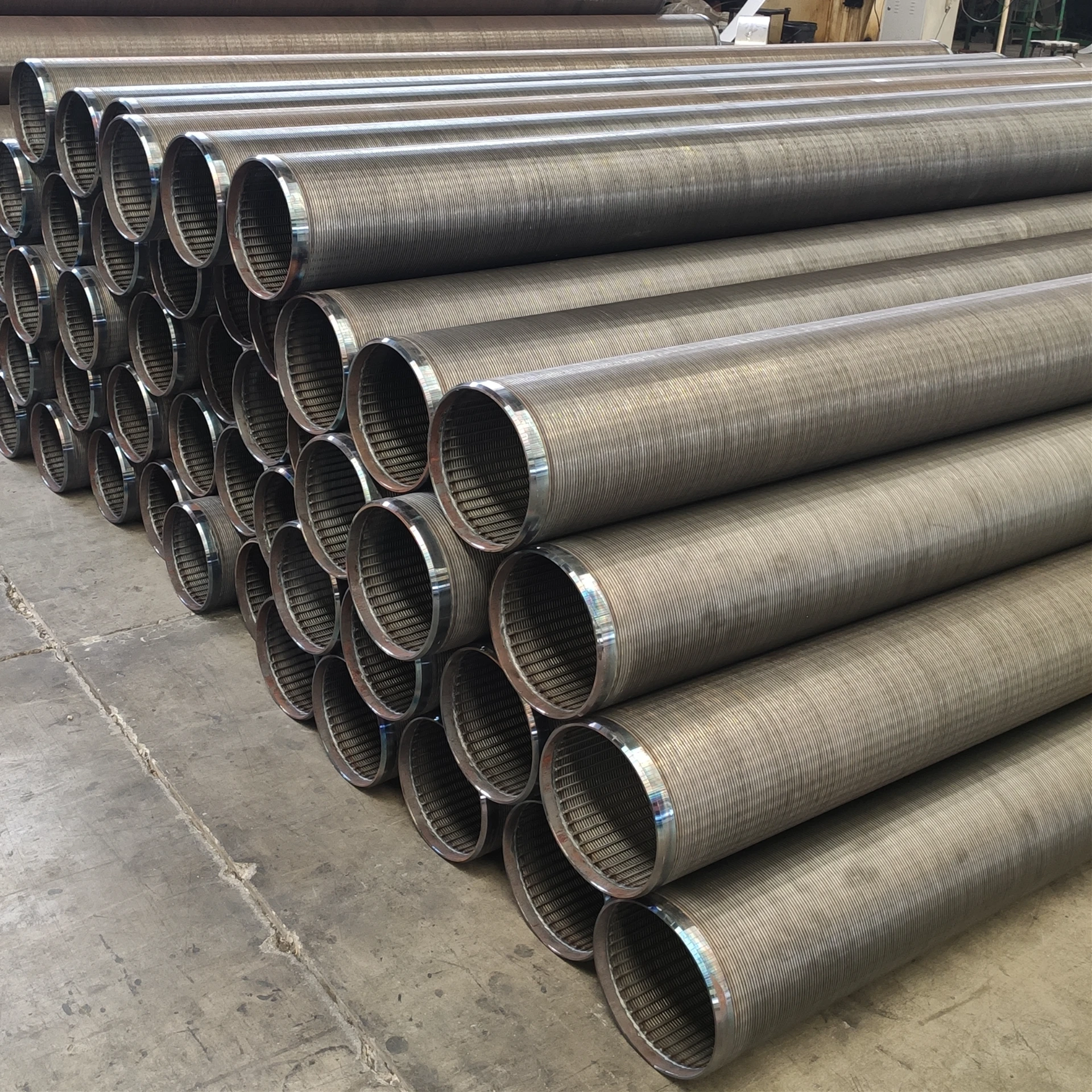
We mostly work with 304 and 316 stainless steel for these screens. 316, obviously, is the better corrosion resistance, especially in saltwater environments. It’s heavier, though. And you can feel the difference. 304 is…brighter, almost a little thin feeling when you’re handling it. 316 has a weight to it. I always tell the new guys, if it doesn’t feel solid, it probably isn’t. The smell, well… stainless steel doesn’t really smell, does it? More like the cutting oil used during fabrication. That’s a smell you remember.
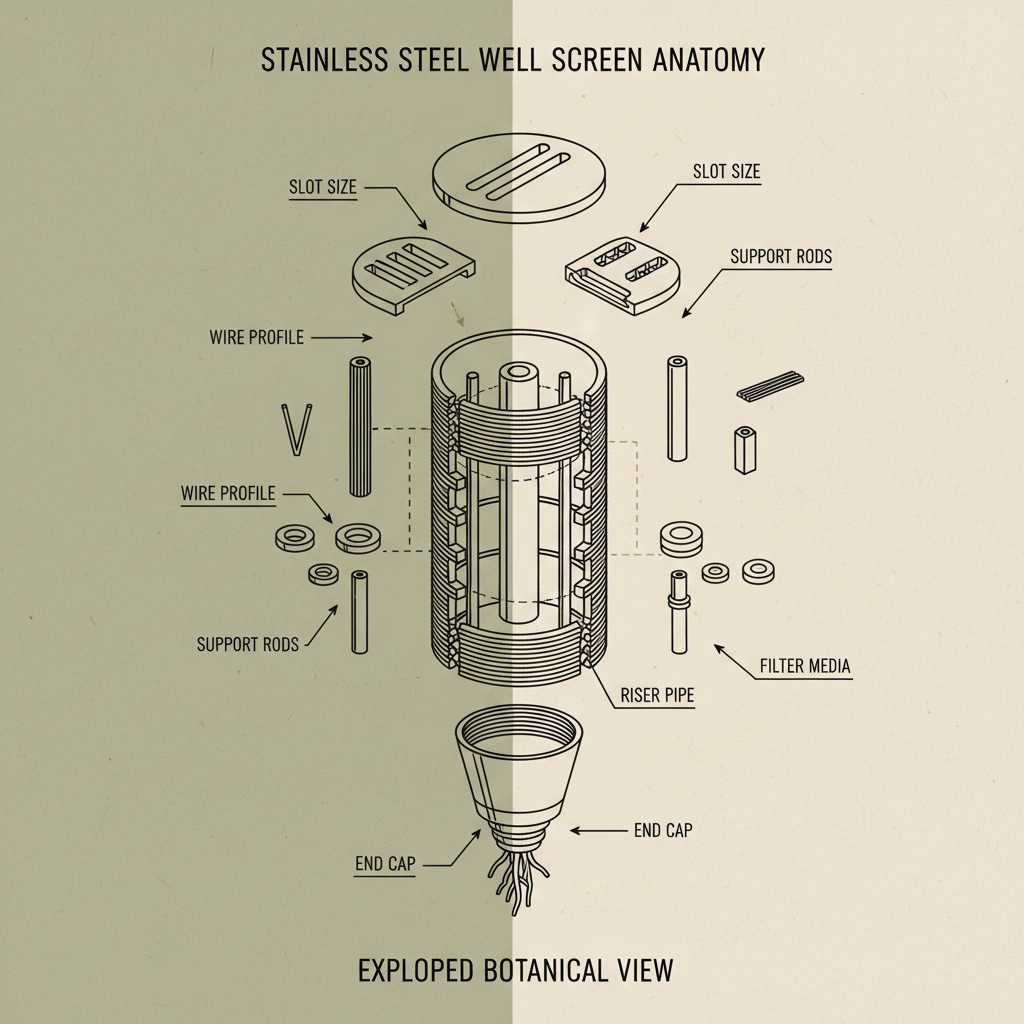
Exploring the Nuances of Stainless Steel Well Screens for Enhanced Filtration

The Rise of Modular Well Screen Construction
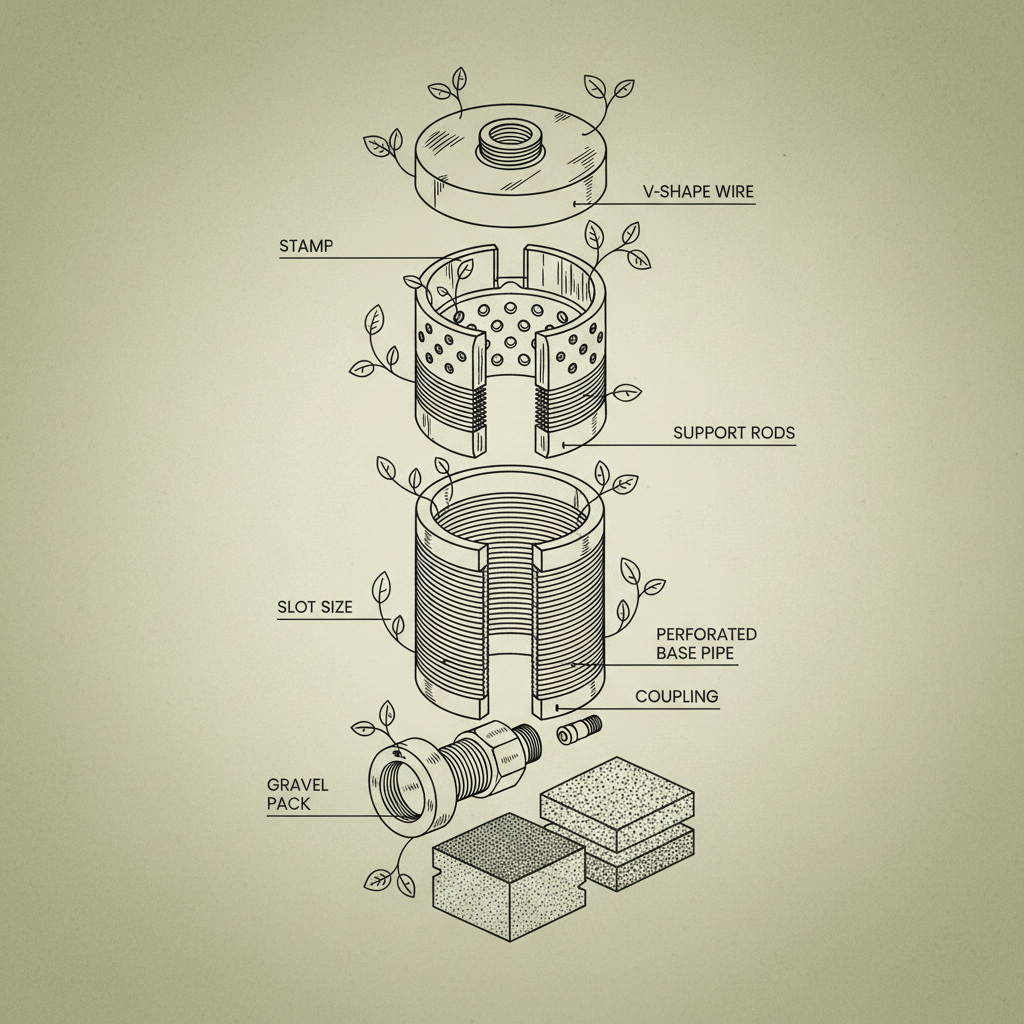
Exploring the Nuances of Stainless Steel Well Screens for Enhanced Filtration

Strangely enough, a lot of companies are shifting towards pre-assembled sections. Less fieldwork, quicker installation… sounds great. But the problem is, the ground isn't modular. It shifts, it settles, and things rarely line up perfectly. We spend a lot of time adjusting and tweaking things on-site.

I saw a project in Nevada where they tried to use entirely prefabricated sections. The desert soil just…moved. Had to tear it all down and start again. Expensive lesson learned. It's about finding the right balance between prefab and on-site adaptability. And good old-fashioned engineering judgment.

Common Design Pitfalls in Stainless Steel Well Screens

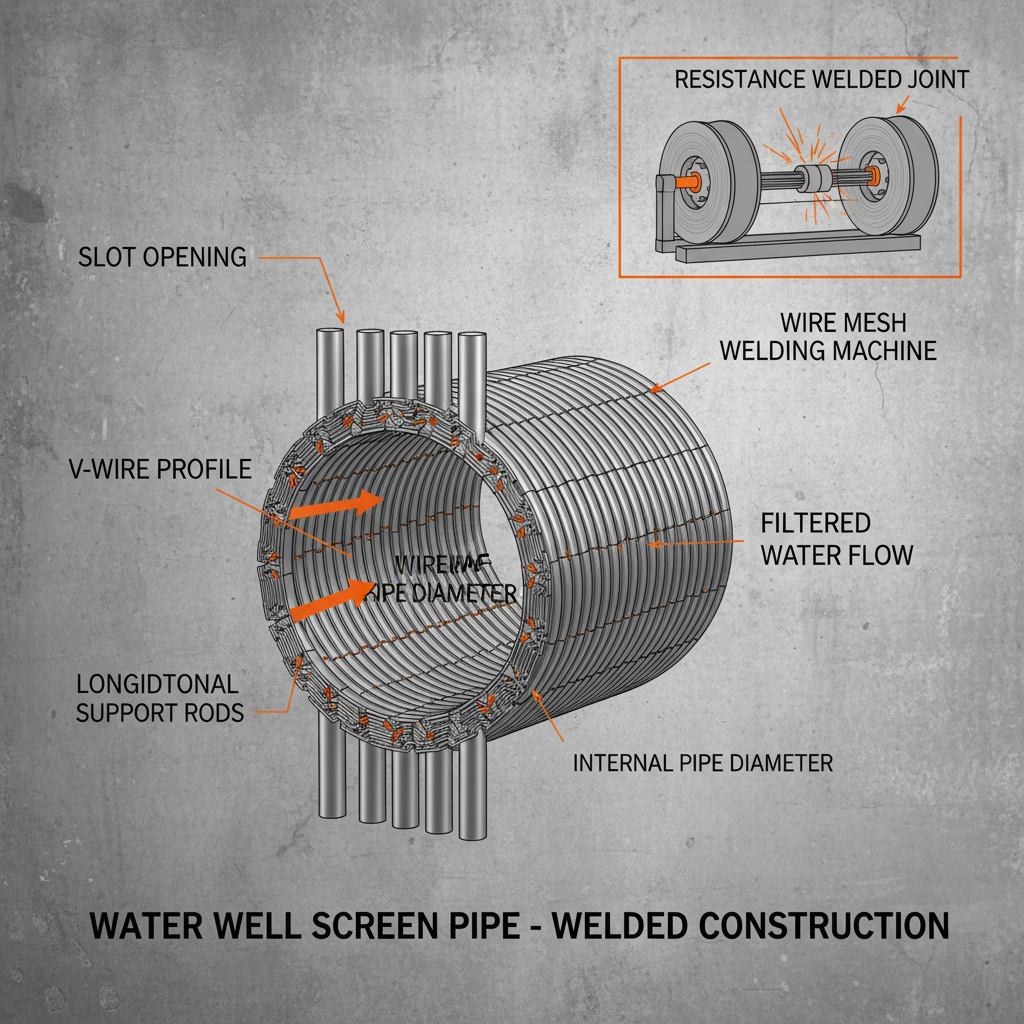
I encountered this at a factory in Italy last time – they were using these really intricate weld patterns on the support rods. Looked beautiful, honestly. But it created stress points. Cracked under pressure, every time. Simple is often better, you know? A clean, strong weld is worth more than fancy aesthetics.

Another thing? Undersizing the slots. People try to save a few bucks by making the openings smaller, thinking it'll reduce sand ingress. It just clogs up faster and reduces flow rate. It’s a false economy. Then you're spending more time and money cleaning it out later.

And don’t even get me started on the cheap plastic casing some companies use. It degrades in the sun, becomes brittle… and then you have a whole different set of problems.

Material Nuances: 304 vs. 316 Stainless Steel

To be honest, a lot of customers don't understand the difference between 304 and 316. They just see 'stainless steel' and assume it’s all the same. It's not. 316 has molybdenum, which significantly improves its resistance to chloride corrosion – that’s important in saltwater or any environment with high salt content.

I always recommend 316 if the budget allows, especially for coastal applications. It's a bit more expensive upfront, but it will save you headaches down the road. We once had a project in the Bahamas where the client insisted on 304. Had to replace the entire screen assembly within six months. Lesson learned.

But even 316 isn’t foolproof. If you’re dealing with really aggressive chemicals, you might need to look at more exotic alloys. But that gets expensive, fast.

Real-World Testing of Well Screen Durability

Forget the lab tests. They’re useful for basic quality control, sure, but they don’t replicate real-world conditions. I like to see the screens subjected to actual drawdown and backwash cycles, with the same sand and gravel they'll be used with.

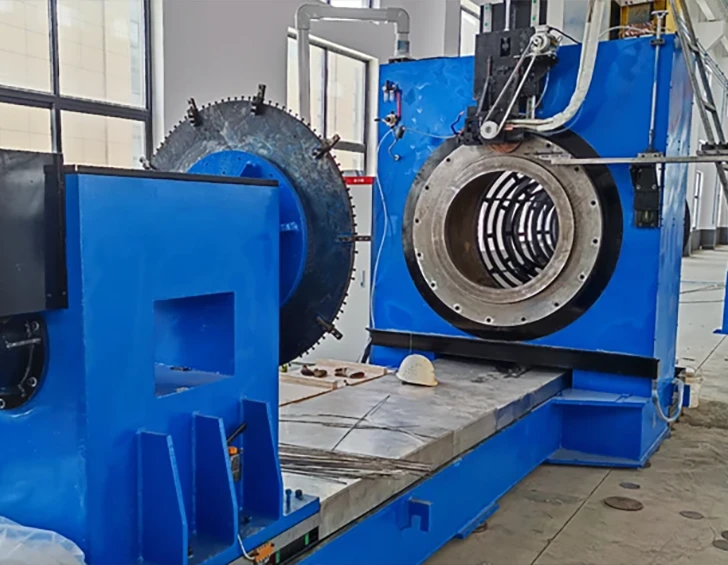
We have a testing rig at our facility that simulates those conditions. It's a messy process – lots of mud and water flying around. But it gives you a much better idea of how the screen will perform over time. We also send samples to sites for extended field testing. Letting it sit downhole for a year or two, then pulling it out and inspecting it. That's where you really find out what works and what doesn’t.

Well Screen Performance Metrics


User Applications & Unexpected Use Cases

Most people think of well screens for groundwater extraction, which is the main application, of course. But we’ve had some interesting requests over the years. Once, a fish farm wanted to use them to filter water for their tanks. Another time, a winery used them to filter out sediment from their wine. It’s all about the pore size and the fluid dynamics, really.

We also get a lot of requests for screens used in dewatering applications – construction sites, mining operations. Keeping water away from excavations. It’s a dirty job, but someone’s gotta do it.

Advantages, Disadvantages & The Truth About Stainless Steel Well Screens

The biggest advantage, obviously, is corrosion resistance. You're burying this thing underground. It needs to last. Stainless steel does that. It’s also relatively strong and easy to fabricate. But it’s expensive. Let’s not beat around the bush. It's significantly more expensive than carbon steel.

Another downside? It can be susceptible to pitting corrosion in certain environments. And it’s not a miracle material. You still need to design it properly, specify the right grade of steel, and protect it from damage during installation. It’s not just about buying the material; it’s about the whole system.

Customization & A Story from Shenzhen

We do a lot of customization. Slot size, screen length, diameter, material grade… everything can be tailored to the specific application. Last month, that small boss in Shenzhen who makes smart home devices insisted on changing the interface to for the cleaning port, and the result was a nightmare. We had to redesign the entire end cap! Said it was “more modern”. Honestly, some customers just want to be different.

Anyway, I think the key is communication. Understanding what the customer really needs, not just what they think they need. A little bit of engineering guidance can go a long way.

Key Performance Indicators for Stainless Steel Well Screen Selection

Application Environment Material Grade Slot Size (microns) Expected Lifespan (Years)
Freshwater Well 304 Stainless Steel 75-150 20-30
Seawater Well 316 Stainless Steel 50-100 15-25
Industrial Wastewater 316L Stainless Steel 25-75 10-20
High-Salinity Brine Duplex Stainless Steel 20-50 25-40
Aggressive Chemical Environment Titanium Alloy 10-30 30+
Standard Groundwater Extraction 304L Stainless Steel 100-200 20-35

FAQS

What's the typical lead time for a custom stainless steel well screen order?

Lead times vary, honestly, depending on the complexity of the design and our current workload. Generally, expect around 4-6 weeks for a standard custom order. But if it's something really intricate, or we're slammed with orders, it could take longer. We always try to be upfront about timelines from the start. It's better to manage expectations than to promise something you can't deliver.

How do I determine the correct slot size for my application?

That's a good question. It depends on the grain size of the aquifer material. You want the slots to be small enough to prevent sand from entering the well, but large enough to allow water to flow freely. A good rule of thumb is to use a slot size that's about half the diameter of the smallest grain size. We can also help with the calculation if you provide us with a grain size analysis report.

Can stainless steel well screens be repaired if damaged?

Some damage can be repaired, but it depends on the severity. Minor dents or scratches are usually not a problem. But if a slot is torn or a weld is cracked, it's generally best to replace the entire section. Attempting a repair can compromise the structural integrity of the screen.

What’s the best way to clean a clogged stainless steel well screen?

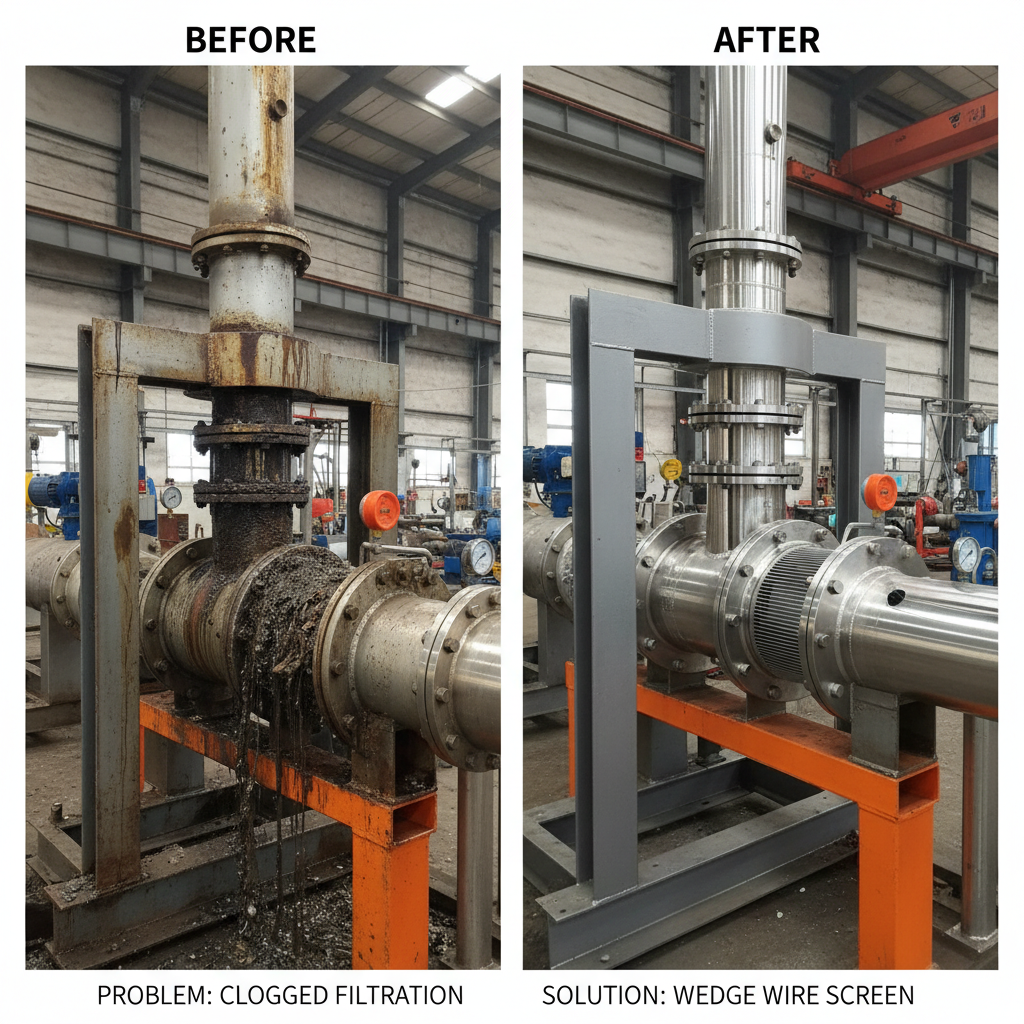
Backwashing is the most common method. It involves reversing the flow of water to flush out the debris. You can also use mechanical cleaning methods, like brushes or jets, but be careful not to damage the slots. Avoid using harsh chemicals, as they can corrode the stainless steel.

Are stainless steel well screens compatible with all water treatment chemicals?

Not necessarily. Some chemicals, like strong acids, can cause corrosion. Always check the chemical compatibility of the stainless steel grade before using any treatment chemicals. 316 stainless steel is generally more resistant to chemical attack than 304, but it’s still not immune.

What is the cost difference between 304 and 316 stainless steel well screens?

316 stainless steel screens typically cost around 20-30% more than 304 screens. The extra cost is due to the addition of molybdenum in the alloy. While it’s an upfront investment, the added corrosion resistance often makes it worthwhile in the long run, especially in harsh environments. Think of it as paying a little more now to avoid headaches later.

Conclusion

Ultimately, stainless steel well screens are about balancing durability, cost, and performance. There’s no one-size-fits-all solution. You need to consider the specific application, the environment, and the long-term goals. It’s more than just a piece of metal; it’s a critical component of a larger system.

And in the end, whether this thing works or not, the worker will know the moment he tightens the screw. That's what I always say. It's not about the fancy engineering or the lab tests. It's about real-world performance and a solid, reliable connection. If it feels right, it probably is. Check out our website for more info: stainless steel well screens

Robert Miller

Robert Miller

Robert Miller is the Lead Process Engineer at MUTO Wire Screen Co., Ltd. With over 15 years of experience in industrial filtration and separation technologies, Robert specializes in the design and optimization of wedge wire screen systems. He holds a Master’s degree in Chemical Engineering and is instrumental in ensuring
Previous Advancements in Water Well Screens for Enhanced Yield and Corrosion Resistance
Next Optimizing Well Performance with Effective Well Screens and Gravel Packs