Stainless steel water well screens are crucial components in ensuring access to safe and reliable groundwater resources globally. Their robust construction and resistance to corrosion make them ideal for a wide range of well applications, from providing potable water to supporting agricultural irrigation and industrial processes. The increasing demand for clean water, coupled with the depletion of surface water sources, has driven a significant rise in groundwater extraction, making the quality and longevity of well screens paramount.
The global water crisis is intensifying, with billions lacking access to safely managed drinking water services. According to the World Health Organization (WHO), contaminated water causes approximately 485,000 diarrheal deaths each year. Stainless steel water well screens play a vital role in mitigating this crisis by preventing sand, gravel, and other particulate matter from entering the well, thus maintaining water quality and minimizing the need for frequent well rehabilitation.
Investing in high-quality stainless steel water well screens isn't merely a matter of infrastructure; it's an investment in public health, economic stability, and environmental sustainability. Properly designed and installed screens significantly reduce long-term operational costs associated with well maintenance and repair, offering a sustainable solution for water extraction needs. stainless steel water well screens are increasingly being recognized as an essential tool for addressing water scarcity challenges worldwide.
The Importance of Stainless Steel Water Well Screens
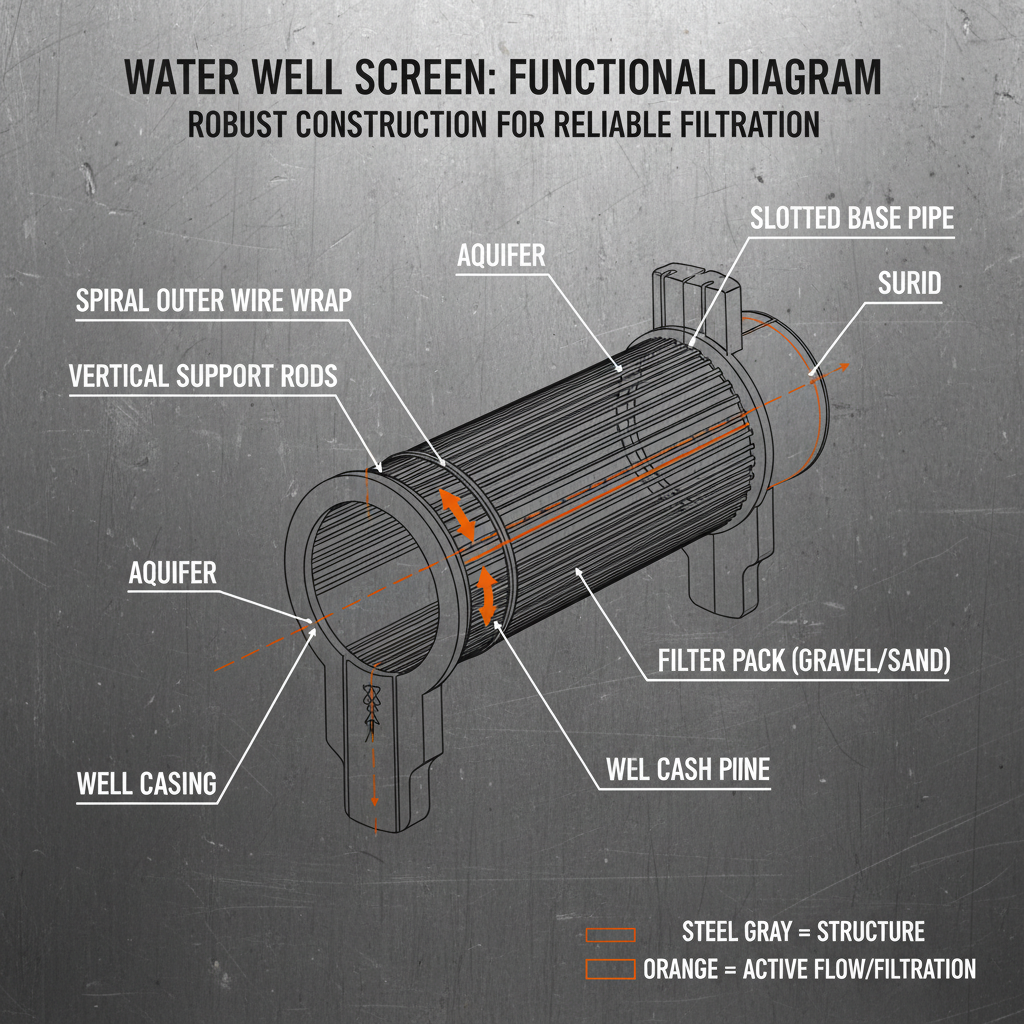
Stainless steel water well screens are foundational to sustainable groundwater extraction. Their primary function is to filter out sand, gravel, and silt while allowing water to flow freely into the well. This prevents pump damage, reduces well maintenance, and ensures consistently high water quality. Without effective screening, well performance degrades rapidly, leading to increased costs and potential water contamination.
The choice of material – specifically stainless steel – is critical. Unlike other materials, stainless steel offers exceptional corrosion resistance, ensuring a long service life even in harsh geological conditions and aggressive water chemistries. This longevity translates to significant economic benefits and reduces the environmental impact associated with frequent well replacements. stainless steel water well screens are therefore a cornerstone of responsible water management.
Defining Stainless Steel Water Well Screens
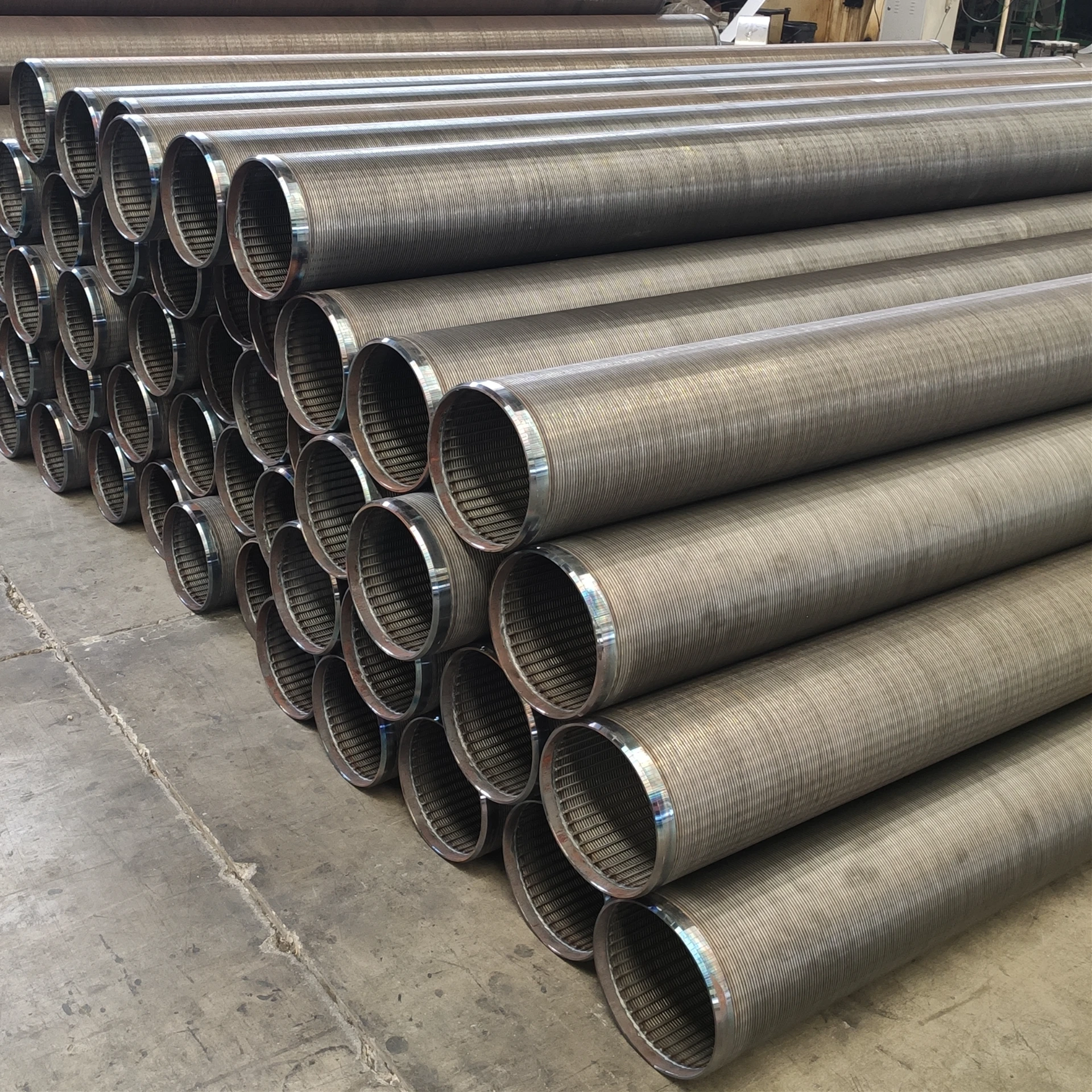
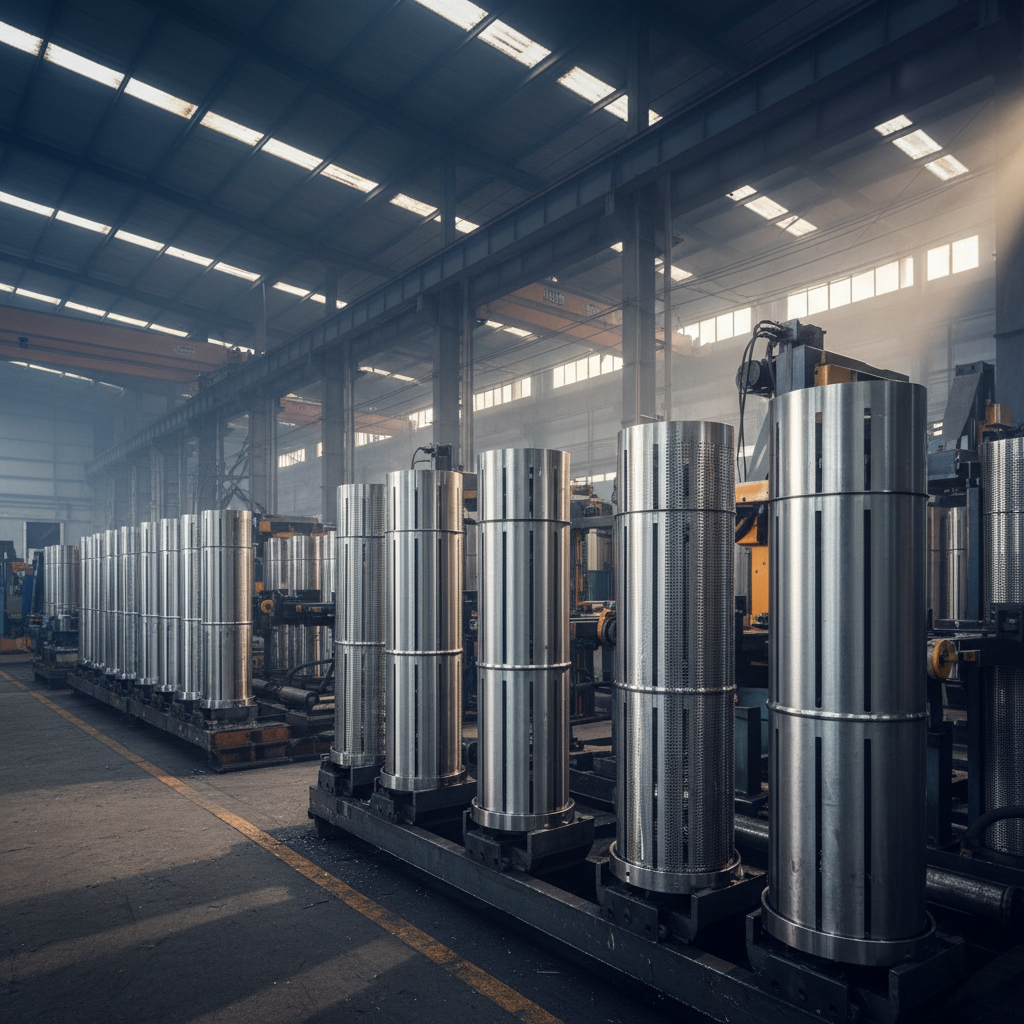
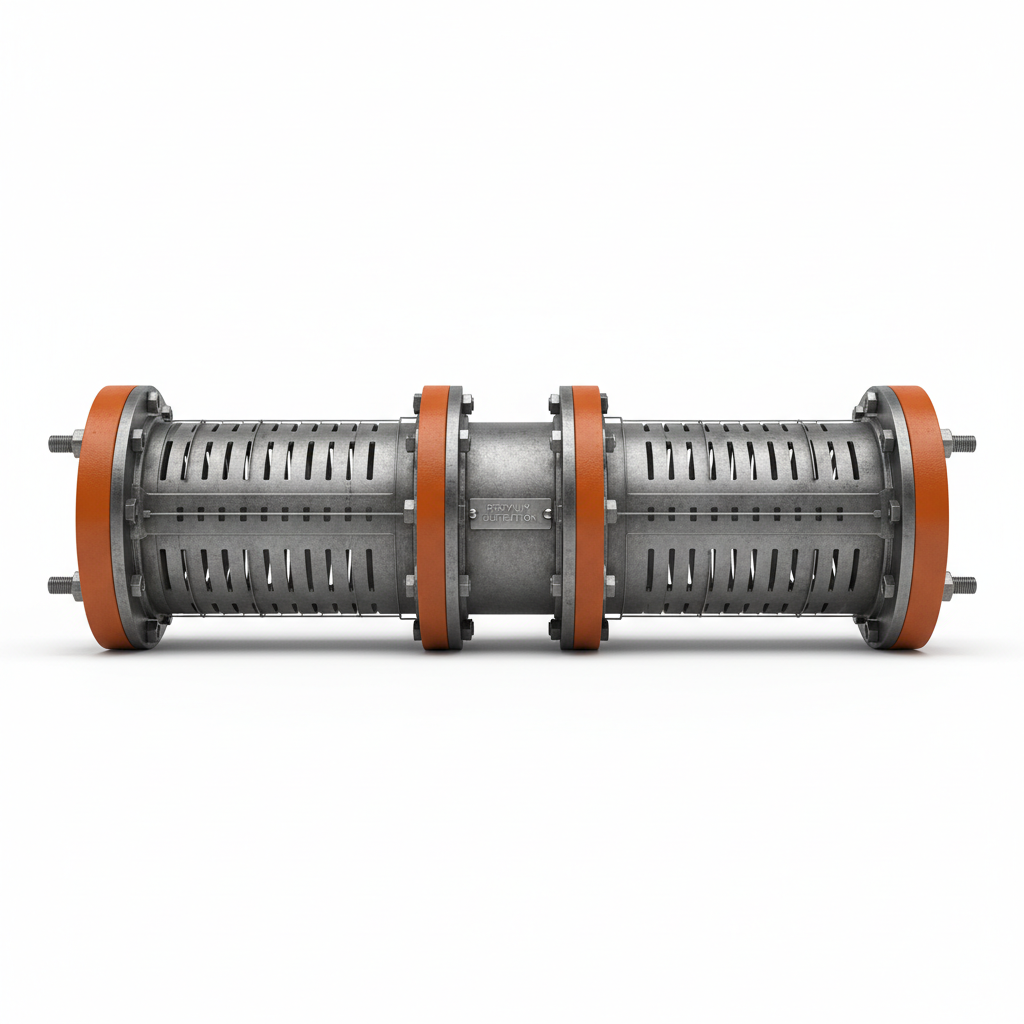
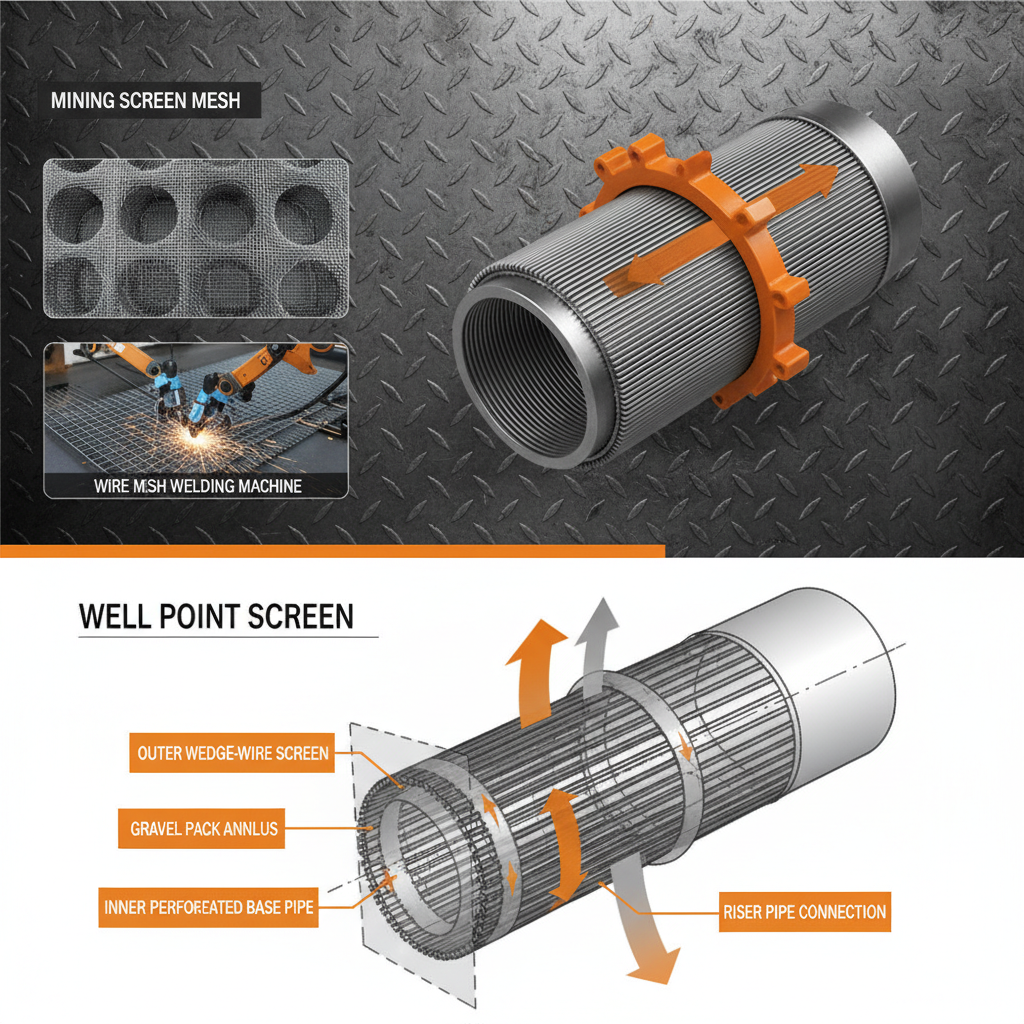
Stainless steel water well screens are cylindrical or shaped devices installed within a water well to prevent the entry of formation materials like sand, gravel, and silt. They act as a barrier, allowing water to pass through while retaining the surrounding geological strata. These screens are typically constructed from woven or welded stainless steel wires, creating a robust and permeable structure.
The design of a stainless steel water well screen is heavily influenced by the geological characteristics of the aquifer and the intended pumping rate. Slot size, wire diameter, and screen configuration are carefully selected to optimize water flow and minimize the risk of well clogging. They are integral to the overall well construction, directly impacting its efficiency and lifespan.
In modern humanitarian efforts and industrial projects, stainless steel water well screens represent a fundamental component. They provide a dependable method for accessing clean, potable water, supporting communities and operations in challenging environments. Their reliability is paramount in locations where alternative water sources are scarce or unreliable.
Key Factors and Core Components
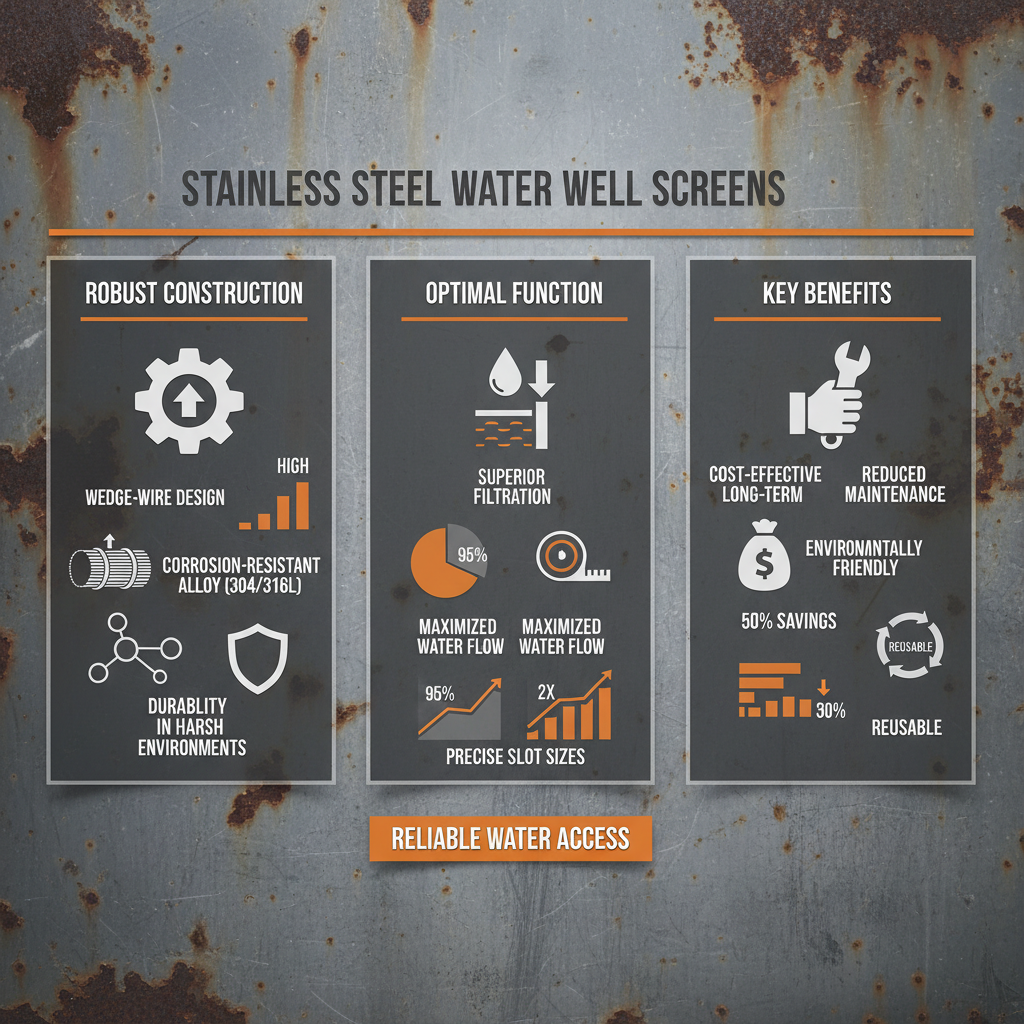
Several key factors define the effectiveness and longevity of stainless steel water well screens. Durability is paramount, with stainless steel offering superior resistance to corrosion and abrasion compared to other materials. This ensures a prolonged lifespan, reducing the need for frequent replacements.
Flow Rate Capacity is another crucial aspect. The screen’s design – particularly the slot size and open area – directly impacts the amount of water that can be drawn from the well without causing excessive head loss or well drawdown. Proper sizing is essential for meeting water demand efficiently.
Slot Size Selection is critical to prevent sand pumping. The slot size must be small enough to retain the surrounding formation material but large enough to allow for unrestricted water flow. Incorrect slot sizing leads to well damage and reduced efficiency. Furthermore, Material Grade significantly influences corrosion resistance. 304 and 316 stainless steel are commonly used, with 316 offering superior protection in saline or aggressive water environments. Scalability allows screens to be custom-fabricated to fit varying well diameters and depths, and finally, Installation Quality is vital; improper installation can compromise the screen's effectiveness.
Global Applications and Use Cases
Stainless steel water well screens find diverse applications across the globe. In agricultural regions, they provide reliable irrigation water for crop production, contributing to food security. In urban areas, they supply potable water to households and businesses. They are also essential for industrial operations, providing process water for manufacturing and cooling.
In post-disaster relief operations, stainless steel water well screens are often deployed rapidly to provide emergency water supplies to affected populations. Their durability and ease of installation make them ideal for challenging field conditions. In remote industrial zones, such as mining sites and oil fields, these screens offer a dependable water source where surface water is limited.
Specific examples include extensive use in the arid regions of Africa, where groundwater is a primary source of drinking water, and in the rapidly developing cities of Asia, where increasing water demand necessitates efficient groundwater extraction. The US and Canada also rely heavily on stainless steel well screens for municipal and agricultural water supplies.
Comparative Performance of Stainless Steel Water Well Screen Methods
Advantages and Long-Term Value
The advantages of using stainless steel water well screens extend far beyond initial cost considerations. The long-term value is substantial, stemming from reduced maintenance requirements, minimized downtime, and consistent water quality. Stainless steel's inherent corrosion resistance significantly extends the screen's operational life, reducing the need for costly replacements.
From a sustainability perspective, the durability of stainless steel contributes to reduced resource consumption and waste generation. It offers a reliable and environmentally responsible solution for groundwater extraction. The emotional benefit lies in the peace of mind knowing you have a robust and dependable water source, contributing to the safety and wellbeing of your community or operation.
Future Trends and Innovations
The future of stainless steel water well screen technology is focused on enhancing efficiency, sustainability, and integration with smart water management systems. Innovations in materials science are exploring alloys with even greater corrosion resistance and self-cleaning properties. Digital technologies are enabling real-time monitoring of screen performance, allowing for proactive maintenance and optimization.
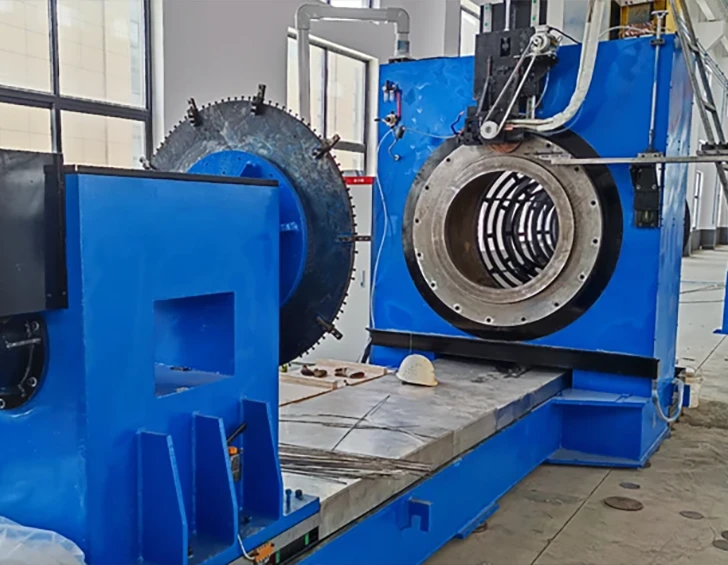
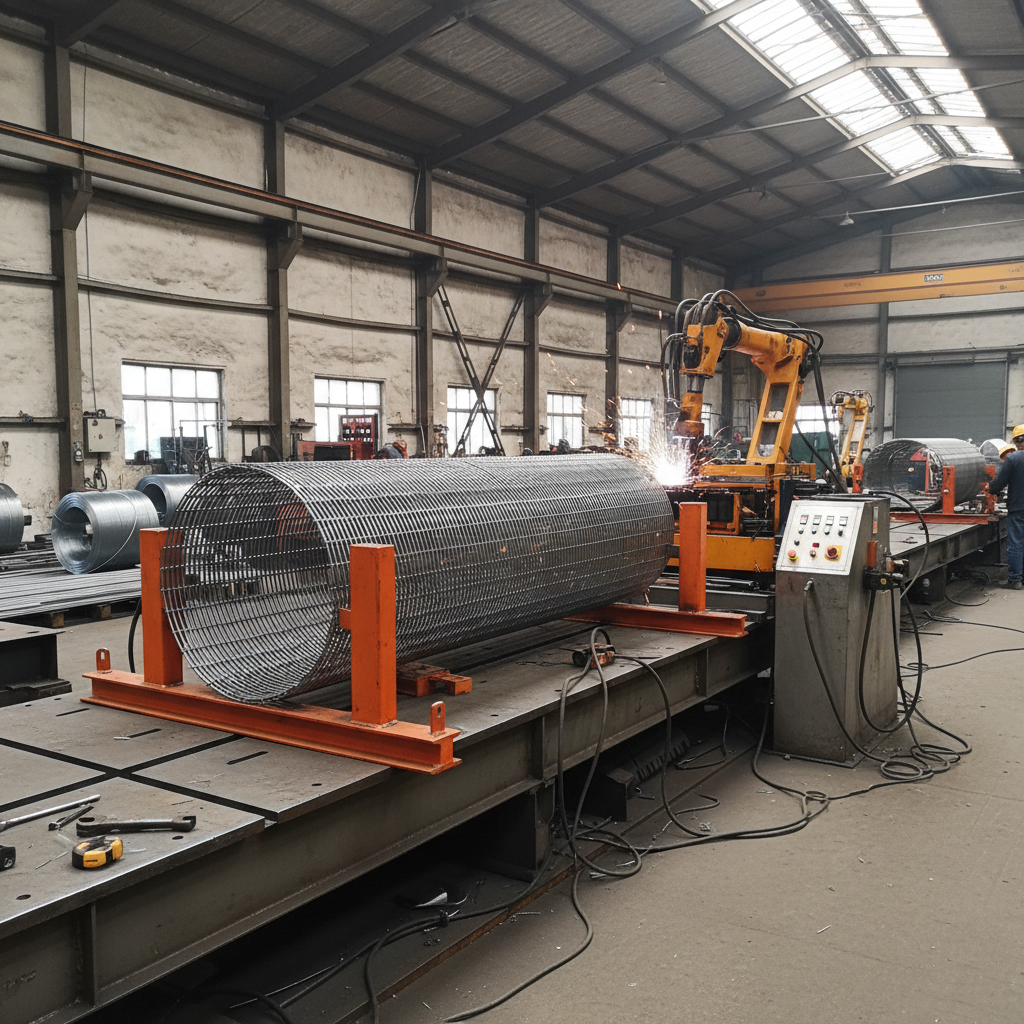
Automation is playing an increasing role in screen manufacturing and installation, improving precision and reducing labor costs. Furthermore, advancements in well design and construction techniques are leading to more efficient and sustainable groundwater extraction practices, with stainless steel water well screens remaining a central component of these systems.
Challenges and Solutions
Despite their many advantages, challenges remain in the widespread adoption and optimal utilization of stainless steel water well screens. One common challenge is the higher upfront cost compared to alternative materials. However, life-cycle cost analysis consistently demonstrates the long-term economic benefits of stainless steel due to its durability and reduced maintenance requirements.
Another challenge is ensuring proper screen selection and installation based on specific site conditions. This requires expertise in hydrogeology and well construction techniques. Solutions include providing comprehensive training for well drillers and engineers, and offering customized screen designs tailored to individual well characteristics. stainless steel water well screens suppliers are focusing on offering these advisory services to improve project outcomes.
Finally, the potential for biofouling – the accumulation of microorganisms on the screen surface – can reduce flow rates. Innovative screen designs incorporating anti-fouling coatings or periodic cleaning systems are being developed to address this issue.
Summary of Stainless Steel Water Well Screen Challenges and Solutions
| Challenge |
Impact on Performance |
Severity (1-10) |
Potential Solutions |
| High Initial Cost |
May deter initial investment |
6 |
Life-cycle cost analysis, financing options |
| Improper Installation |
Reduced efficiency, well damage |
8 |
Certified installers, thorough quality control |
| Corrosion in Aggressive Environments |
Screen failure, contamination |
7 |
Use of higher grade stainless steel (316) |
| Biofouling |
Reduced flow rate, decreased efficiency |
5 |
Anti-fouling coatings, periodic cleaning |
| Sand Pumping |
Pump damage, well clogging |
9 |
Proper slot size selection, well development |
| Lack of Standardization |
Difficulty in comparing products |
4 |
Industry standards, certification programs |
FAQS
The lifespan of a stainless steel water well screen varies depending on water quality, geological conditions, and installation quality. However, with proper material selection (typically 304 or 316 stainless steel) and sound installation practices, a well-maintained screen can easily last 25-50 years, significantly longer than alternative materials. Regular inspections and prompt attention to any signs of corrosion or damage are crucial for maximizing lifespan.
Selecting the appropriate slot size is paramount to prevent sand pumping and maintain well efficiency. The slot size should be small enough to retain the surrounding formation particles but large enough to allow unrestricted water flow. A grain size analysis of the aquifer material is essential. As a general rule, the slot opening should be approximately 2-3 times the diameter of the largest sand particle. Consulting with a qualified well drilling or screen manufacturer is recommended.
Both 304 and 316 stainless steel offer excellent corrosion resistance, but 316 contains molybdenum, which significantly enhances its resistance to chloride corrosion. This makes 316 stainless steel the preferred choice for applications in saline environments, coastal areas, or where the water has a high chloride content. While 304 is suitable for many freshwater applications, 316 provides superior longevity in harsh conditions.
Biofouling, the accumulation of microorganisms on the screen surface, can reduce flow rates. Preventive measures include selecting a screen design that minimizes stagnant areas, proper well development to remove fine particles that support microbial growth, and periodic cleaning or disinfection. Some manufacturers offer screens with anti-fouling coatings to further inhibit biofouling.
Both welded and woven stainless steel well screens offer reliable filtration. Welded screens generally provide a more uniform and precise slot opening, making them ideal for fine-grained aquifers. Woven screens are typically more flexible and can be easier to install in deviated wells. The choice depends on the specific geological conditions and installation requirements.
Proper well development is crucial for removing fine particles, silt, and drilling fluids from the aquifer surrounding the screen. This prevents clogging, maximizes well yield, and ensures the screen functions optimally. Well development typically involves surging, backflushing, and air lifting to mobilize and remove sediment. Insufficient well development can significantly reduce the lifespan and efficiency of the screen.
Conclusion
Stainless steel water well screens represent a cornerstone of sustainable groundwater management, offering a durable, reliable, and environmentally responsible solution for accessing this vital resource. Their robust construction, corrosion resistance, and customizable designs make them suitable for a wide range of applications, from providing potable water to supporting industrial operations. By prioritizing quality materials, proper installation, and proactive maintenance, we can ensure the long-term efficiency and sustainability of our groundwater resources.
Looking ahead, continued innovation in materials science and screen design, coupled with the integration of smart monitoring technologies, will further enhance the performance and longevity of stainless steel water well screens. Investing in these advancements is crucial for addressing the growing global water crisis and ensuring access to safe and reliable water for generations to come. For superior stainless steel water well screens and expert guidance, visit our website today.