Look, I've spent the last twenty years breathing concrete dust and arguing with engineers on job sites. When it comes to water extraction for dewatering, or even just getting a clean water supply to a remote location, you need reliability. And that's where a good well point screen comes in. It's not glamorous, but it’s the backbone of so many projects, from highway construction to disaster relief. Forget fancy tech for a minute – this is about getting water, efficiently and consistently, and that's a foundation for everything else.
I’ve seen too many projects stalled because of unreliable water sources. Hauling water in tankers is expensive, slow, and frankly, a logistical nightmare. A well point system, properly installed with the right screens, can tap into groundwater, giving you a sustainable solution. It’s a game changer for sites without existing infrastructure, or where access is limited. This isn't just about saving money; it's about keeping things moving, and keeping everyone safe.
The thing is, it's not just sticking a pipe in the ground. You need the right screen – one that’s built to handle the sediment, the corrosion, and the sheer volume of water being pumped. A cheap screen will clog, fail, and leave you back at square one. And nobody wants that.
The Core Principles of well point screen
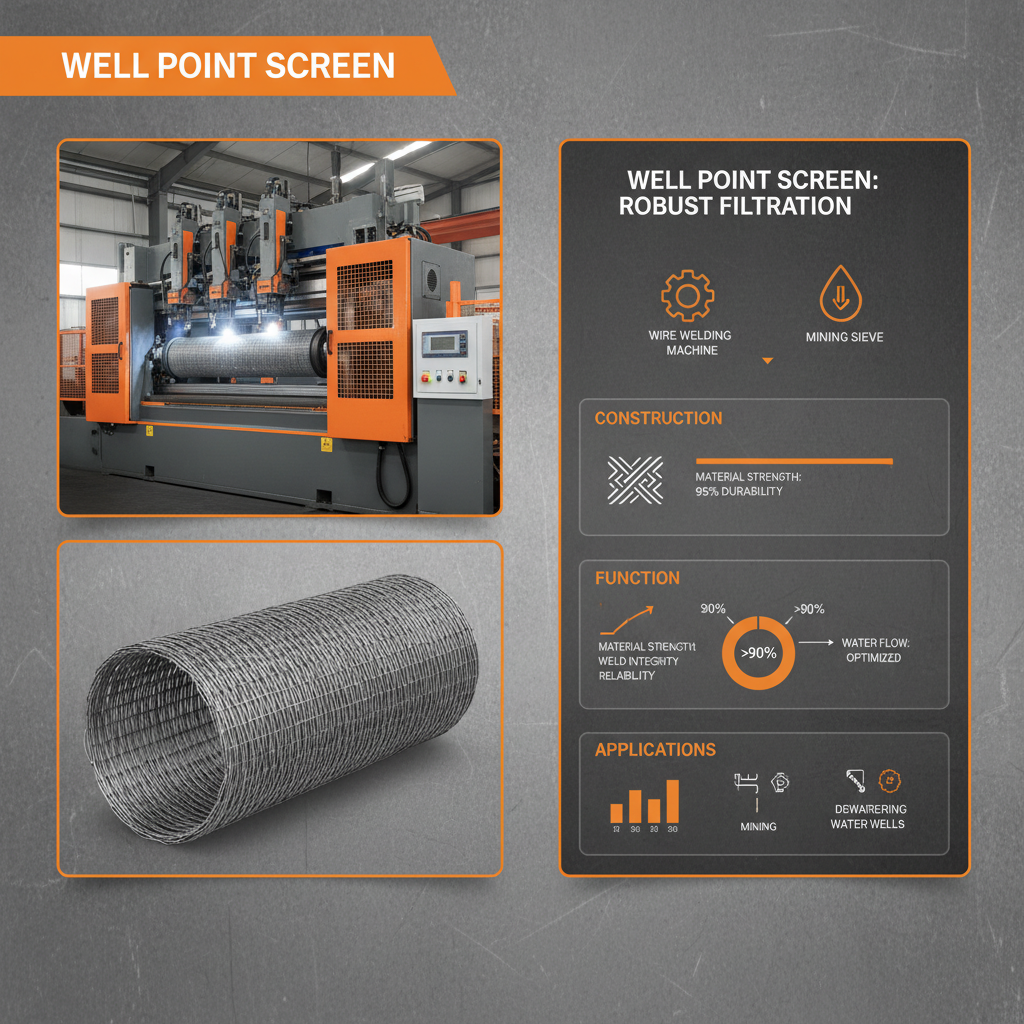
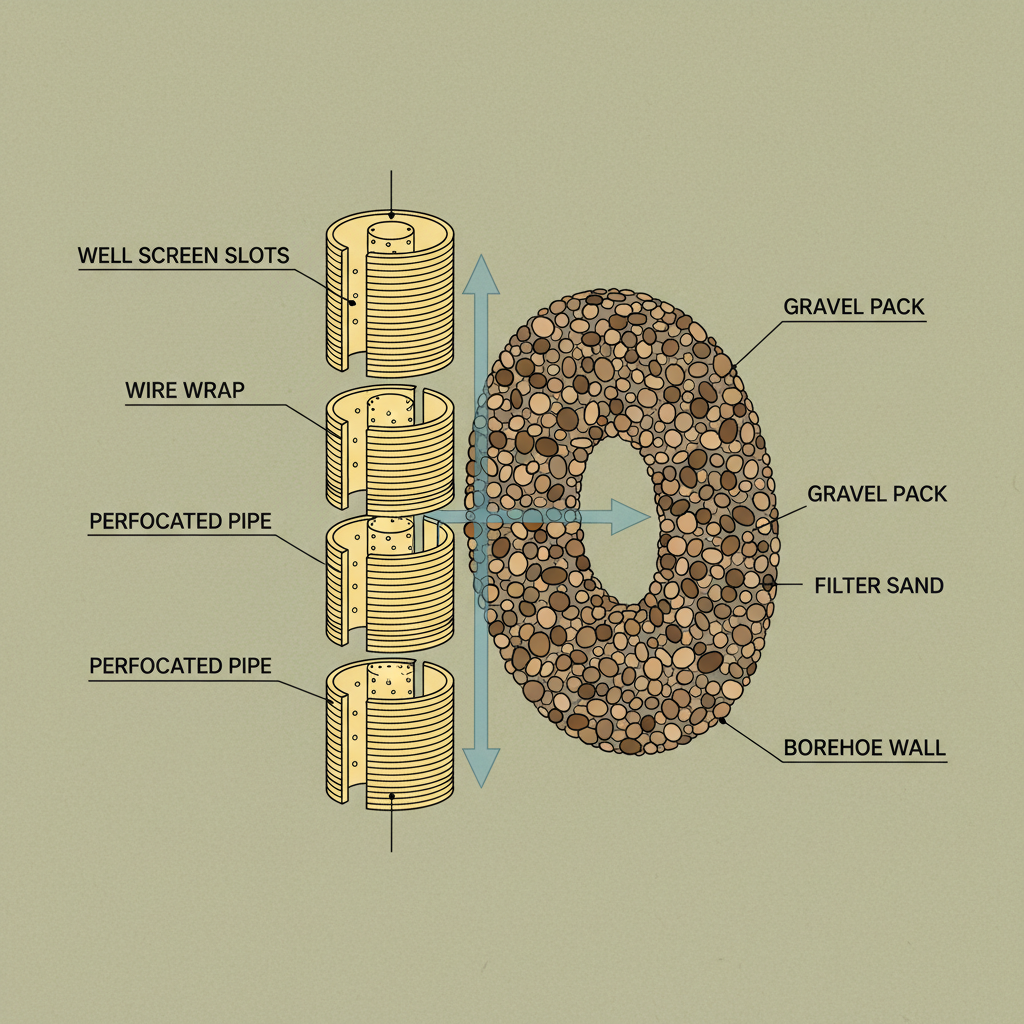
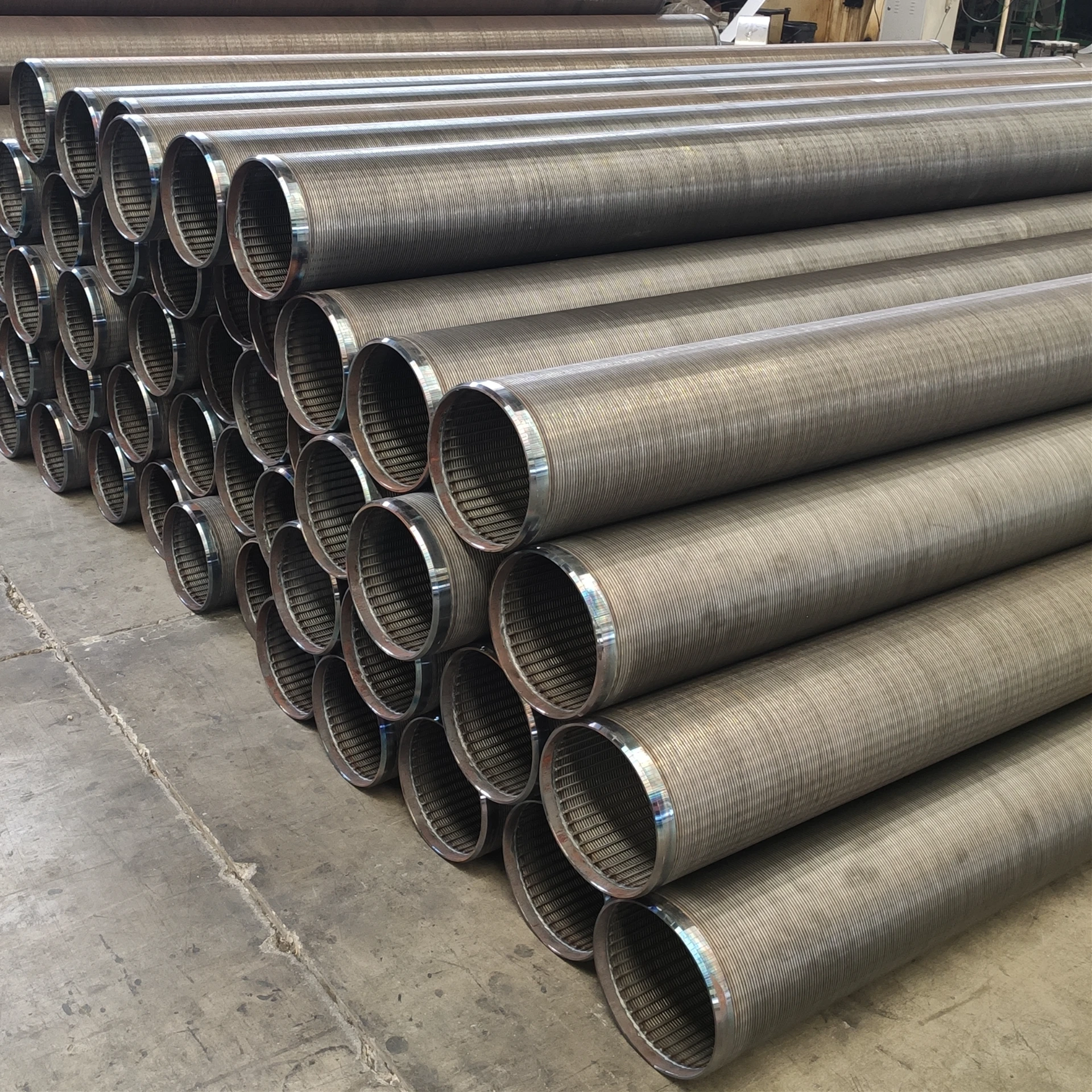
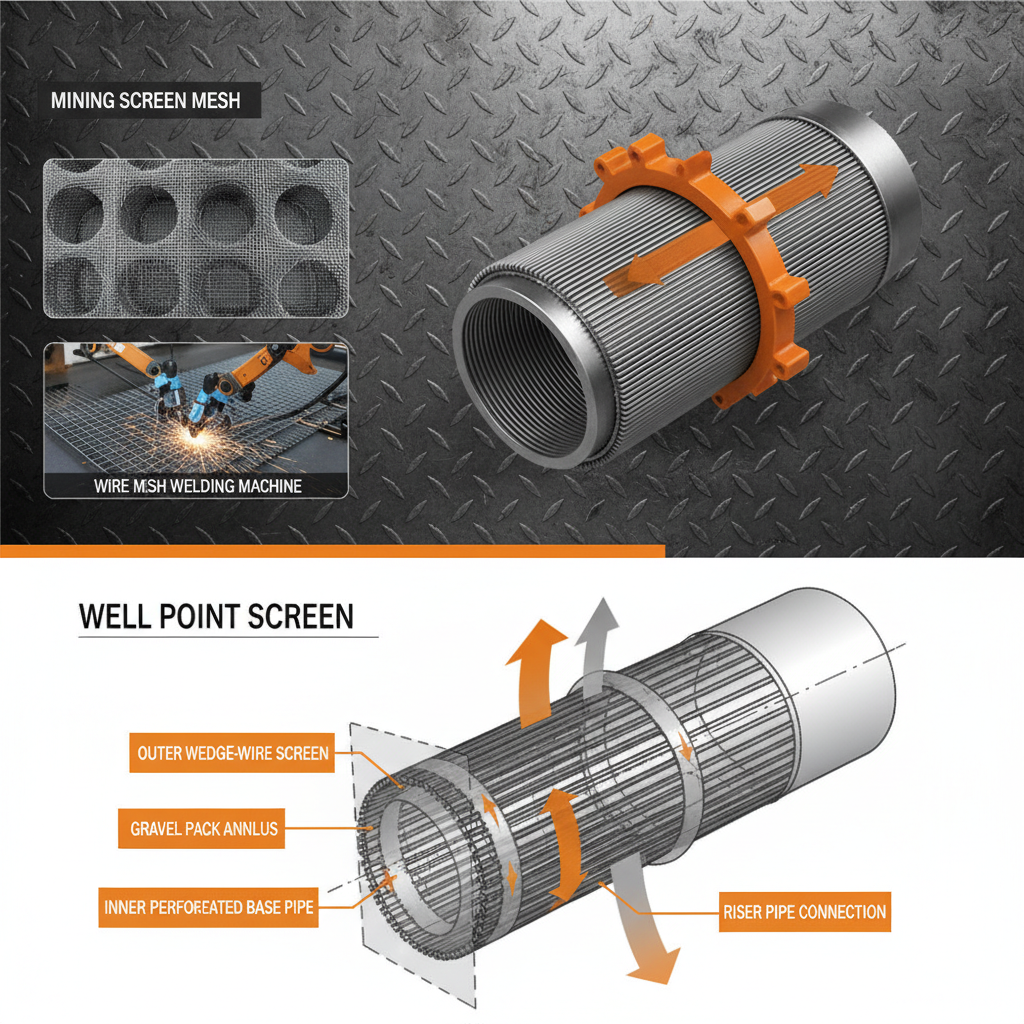
At its heart, a well point screen is about filtration. You're pumping water from the ground, and that water is almost always full of sand, silt, and other debris. A good screen prevents that stuff from entering your pump, causing wear and tear, and ultimately, failure. That’s principle one: protection.
Principle two? Flow rate. You need a screen that allows for maximum water flow without getting clogged. The aperture size – the size of the openings in the screen – is critical. Too small, and you restrict flow. Too large, and you let sediment through. It's a balancing act, and that’s where experience and quality materials come in.
FAQS
For seriously corrosive water – think saltwater intrusion or highly acidic groundwater – stainless steel 316 is the way to go. It’s more expensive than 304, but it’s far more resistant to chloride attack and pitting corrosion. Don't skimp here, or you'll be replacing screens constantly. I've seen projects where using the wrong material ended up costing them a fortune in the long run.
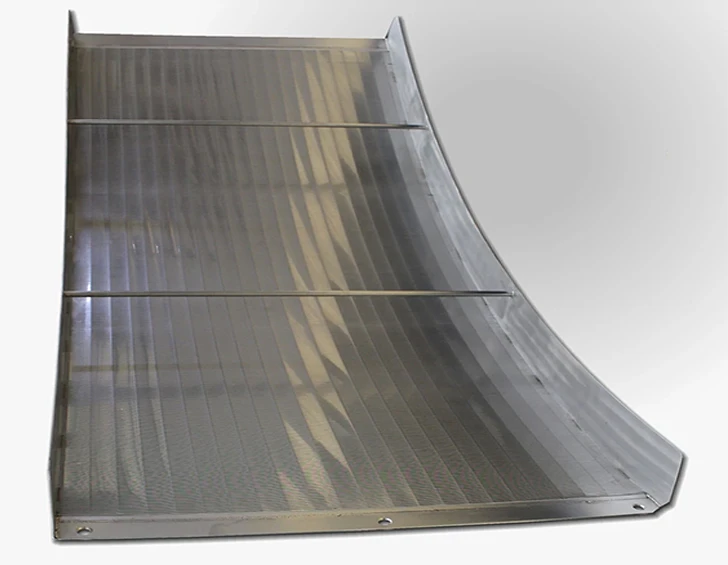
Sandy conditions are a pain. A tapered screen design helps a lot, increasing water velocity and preventing sand from settling. You also want to make sure your pump intake is far enough away from the bottom of the well to avoid drawing up sediment. Proper well development – flushing the well to remove fine particles – is critical before installing the screen. Regular maintenance, checking for and clearing any build-up, is key.
For most general applications, an aperture size between 75 and 100 microns strikes a good balance between flow rate and filtration. This will effectively remove most sand and silt particles without significantly restricting water flow. However, it always depends on the specific site conditions and the type of sediment you're dealing with. Always assess the groundwater quality before selecting a screen.
It depends on the screen material and the water quality, but as a rule of thumb, inspect your screens annually. If you're seeing significant corrosion, clogging, or damage, it’s time to replace them. Ignoring the problem can lead to pump failure and costly downtime. Stainless steel screens, properly maintained, can last for a decade or more, while plastic screens will need to be replaced much more frequently.
Minor damage, like small tears, can sometimes be repaired with patching compounds. But extensive damage usually warrants replacement. Trying to repair a severely damaged screen can compromise its structural integrity and lead to failure. It's generally more cost-effective and safer to replace it.
When installing multiple screens, you need to consider the potential for interference between wells. The drawdown from one well can affect the flow rate of others. Ensure adequate spacing between wells – at least 10-15 feet – to minimize interference. Also, consider the geological formation and the groundwater flow patterns to optimize well placement.
Conclusion
At the end of the day, a well point screen isn’t the most glamorous part of a construction project, but it’s a critical one. Choosing the right screen, based on the specific site conditions and your project requirements, can save you time, money, and a whole lot of headaches. It’s about building a reliable foundation – literally and figuratively.
Don't underestimate the importance of quality and proper installation. Invest in a durable screen from a reputable supplier, and take the time to install it correctly. It’s an investment that will pay dividends for years to come. If you’re unsure where to start, reach out to the experts at MutoScreen – they know their stuff.