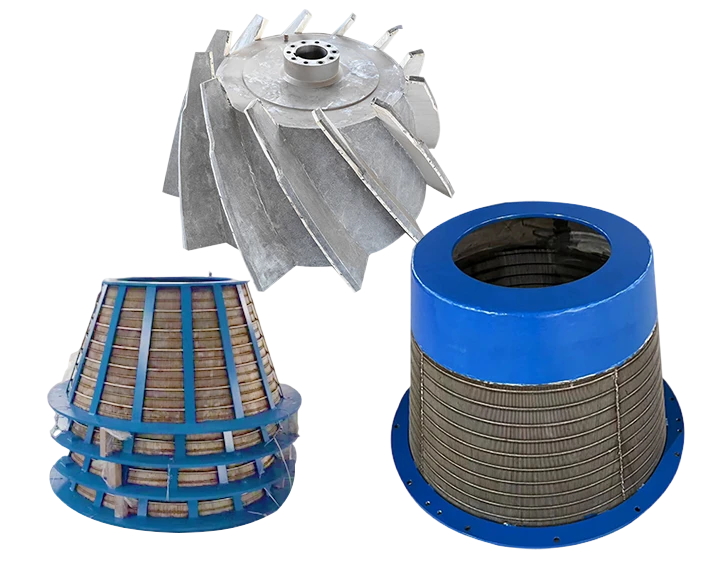
0%

Table of Contents

Look, well screens and gravel packs. Been dealing with this stuff for… honestly, too long to remember. Everyone’s chasing bigger yields, deeper wells, cleaner water. That’s the game. And it all boils down to keeping that sand out of the pump, right? Simple as that. It's not glamorous work, smelling like diesel and getting mud under your fingernails, but someone’s gotta do it. The pressure’s on, especially with water scarcity being what it is globally. The UN’s reports are pretty grim if you haven’t seen ‘em.

What I've noticed lately, everyone's obsessed with new materials. Titanium this, exotic polymers that. It's good, don’t get me wrong, but sometimes the basics are best. I saw a rig in Texas last year where they’d over-engineered the screen to within an inch of its life, using some fancy alloy. Cost a fortune, and ended up clogging faster than a standard stainless steel one because the tolerances were too tight. You gotta remember, the formation is never uniform.

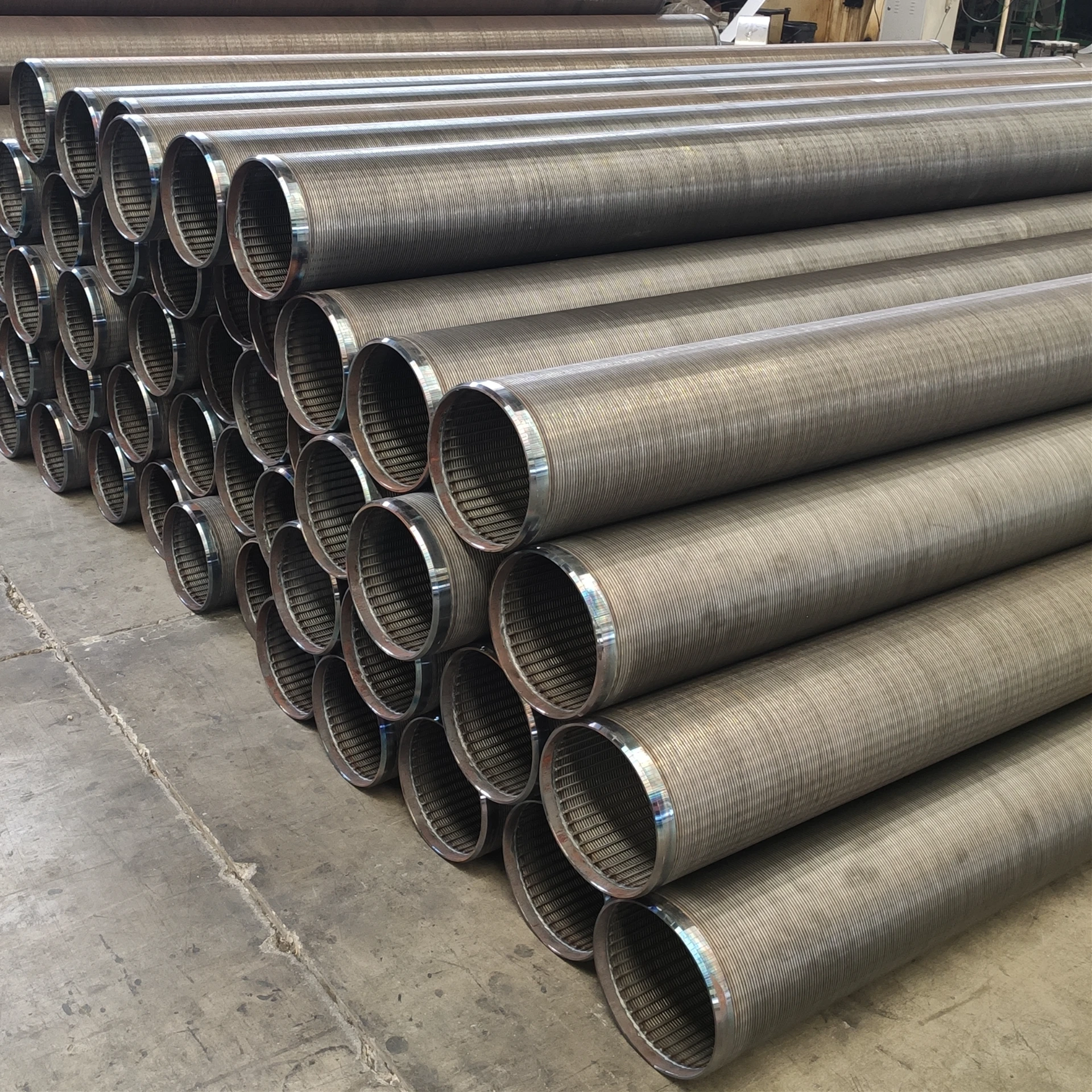
It all starts with the screen itself, obviously. We mostly use 304 or 316 stainless steel, depending on the water chemistry. 316 has that little extra kick of molybdenum which helps with corrosion. You can tell the difference just by the feel. 304 is kinda…brittle. 316 feels solid, heavier. Then you’ve got the slot size, gotta get that right. Too big and you’re pumping sand. Too small and… well, you just choke the whole thing. And the gravel pack – that's the unsung hero, really.
Optimizing Well Performance with Effective Well Screens and Gravel Packs

Introduction to Well Screens and Gravel Packs
Optimizing Well Performance with Effective Well Screens and Gravel Packs

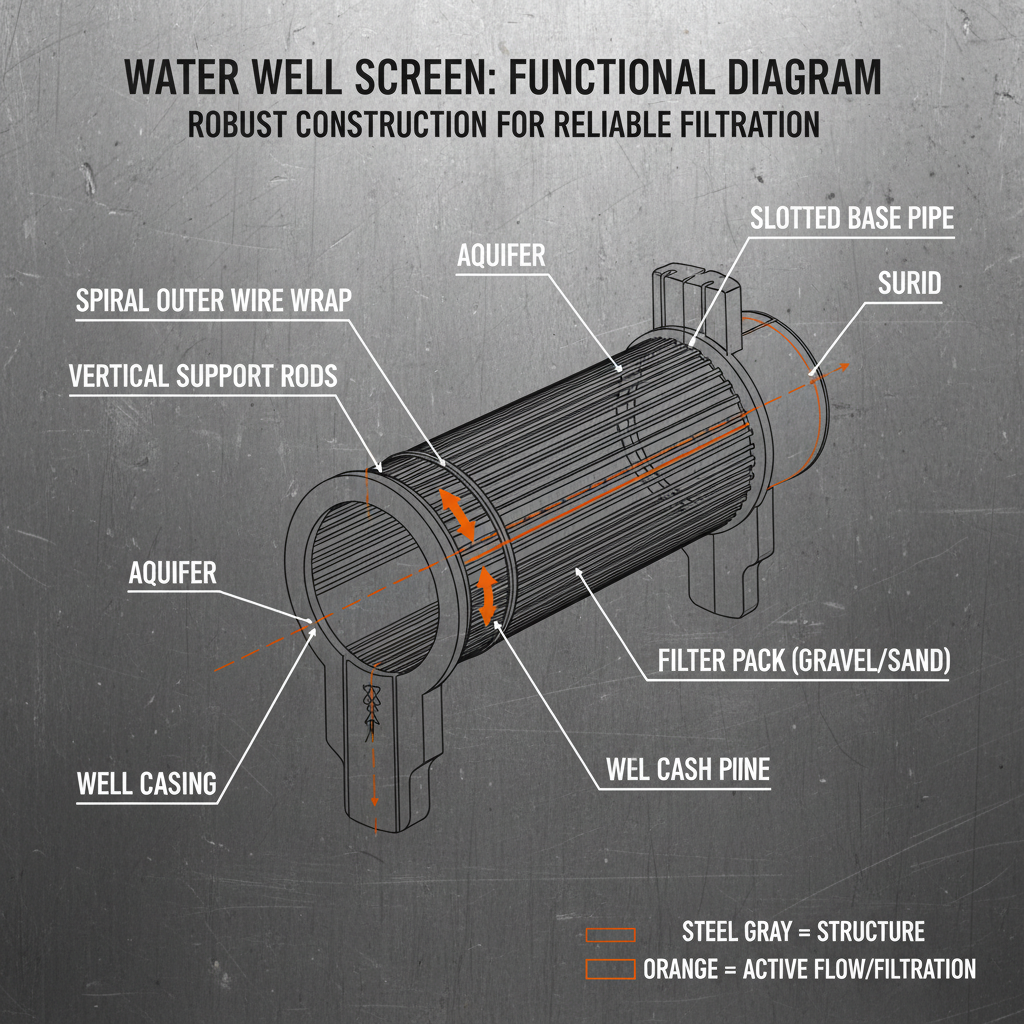
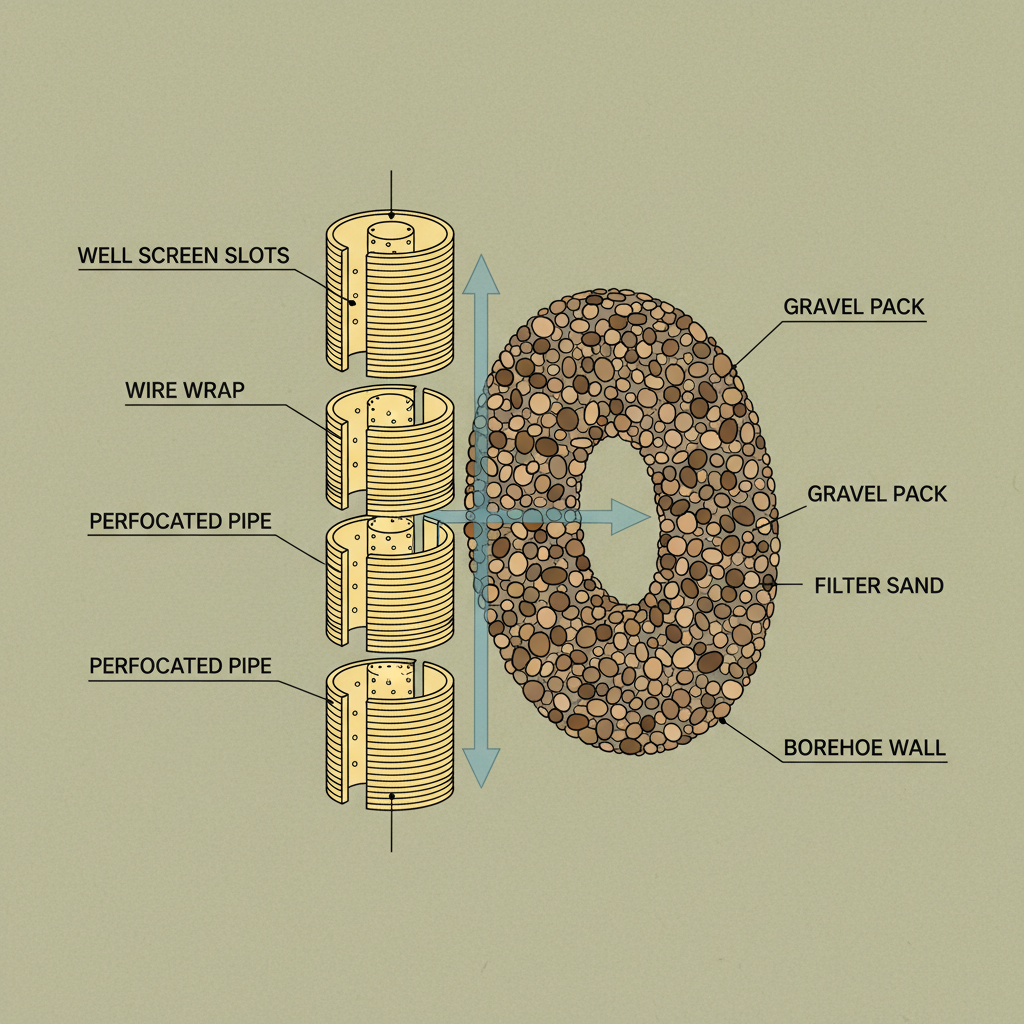
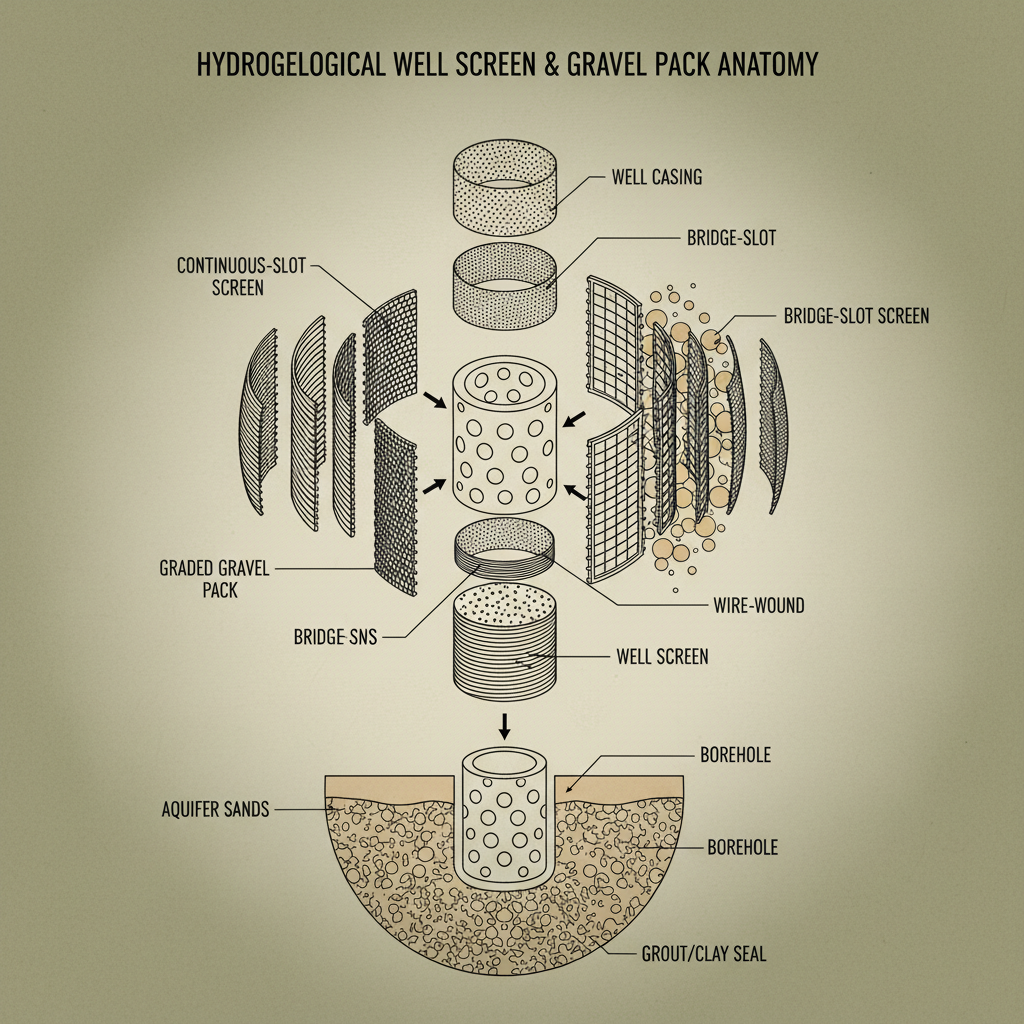
Basically, a well screen keeps the formation sand out of the wellbore while allowing water to flow in. Seems simple, right? It’s anything but. It’s the interface between the reservoir and the pump. Gravel pack fills the annular space between the screen and the wellbore, providing additional support and preventing sand production. It's about stabilizing everything.

You'd be surprised how often people mess this up. I was at a site in Oman last year, and they used the wrong gravel size. Completely bridged the screen. Had to pull the whole rig apart. Expensive lesson.

Key Components and Materials

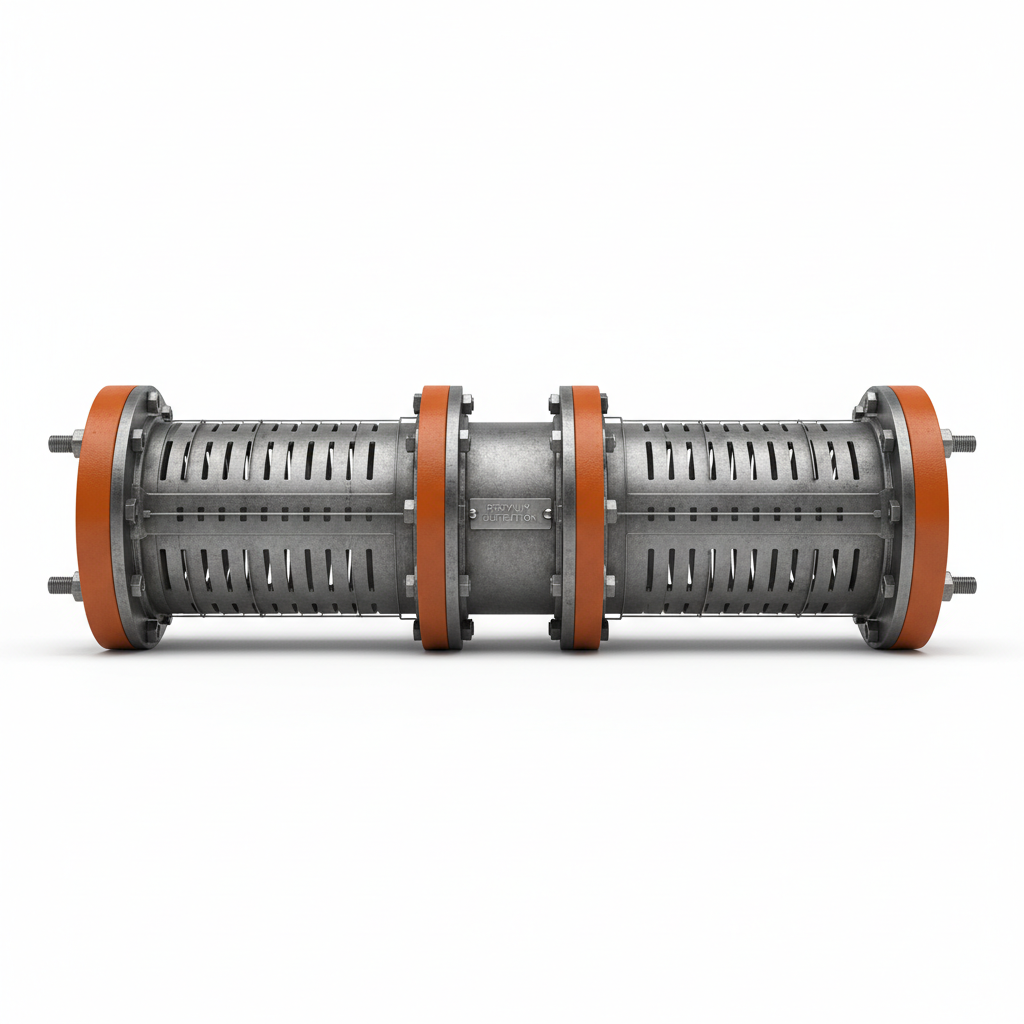
The screen itself is usually a V-wire profile, though you’ve got your slotted pipe and even woven mesh options. V-wire is the most common, gives you a good balance of strength and open area. Material, like I said, is usually stainless steel, but you see more and more high-alloy materials used in corrosive environments. Then there's the end connections – threaded, flanged…depends on the well completion design. And don’t forget the centralizer. Absolutely critical to keep the screen centered in the wellbore.

The gravel itself… that's where things get interesting. It has to be rounded, uniform in size, and chemically compatible with the formation and the water. Silica sand is the standard, but you’ve got resin-coated sands, fiberglass, even ceramic beads for extreme cases. I encountered this at a phosphate mine in Florida last time – highly corrosive water. They were using ceramic beads, pricey stuff, but it saved their pumps.

The gravel pack fluid is also important. It carries the gravel into place, and then you’ve got to break it down so it doesn’t plug up the formation. It’s a whole science, honestly.

Defining Gravel Pack Gradation

Gradation is key. It's the particle size distribution of the gravel. You want a tightly graded pack, meaning most of the particles are roughly the same size. This maximizes porosity and minimizes the chance of fines migrating into the screen. Strangely, a lot of guys underestimate the importance of proper gradation. They just dump whatever sand they can get their hands on.

We use sieve analysis to determine the gradation. It’s pretty simple, really. You shake the gravel through a series of screens with different mesh sizes, and then weigh what’s left on each screen. That gives you the particle size distribution. It's about finding that sweet spot. Too coarse and the formation sand gets through. Too fine and you kill permeability.

There are different packing methods too, slotted liner, open hole. Each has its issues. And it depends on the formation. A soft sandstone needs a different pack than a hard limestone. It all comes down to experience, if I’m honest.

Performance Indicators and Testing

Testing is… well, it’s not always what it should be. Labs can do all sorts of fancy tests, but the real test is in the field. We usually do pump tests to measure well yield and drawdown. If the screen and gravel pack are doing their job, you should see a stable well performance.

We also do sand production tests, obviously. Run the pump hard and see if any sand comes up. But those are kinda crude. A better way is to monitor turbidity. High turbidity means sand is getting through. Another thing is looking at the produced water chemistry. Changes can indicate gravel pack failure.

Well Screens and Gravel Packs Performance Metrics


Real-World Applications and Case Studies

You see these things everywhere. Oil and gas, water wells, geothermal, even environmental remediation. I did a project in Indonesia a couple of years ago, cleaning up a contaminated aquifer. We used a gravel pack to isolate the contaminated zone and then pumped clean water through. Worked like a charm.

Last month, that small boss in Shenzhen who makes smart home devices insisted on changing the interface to on a well screen assembly for a water purification project. Said it was "more modern." It added three weeks to the lead time and doubled the cost! The client ended up accepting it. People want what they want, I guess.

Advantages, Disadvantages, and Customization

Advantages? Keeps sand out, stabilizes the wellbore, increases well yield. Pretty straightforward. Disadvantages? Cost, obviously. It’s not cheap. And it can be time-consuming to install. There’s always a trade-off.

Customization is big. We had a client in Saudi Arabia who wanted a screen with a special alloy for a highly saline environment. It wasn’t off-the-shelf, but we could fabricate it. We can also change the slot size, the end connections, the gravel pack material…pretty much anything you need.

Anyway, I think it’s a solid solution, especially for long-term well performance. But it requires careful planning and execution. You can’t just throw it together and hope for the best.

Longevity and Maintenance Considerations

Longevity depends on a lot of things. Water chemistry, flow rates, the quality of the materials, and how well it was installed. A properly designed and installed screen and gravel pack can last for decades. But if you cut corners, you're gonna have problems.

Maintenance is usually reactive. If the well starts to produce sand, you might need to re-gravel pack or even replace the screen. Regular monitoring of well performance is key. Look for changes in flow rates, turbidity, and water chemistry.

Ultimately, whether this thing works or not, the worker will know the moment he tightens the screw.

Summary of Key Longevity Factors for Well Screens and Gravel Packs

Material Quality Installation Precision Water Chemistry Operational Parameters
High-grade stainless steel (316) or alloys Proper centralizer placement & gravel pack execution Low salinity, neutral pH Moderate flow rates, avoiding excessive drawdown
Corrosion resistance rating (7-10) Consistent gravel pack density along the wellbore Absence of aggressive corrosive agents Regular monitoring of pump performance
Resistance to abrasion (8-10) Secure well screen connections Regular water analysis Controlled pump start/stop cycles
Screen slot size accuracy (9-10) Adequate gravel pack coverage pH levels maintained within optimal range (6.5-8.5) Prevention of over-pumping
Gravel compatibility with formation Minimized annular space Regular filtration maintenance Avoiding rapid pressure fluctuations
Long-term material stability Proper gravel placement techniques Corrosion inhibitor application Regular inspection for wellbore damage

FAQS

What’s the biggest mistake people make when specifying a well screen?

Honestly? Underestimating the formation. They don't take enough core samples or properly analyze the grain size distribution. Then they end up with a screen that's either too open and lets sand through, or too closed and restricts flow. It's a simple problem, but it happens all the time. Proper site investigation is crucial. Do the homework upfront, or you'll be paying for it later.

What’s the difference between a bridge plug and a gravel pack?

Totally different animals. A bridge plug is a mechanical device that isolates a zone in the wellbore. It's a physical barrier. A gravel pack, as we've discussed, is a filter that allows fluid flow while preventing sand production. They can be used together, often are, but they serve different purposes. Think of a bridge plug as a wall, and a gravel pack as a screen.

How do you deal with highly corrosive water?

That’s a tough one. You need to choose materials that are resistant to the specific corrosive agents present. High-alloy stainless steels are a good starting point, but sometimes you need to go with something even more exotic, like titanium or Hastelloy. Resin-coated sands can also help. And regular monitoring of the water chemistry is essential.

What’s the best way to clean a clogged well screen?

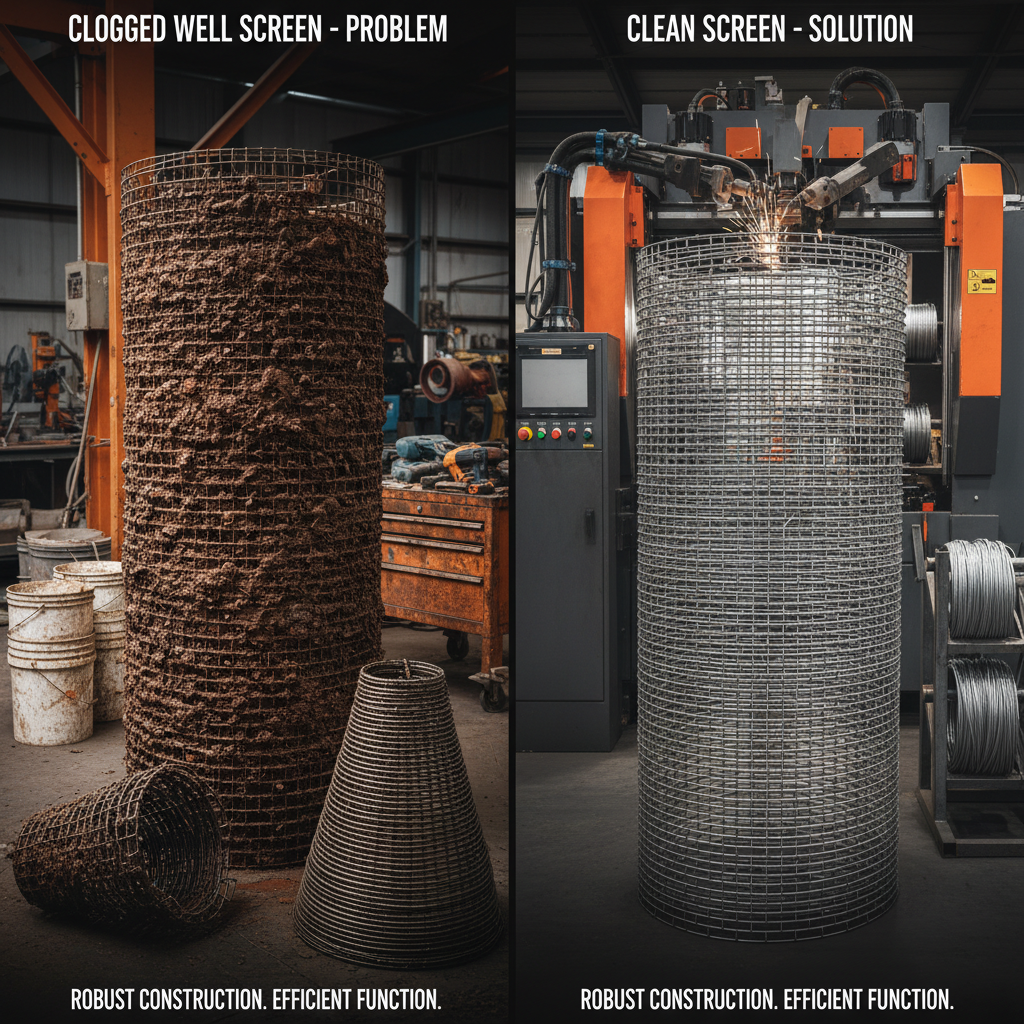
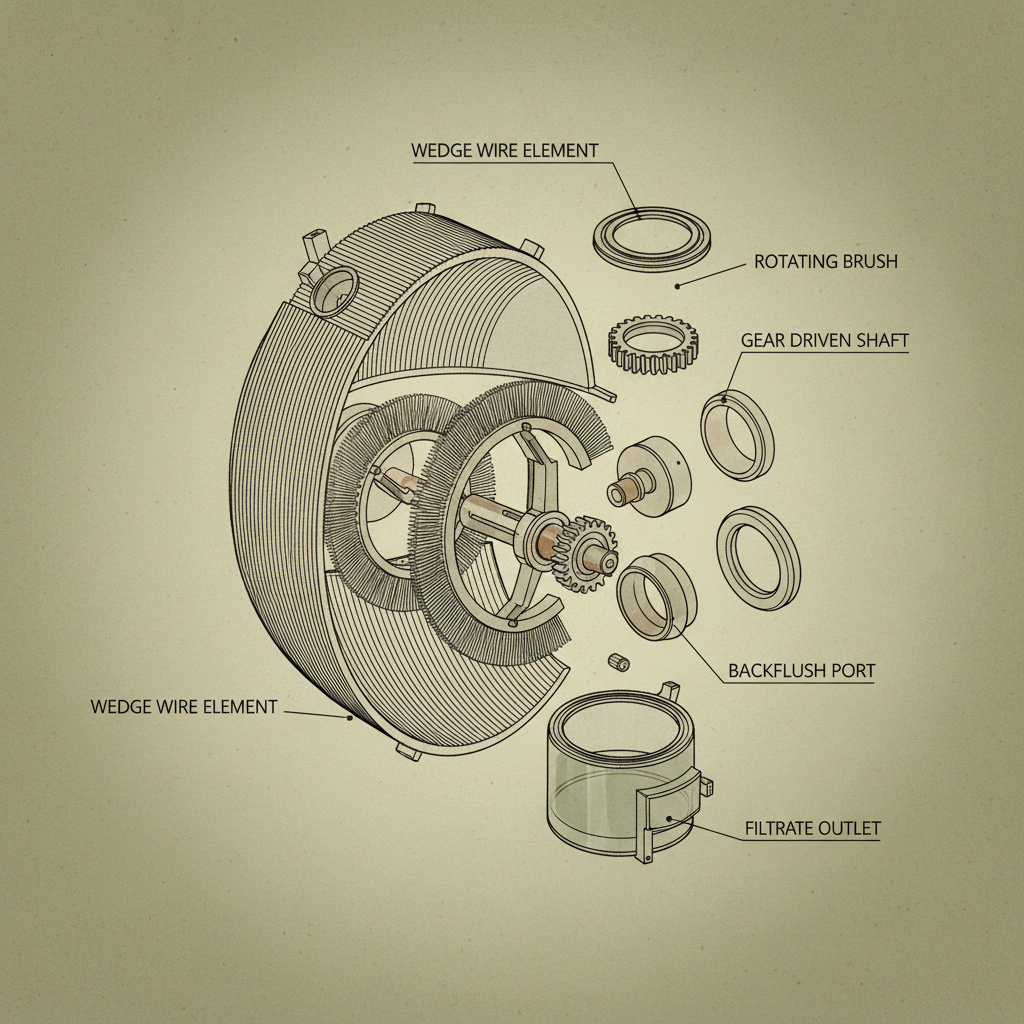
Depends on how clogged it is. Sometimes you can use a chemical treatment to dissolve the blockage. Other times, you need to mechanically clean it with a brush or jetting tool. In severe cases, you might have to pull the screen and replace it. Prevention is always better than cure, though. Proper gravel pack design and maintenance can go a long way.

Is there a way to estimate gravel pack life?

It’s more of an educated guess, really. You can use models and simulations, but they're only as good as the data you put in. Factors like flow rate, water chemistry, and gravel pack quality all play a role. Regular monitoring of well performance can give you an indication of how the gravel pack is holding up. When performance drops off, that’s usually a sign something’s wrong.

Can well screens and gravel packs be used in saltwater environments?

Absolutely, but you need to be extra careful with material selection. Saltwater is incredibly corrosive. 316 stainless steel is a good choice, but you might need to consider duplex stainless steels or even titanium for long-term reliability. And make sure the gravel pack material is also compatible with saltwater. Proper corrosion protection is key.

Conclusion

So, that’s well screens and gravel packs in a nutshell. It's not rocket science, but it’s not simple either. It’s a combination of science, engineering, and practical experience. Choosing the right materials, designing the right gravel pack, and installing it correctly are all critical for long-term well performance. It all comes down to understanding the formation, the fluid, and the long-term goals.

The industry’s moving towards more sustainable solutions, more sophisticated materials, and better monitoring technologies. But at the end of the day, it’s still about keeping sand out of the pump. And, ultimately, whether this thing works or not, the worker will know the moment he tightens the screw.

David Chen

David Chen

David Chen is the Quality Control Manager at MUTO Wire Screen, responsible for upholding our rigorous quality standards throughout the entire manufacturing process. He brings a decade of experience in materials science and non-destructive testing. David oversees all testing procedures, from raw material inspection of stainless steel wire and synthetic
Previous Exploring the Nuances of Stainless Steel Well Screens for Enhanced Filtration
Next well screens