Well screens, honestly, they’ve been the same for ages, you know? It’s not like someone’s suddenly invented a whole new way to filter water. But things are changing. Everyone's talking about increased demand – population growth, more wells being drilled, especially in places where water’s getting scarcer. It's a global thing, really. The UN’s banging on about water security, the World Bank’s throwing money at projects... it all boils down to needing reliable ways to get clean water out of the ground. And good well screens are central to that. It's not glamorous work, but it’s essential.
I’ve seen a lot of wells fail, not because the pump broke, but because the screen clogged up, or corroded. Costs a fortune to pull everything apart and start again. And you wouldn’t believe how many guys skip on quality, thinking they can save a few bucks. That’s a mistake. Big mistake. You get what you pay for, always.
It’s funny, you spend all this time designing fancy pumps and controls, then the whole thing falls apart because of a cheap screen. Makes you wonder sometimes. Anyway, I think a lot of people underestimate how important these things are. They just see it as a mesh tube, but it’s the gatekeeper for your whole water supply.
Defining Well Screens and Their Relevance
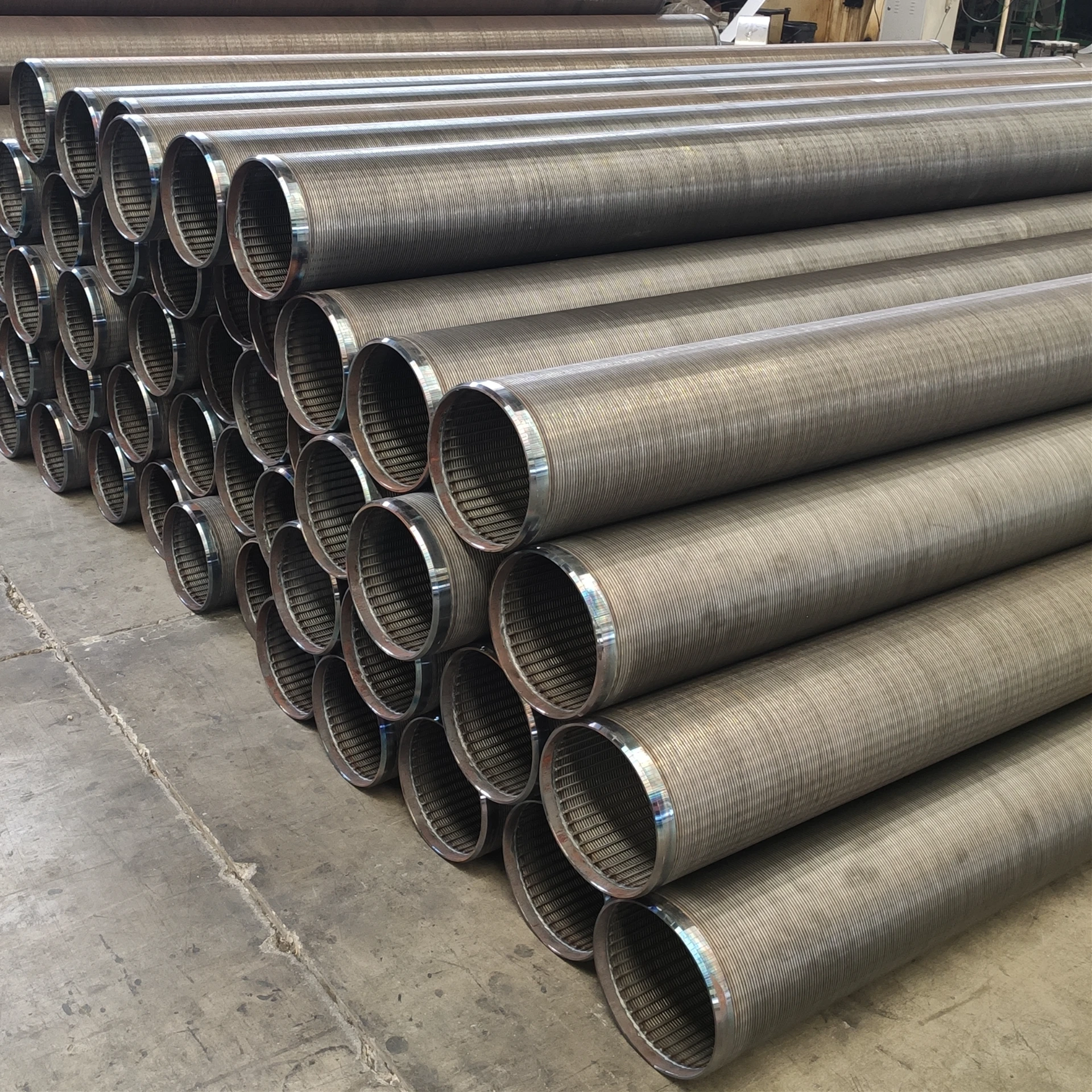
Put simply, a well screen is the filter at the bottom of your well. It lets water in, but keeps sand, gravel, and other crud out. Sounds basic, right? But it’s way more complicated than that when you get down to the details. It's the difference between having a well that produces clean water for decades and one that clogs up in a year.
These aren't just about getting water for drinking, though. They're vital in oil and gas extraction, geothermal energy, even environmental remediation. It connects to modern industry because reliable water access is fundamental. And frankly, in a world where clean water is becoming scarcer, they’re also tied to humanitarian needs. Pretty important stuff, when you think about it.
Core Components of Effective Well Screens
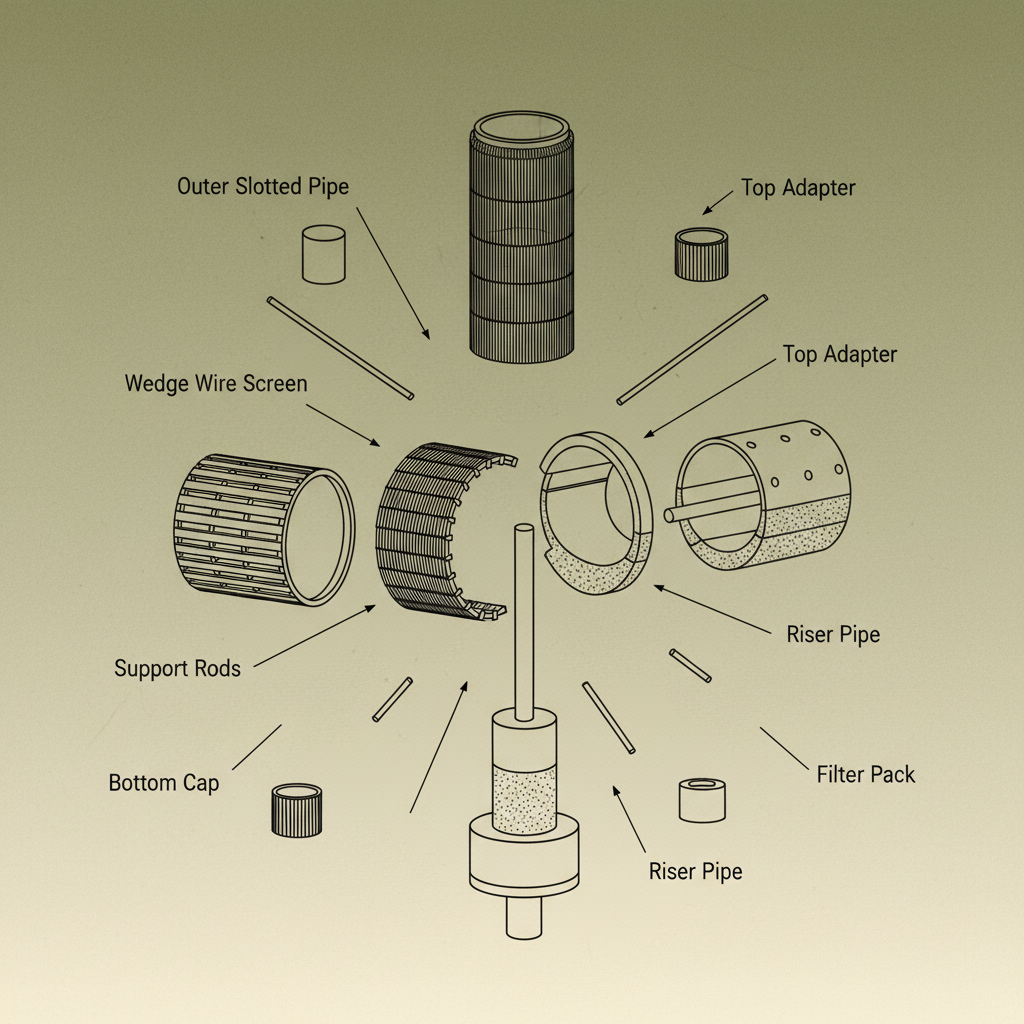
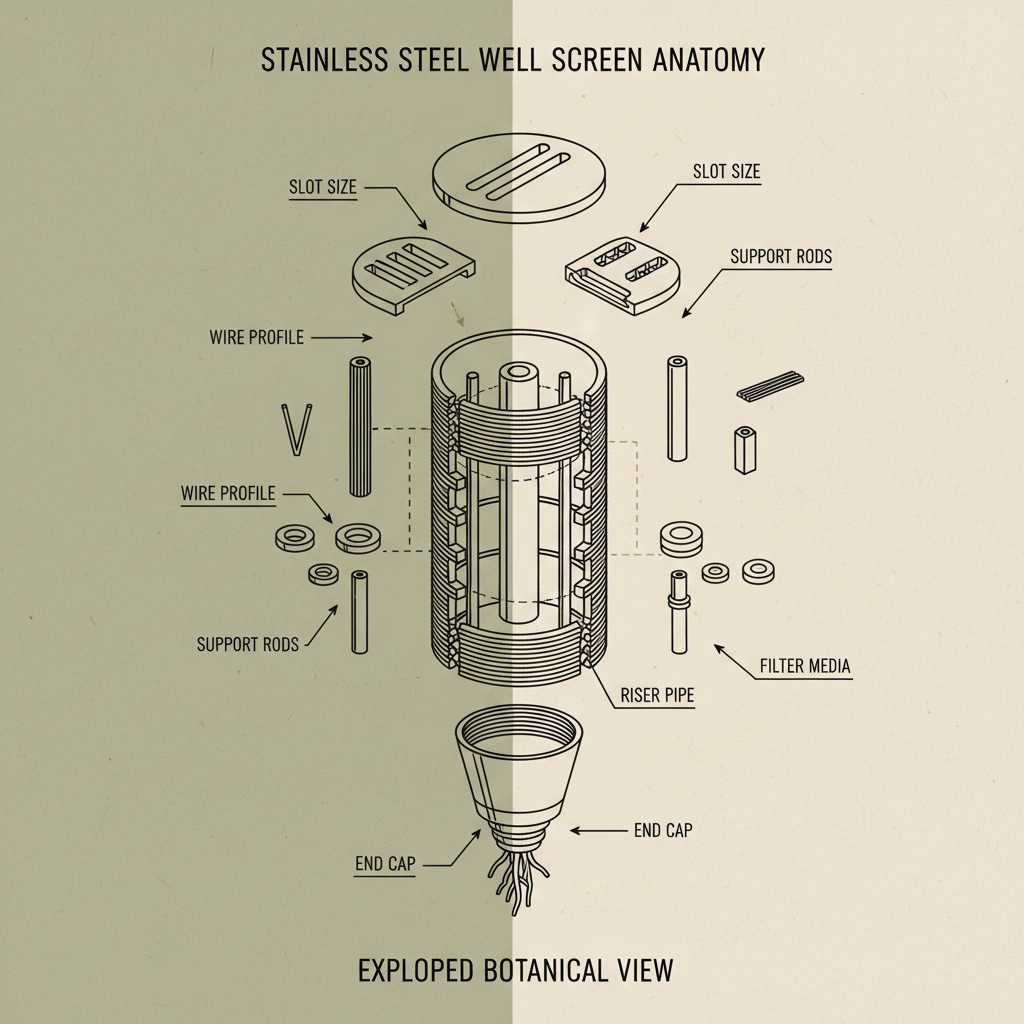
Durability is huge. You need something that can withstand the pressure, the corrosive groundwater, and just plain old wear and tear. Stainless steel is the go-to, but even then, the grade matters. 316 stainless is better than 304, hands down. Have you noticed how many suppliers try to push 304 as ‘good enough’? Don’t fall for it. Then you've got slot size. Too big, and you get sand in your water. Too small, and it clogs easily. There's a sweet spot, and it depends on the grain size of the aquifer.
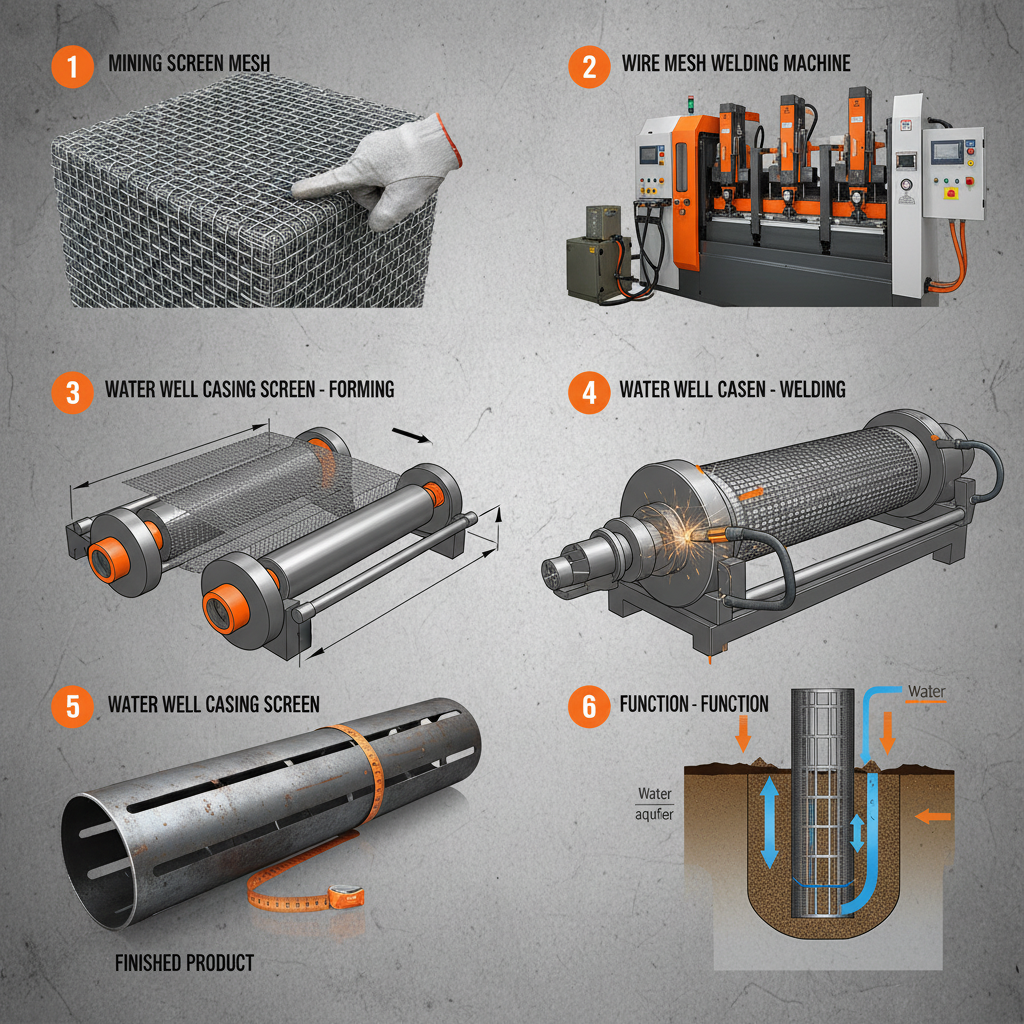
And then there's the screen shape. Johnson screens – the V-shaped wire – are popular because they’re self-cleaning. But they’re also more expensive. Wire-wrapped screens are cheaper, but you need to be more careful about potential clogging. It's all a trade-off, really.
Scalability...that's a big one too. You need to be able to get screens in different diameters and lengths to fit all sorts of well configurations. Cost efficiency? Well, nobody wants to spend a fortune, but trying to cheap out will end up costing you more in the long run. Trust me on that.
Global Applications and Deployment Scenarios
You see these everywhere. In the US, a lot of agricultural wells use them. The Middle East, they’re crucial for desalination projects. Africa, they’re drilling more and more wells to provide access to clean water. I was in India last year, and they’re using them extensively for irrigation. Every single place has unique challenges, too. Soil composition, water chemistry, depth of the well… it all impacts the screen you choose.
I encountered a problem at a factory last time where they were trying to use a screen designed for sandy soil in a rocky area. It lasted about a month before it was completely wrecked. Strangel,y they didn't seem to understand why.
In post-disaster relief operations, they're often the first thing you need to get water flowing again. And in remote industrial zones – mining operations, oil fields – they're absolutely essential. Without reliable water, those operations grind to a halt.
Advantages and Long-Term Value Proposition
The biggest advantage? Longevity. A good well screen can last for decades with minimal maintenance. That translates to significant cost savings over time. No constant repairs, no well replacements. Sustainability is another big plus. By ensuring a reliable water supply, you’re reducing the need for bottled water and minimizing environmental impact.
The social impact is huge too. Access to clean water improves public health, supports economic development, and enhances the quality of life. There’s a certain peace of mind that comes with knowing you’ve got a reliable water source. It’s not just about the money; it’s about security and dignity. And, to be honest, the trust you build with clients when you deliver a solution that works...that’s priceless.
Well Screen Performance Metrics
Future Trends and Innovations in Well Screen Technology
There’s a lot of talk about using more sustainable materials – biodegradable polymers, for example. Still early days, but it’s something to watch. And digital monitoring is becoming big. Sensors embedded in the screen can track flow rates, pressure, and even detect clogging early on. It's all about preventative maintenance.
Automation is also playing a role. Robotics are being used to install screens more efficiently and accurately. And I think we’ll see more customization. Clients are starting to demand screens tailored to their specific needs, not just off-the-shelf solutions. It’s a bit more work, but it’s worth it if it means a more reliable outcome.
Common Challenges and Practical Solutions
Clogging is always the biggest headache. Fine sand, iron bacteria, whatever. Regular backwashing can help, but it’s not always enough. Sometimes you need to use a chemical treatment to dissolve the buildup. Corrosion is another issue, especially in aggressive groundwater environments. That’s where high-quality stainless steel and protective coatings come in.
And then there's the problem of incorrect installation. If the screen isn’t properly seated, or if the annular space isn't properly gravel-packed, you’re asking for trouble. That’s why good installation practices are so important. It's not rocket science, but it does require attention to detail.
Anyway, I think a lot of these problems come down to communication. Engineers, drillers, and the client all need to be on the same page. Too often, they're not.
Material Selection and Performance Characteristics
Let's talk materials. Stainless steel – 304, 316, even duplex stainless for really harsh conditions – that's your bread and butter. It smells metallic, obviously, and it's a pain to weld if you’re not skilled. You can feel the weight of good stainless. Polypropylene screens are lighter and cheaper, good for low-demand applications. But they don’t hold up as well over time.
We’ve been testing some new composite materials lately – a mix of polymers and fibers. They’re surprisingly strong and corrosion-resistant. But they’re still unproven in the long run. You gotta be careful with new stuff. I encountered a really bad batch of PVC screens last year, at that factory in Guangzhou. The UV resistance was terrible – they crumbled after just a few months in the sun.
Here’s a rough breakdown of what I usually look for, just scribbled down in my notebook:
Key Material Properties for Well Screens
| Material Type |
Corrosion Resistance (1-10) |
Tensile Strength (PSI) |
Cost (Relative) |
| 304 Stainless Steel |
7 |
70,000 |
Medium |
| 316 Stainless Steel |
9 |
80,000 |
High |
| Polypropylene |
6 |
5,000 |
Low |
| Duplex Stainless Steel |
10 |
100,000 |
Very High |
| Composite Material (New) |
8 |
60,000 |
Medium-High |
| PVC |
5 |
4,000 |
Very Low |
FAQS
Honestly? Skimping on the material. They see stainless steel and think ‘good enough,’ but there are different grades. 316 is almost always worth the extra money, especially if the water is even slightly corrosive. You’ll save yourself a lot of headaches down the road. I've seen wells fail within a year because someone tried to save a few bucks on the screen. It's just not worth it.
At least every couple of years, but ideally annually. You want to check for corrosion, clogging, and any physical damage. If you notice a drop in well yield, that’s a red flag. A simple visual inspection can often catch problems before they become major issues. Get someone who knows what they're doing to do it, though, not just anyone.
Sometimes. Small holes can be patched, but larger damage usually means replacement. It depends on the type of screen and the extent of the damage. Trying to repair a severely corroded screen is usually just a waste of time and money. It’s better to start fresh.
Sand, silt, iron bacteria, and mineral deposits are the usual suspects. If the aquifer has a lot of fine particles, you’ll need a screen with a smaller slot size. Iron bacteria can be a real pain – they form a slimy biofilm that clogs everything up. Regular backwashing and chemical treatment can help prevent clogging.
Yeah, sensor technology is getting pretty interesting. You can now get screens with embedded sensors that monitor flow rates, pressure, and even detect clogging in real-time. That data can help you optimize well performance and prevent costly repairs. Also, self-cleaning screens are becoming more common, but they're still relatively expensive.
Absolutely. We get requests all the time for custom screens tailored to specific aquifers. That might involve changing the slot size, the screen material, or the overall diameter and length. Last month, a client in Texas needed a screen with a special alloy to resist highly saline groundwater. It was a bit of a challenge, but we delivered.
Conclusion
So, yeah, well screens. It’s a seemingly simple thing, but it's absolutely critical for reliable water access. We've talked about materials, design, applications, and the future of the technology. It all comes down to understanding the specific conditions of the well and choosing a screen that’s built to last.
Ultimately, whether this thing works or not, the worker will know the moment he tightens the screw. If it feels solid, if it fits right, and if it’s made of quality materials, you’re on the right track. Don't overthink it, just make sure you’re doing the basics right. And if you’re ever in doubt, give us a call.