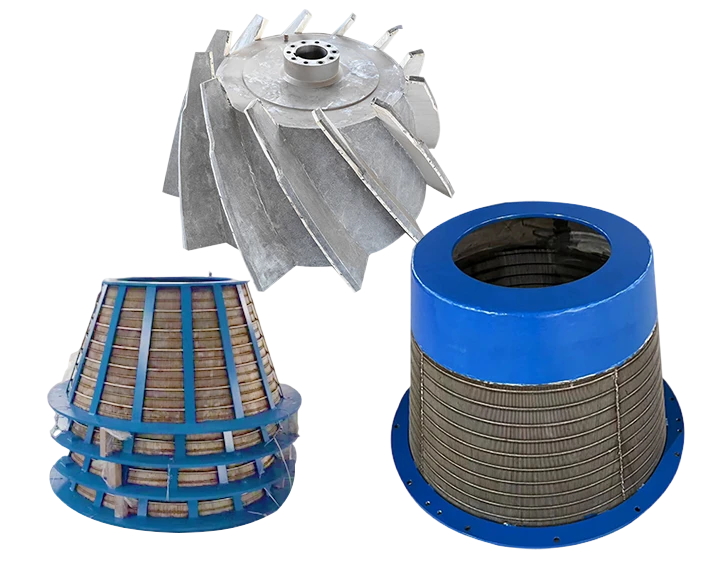
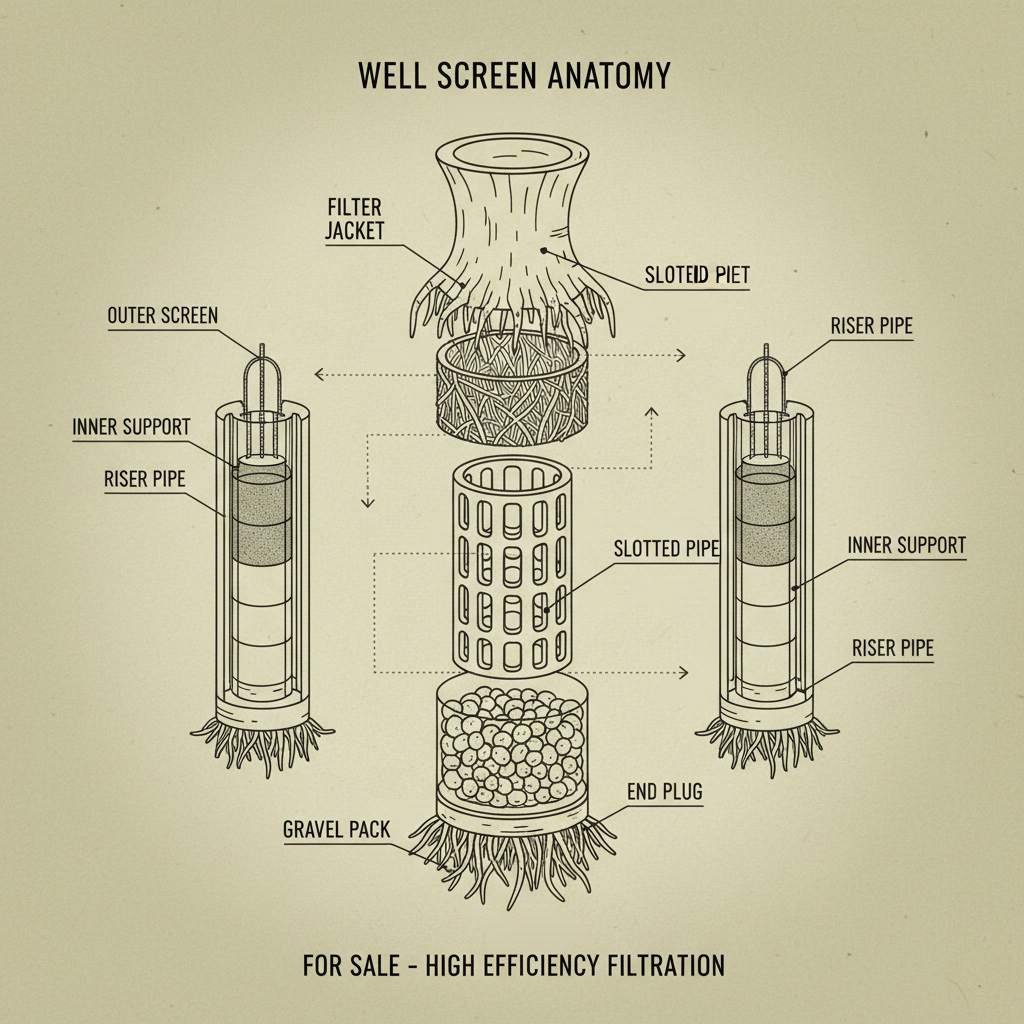
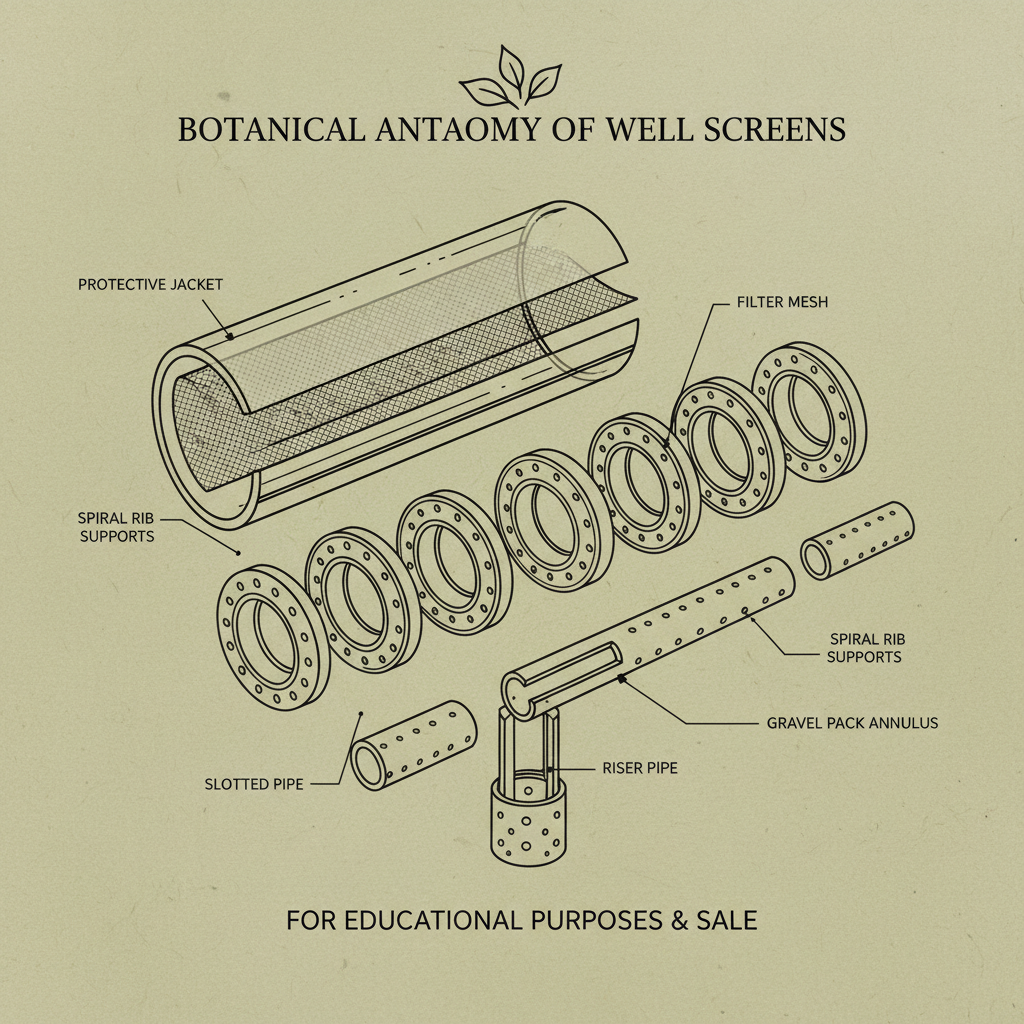
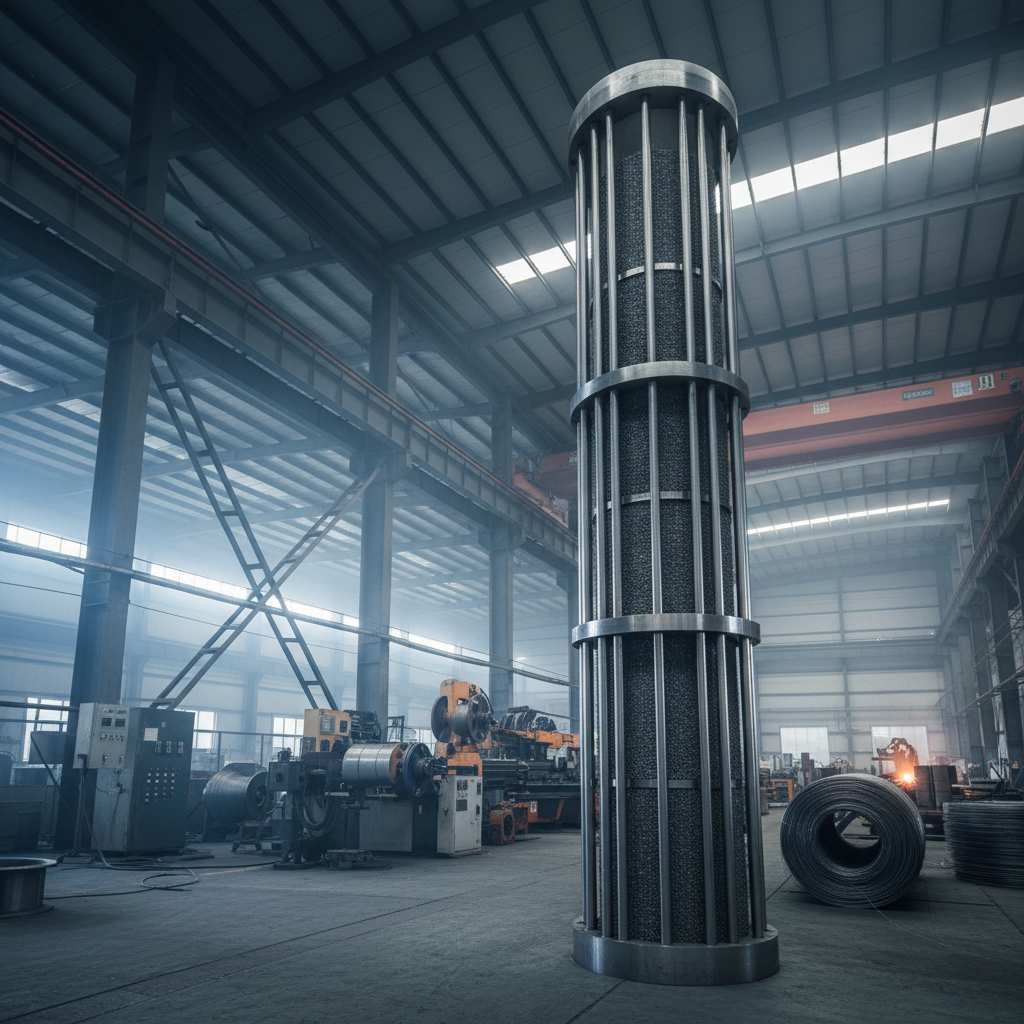
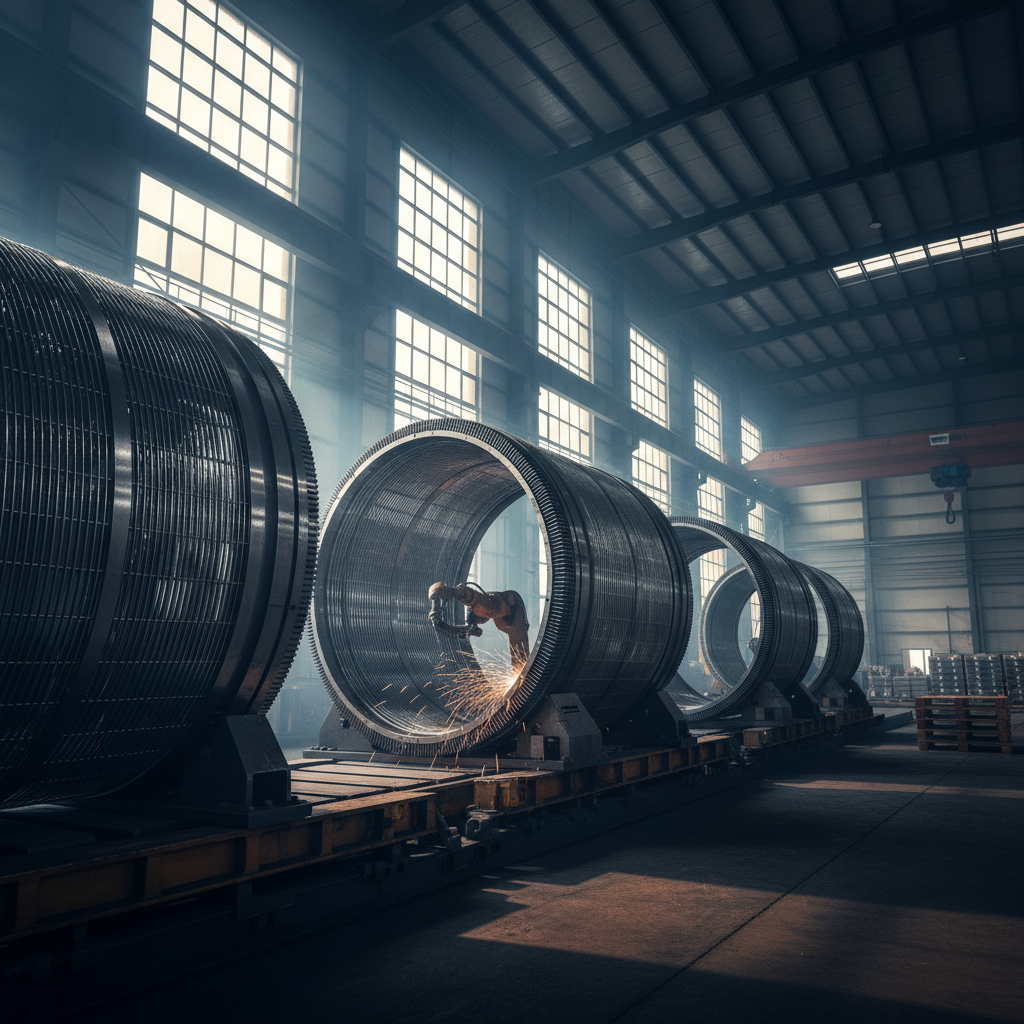
Look, well screens for sale, that's what keeps me going, honestly. Been wrestling with these things for… well, longer than I care to admit. It's not glamorous work, crawling around in mud and dust, but someone's gotta make sure the water flows, right? And lately, everyone's talking about efficiency, sustainability, getting more out of less. Seems like every other engineer is obsessed with minimizing drawdown and maximizing yield.
It's a good problem to have, I guess. But it also leads to shortcuts, and that's where things get tricky. I've seen too many designs that look good on paper, all fancy calculations and whatnot, but fall apart the second you try to actually install them in the field. It’s like they’ve never even touched one, let alone tried to shove it down a borehole.
The Current Landscape of Well Screens for Sale
To be honest, the market for well screens for sale is weird right now. Lots of new players popping up, especially out of China. Some good, some… not so much. You gotta really know your stuff to sort through the noise. A lot of it comes down to the material. Stainless steel, of course, is the go-to. 304, 316… I can tell you by the smell sometimes if it's good steel or not. The cheap stuff smells… off. And you can feel it. It’s lighter, almost flimsy.
Then you've got your plastics, which are making inroads for certain applications. Polypropylene, PVC... it’s not as strong, obviously, but for low-pressure, shallow wells, it can be a cost-effective solution. Though I still prefer steel. It just feels more reliable. Anyway, I think the biggest trend right now is pre-packed screens. They save a ton of time on site, and reduce the risk of sand production.
Defining Well Screens and Their Importance
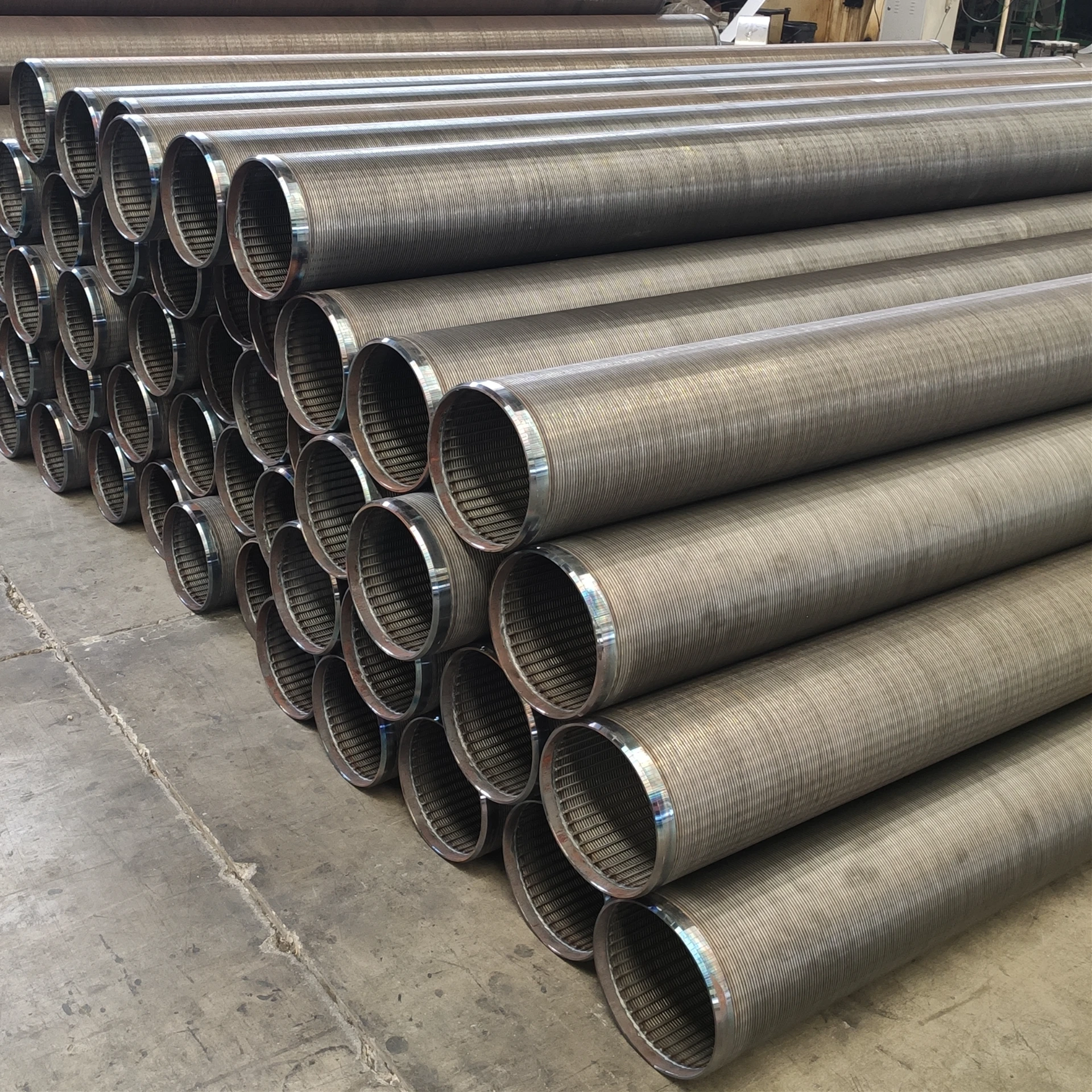
So, what is a well screen for sale, really? It's not rocket science. It's basically a filter. Keeps the sand and gravel out of your pump. But it’s way more important than that. It's the difference between getting water and getting a slurry. And in some places, access to clean water isn't just a convenience, it’s a life or death situation. It's the foundation of everything – agriculture, industry, drinking water.
And these things have been around for ages, obviously. I remember my grandfather telling me stories about using perforated pipe wrapped in wire mesh back in the day. It worked, but it was… primitive. These modern screens, with their precisely engineered slots and robust construction, are a huge leap forward.
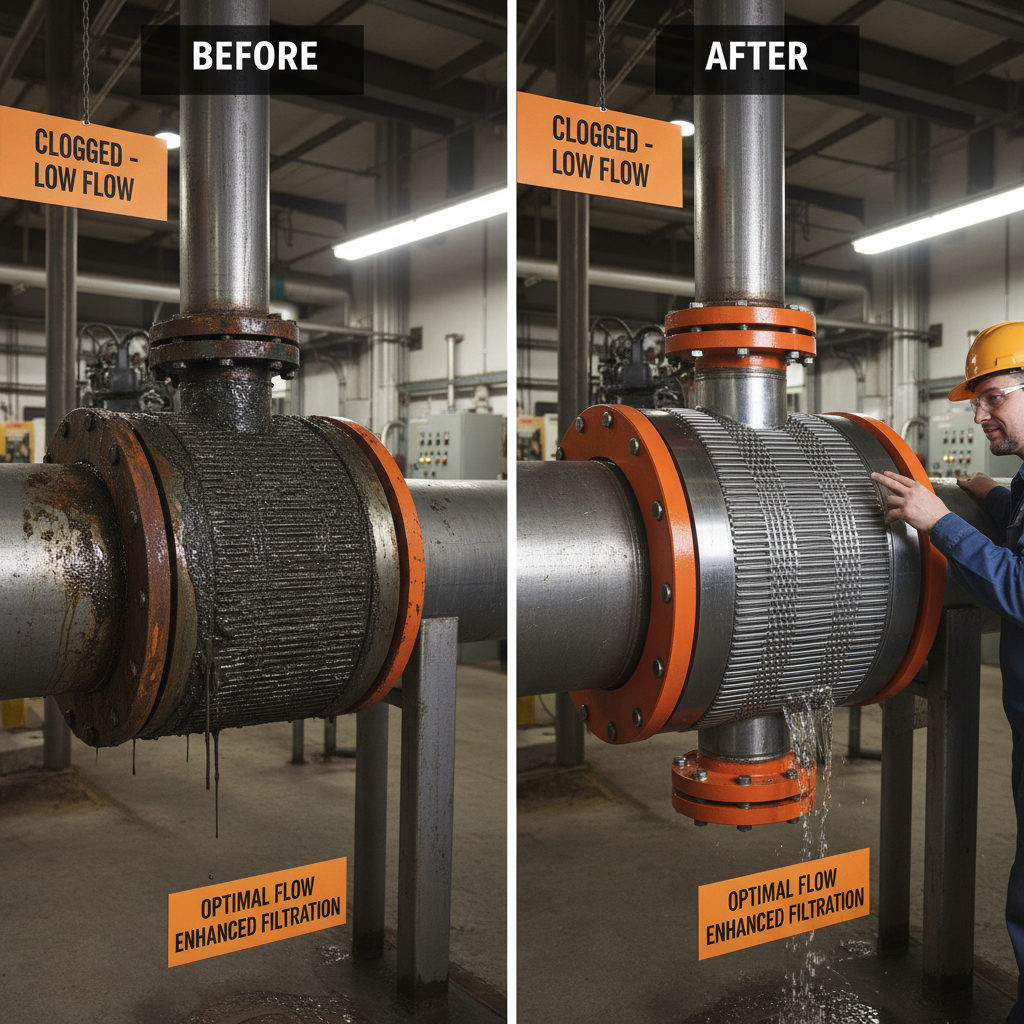
Strangely, people often underestimate the importance of the screen itself. They focus on the pump, the motor, all the fancy stuff, and forget that if the screen clogs up, none of that matters. It’s like building a beautiful engine for a car with square wheels. It's just not going to go anywhere.
Key Factors in Well Screen Selection
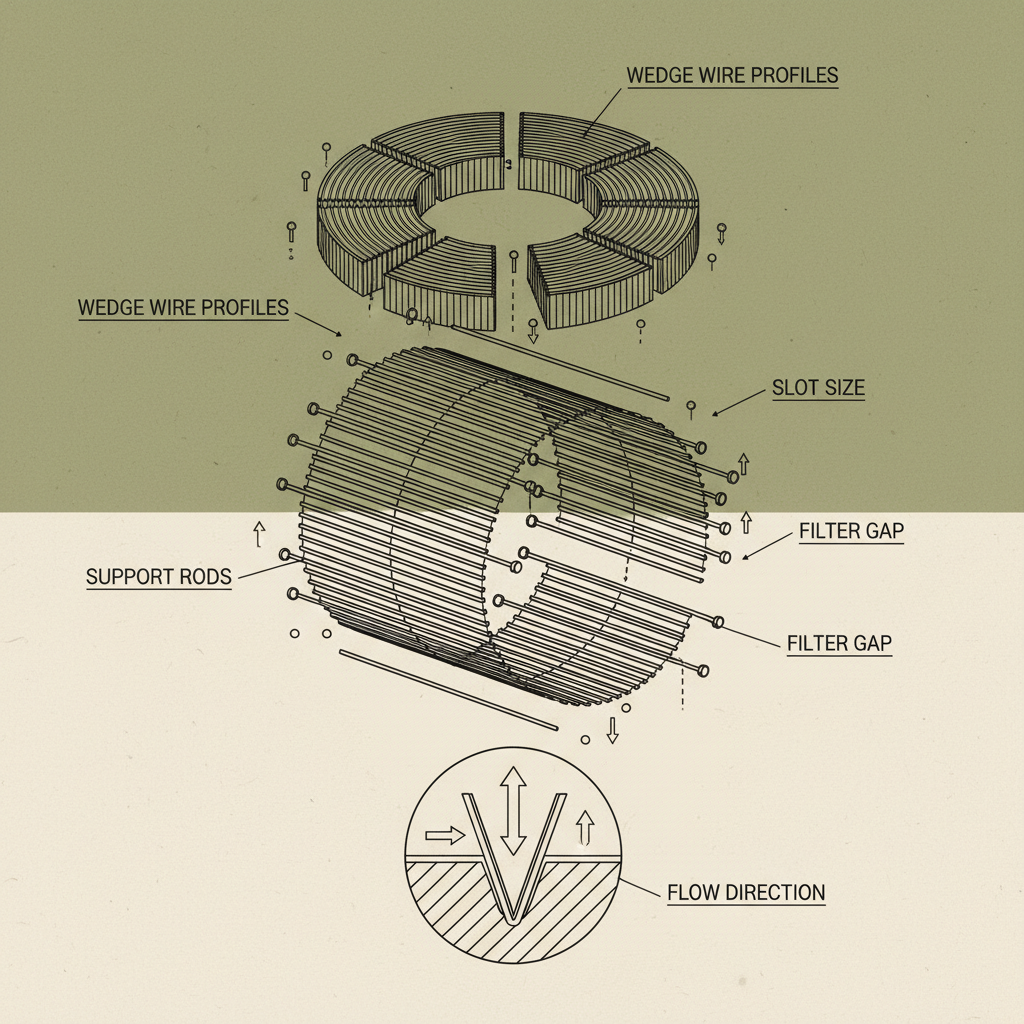
Picking the right well screen for sale isn’t just about grabbing the cheapest one you can find. You gotta consider a bunch of things. First, the slot size. Too big, and you get sand. Too small, and you get clogging. It’s a delicate balance. Then there’s the screen material, as we talked about earlier. Stainless steel is generally the best bet, but the grade matters.
Another huge factor is the screen length and diameter. You want to maximize the surface area exposed to the aquifer, but you also need to fit it into the borehole. I encountered this at a factory in Guangzhou last time – they were trying to cram a ridiculously oversized screen into a well, and it was a complete disaster. Bent the thing all to hell.
Then there’s the connection type. Threaded, flanged, welded… each has its pros and cons. It depends on the application, the pressure, and the skill of the installer. I’ve seen some truly awful welds in my time, let me tell you.
And don’t forget about the screen’s structural integrity. It needs to be able to withstand the pressure from the surrounding formation, plus the weight of the water column. It’s got to be tough.
Global Applications and Use Cases
These things are everywhere. I’ve worked on projects in Africa, South America, the Middle East… you name it. They're used in everything from small rural water wells to massive industrial water supply systems. Have you noticed how big the aquaculture industry is getting? They use tons of well screens for intake and discharge.
In post-disaster relief operations, rapid deployment of well screens can be a lifesaver. Getting access to clean water is always the first priority. And in remote industrial zones, like mining camps or oil fields, they're essential for providing a reliable water source.
I remember one project in Saudi Arabia. They were drilling for geothermal energy, and the water was incredibly corrosive. We had to use a special alloy screen, and even then, it only lasted a few months. Later... Forget it, I won't mention it. It was a whole mess.
Well Screens for Sale Performance Metrics
Advantages and Long-Term Value of Utilizing Well Screens
The biggest advantage of a good well screen for sale is, obviously, reliability. You don't want to be constantly pulling your pump out to clear a clogged screen. That costs time, money, and a whole lot of headaches. They're also relatively low maintenance. Install it right, and it'll last for years.
And let’s be real, it’s a safety issue. Contaminated water can make people sick, and a well screen helps to prevent that. It’s a small investment that can have a huge impact on public health. There’s also the sustainability aspect. By protecting the aquifer from sand and sediment, you're helping to preserve the water source for future generations.
Future Trends and Innovations in Well Screen Technology
I'm seeing a lot of interest in self-cleaning screens. They use some kind of vibration or backflushing system to remove debris before it can build up. It’s still early days, but the potential is there. Also, there’s a push towards more sustainable materials. Biodegradable polymers, for example. It's a long shot, but it’s something people are looking into.
Digital monitoring is also becoming more common. Sensors that can detect pressure drops or changes in water quality can alert you to potential problems before they become serious. It’s all part of this push towards smarter, more efficient water management.
Challenges and Solutions in Well Screen Implementation
The biggest challenge, in my opinion, is installation. You can have the best screen in the world, but if it’s not installed properly, it’s useless. I've seen guys try to force a screen into a borehole, bending it and damaging it in the process. It’s a disaster. Proper training is essential.
Another challenge is dealing with complex geological formations. Sometimes you encounter layers of clay, sand, and gravel, and it’s difficult to choose the right screen slot size to accommodate all of them. It requires experience and a good understanding of hydrogeology.
Honestly, I think better communication between engineers and the guys on the ground is key. Engineers need to understand the practical limitations of installation, and the installers need to understand the design intent. It’s a two-way street.
Summary of Common Well Screen Implementation Issues and Recommended Solutions
| Issue |
Severity (1-5) |
Potential Cause |
Recommended Solution |
| Screen Clogging |
4 |
Inadequate slot size, high sediment load |
Proper screen selection, pre-filtration |
| Screen Damage During Installation |
3 |
Rough handling, improper tools |
Careful handling, use of appropriate tools |
| Corrosion |
2 |
Aggressive water chemistry |
Use of corrosion-resistant materials |
| Poor Connection Integrity |
3 |
Improper welding or threading |
Qualified welders, proper thread sealant |
| Insufficient Screen Length |
2 |
Underestimation of aquifer thickness |
Accurate geological survey |
| Screen Collapse |
1 |
Inadequate structural strength |
Selection of screen with appropriate strength rating |
FAQS
That depends heavily on the water chemistry and sediment load. In ideal conditions, a good stainless steel screen can last 20-30 years, easily. But in corrosive environments, or with a high concentration of sand, it could be as little as 5-10. Regular inspections are key. I’ve seen screens fail prematurely due to unexpected mineral buildup.
There's no one-size-fits-all answer. It depends on the grain size distribution of the aquifer. You need to do a proper grain size analysis to determine the optimal slot size. Generally, you want a slot size that’s about 2-3 times the diameter of the largest sand particle. Too small and you'll get clogging, too large and you'll get sand.
Sometimes. Minor damage, like a small dent, can often be repaired. But if the screen is severely damaged, or if the slots are significantly deformed, it’s usually more cost-effective to replace it. Welding can sometimes be done, but it needs to be done by a qualified welder to maintain the integrity of the screen.
Both are types of continuous slot screens, but they’re constructed differently. V-wire screens have a V-shaped wire profile, while Johnson screens have a wedge-shaped profile. Johnson screens generally have better structural strength and are less prone to clogging, but they can be more expensive.
For certain applications, yes. They're generally cheaper and lighter than stainless steel, and they're resistant to corrosion. However, they’re not as strong, and they can be susceptible to damage from UV radiation. They're best suited for low-pressure, shallow wells with relatively clean water.
Pre-packing is crucial. It involves surrounding the screen with a graded gravel pack to prevent sand from entering the screen slots. It improves the efficiency of the well, reduces pumping costs, and extends the life of the screen. Without it, you're asking for trouble.
Conclusion
Ultimately, well screens for sale are a deceptively simple component of a complex system. They’re not glamorous, but they’re essential. Getting the right screen, installing it correctly, and maintaining it properly can make the difference between a reliable water source and a costly headache. It’s about understanding the hydrogeology, the materials, and the practical challenges of working in the field.
And look, at the end of the day, whether this thing works or not, the worker will know the moment he tightens the screw. That's the real test. And if he looks at you with a shake of his head… well, you know you messed up. You can visit our website at well screens for sale for all your screen needs.