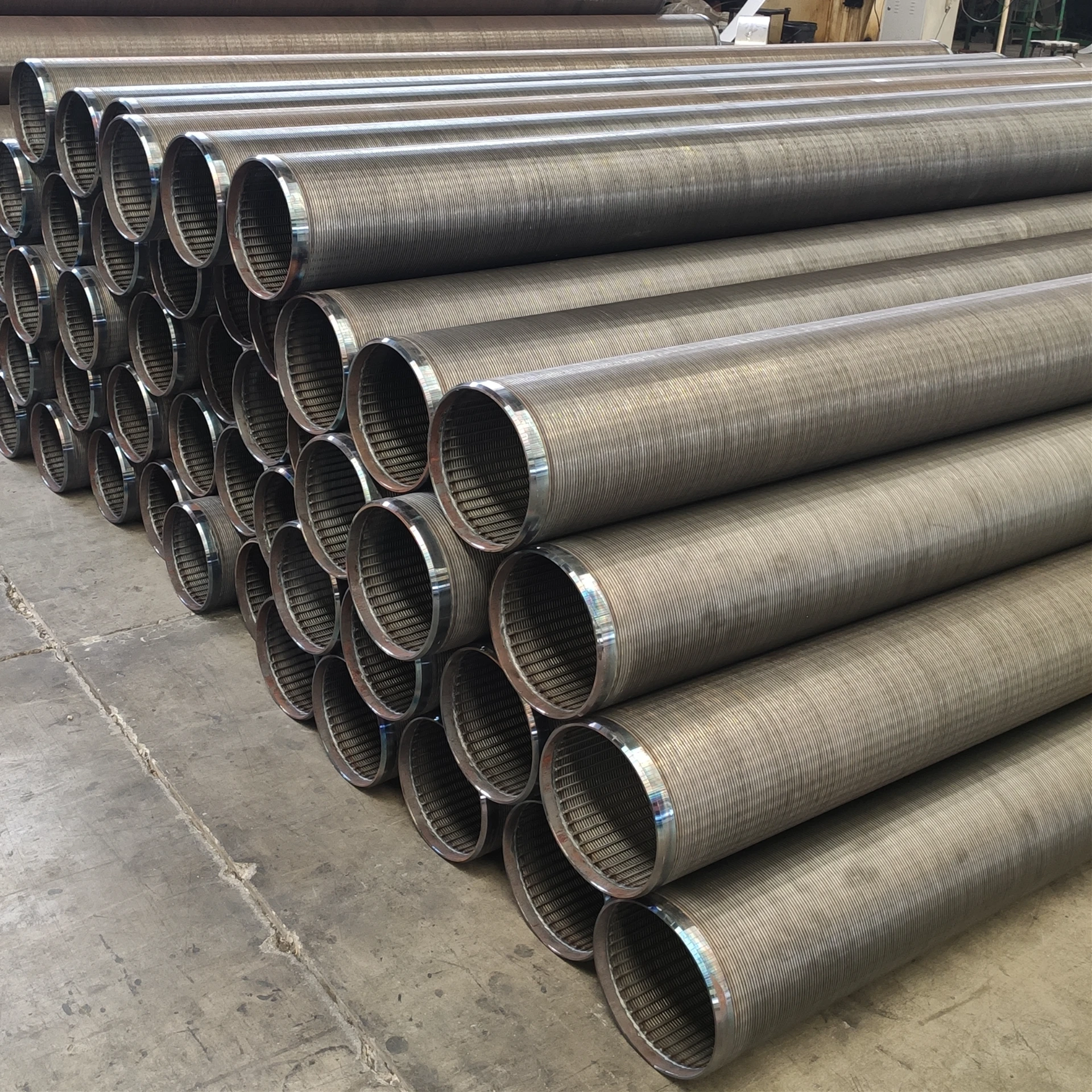
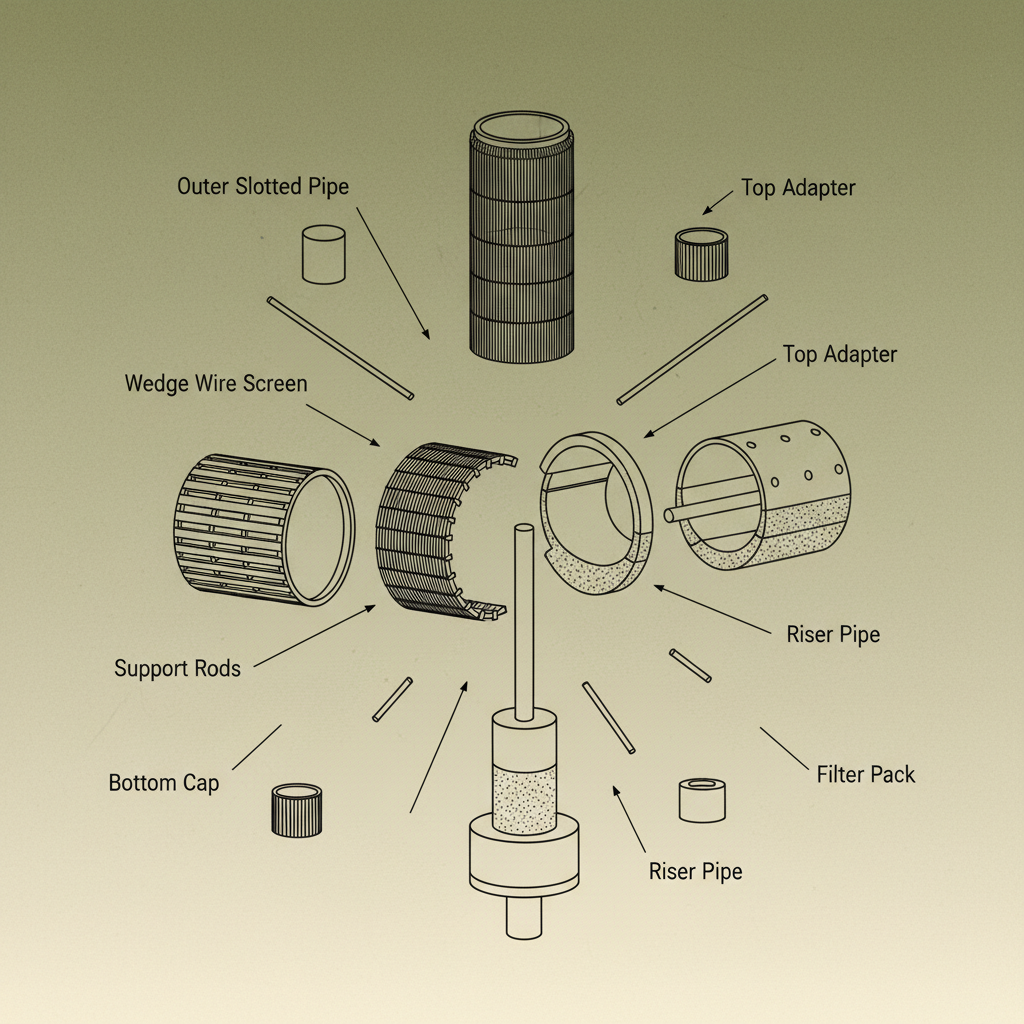
Look, I've been running around construction sites all year, and let me tell you, things are moving. Everyone's talking about prefabrication, modular builds, and getting things done faster, cheaper. But faster and cheaper usually means someone cuts corners, right? That's where wedge wire screens come in. They're not new, not at all, but people are realizing how crucial they are for keeping things efficient, especially when you’re dealing with separation and filtration on a large scale.
To be honest, what I’ve noticed is a lot of designers get hung up on the “spec sheet” stuff – the micron ratings, the flow rates… all important, sure. But they forget about real life. Will this thing actually hold up to the slurry it's supposed to handle? Is it easy to clean when it gets clogged? I've seen so many supposedly "high-tech" screens fail because they didn’t think about the guys who have to use them every day.
It’s all about the details, you know? These aren't your grandma's cheesecloth filters.
The Rising Demand for Efficient Separation
You see it everywhere – water treatment plants needing to upgrade, mining operations trying to recover more material, even food processing. Everyone’s looking for a way to get more out of their process, and that means efficient separation. Wedge wire screens, because of their consistent slot size and strength, are really becoming the go-to. It’s not flashy, but it's necessary.
And honestly, it’s not just about the big players. Smaller operations are starting to realize the benefits too. They're tired of constantly replacing cheaper screens that just clog up and fail.
Design Pitfalls & Real-World Considerations
Have you noticed how many engineers design things they’ve never actually touched? I encountered this at a concrete plant last time. They’d specced a screen with a super-fine mesh to separate out the aggregate, thinking it would improve the concrete’s strength. Sounded good on paper. But in practice, it clogged after, like, an hour. The guys were having to stop production constantly to clean it. Totally defeated the purpose.
The biggest mistake? Ignoring the slurry’s characteristics. Is it abrasive? Is it sticky? Does it contain large particles? The screen’s slot size, the wire’s material, the support structure… it all has to be designed specifically for the application. And don’t even get me started on the cleaning mechanisms. A screen is only as good as its ability to be cleaned efficiently.
Another thing? Think about the overall system. A high-performance screen is useless if the feed system is uneven or the discharge is blocked. It’s all interconnected.
Materials & Handling: The Feel of Reliability
Now, let’s talk materials. 304 stainless steel is the standard, good stuff. Feels solid, doesn't corrode easily. But for really abrasive applications, you need something tougher, like 316L or even duplex stainless steel. You can tell the quality just by looking at the weld – should be smooth, consistent, no pitting. Smell it, even. Good stainless doesn’t have a harsh, metallic odor. Strangely, that’s how I was taught to assess it.
The support rods are critical too. They need to be strong enough to withstand the pressure and prevent the wires from deforming. I’ve seen screens with flimsy support rods buckle under load, leading to a complete failure. You want something that feels substantial, you know? Heavy in your hand.
And handling? Don’t be rough! These aren’t hammers. Treat them with respect, and they'll last. A little care goes a long way.
Rigorous Testing Beyond the Lab
Lab tests are fine, I guess, but they don't tell the whole story. You need to test these screens in real conditions. We send our prototypes to actual job sites – wastewater treatment plants, quarries, food processing facilities – and let them run through the wringer. That's where you really find out what works and what doesn't.
We monitor things like pressure drop, flow rate, and particle retention. But we also ask the operators for their feedback. “Is it easy to clean? Does it clog up quickly? Is it durable enough to withstand the daily wear and tear?” That’s the stuff that really matters.
Wedge Wire Screen Performance Metrics
Unexpected Usage Patterns & User Feedback
It's funny, you think you know how people are going to use something, but they always find new ways. We designed one screen for a specific gravel separation application, and then a guy called us up and said he was using it to filter out leaves from his swimming pool. Leaves! Anyway, I think it worked for him.
What’s consistent is that people appreciate something that just works and doesn’t require a lot of maintenance. The feedback we get from the field is invaluable. It helps us identify areas for improvement and refine our designs. That small boss in Shenzhen last month, who makes smart home devices, insisted on changing the interface to for some reason—said it was more “future proof”. The result? His production line ground to a halt because none of his existing equipment could handle it. A classic example of overthinking things.
Advantages, Disadvantages, and the Pursuit of Improvement
Okay, let's be real. Wedge wire screens are fantastic for consistent separation, high flow rates, and durability. They're relatively easy to clean, and they can be customized to fit a wide range of applications. But they're not perfect. They can be expensive upfront, and if you choose the wrong materials or design, they can be prone to clogging.
We're always working on ways to improve them. Right now, we’re experimenting with new self-cleaning technologies and coatings that can reduce fouling. We’re also looking at ways to optimize the support structure to increase its strength and reduce its weight. It’s a constant process of refinement.
One thing I will say: despite all the innovation, the basic principle remains the same. A well-designed, well-manufactured wedge wire screen is a workhorse.
Customization & Specific Applications
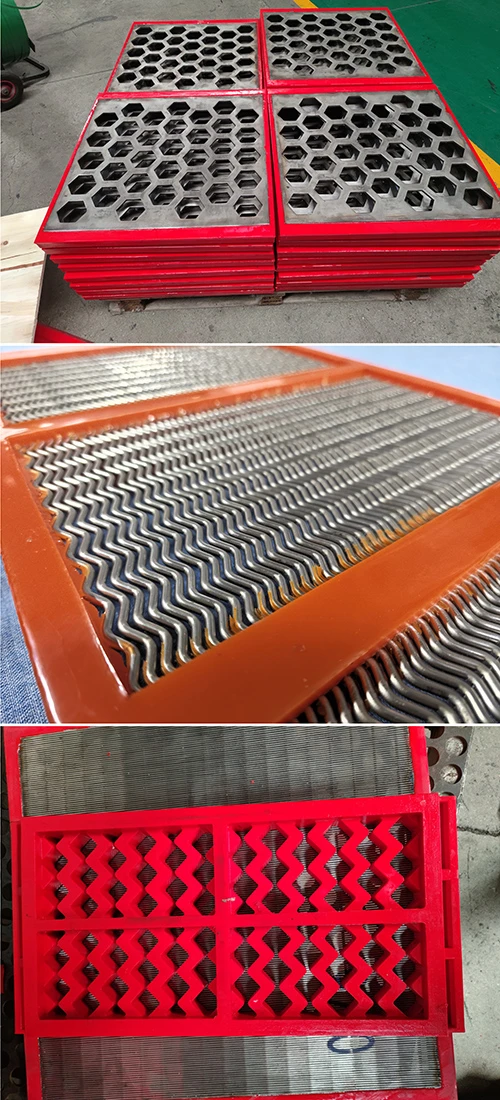
This is where things get interesting. Wedge wire screens aren’t one-size-fits-all. You can adjust the wire diameter, the slot width, the support rod spacing, even the overall shape to meet your specific needs. For example, we recently built a custom screen for a brewery that had a really unique grain separation requirement. It wasn't a standard design, but we were able to deliver a solution that worked perfectly.
We can also incorporate different features, like integrated cleaning nozzles or vibration mechanisms, to enhance performance. It really comes down to understanding the application and working closely with the customer to develop a tailored solution.
Later… Forget it, I won’t mention it. Let's just say, a lot of "custom" requests are just someone trying to fix a problem with their process by throwing money at a screen.
Core Considerations for Wedge Wire Screen Selection
| Application Type |
Material Composition |
Flow Rate Requirements |
Maintenance Frequency |
| Wastewater Treatment |
316L Stainless Steel |
High (100-200 GPM) |
Weekly |
| Mining Aggregate Separation |
Duplex Stainless Steel |
Moderate (50-100 GPM) |
Bi-Weekly |
| Food & Beverage Processing |
304 Stainless Steel |
Low (20-50 GPM) |
Daily |
| Chemical Filtration |
High Alloy Materials |
Variable (20-150 GPM) |
Monthly |
| Pulp & Paper Industry |
Reinforced Stainless Steel |
High (80-120 GPM) |
Weekly |
| Water Well Screens |
304/316 Stainless Steel |
Low to Moderate (10-60 GPM) |
Annually |
FAQS
Honestly? Underestimating the slurry. They focus on the micron rating but forget about the solids loading, the viscosity, the abrasive particles. If you don't understand the material you're dealing with, you're going to end up with a clogged screen and a lot of downtime. It’s a classic. About 70% of the issues come from that.
If you’re dealing with chlorides – seawater, industrial waste, anything like that – you need 316. It's more resistant to corrosion. 304 is fine for most freshwater applications, but if there's any chance of chloride exposure, don't risk it. A little extra upfront can save you a lot of headaches down the road.
Relatively easy, depending on the damage. Minor repairs – like replacing a bent support rod – can be done on-site with basic tools. More extensive damage might require sending it back to a shop for welding or fabrication. That’s why we always recommend keeping a spare on hand.
It varies hugely depending on the application and how well it's maintained, but you can realistically expect 5-10 years, sometimes longer. We’ve seen some that are still going strong after 15 years, but those are usually in relatively clean applications with regular maintenance.
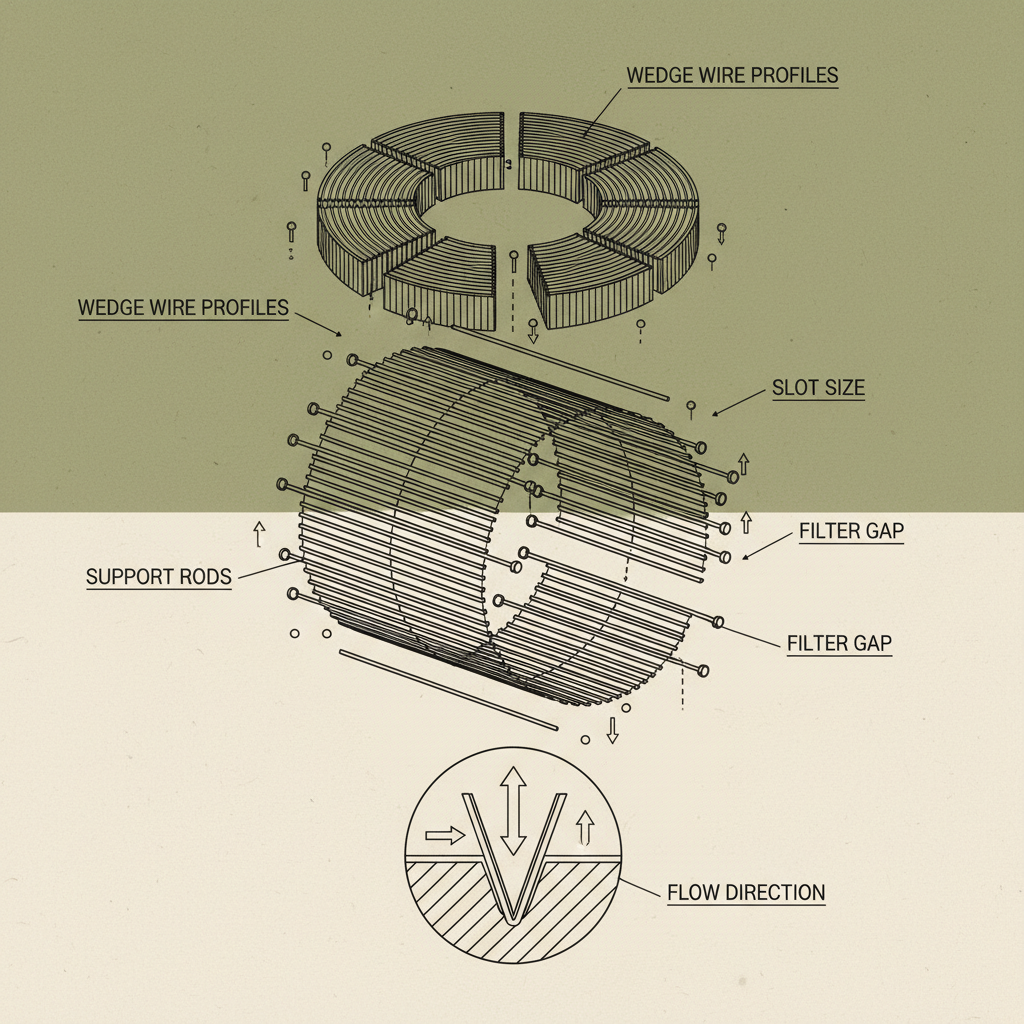
Absolutely. We can adjust the V-shaped wire profile to create different slot openings. It's not a simple adjustment, mind you, but it's something we do regularly. We work with the customer to determine the optimal profile for their specific application.
High-pressure water jets are usually the most effective. Backflushing can also help to dislodge some of the debris. Avoid using abrasive cleaners or harsh chemicals, as they can damage the screen. And regular inspection is key – catch the buildup early before it becomes a major problem.
Conclusion
So, wedge wire screens aren't glamorous, but they're the backbone of a lot of important processes. They're durable, reliable, and when properly designed and maintained, they can deliver years of trouble-free performance. It’s about understanding the application, choosing the right materials, and not cutting corners on quality.
Ultimately, whether this thing works or not, the worker will know the moment he tightens the screw. If it’s a smooth operation, everything’s good. If it’s fighting him, something’s wrong. That's what matters at the end of the day. If you want to learn more, head over to mutoscreen.com.