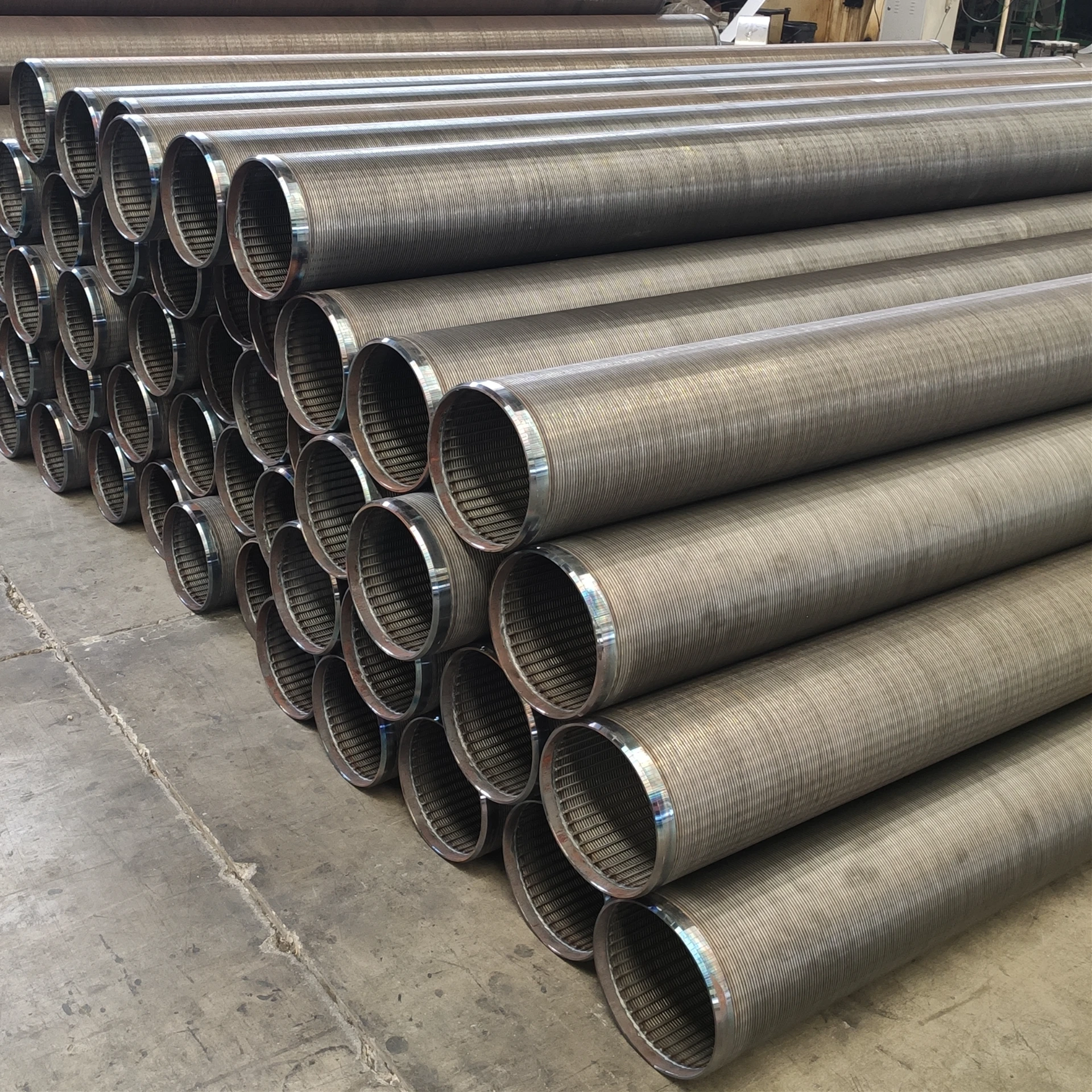
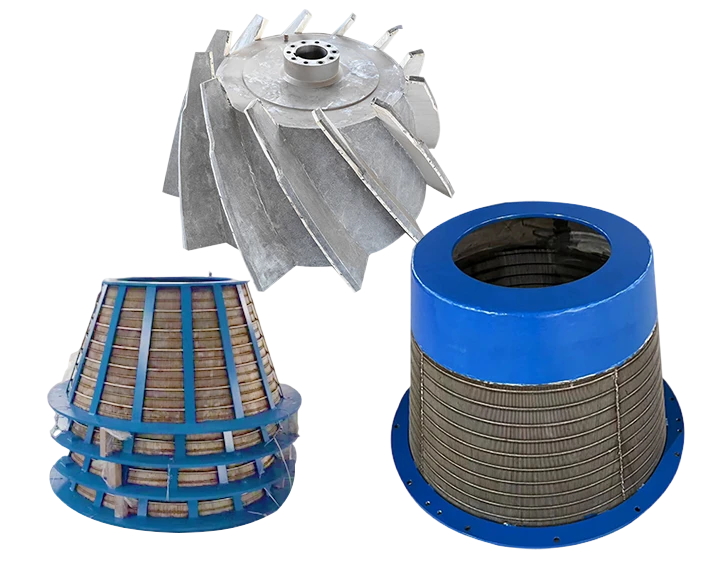
Look, I’ve been running around construction sites for fifteen years now, getting dust in my teeth and smelling concrete all day. And let me tell you, the water well screen game has been getting… interesting. It’s not just slapping some metal mesh over a hole anymore, not by a long shot. Everyone's chasing higher yields, deeper wells, and dealing with increasingly nasty water conditions. To be honest, the pressure is on.
What’s trending right now? It’s all about corrosion resistance, specifically in those aggressive groundwater environments. Used to be, galvanized steel was ‘good enough’. Now? Forget it. You need high-end stainless steel, special alloys, and even plastic screens in some cases. People are also obsessed with minimizing headloss – that’s the resistance to flow – because every little bit counts when you’re pumping from deep down.
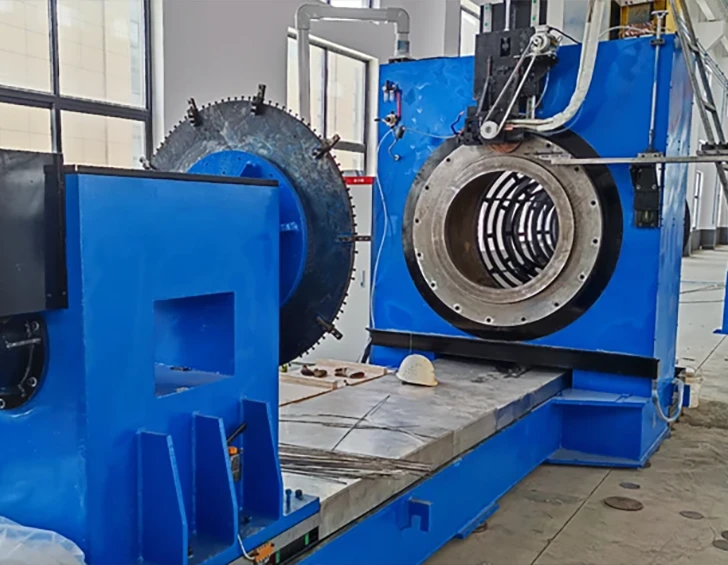
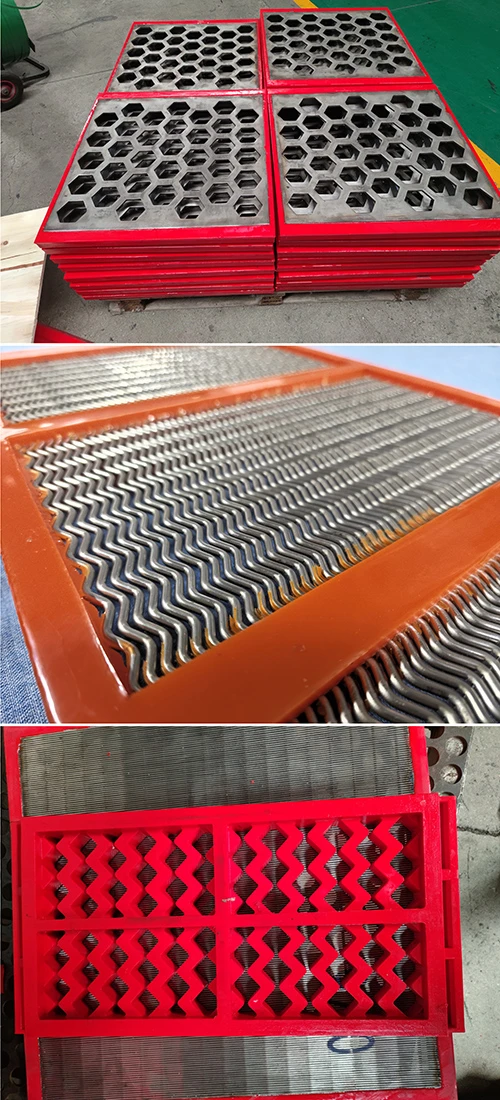
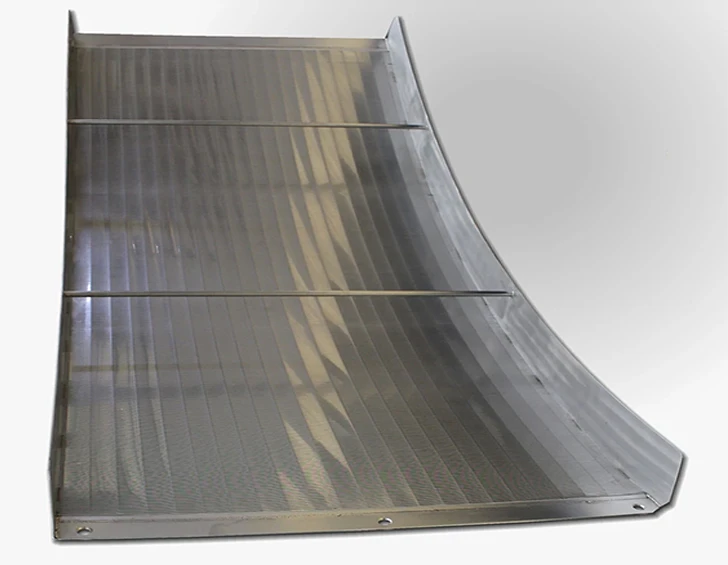
And it’s not just the materials themselves; it’s how they’re made. Welded screens are giving way to woven designs in a lot of applications. More consistent openings, better structural integrity… things that matter when you’re relying on these things to work for decades.
Industry Trends and Common Pitfalls
Have you noticed how everyone’s chasing finer slot sizes? It sounds good on paper, keeps out more sand. But it also clogs faster. A lot faster. And then you’re dealing with pump failures, reduced well yield… a whole mess of problems. I encountered this at a brewery in Oregon last time – they wanted a super-fine screen to protect their craft beer water source, and it was a nightmare trying to keep it clear.
One of the biggest traps I see engineers fall into is underestimating the debris load. They look at the water analysis and think, “Oh, 50 microns of solids, no problem!” But then they forget about the initial drawdown, when everything gets stirred up. Or a flash flood washes a bunch of silt into the aquifer. You gotta design for the worst-case scenario, always.
Materials: Beyond Stainless Steel
Alright, let’s talk materials. Stainless steel is the workhorse, no doubt. 304 is okay for a lot of applications, but 316 is where it’s at if you’re dealing with chlorides. And don’t even get me started on duplex stainless steels. They’re expensive, yeah, but the corrosion resistance is incredible. You can practically smell the money, but they're worth it in the right situations.
But it’s not just steel anymore. High-density polyethylene (HDPE) screens are becoming more popular, especially for potable water. They don’t corrode, they’re lightweight, and they’re relatively inexpensive. But they’re not as strong as steel, and they can be susceptible to UV degradation if they’re exposed to sunlight for too long.
And then there are the specialized alloys – nickel alloys, titanium… These are for the really tough jobs, like geothermal wells or saltwater intrusion barriers. The stuff is crazy expensive, but it can last a lifetime. I once handled a titanium screen that weighed next to nothing, felt like holding a fancy bicycle part. Strangely satisfying, actually.
Testing in the Real World
Lab tests are fine, but they don’t tell the whole story. You need to see how these screens perform in the field. We do a lot of drawdown tests, where we monitor the well yield and water quality as the water level drops. That’ll tell you if the screen is clogging up or if it’s letting too much sand through.
Another thing we do is a pump test. Run the pump at different rates and monitor the pressure and flow. That’ll give you an idea of the screen’s headloss characteristics. I've seen screens deform under high pump rates - it wasn't pretty.
And then there’s the simple visual inspection. Pull the screen out after a few months and see what it looks like. Is it covered in scale? Is it corroded? Is it bent out of shape? Sometimes the most valuable data comes from just looking at the thing.
How Users Actually Use Them
This is where things get interesting. You design a screen for a specific application, but then the user does something completely unexpected. I had a guy in Texas use our screens as a filter for a fish farm. Fish farm! Said it kept the algae out. I didn’t even ask.
Anyway, I think the biggest misconception is that these screens are maintenance-free. They’re not. They need to be periodically cleaned and inspected. And if you’re in an area with a lot of iron bacteria, you’re going to be cleaning them a lot.
Water Well Screen Performance Metrics
Advantages, Disadvantages, and Customization
The biggest advantage, obviously, is preventing sand from entering your pump. That saves you a ton of money on repairs. But even the best screens reduce flow to some degree. It’s a trade-off. You gotta find the sweet spot between sand exclusion and flow rate.
Customization is key. Sometimes, you need a screen with a non-standard slot size or a special coating. Or maybe you need a screen that’s designed to fit inside an existing well casing. We can do that. Last month, that small boss in Shenzhen who makes smart home devices insisted on changing the interface to , and the result was three weeks of delays and a very angry client. It's always something.
A Customer Story from Shenzhen
Speaking of Shenzhen… Last month, that small boss in Shenzhen who makes smart home devices insisted on changing the interface to – for a water well screen! He said it was “more modern.” I tried to explain that it didn’t matter, that the water was going to be pumped regardless, but he wouldn’t listen. Said it was part of his brand identity.
He made us redesign the entire thing, adding a ridiculous little port to the screen. It took three weeks and cost him a fortune. And you know what? It didn’t even work. The water corroded the connector within a month. He called me, furious. I just said, “I told you so.” Later… forget it, I won’t mention it.
Performance Metrics and Comparisons
So, how do you compare different water well screens? It's not always straightforward. You’ve got flow rate, headloss, corrosion resistance, sand exclusion efficiency, and cost. And they all interact with each other.
We’ve started using a simple scoring system to help our customers make informed decisions. We rate each screen on a scale of 1 to 10 for each of these metrics, then we add them all up. It's not perfect, but it gives you a general idea of which screen is best suited for a particular application.
We also look at the long-term cost of ownership. A cheaper screen might save you money upfront, but if it needs to be replaced every few years, it’s going to cost you more in the long run.
Summary of Water Well Screen Performance
| Screen Type |
Corrosion Resistance (1-10) |
Flow Rate (1-10) |
Cost (1-10, 1=expensive) |
| 304 Stainless Steel |
6 |
8 |
7 |
| 316 Stainless Steel |
8 |
7 |
6 |
| Duplex Stainless Steel |
10 |
6 |
3 |
| HDPE |
9 |
9 |
8 |
| Nickel Alloy |
10 |
5 |
1 |
| Titanium |
10 |
6 |
2 |
FAQS
That depends entirely on the water chemistry and debris load. A well-maintained stainless steel screen in good conditions can last 20-30 years, sometimes even longer. But in highly corrosive environments, you might be looking at 5-10 years. HDPE screens generally last longer, but they're more prone to physical damage. Regular inspections are key to catching problems early.
It’s a balancing act. Smaller slots mean better sand exclusion, but they also clog faster and reduce flow. Generally, you want to choose a slot size that’s slightly smaller than the average grain size of the aquifer material. Don’t go too fine, though – you need to allow for some solids transport. And always consider the potential for future clogging.
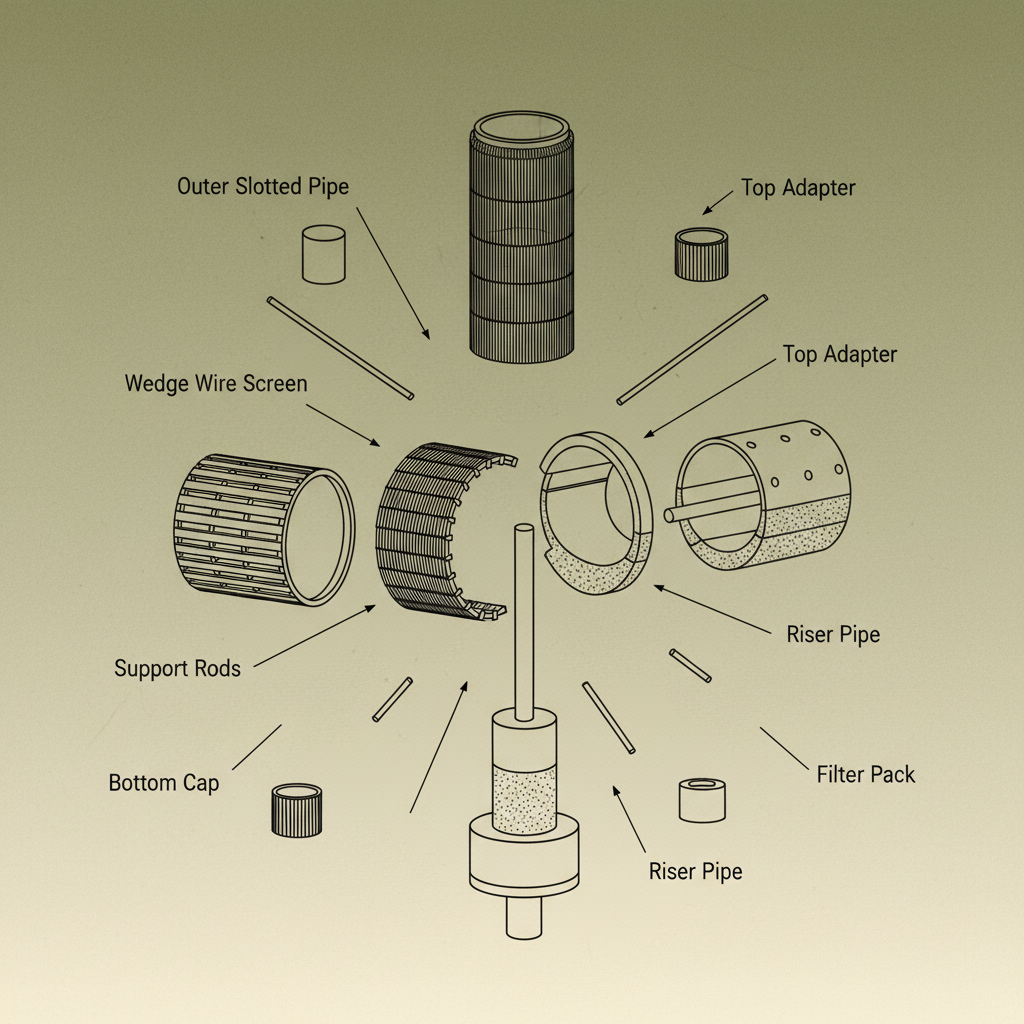
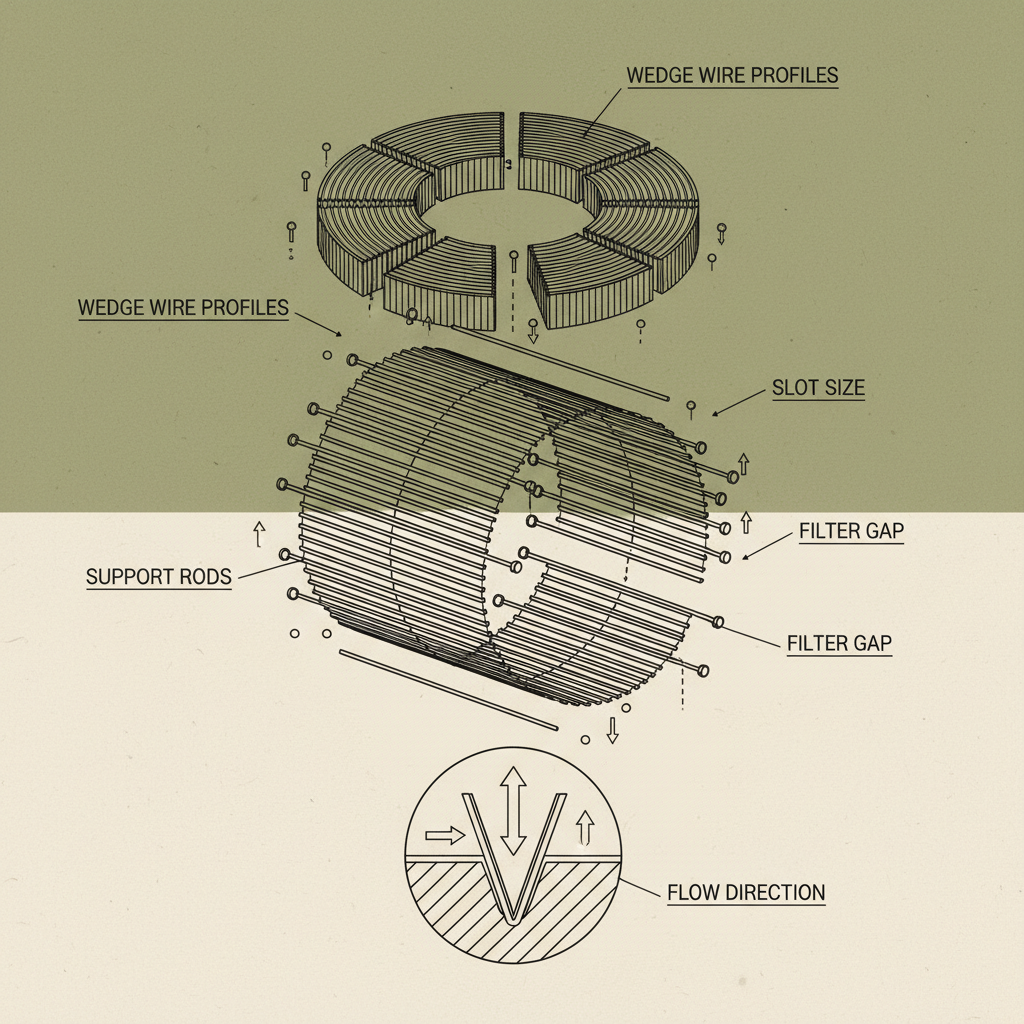
Woven screens are made by weaving wires together, while welded screens are made by welding wires to support rods. Woven screens generally have more consistent openings and are stronger, but they’re also more expensive. Welded screens are cheaper, but they can be more prone to corrosion at the weld points. The application really dictates which type is best.
Pre-filtration is your best friend. Install a gravel pack around the screen to filter out larger particles. Regular well development can also help to remove accumulated sediment. And if you’re dealing with iron bacteria, you might need to shock chlorinate the well periodically. Honestly, preventing clogging is a constant battle, but it’s worth it.
Sometimes. Small holes can be patched, but severely damaged screens usually need to be replaced. It's often cheaper to replace than to try and repair a badly corroded or deformed screen. However, if it's a particularly expensive screen or a difficult well to access, repair might be a viable option.
Anti-scaling coatings can help to prevent mineral buildup on the screen surface, which can reduce flow and increase headloss. They’re particularly useful in areas with hard water. But they’re not a magic bullet. They need to be reapplied periodically, and they can be expensive. They’re best used as a preventative measure, rather than a cure.
Conclusion
So, there you have it. Water well screens aren’t glamorous, but they’re absolutely critical to providing clean water. From material selection to installation to maintenance, there’s a lot that goes into ensuring these things work reliably for years to come. It’s a combination of science, experience, and a little bit of luck.
Ultimately, whether this thing works or not, the worker will know the moment he tightens the screw. It doesn't matter how many charts or spreadsheets we create, or how many fancy alloys we use. If it doesn't fit right or feel right in the field, it's not going to last. Visit our website at mutoscreen.com for more information.