0%

Table of Contents

In the demanding world of industrial filtration and groundwater management, wire wrapped screens stand as a cornerstone of efficiency. These precision-engineered components are designed to allow fluids to pass through while effectively blocking solids, making them indispensable for water well construction and mineral processing. By combining structural integrity with high open-area ratios, they ensure optimal flow rates and minimize the risk of clogging in harsh environments.

Across the globe, the demand for high-performance filtration is rising as industries strive for greater sustainability and resource recovery. Whether it is in the extraction of potable water in arid regions or the separation of precious minerals in mining operations, the reliability of the screen determines the longevity of the entire system. Understanding the mechanics and materials of these screens is not just a technical necessity but a commercial advantage for operators seeking to reduce downtime and maintenance costs.

The evolution of wire wrapped screens reflects a broader trend toward "smart" manufacturing, where tight tolerances and corrosion-resistant alloys are the standard. As we move toward more complex geological challenges, the ability to customize slot sizes and material compositions allows engineers to tailor their filtration strategies to specific soil or ore profiles, ensuring maximum yield and operational safety.
High Efficiency Industrial Filtration using wire wrapped screens

Global Relevance of Wire Wrapped Screens
High Efficiency Industrial Filtration using wire wrapped screens

On a global scale, the importance of wire wrapped screens is underscored by the increasing scarcity of clean water and the growing complexity of mining projects. According to ISO standards for water-well components, the precision of the slot width is critical to preventing sand infiltration, which can destroy expensive pumping equipment. In regions like Sub-Saharan Africa or Southeast Asia, these screens are vital for creating sustainable community water sources, directly impacting public health and agricultural productivity.

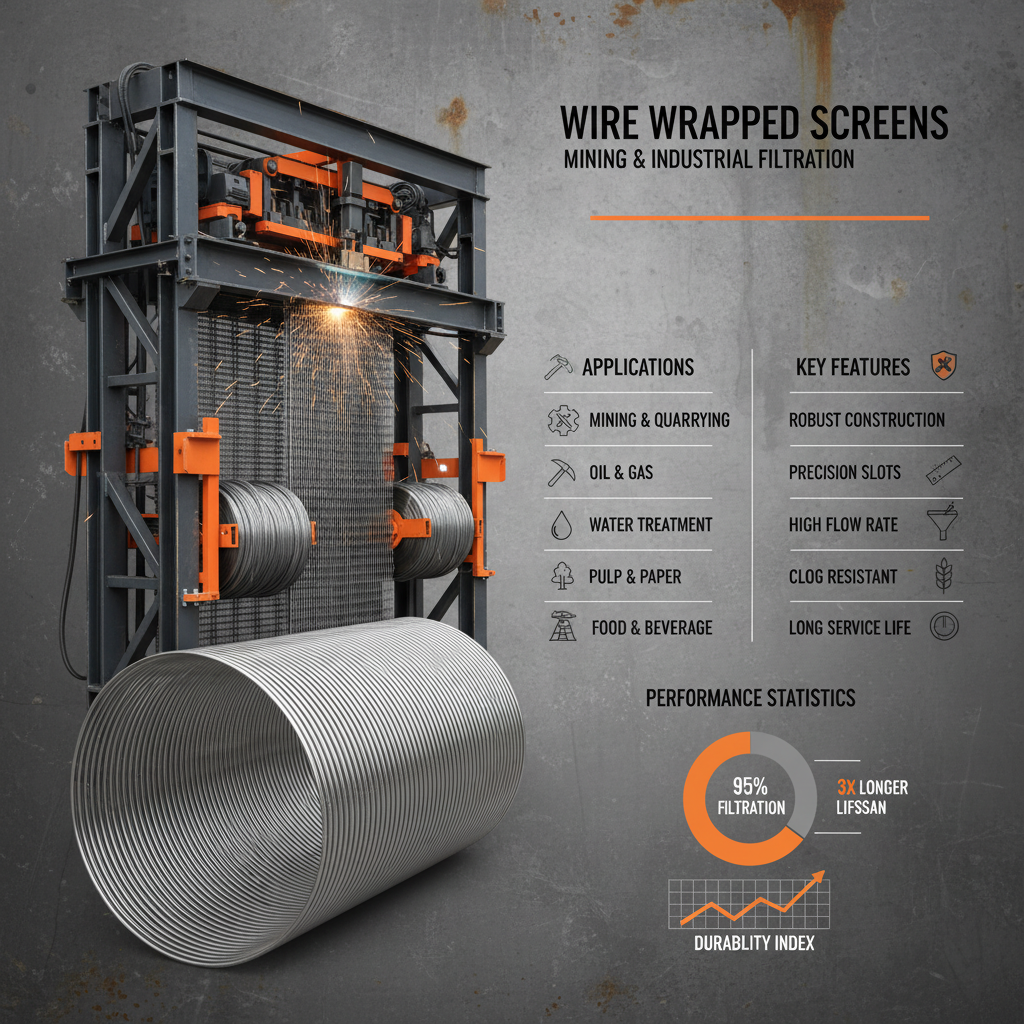
The industrial challenge often lies in the balance between flow capacity and filtration precision. When screens fail due to corrosion or structural collapse, the cost of remediation often exceeds the original installation cost by tenfold. This makes the selection of high-grade materials—such as stainless steel 304, 316L, or duplex alloys—a global priority for engineers aiming to ensure a 20-to-50-year lifespan for their infrastructure.

Defining Wire Wrapped Screens and Industrial Role

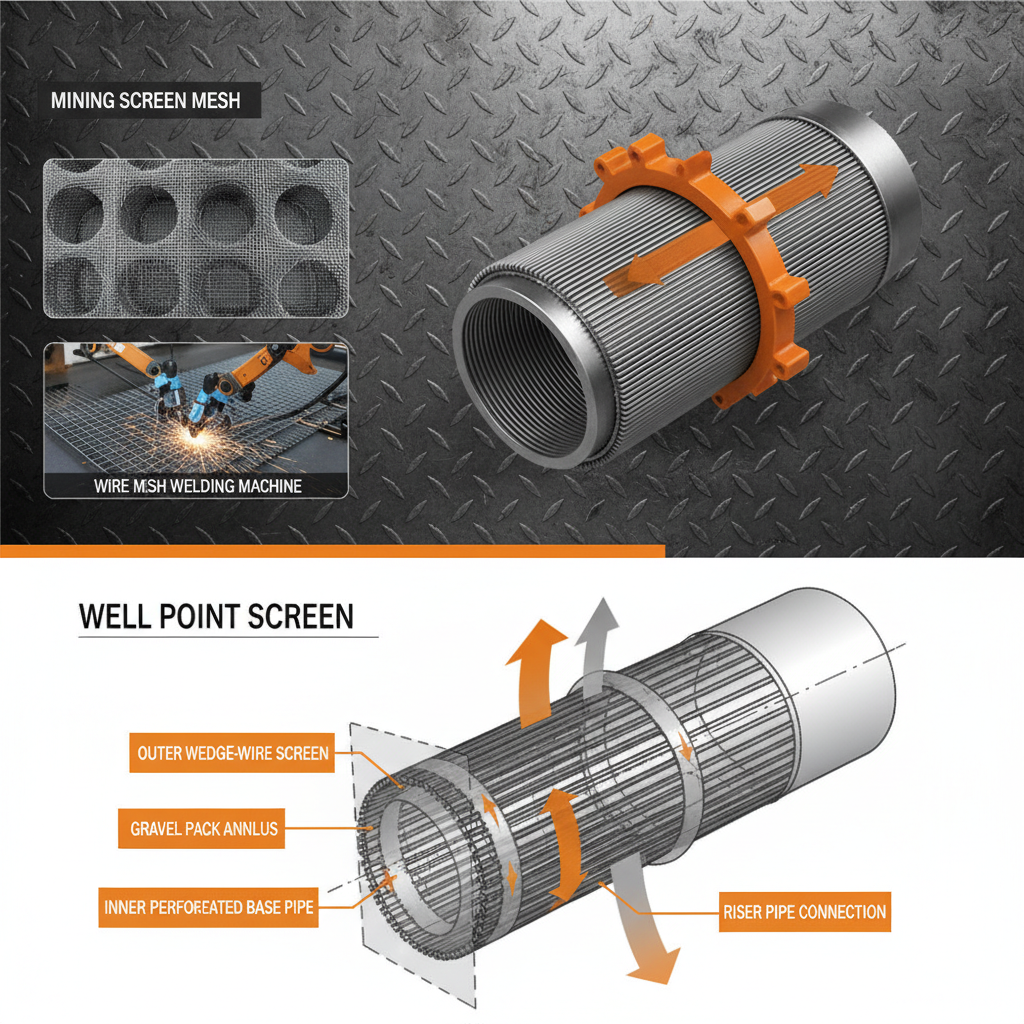
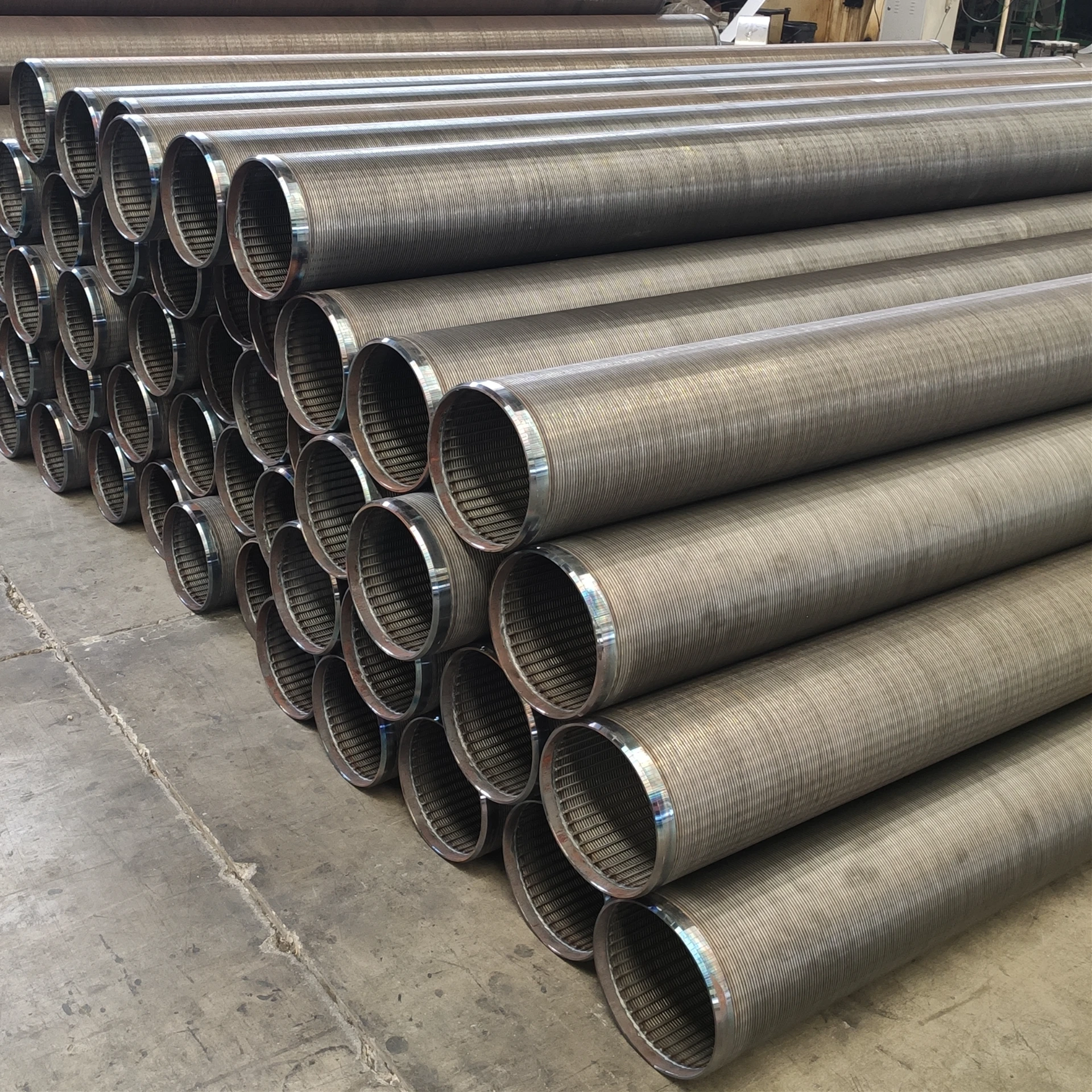
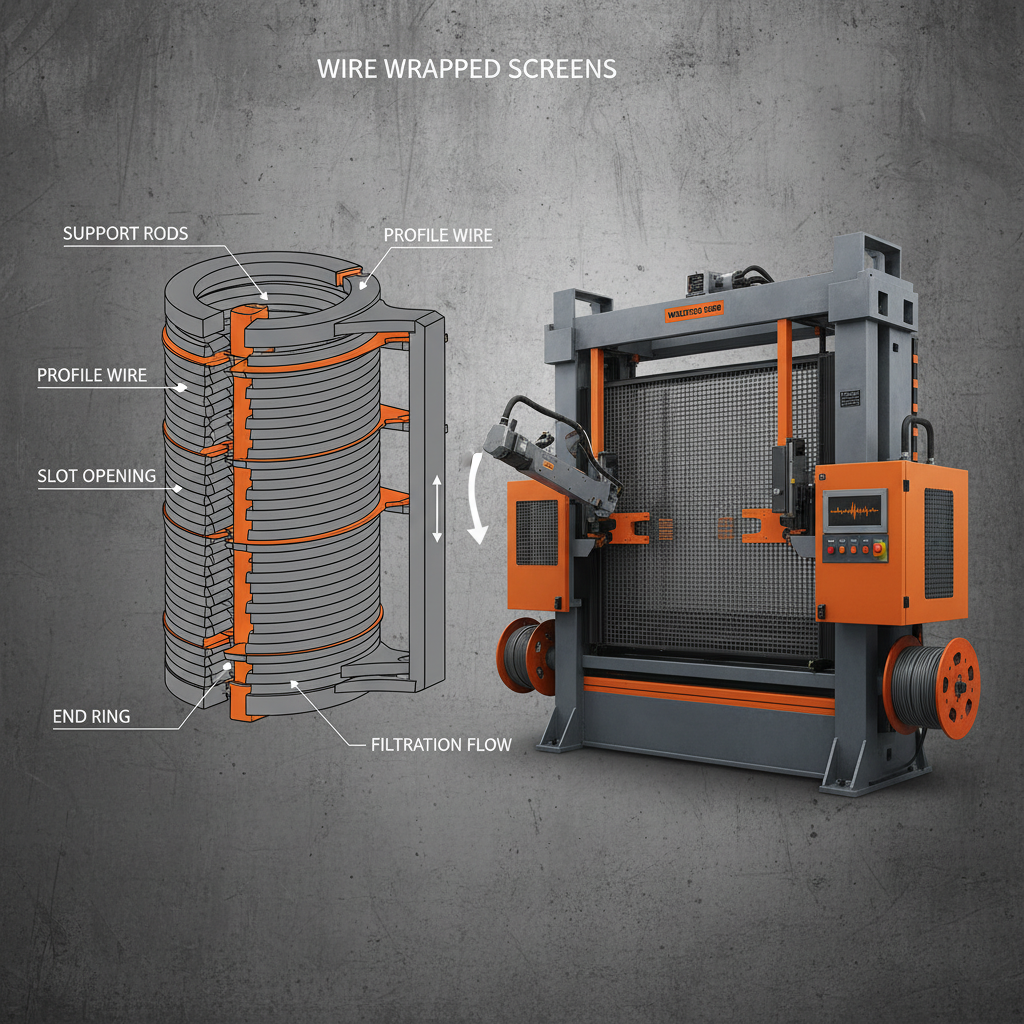
At its simplest, a wire wrapped screen (also known as a V-wire screen) consists of a V-shaped wire wound helically around a series of support rods. This unique geometry creates a "wedge" effect; any particle smaller than the slot width can pass through, but particles larger than the slot are stopped at the surface rather than becoming embedded. This "self-cleaning" property is what separates these screens from traditional perforated plates or slotted pipes.

In the context of modern industry, these components act as the primary interface between the raw environment (the aquifer or the ore slurry) and the mechanical extraction system. Their role is to maximize the "effective open area," which reduces the entrance velocity of the fluid. Lower velocity means less turbulence and a significant reduction in the migration of fines, which preserves the integrity of the surrounding geological formation.

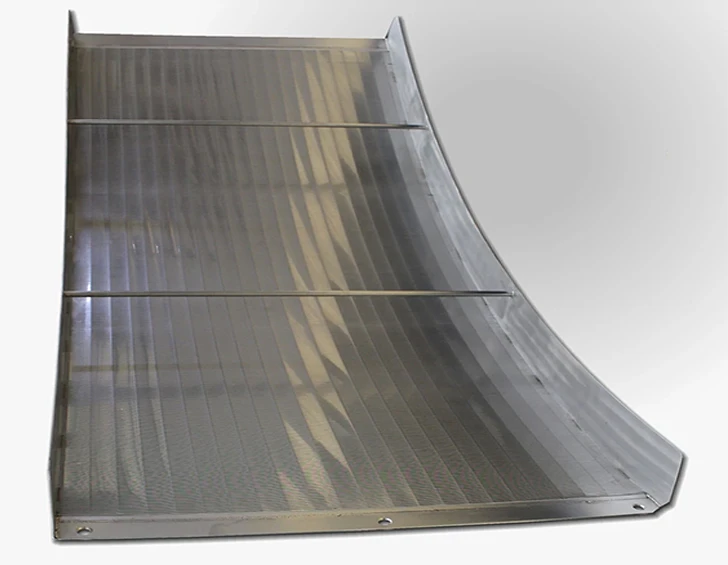
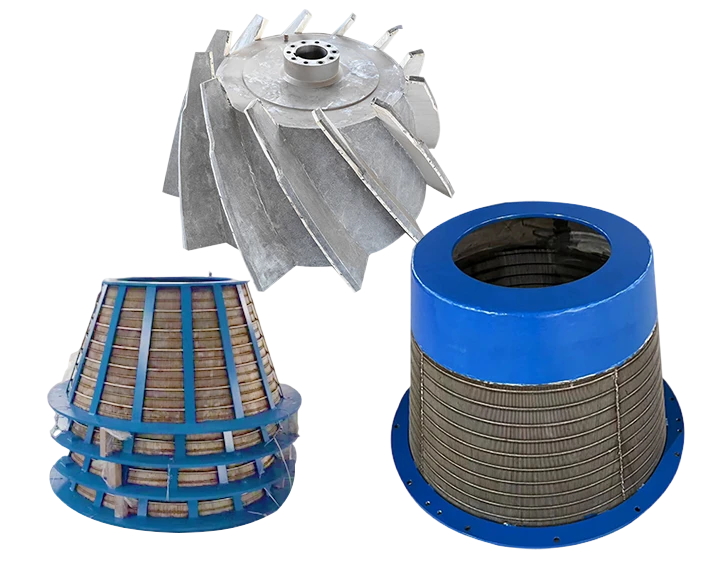
Beyond water wells, they are integrated into Centrifuge Series and Mining Screens, where they provide high-precision separation of materials. By utilizing these screens, companies can achieve a level of purity in their extracted minerals that was previously impossible, directly increasing the commercial value of the raw materials processed.

Core Components and Engineering Factors

The durability of wire wrapped screens is primarily determined by the synergy between the support rods and the wedge wire. The support rods provide the structural skeleton, resisting the crushing pressure of the earth or the mechanical stress of vibrating equipment, while the wrapped wire defines the filtration gap. The precision of this gap, often measured in microns, is the most critical factor in determining the screen's selectivity.

Scalability is another essential factor. These screens can be manufactured in lengths and diameters that range from small-scale laboratory filters to massive industrial well screens exceeding several meters in diameter. This flexibility allows them to be deployed in everything from high-tech chemical plants to remote mining sites in the Andes or the Australian Outback, ensuring that the filtration logic remains consistent regardless of scale.

Cost efficiency is realized not through the initial purchase price, but through the total cost of ownership. Because wire wrapped screens resist clogging and corrosion more effectively than cheaper alternatives, they drastically reduce the frequency of "well development" or screen replacement cycles. For large-scale operators, this translates to millions of dollars saved in operational expenditures (OPEX) over the lifecycle of a project.

Performance Metrics and Efficiency Analysis

Evaluating the efficiency of wire wrapped screens requires a deep dive into the "Open Area Percentage." Unlike perforated screens, where the metal occupies a significant portion of the surface, the V-wire design allows for a much higher percentage of open space. This maximizes the flow of liquid and minimizes the "skin effect"—the buildup of particles on the screen surface that restricts flow.

Moreover, the mechanical strength-to-weight ratio is a key metric. Engineers must ensure that the screen can withstand the hydrostatic pressure of the borehole without collapsing, while still maintaining the precise slot width. This balance is achieved through advanced welding techniques and the use of high-tensile alloys.

Comparative Performance of Wire Wrapped Screens Types


Real-World Global Applications

In the realm of groundwater management, wire wrapped screens are deployed in municipal water wells across North America and Europe to provide stable, sand-free water for millions of citizens. In these applications, the screens are often paired with a carefully selected gravel pack to create a natural filter, extending the life of the well and reducing the energy required for pumping.

In the industrial sector, particularly in mining regions of South America and Australia, these screens are integral to "Dewatering" operations. By installing these screens in deep boreholes around an open-pit mine, companies can lower the water table, ensuring a dry and safe working environment for miners while simultaneously recovering process water for reuse in the mill, aligning with global ESG (Environmental, Social, and Governance) goals.

Long-Term Value and Sustainability

The long-term value of investing in high-quality wire wrapped screens manifests in the reduction of environmental impact. By preventing the collapse of aquifers and reducing the need for frequent well re-drilling, these screens promote sustainable groundwater extraction. This reliability offers a psychological sense of security for stakeholders, knowing that the critical infrastructure is built to last.

From a logical perspective, the use of corrosion-resistant materials minimizes the leaching of metals into the water supply, ensuring that the water remains potable and safe. This commitment to quality reflects a shift toward "circular economy" principles, where the longevity of a component reduces the total amount of raw material required over time.

Furthermore, the precision of the filtration process reduces the wear and tear on downstream equipment. Pumps, valves, and piping systems last longer when the incoming fluid is free of abrasive solids, creating a ripple effect of efficiency and cost savings across the entire industrial chain.

Future Innovations in Filtration Technology

The future of wire wrapped screens is being shaped by the integration of new materials and digital monitoring. We are seeing the emergence of "Smart Screens" equipped with embedded sensors that can monitor flow rates and pressure drops in real-time. This allows operators to detect the onset of clogging before it becomes a critical failure, shifting maintenance from a reactive to a predictive model.

Additionally, the development of nano-coatings is enhancing the hydrophobic or hydrophilic properties of the screen surfaces. By manipulating the surface energy of the wire, engineers can further reduce the adhesion of biological films (biofouling) or chemical scales, which are common problems in geothermal and seawater applications.

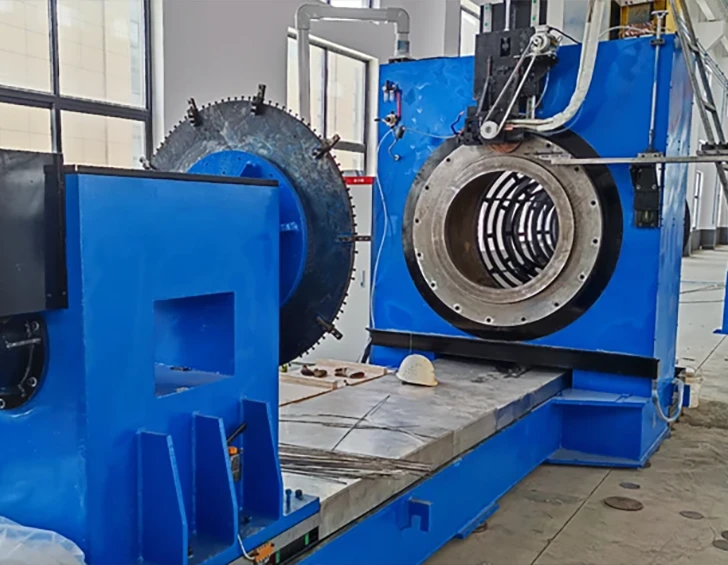
Automation in the manufacturing process, such as laser-guided welding and AI-driven quality control, is ensuring that tolerances are tighter than ever. This ensures that every screen produced meets the exact specifications required for extreme environments, from the depths of the ocean to the highest altitudes of mining sites.

Analysis of Material Performance in Future Filtration Environments

Material Type Corrosion Resistance Structural Strength Typical Application
SS 304 Moderate High Freshwater Wells
SS 316L High High Chemical Processing
Duplex 2205 Very High Very High Desalination Plants
Super Duplex Extreme Extreme Deep Sea Oil & Gas
Titanium Absolute Moderate Highly Acidic Waste
Nickel Alloys Extreme High Geothermal Energy

FAQS

What makes wire wrapped screens better than traditional slotted pipes?

Wire wrapped screens offer a significantly higher open area, which reduces the entrance velocity of the fluid and minimizes the risk of sand infiltration. Unlike slotted pipes, where particles can easily wedge into the slots and cause clogging, the V-shaped profile of wire wrapped screens allows particles to pass through or be stopped at the surface, making them "self-cleaning" and more durable over time.

How do I choose the correct slot size for my application?

Slot size selection depends entirely on a grain-size analysis of the surrounding formation (soil or ore). Generally, the slot is sized to retain the largest particles of the gravel pack or a specific percentage of the natural formation sand. Consulting a geological report is essential; selecting a slot that is too wide leads to sand pumping, while one too narrow severely restricts flow and reduces efficiency.

Can wire wrapped screens be used in corrosive seawater environments?

Yes, but the material choice is critical. Standard 304 stainless steel will fail quickly in seawater. For these environments, we recommend Duplex 2205, Super Duplex, or Titanium. These materials provide the necessary resistance to chloride-induced pitting and stress corrosion cracking, ensuring the screen remains structurally sound for decades even in the most aggressive marine conditions.

What is the typical lifespan of a high-quality V-wire screen?

When properly designed and installed with the correct material, a high-quality wire wrapped screen can last between 20 to 50 years. The lifespan is primarily influenced by the accuracy of the slot sizing and the chemical compatibility of the metal with the environment. Regular monitoring of the well's yield can help identify early signs of fouling, which can be managed with chemical treatments to extend the life further.

Are these screens compatible with vibrating screen machinery?

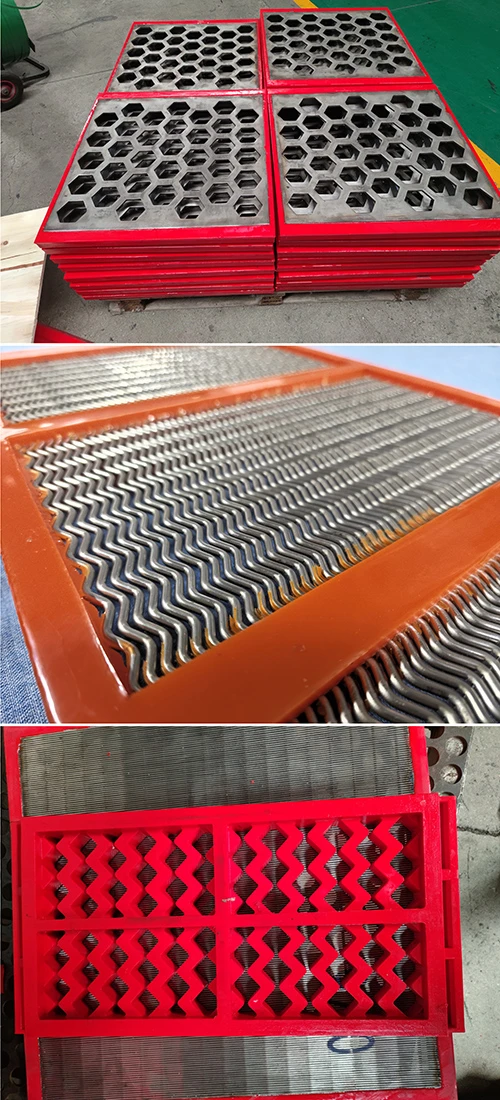
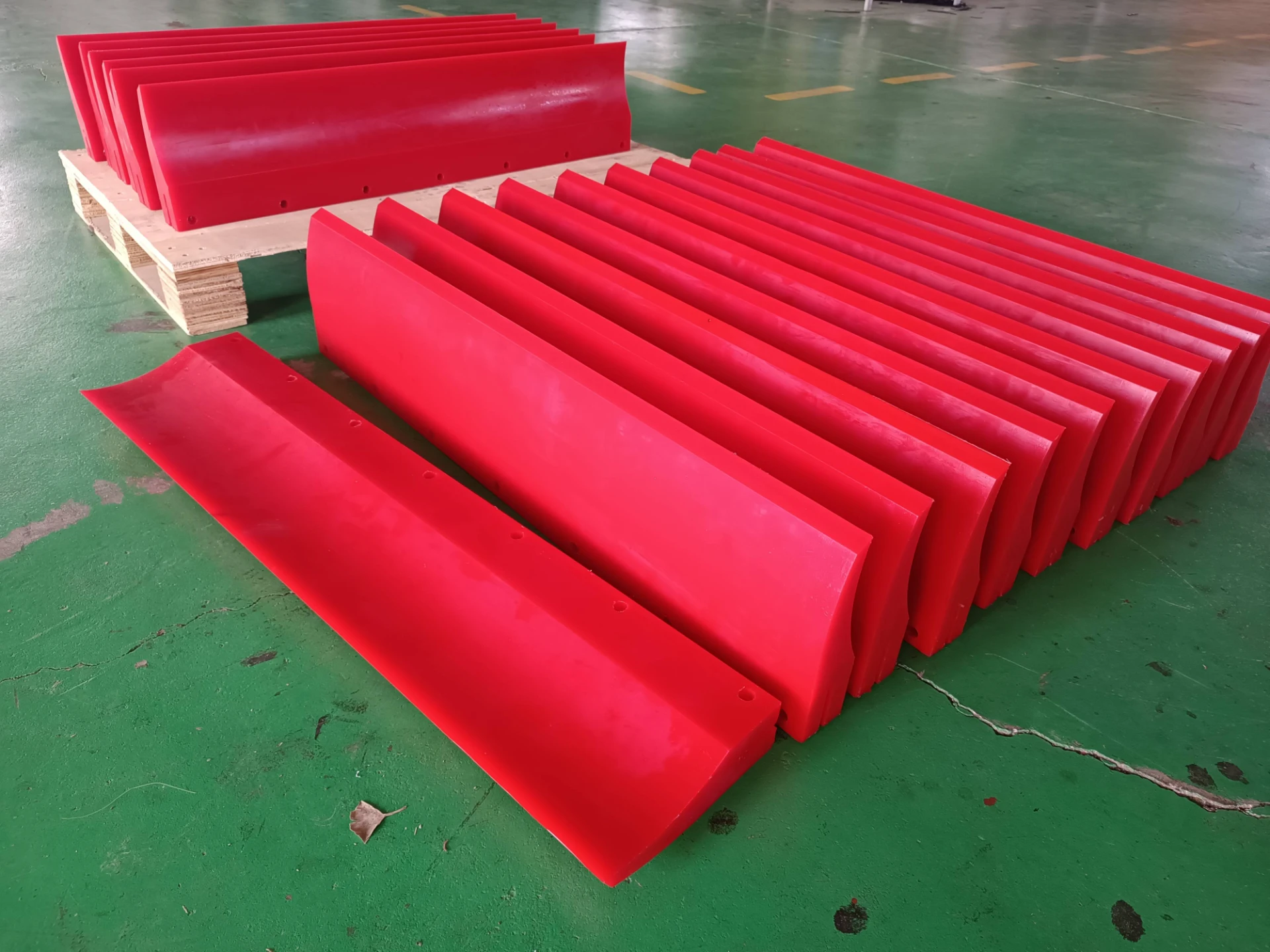
Absolutely. Wire wrapped screens are frequently used in vibrating screen polyurethane accessories and mining sieves. Their high structural rigidity allows them to withstand the constant mechanical oscillation of vibrating machinery without losing their shape or slot precision, making them ideal for high-throughput mineral separation and industrial grading.

How are these screens installed in deep boreholes?

They are typically lowered into the borehole as part of a screen assembly, often surrounded by a gravel pack (filter pack). The gravel pack acts as a primary filter, while the wire wrapped screen provides the final structural barrier. In some cases, "tremie" methods are used to pump gravel into the annulus around the screen to ensure there are no voids, maximizing the efficiency of the filtration system.

Conclusion

In summary, wire wrapped screens represent a critical intersection of metallurgical science and hydraulic engineering. From their unique V-shaped geometry that prevents clogging to the use of advanced alloys that resist extreme corrosion, these components ensure the stability and productivity of water and mineral extraction systems worldwide. By prioritizing high open areas and structural integrity, they provide a sustainable solution to some of the world's most pressing resource challenges.

Looking ahead, the integration of smart sensors and nano-materials will continue to push the boundaries of what these screens can achieve. For operators and engineers, the shift toward high-precision, durable filtration is not merely a technical upgrade but a strategic investment in the longevity of their assets. We encourage industry professionals to evaluate their current filtration systems and consider the long-term benefits of switching to precision-engineered wedge wire solutions. Visit our website: www.mutoscreen.com

William Johnson

William Johnson

William Johnson is the Project Manager at MUTO Wire Screen, overseeing the entire lifecycle of customer projects – from initial consultation and feasibility studies to equipment installation and commissioning. With a background in mechanical engineering and project management, William ensures projects are delivered on time and within budget. He acts
Next Optimizing Water Well Systems with Advanced Well Water Screen Technology