

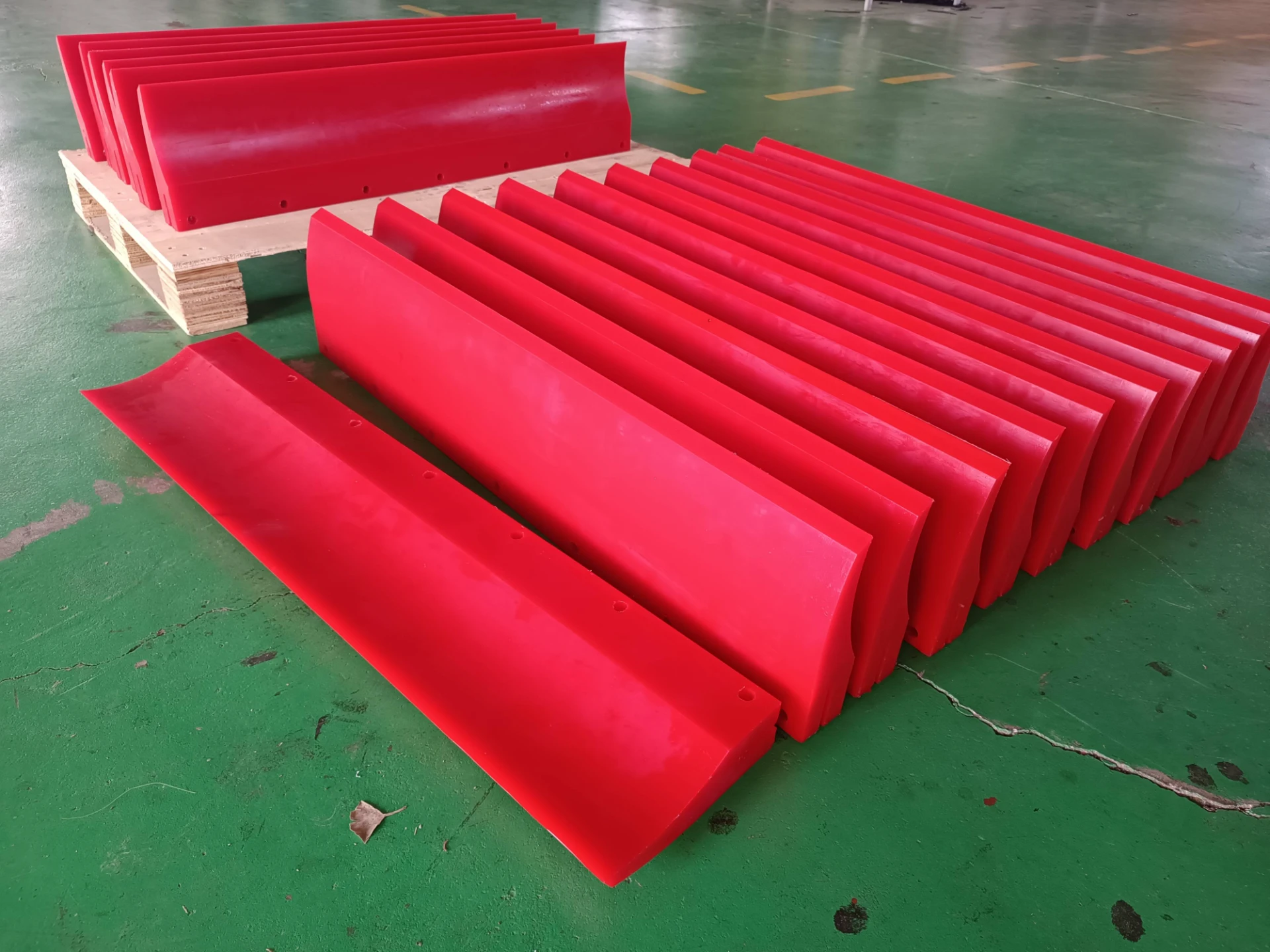

Industrial separation requires precision, especially when dealing with sticky or oversized materials that clog traditional meshes. The Coanda effect—a fluid dynamics phenomenon where a stream follows a curved surface—provides a sophisticated solution for efficient grading and desluming. For engineers and procurement officers, finding reliable coanda screen suppliers is critical to ensuring that the separation process remains continuous and minimizes downtime in harsh operational environments.
In B2B industrial procurement, the focus has shifted from mere equipment acquisition to integrated filtration solutions. The complexity of modern mining and chemical processing means that the choice of screen geometry and material science directly impacts the total cost of ownership. Understanding how these high-performance separators operate allows companies to optimize their throughput and reduce the frequency of manual cleaning, which is often the primary bottleneck in material processing lines.
This guide explores the technical nuances of Coanda-based separation, provides a framework for evaluating vendor capabilities, and examines the role of material science in extending the life of screening components. Readers will learn how to specify technical requirements, avoid common procurement pitfalls, and identify the hallmarks of a specialized manufacturer capable of delivering high-precision industrial coanda screen suppliers services.
Evaluating Industrial Separation Technology
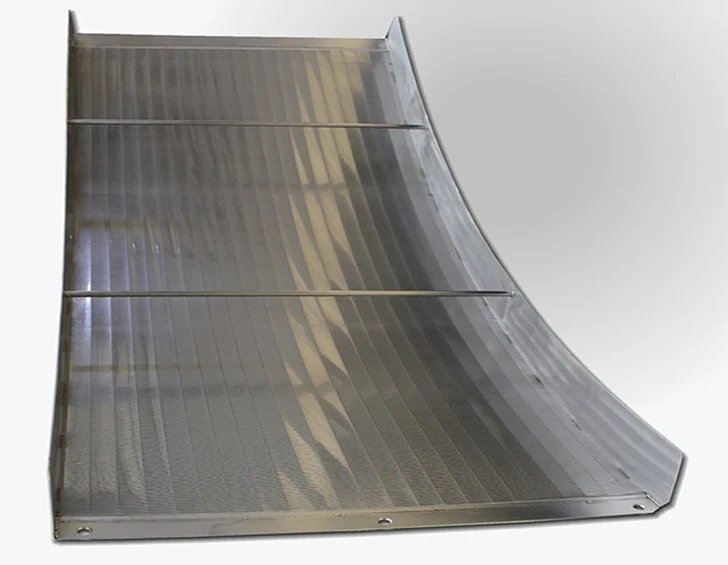
Modern industrial screening is no longer just about hole size; it is about managing the interaction between the material, the fluid medium, and the screen surface. Traditional screens often suffer from "blinding," where particles bridge the openings, effectively stopping the flow. The Coanda effect solves this by utilizing a curved profile that forces the fluid and smaller particles to adhere to the surface and pass through the gaps, while oversized material is carried away by the main flow. This self-cleaning mechanism is essential for materials with high moisture content or clay-like properties.
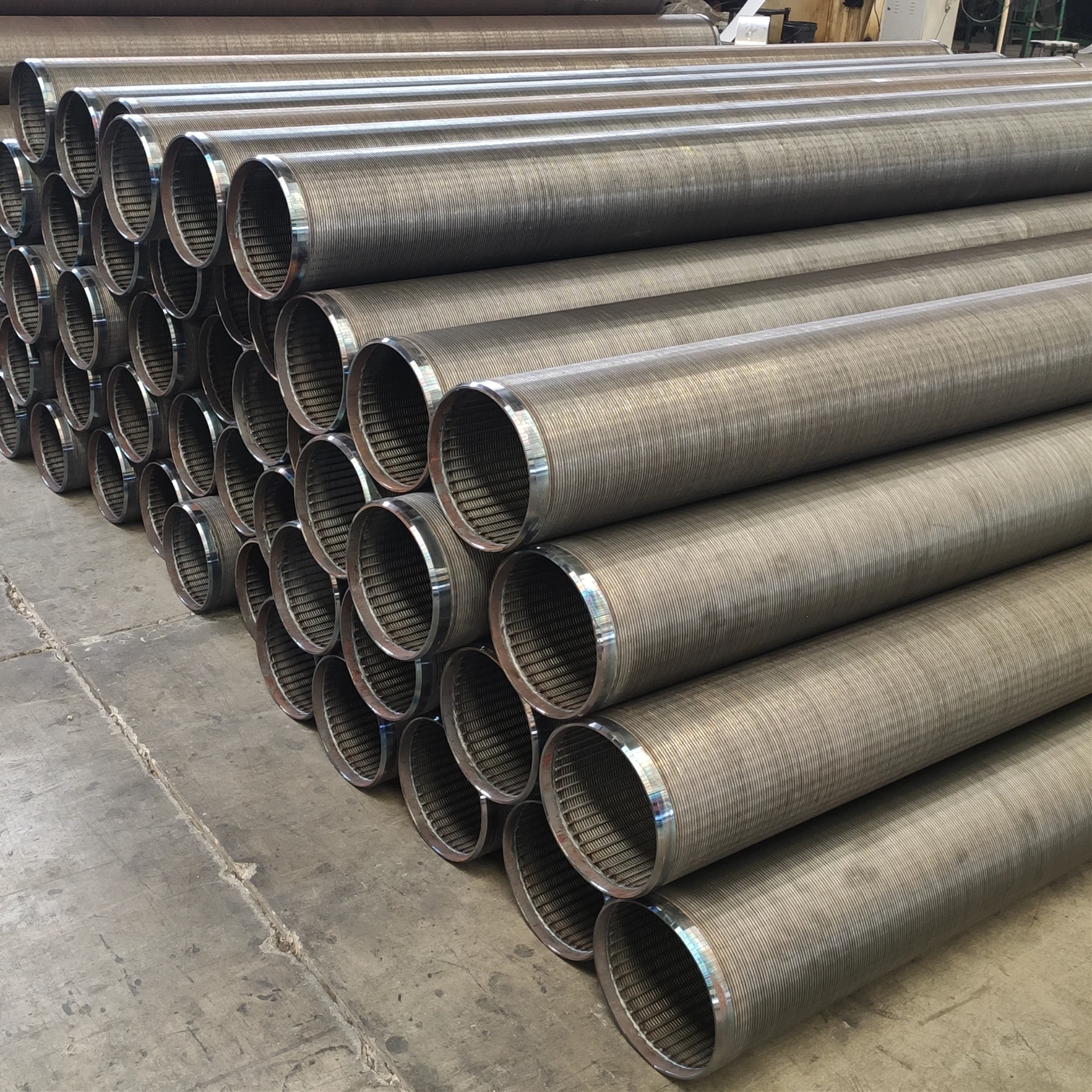
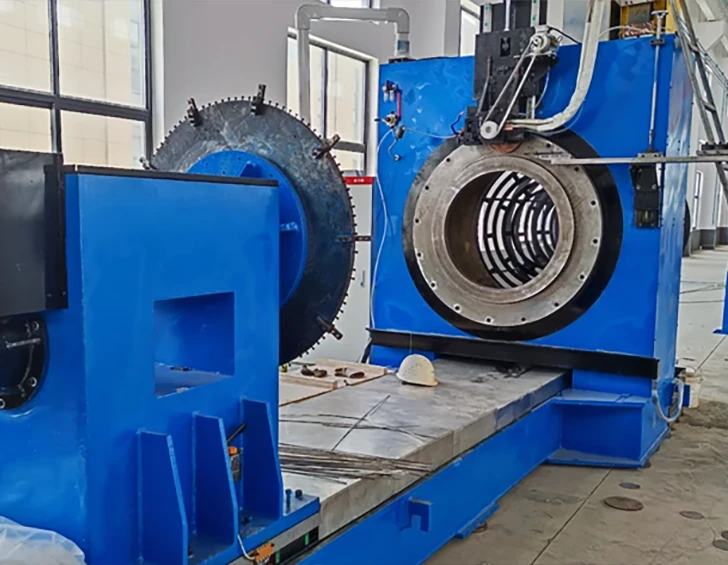
From a manufacturing perspective, producing these screens requires advanced welding and precision bending technologies. The integrity of the gap and the smoothness of the surface curvature are the two most critical factors. Any imperfection in the surface finish can create turbulence, disrupting the Coanda effect and reducing separation efficiency. Consequently, the capability of a manufacturer to implement strict quality control during the assembly process—specifically removing impurities and ensuring precise dimensional tolerances—determines the operational success of the equipment in the field.
Strategic Sourcing for Coanda Filtration
Selecting the right separation partner requires a balance between technical specification and manufacturing reliability. A supplier should not only provide a product but also a comprehensive engineering analysis of the material flow. The following subsections detail the key technical and commercial dimensions that procurement teams must analyze to ensure a high-performance installation.
Operational Principles of Coanda Effect
The primary goal is to create a pressure differential that guides the slurry along the screen's curved surface. As the fluid adheres to the profile, the fine particles are pulled into the slots, while larger solids continue their trajectory. This minimizes the risk of blockage. The efficiency depends heavily on the flow velocity and the specific curvature of the rods or plates used in the construction.
| Design Factor | Technical Impact | Risk of Failure | Evaluation Criterion |
|---|---|---|---|
| Surface Curvature | Determines fluid adhesion | Inefficient separation | Precision bending radius |
| Gap Uniformity | Ensures consistent grading | Incorrect particle size cut | Digital caliper verification |
| Flow Velocity | Affects Coanda strength | Material bridging | Hydraulic calculation |
| Surface Roughness | Reduces fluid turbulence | Reduced throughput | Polished/Coated finish |
| Material Hardness | Resists abrasive wear | Rapid slot widening | Rockwell hardness test |
| Frame Rigidity | Prevents deformation | Structural collapse | Weld integrity analysis |
Material Selection and Durability
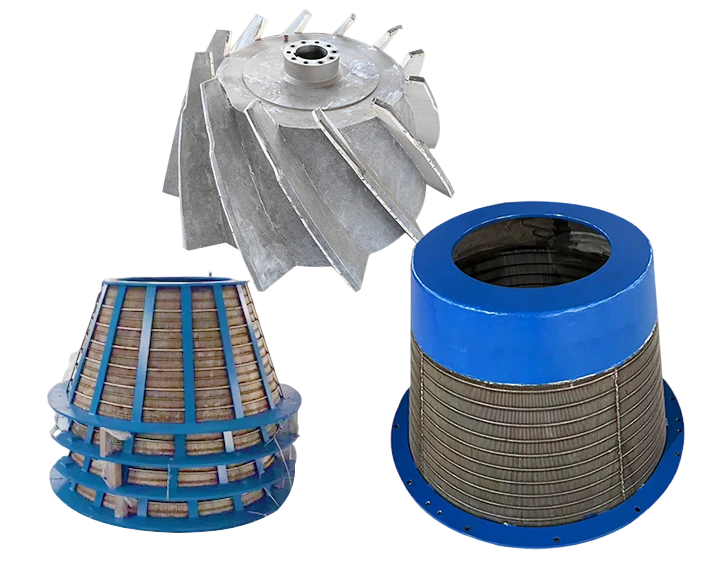
The choice of material is a trade-off between corrosion resistance and wear resistance. Stainless steel is preferred for chemical and food industries due to its oxidation resistance. However, in mining, spring steel or polyurethane-coated components are utilized to handle the extreme abrasion of mineral ores. High-grade synthetic materials are often integrated into the frame to provide elasticity and reduce the impact of heavy loads, extending the service life of the overall assembly.
Customization Parameters
Every industrial stream is unique. Customization should focus on rod diameter (typically 6mm to 10mm) and slot width based on the target particle size. Professional manufacturers utilize project consultancy and feasibility analysis to determine the optimal equipment model. This includes adjusting the angle of the screen plate and the spacing of the rods to match the specific viscosity and density of the material being processed.
Application in Mining and Metallurgy
In mining, the primary challenge is desluming—removing the fine clay particles that interfere with downstream processing. Coanda separators are ideal here because they handle wet, sticky materials that would blind a standard vibrating screen. By implementing these solutions, metallurgy plants can achieve higher purity in their concentrates and reduce the water consumption required for rinsing materials.
Installation and Integration Tips
Proper installation is as important as the design itself. The alignment of the screen within the housing must be precise to prevent leakage and ensure a uniform flow distribution across the entire width of the plate. Technical support, including on-site commissioning and training, is essential to ensure the operators can adjust flow rates and pressures to maintain the Coanda effect during different production phases.
Maintenance and Lifecycle Management
To maximize the lifespan of the equipment, a regular inspection schedule for wear patterns is necessary. Because the Coanda effect relies on a smooth surface, any significant pitting or corrosion can degrade performance. The availability of spare parts and the ability of the supplier to provide rapid replacements for high-wear components are key factors in maintaining operational continuity.
Supplier Quality Assessment
When evaluating manufacturers, look for those who hold technical patents and have a dedicated R&D team. A qualified supplier should provide a full range of services: from process design and model selection to installation and after-sales warranty. Evidence of expertise in wedge wire technology and precision welding is a strong indicator of the supplier's ability to maintain the tight tolerances required for the Coanda effect.
FAQ
What is the primary advantage of a Coanda screen over a traditional mesh screen?
The primary advantage is the self-cleaning capability. Traditional screens often suffer from blinding when processing sticky or moist materials. In contrast, the Coanda effect uses a curved surface to guide fluid and fines through the gaps while oversized particles are swept away, significantly reducing downtime and the need for manual cleaning.
Which materials are best for high-abrasion mining environments?
For high-abrasion environments, spring steel or polyurethane-reinforced materials are recommended. These materials offer the necessary hardness to resist the scouring effect of mineral ores. In cases where corrosion is also a factor, high-grade stainless steel may be used, though it may have different wear characteristics compared to specialized spring steels.
How do I determine the correct slot size for my application?
Slot size determination requires a detailed analysis of the particle size distribution of your raw material. You should identify the "cut point" where you want the separation to occur. A professional manufacturer will typically perform a feasibility analysis and provide a model selection based on your throughput requirements and the target diameter of the fines.
Can these screens be customized for specific chemical filtration?
Yes, customization is standard for B2B industrial screens. This includes selecting corrosion-resistant alloys for the rods and frames, adjusting the curvature to suit the fluid viscosity of the chemical agent, and designing the frame to fit existing plant piping. Consultation on material compatibility is essential during the design phase.
What are the red flags when choosing a screen manufacturer?
Be cautious of suppliers who cannot provide detailed technical drawings, lack of patents in screen technology, or those who offer a "one size fits all" product without asking about your specific material properties. A lack of after-sales technical support or a vague warranty policy also indicates a risk to your long-term operational stability.
How often should the screen plates be replaced?
Replacement intervals vary based on the abrasiveness of the material and the flow velocity. Generally, screens should be inspected monthly for slot widening and surface pitting. Once the gaps exceed the design tolerance, separation efficiency drops, and the plate should be replaced to avoid contaminating the product stream.
References and further reading
- Fluid Dynamics and the Coanda Effect in Industrial Separators - Engineering Journal of Filtration.
- Industrial Sieve Standards and Dimensional Tolerances for Wedge Wire Systems.
- Mining Process Optimization: The Role of Advanced Desluming Screens.
Related Articles