


Industrial filtration relies heavily on the precision of separation media to ensure process efficiency and product purity. A wedge wire screen manufacturer provides specialized V-shaped profiles that create a precise gap, allowing fluids to pass while effectively blocking solids. This technology is critical in sectors ranging from mining and oil gas to chemical processing, where clogging resistance and structural integrity are paramount.
The primary challenge for engineers is balancing the flow rate with the required separation accuracy. Traditional mesh filters often suffer from blinding or structural failure under high pressure, whereas wedge wire designs offer an open area that resists clogging through their unique geometry. Understanding the relationship between slot size, material grade, and the operating environment is essential for optimizing any industrial separation system.
This guide examines the technical nuances of choosing high-performance filtration components. Readers will explore how material selection impacts longevity, the importance of slot precision, and how to evaluate the capabilities of a production partner to ensure that the final equipment meets rigorous industrial standards for durability and throughput.
Fundamentals of Precision V-Wire Filtration
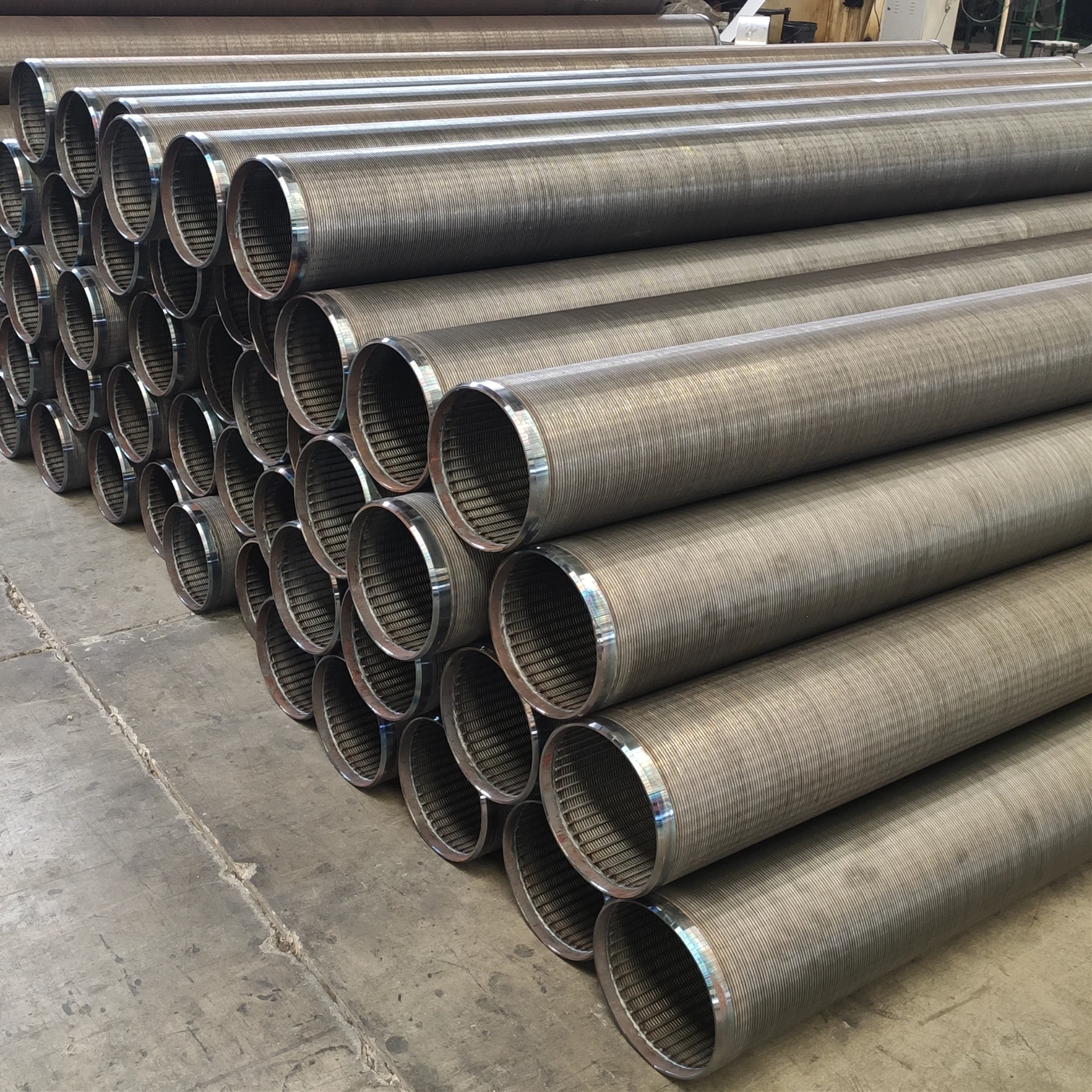
Wedge wire technology, often referred to as V-wire, utilizes a profile where the wire is shaped like a triangle. This creates a tapered opening that prevents particles from becoming wedged deep within the media, a phenomenon known as "blinding." Because the gap is widest on the interior and narrowest on the exterior, the filter acts as a surface screen rather than a depth filter. This design is fundamentally different from woven wedge wire screen manufacturer products, as it provides significantly higher mechanical strength and a larger open area for fluid flow.
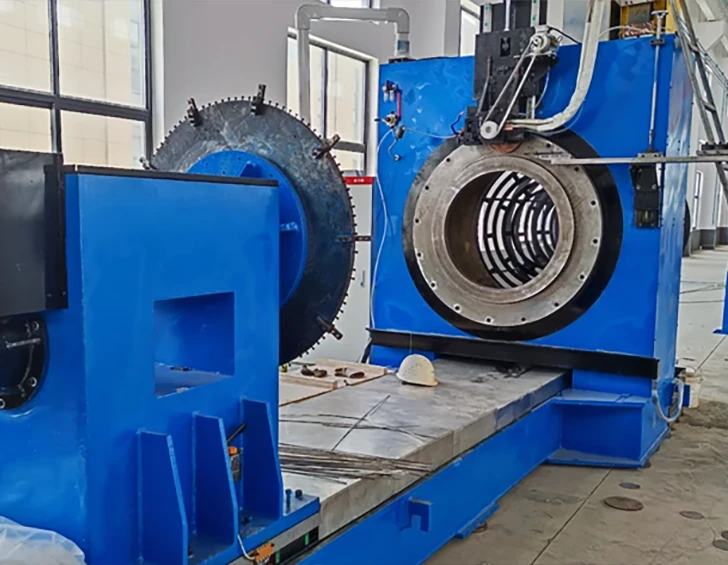
The manufacturing process involves precision drawing of the metal profile, followed by cutting and welding to supporting profiles. In a professional production environment, such as those operated by MUTO, this requires strict control over the welding process to ensure the slots remain uniform across the entire surface. Any deviation in slot width can lead to "leakage" of oversized particles, compromising the entire filtration stage. Furthermore, the assembly must be free of impurities like cotton wool or screws to ensure the screening effect is not hindered during initial commissioning.
Selecting the Right Wedge Wire Solution
Selecting a filtration system requires a multidisciplinary approach, combining fluid dynamics, metallurgy, and mechanical engineering. To avoid premature failure or inefficient separation, buyers must analyze the interplay between the material's chemical resistance and the physical load the screen will encounter during operation.
Material Compatibility and Selection
The choice of material is the first line of defense against corrosion and wear. While stainless steel is the industry standard for its versatility, specific environments demand synthetic materials or plastics to handle highly aggressive chemicals. The grade of steel must be matched to the pH levels and temperature of the medium being filtered to prevent pitting or stress-corrosion cracking.
| Material Type | Primary Strength | Typical Application | Main Limitation |
|---|---|---|---|
| Stainless Steel 304 | General Corrosion Resistance | Water Treatment | Limited Acid Resistance |
| Stainless Steel 316L | High Chloride Resistance | Chemical Processing | Higher Material Cost |
| Duplex Steel | Extreme Strength/Corrosion | Desalination Plants | Difficult to Weld |
| Specialty Plastics | Total Chemical Inertness | Acidic Slurry Filtration | Lower Pressure Rating |
| Synthetic Polymers | Low Friction/Lightweight | Food & Beverage | Temperature Sensitivity |
| Hastelloy/Titanium | Extreme Chemical Attack | Pharmaceuticals | Very High Procurement Cost |
Slot Precision and Micron Ratings
The "slot" is the critical dimension in V-wire technology. Unlike woven mesh, where the opening is an approximation, wedge wire provides an absolute cutoff. Engineers must specify the slot size based on the d90 particle size distribution of the solids. Precise control during the drawing and welding phases ensures that the separation is consistent, preventing the bypass of contaminants that could damage downstream equipment.
Operational Pressure Considerations
Mechanical stability is a key advantage of this technology. The supporting profiles provide the necessary rigidity to withstand high differential pressures. When designing the system, one must calculate the load on the wires to avoid deformation. A well-engineered screen will maintain its structural integrity even under the heavy surge loads common in mining and quarrying operations.
Custom Geometry and Bending
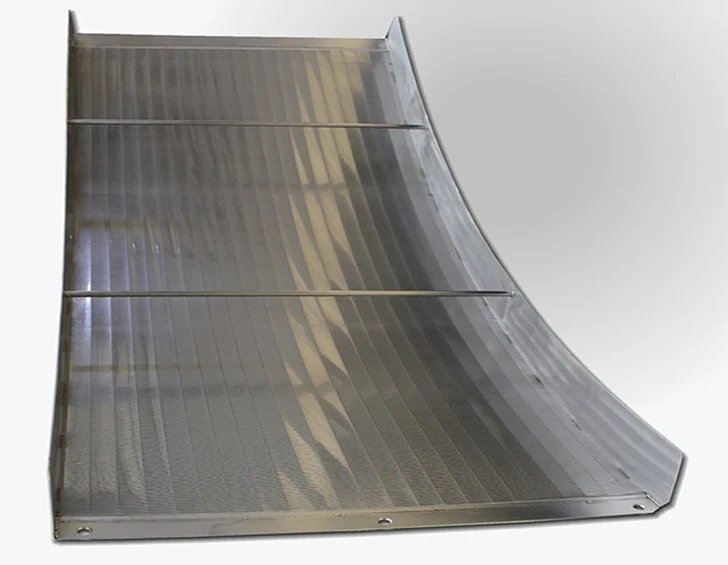
Not all filtration happens in straight pipes. Many industrial processes require bend sieve screens or complex curved geometries to fit into existing vessel designs. Professional fabrication involves precise bending and welding techniques to ensure that the slot geometry is not distorted during the shaping process, maintaining the intended filtration efficiency across the entire curved surface.
Surface Treatment and Corrosion Control
Depending on the medium, surface treatments may be necessary to reduce adhesion. For instance, in wet particle applications, reducing the friction coefficient is vital to prevent "cake" build-up. Electropolishing or specific coatings can enhance the self-cleaning properties of the screen, thereby extending the time between cleaning cycles and reducing operational downtime.
Integration with Vibrating Equipment
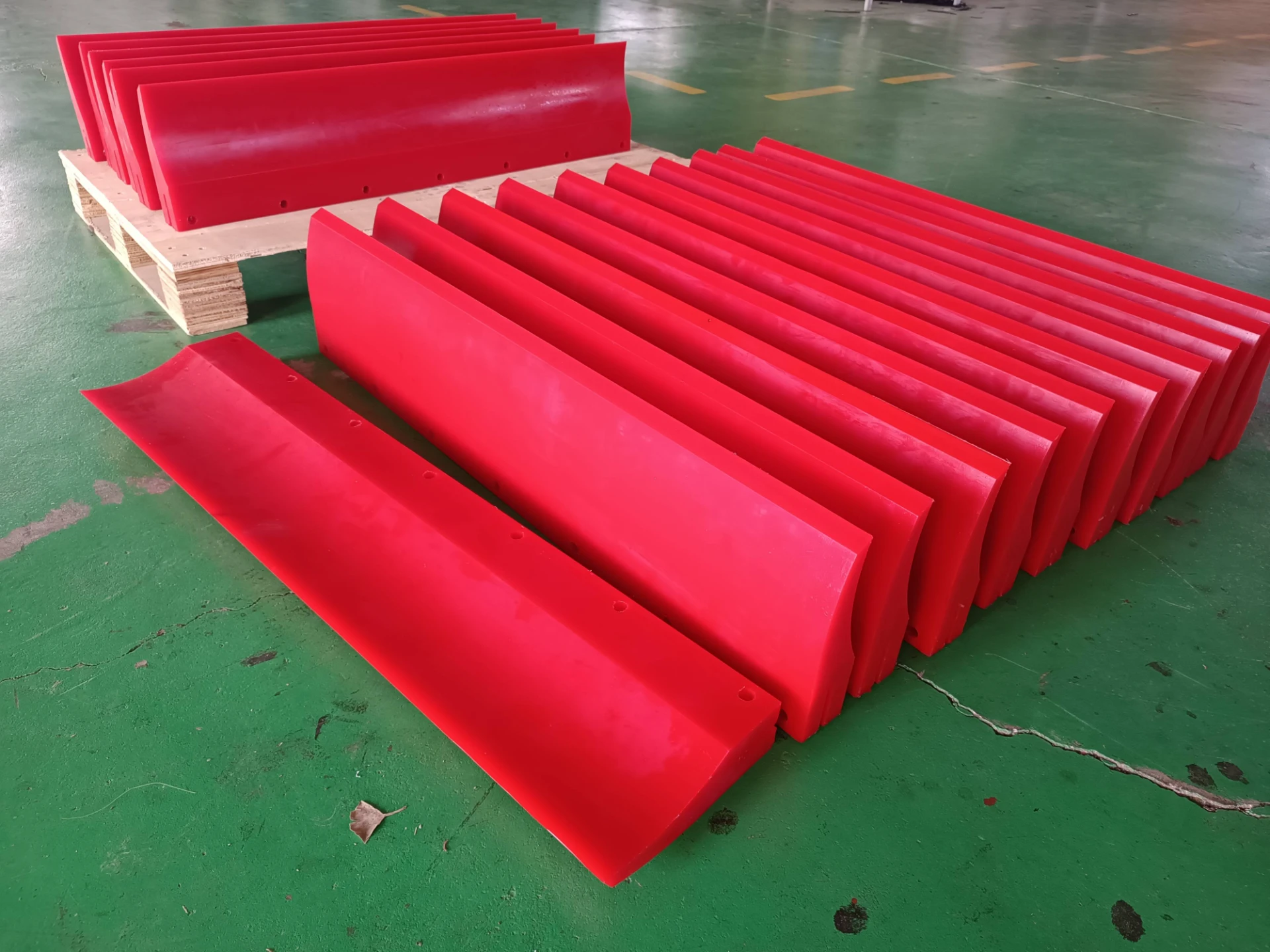
Many screens are integrated into vibrating systems to further prevent clogging. In these scenarios, the screen frame must be exceptionally stable. The use of components like polyurethane track bars is highly recommended; these provide high wear resistance and absorb secondary vibrations, creating a self-cleaning effect that prevents the adhesion of wet particles and extends the overall lifecycle of the frame.
Evaluating Supplier Technical Support
Procuring a high-end filtration system is not just about buying a product, but about acquiring a solution. A qualified supplier should offer comprehensive services: from project consultancy and feasibility analysis to process design and installation. The ability to provide technical guidance and on-site diagnostic services is a strong indicator of a manufacturer's expertise and commitment to long-term performance.
FAQ
What is the primary difference between wedge wire and woven mesh?
The main difference lies in the geometry and structural strength. Woven mesh consists of intersecting wires that create a depth-like filter, which is prone to blinding. Wedge wire uses a V-shaped profile that creates a surface filter, offering significantly higher open areas, greater mechanical strength, and a reduced tendency for particles to get stuck, making it more suitable for heavy-duty industrial applications.
How do I determine the correct slot size for my application?
Slot size selection should be based on a detailed particle size analysis (PSA) of the material being filtered. Typically, the slot size is chosen to be slightly smaller than the target particle size you wish to retain. It is critical to consider the shape of the particles; elongated particles may pass through slots smaller than their length if they align vertically, so consulting with a technical expert on the specific material is recommended.
Can these screens be cleaned without removing them from the system?
Yes, one of the biggest advantages of the V-wire design is its suitability for backwashing. By reversing the flow of the fluid, particles trapped on the surface are pushed out. Additionally, integrating the screen with vibrating equipment or using polyurethane supports can create a self-cleaning effect that minimizes the need for manual intervention and reduces total downtime.
What materials are recommended for highly acidic environments?
For environments with high acidity, stainless steel 316L is a common starting point, but for extreme conditions, duplex stainless steels or specialty alloys like Hastelloy and Titanium are preferred. In some non-pressure applications, high-performance plastics or synthetic materials are used because they are completely inert to chemical attacks that would otherwise corrode metal.
What should I look for when evaluating a filtration equipment provider?
Look for providers who act as solution partners rather than just hardware sellers. A reliable partner should offer project consultancy, feasibility analysis, and precise equipment model selection. Check for patents in screen technology, their ability to handle custom geometries (like bend screens), and the comprehensiveness of their after-sales support, including warranty terms and on-site technical assistance.
How does vibration affect the lifespan of the screen frame?
Constant vibration can lead to metal fatigue or excessive displacement of the frame. To mitigate this, using polyurethane rail seats or track bars is essential. These components absorb the energy of the vibration, reduce friction between the frame and the seat, and prevent deformation, thereby significantly extending the operational life of the screening equipment.
References and further reading
- Industrial Filtration Standards for V-Wire Media - Technical Manual.
- Principles of Mechanical Separation in Mining and Mineral Processing.
- Corrosion Resistance Tables for Stainless Steels in Chemical Engineering.
Related Articles