
The efficiency of mineral processing depends heavily on the precision of separation technology, and the selection of high-performance Coanda screen manufacturers has become a critical decision for mining operators aiming to optimize throughput. As ore grades decline and materials become more complex, the industry is shifting toward specialized screening media that can handle high-viscosity slurries without compromising accuracy.
The core challenge lies in balancing the open area of the screen with its structural durability. Traditional screening often suffers from premature blinding and excessive wear, leading to frequent downtime and increased maintenance costs in harsh coal washing and mining environments.
This analysis explores the technical evolution of screening components, specifically focusing on how modern materials like polyurethane are redefining the operational boundaries of separation. To understand the role of advanced components in these systems, professionals often examine the utility of coanda screen manufacturers and their integration of specialized blind plates.

Fluid Dynamics in Coanda Screening

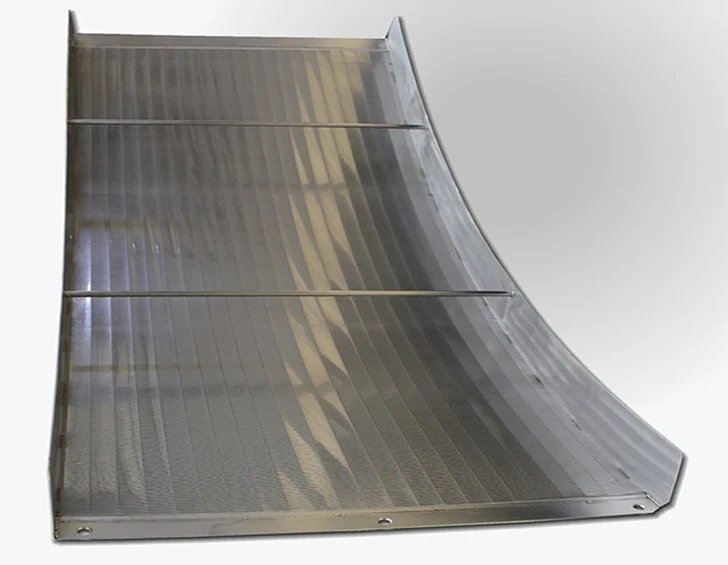
The Coanda effect is a fluid dynamics phenomenon where a jet of fluid tends to stay attached to a convex surface. In industrial screening, this principle is utilized to move material across the screen surface rapidly, which significantly reduces the probability of particles lodging in the openings.
By manipulating the flow path, manufacturers ensure that fines are pulled through the slots while larger particles are carried away by the surface current. This mechanism is essential for processing "sticky" materials that would typically blind a standard flat screen.
Engineering Specifications for High-Duty Screens
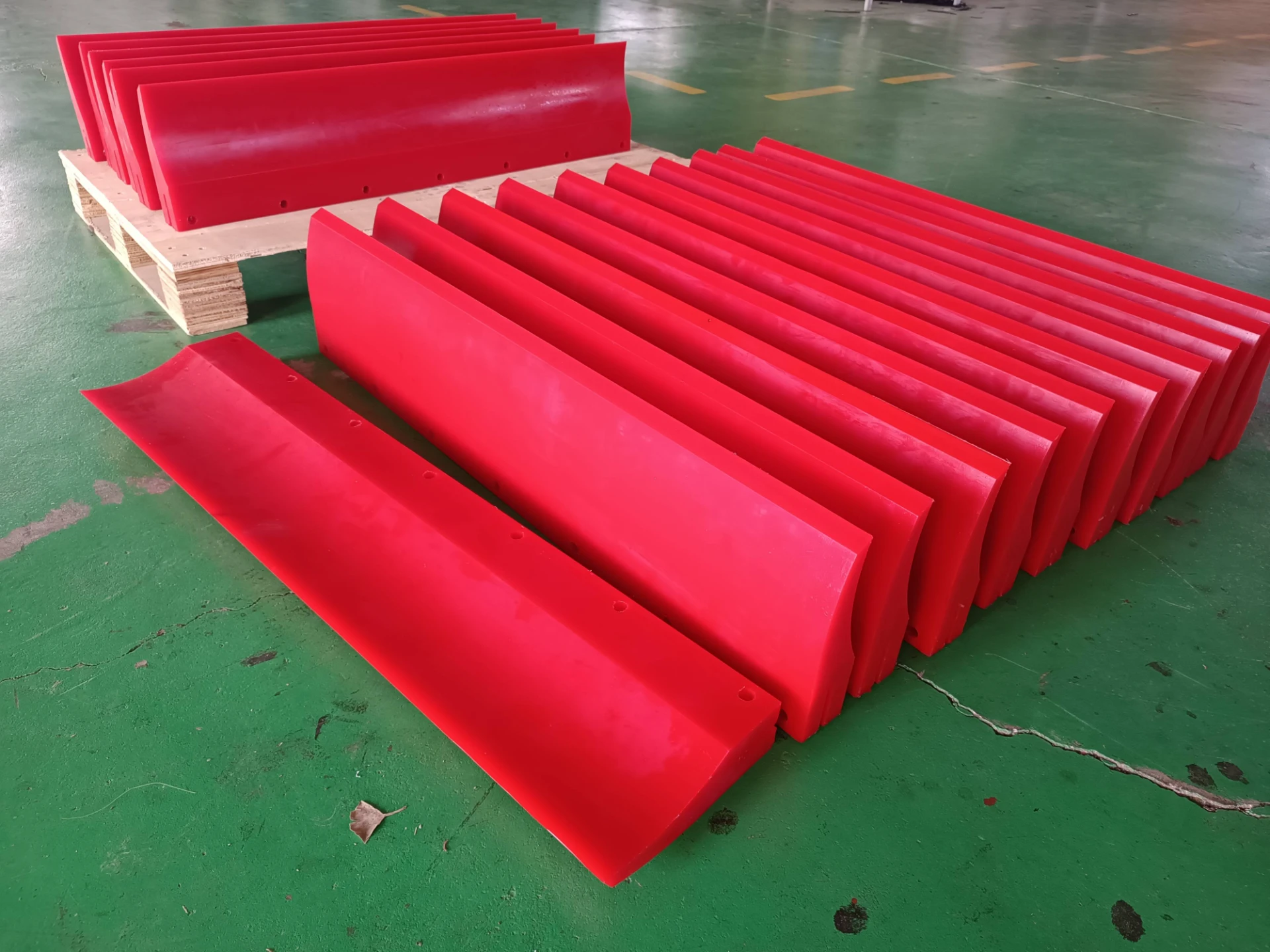
Critical parameters for screening equipment include the opening rate, material hardness, and vibration absorption capacity. For instance, the transition from traditional sieve plates to polyurethane-based blind plates has increased opening rates by more than 30%, which directly correlates to a higher volume of processed material per unit area.
The placement of these components is equally vital. Feed blind plates are strategically installed at the entry point to manage the initial impact of the slurry, while discharge blind plates ensure a controlled exit of the oversize material, preventing turbulence that could disrupt the separation efficiency.
From a material science perspective, the use of high-grade synthetic polymers provides a dual advantage: superior corrosion resistance against acidic mining runoff and an inherent ability to dampen noise and mechanical vibration, extending the overall lifecycle of the screening machine.
Polyurethane vs. Metallic Media: A Technical Trade-off
When evaluating media from various coanda screen manufacturers, engineers must weigh the rigidity of stainless steel against the elasticity of polyurethane. While metal provides unmatched structural strength for extremely heavy loads, it is prone to abrasive wear and blinding in fine-particle applications.
However, polyurethane has specific thermal and chemical boundaries. Its selection depends on the operating temperature of the slurry and the chemical composition of the ore, requiring a precise match between the polymer grade and the application environment to avoid material degradation.
Operational Efficiency Assessment
Measuring the success of a screening installation requires a multi-dimensional approach. Rather than focusing solely on throughput, engineers assess the stability of screening efficiency over time and the ratio of downtime to active operation.
The following normalized assessment compares standard metallic configurations against advanced polyurethane integrations across five key engineering metrics.
Normalized Engineering Performance Score
Deployment in Coal Washing and Mining
In a typical coal washing plant, the polyurethane blind plate is integrated into the vibrating screen assembly to handle the desliming process. By utilizing feed blind plates, the system manages the high-velocity impact of the incoming raw coal and water mixture, protecting the finer mesh areas from premature failure.
Representative engineering scenarios show that in dehydration and product classification, the increased processing capacity of polyurethane allows plants to reduce the number of screening stages required, effectively lowering the overall energy footprint of the filtration circuit.
Future Trends in Filtration Media
The trajectory of industrial screening is moving toward "smart media," where embedded sensors could potentially monitor wear levels in real-time. While currently in the R&D phase, the integration of IoT with physical screen components will likely allow for predictive maintenance, reducing unplanned shutdowns.
Another emerging trend is the development of hybrid composites that combine the extreme hardness of ceramics with the elasticity of polyurethane. This would address the current limitation of impact strength in purely synthetic plates, allowing them to be used in higher-drop environments.
Furthermore, the industry is seeing a push toward modular screen designs. Instead of replacing entire screen panels, future systems will likely utilize quick-swap cartridges, significantly reducing the time required for media replacement.
Configuration Selection Matrix
Selecting the correct screen configuration requires a balance between material properties and the specific demands of the slurry. Buyers must evaluate the trade-off between initial cost and long-term operational availability.
The following matrix provides a framework for selecting the appropriate configuration based on common industrial profiles.
These profiles represent typical engineering needs and should be validated against the manufacturer's technical documentation.
| Configuration Type | Primary Material | Operating Factor | Recommended Use Case |
|---|---|---|---|
| Basic Profile | Standard Steel | Low Abrasion | General Grading |
| Standard Poly | Polyurethane | Medium Abrasion | Coal Washing |
| High-Duty Profile | Reinforced PU | High Impact | Hard Rock Mining |
| Precision Profile | Stainless Steel | Tight Tolerance | Fine Chemical Sifting |
| Automated Profile | Hybrid Composite | High Throughput | Continuous Flow Plants |
| Baseline Industrial | Mixed Media | Variable Load | Multi-Stage Separation |
Technical FAQ
The feed blind plate is installed at the input end of the screen to absorb the initial kinetic energy of the material and protect the screening surface from direct impact damage. In contrast, the discharge blind plate is positioned at the exit end to ensure that the oversize material is effectively transitioned out of the system without causing backflow or turbulence that could reduce the screening efficiency of the final stages.
The opening rate refers to the percentage of the total screen area that consists of open slots. A higher opening rate allows more material to pass through per unit of time. By utilizing polyurethane blind plates, manufacturers can increase this rate by over 30%, which directly enables a production capacity increase of more than 40% by reducing the resistance to flow and minimizing the risk of surface blinding.
While polyurethane offers excellent wear and corrosion resistance, it is not universal. Its suitability depends on the chemical nature of the slurry and the operating temperature. For extremely high-temperature applications or environments with specific solvent exposures, a technical analysis of the polymer grade is required. In cases of extreme mechanical impact, reinforced composites or specialized alloys may be more appropriate.
Blinding occurs when particles of a size similar to the screen opening become wedged in the slot, blocking the flow of material. This is common in rigid metallic screens where there is no flexibility to "push" the particle through. Modern designs from coanda screen manufacturers utilize the Coanda effect and flexible polyurethane materials to keep the surface moving and the slots clear.
Service life is determined by a combination of abrasive characteristics of the ore (hardness and angularity), the volume of material processed, and the intensity of the vibration. Regular inspections for thinning of the plate edges are recommended. The use of high-grade polyurethane typically extends the replacement interval compared to standard carbon steel, though it varies by application.
Buyers should evaluate the manufacturer's ability to provide custom engineering solutions rather than just off-the-shelf products. Key factors include the quality of the material selection (e.g., polymer purity), the precision of the welding and assembly process, and the availability of technical support for commissioning and onsite installation to ensure the screen is tuned to the specific flow characteristics of the plant.
Engineering Implications
The transition toward advanced polymer media represents a significant shift in how mineral processing plants approach efficiency and maintenance. By integrating the fluid dynamics of the Coanda effect with the material advantages of polyurethane, operators can achieve a measurable increase in throughput and a reduction in operational downtime.
Ultimately, the selection of screening components is not a matter of finding the cheapest part, but of identifying the configuration that optimizes the balance between wear resistance and open area. For those seeking to implement these improvements, evaluating the technical capabilities of specialized coanda screen manufacturers is the first step toward a more sustainable and productive filtration circuit.