Understanding Sand Screens: A Comprehensive Guide
In numerous industries – from water well drilling and environmental remediation to aggregate processing – effective solids control is paramount. Sand screens are a crucial component in achieving this, protecting sensitive downstream equipment and optimizing operational efficiency. This article delves into the world of sand screens, exploring their function, types, applications, and how to choose the right screen for your specific needs. A well-chosen sand screen can significantly reduce maintenance costs and improve overall performance.
What are Sand Screens and Why are They Important?
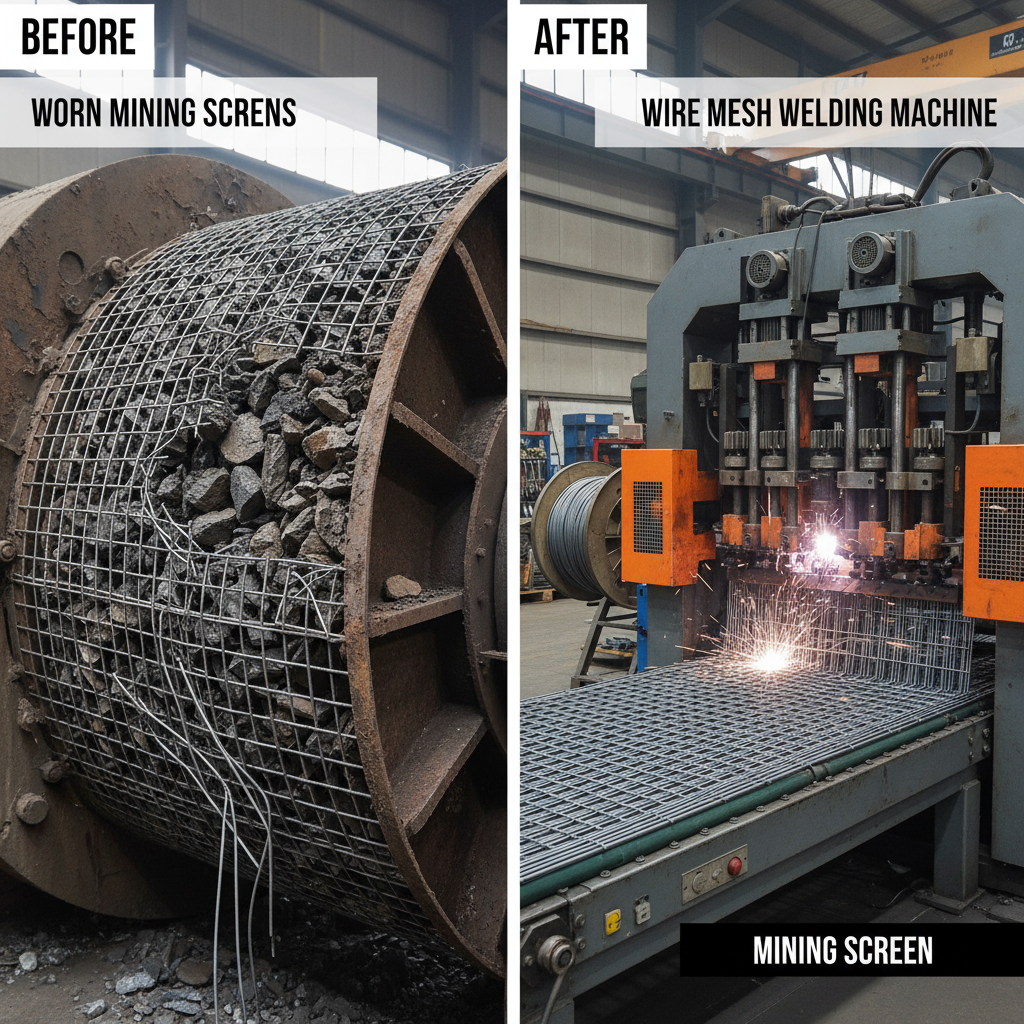
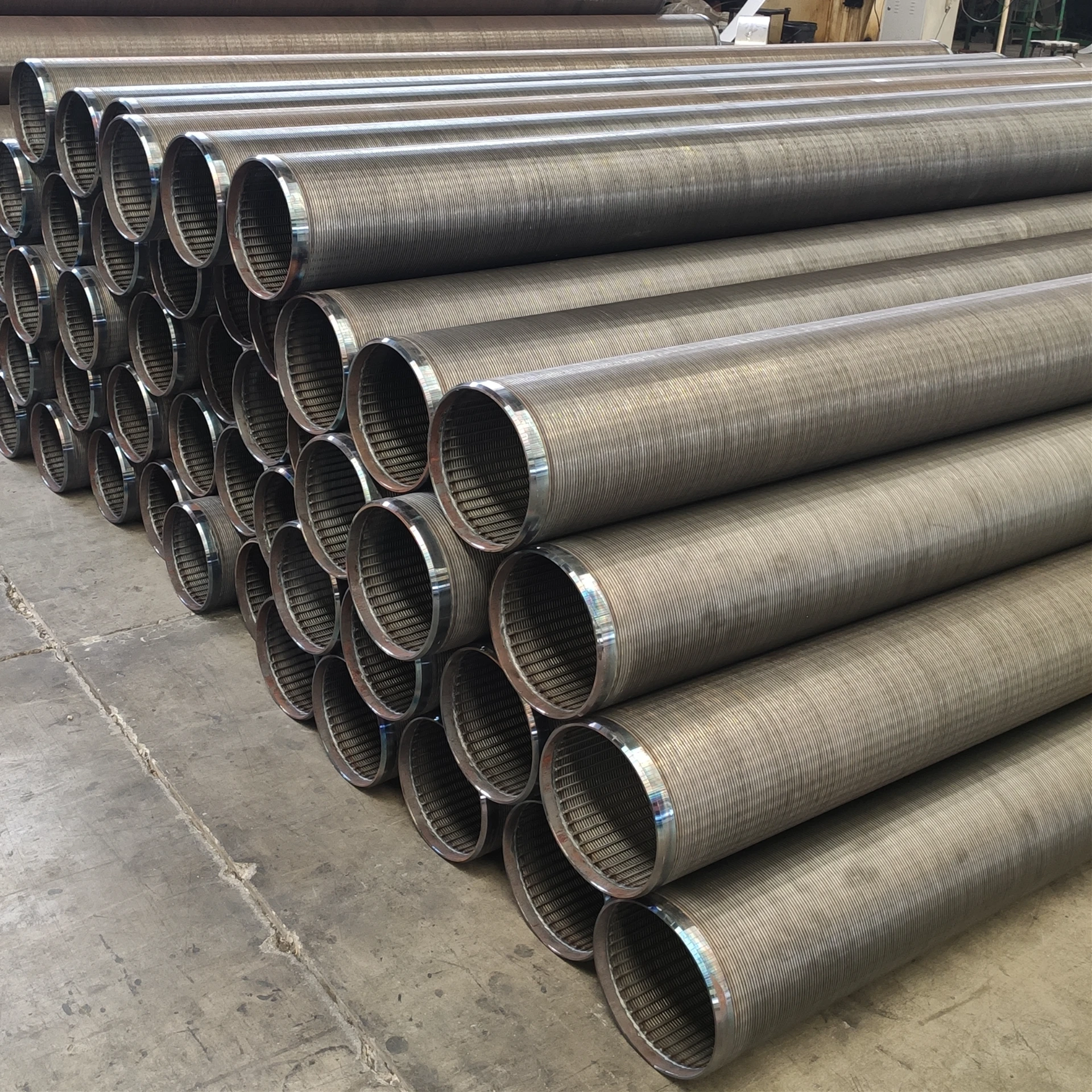
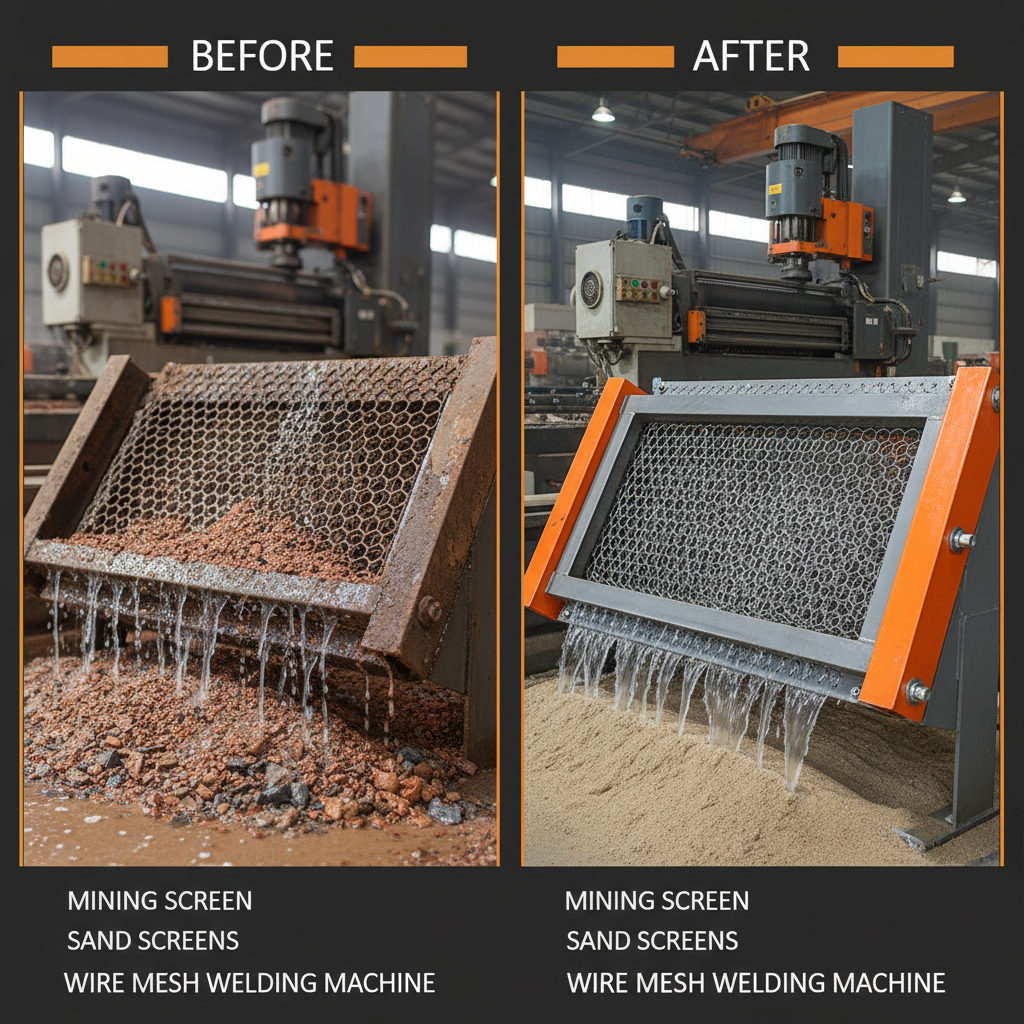
Sand screens, also known as well screens or filter screens, are specialized filtration devices designed to separate sand and other large solids from fluids like water, oil, or drilling mud. They are typically cylindrical, constructed from a woven wire mesh or perforated metal, and installed in a wellbore or pipeline. The primary function of a sand screen is to prevent these solids from entering and damaging pumps, valves, and other sensitive equipment. Without effective sand control, costly downtime and repairs are inevitable. Moreover, sand production can lead to environmental concerns and reduced production rates.
Key Benefits: Preventing equipment damage, reducing maintenance costs, optimizing production rates, minimizing environmental impact, and ensuring operational efficiency.
Types of Sand Screens: Choosing the Right Fit
Several types of sand screens are available, each with its own strengths and weaknesses. The most common include:
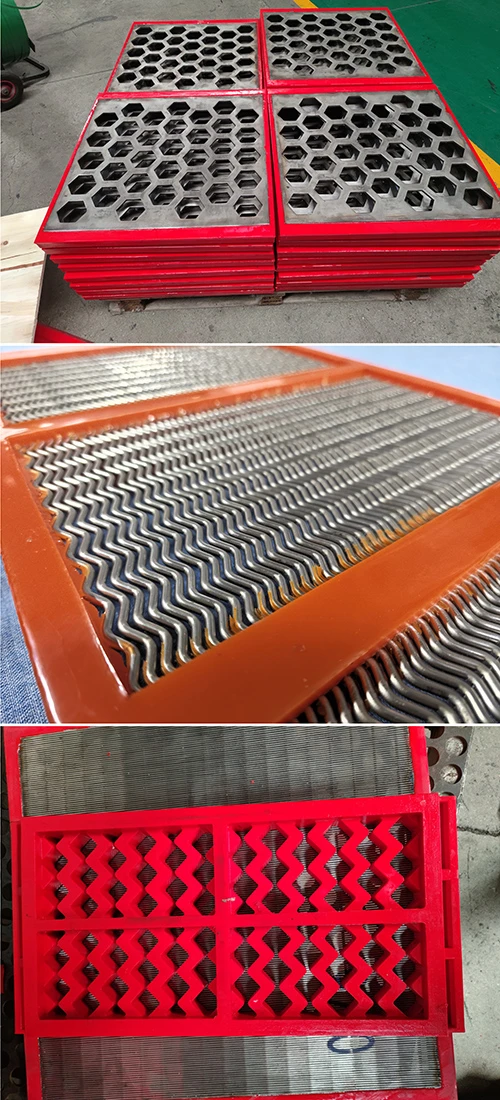
- Woven Wire Mesh Screens: Constructed from interwoven wires, offering fine filtration and good flow rates.
- Perforated Screens: Featuring precisely sized holes, ideal for larger solids removal and high-flow applications.
- Shale Shakers/Vibrating Screens: These are primarily used for initial solids separation, often before fluid reaches the sand screens.
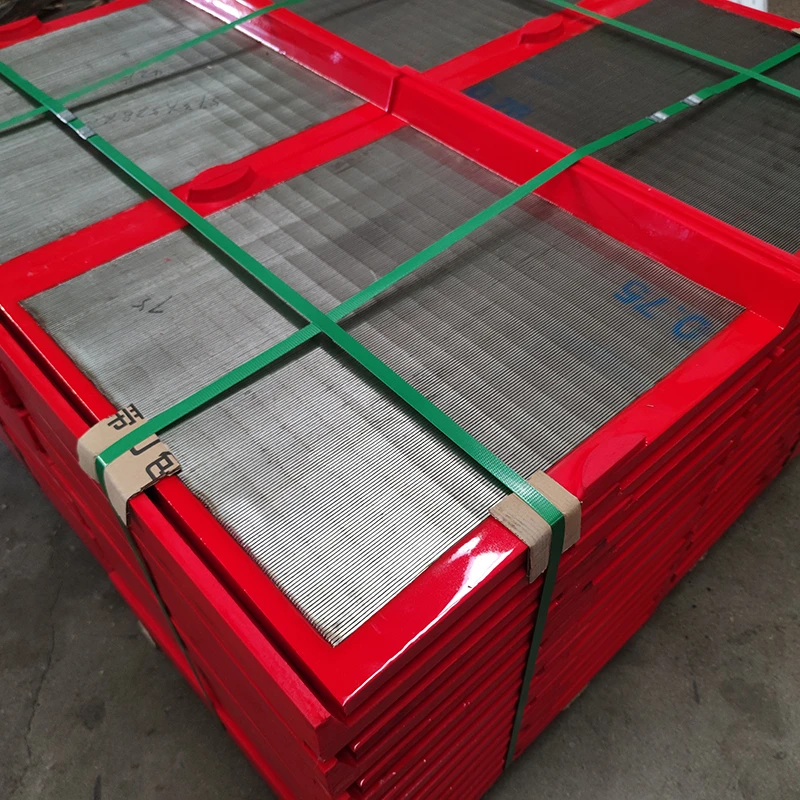
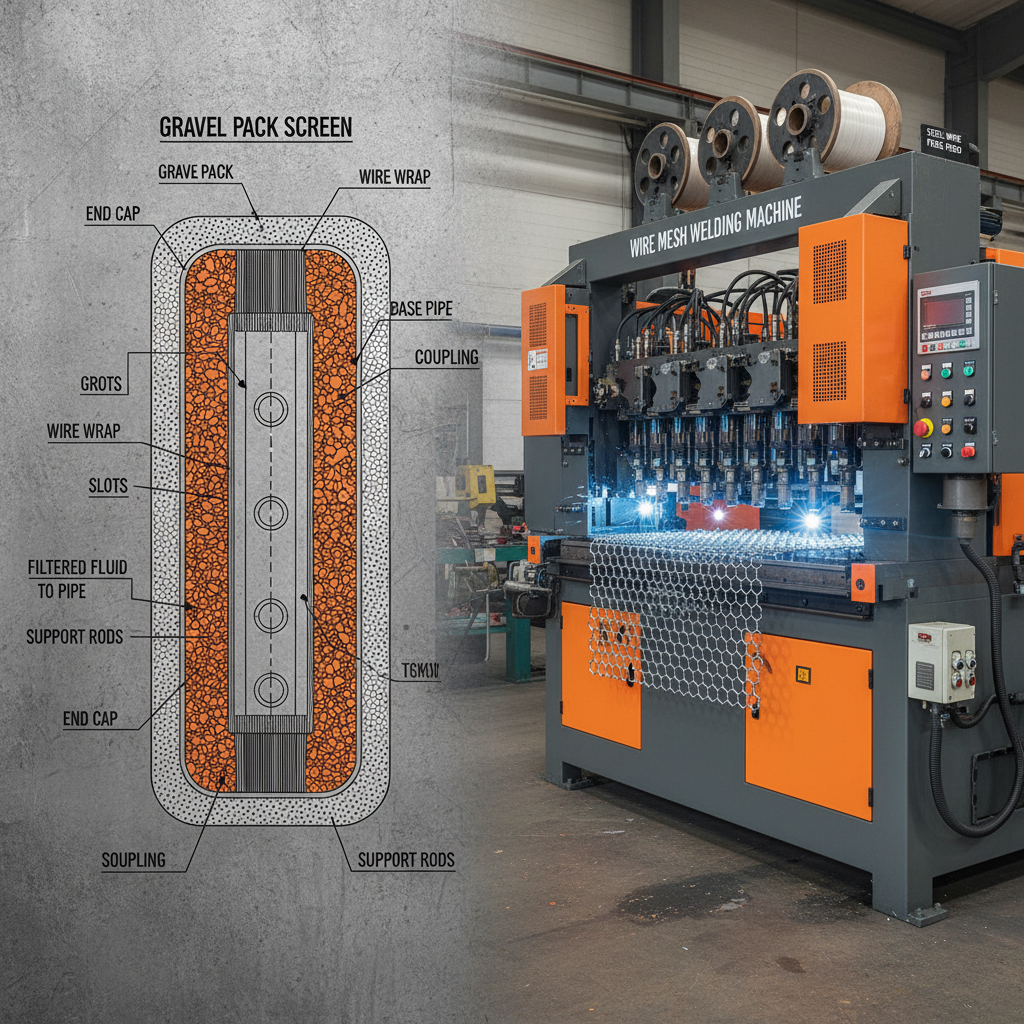
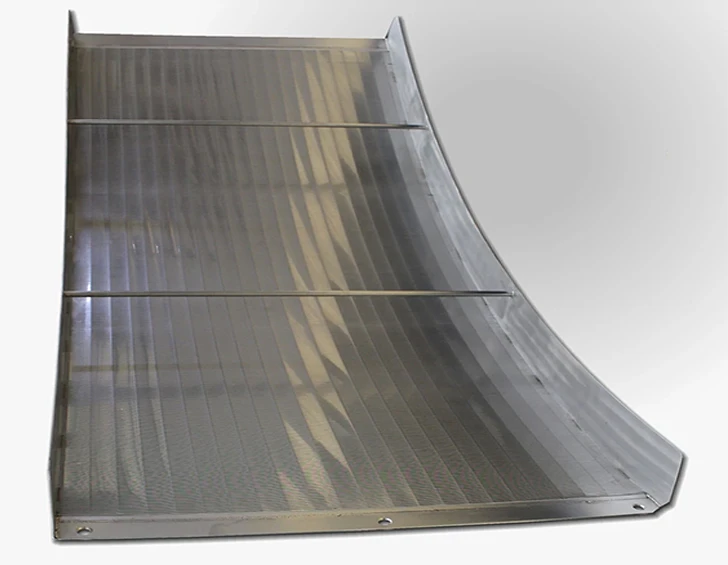
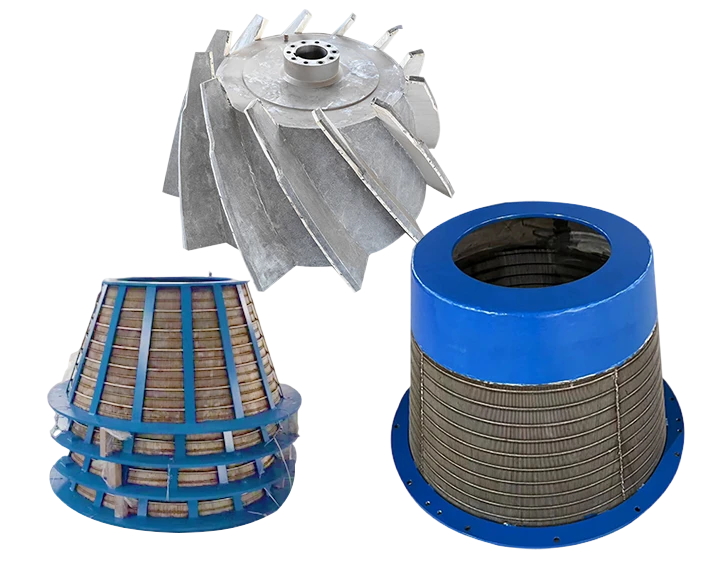
- Johnson Screens (V-Wire Screens): Characterized by V-shaped wires wrapped around support rods, providing excellent strength and open area.
The best type of sand screen depends on the fluid characteristics, solids size distribution, and specific application requirements. Muto Screen specializes in providing tailored sand screen solutions for diverse industrial needs.
Key Considerations When Selecting a Sand Screen:
• Particle Size Distribution: The size of the solids you need to remove.
• Flow Rate: The volume of fluid passing through the screen.
• Fluid Compatibility: Ensuring the screen material is compatible with the fluid being filtered.
• Pressure Drop: Minimizing pressure loss across the screen.
Sand Screen Applications: A Diverse Range of Industries
Sand screens find application across a broad spectrum of industries, including:
- Water Well Drilling: Preventing sand and silt from entering the well and clogging the pump.
- Oil and Gas Production: Controlling sand production in oil and gas wells to protect pipelines and surface facilities.
- Wastewater Treatment: Removing solids from wastewater streams for efficient treatment and discharge.
- Aggregate Processing: Separating sand and gravel for producing high-quality aggregates.
- Environmental Remediation: Filtering contaminated water to remove pollutants and solids.
The versatility of sand screens makes them an indispensable tool for maintaining operational efficiency and protecting valuable assets in various industrial settings.
Comparing Sand Screen Materials: Performance and Durability
The material used to construct a sand screen significantly impacts its performance and longevity. Common materials include stainless steel, duplex stainless steel, and high-nickel alloys. Here’s a comparison:
Maintaining Your Sand Screen for Optimal Performance
Regular maintenance is vital to ensure the longevity and effectiveness of your sand screen. This includes:
- Regular Inspection: Check for damage, wear, and blockage.
- Cleaning: Remove accumulated solids to maintain flow rates.
- Replacement: Replace the screen when it shows significant wear or damage.
Following these simple maintenance steps can significantly extend the lifespan of your sand screen and reduce operational costs. Muto Screen provides expert advice and support to help you maximize the performance of your sand control systems.
Conclusion: Investing in Quality Sand Control
Choosing the right sand screen is a critical decision that impacts operational efficiency, equipment longevity, and overall costs. Muto Screen offers a comprehensive range of high-quality sand screens, tailored to meet the unique demands of diverse industries. By partnering with a trusted supplier and implementing a proactive maintenance plan, you can ensure reliable sand control and optimize your operations.
Frequently Asked Questions (FAQs)
What is the typical lifespan of a sand screen?
The lifespan of a sand screen varies greatly depending on factors like the abrasiveness of the solids, the flow rate, and the quality of the materials used. Generally, a well-maintained sand screen can last between 2 to 5 years. However, it’s crucial to regularly inspect for signs of wear, corrosion, or damage and replace the screen proactively to prevent costly failures. Environmental factors, such as exposure to harsh chemicals or saltwater, can also significantly reduce lifespan.
How do I determine the correct mesh size for my application?
Determining the correct mesh size requires a thorough understanding of the particle size distribution of the solids you need to remove. A sieve analysis is often performed to determine the percentage of solids that are smaller or larger than a specific size. The selected mesh size should be slightly smaller than the smallest particle you want to retain. Muto Screen’s engineers can assist you with this process to ensure optimal performance.
What are the benefits of using a V-wire (Johnson) screen?
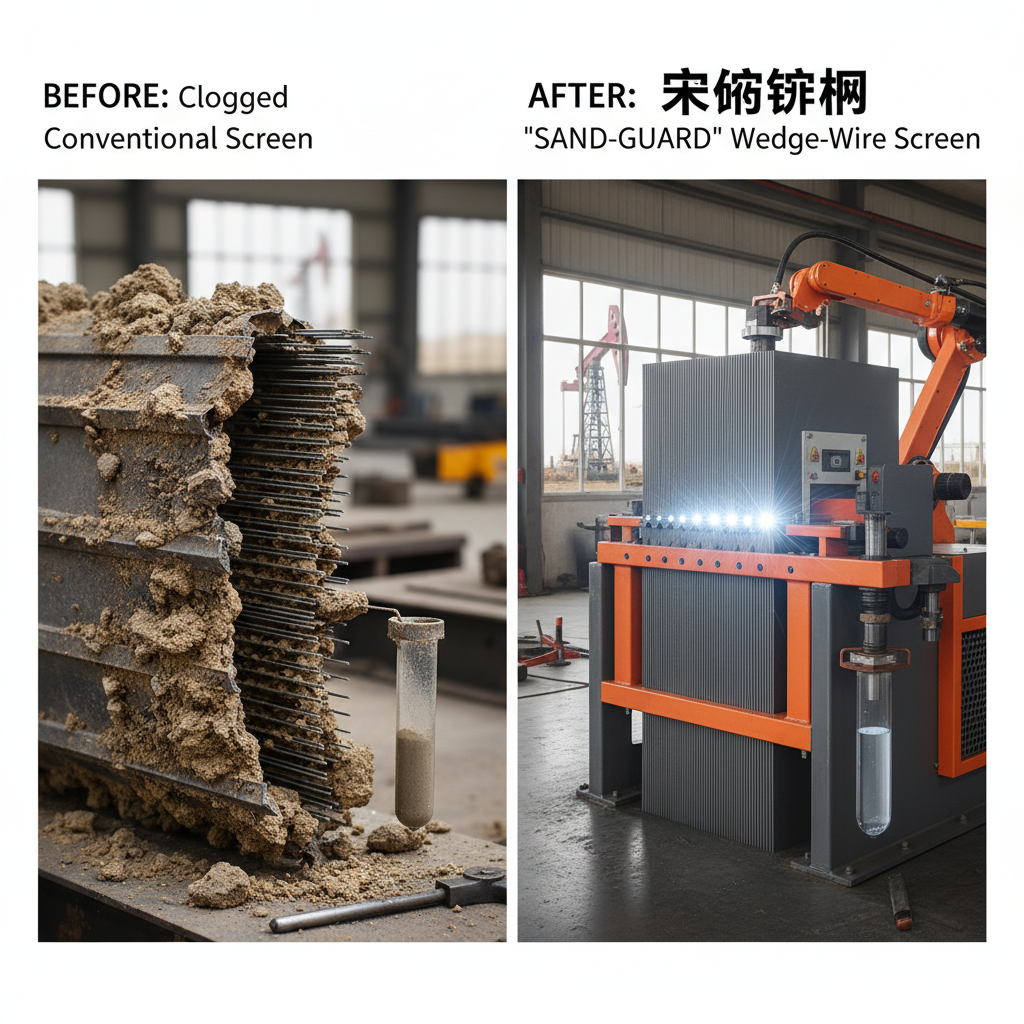
V-wire screens, also known as Johnson screens, offer several advantages. Their continuous slot design minimizes the risk of plugging, even with high solids content. They also have a large open area, which reduces pressure drop and increases flow rates. The robust construction of V-wire screens provides excellent strength and durability, making them suitable for demanding applications. They are particularly effective in preventing sand production in oil and gas wells.