Maximizing Well Productivity with High-Performance Gravel Pack Screen
In the challenging environment of oil and gas extraction, sand control is one of the most critical factors for ensuring the longevity of a well. A high-quality gravel pack screen serves as the primary defense mechanism, preventing formation sand from entering the production stream while allowing hydrocarbons to flow efficiently. By creating a precise filtration barrier, these screens minimize erosion and prevent costly downtime caused by sand bridging. Choosing the right screen design is not just about filtration; it is about optimizing the total cost of ownership and maximizing the recovery rate of the reservoir. In this guide, we will explore the technical nuances and strategic advantages of implementing advanced screen solutions.
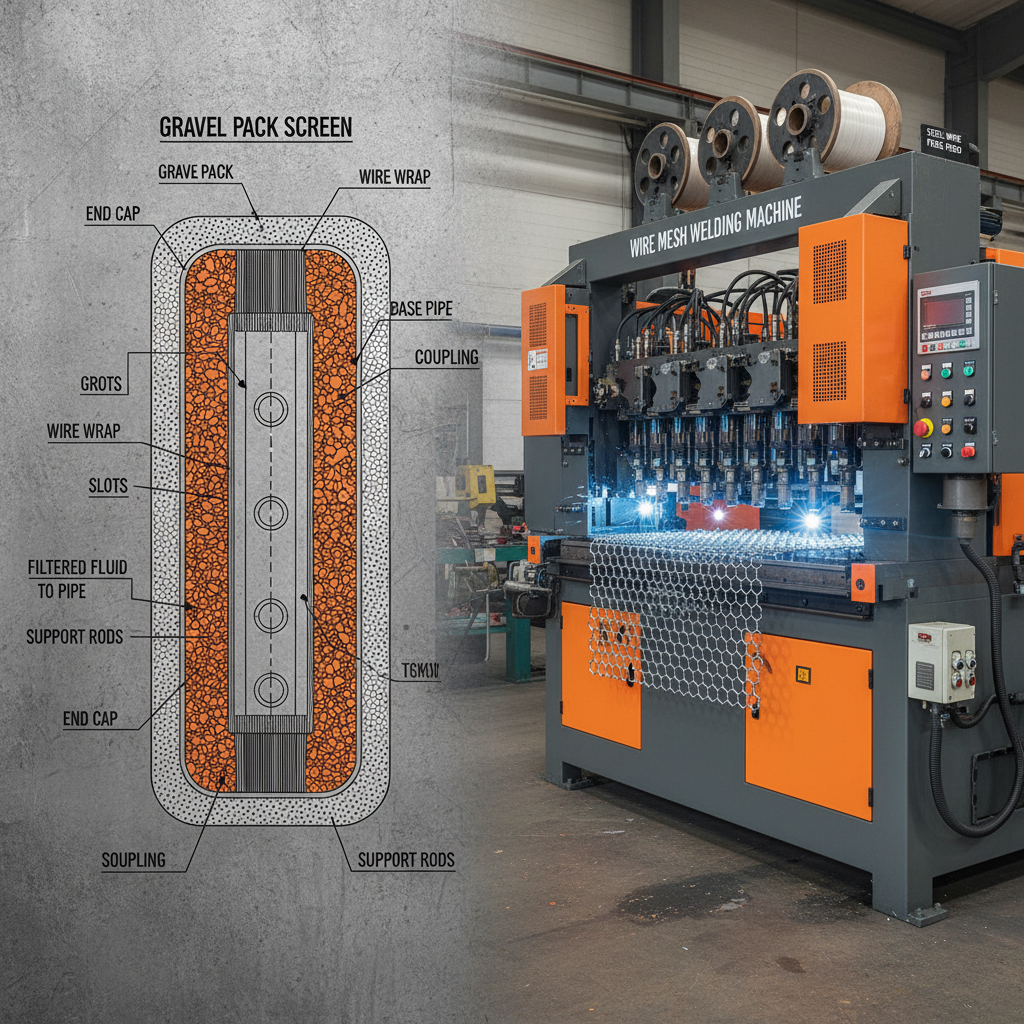
The Fundamental Role of a Gravel Pack Screen in Sand Control
The primary objective of a gravel pack screen is to act as a retainer for the gravel (proppant) placed in the annulus between the screen and the wellbore. This gravel creates a filter that stops fine formation sands from migrating. Without this specialized hardware, the high velocity of fluid flow can carry sand particles into the production tubing, leading to catastrophic failure of pumps and surface equipment. Effective sand control reduces the need for frequent well workovers and significantly enhances the operational safety of the entire production site. Modern screens are engineered to balance the trade-off between high flow capacity and strict sand retention.
Industry Insight: The integration of premium materials like 316L stainless steel or Alloy 825 ensures that the screen can withstand corrosive H2S and CO2 environments common in deep-water drilling.
Comparing Different Types of Gravel Pack Screen Designs
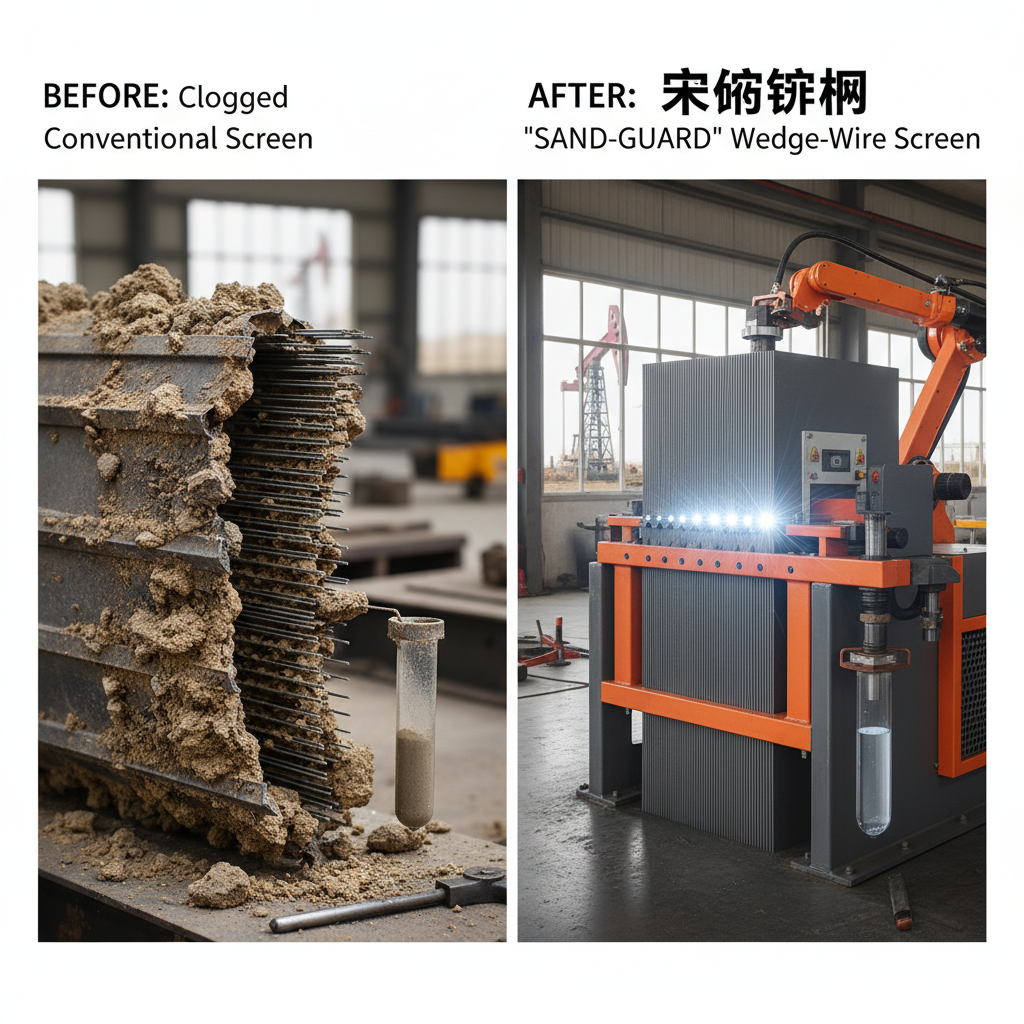
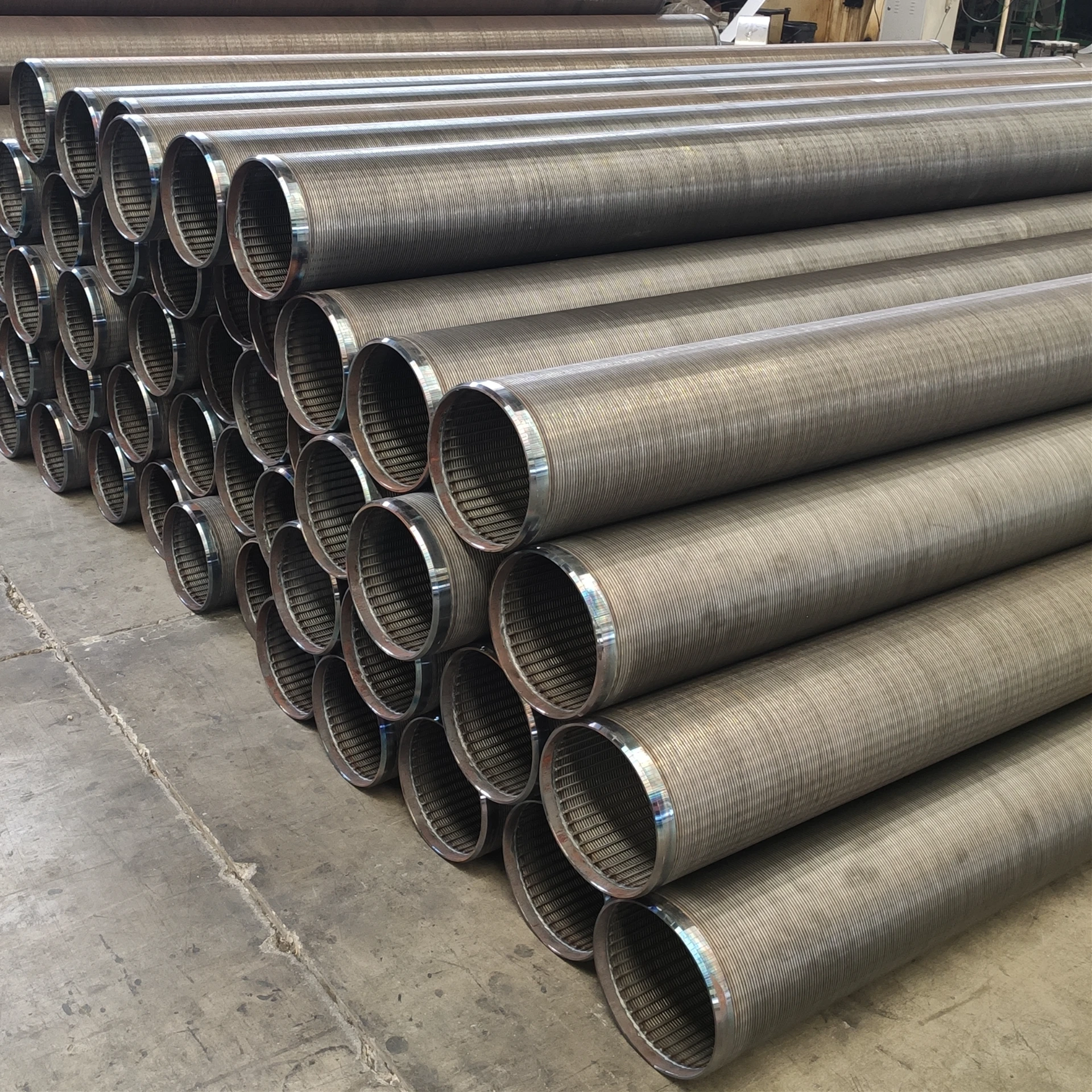
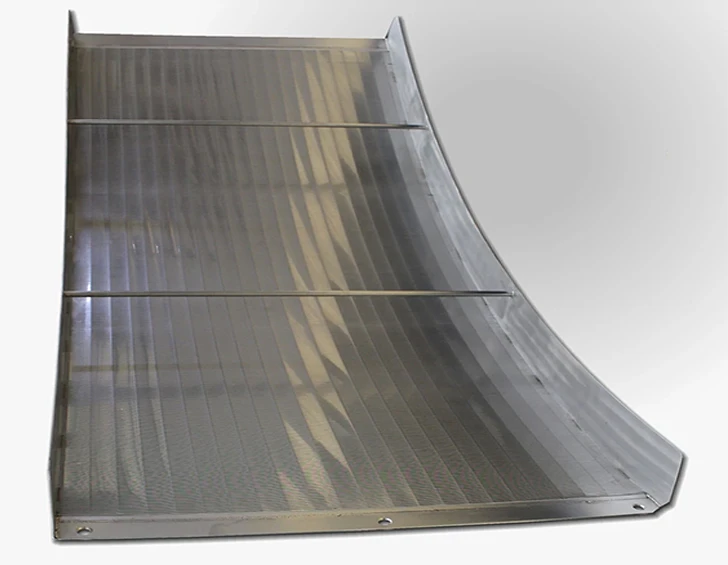
Not all reservoirs are created equal, and neither are the screens used to manage them. Depending on the grain size distribution of the formation sand, engineers must choose between wire-wrapped screens, slotted liners, or premium mesh screens. A wire-wrapped gravel pack screen is often the gold standard for gravel packing due to its high open area and mechanical strength. In contrast, premium screens utilize multiple layers of filtration to handle unstable formations. The choice impacts the skin factor of the well—the lower the skin factor, the higher the productivity index.
Technical Specifications for Gravel Pack Screen Selection
When specifying a gravel pack screen, engineers must focus on three primary variables: the aperture size, the material grade, and the collapse strength. The aperture size is calculated based on the Saucier criterion, which suggests that the gravel size should be 5 to 6 times the median grain size of the formation sand. Failure to adhere to these specifications can lead to "plugging" (where the screen clogs too quickly) or "sand-out" (where the screen allows too much sand through).
Installation Challenges and Best Practices for Gravel Pack Screens
Installing a gravel pack screen requires precision to avoid gaps in the gravel pack, known as "voids." Voids are the primary cause of screen failure, as they allow high-velocity "hot spots" where sand can erode the screen metal rapidly. To prevent this, operators use specialized pumping techniques and fluid chemistry to ensure a dense, uniform pack. Consistent monitoring of pressure during the gravel pumping phase is essential to confirm that the annulus is completely filled.
Critical Installation Tips:
• Ensure the screen is centered using high-quality centralizers.
• Use filtered brine to prevent premature plugging of the screen apertures.
• Verify the compatibility of the gravel size with the screen slot width.
Maintenance and Long-term Reliability of the Gravel Pack Screen
Even the best-designed gravel pack screen can face challenges over time, such as scale buildup or fines migration. Scale deposition can restrict flow and increase the pressure drop across the screen. Regular chemical washes or acid stimulation can restore permeability. However, the key to long-term reliability is the initial selection of corrosion-resistant alloys. By investing in premium materials at the start, operators can avoid the need for expensive workovers that involve pulling the entire completion string.
Future Trends in Sand Control and Screen Technology
The industry is moving toward "smart" completions. Future iterations of the gravel pack screen may integrate fiber optic sensors to monitor flow distribution and detect sand breakthrough in real-time. Additionally, the development of nano-coatings is helping to reduce scale adhesion and improve the overall flow efficiency of the screen. These innovations are allowing operators to manage reservoirs with unprecedented precision, reducing the environmental footprint by minimizing waste and maximizing the efficiency of each well.
Conclusion: Optimizing Production with the Right Gravel Pack Screen
Selecting the appropriate gravel pack screen is a strategic decision that impacts the entire lifecycle of an oil or gas well. By balancing material durability, precise filtration, and professional installation, operators can significantly reduce operational risks and increase the total recovery of the reservoir. Whether you are dealing with deep-water challenges or onshore unconsolidated sands, prioritizing high-performance screen technology is the most effective way to ensure sustainable and profitable production.
Frequently Asked Questions (FAQs)
How do I determine the correct slot size for my gravel pack screen?
Determining the correct slot size requires a detailed analysis of the formation sand's Grain Size Distribution (GSD). Most engineers use the Saucier method, which recommends that the slot size be small enough to retain the gravel pack, and the gravel pack should be sized relative to the median grain size (D50) of the formation sand. Typically, the slot size is chosen to be roughly 50% to 70% of the smallest gravel size used in the pack to ensure a secure mechanical bridge is formed without restricting flow.
What is the difference between a gravel pack screen and a standalone screen?
A gravel pack screen is designed to be used in conjunction with a pumped gravel slurry that fills the annulus between the screen and the wellbore, providing a secondary filter. A standalone screen (SAS) relies solely on the screen's own filtration media to hold back the formation sand. While SAS is faster to install and cheaper, gravel packing is generally more reliable in highly unconsolidated formations where the risk of "hot-spotting" and erosion is high.
Can a gravel pack screen be repaired if it fails?
Repairing a failed screen is difficult and often expensive. If the failure is due to scale or plugging, chemical treatments (acidizing) can be used. However, if the screen has physically collapsed or eroded, the most common solution is to install a "screen-in-screen" or a liner inside the existing damaged section. This reduces the wellbore diameter but restores sand control. To avoid this, we recommend using premium materials from Muto Screen to ensure maximum longevity from the start.
Which materials are best for corrosive environments?
For standard environments, 316L stainless steel is sufficient. However, in wells containing high levels of CO2 or H2S, duplex stainless steels or nickel-based alloys such as Alloy 825 or Alloy 625 are highly recommended. These materials provide superior resistance to pitting and stress corrosion cracking, ensuring that the screen maintains its structural integrity for decades despite the harsh chemical conditions found in deep reservoirs.