Sand Control in Oil and Gas Wells: A Comprehensive Guide
Efficient and reliable sand control in oil and gas wells is crucial for maximizing production and preventing costly damage. The influx of sand into wellbores can lead to erosion, equipment failure, and reduced flow rates. This article delves into the various techniques, challenges, and advancements in sand control technology, offering a comprehensive overview for engineers, operators, and industry professionals. Understanding these methods and their applications is key to optimizing well performance and ensuring long-term viability.
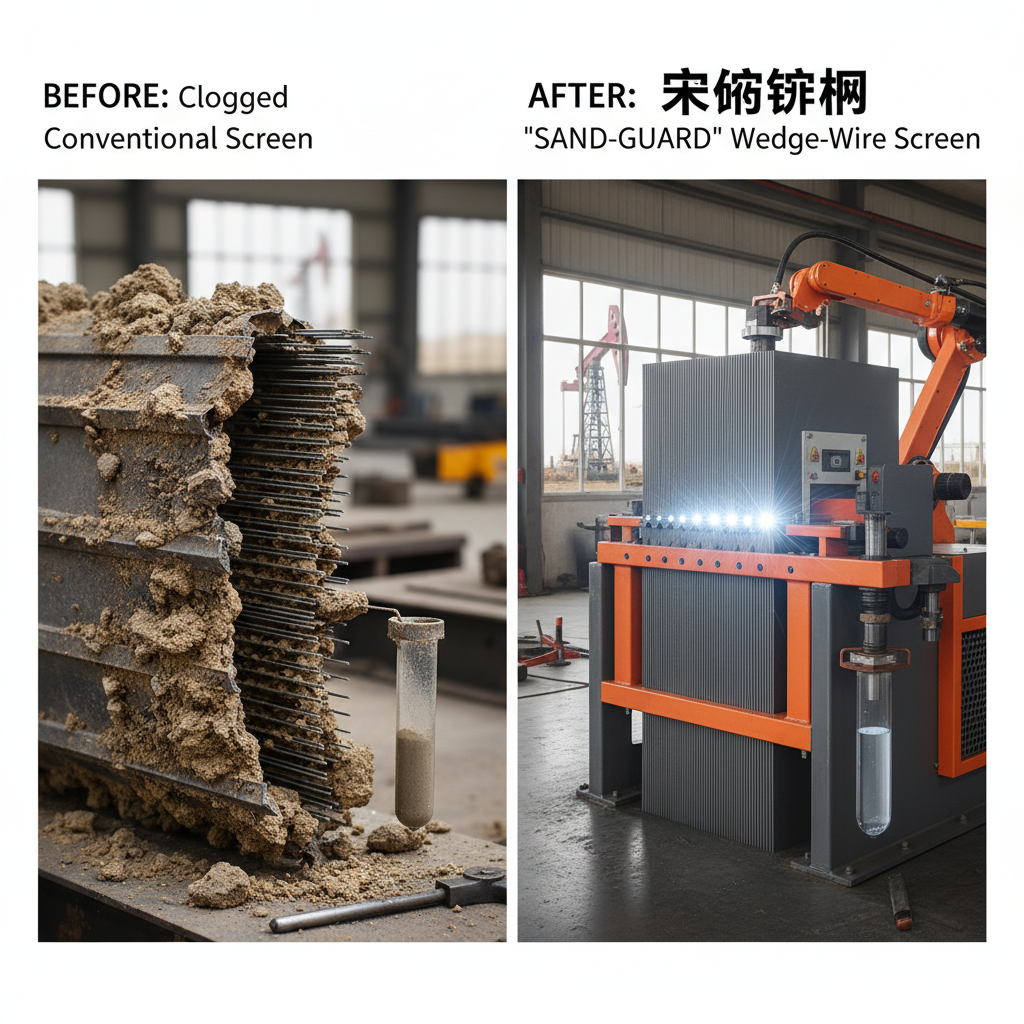
Understanding the Challenges of Sand Production
Sand production is a common challenge in unconsolidated reservoirs, where the rock formations surrounding the wellbore are weak and prone to failure. This is often exacerbated by factors such as high flow rates, drawdown pressures, and the presence of water. The abrasive nature of sand causes significant wear and tear on downhole equipment like pumps, screens, and tubing. Furthermore, sand accumulation in the wellbore reduces its effective diameter, restricting flow and potentially leading to complete blockage. Proper sand control solutions are therefore paramount for maintaining well integrity and productivity.
Key Impacts of Sand Production: Erosion of downhole equipment, reduced well productivity, increased maintenance costs, potential for wellbore instability, and environmental concerns.
Common Sand Control Methods
Several methods are employed to mitigate sand production, each with its own advantages and disadvantages. The two primary approaches are mechanical sand control and chemical sand consolidation. Mechanical methods involve physically preventing sand from entering the wellbore, while chemical methods strengthen the reservoir rock to resist erosion. Commonly used techniques include gravel packing, slotted liners, wire-wrapped screens, and resin consolidation. The selection of the most appropriate method depends on reservoir characteristics, well conditions, and economic considerations.
Sand Control Method Overview:
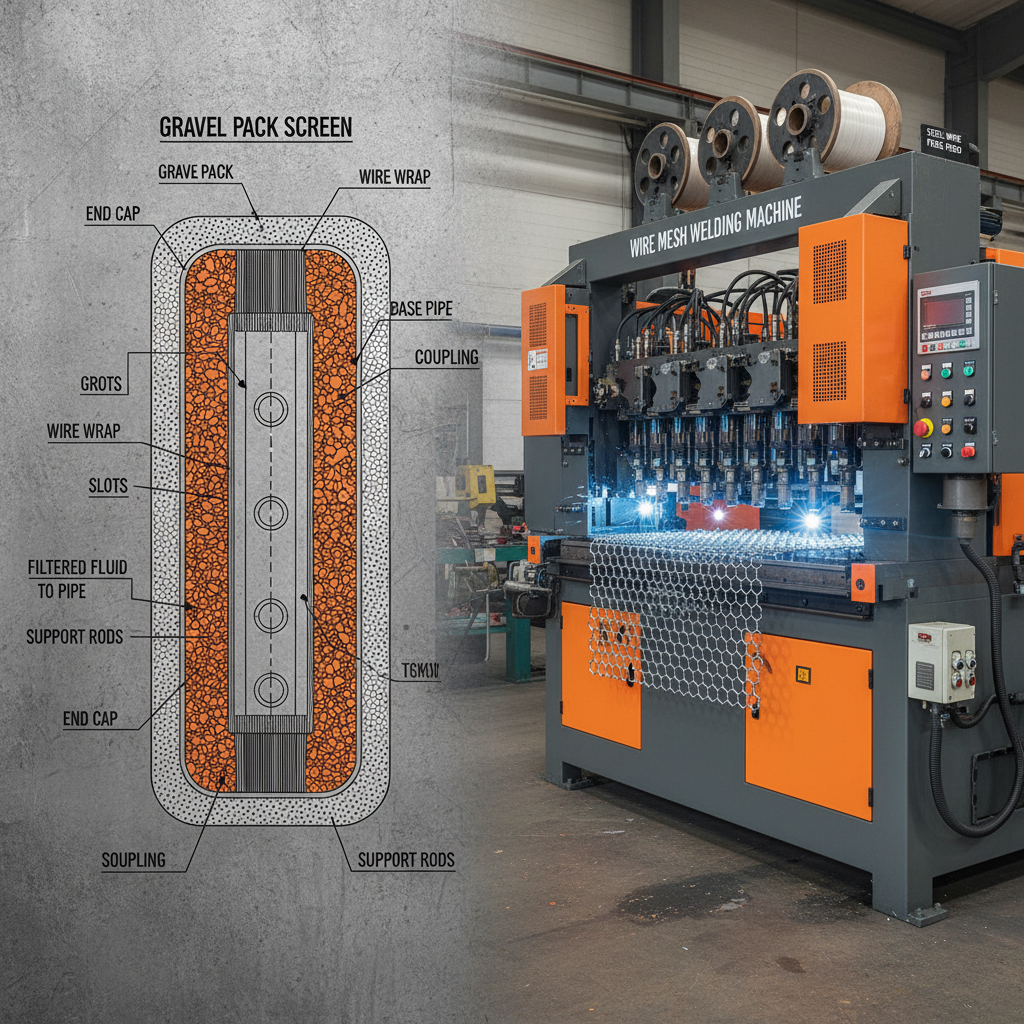
• Gravel Packing: Filling the annulus with gravel to create a barrier against sand.
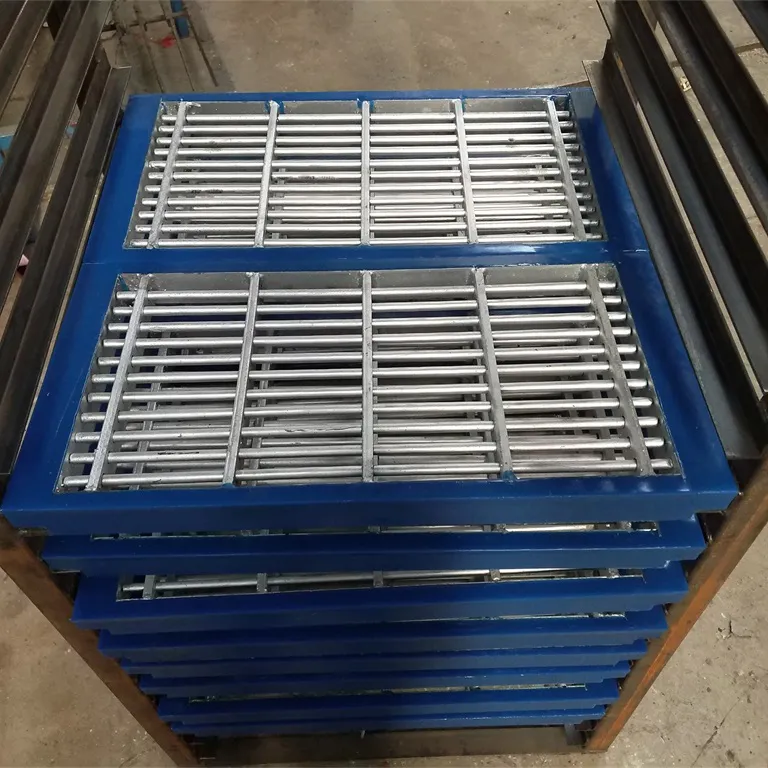
• Slotted Liners: Using a liner with slots to allow fluid flow while retaining sand.
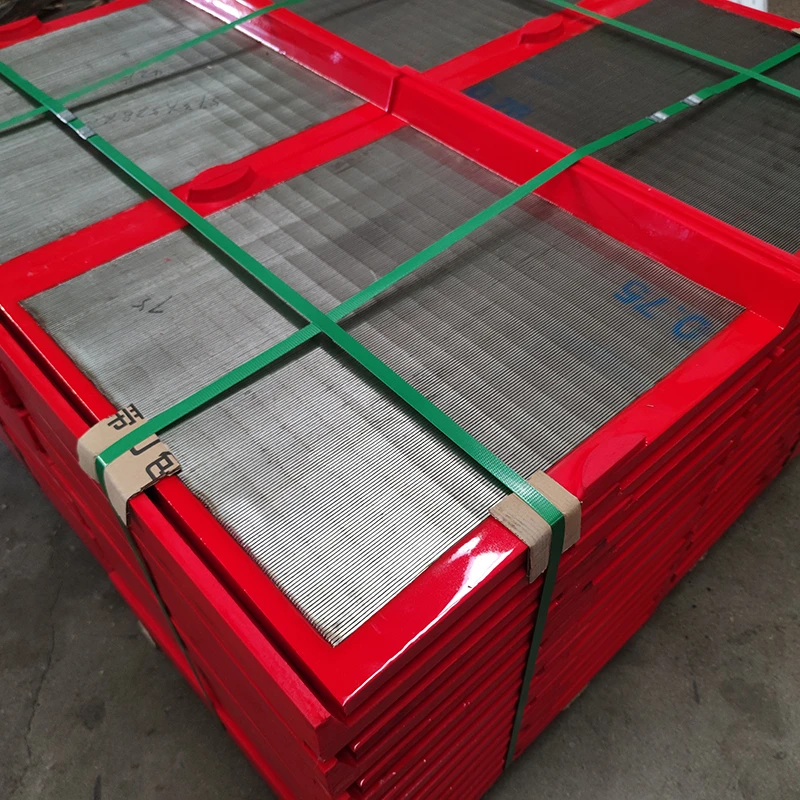
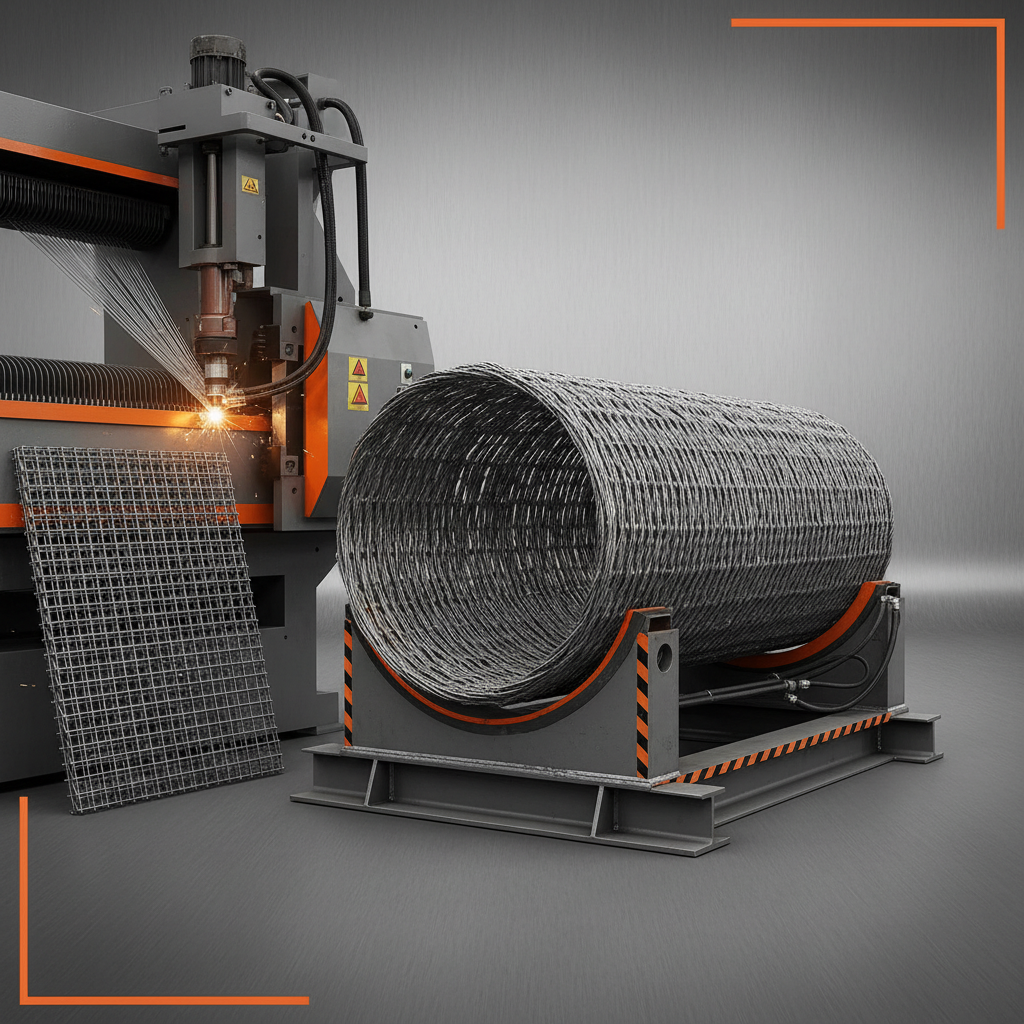
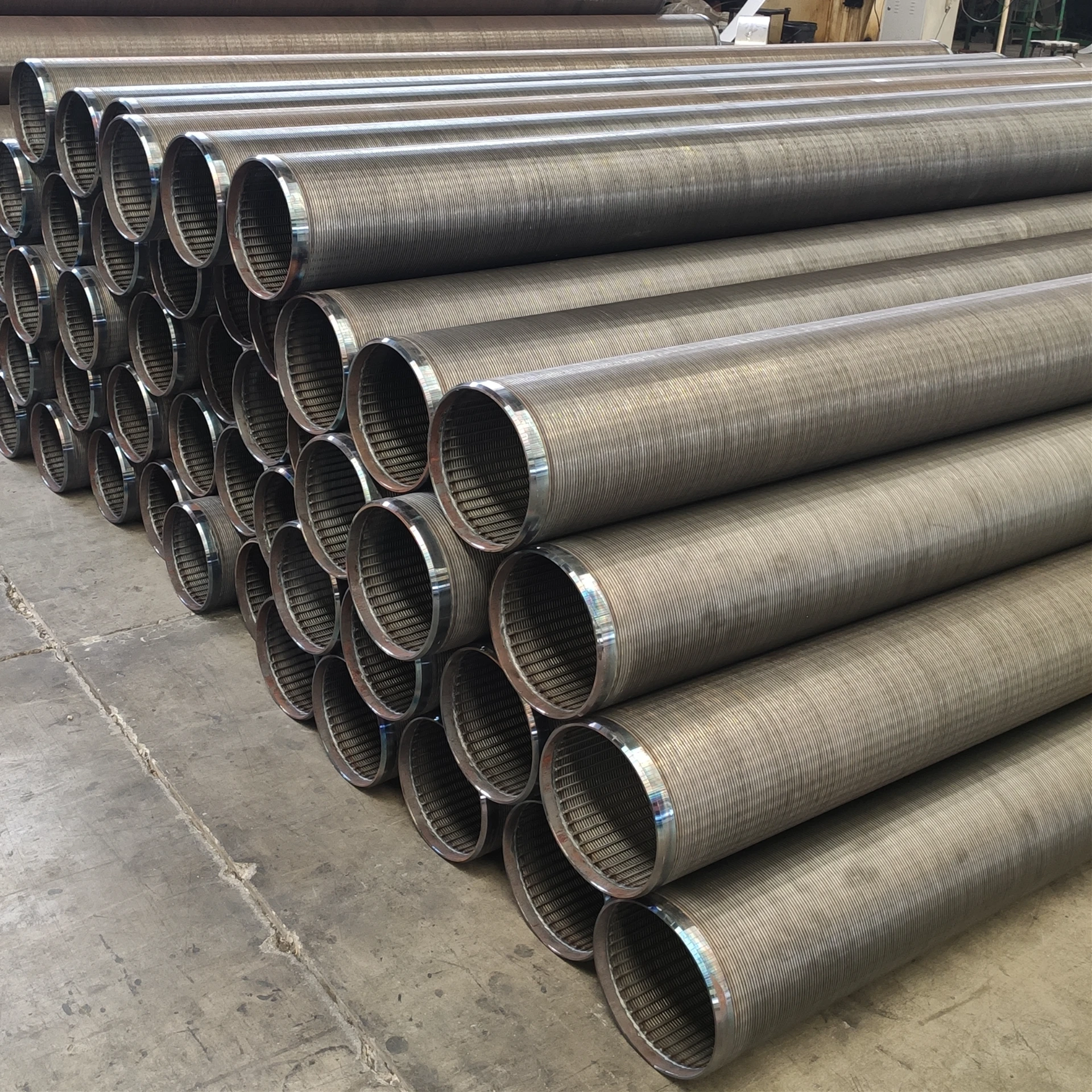
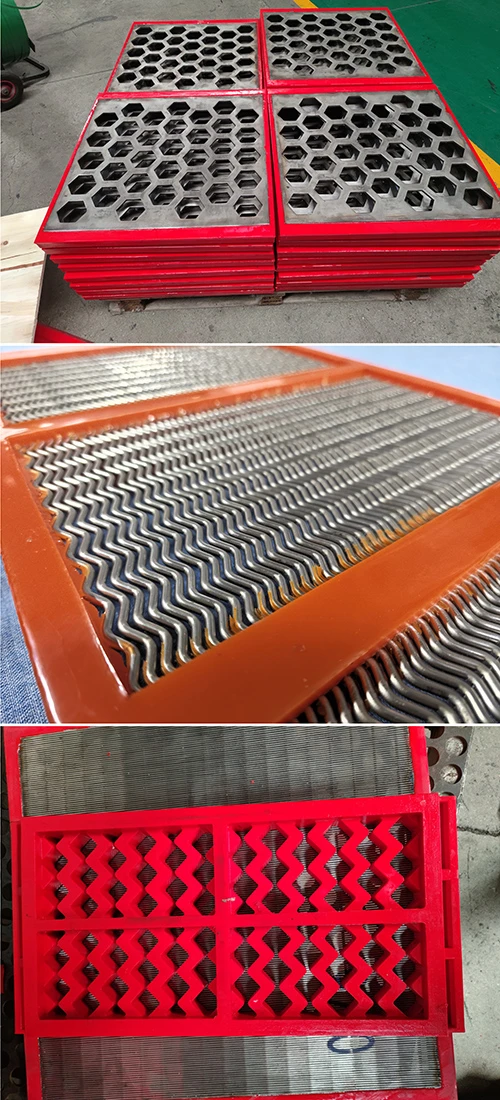
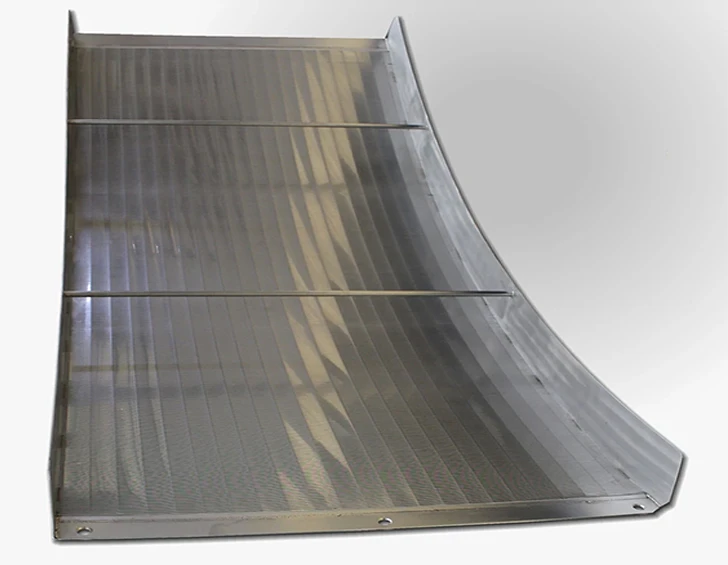
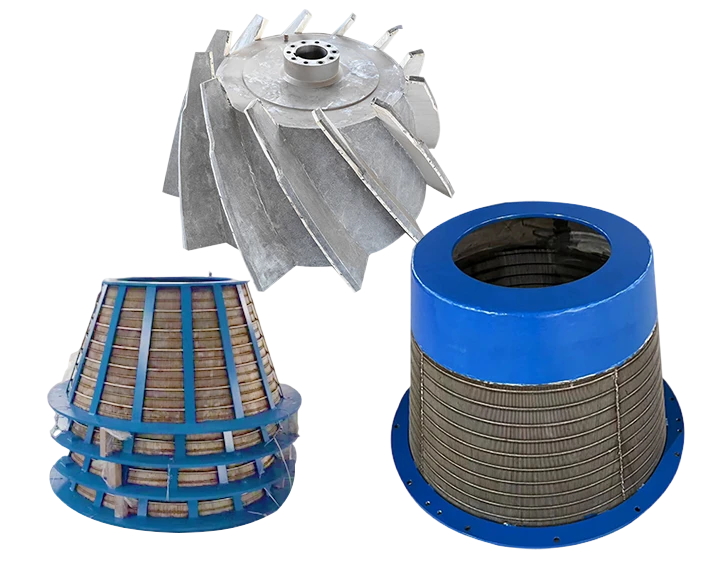
• Wire-Wrapped Screens: Similar to slotted liners, but with a wire mesh for finer sand retention.
• Resin Consolidation: Injecting resin to bind sand particles together, strengthening the formation.
Gravel Packing vs. Wire-Wrapped Screens: A Detailed Comparison
Gravel packing and wire-wrapped screens are two of the most widely used mechanical sand control methods. Gravel packing provides a more robust barrier against sand, but can be more complex and expensive to install. Wire-wrapped screens offer a simpler and more cost-effective solution, but may be less effective in highly abrasive environments. The choice between these methods depends on the specific reservoir characteristics and production requirements. Factors such as sand size distribution, formation permeability, and completion fluid compatibility should be carefully considered. MutoScreen offers a range of high-quality wire-wrapped screens tailored to various well conditions.
Advanced Sand Control Technologies and Future Trends
The industry is continually developing new and improved sand control technologies. These include intelligent sand control systems that dynamically adjust to changing well conditions, and advanced materials with enhanced erosion resistance. Research is also focused on optimizing completion designs and incorporating real-time monitoring to improve sand control effectiveness. The integration of data analytics and machine learning is expected to play a significant role in predicting sand production and proactively implementing preventative measures. MutoScreen remains at the forefront of these advancements, offering innovative solutions for challenging well environments.
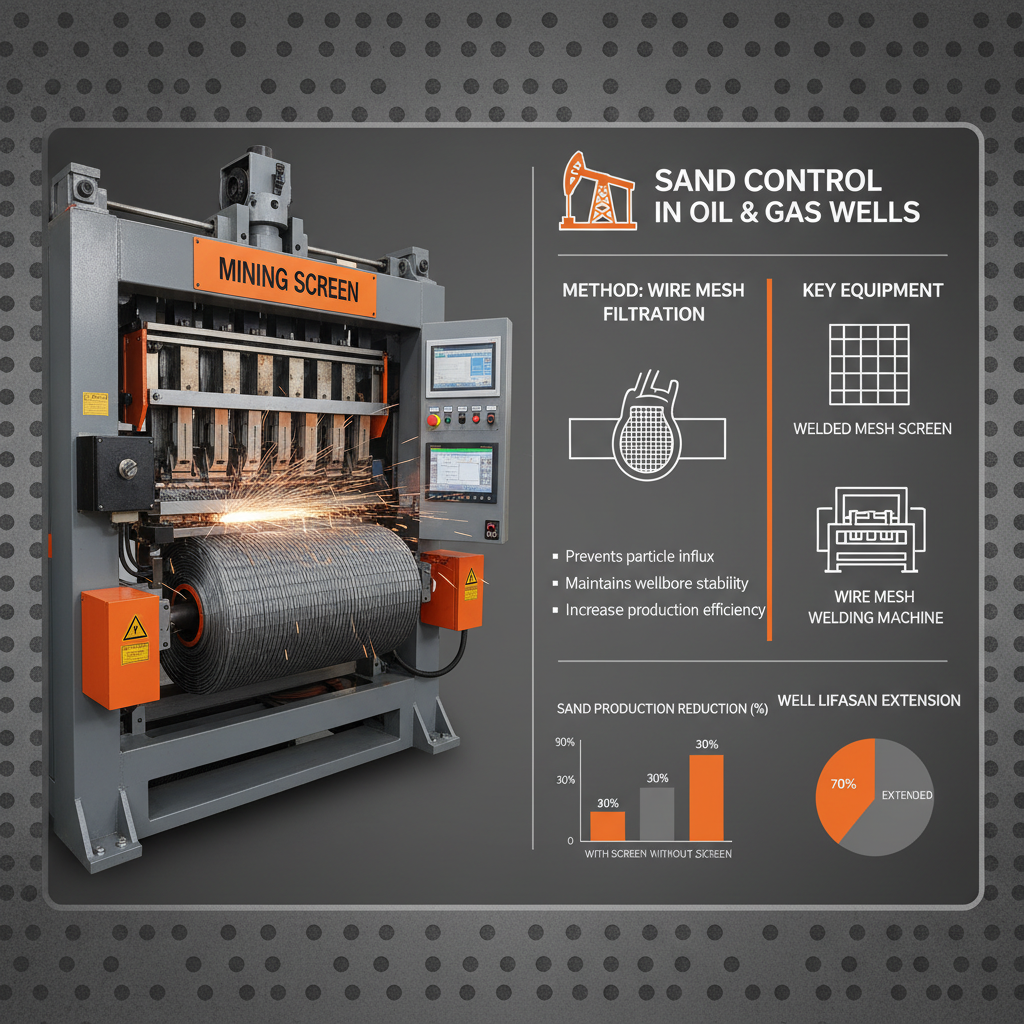
Selecting the Right Sand Control Solution
Choosing the optimal sand control strategy requires a thorough understanding of the reservoir characteristics, well conditions, and economic constraints. A detailed assessment of sand production potential, coupled with careful consideration of the available technologies, is essential for maximizing well productivity and minimizing operational costs. Collaboration between engineers, operators, and sand control specialists is crucial for developing a tailored solution that meets the specific needs of each well. Contact MutoScreen today for expert guidance and customized sand control solutions.
Conclusion: Effective Sand Control for Sustainable Production
Effective sand control in oil and gas wells is not merely a preventative measure, but a vital component of sustainable production. By mitigating the risks associated with sand production, operators can optimize well performance, reduce maintenance costs, and ensure long-term reservoir viability. Investing in the right sand control solutions is an investment in the future of your operations.
Frequently Asked Questions (FAQs)
What are the primary causes of sand production in oil wells?
Sand production is primarily caused by exceeding the reservoir's sand strength. This can be triggered by several factors, including high drawdown pressures, increased flow rates, fluid composition changes (like water influx), and depletion of reservoir energy. Weakly consolidated formations, naturally prone to erosion, are also more susceptible to sand production. The presence of fractures and faults within the reservoir can also contribute to instability and sand mobilization. A thorough understanding of the reservoir's geology and fluid properties is crucial for identifying and mitigating the risk of sand production.
How does resin consolidation work and what are its limitations?
Resin consolidation involves injecting a resin system into the formation surrounding the wellbore, which then hardens to bind the sand particles together. This increases the formation's strength and resistance to erosion. While effective, resin consolidation has limitations. It can be expensive, and the resin may not penetrate all areas of the formation equally. Furthermore, the resin can sometimes reduce formation permeability, impacting production rates. Careful resin selection and injection techniques are crucial for maximizing its effectiveness and minimizing potential drawbacks.
What maintenance is required for gravel packed wells?
Gravel packed wells require periodic monitoring to ensure continued effectiveness. This includes monitoring production rates, fluid composition, and pressure drawdown. The gravel pack itself can be susceptible to erosion over time, particularly in highly abrasive environments. If erosion occurs, the gravel pack may need to be restimulated or replaced. Regular wellbore cleanouts can also help prevent gravel pack plugging and maintain optimal flow. Maintaining a proper chemical program to inhibit scale formation can also extend the lifespan of the gravel pack.
What is the role of screen selection in preventing sand production?
Screen selection is a critical aspect of sand control. The screen mesh size must be carefully chosen to prevent sand particles from entering the wellbore while minimizing flow restriction. Different screen types, such as wire-wrapped screens and slotted liners, offer varying levels of sand retention and pressure drop. The screen material must also be compatible with the formation fluids and resistant to corrosion. MutoScreen offers a wide range of high-quality screens tailored to diverse reservoir conditions.