Understanding Wire Wrapped Screen Pipe: Applications and Benefits
When it comes to filtration solutions for various industries, wire wrapped screen pipe stands out as a robust and highly effective option. This article will provide an in-depth look at what wire wrapped screen pipe is, its manufacturing process, the benefits it offers, its diverse applications, and how it compares to other filtration methods. Understanding the nuances of this technology can help you make informed decisions for your specific project needs. Choosing the right filtration solution is critical for optimal performance and longevity.
What is Wire Wrapped Screen Pipe?
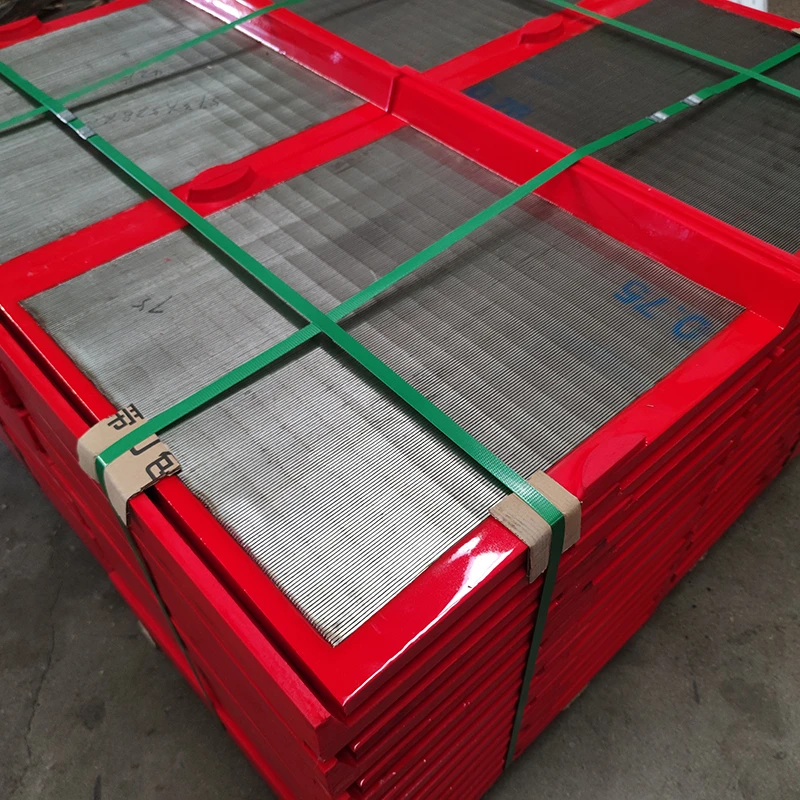
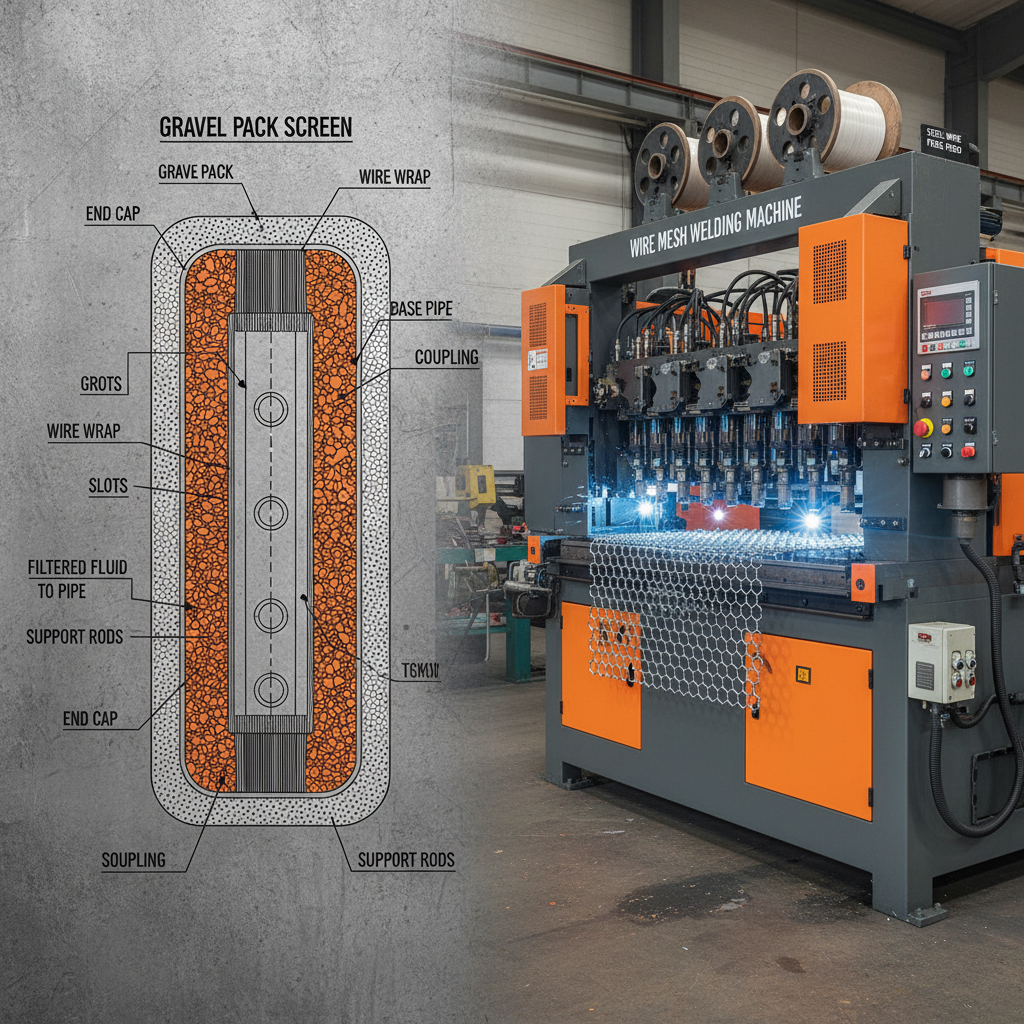
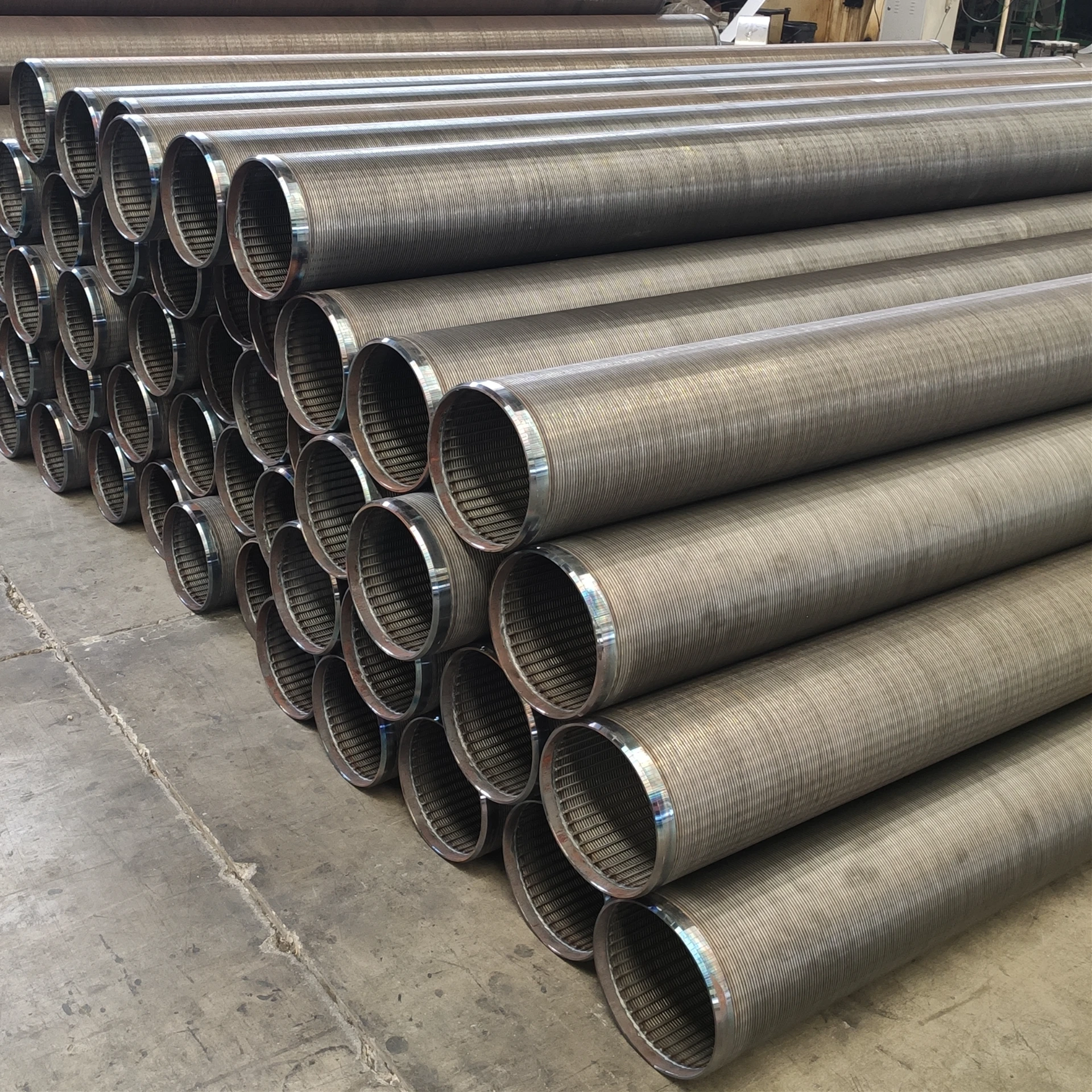
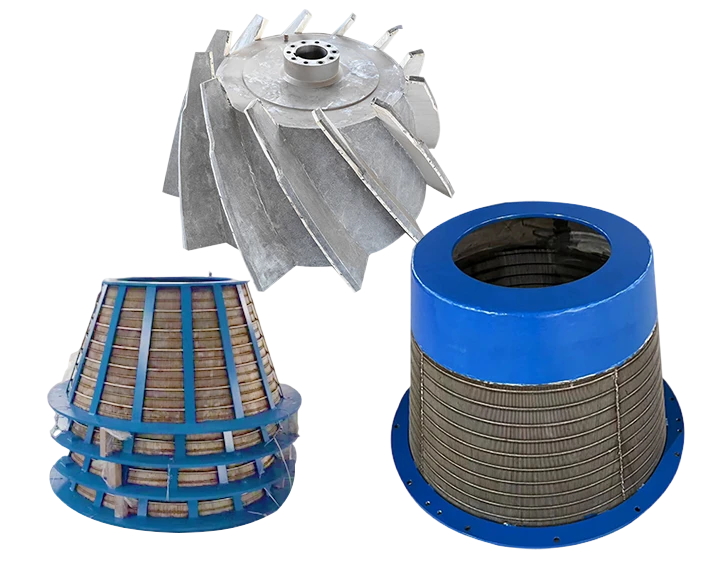
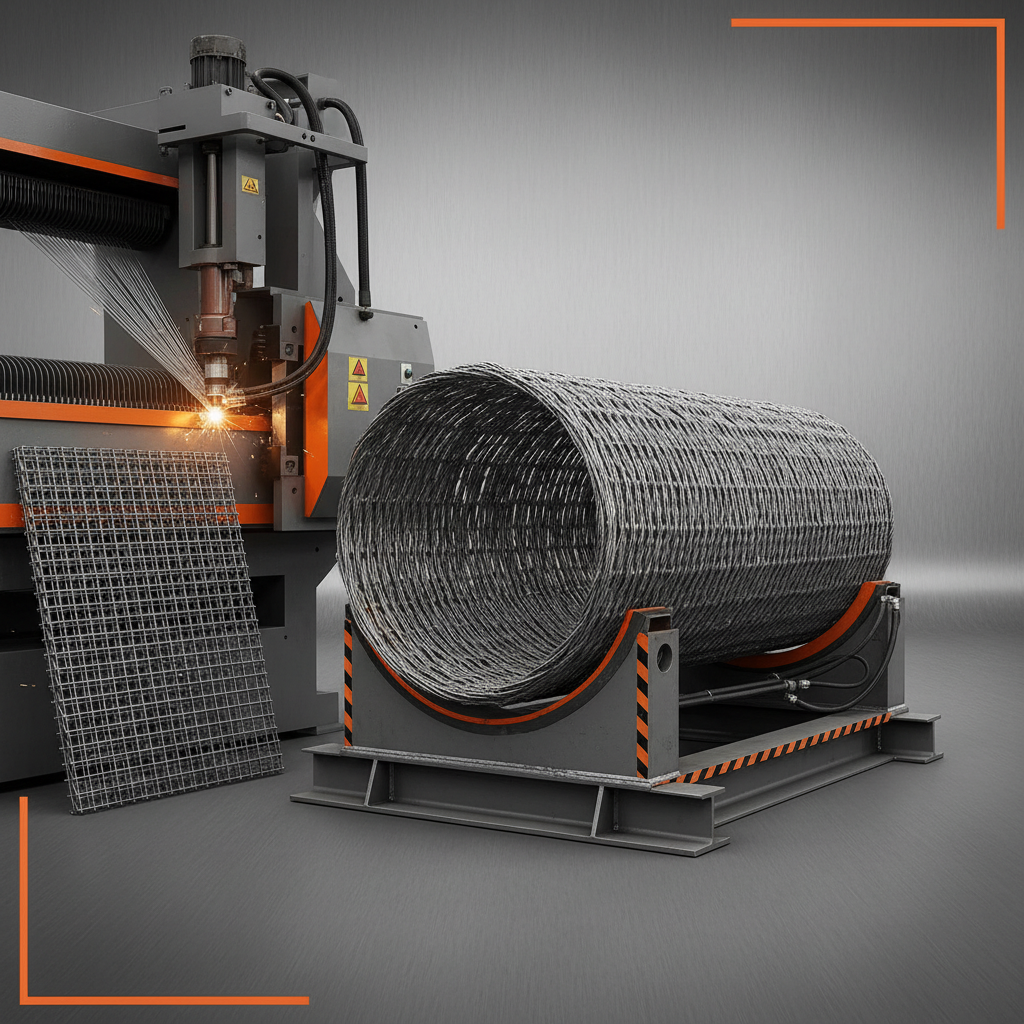
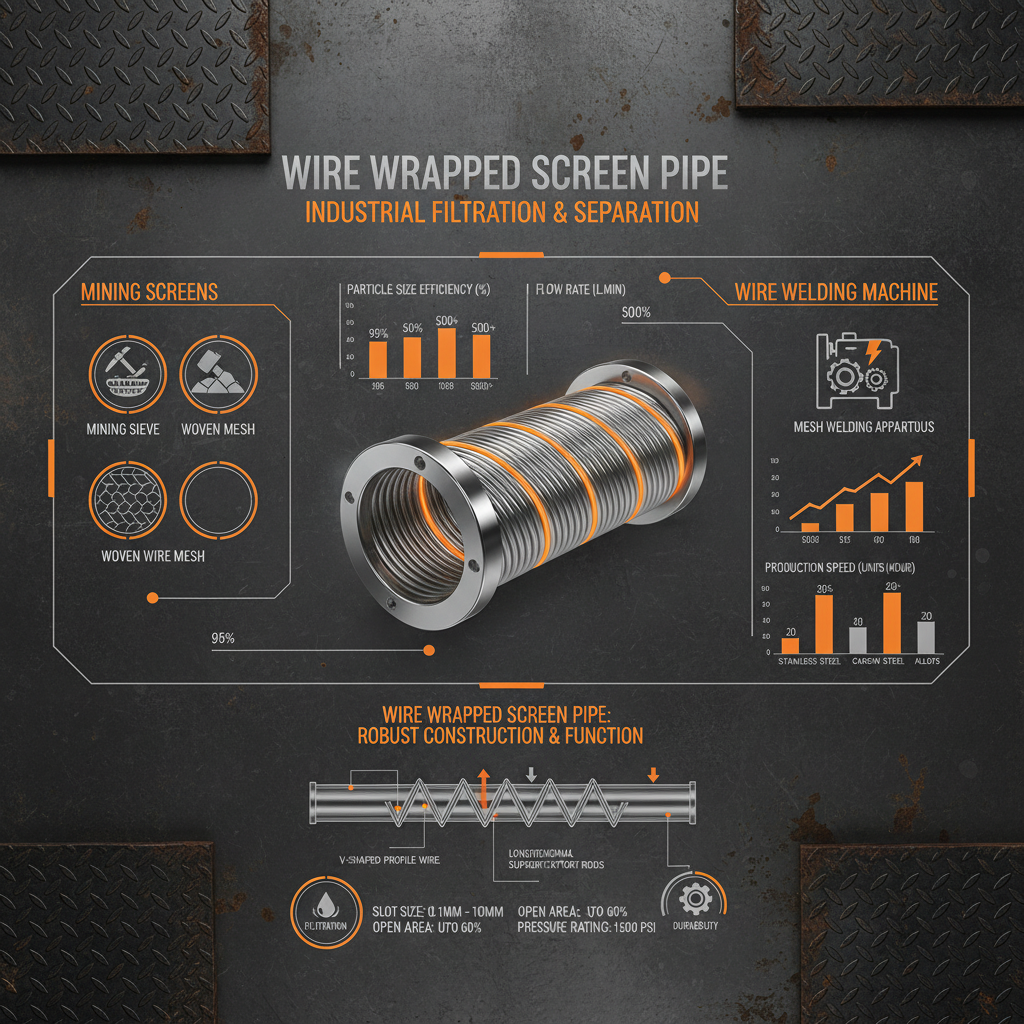
Wire wrapped screen pipe, also known as Johnson screen pipe, consists of a perforated pipe with a continuous, V-shaped wire wrapped around it. The V-wire is meticulously wound and welded to support rods, creating a strong and durable screen structure. This design allows for high open area, efficient filtration, and minimal clogging. The precision manufacturing process ensures consistent slot sizes, maximizing performance across a wide range of applications. It's often used in environments where high flow rates and long-term reliability are paramount. Muto Screen specializes in crafting high-quality wire wrapped screen pipe tailored to specific client requirements.
Key Features: High open area, consistent slot size, durable construction, resistance to clogging, and versatile application.
The Manufacturing Process of Wire Wrapped Screen Pipe
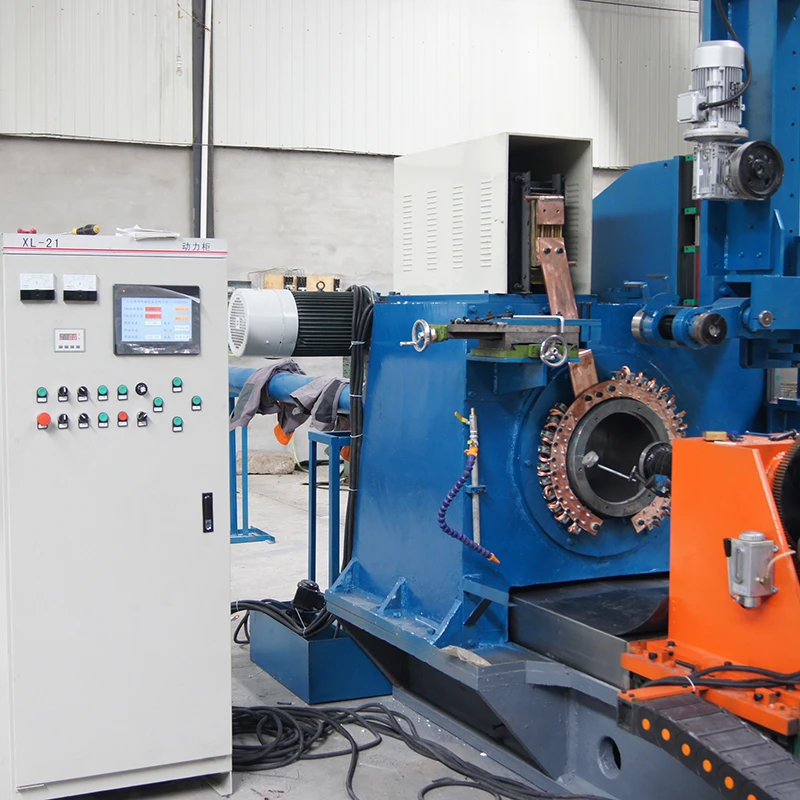
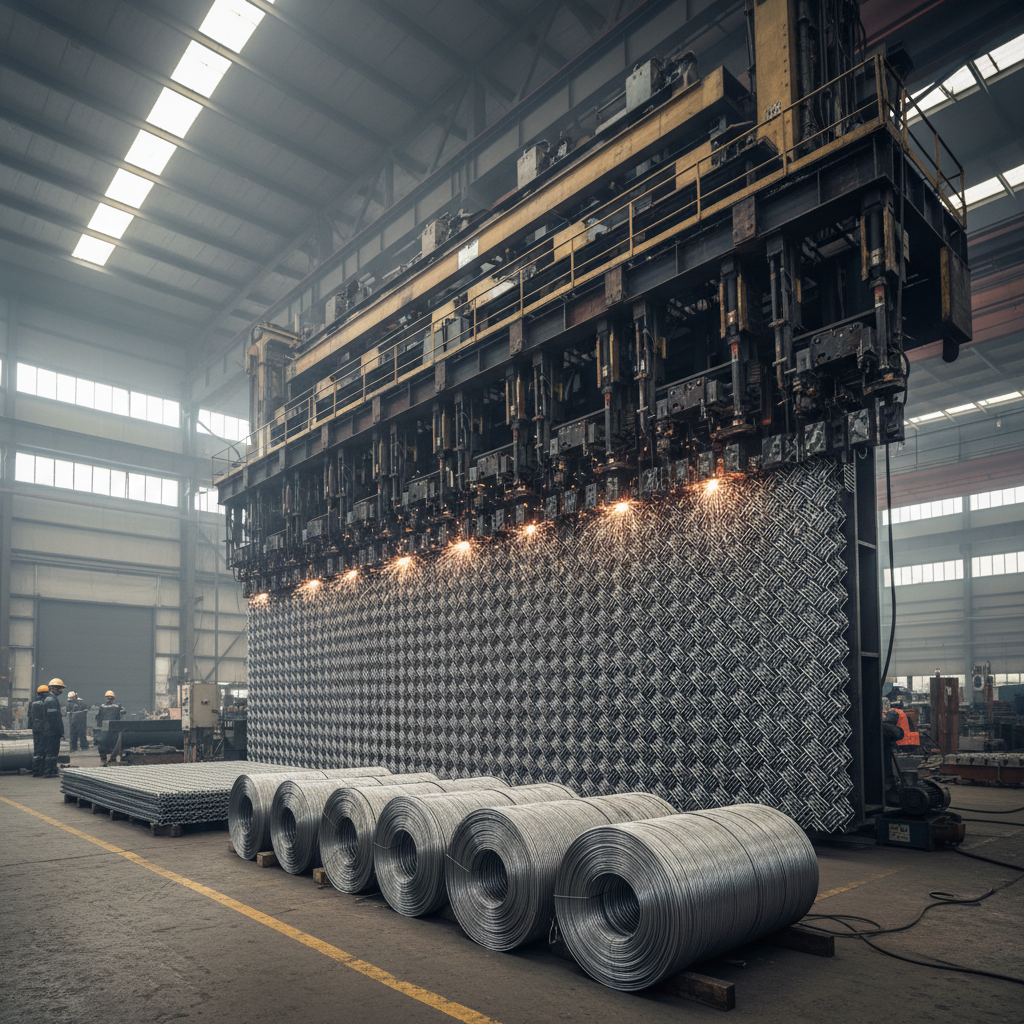
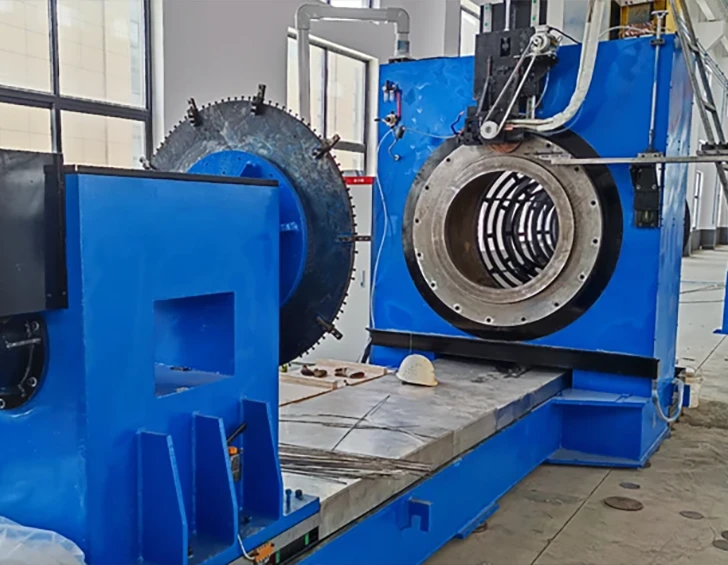
The manufacturing of wire wrapped screen pipe involves several key steps. First, high-quality perforated pipe is selected. Then, the V-wire is precisely wound around the pipe, ensuring consistent spacing and angle. The wire is then welded to support rods at regular intervals, providing structural integrity. Finally, the pipe undergoes rigorous quality control checks to ensure it meets the required specifications. The choice of materials, such as stainless steel 304, 316L, or other alloys, depends on the application's specific needs and the fluid being filtered. Proper welding techniques are crucial for a long-lasting and reliable product.
Manufacturing Steps:
• Perforated Pipe Selection
• V-Wire Wrapping
• Welding to Support Rods
• Quality Control
Key Benefits of Using Wire Wrapped Screen Pipe
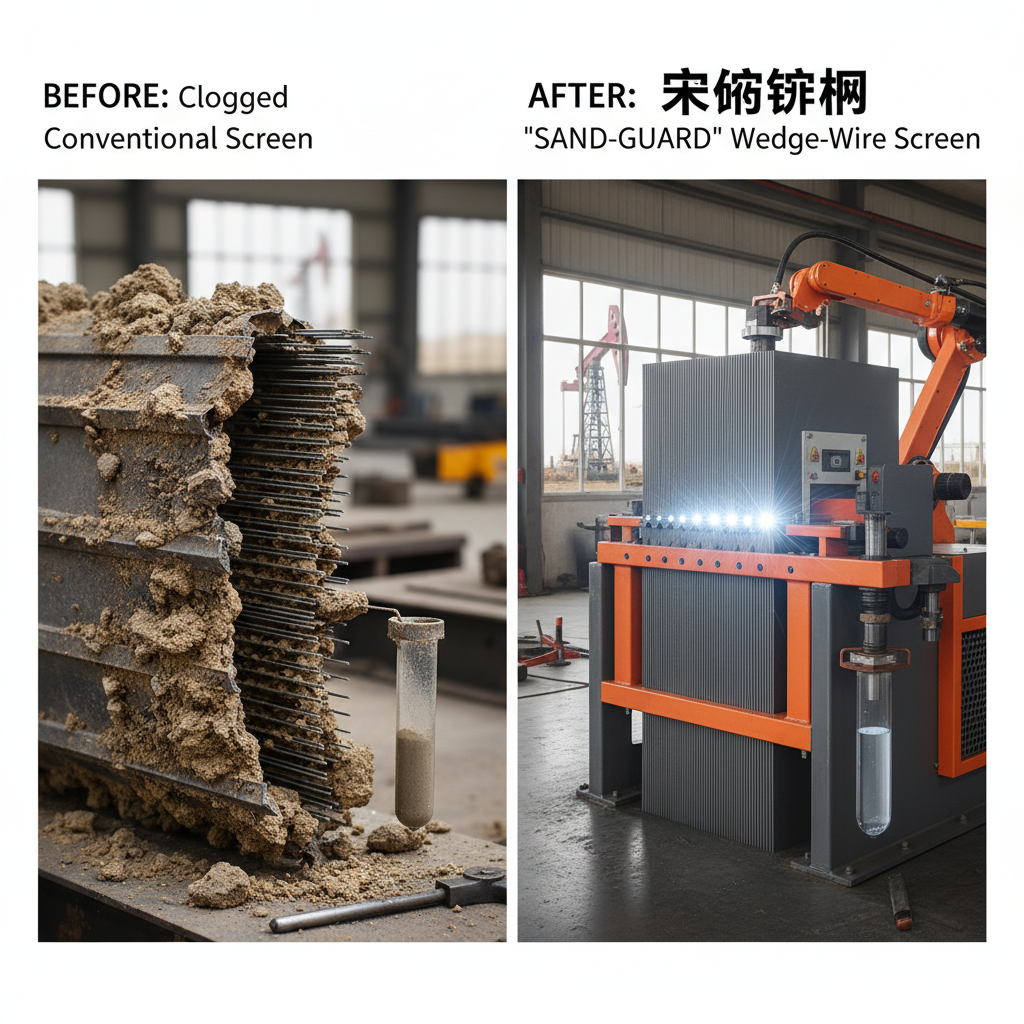
Wire wrapped screen pipe offers several significant advantages over traditional filtration methods. Its high open area minimizes pressure drop, leading to increased flow rates. The continuous slot design prevents clogging, reducing maintenance requirements and downtime. The robust construction ensures long-term durability, even in harsh environments. Furthermore, the consistent slot size provides efficient and uniform filtration, resulting in a higher quality output. The precise manufacturing process and superior materials contribute to the overall reliability and performance of the pipe.
Applications of Wire Wrapped Screen Pipe
Wire wrapped screen pipe finds applications in a broad spectrum of industries. It’s extensively used in water well construction, providing efficient filtration of sand and gravel. In the oil and gas sector, it's utilized for sand control in wellbores, preventing formation damage. Furthermore, it's employed in chemical processing, wastewater treatment, and various industrial filtration systems. Its ability to handle high flow rates and resist corrosion makes it ideal for these demanding applications. Muto Screen offers customized solutions for a diverse range of industrial needs.
Wire Wrapped Screen Pipe vs. Other Filtration Methods
Compared to other filtration methods, such as slotted pipes or gravel packs, wire wrapped screen pipe offers superior performance and longevity. Slotted pipes are prone to clogging, requiring frequent maintenance. Gravel packs can restrict flow rates and may not provide uniform filtration. Wire wrapped screen pipe, with its high open area and continuous slot design, overcomes these limitations, delivering consistent and reliable filtration with minimal maintenance. The initial investment may be higher, but the long-term cost savings from reduced downtime and increased efficiency often outweigh the initial expense.
Conclusion: Choosing the Right Filtration Solution
For applications requiring efficient, reliable, and long-lasting filtration, wire wrapped screen pipe is an excellent choice. Its superior performance, reduced maintenance, and versatility make it a valuable asset in a variety of industries. Contact Muto Screen today to discuss your specific filtration needs and receive a customized solution.
Frequently Asked Questions (FAQs)
What materials are wire wrapped screen pipes typically made from?
Wire wrapped screen pipes are commonly manufactured from stainless steel alloys such as 304 and 316L, known for their excellent corrosion resistance. Carbon steel is also used in certain applications, often with a coating to prevent corrosion. The choice of material depends on the specific fluid being filtered and the operating environment. 316L stainless steel is preferred for highly corrosive environments, while 304 is suitable for less demanding applications. The correct material selection is crucial for ensuring the longevity and reliability of the pipe.
What is the typical slot size for wire wrapped screen pipe?
The slot size for wire wrapped screen pipe can vary depending on the application, but common sizes range from 0.020 inches (0.5 mm) to 1.0 mm. The slot size is carefully selected to balance filtration efficiency and flow rate. Smaller slot sizes provide finer filtration but can reduce flow rates and increase clogging potential. Larger slot sizes allow for higher flow rates but may not effectively filter smaller particles. Muto Screen can customize slot sizes to meet specific client requirements.
How do I maintain wire wrapped screen pipe to prevent clogging?
Regular backwashing is the most effective way to prevent clogging in wire wrapped screen pipe. Backwashing involves reversing the flow of fluid through the pipe to flush out accumulated particles. The frequency of backwashing depends on the fluid's turbidity and the application's specific requirements. In some cases, chemical cleaning may be necessary to remove stubborn deposits. Periodic inspections are also recommended to identify and address any potential issues before they lead to significant clogging.