Understanding Sand Screen Technology in Oil and Gas
In the challenging environment of oil and gas extraction, ensuring efficient and reliable well performance is paramount. A critical component in achieving this is the sand screen, a vital tool used to prevent damaging sand production. This article explores the role of sand screens in oil and gas operations, detailing their types, benefits, selection criteria, and the advancements driving their effectiveness. Effective sand control is crucial for maximizing production rates and minimizing costly well interventions.
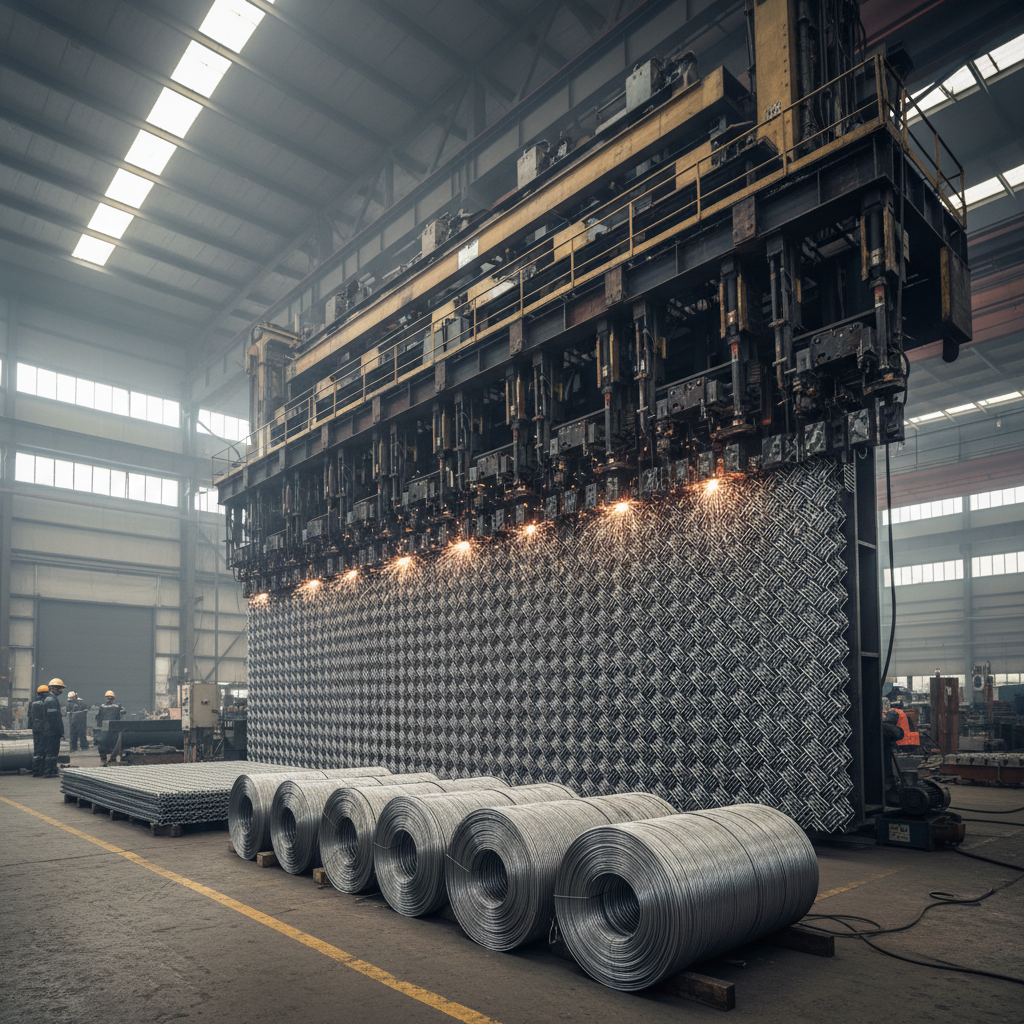
What is a Sand Screen and Why is it Important?
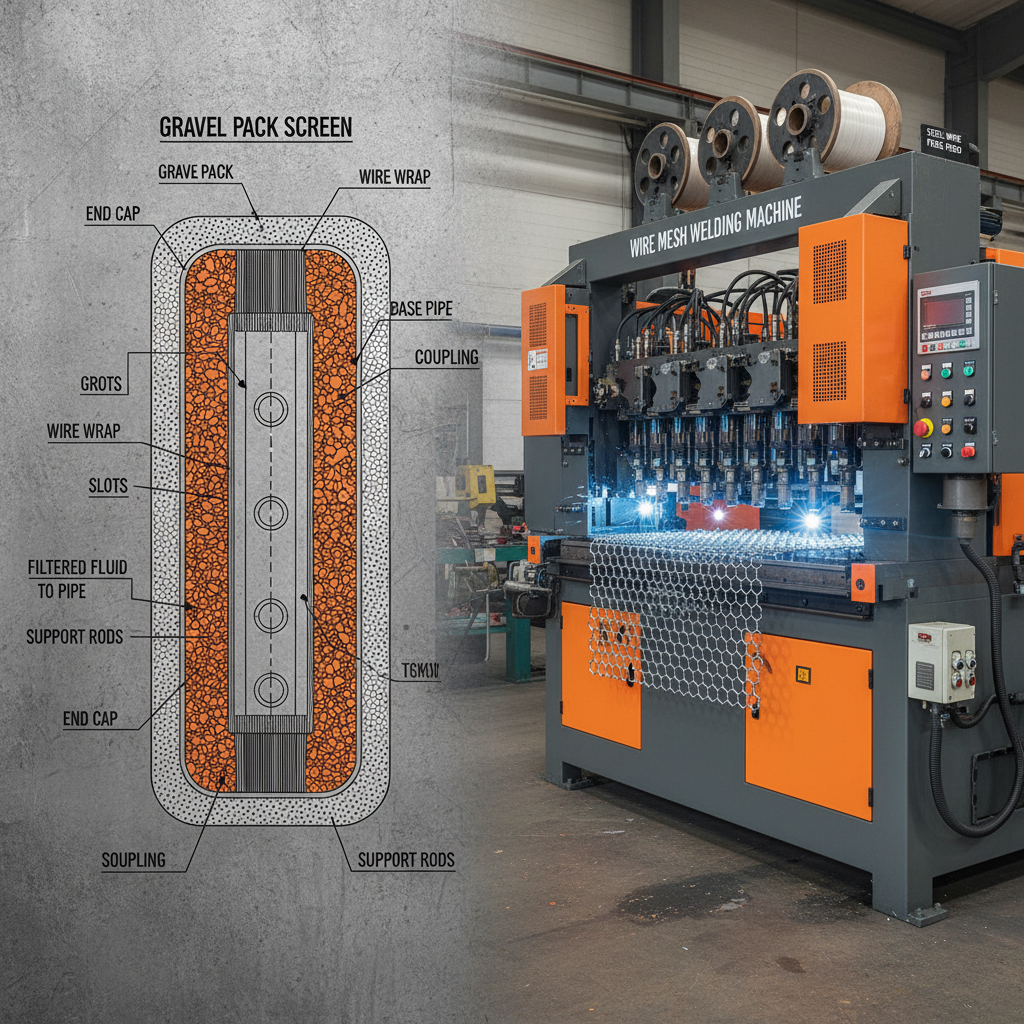
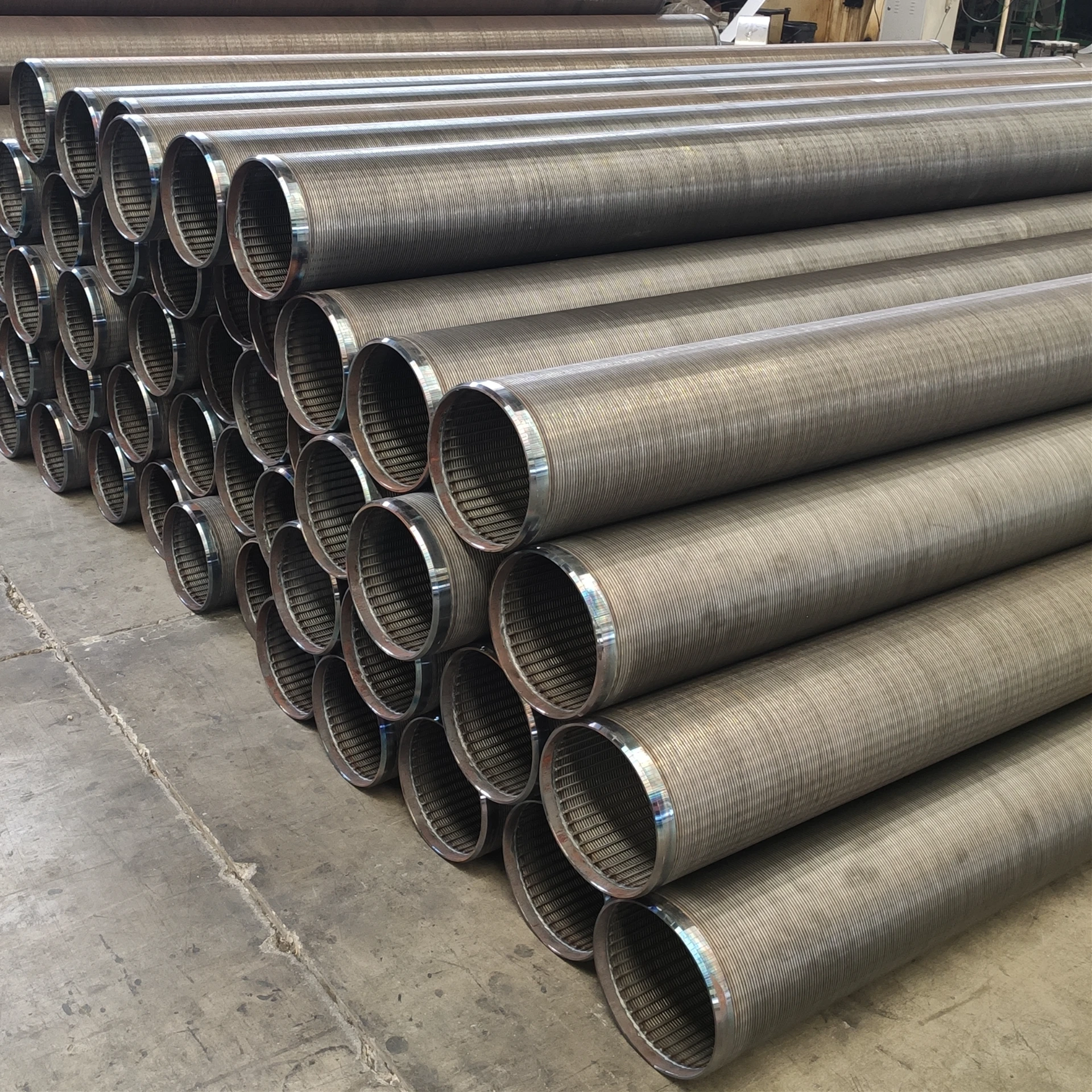
A sand screen is a filter installed within a wellbore to prevent the flow of sand (and other fine solids) along with the produced oil or gas. Without sand control, these solids can cause severe erosion of surface equipment like pumps, pipelines, and separators, leading to reduced efficiency, increased maintenance costs, and potentially catastrophic failures. Sand production can also lead to wellbore instability and formation damage, reducing the long-term productivity of the well. Muto Screen offers a range of solutions designed to address these challenges.
Key Benefits of Sand Screens:
- Protects surface equipment from erosion
- Maintains wellbore stability
- Prevents formation damage
- Maximizes production rates
- Reduces operational costs
Types of Sand Screens: A Comparative Overview
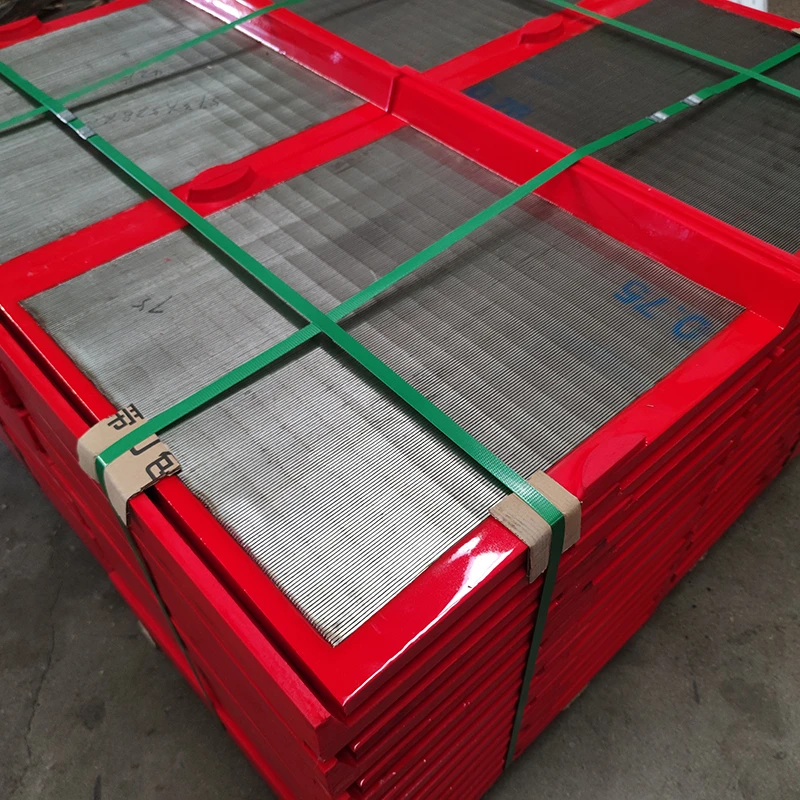
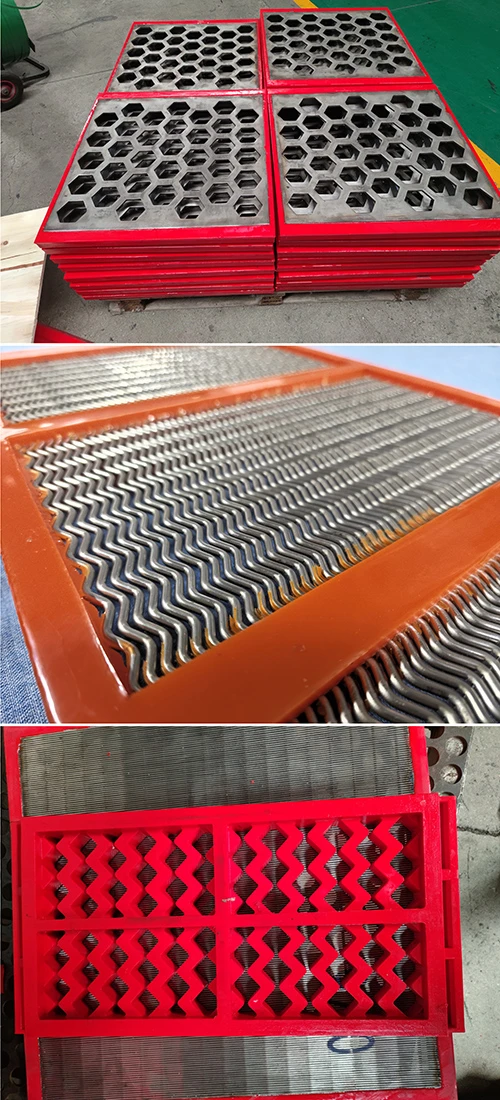
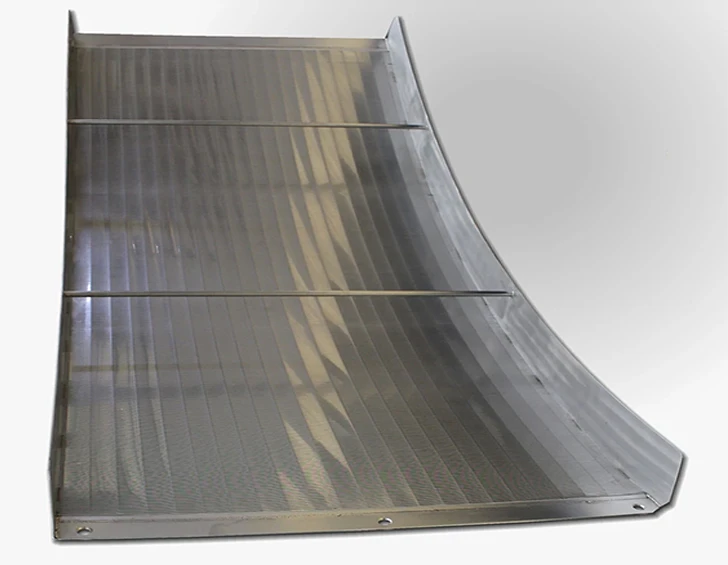
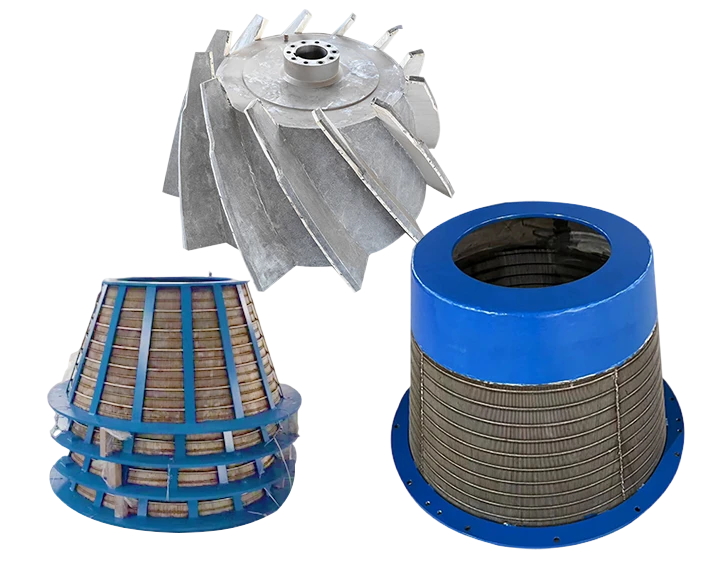
Several types of sand screens are available, each suited to different well conditions and production requirements. The most common types include:
Factors Influencing Sand Screen Selection
Choosing the right sand screen requires careful consideration of several factors, including the formation characteristics, fluid properties, and well operating conditions. Key considerations include: particle size distribution of the produced sand, wellbore geometry, anticipated production rates, and the presence of corrosive fluids. Expert consultation from companies like Muto Screen can ensure the optimal selection for your specific application.
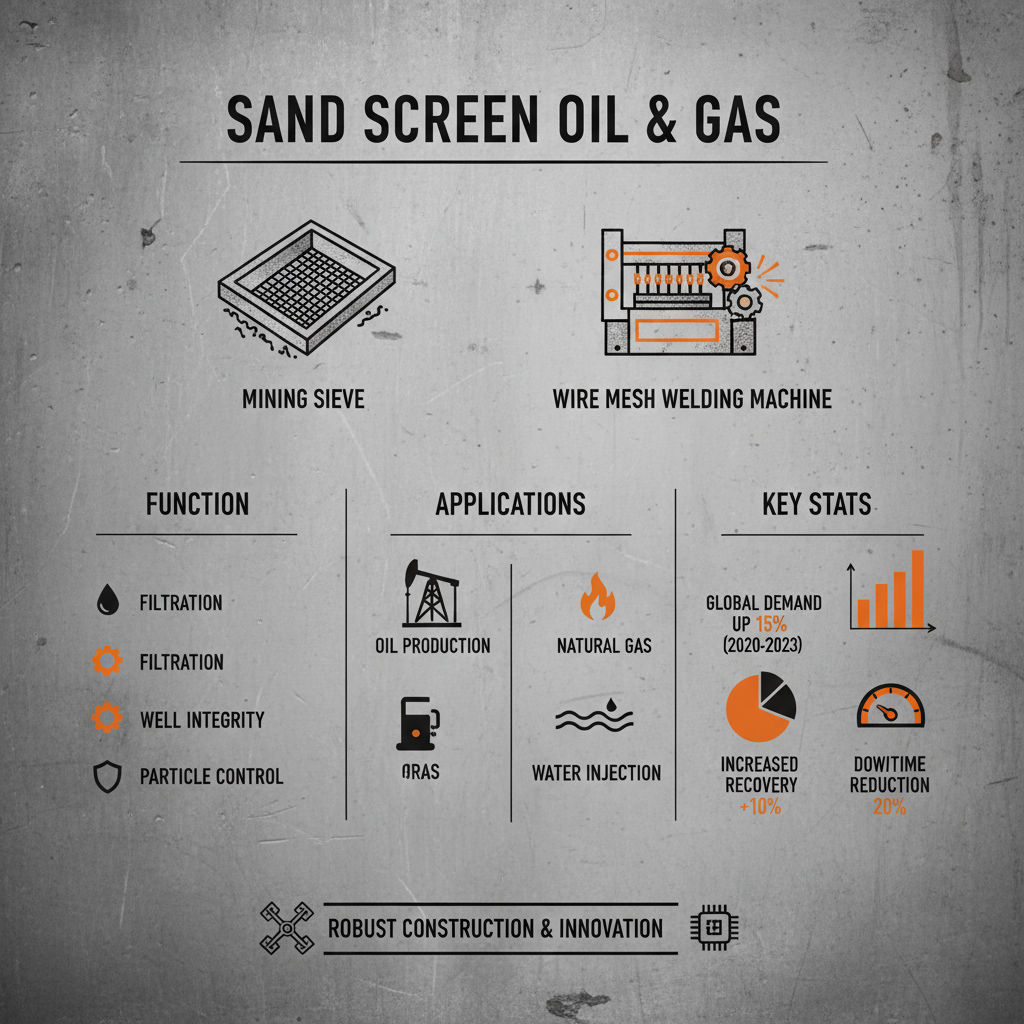
Advancements in Sand Screen Technology
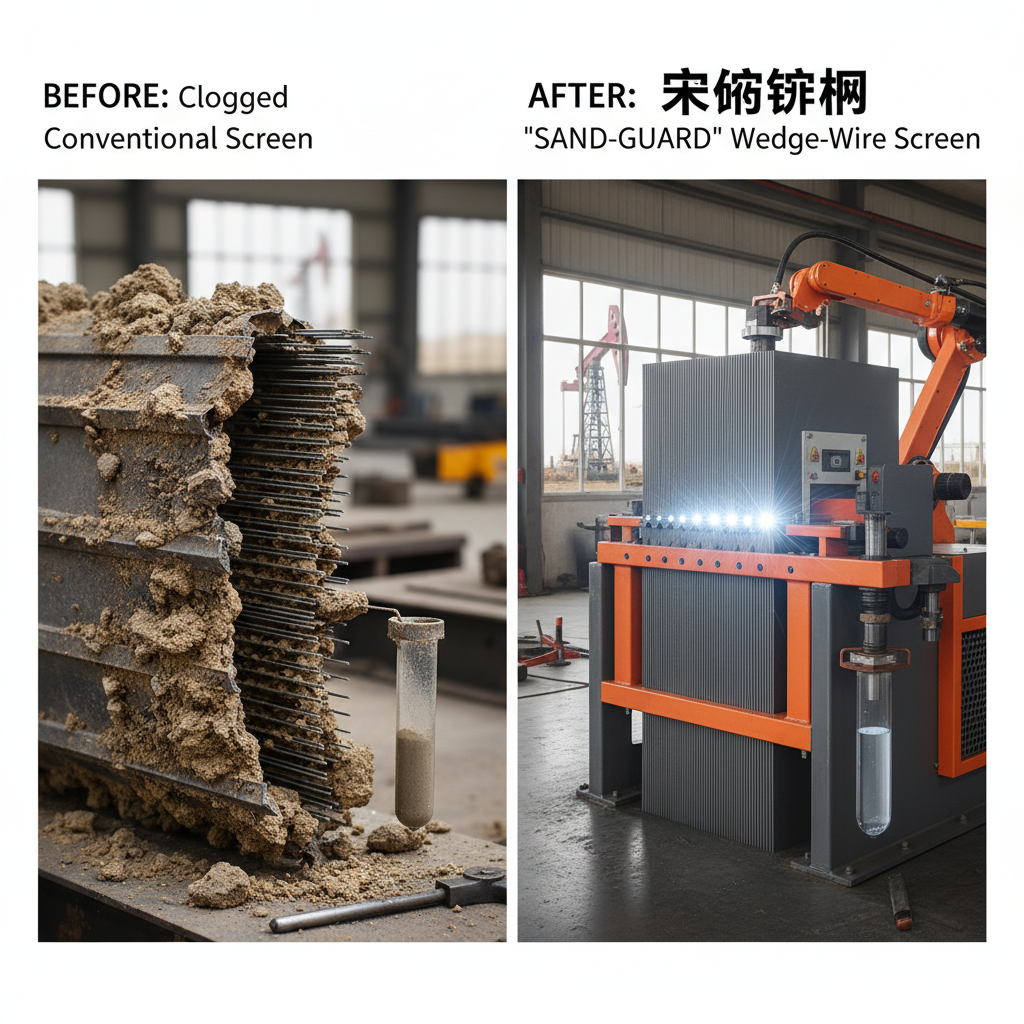
Recent innovations in sand screen technology focus on improving efficiency, durability, and resistance to clogging. These advancements include: high-performance alloys, enhanced slot designs to minimize pressure drop, and coatings to prevent corrosion and scaling. Smart sand screens equipped with sensors are also emerging, allowing for real-time monitoring of sand production and screen performance. These technologies enable proactive maintenance and optimize well productivity. Muto Screen remains at the forefront of these developments, offering cutting-edge solutions to the oil and gas industry.
Selecting the Right Sand Screen with Muto Screen
Choosing the correct sand screen is a vital decision that directly impacts well performance and longevity. Muto Screen provides comprehensive sand control solutions tailored to meet your specific needs. We offer expert consultation, customized screen designs, and reliable performance. Contact us today to discuss your requirements and discover how we can help optimize your oil and gas operations.
Conclusion: Ensuring Optimal Production with Effective Sand Control
Effective sand control is fundamental to maximizing the lifespan and productivity of oil and gas wells. By selecting the right sand screen and partnering with a trusted provider like Muto Screen, operators can minimize damage, reduce downtime, and optimize their return on investment.
Frequently Asked Questions (FAQs)
What are the consequences of not using a sand screen?
Failing to implement sand control can lead to significant and costly problems. Sand production causes erosion of downhole and surface equipment, resulting in reduced pump efficiency, pipeline blockages, and separator damage. It can also lead to wellbore instability, formation collapse, and reduced permeability, ultimately decreasing oil or gas flow rates. Addressing these issues often requires expensive workovers or even well abandonment.
How often should sand screens be inspected?
Regular inspection of sand screens is crucial for maintaining optimal performance. The frequency of inspection depends on well conditions and production rates, but a general guideline is to inspect screens during routine well interventions or at least annually. Inspection should include visual assessment for damage, corrosion, and plugging. Pressure drop monitoring can also indicate screen fouling and the need for cleaning or replacement.
What is resin-coated sand and how is it used in sand control?
Resin-coated sand is a mixture of sand grains coated with a thermosetting resin. When injected into the formation around the wellbore, the resin cures, creating a consolidated pack that prevents sand production while maintaining permeability. It’s commonly used in pre-packed screens and squeeze treatments. The resin provides a strong, stable matrix that effectively supports the formation and prevents sand influx.
Can sand screens be cleaned if they become plugged?
Yes, some sand screens can be cleaned if they become plugged with debris. The cleaning method depends on the screen type and the nature of the plugging material. Chemical treatments, jetting, or backwashing can sometimes restore permeability. However, severely plugged or damaged screens may require replacement to ensure continued effective sand control.