The Ultimate Guide to Coarse Screens in Industrial Filtration
In the world of water treatment and industrial waste management, the first line of defense is critical. coarse screens serve as this essential primary barrier, designed to remove large debris, rags, and floating objects from influent streams. By preventing oversized materials from entering downstream pumps and sensitive equipment, these systems significantly reduce maintenance costs and prevent catastrophic system failures. Whether you are managing a municipal wastewater plant or an industrial processing facility, understanding the nuances of coarse screening is the key to operational efficiency. In this guide, we will explore how these systems work and how to choose the right one for your specific needs.
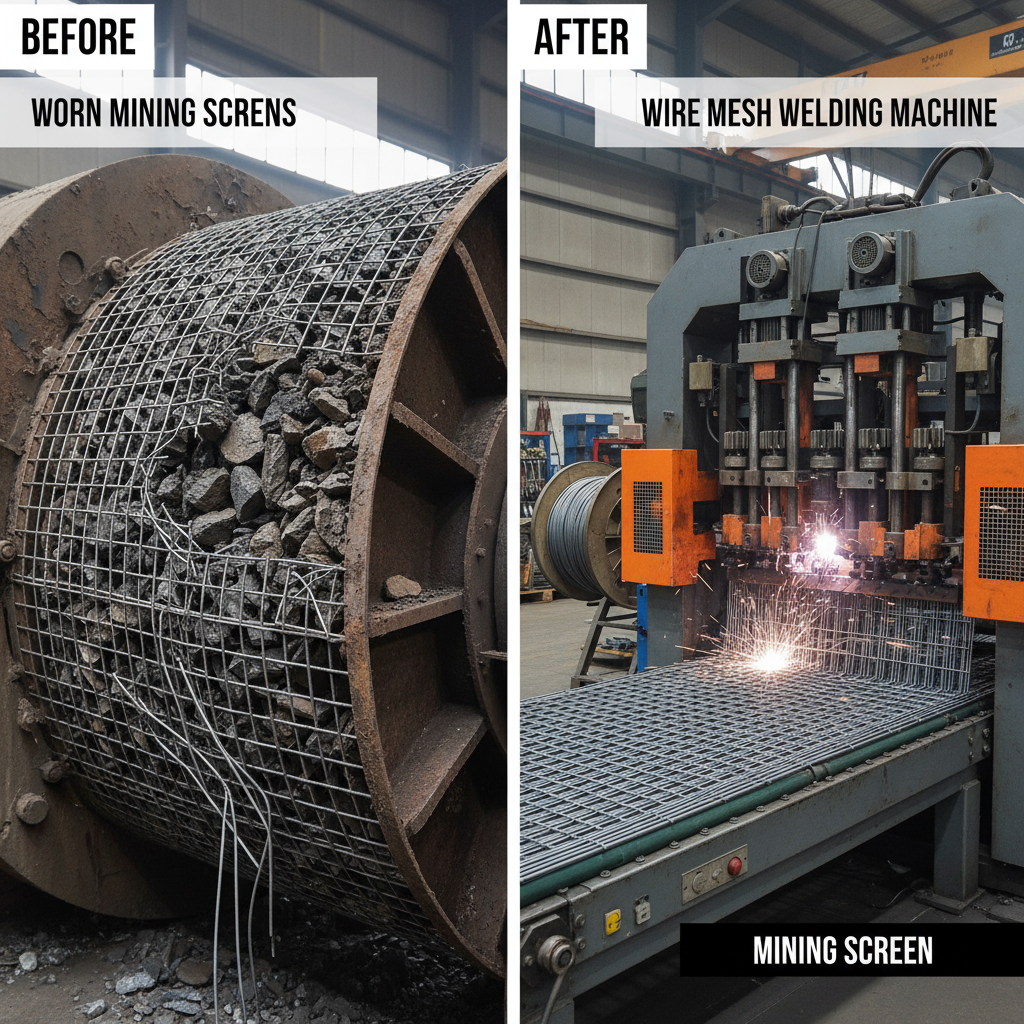
How Coarse Screens Protect Your Infrastructure
The primary objective of coarse screens is "protection." When raw wastewater or industrial fluids enter a facility, they often carry heavy debris such as plastics, wood, and textiles. If these materials reach the pumps, they can cause clogging, impeller damage, or total blockage. By implementing a robust coarse screening stage, facilities ensure a steady flow of fluid while isolating solids for easy removal and disposal. This preliminary step is not just about cleanliness; it is about extending the lifecycle of every single piece of equipment further down the process line.
Industry Insight: Effective coarse screening can reduce downstream maintenance requirements by up to 40%, depending on the influent load and the efficiency of the screening mechanism.
Types of Coarse Screens and Their Mechanisms
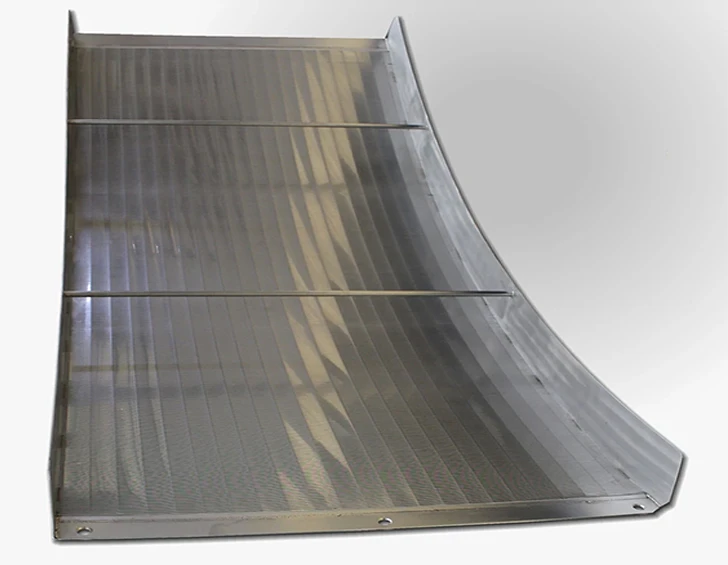
Not all screening needs are the same. Depending on the volume of water and the size of the debris, different types of coarse screens are utilized. Manual screens are simple but labor-intensive, while mechanical screens offer automated cleaning and higher throughput. Bar screens, for example, use vertical or inclined bars to trap solids, which are then raked away. Step screens use a series of steps to move debris upward. The choice usually depends on the available space, budget, and the specific nature of the waste being processed.
Common Screening Mechanisms:
• Mechanical Raking: Automated arms remove debris periodically.
• Step Screening: Gravity and step-design move solids upward.
• Manual Cleaning: Human operators manually clear the bars.
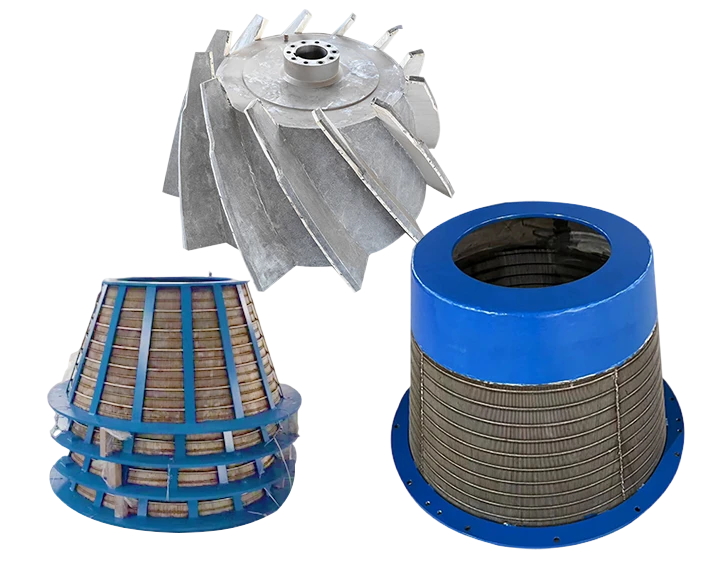
• Rotary Drum: Rotating cylinders filter large particles.
Comparing Mechanical vs. Manual Coarse Screens
When deciding between manual and mechanical coarse screens, operators must weigh initial investment against long-term operational costs. Manual screens have lower upfront costs but high labor expenses and the risk of human error. Mechanical screens, while more expensive to install, provide consistent performance and minimize the need for manual intervention, which is critical for high-flow environments. The following table highlights the core differences to help you make an informed decision.
Selecting the Right Material for Coarse Screens
The environment in which coarse screens operate is often corrosive and abrasive. Choosing the wrong material can lead to rapid degradation and frequent replacements. Stainless steel (specifically Grade 304 or 316) is the industry gold standard due to its excellent corrosion resistance. For highly acidic or alkaline environments, specialized coatings or composite materials may be required. The goal is to balance tensile strength with chemical resistance to ensure the screen remains structural under heavy load.
Technical Specifications for Coarse Screens
When specifying a system, engineers look at several key parameters. The "aperture" or "gap size" determines what is let through and what is captured. For coarse screening, this is typically between 6mm and 50mm. Additionally, the angle of the screen affects the ease of debris removal—steeper angles are generally better for automatic raking systems. Below are the standard technical specifications typically considered during the procurement of coarse screens.
Maintenance and Operational Best Practices
To maintain the peak efficiency of your coarse screens, a proactive maintenance schedule is non-negotiable. Regular inspections for bar deformation or weld fractures can prevent unexpected downtime. For mechanical systems, lubricating the drive chain and checking the sensor calibration for automatic cleaning cycles is essential. Furthermore, monitoring the head loss (the difference in water level before and after the screen) provides a real-time indicator of how clogged the screen is, allowing for optimized cleaning intervals.
Conclusion: Optimizing Flow with Quality Screening
Investing in high-quality coarse screens is a strategic move for any facility dealing with fluid waste. By effectively removing large debris at the entry point, you protect your downstream investments, reduce labor costs, and ensure environmental compliance. Whether you choose a manual or an automated system, the priority should always be durability and efficiency. Don't let a few pieces of debris compromise your entire plant's operation—choose the right screening solution today.
Frequently Asked Questions (FAQs)
What is the difference between coarse and fine screens?
The primary difference lies in the aperture size and the target debris. Coarse screens typically have openings larger than 6mm and are designed to remove large objects like sticks, plastics, and rags. Fine screens, on the other hand, have much smaller openings (often 1mm to 6mm) and are used to remove smaller organic solids and grit. In most professional treatment plants, coarse screens are installed first to protect the fine screens from being overwhelmed or damaged by large debris.
How often should coarse screens be cleaned?
For manual screens, cleaning frequency depends on the influent load, but it usually requires constant monitoring and frequent clearing. For mechanical screens, the frequency is automated based on either a timer or a differential level sensor. When the water level upstream reaches a certain threshold, the rake is triggered. In high-load industrial settings, this could happen every few minutes, whereas in smaller plants, it might occur every hour.
Can coarse screens be retrofitted into existing channels?
Yes, most coarse screens are designed for versatility and can be retrofitted into existing concrete channels. The key is to accurately measure the channel width and depth to ensure a snug fit and proper flow dynamics. Many manufacturers offer custom-sized frames that can be bolted into existing infrastructure without requiring major civil works, making the upgrade process relatively seamless.
Which material is best for highly corrosive wastewater?
For highly corrosive environments, Stainless Steel 316 (SS316) is highly recommended over SS304 because of its added molybdenum, which provides superior resistance to chlorides and acids. In extreme cases where even SS316 might fail, duplex stainless steel or specialized polymer-coated metals can be used. Choosing the correct material prevents pitting and stress corrosion cracking, ensuring the screen remains operational for decades.