Conveyor Belt Cleaners: Essential Tools for Industrial Efficiency
Conveyor belt cleaners might not be a flashy topic at first glance, but if you ever peek behind the scenes of industries like mining, manufacturing, or logistics, you quickly realize how crucial these devices really are. Simply put, conveyor belt cleaners help maintain the smooth operation of material handling systems by removing residual debris from conveyor belts, preventing costly issues like belt damage, spillage, and downtime. With global supply chains becoming increasingly complex and industries leaning heavily on automation, understanding the value and workings of conveyor belt cleaners has never been more important.
Why Conveyor Belt Cleaners Matter Globally
On a global scale, conveyor belts move billions of tons of raw materials, finished goods, and waste every year—numbers that would astound anyone outside the industrial sector. For example, the International Labour Organization notes that mining alone contributes significantly to the GDP of many developing countries, and conveyor systems are at the heart of mining operations. Improper maintenance of these belts can lead to spillage, increased wear, and breakdowns that ripple out to affect supply chains worldwide. Conveyor belt cleaners address this challenge by ensuring belts stay clean and operational, reducing environmental contamination and enhancing worker safety.
Frankly, without effective cleaning mechanisms, industries might face inefficient throughput, heightened maintenance costs, and even safety incidents. Plus, with sustainability becoming a core business principle, conveyor belt cleaners allow facilities to reduce waste and energy usage. And oddly enough, the humble cleaner plays a vital role in this story.
What Exactly Are Conveyor Belt Cleaners?
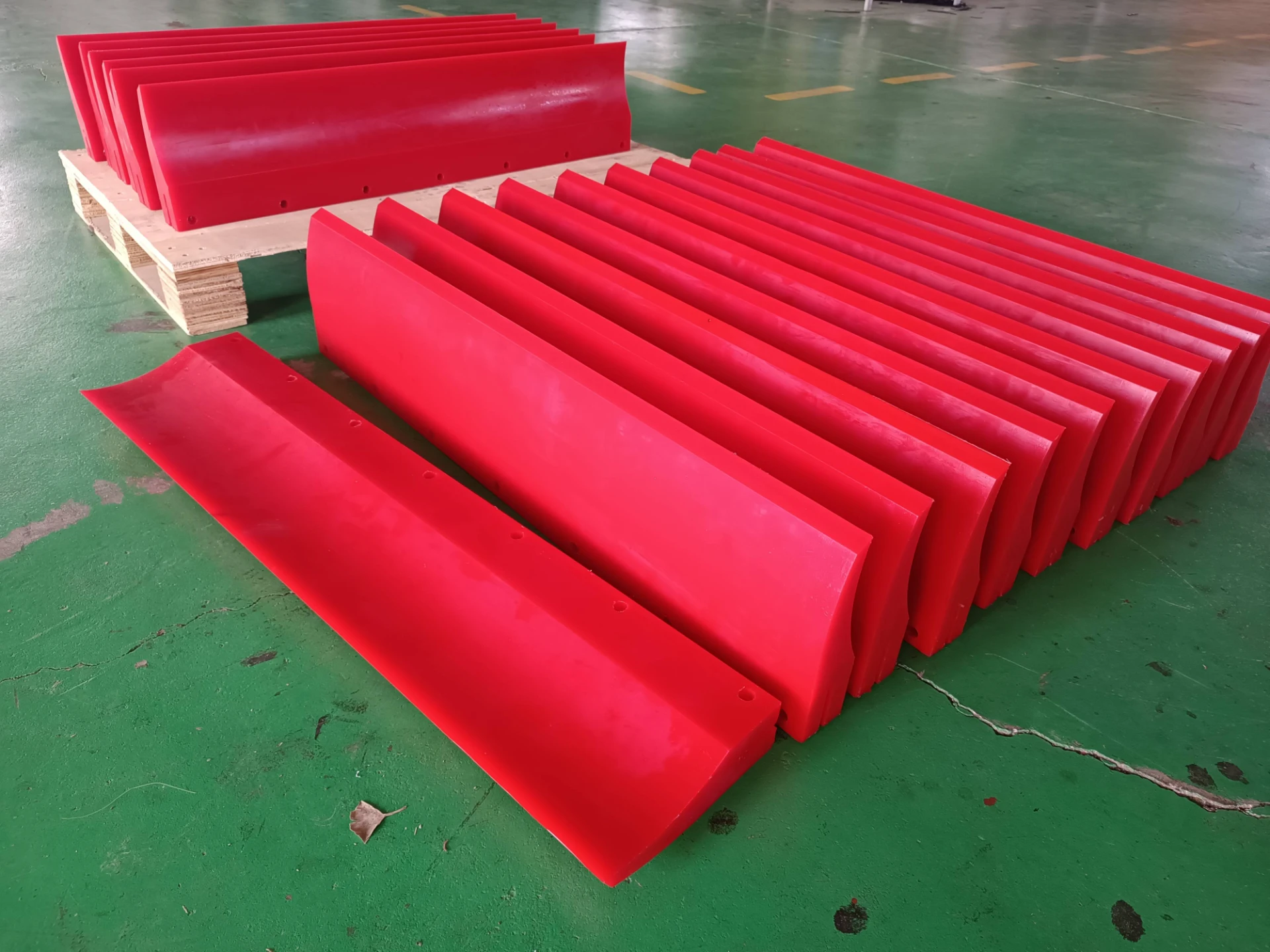
In the simplest terms, conveyor belt cleaners are mechanical devices designed to remove carryback (material that sticks to the belt after unloading) from conveyor belts. This return-side cleaning prevents material buildup on idlers, pulleys, and supports, which could cause system failure, spillage, or excessive wear. Usually, these cleaners feature blades made from polyurethane or tungsten carbide, pressed against the belt surface at specific angles to scrape off stuck particles.
Their significance extends beyond industry — in humanitarian logistics, for example, ensuring efficient material flow in disaster zones can mean faster delivery of relief supplies. Conveyor belt cleaners, while unassuming, ensure that supply lines operate smoothly even under strenuous conditions.
Core Components and Key Factors of Conveyor Belt Cleaners
1. Durability
These tools must withstand harsh environments: abrasive materials, extreme temperatures, and constant friction. High-grade materials are essential. It's common to see cleaners with tungsten carbide blades designed to last months without replacement, which frankly saves operational headaches.
2. Adjustability
A good cleaner can adapt its pressure against the belt to optimize cleaning without damaging the belt surface. Many engineers say adjustability directly translates to longer belt life and better cleaning performance.
3. Ease of Maintenance
Since downtime costs pile up quickly, conveyor belt cleaners that are simple to inspect, replace, or adjust help keep production lines humming where every minute counts.
4. Safety Considerations
Some modern designs incorporate dust suppression features and enclosed mechanisms, reducing airborne particulates — a big deal in industries concerned about worker health.
5. Cost Efficiency
While initial investment ranges widely depending on design and materials, over time, the reduction in spillage, cleanup, and unexpected maintenance translates to notable savings.
Product Specifications at a Glance
| Specification | Typical Range | Notes |
|---|---|---|
| Blade Material | Polyurethane / Tungsten Carbide | Hardness vs. wear resistance trade-off |
| Operating Temperature | -20°C to 120°C (can vary) | Depends on elastomer properties |
| Belt Width Compatibility | 300mm to 2400mm+ | Custom sizes common |
| Mounting Type | Fixed / Suspended / Automatic | Level of automation affects cost |
| Average Blade Life | 3–6 months | Operating conditions greatly influence |
Global Applications & Use Cases
Industries across continents rely heavily on conveyor belt cleaners. Mining in Australia, coal transport in Russia, and bulk handling in South Africa all utilize cleaners to maintain uninterrupted operations. Oddly enough, even food processing plants in Europe employ specialized belt cleaners to meet hygiene and contamination standards.
In disaster-prone areas like parts of Southeast Asia, timely clearing of rubble requires material handling systems that stay operational despite harsh weather. Here, conveyor belt cleaners contribute indirectly by minimizing breakdown time and ensuring steady flow of construction materials or relief supplies.
Advantages and Long-Term Value
- Cost Savings: Less spillage and belt wear means fewer repairs and replacements.
- Environmental Impact: Reduced material loss lowers soil contamination and pollution.
- Worker Safety: Cleaner belts reduce slip hazards and airborne dust exposure.
- Operational Reliability: Continuous material flow without interruptions supports productivity targets.
- Innovation & Trust: Facilities gain confidence in their systems, bolstering internal and client trust.
Future Trends & Innovations in Conveyor Belt Cleaners
There’s been a steady push toward smart, automated cleaners that monitor blade wear and adjust cleaning intensity in real-time. Integration with IoT systems offers predictive maintenance alerts, potentially preventing failures before they start.
Material science innovations are also notable. New polymers and ceramics promise longer blade life with less environmental impact. Some manufacturers are developing eco-friendly, recyclable components aligned with sustainability goals.
With automation and digitization accelerating, expect conveyor belt cleaners to become smarter, greener, and more adaptable in the coming years.
Challenges & Expert Solutions
Though vital, conveyor belt cleaners face challenges: friction can degrade belts prematurely if the cleaner is improperly adjusted, and abrasive materials sometimes wear blades quickly. Dust generation remains a concern, especially for worker health.
Experts often recommend custom-tailored cleaning solutions based on material type, belt speed, and operation environment rather than off-the-shelf fixes. Some innovative designs include self-cleaning blades or air-knife systems that reduce direct contact but maintain cleaning efficiency. Regular inspection and tuning remain essential—no substitute for good maintenance practices.
FAQ: Frequently Asked Questions About Conveyor Belt Cleaners
- Q: How often should conveyor belt cleaner blades be replaced?
- A: Blade replacement depends on operating conditions but generally ranges between 3 to 6 months. Regular inspections help identify wear early to avoid belt damage.
- Q: Can conveyor belt cleaners be retrofitted to existing systems?
- A: Absolutely. Most cleaners are designed to fit a wide range of belt widths and mounting setups. Customization ensures proper fit and optimal performance.
- Q: Are there cleaners designed for food-grade conveyor belts?
- A: Yes, specialized cleaners use FDA-approved materials and sanitary designs to comply with food safety regulations, ensuring no contamination.
- Q: What is the main difference between primary and secondary belt cleaners?
- A: Primary cleaners remove large carryback right after the head pulley, while secondary cleaners catch residual material missed by primaries, protecting other components more deeply.
- Q: How can industries reduce dust during conveyor belt cleaning?
- A: Using enclosed cleaners with dust suppression features, regular maintenance, and combining mechanical with air-based cleaning methods helps mitigate dust.
Vendor Comparison: Notable Conveyor Belt Cleaner Suppliers
| Vendor | Product Range | Material Options | Customization | Lead Time |
|---|---|---|---|---|
| MutoScreen | Primary & Secondary Cleaners | Polyurethane, Carbide | High (custom sizes, digital monitoring) | 2-4 weeks |
| Cleanco | Primary Cleaners Only | Polyurethane | Low | 1-3 weeks |
| DustAway Solutions | Full Range (incl. specialty dust control) | Carbide, Ceramic Composites | Medium | 3-5 weeks |
Conclusion
To sum things up, conveyor belt cleaners are the unsung heroes behind efficient, reliable, and safe material handling systems worldwide. Whether it’s ensuring smooth mining operations or aiding disaster-supply logistics, these cleaners help industries save money, protect the environment, and promote worker safety.
If you’re looking for trusted solutions that fit your unique operational needs, I highly recommend visiting MutoScreen’s website to explore their innovative and customizable conveyor belt cleaning products.
It feels like the world runs on conveyors—and those cleaner blades quietly keep it moving.