Why Choosing the Right Sieve Matters in Industrial Applications
I’ve been around industrial equipment for what feels like forever, and if there’s one thing I’ve learned, it’s that picking the right sieve isn’t just about the mesh size or the brand name plastered on the side. It’s a bit like choosing shoes for a long hike—you want durability, comfort, and something that really fits the job. Sieves do a lot more than just “sift stuff,” they make or break your process, especially when working with raw materials or powders.
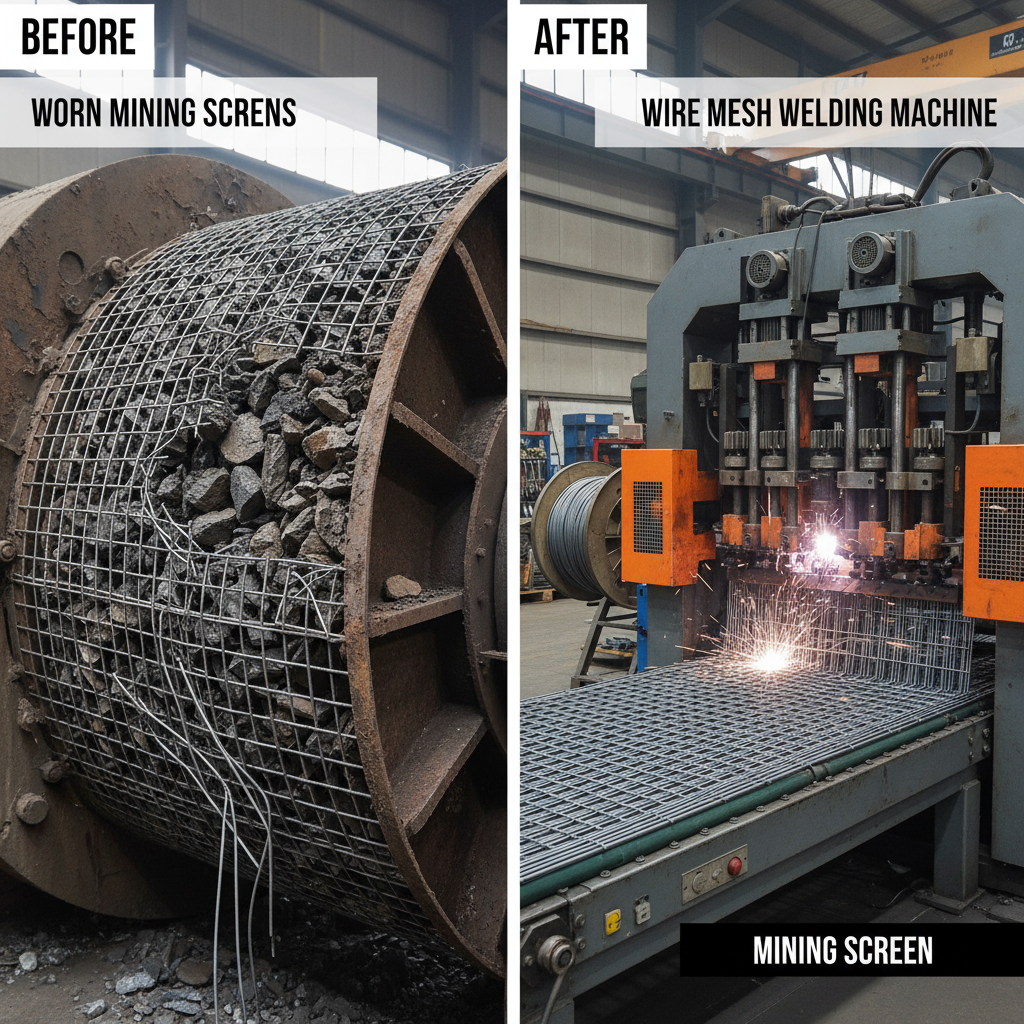
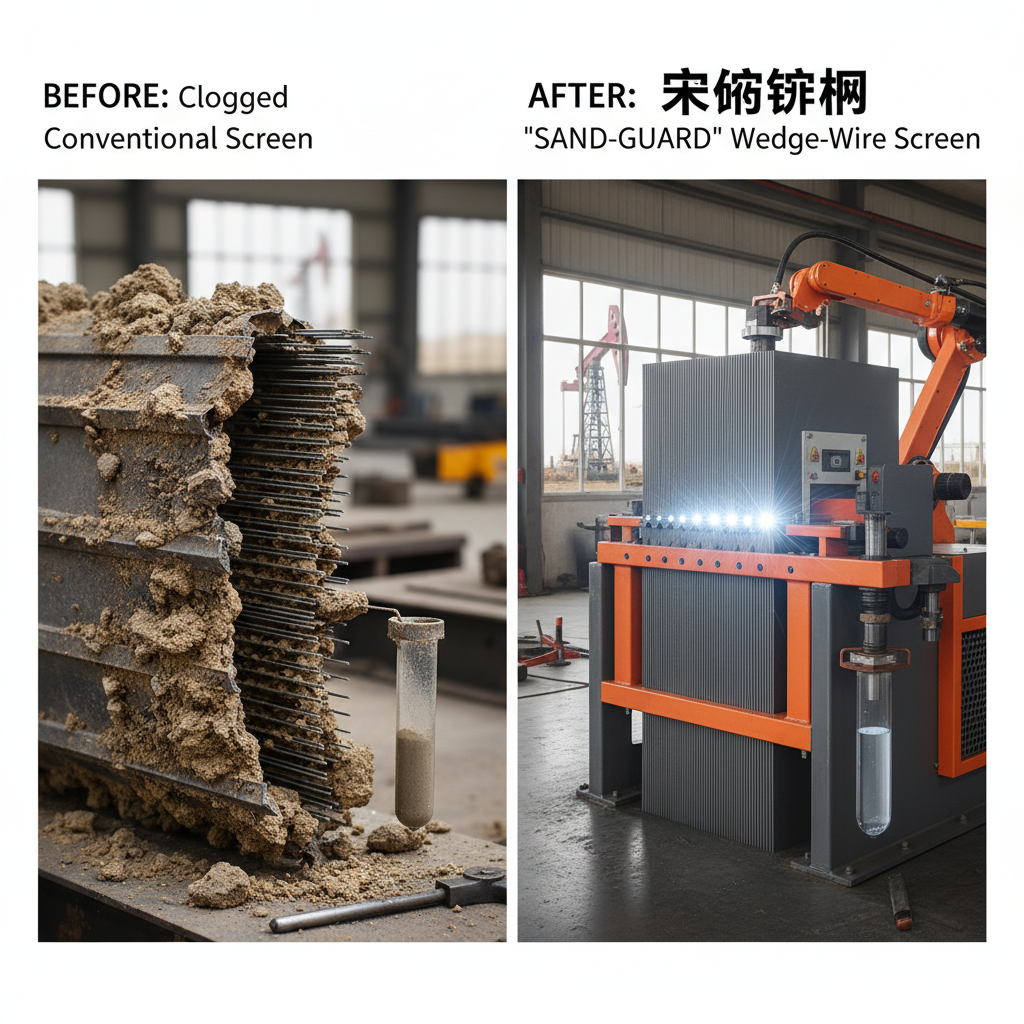
Frankly, it’s easy to underestimate how crucial the quality of your sieve is until a batch gets held up or material clogs the line. That’s the moment you realize your screen needs to withstand harsh use and keep consistent performance. I’ve seen plenty of teams fall into the trap of using cheaper, generic mesh only to regret it when throughput slows or wear-and-tear kicks in faster than expected.
Materials and Design: What Makes a Sieve Reliable?
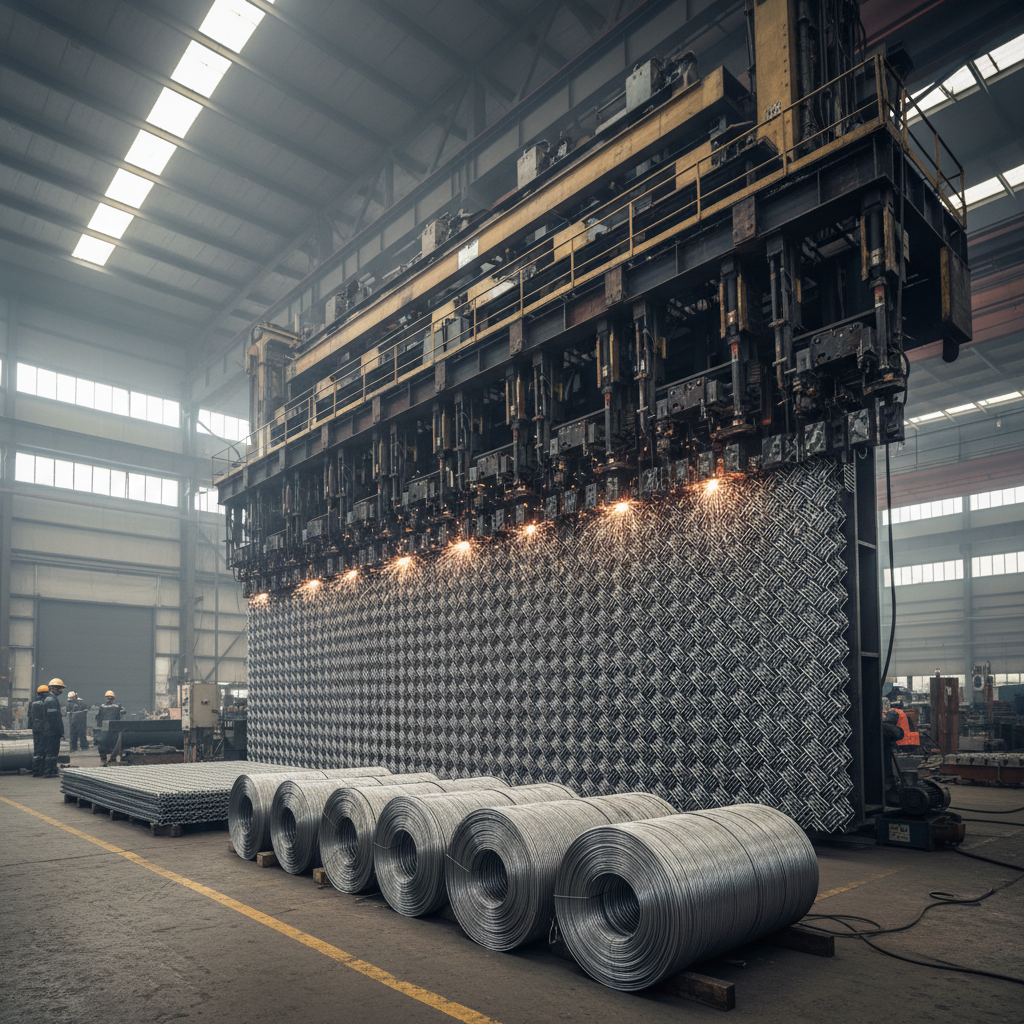
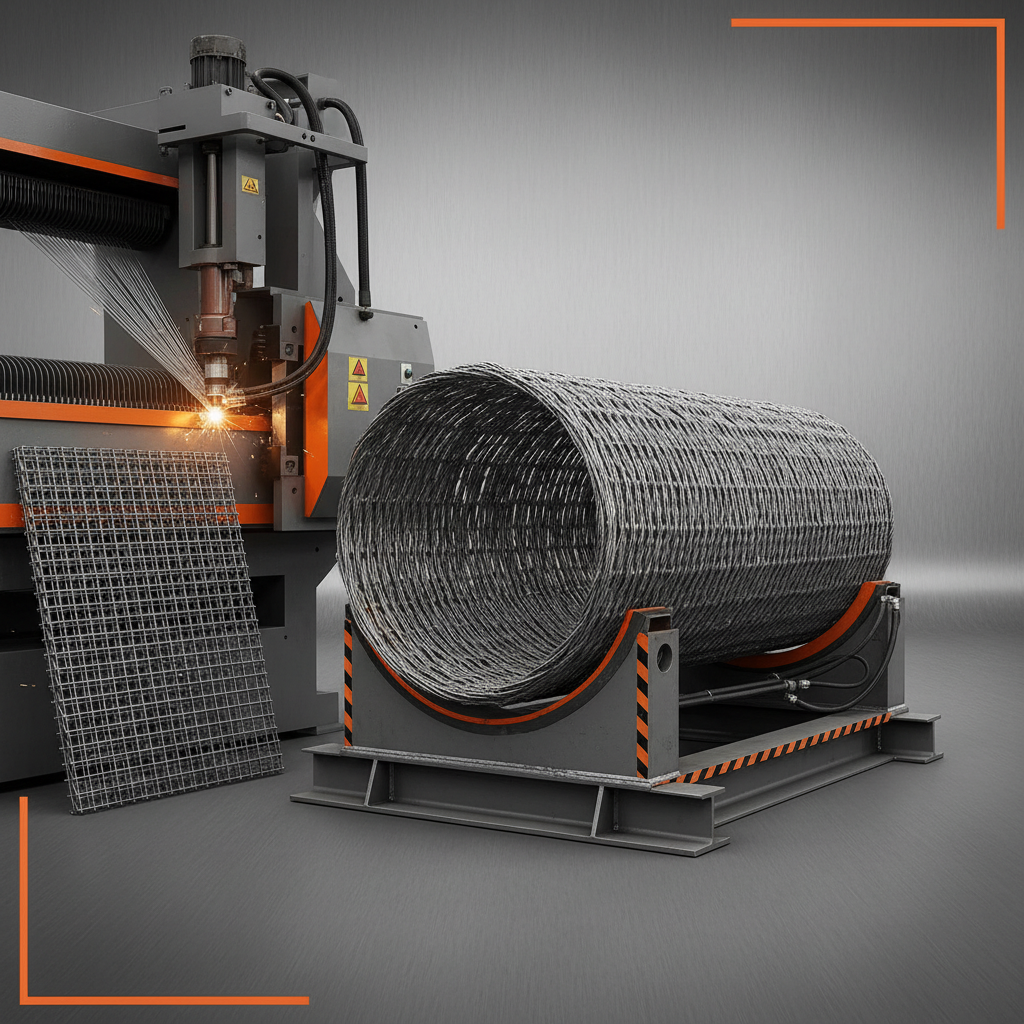
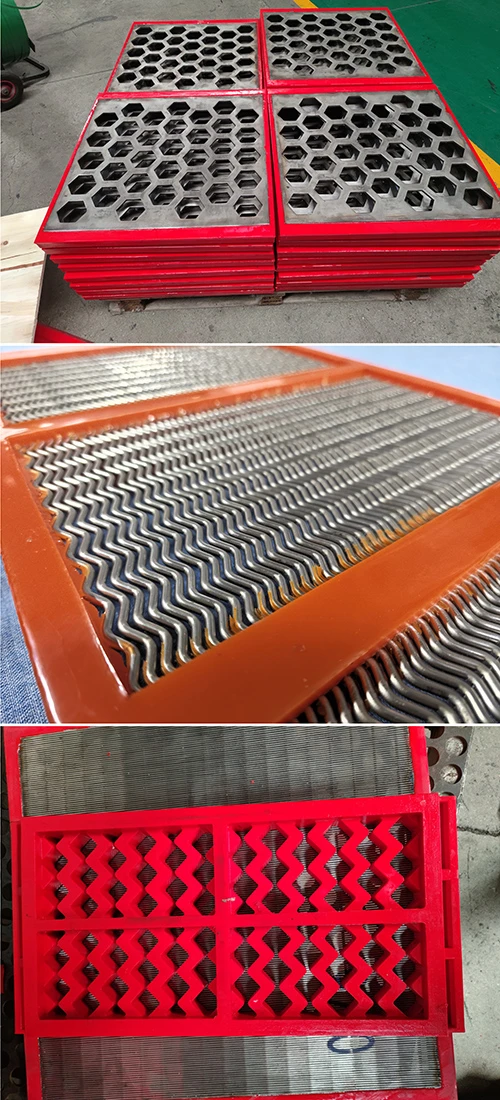
When you’re deep in the weeds of product specs, it’s easy to get lost in numbers and steel grades. But there’s something satisfying about a sieve made from the right stainless steel or alloy; it’s practically built to resist corrosion, abrasion, and the occasional angry surge of product pressure. Many engineers say that the weave pattern of the mesh and the tension applied during manufacturing can make a surprising difference in longevity.
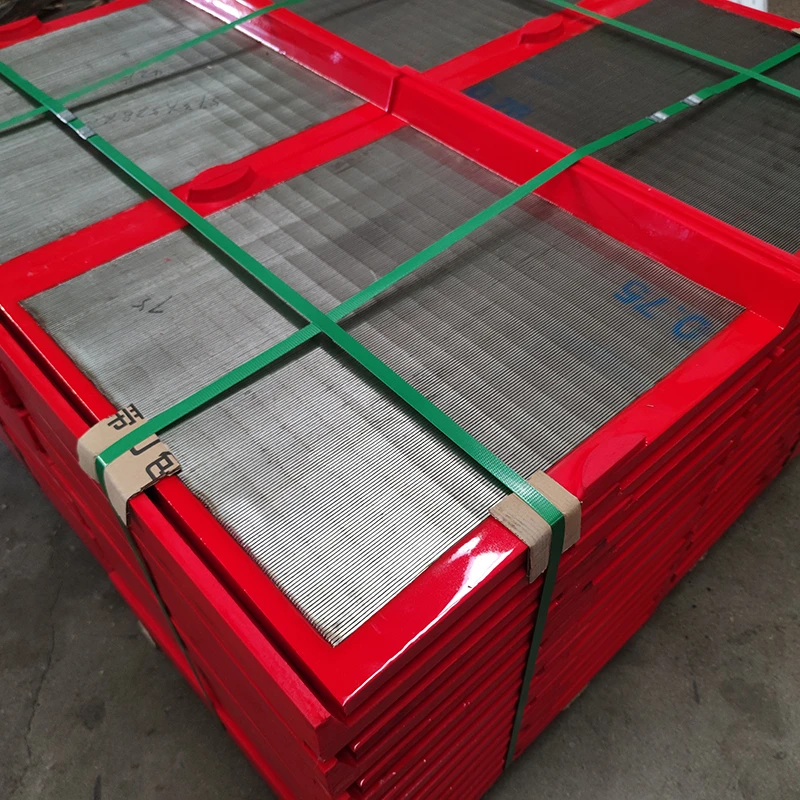
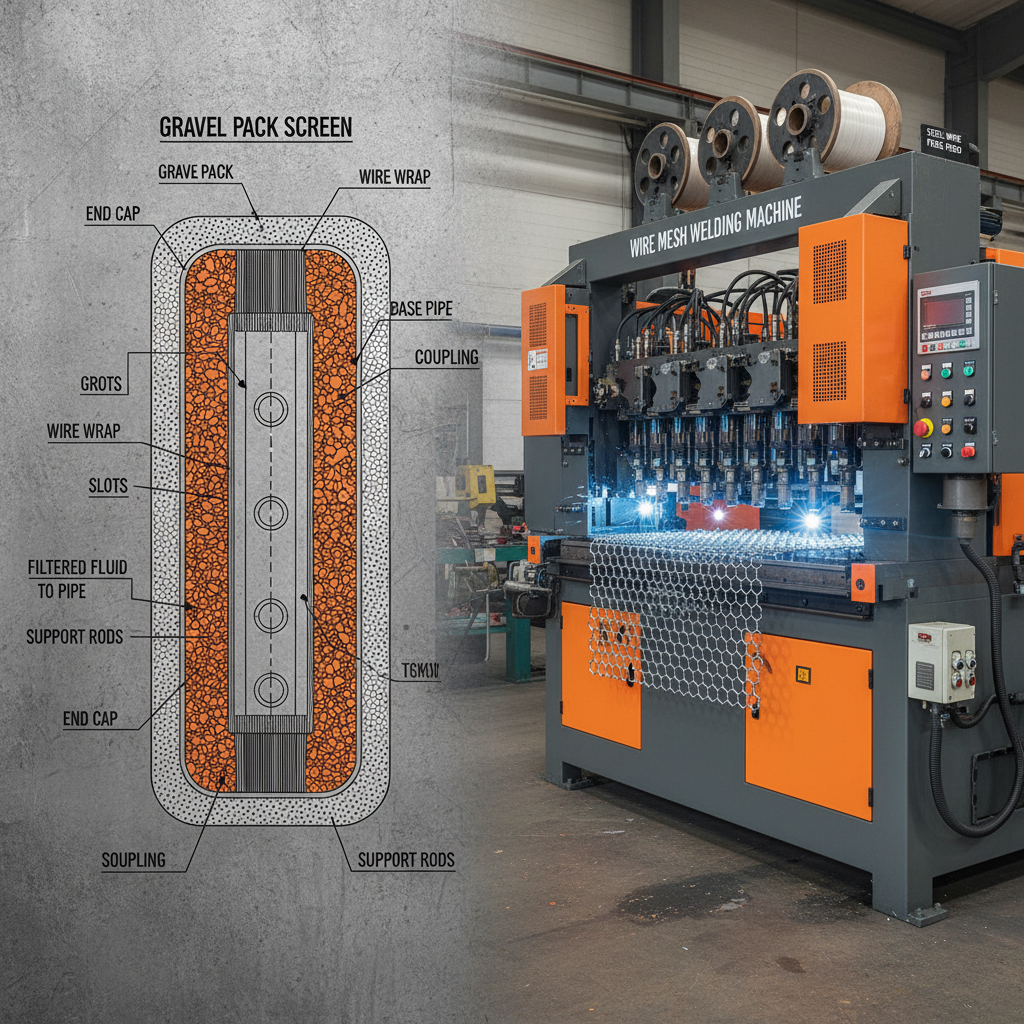
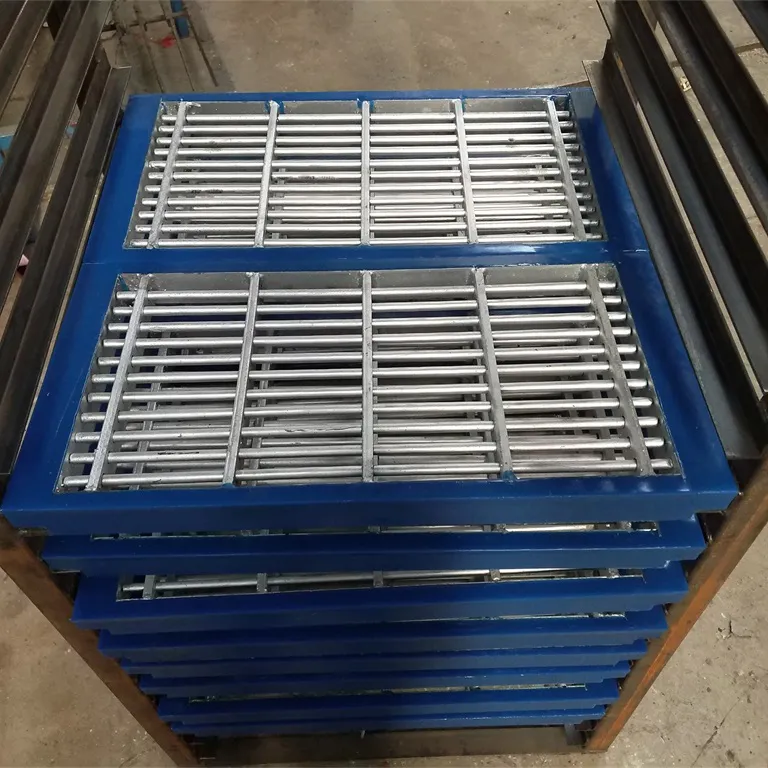
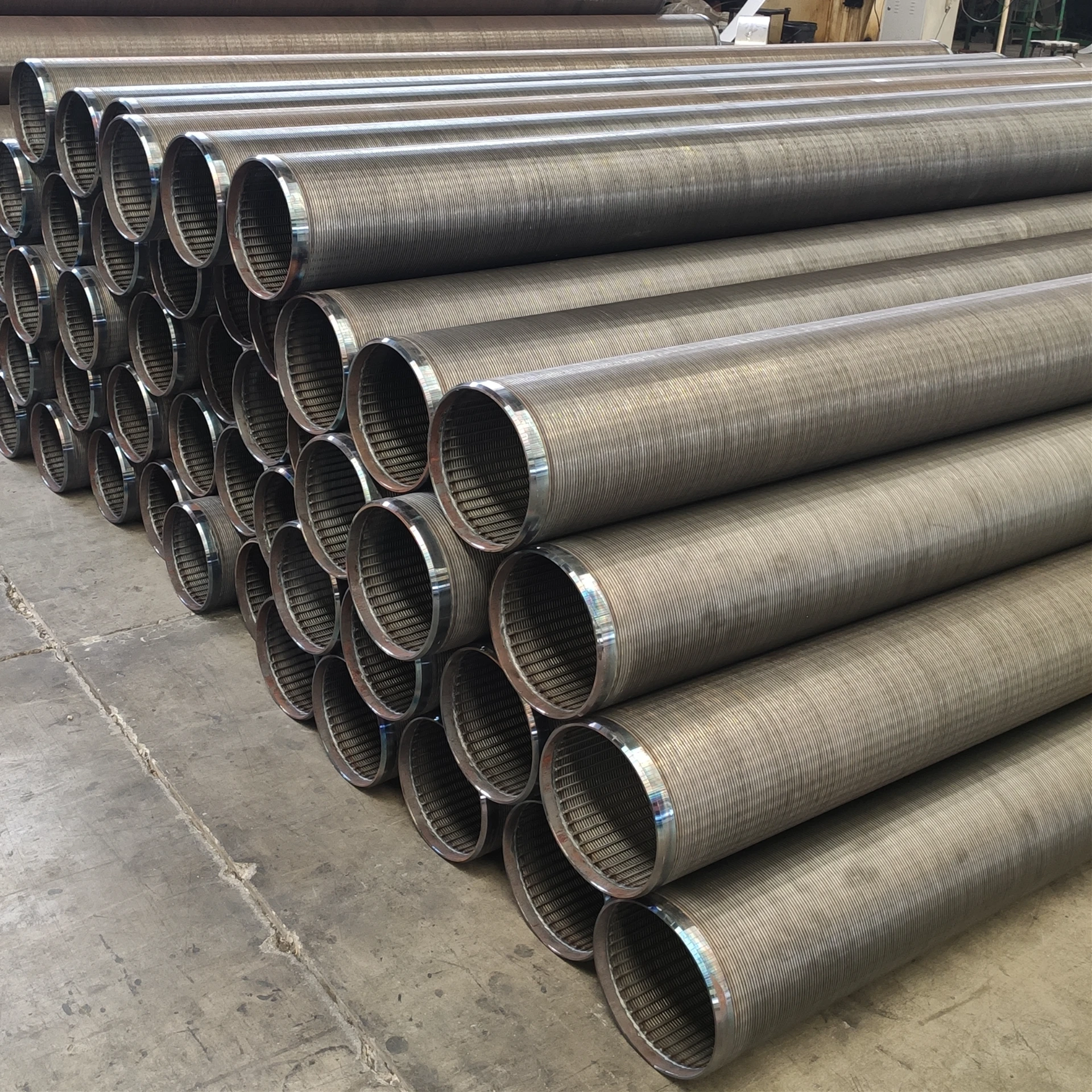
My personal favorite sieves are those that marry a sturdy frame with fine, yet durable mesh layers. They handle everything from coarse gravel screening to powder classification. Oddly enough, this balance isn’t always obvious in product sheets but manifests in everyday reliability and ease of cleaning. Trust me, cleaning is a huge factor—if the mesh clogs or distorts, everything stops.
How Sieves Improve Efficiency and Quality
There’s a lot to gain when your sieves fit the process just right. Slowly but surely, companies have begun emphasizing customization—rather than one-size-fits-all. This means getting the mesh density, tension, and frame design tailored for the material and production speed. Occasionally, I’ve had clients share how a switch to high-tension mesh from a trusted vendor sped up their screening cycle by roughly 15% while slashing downtime.
I’ve always admired Mutoscreen for their sheer variety and engineering grit. They don’t mess around when it comes to durability and precision. Whether you're working with fine pharmaceutical powders or abrasive minerals, these guys have a screen tailored for that kind of abuse—and honestly, that’s rare.
| Vendor | Material Options | Customization Level | Typical Applications | Price Range |
|---|---|---|---|---|
| Mutoscreen | 316 SS, Alloy Steel, Various Tensions | High (bespoke mesh sizes/designs) | Minerals, Food, Chemical, Pharma | Mid to High |
| Vendor B | Stainless Steel, Basic Mesh | Medium | Food, Light Chemicals | Lower |
| Vendor C | Carbon Steel, Limited Mesh | Low | Construction, Aggregate | Low |
One customer I recall in the chemical industry found that switching to a Mutoscreen mesh improved their particle consistency dramatically, which cut back on rejects downstream. It’s a clear example that sometimes investing more upfront pays dividends later in quality and speed.
Sieves don’t get the glory they deserve—I bet a lot of folks are oblivious to how finely tuned this piece of hardware needs to be. But if you’ve been at it as long as I have, you know it’s the unsung hero of any material handling system.
So next time you’re staring down a pile of raw mix or trying to keep your process lean, think about that mesh. It might just be what you need to keep things flowing and save a headache or two.
References:
1. Industrial Mesh and Sieves Handbook, 2018 Edition
2. Insights From Mutoscreen Engineering Team, 2023
3. “Optimizing Screening in Mineral Processing,” Journal of Industrial Equipment, 2022