Flip-flow elastic mesh screens: a buyer’s field guide from the pit to the plant
If you’re wrestling with wet, sticky fines that blind every conventional deck you’ve tried, you’re exactly the audience I had in mind. I’ve spent enough time around prep plants to know the frustration. Here’s the straight talk: a flip flow screen for sale is usually the turning point when moisture and plastic clays make screening feel impossible.
What’s driving the switch right now
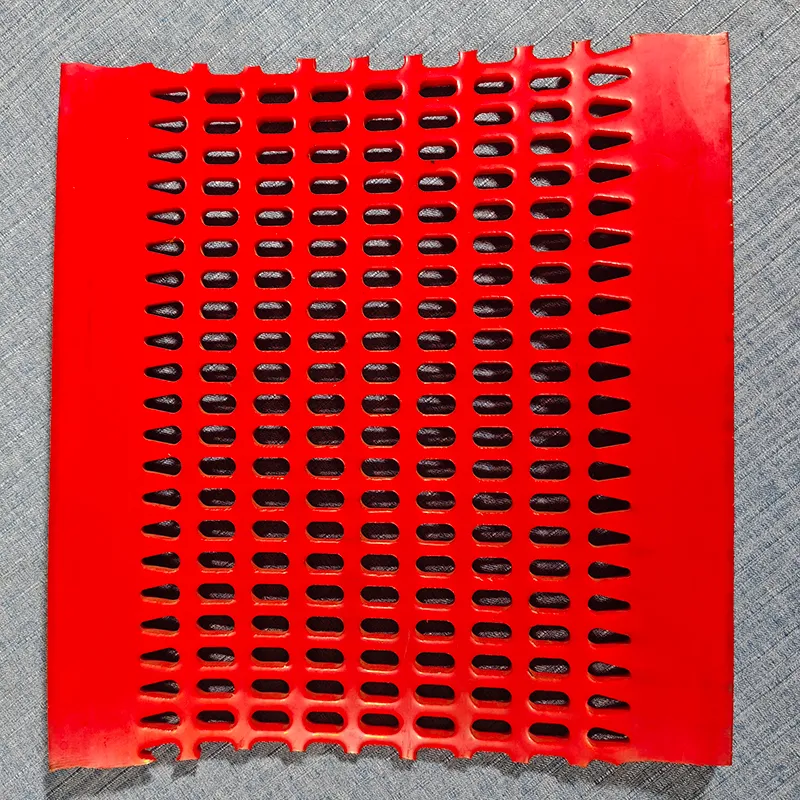
Across coal, aggregates, recycling, and salts, higher moisture content and tighter product specs are the new normal. Plants want lower recirculating loads, fewer shutdowns, and real throughput—not lab promises. Flip-flow (aka flip flop) screens—polyurethane mats stretched between two oscillating frames—use high-frequency relative motion to “snap” apertures open and shed blinding. It sounds simple; in practice, it’s a small marvel.
Product snapshot: Flip Flow Screens
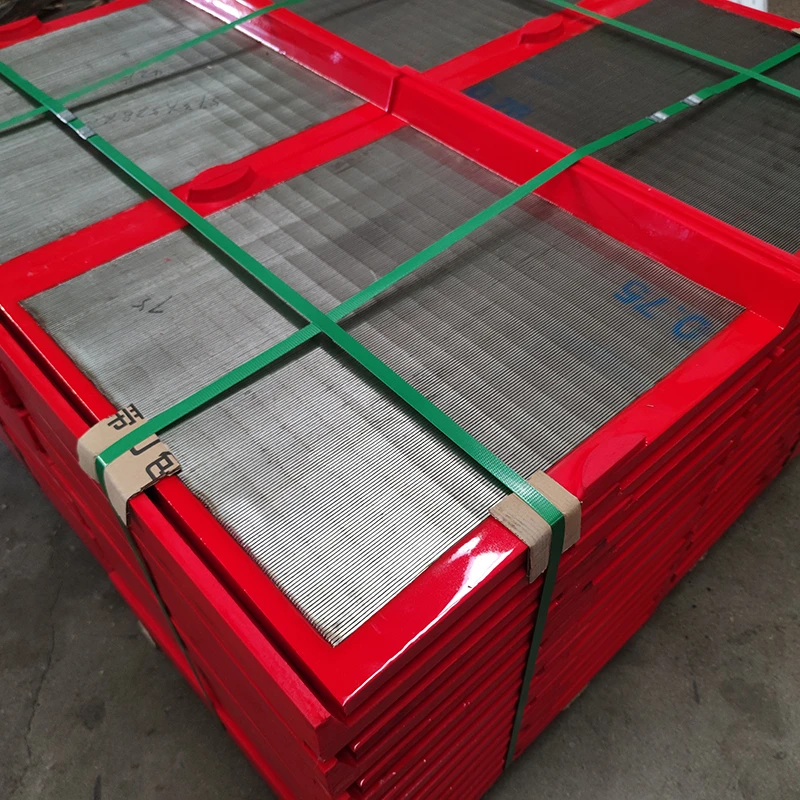
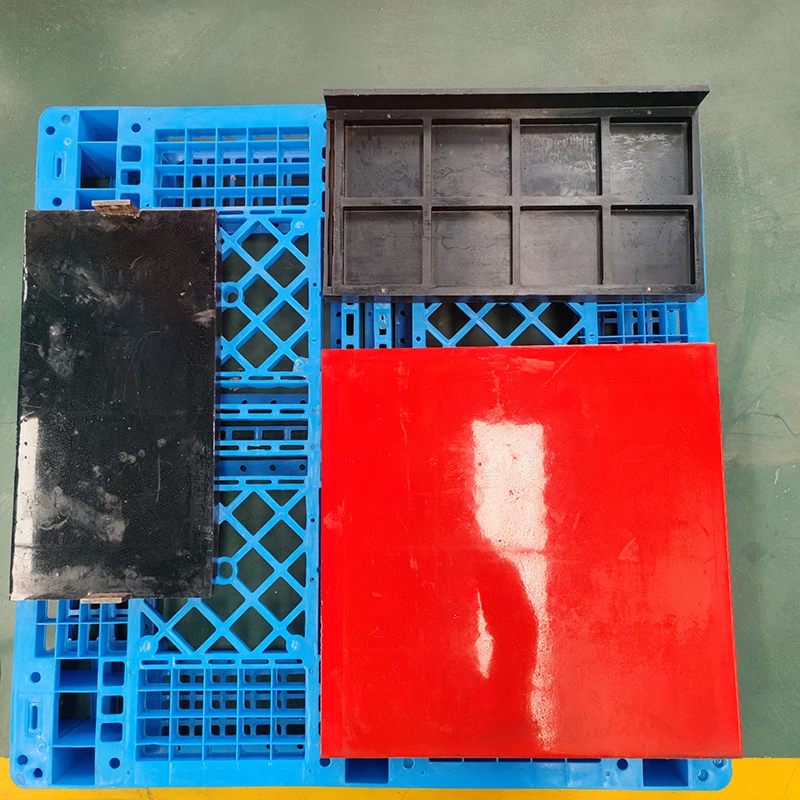
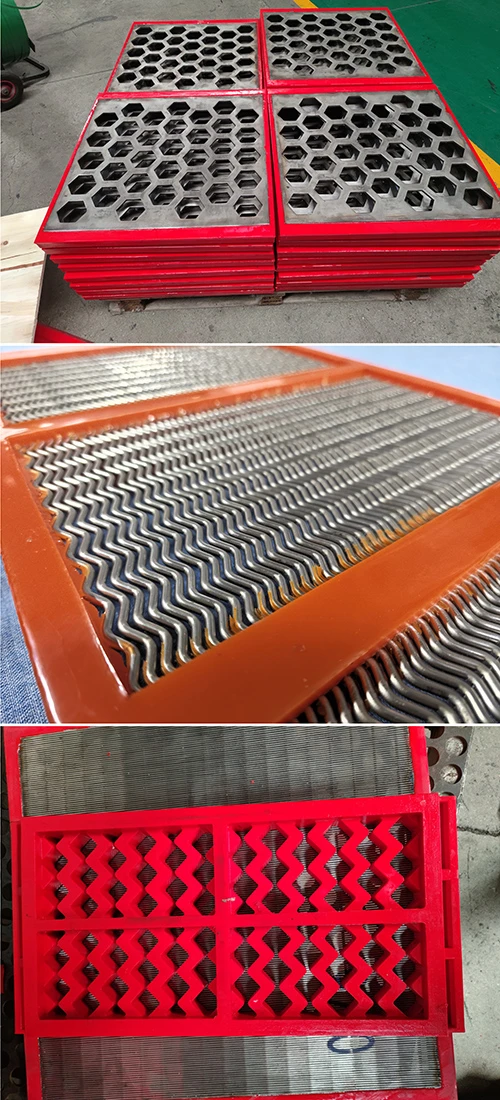
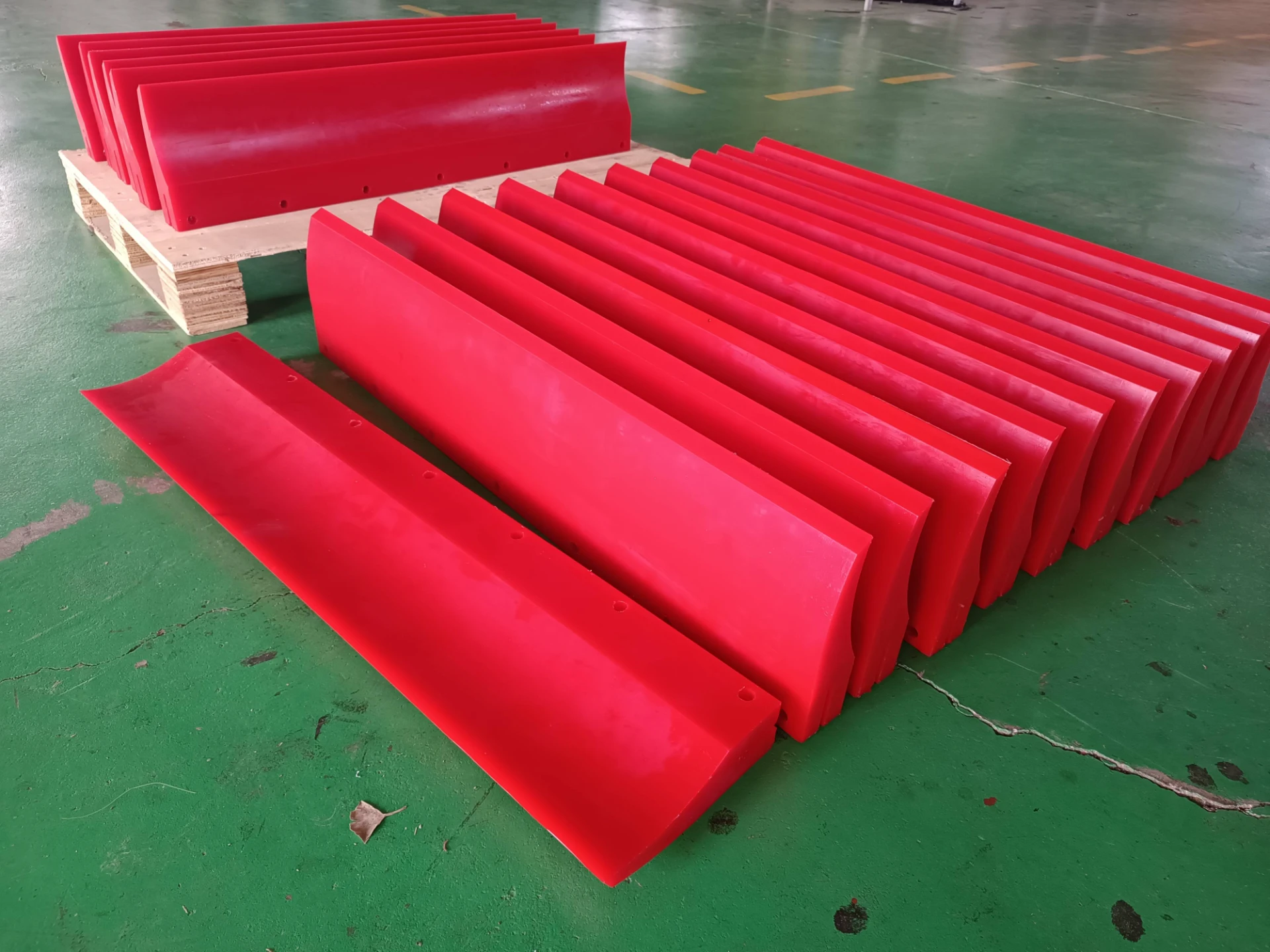
Origin: Hehuang Road, Anping County, Hengshui, Hebei Province. Panels are polyurethane (PU) modules—square or rectangular mesh—tuned for fines in wet, sticky feeds (think high-moisture raw coal). Many customers say the surprise is not just the de-blinding; it’s the steadier PSD downstream.
| Parameter | Typical value (≈, real-world use may vary) |
|---|---|
| Aperture range | 2–50 mm; aperture accuracy ±0.2 mm |
| PU hardness (Shore A) | 70–95A (ASTM D2240) |
| Panel thickness | 8–40 mm |
| Acceleration on mats | ≈30–50 g; amplitude 8–15 mm |
| Service life | 6–18 months, feed-dependent (ISO 21940/10816 vibration practices) |
| Temperature window | -20 to 80°C (continuous), brief peaks higher |
How they’re built (short version)
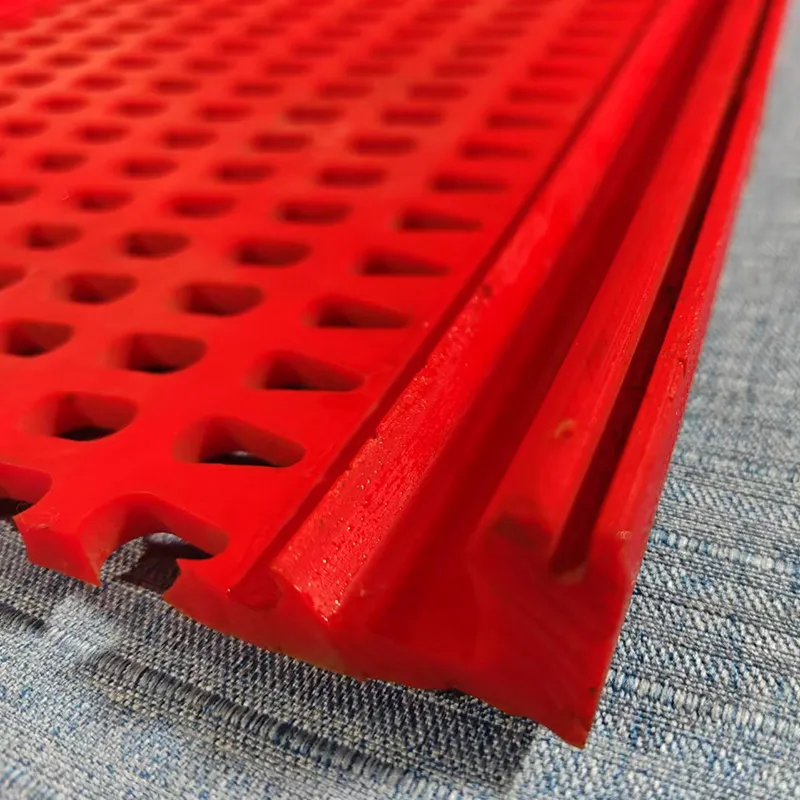
- Materials: abrasion-resistant PU elastomer; optional steel-cord edge reinforcement.
- Methods: precision mold casting → thermal curing → CNC trimming → aperture gauging (ASTM E11 per sieve tolerance).
- Testing: tensile (ASTM D412), hardness (D2240), abrasion (ISO 4649), water absorption (ASTM D570), fatigue cycles >3,000,000.
- Fitment: modular panels clamped to cross-members; pre-tension set to OEM spec.
Where they shine
Sticky coal (de-sliming 2–13 mm), C&D fines, compost/biomass, potash and salt, iron ore wet screening, MSW pre-treatment. Some plants add spray bars—others don’t. Honestly, try both; water can help but isn’t a magic wand.
Real plants, real numbers
Case A: Coal prep, Inner Mongolia—raw coal 12% moisture. After swap to flip-flow, deck availability rose from 78% to 93%, recirc load down ≈22%. Product topsize tightened by ~0.8 mm. Operators said blinding “stopped being the night shift’s enemy.”
Case B: Urban C&D fines—variable feed. Blinding events dropped from 9/day to 2–3/day. Energy use per ton down 8% because fewer restarts. It seems the steadier bed depth mattered more than they expected.
Customization options
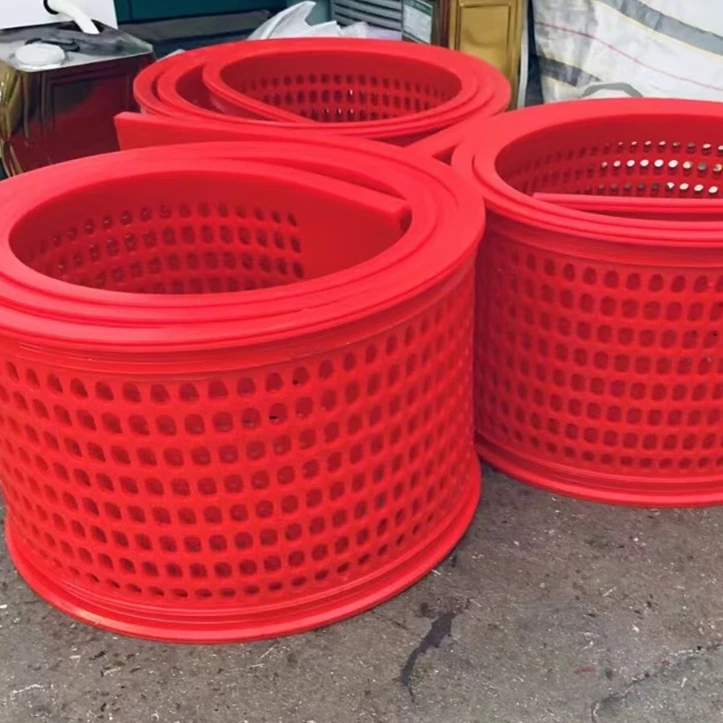
- Aperture: square/rectangular 2–50 mm; dewatering slots on request.
- Hardness: tuned PU blends for fines vs. impact-heavy feeds.
- Panel footprint: to OEM frames; crossbar spacing mapped from site drawings.
- Fixing: side clamps, over-rail hooks, or quick-change lugs.
Vendor landscape (my candid take)
| Vendor | Strengths | Watch-outs |
|---|---|---|
| Muto, Hebei (Hehuang Rd., Anping) | Tight aperture tolerances, fast lead times, custom molds. | Specify durometer early; some plants over-harden by habit. |
| European Brand A | Long track record, deep application notes. | Premium pricing; longer tooling windows. |
| Importer C (budget) | Low upfront cost. | Variable PU quality; aperture drift after months. |
Standards, documentation, and the fine print
Look for ISO 9001 factory QA, material testing to ASTM D412/D2240, abrasion to ISO 4649, and mesh verification per ASTM E11. A vibration report aligned with ISO 10816 is a plus. Also ask for a simple commissioning checklist—tightness, relative frame motion, and amplitude matter more than most brochures admit.
Ready to spec a flip flow screen for sale? Start with feed PSD, moisture, clay index, target cut size, and available footprint. Actually, send a day’s worth of samples if you can—pilot runs beat guesswork.
- ASTM E11 – Standard Specification for Woven Wire Test Sieve Cloth and Test Sieves.
- ASTM D2240 – Standard Test Method for Rubber Property—Durometer Hardness; ASTM D412 – Tensile Properties of Elastomers.
- ISO 4649 – Rubber, vulcanized or thermoplastic — Determination of abrasion resistance.
- ISO 10816/ISO 21940 – Mechanical vibration evaluation for rotating machinery (screen drive assessments).