THE BUYER'S GUIDE / SELECTION
Flip Flow Screen Manufacturer Guide: Application Fit and Specification Checks
Sourcing the right flip flow screen starts with matching the screen's material properties and aperture specifications to your processing conditions. This guide helps procurement teams and engineers evaluate a flip flow screen manufacturer against confirmed product specifications — covering polyurethane hardness, aperture size and shape, panel thickness and width, application fit, and the questions to ask before placing an order.

Material and hardness: polyurethane construction with 50–80A Shore hardness range; confirm against feed abrasiveness and required anti-blinding elasticity.
Aperture size and shape: 2–32 mm range covering coarse-to-fine duties; square, rectangle/slot, and circular shapes available; specify target cut size before ordering.
Panel dimensions and thickness: standard 305 mm width (customizable); thickness 1–20 mm — thinner panels give higher aperture ratio, thicker panels extend service life in heavy feeds.
Application fit: optimized for fine, sticky, wet, or difficult-to-screen materials (e.g., high-moisture raw coal, fine mineral separation); not the default choice for coarse dry feeds.
Machine load and service life: lightweight polyurethane panels reduce dynamic load on vibrating screen frames, extending both panel and host machine service life compared to heavier screen media.
What Is a Flip Flow Screen?
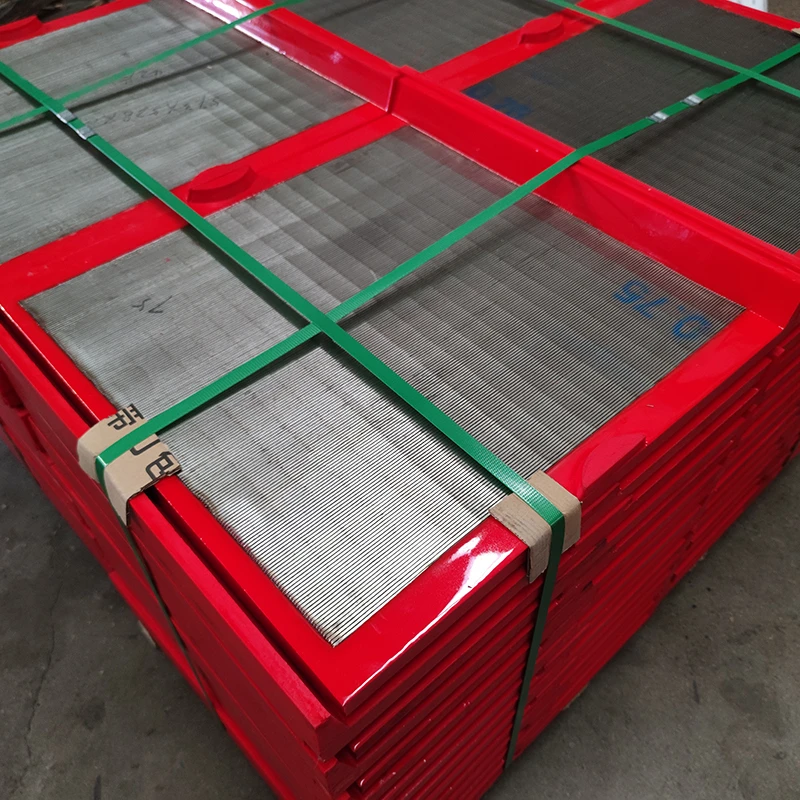
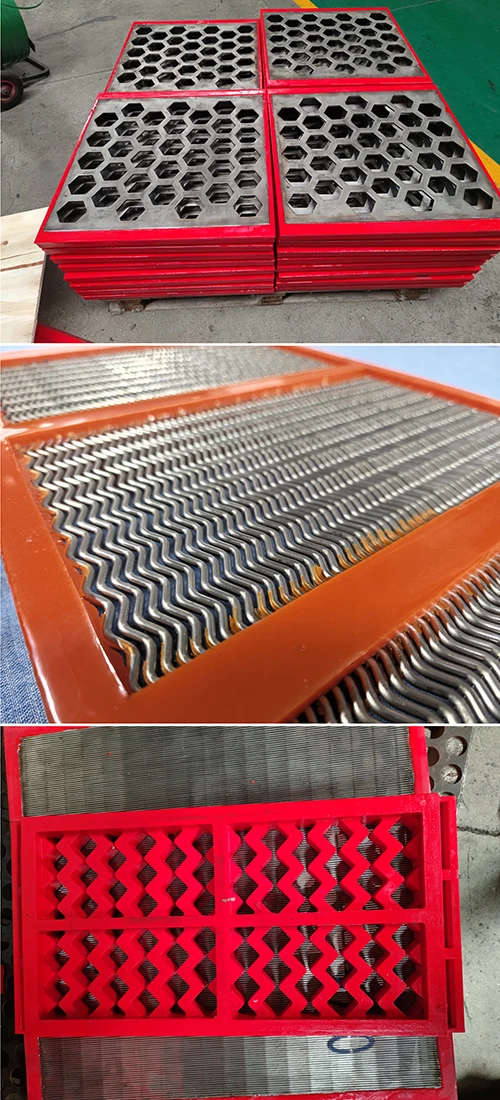
A flip flow screen — also called a flip flop screen or elastic mesh screen — is a polyurethane mesh panel designed for screening fine, sticky, or wet materials that would quickly blind or clog a conventional wire mesh screen. The elastic construction allows the screen surface to flex during operation, continuously breaking up near-mesh particles and preventing blockage. When you are evaluating a flip flow screen manufacturer, understanding these structural and material properties is the foundation for a sound purchasing decision.
Muto Wire Screen Co., Ltd. manufactures polyurethane flip flow screens used across coal processing, chemical, metallurgical, building materials, and electricity industries.
Key Selection Criteria
1. Material and Hardness
Flip flow screens are made from polyurethane, which offers significantly better wear resistance than rubber or woven wire alternatives in abrasive, high-moisture conditions. The hardness of the polyurethane mix determines how aggressively the panel flexes and how long it resists wear. Panels in the 50–80A Shore hardness range accommodate a broad range of fine-material applications. Buyers should confirm the hardness specification against their feed material's abrasiveness and the required elasticity for anti-blinding performance.
2. Aperture Size and Shape
Aperture size directly controls the cut point of your separation. Flip flow screens are available in aperture sizes ranging from 2 mm to 32 mm, spanning coarse-to-fine classification duties. Aperture shapes include:
- Square — standard sizing for most coal and mineral applications
- Rectangle / Slot — preferred for elongated or fibrous particles
- Circular — used where stricter near-size separation is needed
Specify the target cut size and the acceptable oversize carry-over tolerance before requesting a panel quotation, since aperture dimensions are the single most influential factor in separation efficiency.
3. Panel Dimensions and Customization
A standard panel width of 305 mm is available from Muto Wire Screen Co., Ltd., but width can be customized to fit existing screen frames. Panel thickness commonly ranges from 1 mm to 20 mm, affecting both the open area and the structural rigidity of the panel under load. Thinner panels provide a higher aperture ratio and better screening efficiency; thicker panels offer longer service life in coarser, heavier feeds.
When specifying panels for an existing machine frame, supply the exact frame inner dimensions and confirm that modular panel widths will tile correctly without gaps.
4. Aperture Ratio and Screening Efficiency
Because flip flow screen panels are thin and the polyurethane profile around each aperture is narrow, the open area percentage — the aperture ratio — is high relative to panel area. A higher aperture ratio means more of the feed actually contacts open screen surface per pass, which directly improves throughput and reduces the number of screening stages required. Buyers replacing conventional woven wire should compare aperture ratio figures, not just nominal aperture size, to assess whether throughput targets can be met.
5. Machine Load and Service Life
Flip flow screen panels are considerably lighter than steel or rubber alternatives of equivalent area. Reduced panel weight lowers the dynamic load on the vibrating screen frame and drive components, extending the service life of both the panels and the host machine. This is a relevant factor when retrofitting flip flow panels into an existing screen that was not originally designed for high-load rubber media.
6. Application Fit: When Flip Flow Screens Are the Right Choice
Flip flow screens perform best in the following conditions:
- Fine, sticky, or wet material feeds — e.g., raw coal with high moisture content, wet mineral fines
- Difficult-to-screen materials prone to blinding or pegging on conventional screen surfaces
- Coal screening and coal washing plant circuits where clogging reduces plant availability
- Chemical, metallurgical, and building materials processing where fine classification is needed alongside abrasion resistance
Flip flow screens are not the default choice for dry, coarse, or free-flowing materials where a conventional woven wire or perforated plate provides sufficient performance at lower cost. If your feed is coarse and dry, confirm with the manufacturer that a flip flow design is still the most economical solution for your duty.
Specification Checklist for Procurement
Before contacting a flip flow screen manufacturer, prepare answers to the following questions to accelerate the quotation process:
| Specification | What to Confirm |
|---|---|
| Feed material | Coal, mineral fines, chemical powder, etc. |
| Moisture content | Percentage or wet / dry classification |
| Required cut size | Target aperture in mm |
| Aperture shape | Square, rectangle, slot, or circular |
| Screen frame dimensions | Width × length of panel seat |
| Panel thickness range | 1–20 mm; confirm load and wear requirements |
| Hardness requirement | 50–80A depending on abrasion level |
| Industry / application | Coal washing, metallurgy, building materials, etc. |
Evaluating a Flip Flow Screen Manufacturer
When comparing suppliers, look beyond price per panel and assess the following:
Product range depth: A manufacturer who offers multiple aperture sizes (2–32 mm), shapes, and customized panel widths is better positioned to supply a single source for an entire plant's screening circuits.
Customization capability: Standard 305 mm panel widths cover many retrofit applications, but custom widths are often needed. Confirm whether the manufacturer can accommodate non-standard frame dimensions without significantly extending lead times.
Material consistency: Polyurethane hardness and wear performance depend on raw material quality and process control. Ask for material data sheets or reference installations in similar duty conditions.
Technical support: Application-fit questions — correct aperture size for a given cut point, panel thickness for a given feed rate — require engineering input. Assess whether the supplier provides pre-sale technical guidance or only catalog pricing.
Note: This article does not make representations about price, delivery time, export certifications, or third-party test results. Buyers should verify all commercial and regulatory requirements directly with Muto Wire Screen Co., Ltd.
Summary
A flip flow screen is the right screening solution when conventional surfaces blind or peg under fine, wet, or sticky feed conditions. The principal specification variables are aperture size (2–32 mm), aperture shape, panel thickness (1–20 mm), polyurethane hardness (50–80A), and panel width (305 mm standard or custom). Matching these parameters to your processing conditions — not just selecting on price — is the reliable way to achieve target separation efficiency and acceptable panel life. When evaluating any flip flow screen manufacturer, use a prepared specification checklist and request confirmation of customization capability and technical support before committing to a purchase order.
THE PEOPLE

About the author
THE COMPANY
Muto Wire Screen Co., Ltd.
Visit company website ↗YOUR NEXT STEP
Bring your brief. Start a useful conversation.
Use case, specification, quantity and delivery window: make the next conversation specific.