What is a wedge wire screen? This FAQ explains the V-wire construction, slot openings, common configurations, applications, and the details buyers should prepare when requesting a screen.

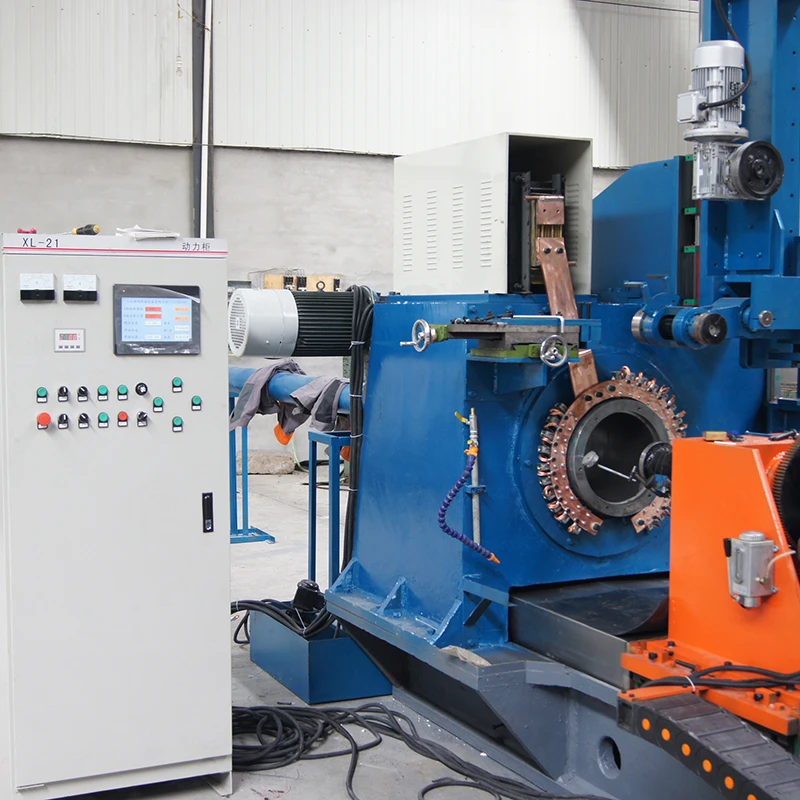
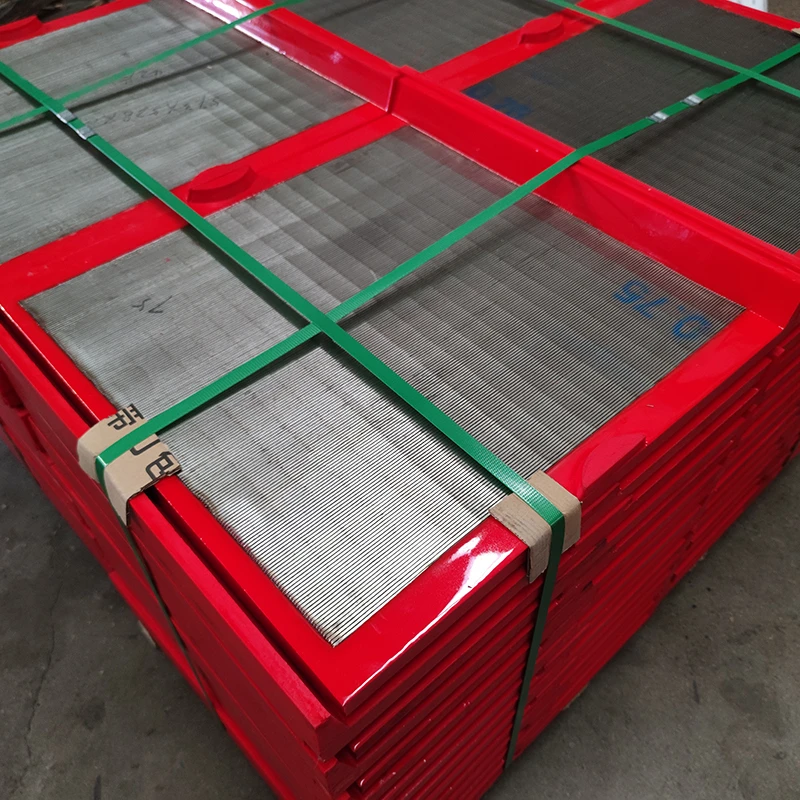
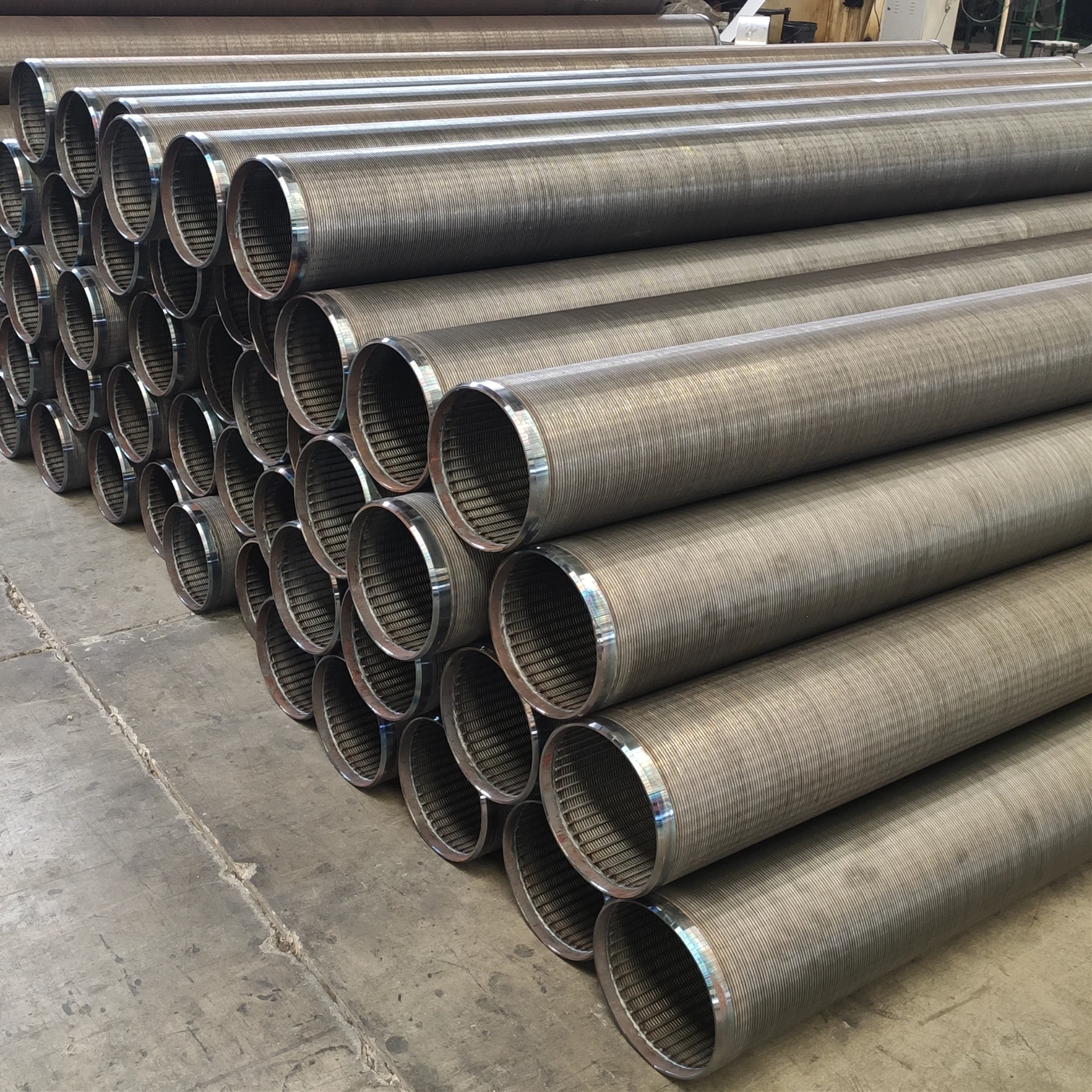
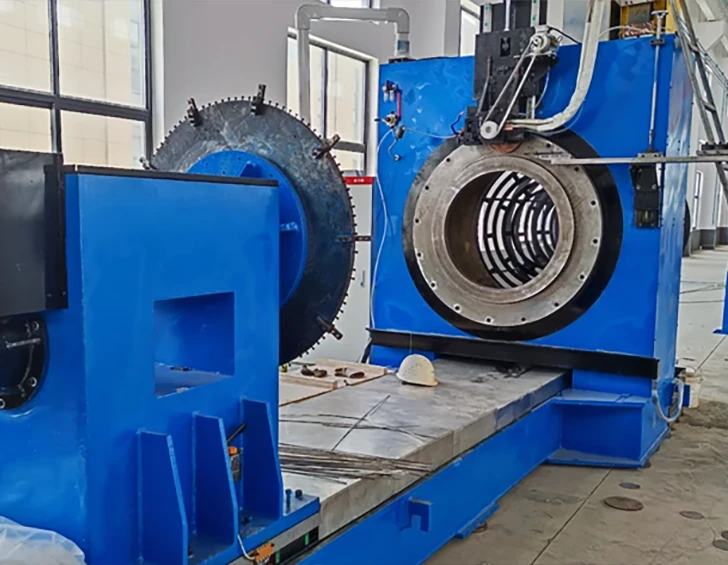
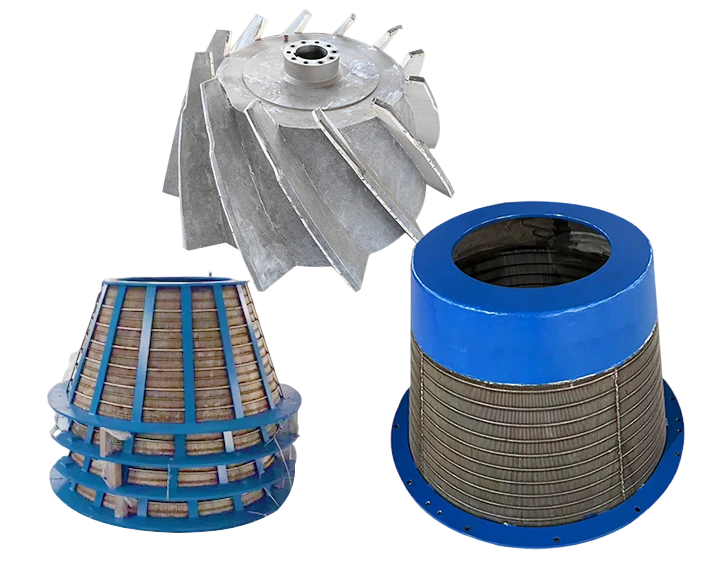
A wedge wire screen is a screening or filtration component made by welding wedge-shaped profile wires to support wires. The resulting openings are controlled by the spacing between the profiles. The screen can be fabricated as a cylindrical, flat, curved, or specialty-shaped unit, depending on the equipment and separation task.
What is a wedge wire screen made of?
The working surface uses wedge-shaped wires, also called V-wire profiles, joined to support wires by welding. Common construction materials include stainless steel such as SS304, SS304L, SS316, SS316L, and SS321. Other alloys, including Duplex and Hastelloy, are also available for suitable applications.
The profile and support-rod sizes can be selected for the intended screen design. End finishing may include a thread fitting, flange, closed plate, resistance-welded closed plate, or metal ring. A buyer should specify the connection and support arrangement along with the opening size.
How does the opening work?
The clear opening is the slot between adjacent wedge wires. Wedge wire screens are available with slot openings from 20 microns to 3,000 microns in the product range, while another listed range extends from 0.001 inch (25 microns) to 1/2 inch. The suitable opening depends on the particle or media retention requirement and the desired flow conditions.
The screen design can be matched to volumetric flow rate, minimum media retention, open area, and fluid pressure requirements. For a quotation, send the target slot size, the material being separated, the flow conditions, and the required screen shape.
Which shapes are available?
Wedge wire screens can be produced as:
- Cylindrical screens for filter elements, center pipes, collectors, resin traps, and related internals
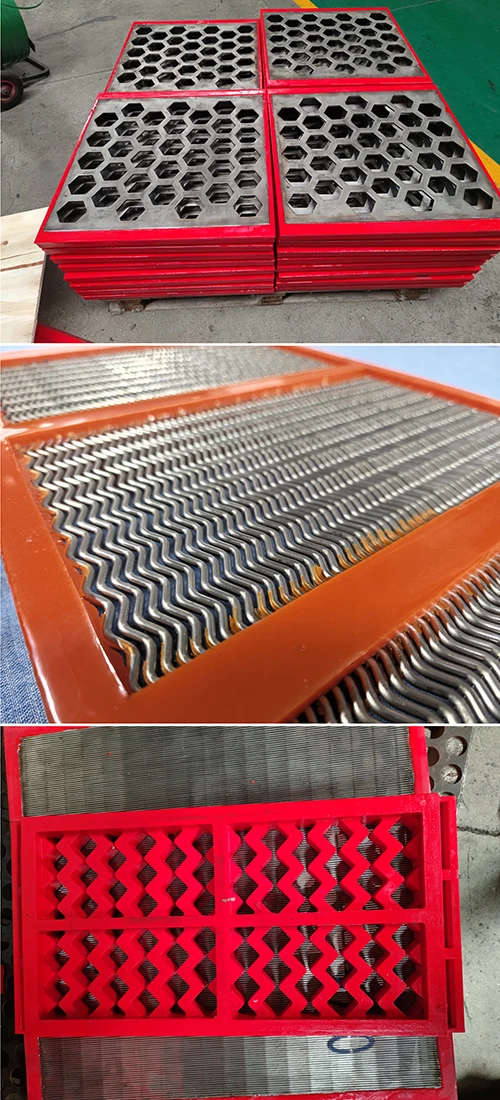
- Flat screens for separation and support surfaces
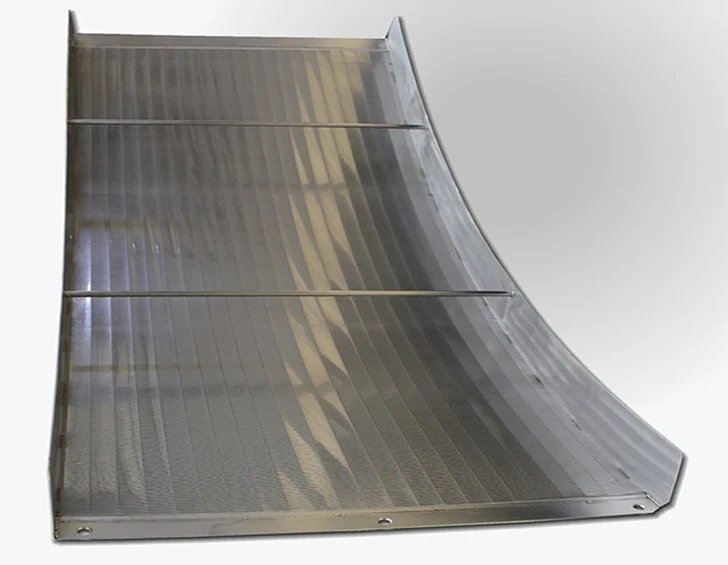
- Curved screens, including sieve bend or DSM screens
- Specialty shapes and fabricated assemblies with pipe, couplings, nipples, or flanges
A wedge wire sieve bend screen has a curved shape and is also called a DSM screen, inclined screen, curved screen, slotted screen, or hydraulic grid. Sieve bend designs can use 45°, 60°, or 120° angles, with listed radius options of 1,018 mm, 1,527 mm, and 2,036 mm. Slot sizes from 0.25 mm to 1 mm and widths from 600 mm to 3,000 mm are available for that product range, with customization options.
Where are wedge wire screens used?
Wedge wire screens are used in filtration, separation, flow distribution, and media retention equipment. Applications include wastewater treatment, seawater desalination, food processing, water softening, mineral processing, pulp and paper production, oil and chemical processing, petroleum-product terminal filtration, and recycling of alcohol or other organic solvents.
Cylindrical configurations are used for applications such as carbon retention, catalyst retention, collectors, distributors, filter elements, reactor screens, underdrains, and resin traps. Flat wedge wire screens are used in mining for dewatering, desliming, and heavy-media recovery, including coal, gold, and mineral-sands operations.
What should be specified when ordering?
Prepare the process and fabrication details before requesting a quotation:
- The required slot opening and its tolerance
- The screen shape, overall dimensions, and working length or width
- The material, such as SS304, SS316L, or another suitable alloy
- The wire profile, support-rod size, and frame or end-finishing arrangement
- The flow, pressure, particle-retention, or separation requirement
- The equipment connection, such as a flange, pipe, coupling, or threaded fitting
For a curved sieve bend, also provide the required angle, radius, arc length, width, and frame structure. Send an equipment drawing or an existing screen sample when the replacement must match an installed assembly.
The people

About the author
The company
Muto Wire Screen Co., Ltd.
Visit company website ↗Your next step
Bring your brief. Start a useful conversation.
Use case, specification, quantity and delivery window: make the next conversation specific.