Introduction to Coanda Screens: A Cornerstone in Fluid Separation
In critical industrial and environmental applications requiring efficient solid-liquid separation, the Coanda screen stands out as a highly effective, low-maintenance solution. This innovative technology leverages the Coanda effect to provide passive, self-cleaning filtration, making it an indispensable component across various sectors. For organizations seeking reliable and robust filtration systems, identifying a quality coanda screen for sale is paramount to optimizing operational efficiency and ensuring environmental compliance. This comprehensive guide delves into the technical intricacies, application benefits, and market considerations surrounding Coanda screens, specifically tailored for B2B decision-makers and engineering professionals.
The demand for sustainable and cost-effective fluid management has propelled the Coanda screen into the forefront of modern engineering. Its ability to provide continuous, clog-resistant screening without external power sources addresses many challenges inherent in traditional filtration methods. We will explore the manufacturing excellence, performance metrics, and strategic advantages that position the Coanda screen as a superior choice for discerning industrial buyers.
Industry Trends and Market Dynamics for Coanda Screen Technology
The global landscape for water and wastewater treatment, hydropower, and process industries is characterized by stringent environmental regulations, increasing water scarcity, and a drive towards energy efficiency. These factors are significant drivers for the adoption of advanced screening technologies, with the Coanda screen playing a pivotal role. Current trends indicate a strong market shift towards solutions that offer:
- Enhanced Solids Separation Efficiency: Industries require higher capture rates for fine solids to protect downstream equipment and meet discharge limits.
- Reduced Operational Costs: Low-maintenance, self-cleaning systems like the coanda screen minimize energy consumption, chemical use, and labor costs associated with manual cleaning.
- Sustainable & Eco-Friendly Designs: Fish-friendly designs for river and reservoir coanda intake systems are becoming standard, reflecting a commitment to ecological preservation.
- Durability and Longevity: Demand for screens manufactured from corrosion-resistant materials, capable of withstanding harsh operating environments, is increasing.
- Customization: The need for tailored solutions for specific flow rates, particle sizes, and installation constraints drives innovation in coanda screen design.
The market for advanced screening solutions, including the coanda intake screen, is projected to grow significantly. A report by Allied Market Research indicated the global water and wastewater treatment market size was valued at $283.4 billion in 2021 and is projected to reach $684.3 billion by 2031, growing at a CAGR of 9.4%. This growth directly correlates with the increasing need for efficient, reliable, and sustainable screening technologies like Coanda screens.
Technical Principles and Design of the Coanda Effect Screen
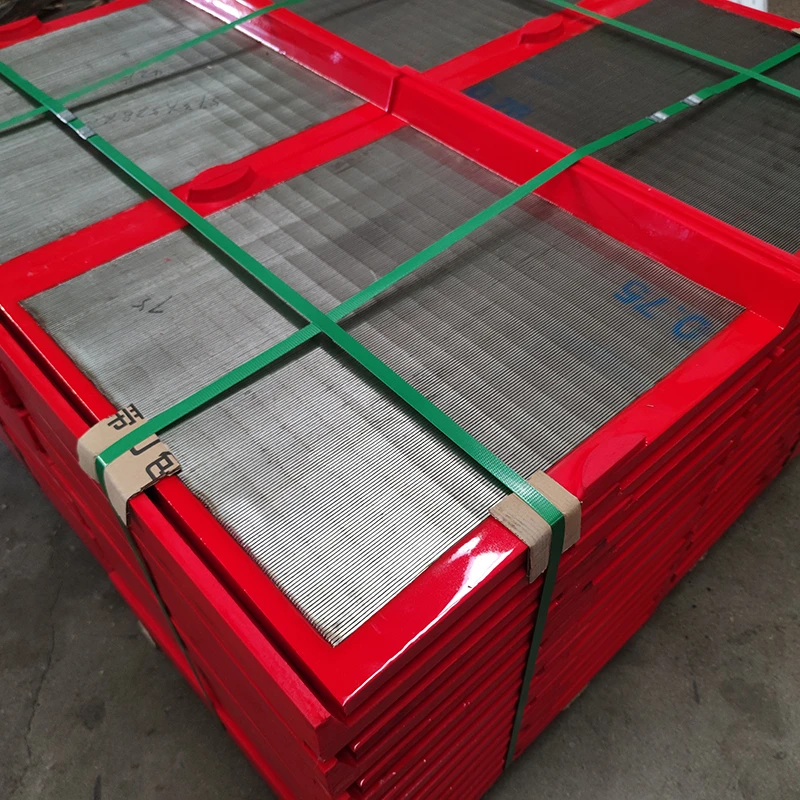
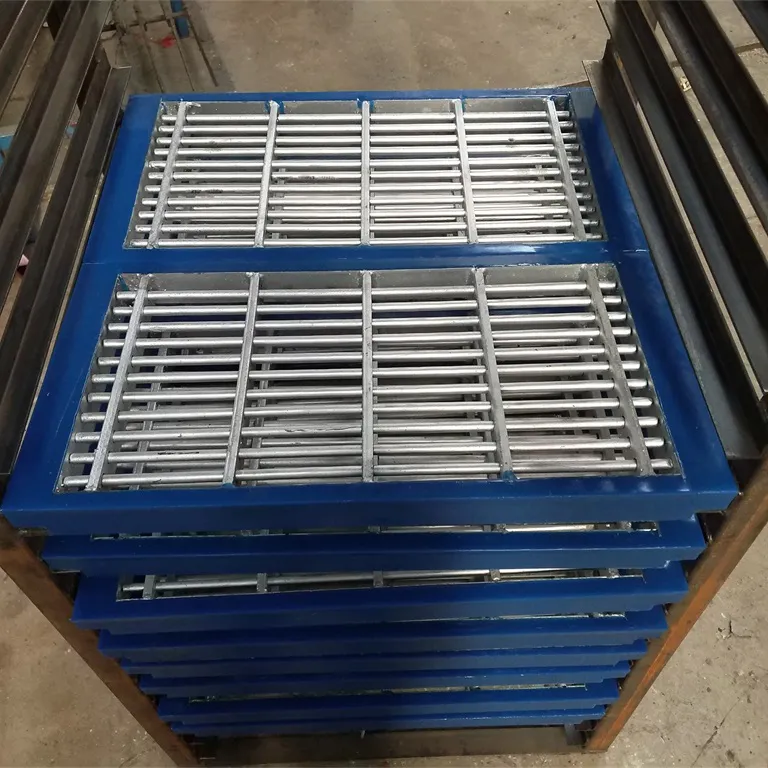
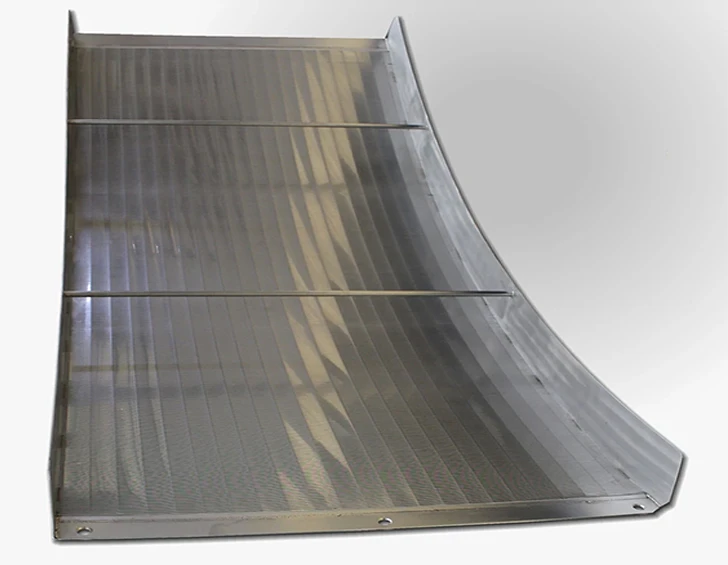
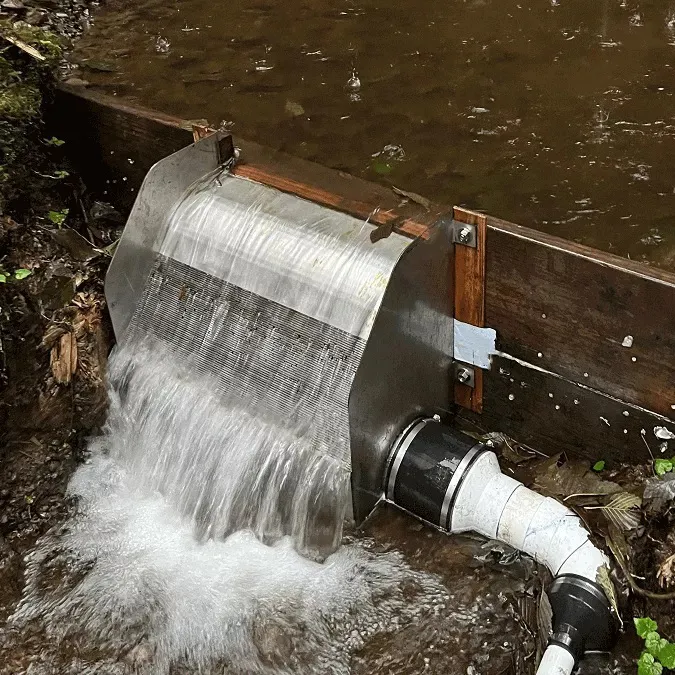
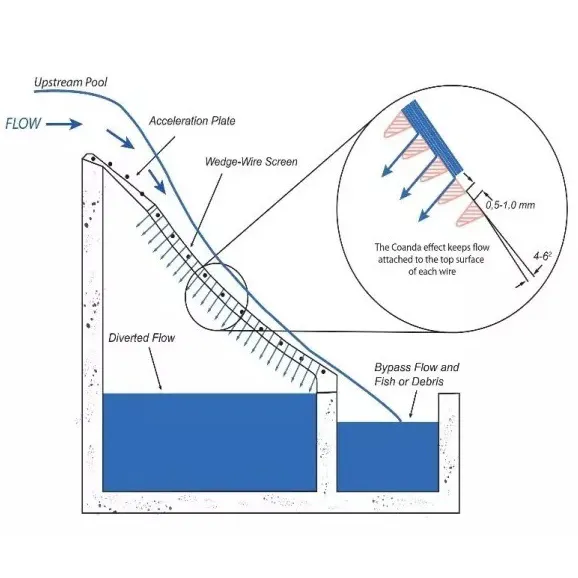
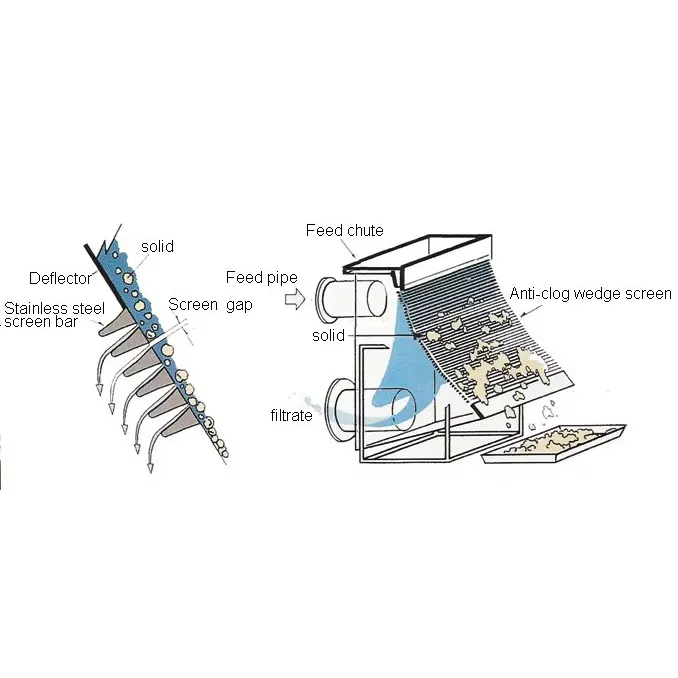
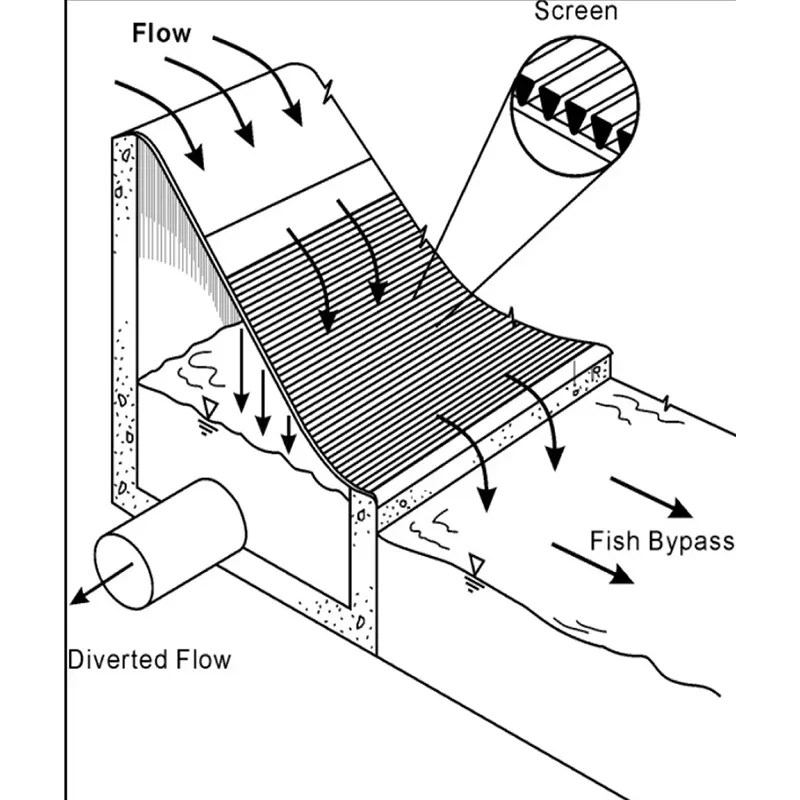
The efficiency of a coanda effect screen lies in its ingenious utilization of the Coanda effect, a fluid dynamics phenomenon where a jet of fluid tends to stay attached to a convex surface and follow its curvature. In the context of the screen, influent water flows over a wedge-wire screen panel, which is precisely angled and shaped.
Core Principles:
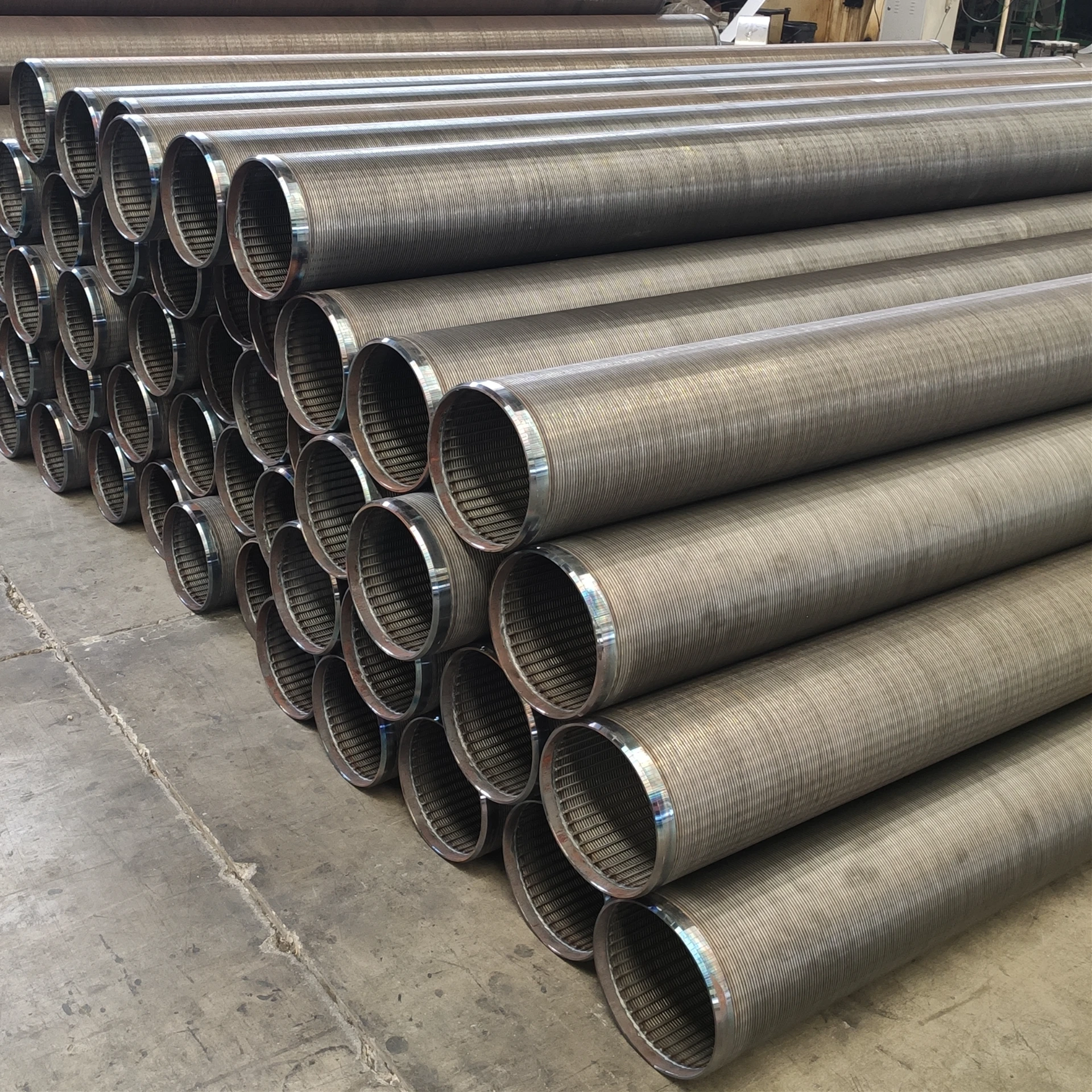
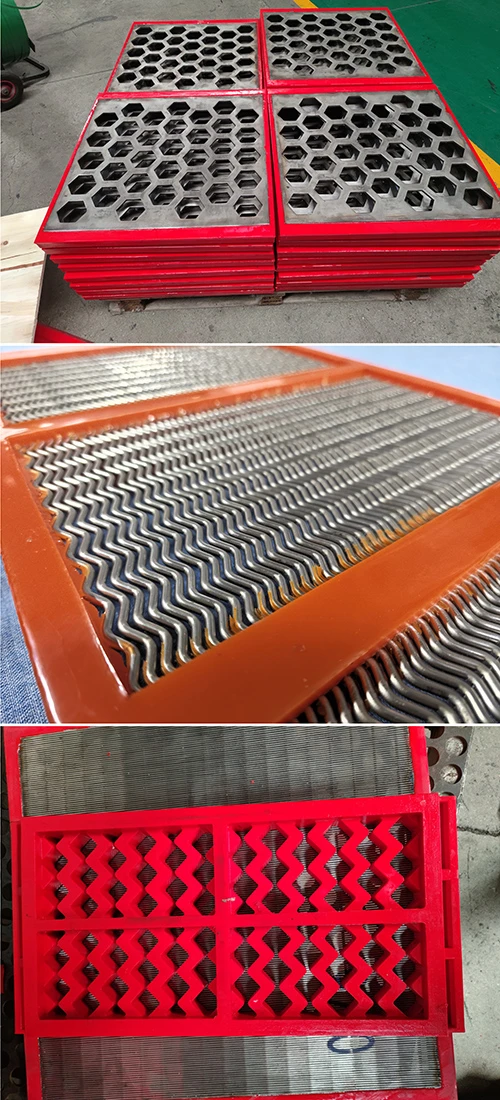
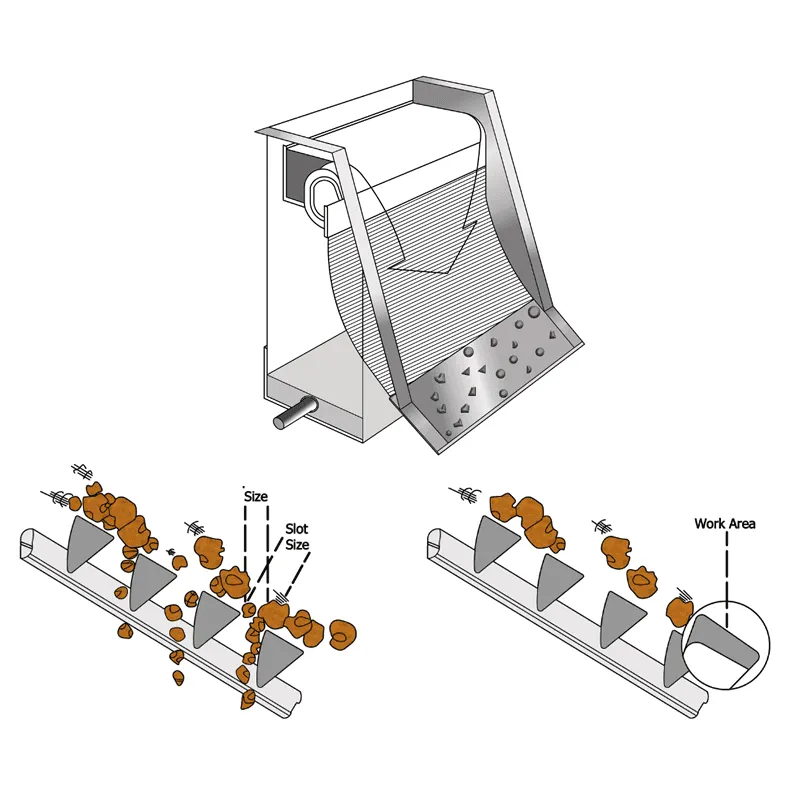
- Curved Wedge-Wire Profile: The screen is composed of triangular (wedge-shaped) wires, oriented perpendicular to the flow, creating narrow slots. The curved profile of the screen surface is critical.
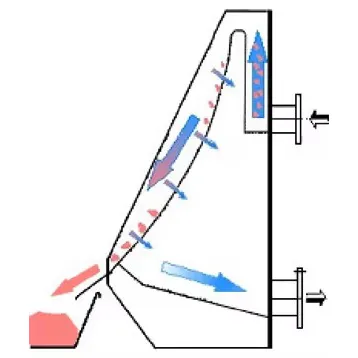
- Flow Adherence: As water flows over the curved screen surface, the Coanda effect causes it to adhere to the surface. Clean water passes through the narrow slots due to surface tension and reduced pressure, while solids are carried forward by the remaining flow due to their momentum.
- Self-Cleaning Mechanism: The high velocity of the adhering flow and the absence of moving parts, combined with the continuous shedding of solids, provides a passive, self-cleaning action, minimizing blinding and maintenance.
Key Design Elements:
- Material Selection: Typically constructed from high-grade stainless steel (e.g., SS304, SS316L, Duplex SS) for superior corrosion resistance and longevity.
- Slot Size (Aperture): Precisely engineered from 0.25mm to 6mm, depending on the required filtration efficiency and target particle size. Smaller slots mean finer filtration but also require more precise flow management.
- Screen Angle & Radius: The curvature and angle of the screen surface are critical for maximizing the Coanda effect and optimizing flow distribution.
- Approach Velocity: Optimal influent velocity is essential for effective self-cleaning and solids transport.
Understanding these principles is crucial for any organization considering a coanda screen for sale, as they directly impact performance, reliability, and suitability for specific applications.
The Manufacturing Process of a High-Quality Coanda Screen
The creation of a robust and efficient Coanda screen involves a meticulous manufacturing process, ensuring adherence to strict quality and performance standards. This detailed process underpins the reliability and longevity of any coanda screen for sale.
Process Flow Steps:
-
Material Selection and Procurement:
High-grade stainless steel (SS304, SS316L, or Duplex SS for highly corrosive environments) is chosen based on application requirements, ensuring exceptional corrosion resistance and mechanical strength. Materials are sourced from certified suppliers with full traceability, complying with ASTM standards for material composition.
-
Wedge Wire Fabrication:
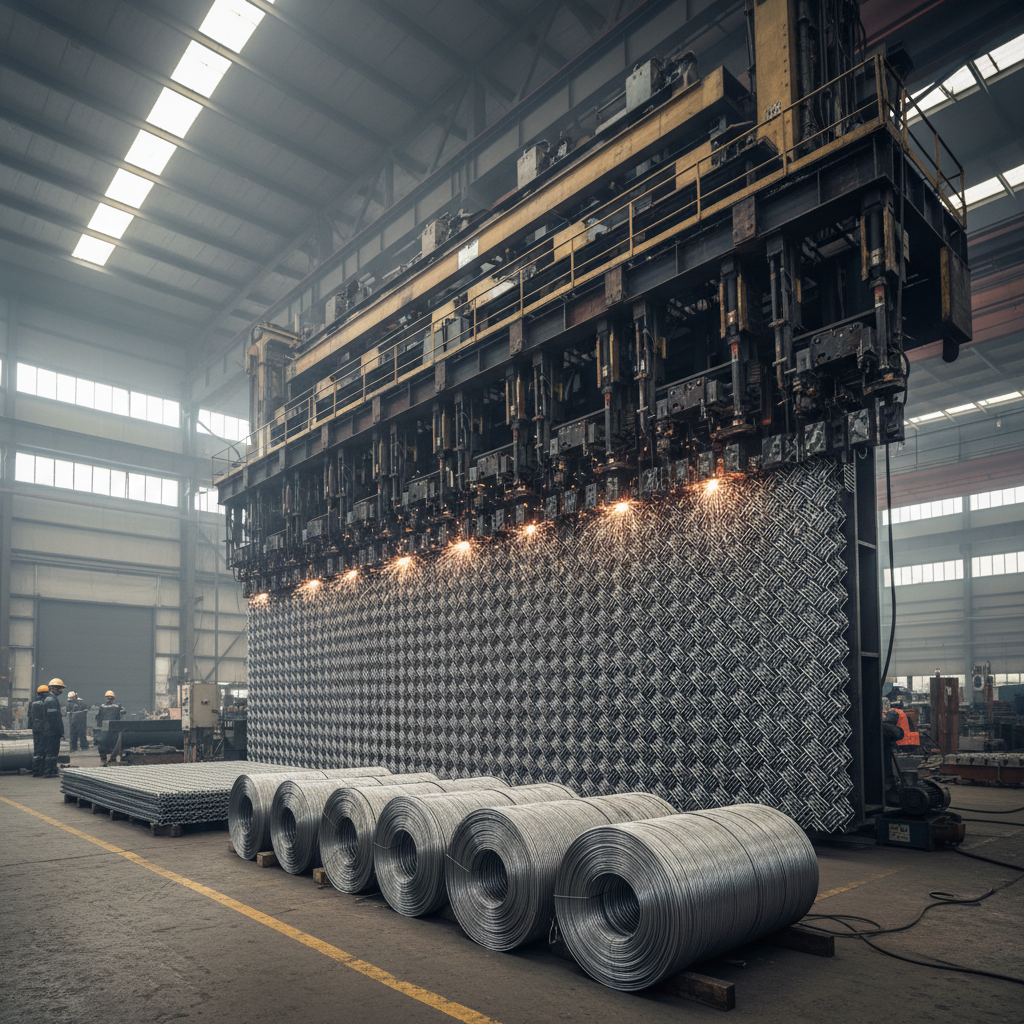
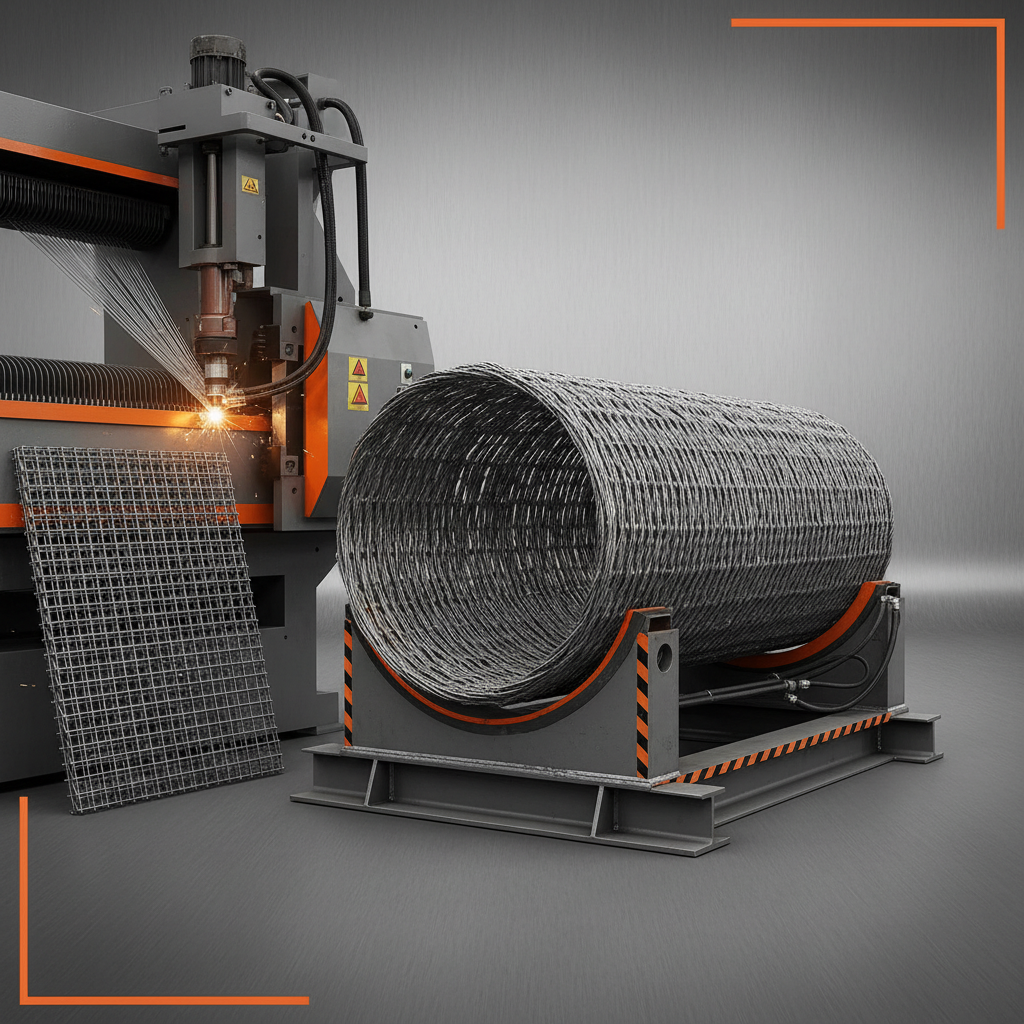
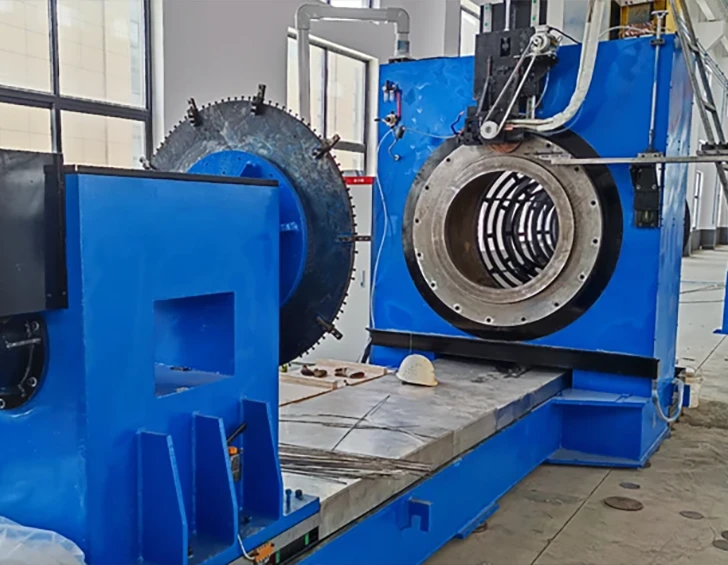
Precision wedge wires are formed through specialized cold rolling processes. These wires are then resistance-welded to support rods at precise intervals, creating the screen panel. This critical step ensures uniform slot openings, vital for consistent filtration and to prevent blinding.
-
Frame and Support Structure Manufacturing:
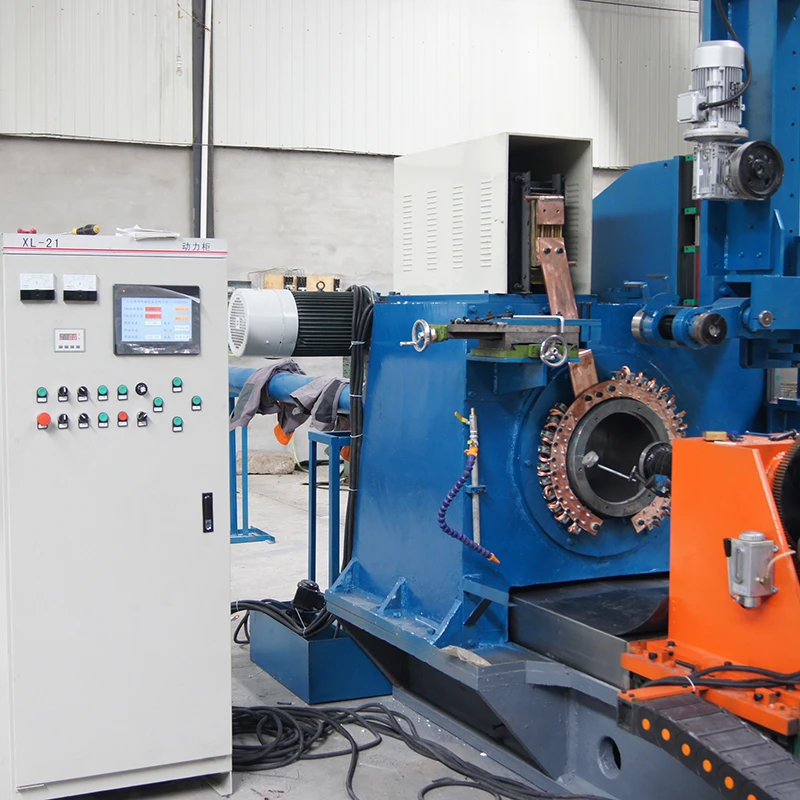
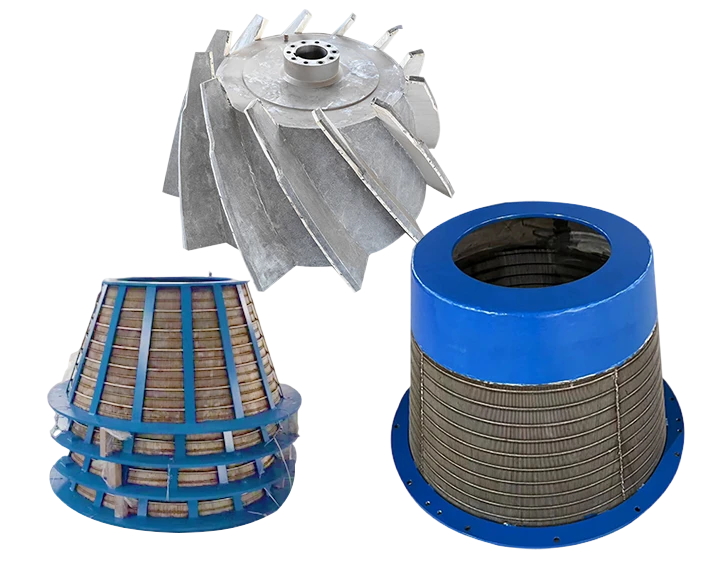
Structural components, including the frame and internal supports, are fabricated using CNC machining for precise dimensions. Advanced techniques like casting and forging are employed for critical load-bearing elements, enhancing structural integrity and durability. This ensures the unit can withstand significant hydraulic forces over its service life, which typically exceeds 15-20 years with proper maintenance.
-
Precision Bending and Assembly:
The wedge wire panels are meticulously bent to the exact radius specified by the coanda screen design, ensuring optimal adherence of the fluid flow. The bent panels are then precisely welded into the fabricated frame using advanced TIG or MIG welding techniques, maintaining structural integrity and smooth internal surfaces.
-
Surface Treatment:
Post-welding, screens undergo passivation or electropolishing. Passivation removes free iron from the surface, enhancing natural corrosion resistance. Electropolishing further smooths the surface, improving flow characteristics and reducing fouling, particularly beneficial in target industries like petrochemical and water supply & drainage.
-
Quality Control and Testing:
Every Coanda screen undergoes rigorous testing to meet international standards such as ISO 9001 for quality management and ANSI standards for dimensions and materials. Tests include dimensional accuracy checks, slot opening verification, hydrostatic pressure testing for weld integrity, and material composition analysis. Flow testing may also be performed to validate hydraulic performance.
-
Packaging and Shipping:
Finished screens are carefully packaged to prevent damage during transit, ensuring they arrive on-site in pristine condition, ready for installation.
This stringent process ensures that each Coanda screen offers superior advantages in typical application scenarios, such as energy saving through passive operation and exceptional corrosion resistance due to material and surface treatments.
Technical Specifications and Performance Parameters
When evaluating a coanda screen for sale, understanding its precise technical specifications and performance parameters is critical. These details dictate the screen's suitability for specific operational requirements, ensuring optimal performance and compliance.
Typical Coanda Screen Specifications:
These specifications highlight the robust engineering behind a quality coanda screen, designed for long-term, reliable operation in demanding environments. Manufacturers provide detailed engineering drawings and hydraulic performance curves for specific models, ensuring transparent data-driven decision making.
Application Scenarios and Technical Advantages
The versatility and inherent advantages of the Coanda screen make it an ideal choice for a multitude of industrial and environmental applications. Its passive, self-cleaning nature translates into significant operational benefits.
Key Application Scenarios:
-
Water Intake Systems:
Critical for municipal water supply, industrial cooling water, hydropower generation, and irrigation. The coanda intake screens efficiently remove debris, leaves, and aquatic organisms, protecting pumps and downstream equipment. Fish-friendly designs minimize impingement and entrainment, complying with environmental regulations.
-
Wastewater Treatment:
Used for preliminary screening at headworks to remove coarse solids, grit, and fibrous materials, reducing the load on subsequent treatment stages. Effective in both municipal and industrial wastewater plants, including food processing and textile industries.
-
Industrial Process Water:
In industries such as pulp and paper, mining, chemical processing, and aquaculture, Coanda screens provide effective separation for process water reuse, product recovery, or effluent treatment.
-
Stormwater Management:
Integrated into stormwater runoff systems to remove gross pollutants before discharge into natural water bodies.
Technical Advantages:
- Passive & Energy Efficient: Operates entirely on gravity flow, eliminating the need for external power, motors, or complex control systems. This results in significant energy savings and reduced operational expenditure.
- Self-Cleaning: The inherent coanda effect screen principle ensures continuous self-cleaning, preventing blinding and maintaining consistent flow rates without manual intervention or mechanical scrapers.
- Low Maintenance: With no moving parts, wear and tear are minimal. This dramatically reduces maintenance frequency, spare parts requirements, and associated labor costs.
- High Solids Capture: Precision-engineered slot sizes allow for effective removal of a wide range of solids, protecting downstream processes and equipment.
- Corrosion Resistance: Manufactured from high-grade stainless steel, providing exceptional resistance to corrosion, abrasion, and cavitation in aggressive environments.
- Environmental Compliance: Fish-friendly designs (e.g., low approach velocities, smooth surfaces) minimize harm to aquatic life, aiding in compliance with environmental regulations such as EPA Section 316(b) requirements for cooling water intake structures.
- Durability: Robust construction ensures a long service life, often exceeding two decades, offering an excellent return on investment.
- Compact Footprint: Efficient design often allows for installation in relatively confined spaces, suitable for retrofits or new construction with space limitations.
These advantages underscore why a high-quality Coanda screen is not just a filtration device but a strategic asset that contributes to overall system reliability, cost reduction, and environmental stewardship.
Vendor Comparison and Customized Solutions for Coanda Screens
Choosing the right supplier for a Coanda screen is as crucial as selecting the technology itself. A thorough vendor comparison, focusing on key differentiators, ensures that the investment yields maximum long-term value. Additionally, the ability to provide customized solutions is a hallmark of an expert supplier.
Key Considerations for Vendor Comparison:
When seeking a coanda screen for sale, assessing these factors will ensure a robust and reliable solution. Reputable vendors, like MutoScreen with years of service and numerous client partnerships, typically demonstrate superior expertise and trustworthiness.
Customized Solutions: Tailoring the Coanda Screen to Your Needs
Every industrial application presents unique challenges. A leading Coanda screen manufacturer understands this and offers extensive customization capabilities, ensuring the screen integrates seamlessly into existing infrastructure and meets precise operational demands. Customization options include:
- Dimensions: Tailored width, length, and curvature to fit specific channel sizes and flow regimes.
- Slot Size: Fine-tuning the slot opening from 0.25mm up to 6mm to target specific particle sizes for removal.
- Material Grades: Selection of SS304, SS316L, Duplex Stainless Steel, or other exotic alloys for specialized chemical resistance or high-temperature environments.
- Flow Capacity: Designing screens to handle specific peak and average flow rates.
- Mounting & Installation: Custom frames, brackets, and support structures for diverse installation environments (e.g., concrete channels, intake structures, flumes).
- Ancillary Features: Integration with bypass gates, access platforms, or additional cleaning mechanisms (though rarely needed for Coanda screens).
A commitment to customized solutions demonstrates deep technical expertise and client-centric approach, which are invaluable when investing in critical infrastructure.
Real-World Application Case Studies
The practical application of Coanda screens across diverse industries provides compelling evidence of their effectiveness and the tangible benefits they deliver. These case studies highlight the successful deployment of a high-quality coanda screen in challenging environments.
Case Study 1: Hydropower Plant Intake Protection
- Client: Large-scale hydroelectric power generation facility.
- Challenge: Significant seasonal debris (leaves, branches, algae) in river intake, leading to frequent clogging of conventional bar screens, increased downtime for cleaning, and potential damage to turbines. Environmental regulations also mandated minimal impact on fish populations.
- Solution: Installation of a custom-designed coanda intake screen system with 3mm slot openings, designed for a peak flow of 2500 m³/h. The screens were fabricated from SS316L for enhanced corrosion resistance in freshwater.
- Results:
- Reduced manual cleaning frequency by over 80%.
- Eliminated unscheduled shutdowns due to screen clogging.
- Achieved 95% compliance with fish protection guidelines due to low approach velocities and smooth surfaces.
- Estimated annual operational savings of $120,000 due to reduced labor and improved plant uptime.
Case Study 2: Municipal Wastewater Primary Screening
- Client: Medium-sized municipal wastewater treatment plant.
- Challenge: Inconsistent solids removal from conventional fine screens, leading to increased load on downstream grit chambers and biological treatment, higher maintenance on pumps, and excessive wear on mechanical components.
- Solution: Implementation of a Coanda screen system at the headworks, featuring 1.5mm slot openings and a multi-stage overflow weir for optimal hydraulic control during peak flows. Material used was SS304.
- Results:
- Improved solids capture efficiency by 30% compared to previous screens.
- Reduced maintenance on downstream pumps and blowers by an estimated 25%.
- Eliminated daily manual screen cleaning, freeing up personnel for other critical tasks.
- Overall reduction in operational energy consumption for screening by 100% due to passive operation.
These examples demonstrate the tangible benefits of investing in a well-engineered Coanda screen, from cost savings and improved operational efficiency to enhanced environmental compliance.
Ensuring Trustworthiness: FAQs, Lead Time, Warranty, and Support
For B2B buyers, trustworthiness extends beyond product specifications to encompass the entire vendor relationship. Clear communication regarding lead times, warranty, and customer support is vital for building confidence when considering a coanda screen for sale.
Frequently Asked Questions (FAQs):
- Q: How does a Coanda screen handle varying flow rates?
- A: Coanda screens are designed to operate efficiently across a range of flow rates. For significant variations, multi-stage or overflow weir designs can be incorporated to maintain optimal hydraulic conditions and screen performance.
- Q: Is the Coanda screen truly self-cleaning, or does it require periodic maintenance?
- A: The Coanda effect provides a highly effective passive self-cleaning mechanism. While it dramatically reduces maintenance compared to conventional screens, infrequent visual inspections and occasional pressure washing for stubborn organic build-up might be recommended, depending on the influent quality.
- Q: Can Coanda screens be used for fine solids removal?
- A: Yes, Coanda screens can be manufactured with very fine slot openings, typically down to 0.25mm, making them suitable for removing fine suspended solids, micro-plastics, and even some types of algae. The choice of slot size is critical and determined by the application's specific requirements.
- Q: What is the expected service life of a Coanda screen?
- A: Given their robust construction from high-grade stainless steel and absence of moving parts, a properly specified and installed Coanda screen has an expected service life of 15 to 25 years, often exceeding that with minimal wear.
Lead Time and Fulfillment Details:
Typical lead times for Coanda screens vary based on customization and project complexity. Standard models might be available within 4-6 weeks, while highly customized designs or large-scale projects could require 8-12 weeks from confirmed order to delivery. Reputable manufacturers provide detailed production schedules and regular updates. Expedited manufacturing and shipping options are often available for urgent projects.
Warranty Commitments:
A standard warranty of 1-2 years on materials and workmanship is typical for high-quality Coanda screens, covering defects that arise under normal operating conditions. Extended warranty programs may be offered by some manufacturers, providing additional peace of mind and demonstrating confidence in their product's durability.
Customer Support and After-Sales Service:
Comprehensive customer support is a cornerstone of a reliable vendor. This typically includes:
- Technical Assistance: Access to experienced engineers for troubleshooting, operational guidance, and optimization advice.
- Installation Support: Detailed manuals, drawings, and, if required, on-site supervision or training during installation.
- Spare Parts Availability: Though Coanda screens have few wear parts, timely availability of any necessary components (e.g., specialized bolts, frame elements in case of unforeseen damage) is crucial.
- Post-Installation Review: Follow-up to ensure optimal performance and client satisfaction.
These support pillars reinforce the vendor's credibility and ensure long-term operational success for the installed Coanda screen.
Conclusion: The Enduring Value of a Premium Coanda Screen for Sale
The Coanda screen represents a pinnacle in passive fluid separation technology, offering unparalleled efficiency, reliability, and cost-effectiveness for a broad spectrum of industrial and environmental applications. Its inherent self-cleaning mechanism, combined with robust construction and a lack of moving parts, translates into substantial long-term savings in energy consumption, maintenance, and operational labor.
For B2B decision-makers, investing in a high-quality coanda screen for sale from a reputable manufacturer is a strategic decision that delivers exceptional return on investment. The emphasis on certified materials, precise manufacturing processes, comprehensive testing, and responsive after-sales support ensures not only compliance with stringent environmental regulations but also superior operational performance for decades to come. As industries continue to prioritize sustainability and efficiency, the Coanda screen stands as a proven, dependable solution, ready to meet the evolving demands of modern fluid management.
References
- Allied Market Research. (2022). Water and Wastewater Treatment Market Outlook - 2031. Retrieved from alliedmarketresearch.com
- U.S. Environmental Protection Agency. (2014). National Pollutant Discharge Elimination System - Cooling Water Intake Structures. Retrieved from epa.gov
- International Organization for Standardization. (2015). ISO 9001:2015 - Quality management systems - Requirements. Retrieved from iso.org
- American Society for Testing and Materials. (Accessed 2023). ASTM Standards for Stainless Steel. Retrieved from astm.org