Understanding Sand Control Screens for Enhanced Well Performance
In the oil and gas industry, maximizing well productivity while minimizing sand production is a constant challenge. Sand control screens are crucial components used to address this issue, preventing formation sand from entering the wellbore and damaging equipment. This article provides a comprehensive overview of sand control screens, their types, applications, and the benefits they offer. Effective sand control is paramount for ensuring long-term well integrity and optimizing hydrocarbon recovery. We'll explore the latest advancements and best practices in this vital field.
What are Sand Control Screens and Why are They Important?
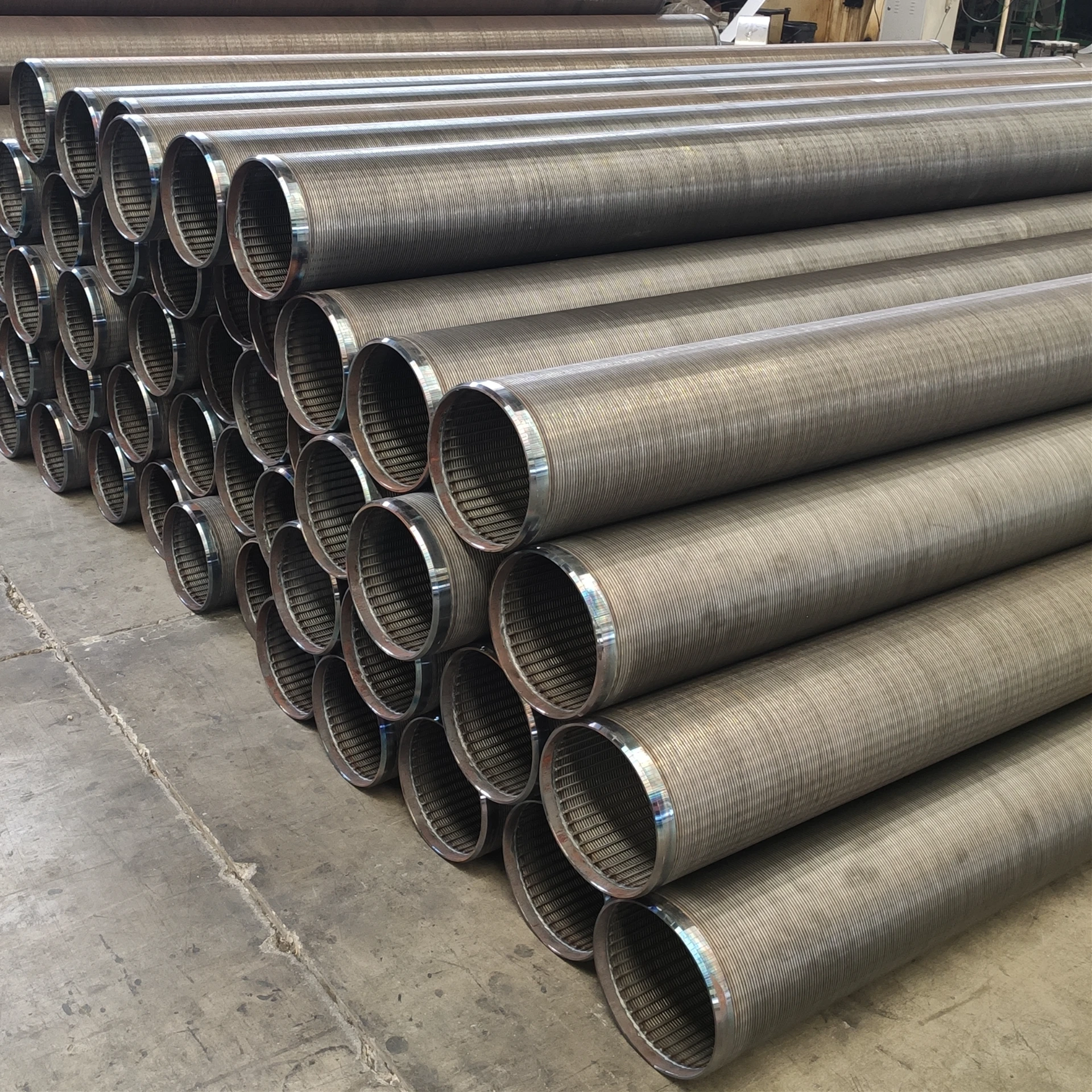
Sand control screens are specialized filters installed inside a wellbore to prevent sand production. Sand production can lead to erosion of downhole equipment like pumps, valves, and tubing, causing costly repairs or even well abandonment. These screens selectively allow hydrocarbons to flow into the wellbore while retaining formation sand. They are particularly essential in unconsolidated formations, where the sand grains are loosely bound and easily dislodged by fluid flow. Without effective sand control, wells can experience rapid declines in production and increased operational risks. Choosing the right sand control screen is critical for long-term well performance.
Key Benefits: Reduced equipment wear, Increased well productivity, Minimized downtime, Extended well life, Lower operating costs.
Types of Sand Control Screens: A Detailed Comparison
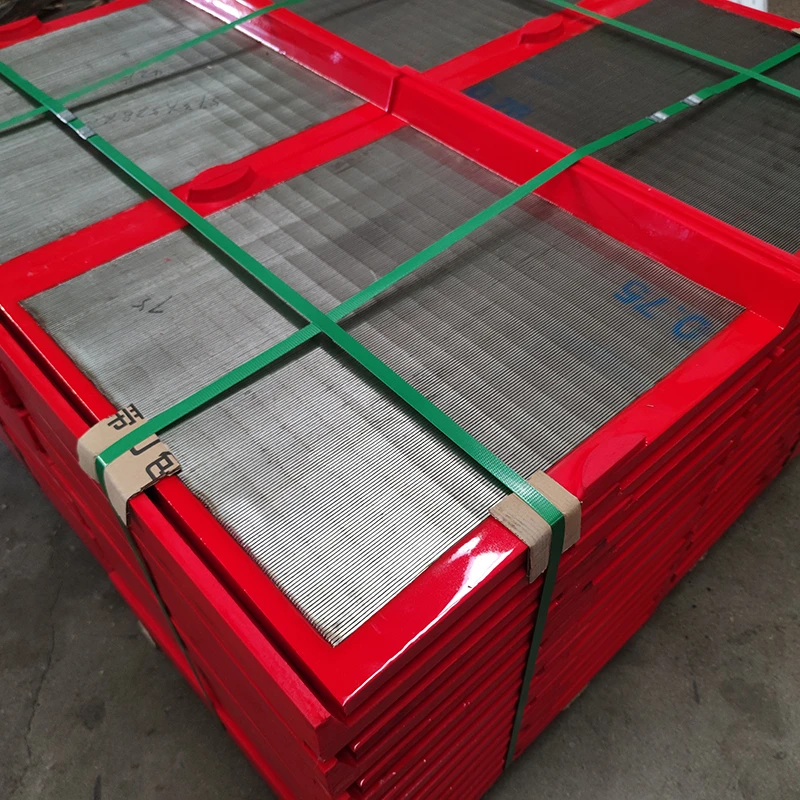
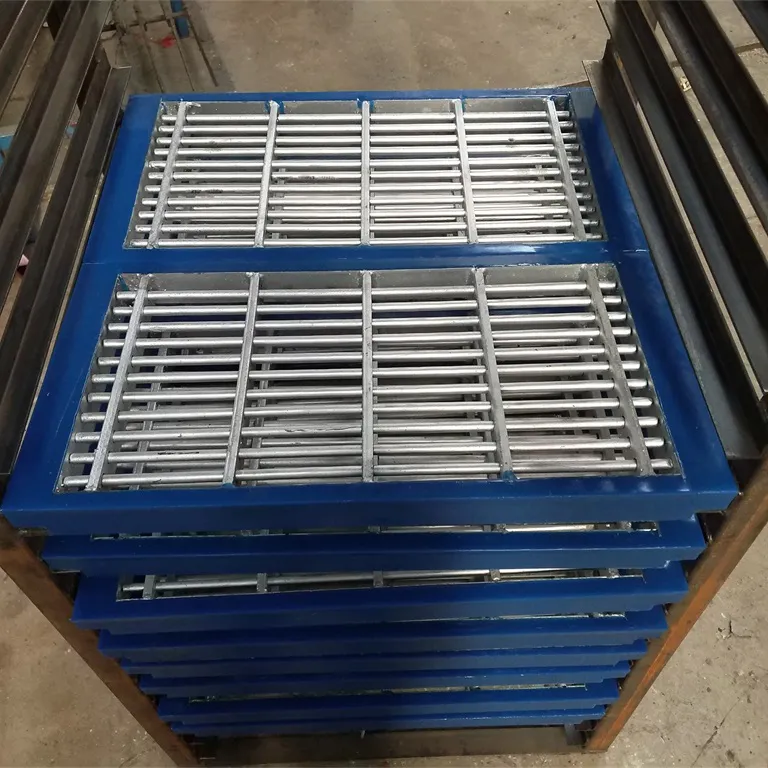
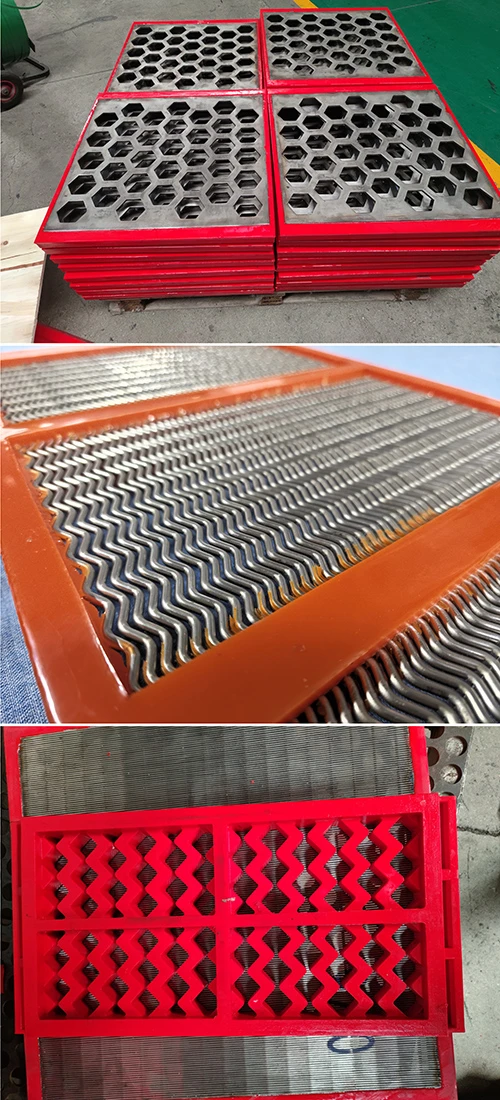
There are several types of sand control screens available, each with its own advantages and disadvantages. The most common types include wire-wrapped screens, sintered metal screens, and pre-packed screens. The selection depends on factors such as formation characteristics, fluid properties, and well conditions. Understanding these differences is crucial for optimal sand control performance. MutoScreen specializes in innovative screen technologies to address diverse well challenges.
Sand Control Screen Selection Criteria
Selecting the appropriate sand control screen involves careful consideration of several factors. The size and shape of the sand grains, the formation permeability, the fluid flow rate, and the presence of fines are all important parameters. Detailed well logs and laboratory analysis of formation samples are essential for making informed decisions. Furthermore, the completion method (openhole or cased hole) will influence the screen design. MutoScreen offers customized solutions tailored to specific well conditions.
Advanced Sand Control Technologies: Innovations from MutoScreen
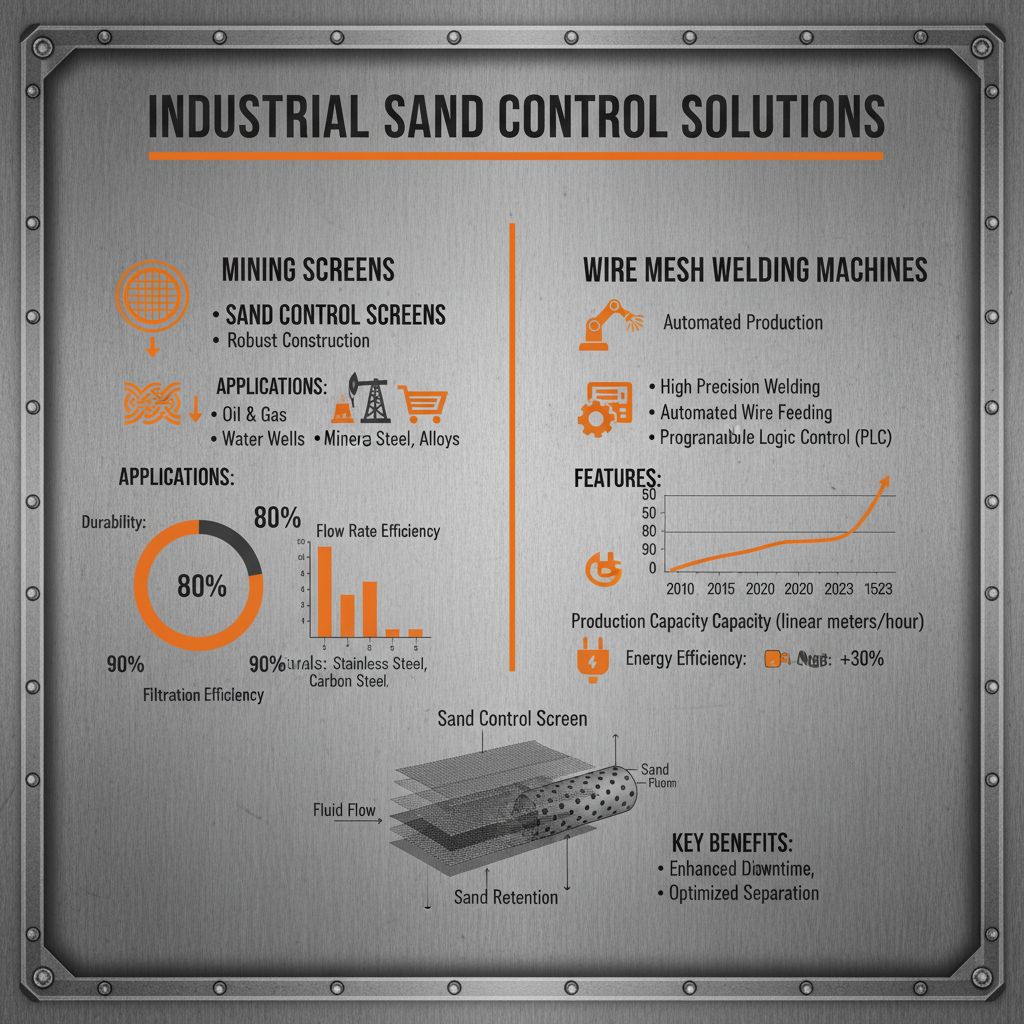
MutoScreen is at the forefront of sand control technology, developing innovative solutions to address the evolving challenges of the oil and gas industry. Our screens incorporate advanced materials and designs to maximize performance and reliability. We offer screens with enhanced sand retention, increased permeability, and improved resistance to corrosion and abrasion. Our engineering team works closely with operators to design and manufacture custom screens tailored to their specific needs.
Installation and Best Practices for Sand Control Screens
Proper installation is critical for ensuring the effectiveness of sand control screens. This includes careful screen running practices, proper centralization, and effective gravel packing (if applicable). Adhering to industry best practices and following the manufacturer's recommendations is essential. Regular monitoring of well performance after installation can help identify any potential issues and ensure optimal sand control. MutoScreen provides comprehensive support and training to ensure successful screen installations.
Conclusion: Optimizing Well Performance with Sand Control
Effective sand control is a cornerstone of successful well operations. By carefully selecting and installing the appropriate sand control screens, operators can significantly enhance well productivity, reduce maintenance costs, and extend well life. MutoScreen is committed to providing innovative and reliable sand control solutions to meet the challenges of the modern oil and gas industry.
Frequently Asked Questions (FAQs)
What is gravel packing and how does it relate to sand control screens?
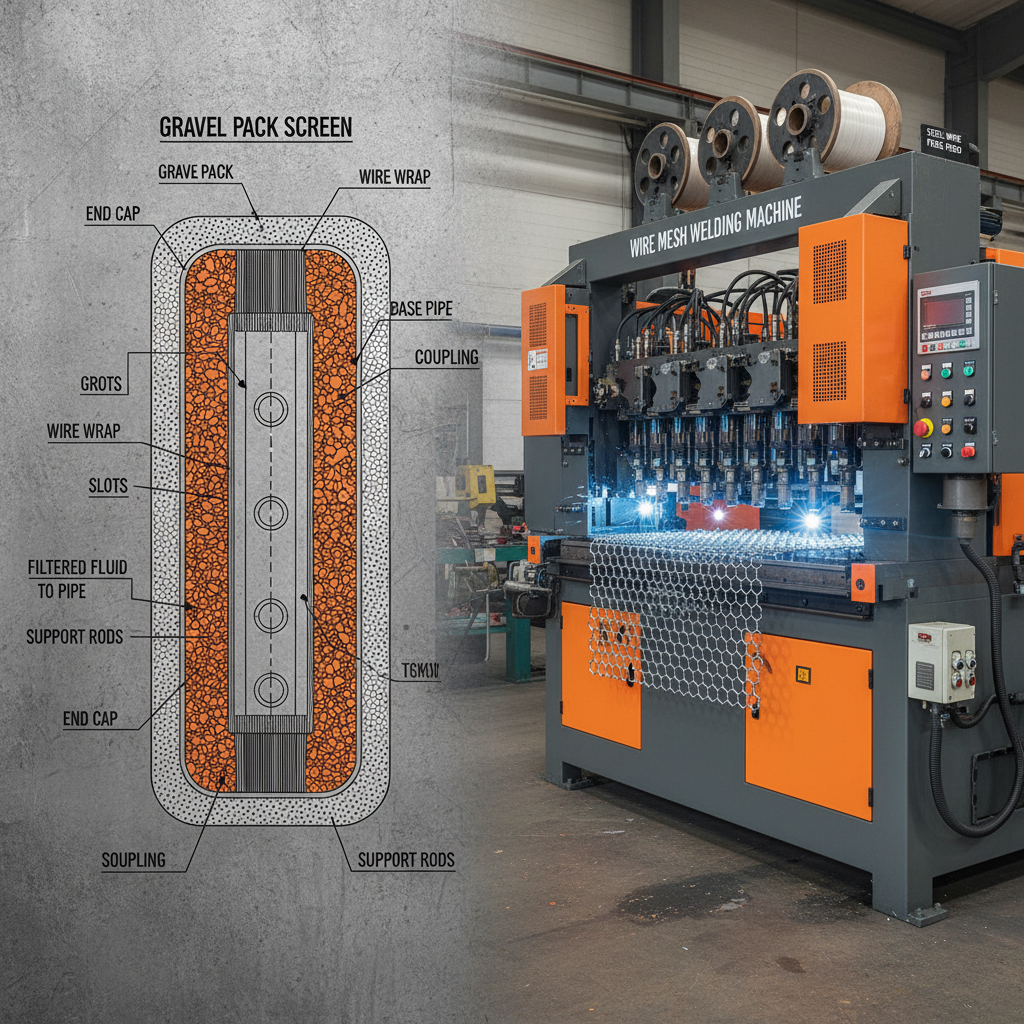
Gravel packing is a common completion technique used in conjunction with sand control screens. It involves packing the annular space between the screen and the wellbore wall with a carefully sized gravel pack. This provides additional support to the formation and prevents sand from migrating into the screen. The gravel pack acts as a secondary filter, enhancing the overall sand control effectiveness. Choosing the correct gravel size and packing method is crucial for optimal performance.
How do I determine the appropriate screen size for my well?
Determining the correct screen size requires a thorough understanding of the formation's sand grain size distribution. This is typically obtained through laboratory analysis of core samples. The screen size should be selected to allow hydrocarbons to flow freely while preventing sand from entering the wellbore. A general rule of thumb is to choose a screen size that is approximately two to three times smaller than the average sand grain diameter. MutoScreen’s experts can assist in this determination.
What are the signs that a sand control screen is failing?
Signs of sand control screen failure include increasing sand production, declining well productivity, and damage to downhole equipment. Regularly monitoring sand production rates and well performance can help detect potential issues early on. A workover may be necessary to inspect and replace the screen if it is compromised. It's essential to proactively address any signs of failure to prevent further damage and maintain well productivity.